Pain guide · Hip pain

Outer hip pain (hip bursitis): exercises that help, and positions to avoid

Pain over the bony point on the outside of the hip, sometimes spreading down the outer thigh. It hurts to lie on that side, climb stairs, stand on one leg, or get up after sitting with your legs crossed. It is most common in mid-life and in women, especially after menopause.

It used to be called trochanteric bursitis. Reviews now see the gluteus medius and minimus tendons as the main source, which changes what helps: the first job is to stop squeezing them.

When to get help first

Exercise is for pain that has been checked or is clearly mild and settling.

Get urgent medical help if

  • Severe hip pain after a fall or injury, or you cannot stand, walk or put weight on the leg. In an older adult this can be a broken hip; the leg may look shorter or turned outward.
  • Tingling or loss of feeling in the hip or leg after an injury.
  • Buttock or leg pain with numbness around the genitals or bottom, new trouble controlling your bladder or bowels, or weakness or numbness in both legs.
  • A hot, swollen hip, or hip pain with a fever or feeling generally unwell (a possible joint infection).

See a doctor or physiotherapist if

  • Hip pain that stops normal activities or disturbs sleep, keeps getting worse, or has not improved after 2 weeks of looking after it at home.
  • Stiffness lasting more than 30 minutes after waking.
  • No improvement after 3 months of good rehabilitation, or sudden weakness walking (a tendon tear is possible).

Understand it

The one idea that matters: compressionEmerging evidence

The gluteal tendons wrap round the bony point of the hip. When the thigh moves across the midline, the band of tissue down the outer thigh presses them against the bone. Reviews suggest that squeezing combined with high pulling load is the hardest mix for a tendon.

This is the leading explanation rather than a proven fact, but it explains why crossing your legs, standing on one hip and outer-thigh stretches tend to keep this pain going.

Sources 3, 5

What helps, and how strong the evidence is

Education plus exercise beat an injectionEmerging evidence

In the LEAP trial (204 people with more than 3 months of outer hip pain), 51 of 66 in the education-plus-exercise group reported success at 8 weeks, against 38 of 65 after a steroid injection and 20 of 68 with wait-and-see. At a year it still led the injection on overall improvement, though pain had become similar.

About half of the wait-and-see group had also improved by a year, so this often settles slowly on its own; exercise gets there faster and more reliably.

Source 4

The advice may matter as much as the exercisesMixed evidence

In a trial of 132 postmenopausal women, everyone was taught to avoid compressing the tendon and to manage load. Tendon-specific exercise was no better than sham exercise on top of that advice: all groups improved. The LEAP authors also thought much of their benefit came from the education.

Sources 6, 4

Exercise ranks first among conservative treatmentsEmerging evidence

A 2025 network meta-analysis of 19 trials ranked exercise therapy highest for pain and function, while noting there are few trials to compare.

Source 7

Side-lying leg raises work the outer hip hardestEmerging evidence

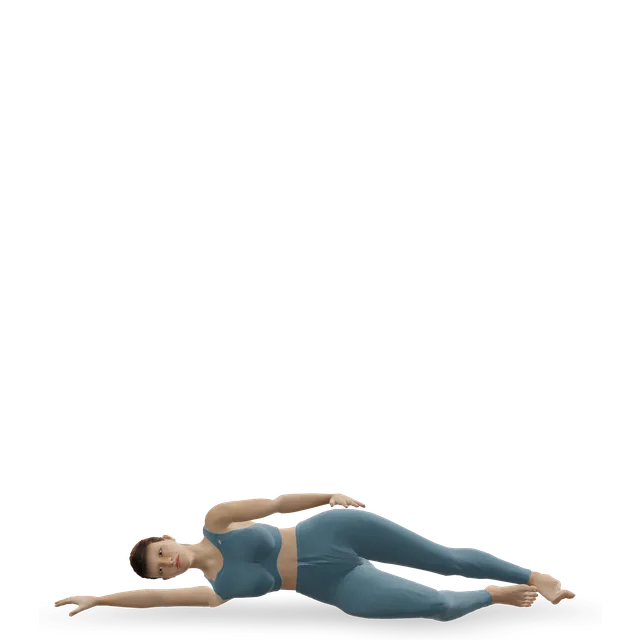
Of 12 common exercises measured in healthy adults, side-lying hip abduction produced the highest gluteus medius activity. Do it lying on your good side, once the pain allows.

Source 9

How much pain is OK while you exercise?

No extra outer hip pain in squats, bridges and side-stepsEmerging evidence

The LEAP programme accepted no increase in outer hip pain during squats, bridges and side-stepping, because pain there suggested the tendon was being squeezed. During heavier strengthening, pain up to about 5 out of 10 was fine if it eased afterwards and was no worse that night or the next morning.

Source 5

The exercise plan: 3 stages

Start at the first stage. Each move opens a full guide with a 3D demo.

Stage 1

Settle: load without squeezing

Week 1, daily. Static holds and small movements with the knees apart, plus the habit changes in the table.

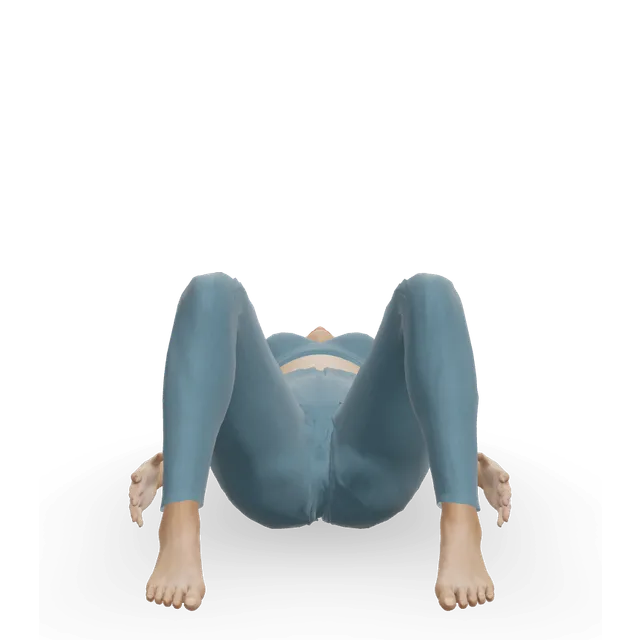
Supine isometric hip abduction (belt press) demonstrated on the 3D figure3D demoSupine isometric hip abduction (belt press)Beginner · A band

3 to 5 holds of 5 to 10 s, twice a day · LEAP trial dose

Harder: Lateral band walk

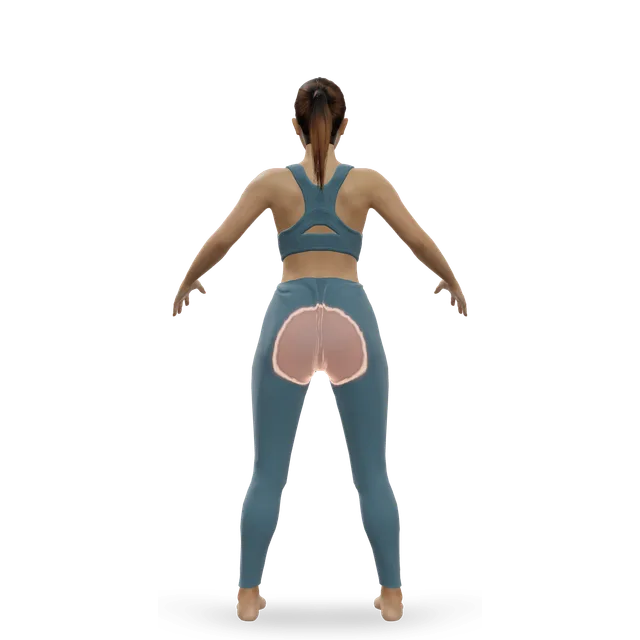
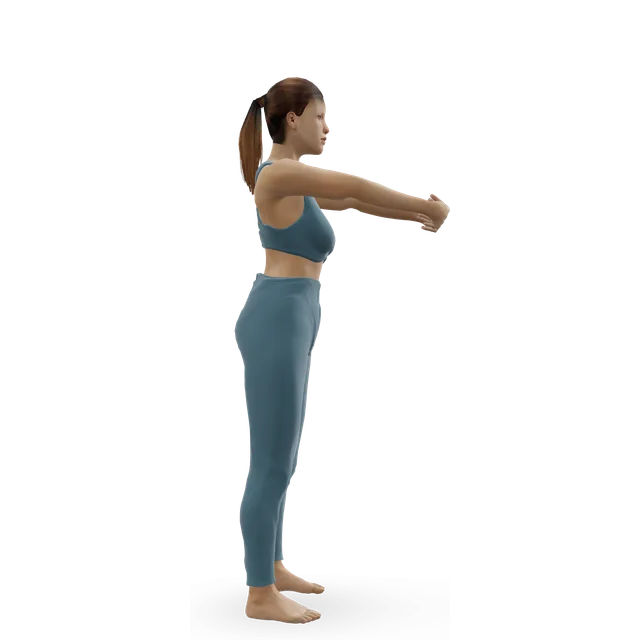
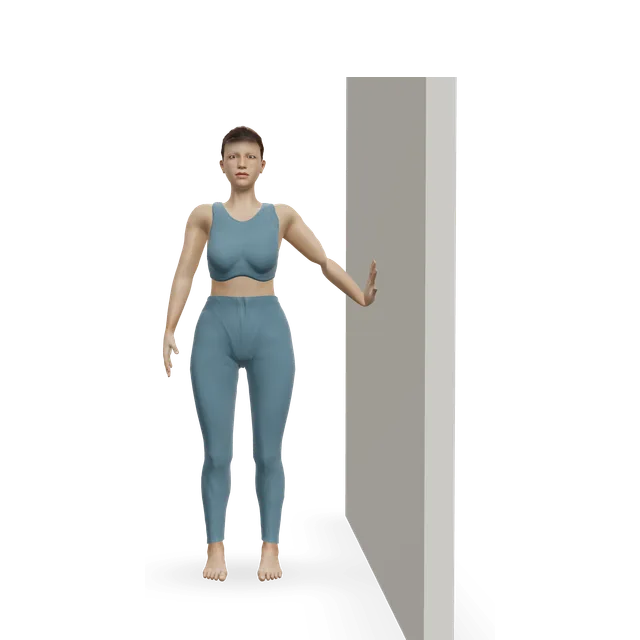
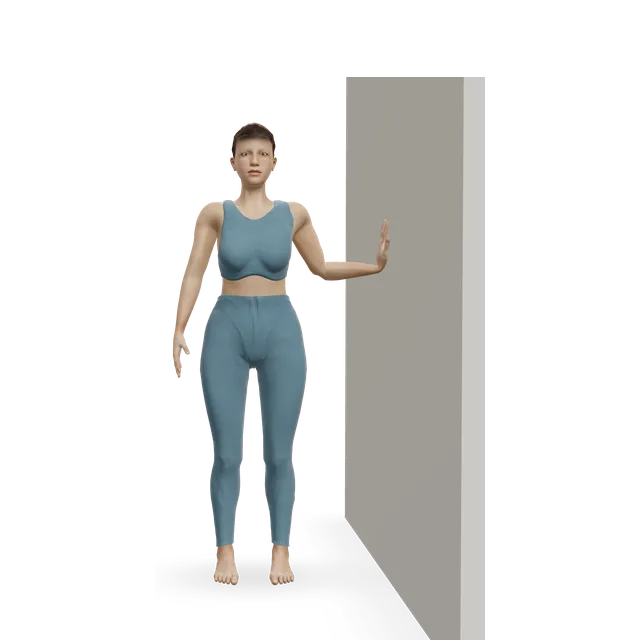
Standing wall-press hip abductionBeginner · A wall

3 to 5 holds of 5 to 15 s each side, twice a day · LEAP trial dose

Harder: Lateral band walk

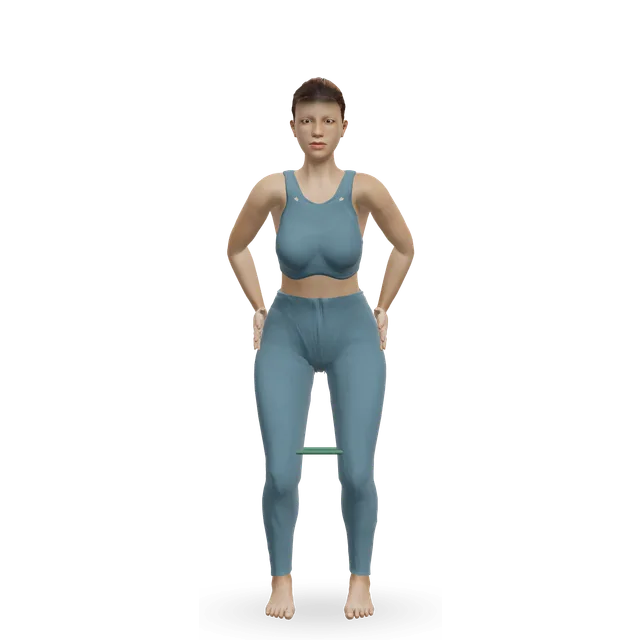
Sit squat (partial squat) demonstrated on the 3D figure3D demoSit squat (partial squat)Beginner · No equipment

10 slow reps, once a day, knees over toes

Harder: Bodyweight squat

Move on when: None of these raise outer hip pain, and nights are no worse.

Follow along: a timer, a cue and the next move, one step at a time.
Stage 2

Build: shift the load onto one leg

From week 2 to about week 6.

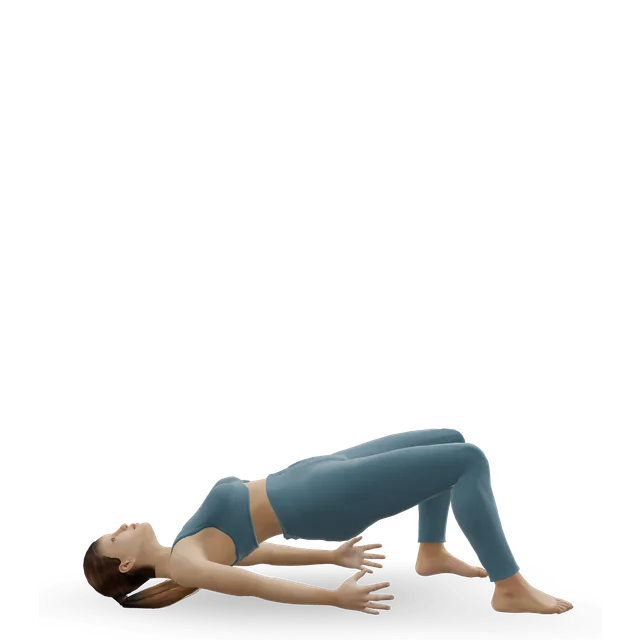
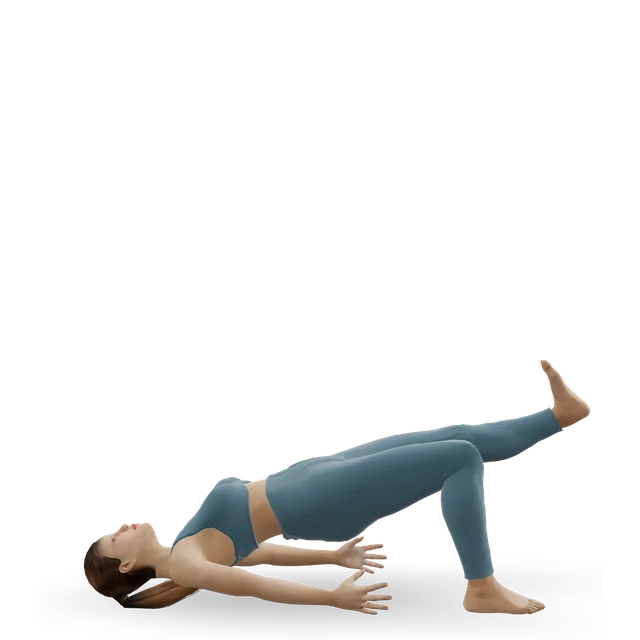
Staggered-stance bridge (offset bridge) demonstrated on the 3D figure3D demoStaggered-stance bridge (offset bridge)Beginner · No equipment

5 slow reps each side, building to 2 sets of 5 to 10 · LEAP trial progression

Easier: Pelvic tilt into bridge · Harder: Glute kickback (quadruped hip extension)

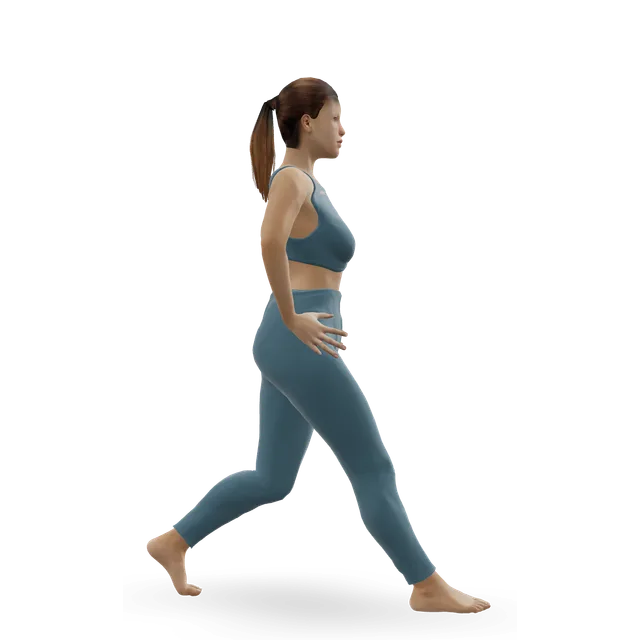
Split squat demonstrated on the 3D figure3D demoSplit squatIntermediate · No equipment

5 slow reps each side, short range, building to 2 sets of 5 to 10

Easier: Bodyweight squat · Harder: Reverse lunge

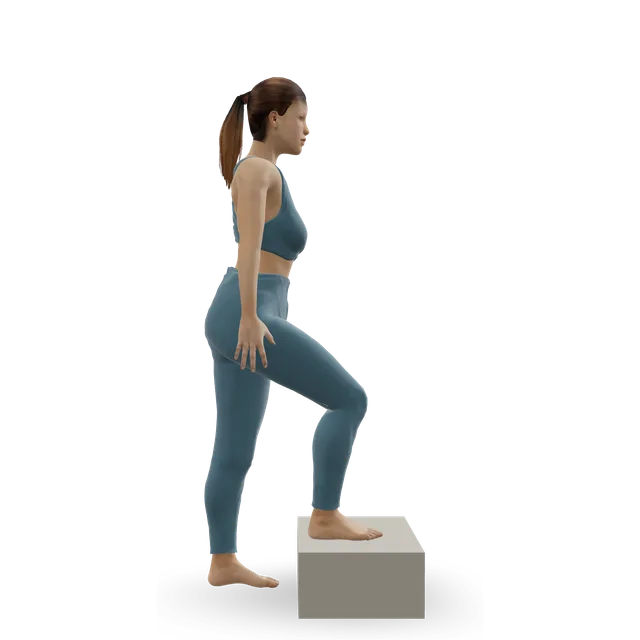
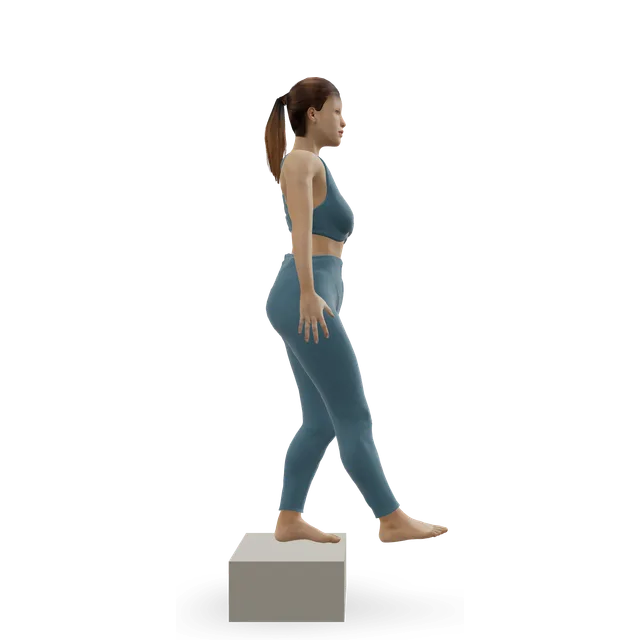
Step-up demonstrated on the 3D figure3D demoStep-upBeginner · A step

2 sets of 8 each side, low step, pelvis level

Harder: Dumbbell step-up

Move on when: You can stand on the sore leg for 30 seconds with the pelvis level and no outer hip pain.

Follow along: a timer, a cue and the next move, one step at a time.
Stage 3

Strengthen: heavier, still without compression

From about week 6. Expect weeks to months; one NHS trust tells patients recovery can take 6 to 12 months.

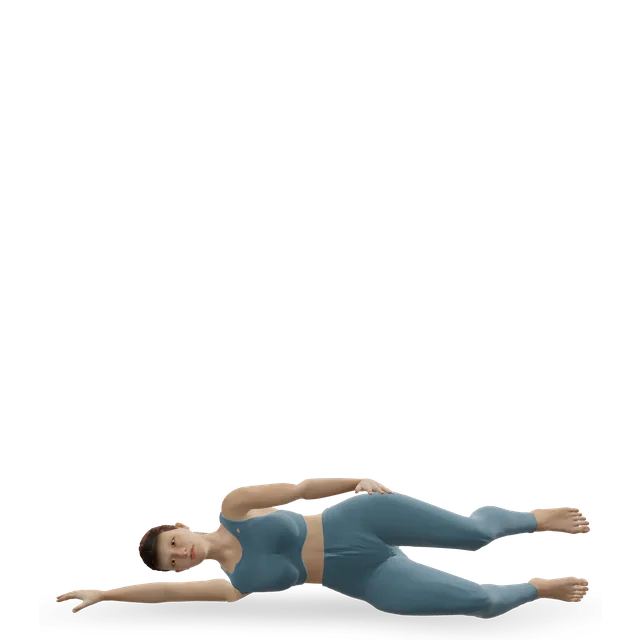
Side-lying leg raise demonstrated on the 3D figure3D demoSide-lying leg raiseBeginner · No equipment

2 to 3 sets of 8 to 12 on the good side · Leg slightly behind the body line, never dropping below level

Easier: Lateral band walk · Harder: Step-up with knee raise

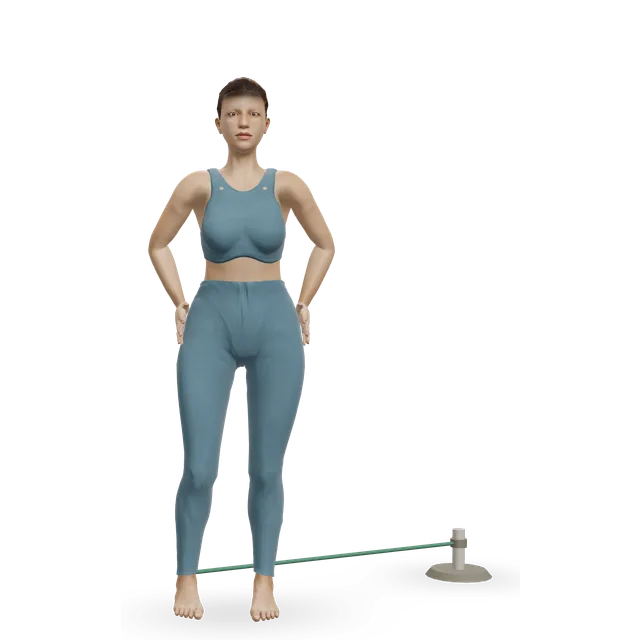
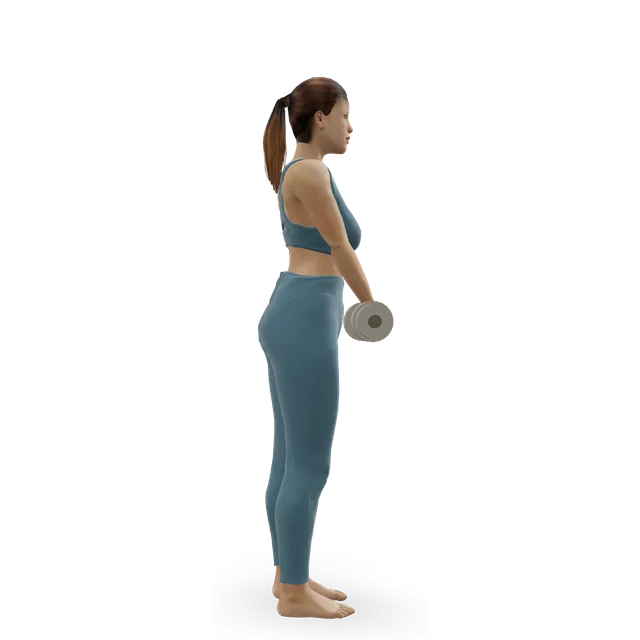
Standing band hip abduction demonstrated on the 3D figure3D demoStanding band hip abductionBeginner · A band + An anchor point

3 sets of 10 to 12 each side · A standing band hip abduction

Easier: Hip abduction machine · Harder: Side-lying leg raise

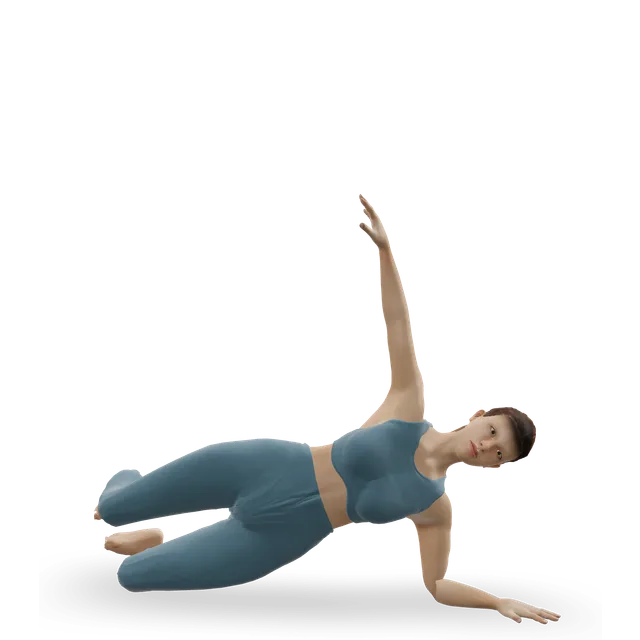
Knee side plank demonstrated on the 3D figure3D demoKnee side plankBeginner · No equipment

3 holds of 15 to 30 s each side

Harder: Side plank

Move on when: Progress the side plank to the full version and add load to the step and hinge work, one change at a time.

Follow along: a timer, a cue and the next move, one step at a time.

Positions to swap, and why

Habit or positionWhy it mattersInstead
Sitting with your legs crossedThe thigh crosses the midline and compresses the tendons.Knees hip-width apart, hips a little higher than the knees.
Standing hanging on one hipThe hip drifts out sideways under your weight.Weight even on both feet.
Lying on the painful sideDirect pressure on the bony point for hours.On your back with a pillow under the knees, or on the good side with pillows between the knees.
Lying on the good side with the top knee droppedThe top hip falls across the body.A pillow or two between the knees so the top leg stays level.
Low chairs and car seatsDeep bending plus the thigh drifting in.A higher seat or a cushion.
IT band and outer hip stretchesThe stretch position is the compression position.Leave the outer hip unstretched while it is painful.
Knee across the body stretchPulls the thigh across the midline.A gentle back stretch that keeps the knees apart.
Foam rolling the outer thighDirect pressure over the sore area (untested either way).Skip it while it is painful.

Routines to follow

More moves for this area

Questions people ask

Should I stretch my IT band for outer hip pain?

Not while it hurts. Pulling the thigh across the body is the position that squeezes the gluteal tendons, and an NHS hospital's patient advice warns it can irritate them if repeated.

Can I sleep on the painful side?

Try not to. Sleep on your back with a pillow under your knees, or on the other side with pillows between your knees so the top leg stays level.

Is walking OK with hip bursitis?

Usually, yes. Walk with your weight even on both feet, shorten the distance if it builds pain, and avoid long steep hills early on.

Do steroid injections help?

They can ease pain for a few weeks, but in the LEAP trial education plus exercise did better at 8 weeks and on overall improvement at a year.

Why is this more common after menopause?

Outer hip tendon pain is most common in women in mid-life and after menopause. A trial testing hormone therapy found the education and exercise did the work; talk to your doctor about hormone therapy for its own reasons.

Other pain guides

Sources

  1. NHS · Hip pain
  2. Chamberlain 2021 · Hip pain in adults: evaluation and differential diagnosis (American Family Physician)
  3. Grimaldi 2015 · Gluteal tendinopathy: a review of mechanisms, assessment and management (Sports Medicine)
  4. Mellor 2018 · Education plus exercise vs corticosteroid injection vs wait and see for gluteal tendinopathy (RCT, BMJ)
  5. Mellor 2016 · The LEAP trial protocol (BMC Musculoskeletal Disorders)
  6. Mary McMillan 2022 · Hormone therapy, exercise, or both for greater trochanteric pain syndrome in postmenopausal women (factorial RCT, AJSM)
  7. Wang 2025 · Conservative treatment of greater trochanteric pain syndrome (network meta-analysis of 19 RCTs)
  8. Royal Orthopaedic Hospital NHS Trust · Gluteal tendinopathy (patient information)
  9. Distefano 2009 · Gluteal muscle activation during common therapeutic exercises (JOSPT)

Exercise education, not a diagnosis or treatment plan. It is written from the guidelines and studies listed above; review by a clinician is pending. If your pain follows an injury, is severe, is getting worse, or comes with any warning sign listed on this page, get it assessed. Health disclaimer.