Piriformis syndrome and buttock pain: what helps, and what it might really be
Piriformis syndrome means sciatica-type pain caused by the piriformis muscle irritating the sciatic nerve deep in the buttock. It is real, but contested and probably uncommon.
Buttock pain more often comes from the lower back, the hip joint, the sacroiliac joint or the top of the hamstring, which is why the same stretch helps one person and does nothing for the next.
Exercise is for pain that has been checked or is clearly mild and settling.
Get urgent medical help if
Buttock or leg pain with numbness around the genitals or bottom, new trouble controlling your bladder or bowels, or weakness or numbness in both legs.
A hot, swollen hip, or hip pain with a fever or feeling generally unwell (a possible joint infection).
A child or teenager with sudden hip, thigh or knee pain, a limp, or who will not put weight on a leg. Hip problems in children can be felt only in the knee.
See a doctor or physiotherapist if
Pain that spreads below the knee with pins and needles, numbness or weakness: read about sciatica and get assessed.
Hip pain that stops normal activities or disturbs sleep, keeps getting worse, or has not improved after 2 weeks of looking after it at home.
Bone pain that is constant or worse at night, especially with a lump, unexplained weight loss, fever or tiredness, or a past history of cancer.
Understand it
What we do and do not knowMixed evidence
A systematic review of 55 studies found the most commonly reported features were buttock pain, tenderness over the sciatic notch, pain worse with sitting, and pain when the piriformis is stretched. Most of the literature is case series; there is no agreed test.
When pain was confirmed to come from the hip joint, 71% of people felt it in the buttock. The lower back, the sacroiliac joint and the hamstring tendon at the sitting bone are common sources too.
A review of treatments for deep gluteal syndrome (13 studies, mostly injections and surgical series) rated the evidence low and found no conservative treatment better than another. Its advice: follow back pain and sciatica guidelines first, which means physiotherapy and staying active.
NICE advises self-management and continuing normal activities for low back pain and sciatica, and considering a group exercise programme. The NHS adds: start gentle movement early and avoid long spells of sitting or lying.
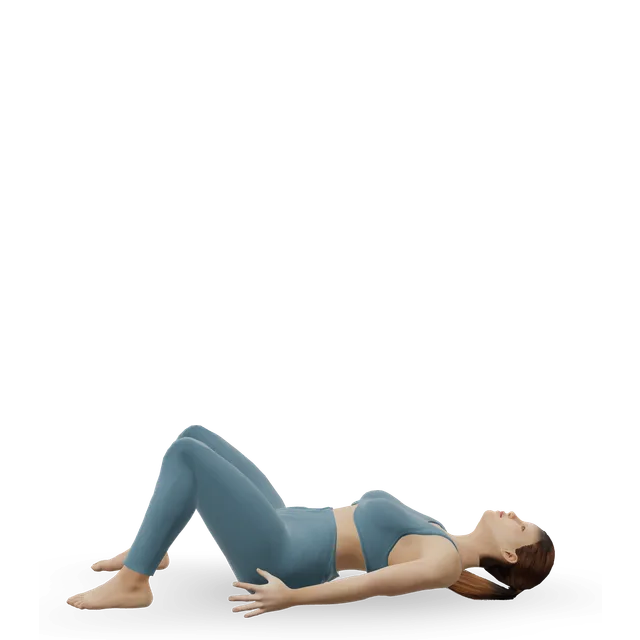
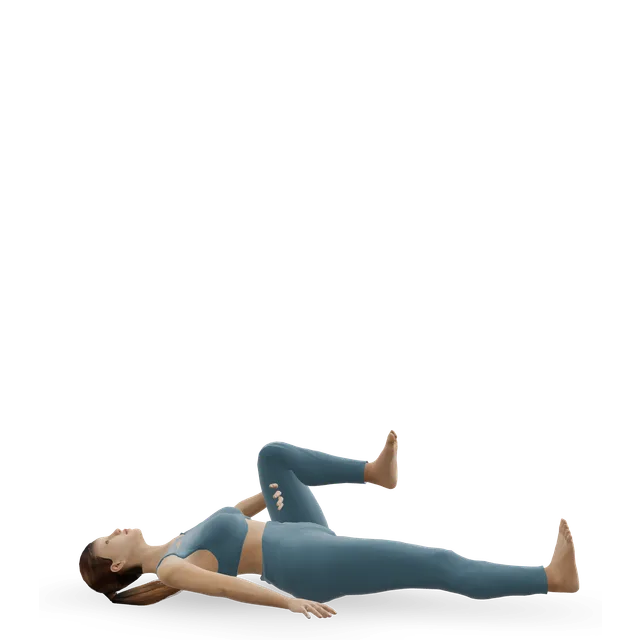
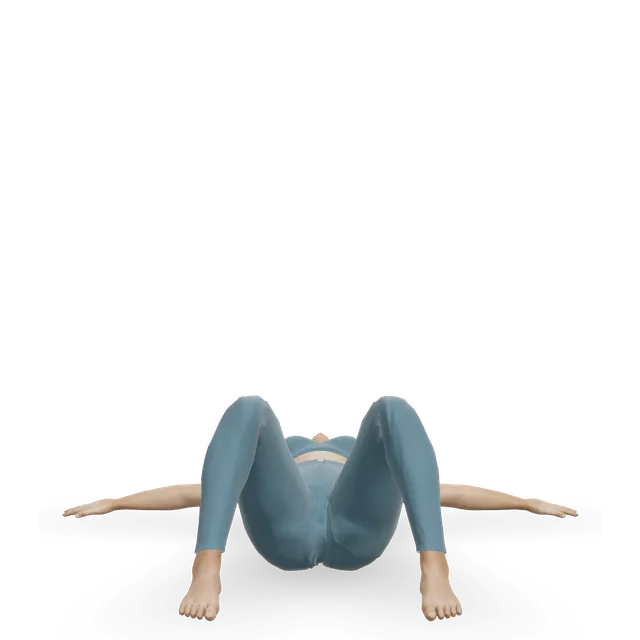
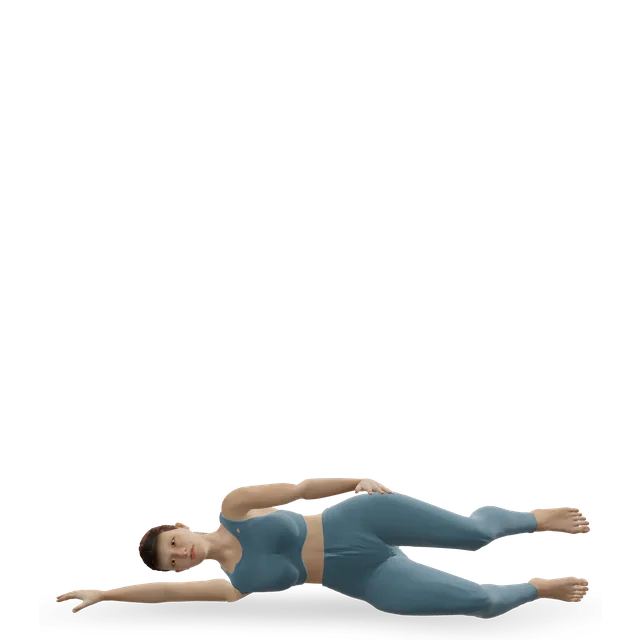
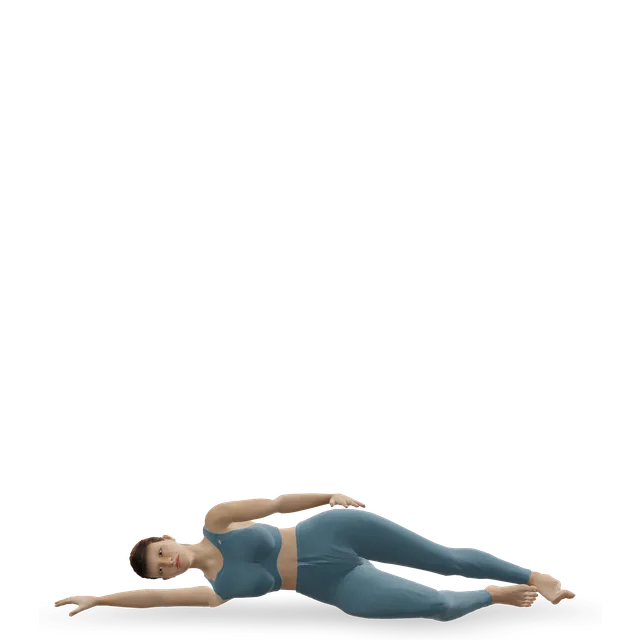
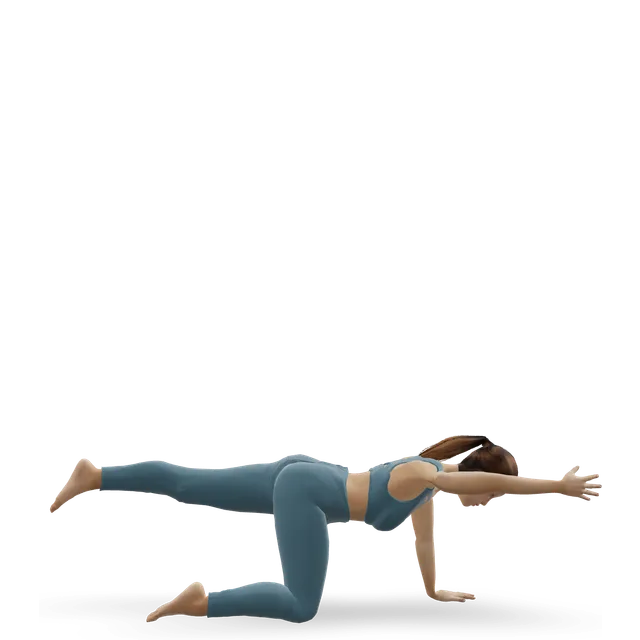
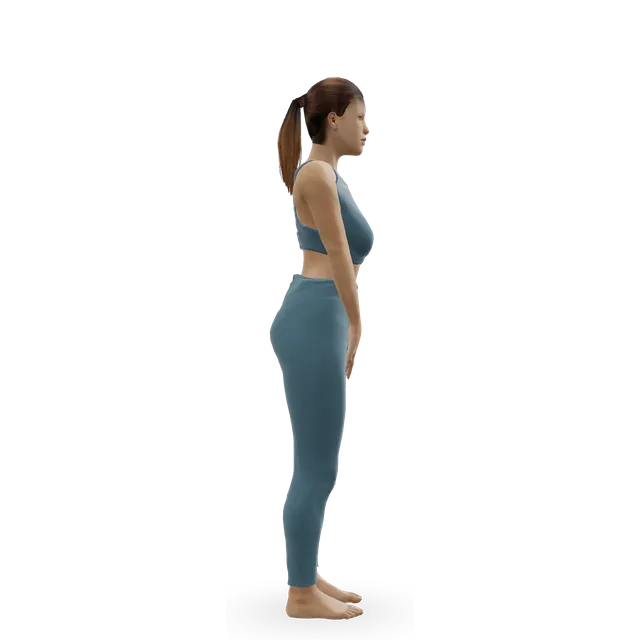
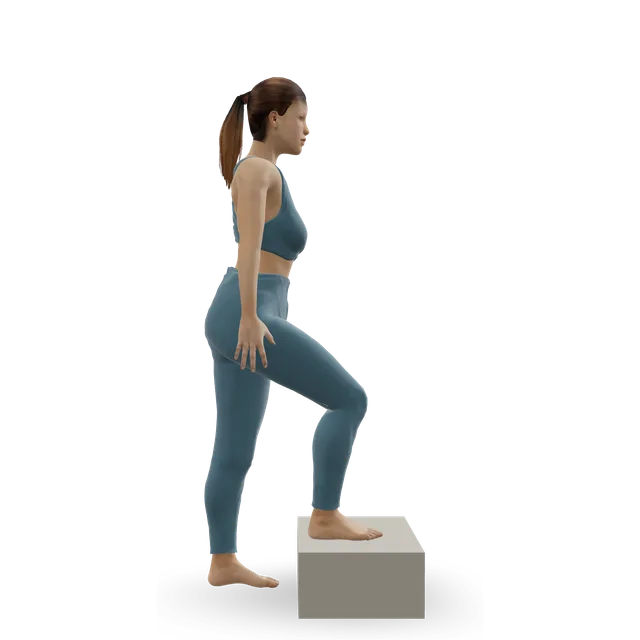
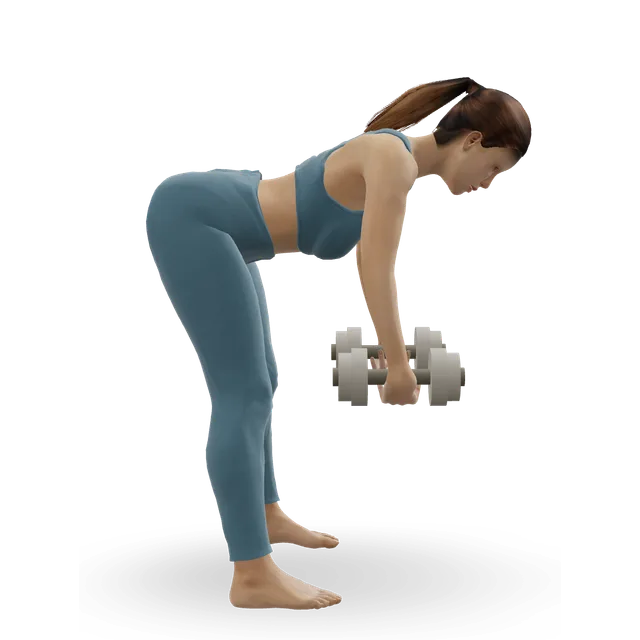
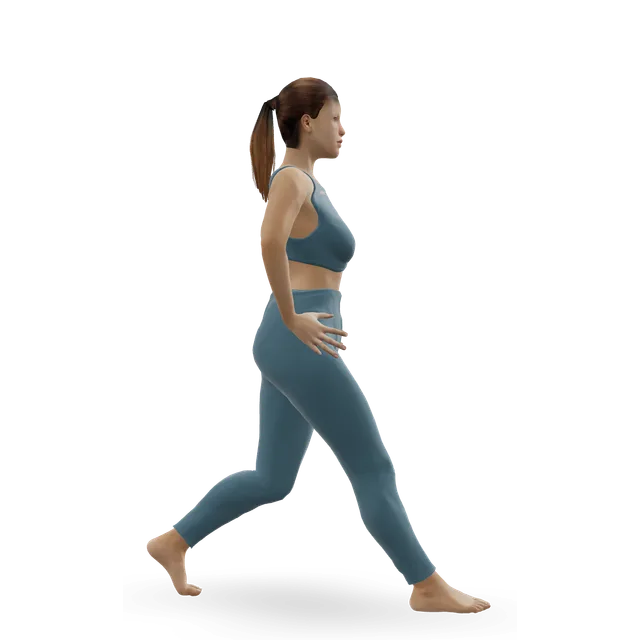
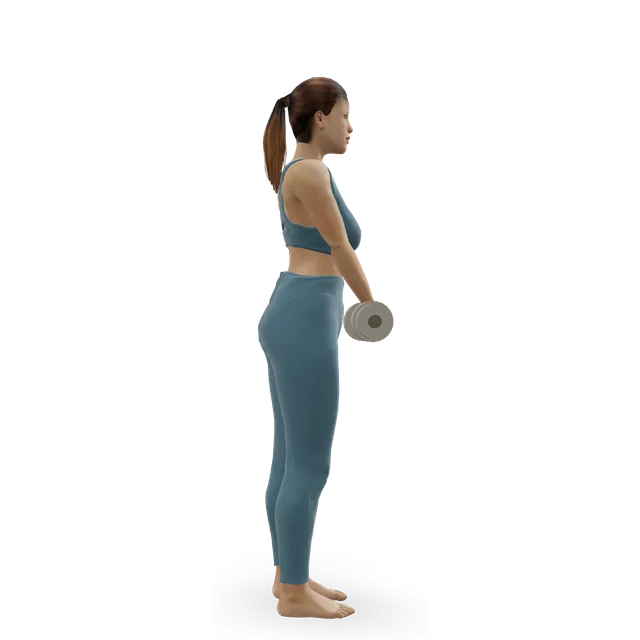
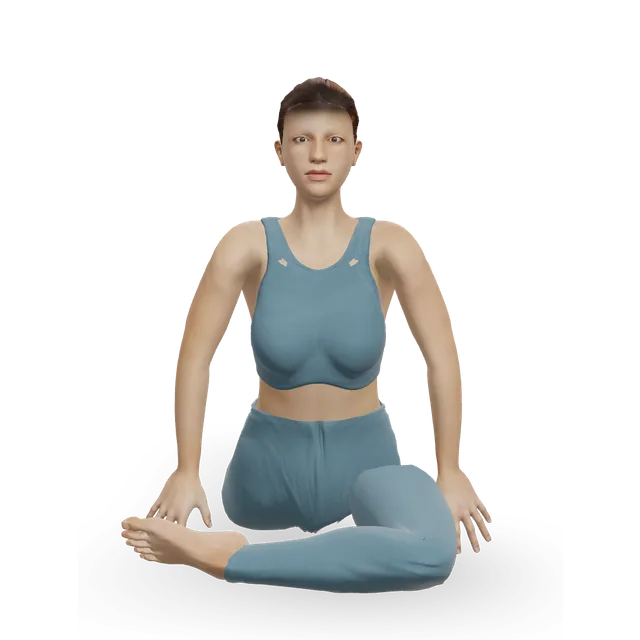
With no specific treatment proven, a general plan of walking, hip and trunk strengthening and optional comfortable stretches is a reasonable, low-risk start.
During the exercise, pain up to about 5 out of 10 is acceptable. It should settle within an hour or so, and your hip should be no worse that night or the next morning. If it is, do less next time (fewer repetitions, a smaller range, a lighter load), not nothing.
Pain can go up a little when you start a new exercise programme; guidelines for arthritis say so and still recommend keeping going. If pain climbs week after week, or a warning sign appears, stop and get it checked.
It may feel good for a stiff hip, but no trial shows it treats sciatica, and true sciatica usually comes from the back. If pigeon brings on leg symptoms, stop.
How do I know if it is piriformis or sciatica?
You often cannot tell on your own. Pain below the knee, pins and needles, numbness or weakness, or pain that started with back pain, point to the back. Get assessed if leg symptoms persist.
Does foam rolling the buttock help?
There is no evidence either way. Some people find pressure relieves it; if it brings on leg symptoms, stop.
Exercise education, not a diagnosis or treatment plan. It is written from the guidelines and studies listed above; review by a clinician is pending. If your pain follows an injury, is severe, is getting worse, or comes with any warning sign listed on this page, get it assessed. Health disclaimer.