Easy pose (Sukhasana)
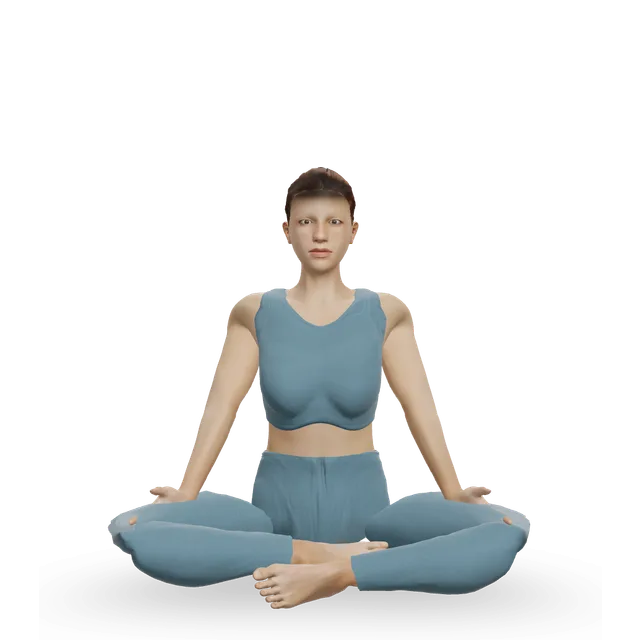
Sitting cross-legged with the trunk tall: one of the poses Yoga Journal uses to prepare the hips for pigeon.
Pigeon family
Easy pose (Sukhasana)
Loading the 3D figure…
Source-researched guide.
How to move
- Sit and cross the shins, each foot under the opposite knee.
- Sit tall with the hands resting on the knees.
- Hold, then change which shin is in front.
Form cues
- Sit on a folded blanket so the knees can drop below the hips.
- Keep the spine long.
Practice and cautions
No universal dose is assigned. Choose a manageable amount for your current capacity, leave room for controlled repetitions, and allow recovery. A clinician’s individual plan takes priority.
If the knees float high or the low back rounds, sit up on a blanket or firm cushion until the knees settle below hip height. In pregnancy, sitting cross-legged can make leg cramps worse: sit on a chair instead if you get cramps. This is movement education, not an assessment or treatment prescription. Stop for sharp or increasing pain, dizziness, numbness or tingling; seek individual guidance for symptoms, injury or restrictions.
Sources and review status
Sources support the educational description; they do not establish that this exercise is suitable for you.
- Yoga Journal · Five ways to practise pigeon (bound angle and easy pose first, to prepare the hips) ↗
- Yoga Journal · Alternatives to pigeon pose (its front hip asks for more turn-out than most hips have; the reclining figure four is a gentler option) ↗
No variation is labeled clinically validated.
What it works
Equipment
None: body weight and floor space.
Level
Beginner. See the easier and harder options above.
Workouts that use it
- Gentle yoga for beginners · 25 min
- Prenatal yoga workout (no lying on your back) · 20 min
- Trauma-sensitive yoga: a gentle practice where you choose · 20 min
- Ashtanga yoga for beginners: a 40-minute short form · 40 min
- Kundalini yoga for beginners: a 25-minute breath and movement practice · 25 min
- Yoga for knee pain: a 25-minute knee-friendly sequence · 25 min
- Yoga for headaches and migraine: a 20-minute calm practice · 20 min
- Yoga for high blood pressure: a 40-minute balanced practice · 40 min
Show all 19 workoutsShow fewer workouts
- Yoga for diabetes: a 35-minute head-up practice · 35 min
- Gentle yoga for cancer: a 25-minute supported class with no twists · 25 min
- Yoga for asthma: a 20-minute breathing-first practice · 20 min
- Yoga for the pelvic floor: a 30-minute class with the squeeze built in · 30 min
- Gentle yoga for fibromyalgia: a 30-minute class with a stop point · 30 min
- Yoga for acid reflux: a 20-minute head-up class with belly breathing · 20 min
- Yoga for grief: a 15-minute gentle practice for hard days · 15 min
- Yoga for restless legs: a 30-minute evening class with calf, thigh and hip stretches and a 10-minute rest · 30 min
- Yoga for epilepsy: a 30-minute seated and lying practice with slow breathing, in the order a trial used · 30 min
- Steady morning yoga for bipolar disorder: a 25-minute daytime class with slow breathing, no holds and a short rest · 25 min
- Yoga for veterans: a 25-minute class you can choose your way through, sitting, then standing at a chair, with a back block and an eyes-open finish · 25 min
Pain guides that use it
Part of a staged plan, with when to get help first.
Guides that use it
- Yoga for beginners guide
- Types of yoga guide
- Yoga in pregnancy guide
- Yoga nidra guide
- Hatha yoga guide
- Ashtanga yoga guide
- Kundalini yoga guide
- Yoga for knee pain guide
Show all 36 guidesShow fewer guides
- Yoga for headaches and migraine guide
- Yoga for high blood pressure guide
- Yoga for diabetes guide
- Yoga for cancer guide
- Yoga for asthma guide
- Yoga for fibromyalgia guide
- Yoga for PTSD guide
- Yoga for eyes guide
- Yoga for acid reflux guide
- Yoga for grief guide
- Yoga for addiction recovery guide
- Yoga for piriformis syndrome guide
- Yoga after a knee replacement guide
- Yoga for a meniscus tear guide
- Yoga for restless legs guide
- Yoga for epilepsy guide
- Yoga for bipolar disorder guide
- Yoga for eating disorders guide
- Yoga for veterans guide
- Yoga for knee arthritis guide
- Yoga for chronic pain guide
- Somatic yoga guide
- Yoga for hip mobility guide
- Exercise for migraine
- Exercise for PTSD
- Exercise and eating disorders
- Exercise with glaucoma
- Sitting-rising test guide
Similar moves
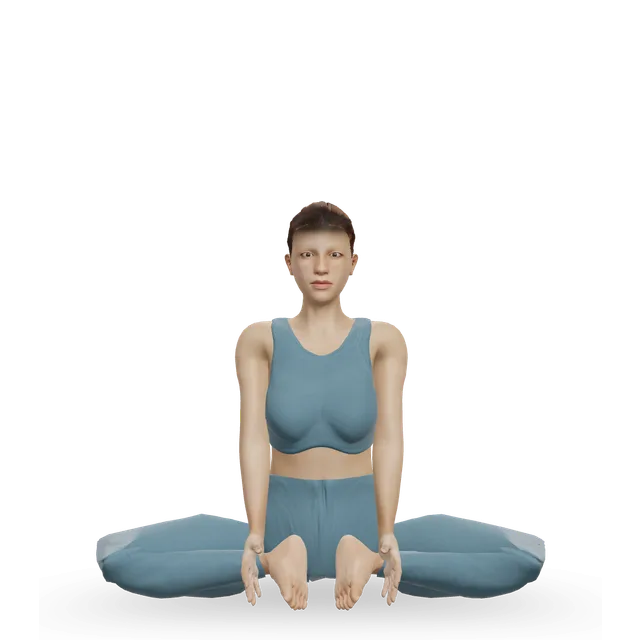 3D demoBound angle pose (Baddha Konasana)Beginner · No equipment
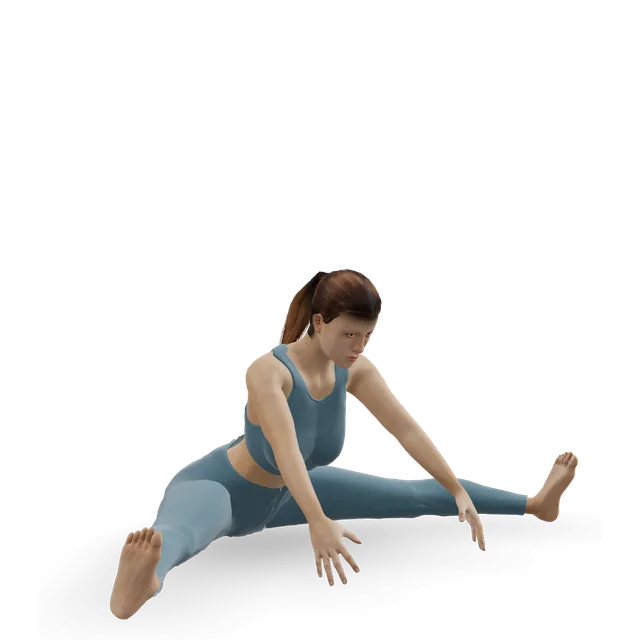 3D demoActive pancake lift-offAdvanced · No equipment
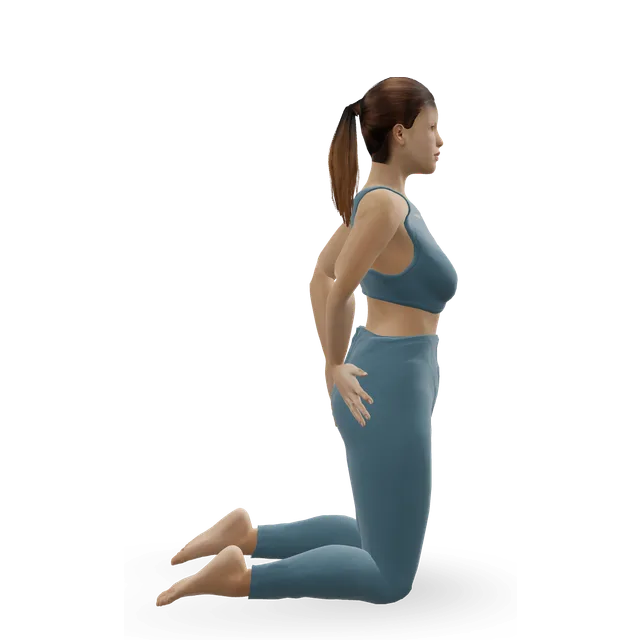 3D demoCamel pose (Ustrasana)Intermediate · No equipment
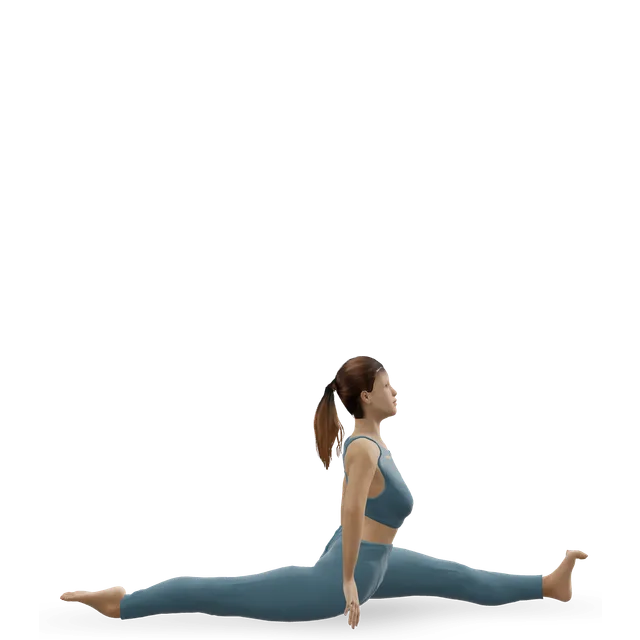 3D demoFront splits (Hanumanasana)Advanced · No equipment
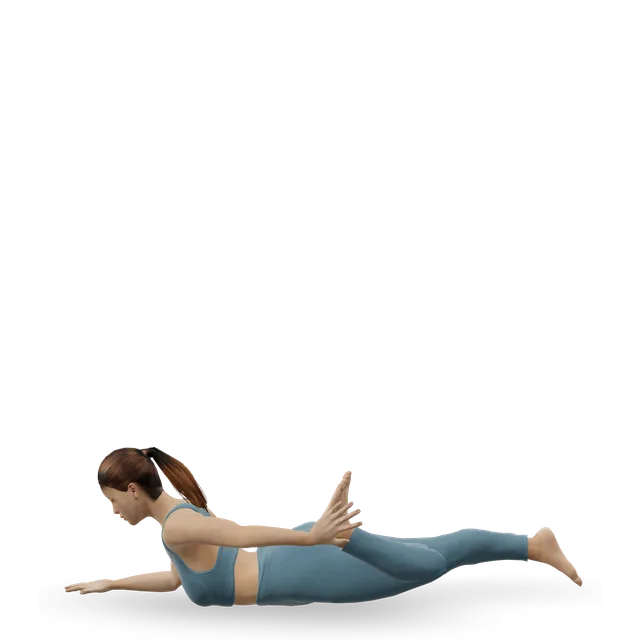 3D demoHalf frog pose (Ardha Bhekasana)Intermediate · No equipment
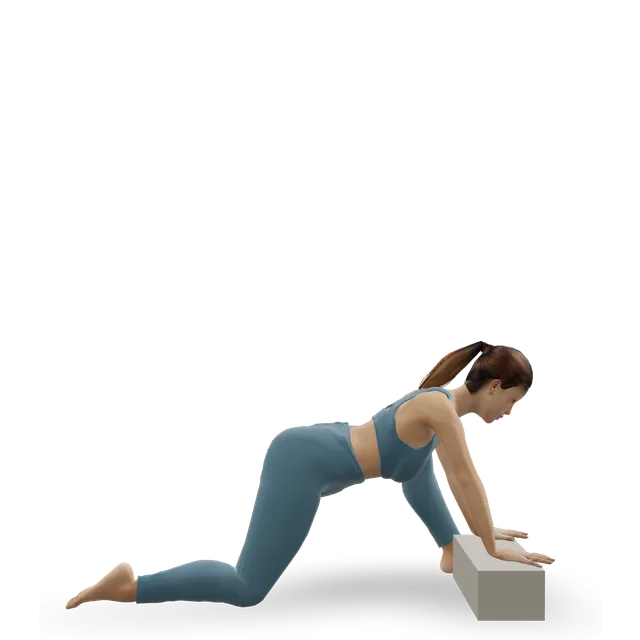 3D demoLizard pose (Utthan Pristhasana)Intermediate · No equipment
Browse more
Questions people ask
What muscles does the Easy pose (Sukhasana) work?
Mainly the hip flexors, with help from the back.
What equipment do I need for the Easy pose (Sukhasana)?
No equipment: your body weight and a little floor space.
Is the Easy pose (Sukhasana) good for beginners?
It is graded beginner, so it suits most people starting out. When it feels easy, try the Pigeon preparation (Eka Pada Rajakapotasana prep).
How do I make the Easy pose (Sukhasana) harder?
Progress to the Pigeon preparation (Eka Pada Rajakapotasana prep) or the Boat pose (Navasana). Follow that guide’s technique and any stated timing.