Yoga flows
Yoga for headaches and migraine: a 20-minute calm practice
A quiet 20-minute practice to do between headaches, modelled on the sessions of the largest yoga trial for migraine as a 2023 guideline describes them: mostly breathing and relaxation, with gentle loosening and a few easy poses. There's no heat, no fast breathing, no holding your breath and nothing upside down. It works alongside your usual treatment, not instead of it.
Breathe
- Beginner · Hip flexors, Back · 3D demoSit on a cushion or a chair in a cool, quiet room with soft lightHarder: Pigeon preparation (Eka Pada Rajakapotasana prep)
- Beginner · 3D demoIn gently for about 4, out for about 6, no holds. If you feel light-headed, make the breaths smallerEasier: Breath reachHarder: Crocodile breathing (prone diaphragmatic breathing)


Loosen
- Neck CARs (controlled articular rotations)3 slow nods, 3 turns and 3 tilts each wayBeginner · Neck · 3D demoOne movement at a time, not circles, well within comfortHarder: Rabbit pose (Sasangasana)
- Shoulder rolls10 slow circles each wayBeginner · Shoulders, Back, Neck · 3D demoHarder: Shoulder CARs (controlled articular rotations)
- Breath reach5 breathsBeginner · 3D demoBreathe out for longer than you breathe inHarder: Slow breathing (6 breaths a minute)
- Thoracic rotation5 each sideBeginner · 3D demoLet your head follow your chestEasier: Side-lying open bookHarder: World's greatest stretch




Gentle poses
- Cat-cow6 slow roundsBeginner · Back, Abs · 3D demoHead in line with your spineHarder: Half lord of the fishes (Ardha Matsyendrasana)
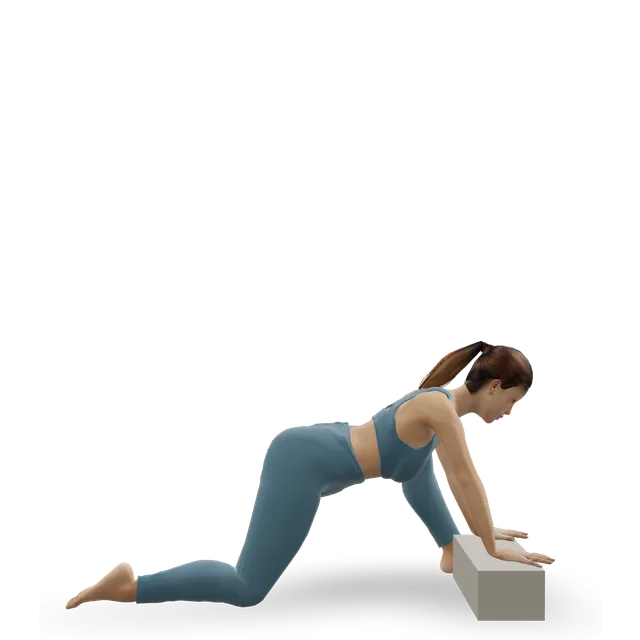
- Beginner · Back, Shoulders, Glutes · 3D demoForehead on a block or stacked fists so your head stays nearly level; skip it if having your head low brings on symptomsHarder: Extended puppy pose (Uttana Shishosana)
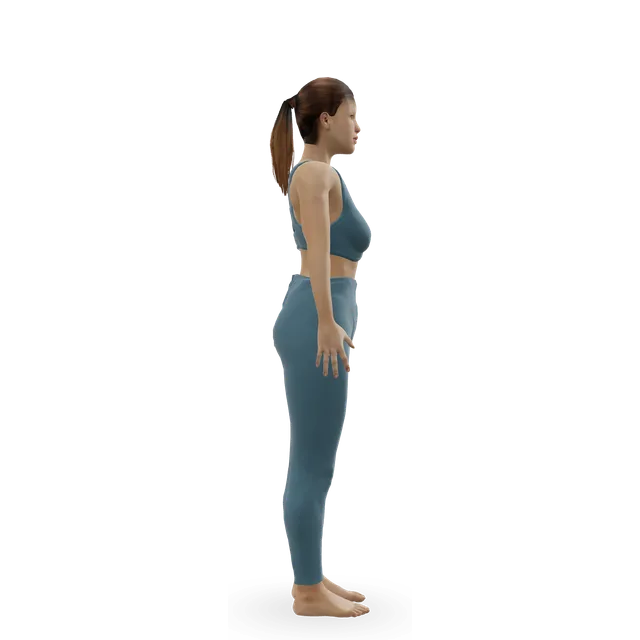
- Mountain pose (Tadasana)5 slow breathsBeginner · Calves, Back, Abs · 3D demoStand up slowly from all foursHarder: Tree pose (Vrksasana)
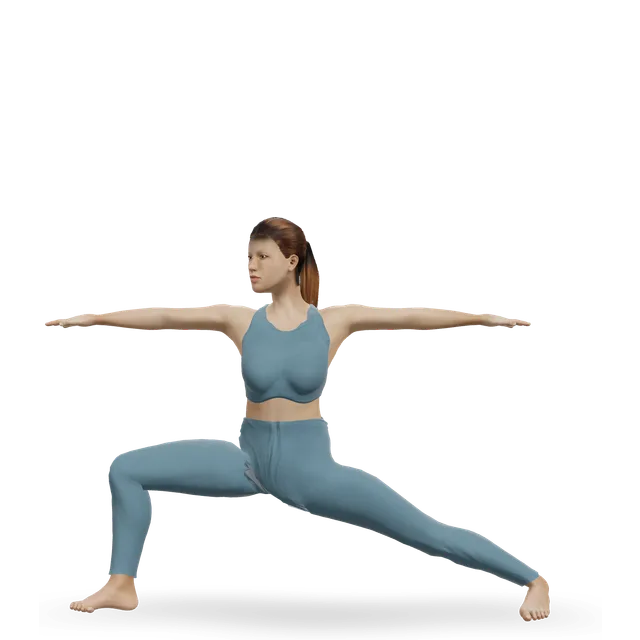
- Warrior II (Virabhadrasana II)3 breaths each sideIntermediate · Quads, Glutes, Adductors · 3D demoKeep breathing smoothly, with no strainingEasier: Chair pose (Utkatasana)Harder: Extended side angle (Utthita Parsvakonasana)




Lie down
- Supine spinal twist (Supta Matsyendrasana)45 s each sideBeginner · Back, Glutes · 3D demoCushion between your kneesHarder: Seated twist, bottom leg straight
- Beginner · Adductors, Chest · 3D demoSupports under each thigh; cover your eyes if light bothers youHarder: Wide-angle seated forward fold (Upavistha Konasana)



Breathe
- Beginner · 3D demoSit up slowly first. Slow breaths, changing nostrils, with no holdsEasier: Slow breathing (6 breaths a minute)

Tips
- Practise between headaches. During a migraine attack, rest in a dark room and take your usual treatment; gentle movement is fine if it helps, but it's unlikely to stop the attack.
- Three times a week for at least 6 weeks matches the trials. Keep a headache diary and judge it after about 3 months.
- Eat and drink beforehand and keep the room cool: hard effort, heat and skipped meals are common triggers.
- Leave out fast, forceful breathing such as kapalabhati, and don't hold your breath.
- A headache that starts for the first time during or after exercise, or that coughing, sneezing, straining or bending down sets off, needs an urgent GP appointment or a call to 111.
- If you join a class, tell the teacher you get migraine, and choose a gentle, unheated one.
The doses are suggested starting points, not a prescription. Choose a range you can control and stop for sharp or increasing pain, numbness or tingling. Get individual advice after an injury or surgery, or if you are pregnant or managing a health condition.
Guides that recommend it
Find more moves like these
More yoga flows

Beginner yoga flow
A 20-minute beginner yoga sequence: mountain, chair, warrior II, triangle, tree, down dog, cobra and child's pose.
20 minBeginner11 movesA step

Sun salutation flow
A 20-minute flow built on sun salutations A and B, with warrior poses and a short cool-down.
20 minIntermediate8 movesNo equipment
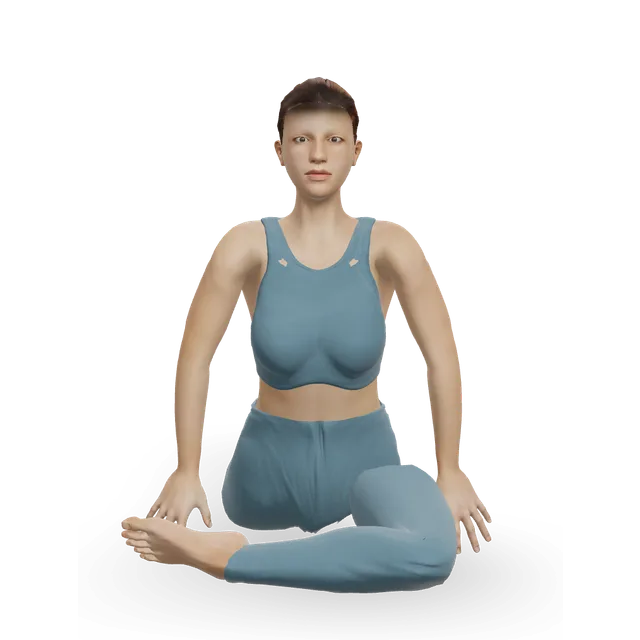
Yoga for tight hips
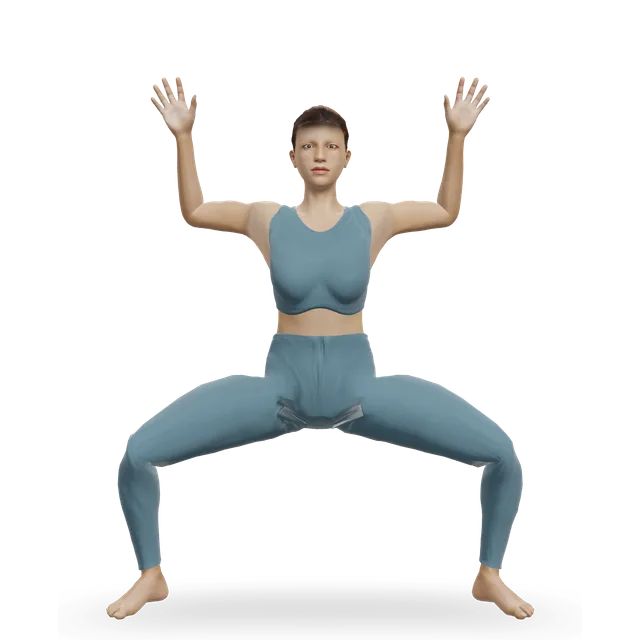
A hip-opening yoga sequence: low lunge, lizard, goddess, pigeon, bound angle and happy baby.
20 minBeginner7 movesNo equipmentQuestions people ask
How long does the yoga for headaches and migraine: a 20-minute calm practice take?
About 20 minutes, including any warm-up and cool-down listed. Shorten it by doing fewer rounds; lengthen it by adding one.
What equipment do I need?
You need: Firm cushion. Each move links to its guide, where you can find an alternative if you are missing something.
Is it suitable for beginners?
It is written for beginners. 4 of its 14 moves have an easier option listed beside them if you need one.
How do I make it easier or harder?
Use the easier or harder option listed under each move, change the number of rounds, or adjust the rest. Progress one change at a time.