Yoga guide

Yoga for headaches and migraine: what the trials show, and how to practise safely

Yoga added to usual treatment may make migraine attacks less frequent: in the largest trial, 3 months of yoga plus medicines reduced how often headaches came, and their impact, more than medicines alone. The evidence is low quality, yoga hasn't been tested during an attack, and for tension-type headaches the evidence is very thin.

The sessions in that trial, as a 2023 guideline describes them, were mostly breathing and relaxation, with gentle loosening and a few easy poses. This guide covers what the trials found, breathing and relaxation, poses to start with, what can bring on a headache in a class (heat, hard effort, skipped meals, head-down poses and forceful breathing), a 20-minute routine to do between headaches, and the warning signs that need urgent help.

The short version

Migraine: it may cut how often attacks come

In the largest trial, 160 adults with migraine took their usual medicines with or without yoga for 3 months. With yoga, headaches came less often, hurt less and had less impact. Across 5 trials, yoga reduced how often headaches came, but not clearly how bad they were.

Sources 1, 2

The evidence is low quality

The trials were small, people knew which group they were in, and a 2020 review rated every result very low certainty. Even so, a 2023 exercise guideline graded yoga B for migraine, at 3 or more sessions a week for 6 weeks or more.

Sources 3, 1, 4

Tension-type headache: very thin evidence

There are only two small trials, one from 1981, and the 2020 review's result for tension-type headache came from a meditation trial. The NHS suggests relaxing activities "like exercise, yoga and massage".

Sources 3, 5

Breathing and relaxation are the core

The NHS lists relaxation techniques among the treatments that help prevent migraine. In small trials, alternate nostril breathing 3 times a day, and daily breathing practice with relaxation, cut migraine attacks or headache days.

Sources 6, 7, 8

Not a treatment for an attack

No study has tested yoga during an attack, and the Migraine Trust says exercise "is unlikely to stop the migraine attack". Practise between headaches, alongside your usual treatment.

Sources 9, 10

What can bring one on

Much harder effort than usual, heat, skipped meals, not drinking enough and fast, forceful breathing can set off a headache. A headache triggered or made worse by coughing, sneezing, bending down or exercising needs an urgent GP appointment or a call to NHS 111.

Sources 10, 11, 12

What yoga for headaches means in the research

Migraine and tension-type headache

The NHS describes migraine as "a throbbing headache" that "can be severe, often on 1 side of the head and can be worse when you move around", with feeling or being sick and sensitivity to light and sound. A tension-type headache is pressing or tight on both sides, and NICE (the National Institute for Health and Care Excellence) describes it as "not aggravated by routine activities of daily living". Our migraine and tension headache guides cover each in full.

Sources 6, 13, 5

What the trial programmes were

Yoga programmes for migraine combined poses, breathing practice (pranayama), relaxation and meditation, mostly supervised, 3 to 7 times a week for 6 to 12 weeks, at 60 to 75 minutes a session, most of them alongside usual medicines. Some included a nasal rinse (jala neti) and kapalabhati, a fast, forceful breathing technique.

Source 4

Prevention, not a rescue

Every trial tested regular practice to make attacks less frequent; none tested yoga during an attack. During an attack, moving about often makes migraine worse, and the NHS suggests sleeping or lying down in a darkened room.

Sources 9, 10, 6

What the evidence says

The main migraine trialEmerging evidence

In the CONTAIN trial in India, 160 adults aged 18 to 50 with episodic migraine were randomly assigned to yoga plus medicines or medicines alone for 3 months, and 114 finished. With yoga, headaches came less often, hurt less and had less impact on daily life, and people took fewer pills. People knew which group they were in (though the person measuring the results didn't), and the yoga group started with more frequent headaches, so the authors rate it as weaker (Class III) evidence.

Source 1

Pooled trials: fewer attacks, low certaintyEmerging evidence

Across 5 trials (356 people), yoga reduced how often migraine came and its impact, but not clearly how bad the pain was. Another analysis of 6 trials found less pain, fewer and shorter headaches and less disability, with wide differences between trials.

A 2020 review of 6 trials (240 people), 5 of them from India, found fewer, shorter and milder headaches overall, but the migraine trials on their own didn't reach significance, and every result was rated very low certainty. None of its trials reported side effects.

Sources 2, 14, 3

A guideline gave yoga a B gradeEmerging evidence

A 2023 clinical practice guideline on exercise for migraine says yoga is "likely to improve headache frequency and disability" with programmes of 3 sessions a week for 6 weeks or more, and graded it B, alongside steady aerobic exercise. Our migraine guide covers the aerobic exercise.

Source 4

RankingsMixed evidence

In a network analysis of 28 studies, yoga did better than medicines alone for how often and how badly migraine came, on very low-quality evidence. Another, of 27 trials, ranked yoga below combined aerobic and strength exercise and strength exercise, on very low to low certainty evidence. Rankings come from indirect comparisons between small trials.

Sources 15, 16

Smaller trialsMixed evidence

Yoga 5 days a week for 12 weeks (72 adults) and for 6 weeks (60 adults) reduced migraine more than self-care or usual care alone. In a 2022 trial in which only 34 people finished, adding yoga made no clear difference except to pain scores.

Sources 17, 18, 19

Breathing on its ownEmerging evidence

In 90 adults with chronic migraine, 12 weeks of daily guided breathing practice (pranayama) and relaxation added to treatment cut headache days by about 7 a month, against about 5 with treatment alone, with no side effects reported. In 86 adults, alternate nostril breathing 3 times a day for 3 months reduced how often attacks came (a median of 15 to 12, against 18 to 17) and disability, but not how bad they were. People knew their group, and whole health centres were assigned together.

Sources 8, 7

Tension-type headache: very thin evidenceMixed evidence

Only two small trials have tested yoga-based practice for tension-type headache: relaxation lying down (shavasana) against biofeedback in 13 people in 1981, and a meditation course in 50 people. The 2020 review's result for tension-type headache came from the meditation trial alone, though NCCIH (the US National Center for Complementary and Integrative Health) reports the review's effects as "seen mostly in people with tension headaches". A 2007 study of 15 people, without randomisation, found less jaw-muscle tension after a yoga-based lifestyle course.

Relaxation and psychological treatments have better evidence for tension-type headache; our tension headache guide covers them.

Sources 3, 20, 21

Headaches that start in the neckEmerging evidence

Strengthening exercises for the neck and shoulder blades helped headaches that come from the neck, in a Cochrane review (moderate-quality evidence). Yoga hasn't been tested for them; our guide to headaches from the neck covers the exercises.

Source 22

What the trial sessions looked like

Studio classes vary, so these are the programmes that were tested. Our workout is modelled on the CONTAIN sessions as the 2023 guideline describes them.

The CONTAIN sessions, as a 2023 guideline describes them

The trial ran for 3 months, as its abstract says. A 2023 guideline's summary of the trial describes its sessions as 60 minutes, 3 times a week for 4 weeks, made up of:

  • a short opening prayer (1 minute)
  • breathing exercises (8 minutes) and a short relaxation (1 minute)
  • loosening exercises for the joints (15 minutes)
  • sun salutation (3 minutes) and a quick relaxation (3 minutes)
  • poses (8 minutes)
  • lying relaxation (10 minutes)
  • breathing practice, pranayama (15 minutes)

Sources 1, 4

Other trial programmes

Other trials ran 60 to 75-minute sessions 3 to 7 times a week for 6 to 12 weeks, with poses that stretch the neck, shoulders and back, breathing, relaxation and meditation. One also used a nasal rinse (jala neti) and kapalabhati, which this guide leaves out.

Sources 4, 17

Choosing a class

The American Migraine Foundation advises beginners to go to classes rather than follow videos, to tell the teacher about their migraine, and to avoid classes that "involve a lot of heat, are very vigorous or require extreme postures". It suggests gentle yoga that focuses on breathing and meditation and avoids straining the neck, and says restorative yoga, with poses fully supported by props, may suit people with migraine.

Source 23

Breathing and relaxation

Slow breathing

The NHS breathing exercise: breathe in gently and regularly, counting steadily from 1 to 5 if it helps, then let the breath flow out gently, counting from 1 to 5 again, for at least 5 minutes. There's no breath hold in it. Relaxation techniques are among the treatments the NHS lists for preventing migraine.

Sources 24, 6

Alternate nostril breathingEmerging evidence

In the 86-person trial, people practised it 3 times a day for 3 months, and had fewer attacks. Breathe slowly, closing one nostril and then the other, without holding your breath (our suggestion for people with headaches).

Source 7

Breathing with relaxationEmerging evidence

Daily guided breathing and relaxation sessions for 12 weeks, alongside treatment, cut headache days in chronic migraine and raised measures of the body's calming, rest-and-digest activity.

Source 8

Skip fast, forceful breathing and breath holdsEmerging evidence

In one trial of yogic breathing, 15 people had minor side effects, including headache and neck pain, "in particular with kapālabhātī, a fast/high-frequency breathing technique". Straining with the breath held can set off a cough headache. Some migraine trial programmes included kapalabhati; this guide leaves it out, and leaves out breath holds (our suggestion).

Sources 11, 25, 4

Breathing and relaxation practices

Breathe slowly with no holds in all of these. Slow breathing for at least 5 minutes is the NHS's dose; alternate nostril breathing's page suggests 3 to 5 minutes once or twice a day (an editorial dose), and the migraine trial used it 3 times a day.

During a headache

Migraine: rest, and take your usual treatment

The Migraine Trust says strenuous exercise, or even moving around, often makes people feel worse during a migraine attack. Some people find gentle stretching or yoga helps them cope, and that's safe, but it "is unlikely to stop the migraine attack". The NHS suggests sleeping or lying down in a darkened room, and taking painkillers as soon as the headache starts.

Sources 10, 6, 9

Tension-type headache

A tension headache usually lets you carry on with daily activities. The NHS suggests painkillers, activities that help you relax such as exercise, yoga and massage, and a low, firm pillow with heat or cold packs if you have neck pain with your headaches.

Source 5

What can bring on a headache in a class

Hard effort, heat, food and drinkStrong evidence

The Migraine Trust names exercise that is very intense or much more than you're used to, not eating or drinking enough, and lights or noise as possible triggers. It advises building up gradually, eating 1 to 2 hours before, and drinking before, during and after. Heat exhaustion can cause a headache, and dehydration can cause headaches or make migraine worse.

Sources 10, 26, 27

Be consistentStrong evidence

"It's important not to go overboard on days where you feel well, then follow this with periods of inactivity", says the Migraine Trust: "It is this inconsistency that is most likely to trigger migraine attacks."

Source 10

Head-down poses and inversionsMixed evidence

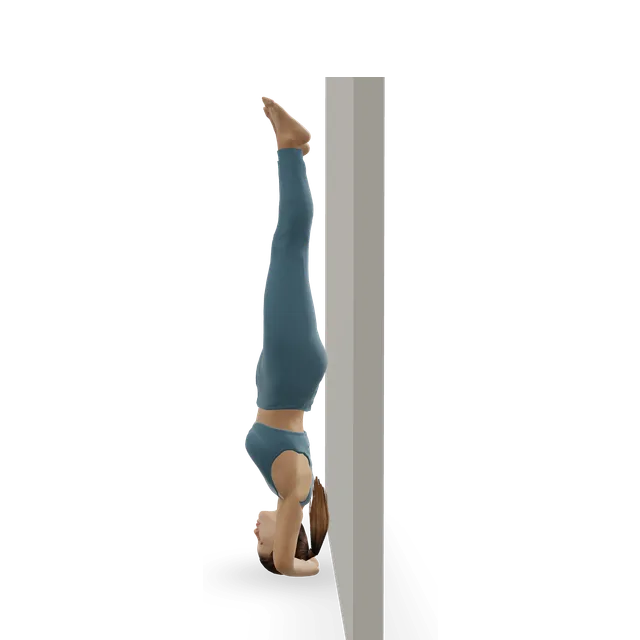
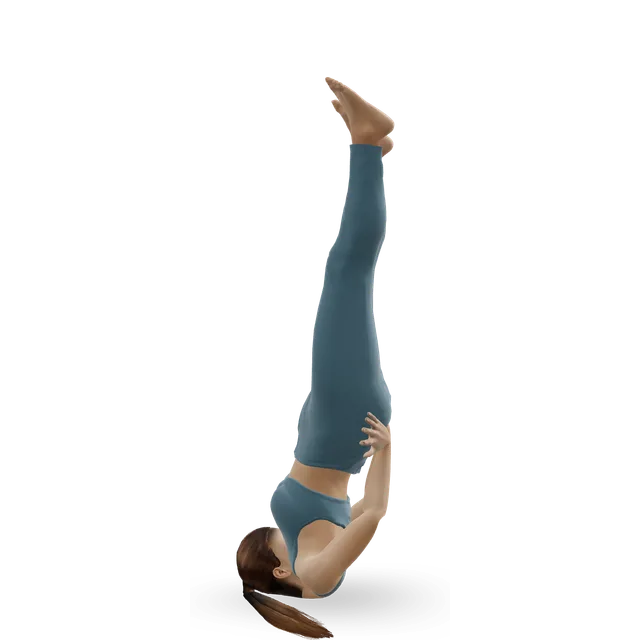
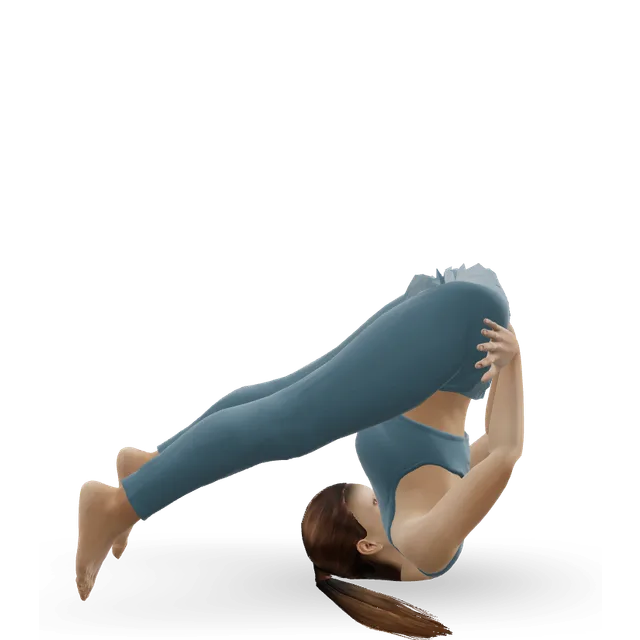
No study has measured headaches caused by upside-down or head-down poses. They raise eye pressure while you hold them, and short-lived headaches are among the problems reported after yoga. Our migraine guide suggests skipping head-down poses if they bring on symptoms, and leaving out full inversions such as headstand and shoulder stand is a sensible precaution.

Sources 28, 29

Forceful breathing and strainingEmerging evidence

Fast, forceful breathing caused headaches in a breathing trial, and NICE lists headache "triggered by cough, valsalva (trying to breathe out with nose and mouth blocked) or sneeze" among the features a doctor should assess.

Sources 11, 25, 13

A first headache with exercise needs checkingStrong evidence

A headache brought on by exercise is more common in hot weather and at altitude. The first time one happens, doctors need to rule out bleeding around the brain, a tear in an artery and a sudden narrowing of the brain's blood vessels. The NHS says to ask for an urgent GP appointment or call 111 for a headache triggered or made worse by exercising, and the Migraine Trust says a first headache or migraine after exercise should be checked.

Sources 30, 12, 10

Rare serious headaches after yogaMixed evidence

Case reports describe a bleed around the brainstem after a sudden, startled backward movement in a yoga session, and a spinal fluid leak causing a headache that changed with posture after a yoga class. In a Japanese survey of 2,508 class-goers, 0.7% had a headache after a class, and teachers reported one bleed on the brain. These are rare, but a sudden, extremely painful headache is a 999 call.

Sources 31, 32, 33

Poses to start with: gentle neck and shoulder movement

Slow, small movements within comfort; stop if you feel dizzy. With a sore neck, do nods, tilts and turns one at a time, each held for 5 seconds, 5 times (the move page's dose, from an NHS leaflet).

Easy poses with your head level

These are the poses on our migraine guide. Breathe slowly and steadily in each, with no straining, for 3 to 5 breaths (our editorial starting point). Rest your forehead on a block in child's pose, and skip it if having your head low brings on symptoms.

Poses to leave out or change

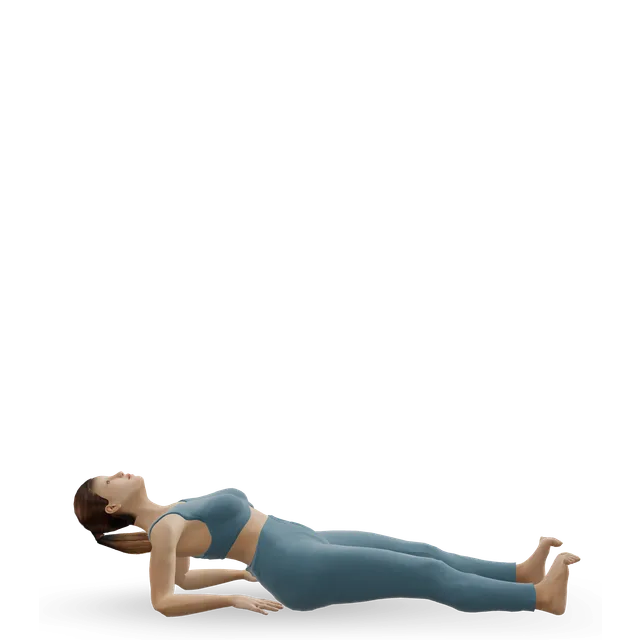
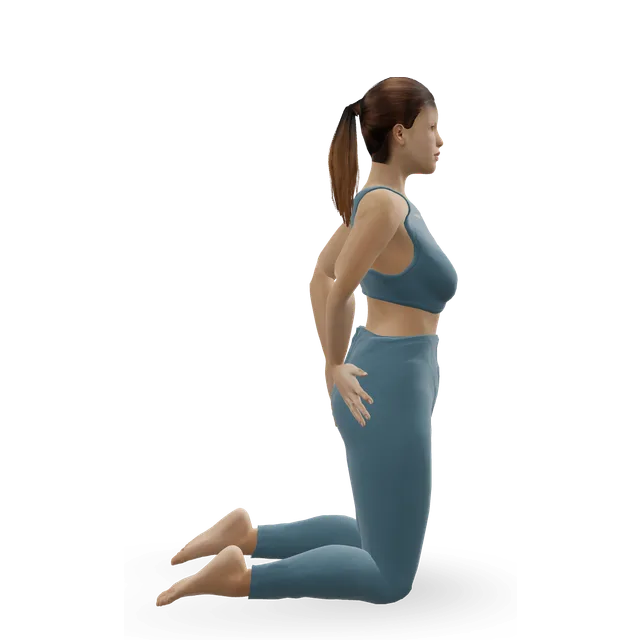
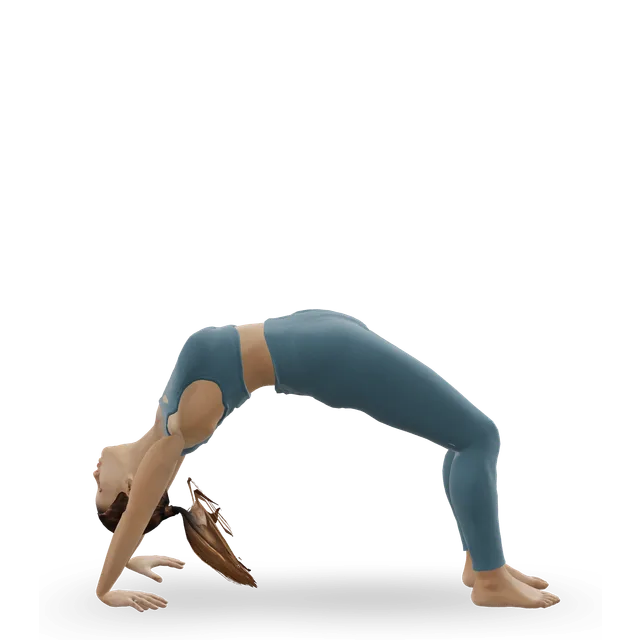
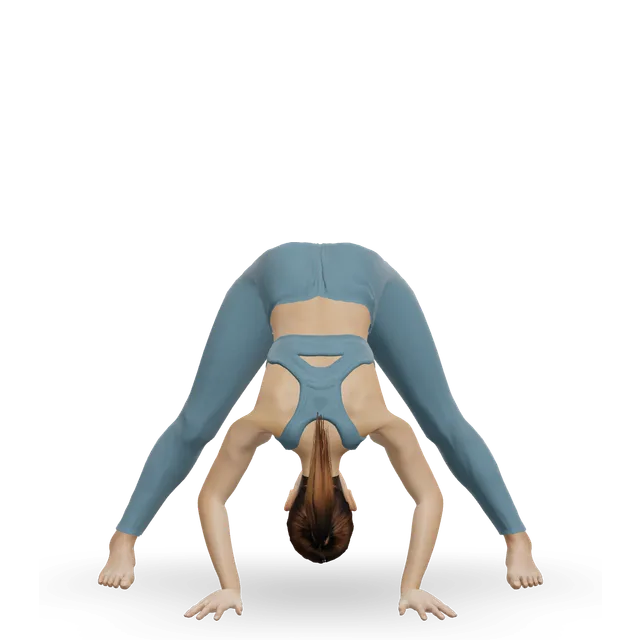
Leave out headstand, shoulder stand and plough, fish pose (its page advises against it with migraine) and deep backbends. Keep downward dog, wide-legged folds and legs up the wall brief and supported, or skip them if head-down poses bring on symptoms. Leave out fast, forceful breathing such as kapalabhati, and breath holds.

How often, and for how long

What the trials usedEmerging evidence

Yoga sessions 3 to 7 times a week for 6 to 12 weeks, 60 to 75 minutes each, mostly supervised; breathing practice daily for 12 weeks, or 3 times a day for 3 months.

Sources 4, 8, 7

Keep a diary

NICE suggests keeping a headache diary for at least 8 weeks, and reviewing preventive treatment 3 to 6 months after starting it. About 3 months is a fair time to judge yoga too (our suggestion).

Source 13

Our editorial starting point

Our 20-minute workout 3 times a week, plus 5 to 10 minutes of slow breathing on most days, alongside your usual treatment. Judge it after about 3 months, and don't stop or change a medicine without talking to your doctor.

Sources 4, 24

Workouts to follow

Start with the 20-minute yoga for headaches workout 3 times a week, between headaches. The breathing workout suits most days (skip its breath-hold rounds if holding your breath brings on symptoms), and the cycling workout covers the aerobic exercise with the best migraine trial.

Warning signs: when to get help

Call 999

Call 999 (911 in the US) if you or your child have a headache and any of these. Don't drive yourself to A&E.

  • It came on suddenly and is extremely painful.
  • Problems speaking, remembering things, balancing or walking.
  • Loss of vision, or blurred or double vision.
  • Feeling drowsy or confused, or a seizure (fit).
  • A very high temperature with a stiff neck or bright light hurting your eyes, or a rash that doesn't fade when a glass is rolled over it.
  • Not being able to move, or weakness or numbness in an arm or leg on one side of your body, or one side of your face.
  • A recent head injury.
  • An extremely painful headache and the white of the eye is red.

Sources 6, 12, 5

Get an urgent GP appointment or call 111

  • A migraine attack has lasted longer than 72 hours, or aura lasts longer than 1 hour.
  • You're pregnant or have just had a baby and have a migraine attack.
  • A headache is triggered or made worse by coughing, sneezing, bending down or exercising.
  • You have a headache with vision or eye problems, or with being sick.
  • You have a headache with jaw pain when eating, or a sore, tender scalp.

Sources 6, 12

See a GP

  • Your attacks are severe, getting worse or lasting longer than usual, you have them more than once a week, or they're hard to control.
  • You regularly get migraine before or during your period.
  • You take painkillers for headaches on more than 2 days a week.
  • Your aura includes weakness, double vision, symptoms in only one eye, poor balance or reduced consciousness: NICE says these need further checks. If they're new or sudden, call 999.
  • You get headaches several times a week or they're severe, painkillers and relaxation don't help, you have a throbbing pain at the front or on one side of your head, or you feel sick, vomit and find light or noise painful: see a GP. These can be signs of migraine or cluster headache.

Sources 6, 13, 5

During or after a class

A first headache brought on by exercise needs checking, and a headache that comes on with coughing or straining has another cause in about 40% of cases, so it needs checking too. A headache that is worse sitting or standing and eases lying down, starting after a class, can mean a spinal fluid leak: get it checked. In a hot room, a headache can be a sign of heat exhaustion, so leave the room, cool down and drink.

Sources 30, 25, 32, 26

Myths

"Yoga cures migraine"Mixed evidence

Added to treatment, it probably makes attacks less frequent, on low-certainty evidence. It doesn't cure migraine, and it shouldn't replace medicines.

Sources 1, 2, 3

"Downward dog boosts blood flow to the brain and eases headaches"Mixed evidence

We found no study showing it. Head-down poses raise eye pressure while you hold them, and our migraine guide suggests skipping them if they bring on symptoms.

Source 28

"Yoga can stop a migraine attack"Mixed evidence

No study has tested yoga during an attack, and exercise "is unlikely to stop the migraine attack".

Sources 9, 10

"Yoga is proven for tension headaches"Mixed evidence

Only two small trials have looked at it, and the review result came from a meditation trial. The NHS suggests relaxing activities, including yoga, and relaxation and psychological treatments have better evidence.

Sources 3, 5

"Breath of fire clears a headache"Mixed evidence

Fast, forceful breathing (kapalabhati) was linked with headache and neck pain in a breathing trial.

Source 11

"Hot yoga sweats out a headache"Mixed evidence

Heat, hard effort and not drinking enough are common triggers, heat exhaustion causes headaches, and the American Migraine Foundation advises avoiding hot classes.

Sources 10, 26, 23

"A headache after a class is just tension"Mixed evidence

Often it is, but a first headache brought on by exercise needs checking, and the NHS says a headache triggered or made worse by exercising needs an urgent GP appointment or a call to 111.

Sources 30, 12

Questions people ask

Does yoga help headaches?

It may make migraine attacks less frequent when added to usual treatment, but the evidence is low quality. For tension-type headaches the evidence is very thin: two small trials, one from 1981.

Does yoga help migraines?

Probably, a little: in the largest trial, 3 months of yoga plus medicines reduced how often headaches came, and their impact, more than medicines alone. Across 5 trials, yoga reduced how often headaches came, but not clearly how bad the pain was.

What kind of yoga is best for migraine?

A gentle, unheated class that focuses on breathing and relaxation; the sessions in the largest trial were mostly breathing exercises, loosening exercises and relaxation. The American Migraine Foundation advises avoiding hot classes, very vigorous classes and extreme postures.

Which yoga poses help headaches?

No single pose has been tested. The trial sessions were mostly slow breathing and relaxation, with gentle neck and shoulder movement and a few easy poses, such as cat-cow, a supported child's pose and a lying twist.

Can yoga stop a migraine attack?

There's no evidence it can: no study has tested yoga during an attack, and exercise is unlikely to stop one. Some people find gentle stretching helps them cope, but rest in a dark room and take your usual treatment.

Can yoga cause headaches?

Sometimes: hard effort, heat, skipped meals and not drinking enough are common triggers, and some people find head-down poses or forceful breathing bring one on. A first headache brought on by exercise or straining needs an urgent GP appointment or a call to 111.

Is hot yoga bad for migraines?

It can be a trigger: heat, dehydration and hard effort are common triggers, and the American Migraine Foundation advises avoiding hot classes. Choose a gentle, unheated class.

What breathing exercises help headaches?

Slow breathing without holds, such as the NHS exercise (in for a count of up to 5, out for the same, for at least 5 minutes), and alternate nostril breathing, which cut migraine attacks in one trial. Avoid fast, forceful breathing such as kapalabhati.

Should I avoid upside-down poses with migraine?

It's sensible to skip headstands and shoulder stands, and to skip head-down poses if they bring on symptoms. This is a precaution rather than a trial finding.

Is yoga good for tension headaches?

It may help as a way to relax, and the NHS suggests relaxing activities such as exercise, yoga and massage. But only two small trials have looked at it, so relaxation and psychological treatments have the better evidence.

How long does yoga take to help migraine?

The trials ran for 6 to 12 weeks, 3 or more times a week, and the 2023 guideline's grade applies from 6 weeks. Keep a headache diary and judge after about 3 months.

When is a headache an emergency?

Call 999 for a headache that came on suddenly and is extremely painful, or that comes with weakness or numbness, a drooping face, problems speaking, loss of vision, confusion, a seizure, or a stiff neck with a fever. Get an urgent GP appointment or call 111 for a migraine lasting over 72 hours, or a headache triggered or made worse by coughing, sneezing, bending down or exercising.


Sources

  1. Kumar 2020 · Yoga added to medicines for episodic migraine: the CONTAIN trial, 160 adults (randomised trial, Neurology)
  2. Wu 2022 · Yoga for migraine: 5 trials, 356 people (meta-analysis, J Clin Neurosci)
  3. Anheyer 2020 · Yoga for headaches: 6 trials, 240 people (systematic review and meta-analysis, J Gen Intern Med)
  4. La Touche 2023 · Prescribing exercise for migraine: an evidence-based clinical practice guideline (J Headache Pain)
  5. NHS · Tension headaches
  6. NHS · Migraine
  7. Çöme 2025 · Alternate nostril breathing for migraine: 86 adults (randomised trial, Prim Health Care Res Dev)
  8. Sujan 2025 · Yogic breathing and relaxation for chronic migraine: 90 adults (randomised trial, Complement Ther Med)
  9. Begasse de Dhaem 2024 · Yoga for migraine prevention (review, Curr Pain Headache Rep)
  10. The Migraine Trust · Migraine and exercise
  11. Mütze 2025 · Yogic breathing (pranayama) for mental health conditions: 6 trials, with their side effects (systematic review and meta-analysis, Front Psychiatry)
  12. NHS · Headaches
  13. NICE CG150 · Headaches in over 12s: diagnosis and management (recommendations, updated June 2025)
  14. Long 2022 · Yoga for migraine: 6 trials (meta-analysis, Am J Emerg Med)
  15. Reina-Varona 2024 · Exercise types for migraine: 28 studies, 1,501 people (network meta-analysis, Headache)
  16. Xie 2025 · Exercise types and dose for migraine: 27 trials, 1,611 people (network meta-analysis, PeerJ)
  17. John 2007 · Yoga for migraine without aura: 72 adults (randomised trial, Headache)
  18. Kisan 2014 · Yoga added to usual care for migraine: 60 adults (randomised trial, Int J Yoga)
  19. Kumari 2022 · Yoga added to treatment for migraine: 34 finished (open-label randomised trial, J Family Med Prim Care)
  20. Bhatia 2007 · Jaw muscle activity and a yoga-based programme in chronic tension-type headache: 15 patients (study, Indian J Physiol Pharmacol)
  21. NCCIH 2023 · Yoga: effectiveness and safety (US National Center for Complementary and Integrative Health)
  22. Gross 2015 · Exercises for neck disorders: 27 trials (Cochrane review)
  23. American Migraine Foundation 2020 · Yoga and migraine
  24. NHS · Breathing exercises for stress
  25. ICHD-3 · 4.1 Primary cough headache (International Classification of Headache Disorders, International Headache Society)
  26. NHS · Heat exhaustion and heatstroke
  27. Arca 2021 · Dehydration and headache (review, Curr Pain Headache Rep)
  28. Jasien 2015 · Eye pressure in four head-down yoga poses: 20 adults with and without glaucoma (lab study, PLoS One)
  29. Cramer 2013 · Adverse events associated with yoga: 76 published cases (systematic review of case reports, PLoS One)
  30. ICHD-3 · 4.2 Primary exercise headache (International Classification of Headache Disorders, International Headache Society)
  31. Vierra 2026 · Bleeding around the brainstem during yoga (case report, Clin Pract Cases Emerg Med)
  32. Antypas 2024 · A spinal fluid leak with a posture-dependent headache after a yoga class (case report, Cureus)
  33. Matsushita 2015 · Adverse events after yoga classes: a survey of 2,508 class-goers in Japan (Biopsychosoc Med)

Exercise education, not a personal prescription, and clinical review of these guides is pending. If you are pregnant, have a health condition such as glaucoma, high blood pressure or osteoporosis, or have had recent surgery, check with a doctor, midwife or physiotherapist before starting, and stop for sharp or increasing pain. Health disclaimer.