Yoga guide

Yoga for neck pain: what the trials show, and how to start safely

Yoga has been tested for neck pain that has lasted 3 months or more, mostly in weekly Iyengar classes. In the trials it eased pain and disability more than usual care or a home exercise sheet in the short term, and by about as much as other exercise such as Pilates or a stretching class.

That makes it a good choice if you enjoy it, ideally alongside some upper-back and shoulder-blade strength, which has the best evidence for neck pain. This guide covers what the trials found, how the classes ran, gentle poses to start with, the poses to change or leave out, a 20-minute routine and the warning signs. If your pain followed an injury, or comes with arm symptoms, dizziness or a severe headache, start with the warning signs.

The short version

It helps a little, in the short term

For neck pain that has lasted 3 months or more, yoga classes eased pain and disability more than usual care or self-care, across 3 trials (188 people) and 10 trials (686 people). An overview of 25 reviews rated how sure we can be as low for pain and moderate for disability, and found no long-term results.

Sources 1, 2, 3

About as good as other exercise

Against other exercise, yoga did about the same. It matched Pilates in two small trials and a stretching class in office workers, and an analysis of 40 trials found no single best type of exercise for neck pain.

Sources 3, 4, 5, 6, 7

Add strength for your upper back

Exercises that strengthen the neck, shoulder blades and arms have the best support for long-lasting neck pain, in a Cochrane review, while stretching on its own may not help. Our workout includes some strength work, and a strength routine on other days is worth adding.

Source 8

Gentle classes, with the head supported or level

The trials used weekly Iyengar classes with props. The poses most often named in Iyengar programmes for back and neck pain were standing poses, a supported child's pose and lying poses, with no headstand or shoulder stand among them.

Source 9

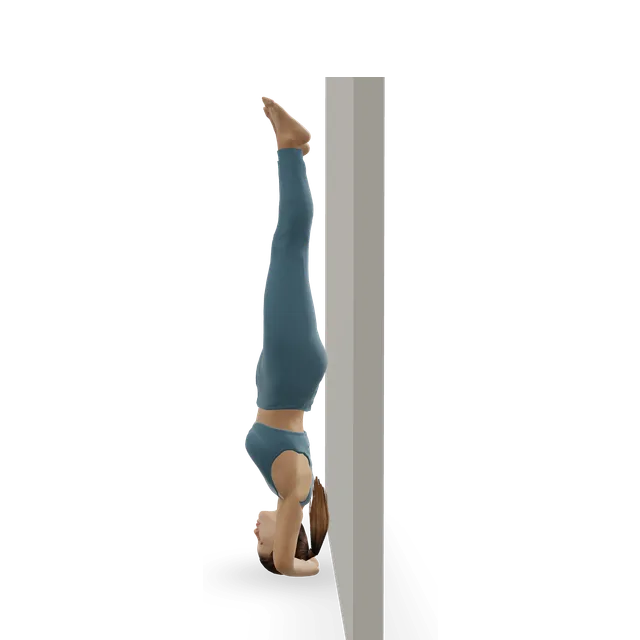
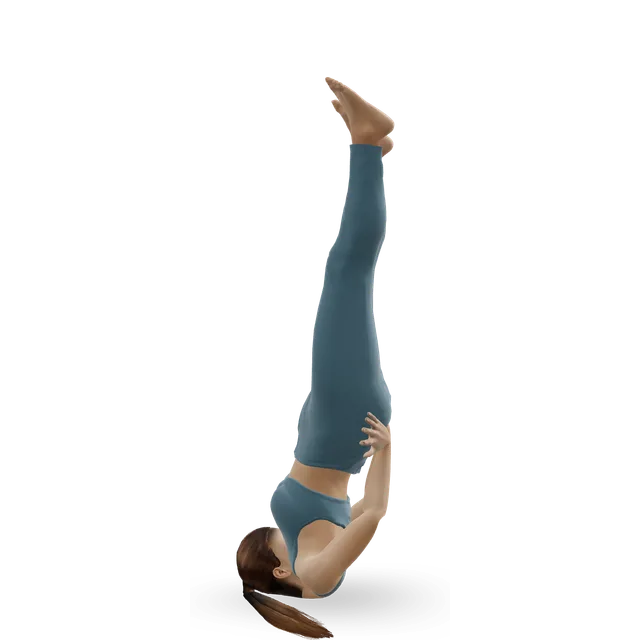
Leave out headstand, shoulder stand and plough

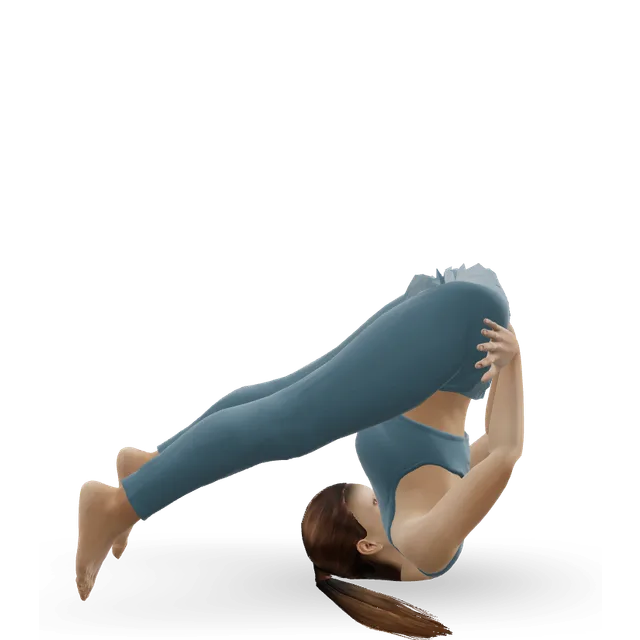
In headstand the head can carry up to 40 to 48% of body weight, and headstands and shoulder stands are the poses most often named in reports of yoga injuries. We found no case report of a neck injury from plough, so leaving it out is a precaution: it puts body weight through the neck at the end of its range.

Sources 10, 11, 12

Some neck pain needs a doctor first

Call 999 for a sudden, extremely painful headache, a drooping face, double vision, slurred speech, new problems walking, or a stiff neck with a fever. The full list is in the warning signs below.

Source 13

What yoga for neck pain means in the research

Which neck pain the trials studied

Nearly all the trials studied non-specific neck pain, meaning neck pain without a specific cause such as an injury, a trapped nerve or a disease, that had lasted 3 months or more. The Iyengar trials took people who scored their pain at least 40 out of 100, and in one analysis, on at least 5 days a week. We found no yoga trials in whiplash, a trapped nerve in the neck or neck arthritis on its own (a PubMed search, October 2026).

Sources 14, 15, 2, 16

Gentle classes with props

The Iyengar programmes used poses chosen "to lengthen and strengthen muscles in the neck and shoulders and to improve stability, flexibility, alignment, and mobility in muscles, joints, and tendons", taught with props in 90-minute classes once a week for 9 weeks. A review of Iyengar trials for back and neck pain says that adapting the poses to each person, with props, matters more than the exact poses.

Sources 17, 9, 18

Why it might help

In one trial, yoga improved neck movement, the sense of where the neck is, and how much pressure people could bear before it hurt, as well as pain. People interviewed after a 9-week course described more body awareness, more acceptance of their pain and more active ways of coping. These are suggested reasons, not proven ones.

Sources 19, 18

Neck arthritis, a trapped nerve, whiplash and desk neck

Each has its own guide. Without yoga trials for them, the same gentle approach applies: keep your neck moving within comfort, as the NHS advises, and with arm symptoms use the arm rule in the warning signs below. For desk workers with mild to moderate neck and shoulder pain, short weekly hatha yoga classes worked as well as a stretching class.

Sources 16, 20, 7

What the evidence says

Better than usual care, in the short termEmerging evidence

In 77 adults, 9 weekly 90-minute Iyengar classes cut pain at rest from 44 to 13 points out of 100, against 42 to 34 with a self-care exercise programme, though 23 people didn't finish. In 51 adults, a 9-week course eased pain by about 14 points more than a home exercise manual, and helped disability and mental wellbeing.

Pooled, 3 trials (188 people) found large short-term effects on pain and disability, with no serious side effects in the two that reported them. A review of 10 trials (686 people) agreed, but its trials were small and mixed Iyengar classes with meditation and relaxation programmes; in one, a meditation course eased pain at rest by about 13 points more than home exercise.

Sources 14, 19, 1, 2, 21

How sure we can beEmerging evidence

An overview of 25 systematic reviews rated the benefit of yoga against no exercise as low certainty for pain and moderate certainty for disability, in the short term only. No review had long-term results for yoga.

Source 3

About the same as other exerciseEmerging evidence

Against other exercise, the same overview found no difference (low to moderate certainty). In small trials yoga did as well as Pilates, and as well as Pilates and isometric neck exercise; in 150 office workers, 4 weekly 30-minute hatha classes did as well as a stretching class.

An analysis of 40 trials grouped yoga with Pilates, tai chi and qigong and found them about as good as strengthening and motor control exercise, on very low-quality evidence: "There is not one superior type of physical exercise".

Sources 3, 4, 5, 6, 7

Rankings put yoga near the top, at low certaintyMixed evidence

Network analyses compare many types of exercise at once, partly through indirect comparisons. One of 18 studies ranked yoga combined with heat (hot sand packs) first for pain and disability, and yoga alone first for neck movement; one of 30 papers ranked yoga first for neck function; and the largest, of 51 trials (4,140 people), found mind-body exercise, strength, flexibility and coordination training about equal for disability. A 2023 analysis found the yoga, Pilates, tai chi and qigong group eased pain more than other exercise, on very low to moderate certainty evidence.

A ranking is the chance of coming top, not proof that one exercise beats another.

Sources 22, 23, 24, 25

A year laterEmerging evidence

A year after a 9-week course, pain (49 to 32 out of 100) and disability were still lower than at the start, though there was no comparison group by then, and people who kept practising did best. Gains varied a lot from person to person, and from week to week during the course.

Sources 26, 15

Strength has the best supportEmerging evidence

A Cochrane review of 27 trials found moderate-quality evidence that strengthening the neck, shoulder blades and arms eases long-lasting neck pain, and low-quality evidence that stretching alone, breathing exercises or general fitness training may not help. Qigong, a slow, mindful exercise, helped function a little.

Source 8

What guidelines sayEmerging evidence

A Canadian guideline from the Ontario Protocol for Traffic Injury Management (OPTIMa) Collaboration, written for neck pain that has lasted less than 6 months, says that for neck pain lasting more than 3 months, clinicians "may consider" education combined with "range of motion and strengthening exercises, qigong, yoga" or other options. Its review found "supervised Iyengar yoga is more effective than home exercise", with small effects.

A Canadian chiropractic guideline suggests "supervised yoga" among the options for neck pain that has lasted more than 3 months. Neither puts yoga above other exercise.

Sources 27, 28, 29

Side effects: mostly brief sorenessEmerging evidence

In the 51-person trial, 9 of 25 people doing yoga and 8 of 26 doing home exercise had a short-lived flare of neck pain or muscle soreness after practice, and a few in each group had other minor problems. No serious side effects were reported in the trials that looked.

Sources 9, 17, 1

What the trial classes looked like

Studio classes vary, so these are the programmes that were tested. Our workout borrows their shape.

Nine weekly Iyengar classes

Both main trials ran one 90-minute Iyengar class a week for 9 weeks, with poses chosen for the neck and shoulders.

Sources 14, 18, 17

The poses Iyengar programmes used for back and neck pain

A review of Iyengar trials for back and neck pain named these poses most often:

  • mountain pose, with different arm positions
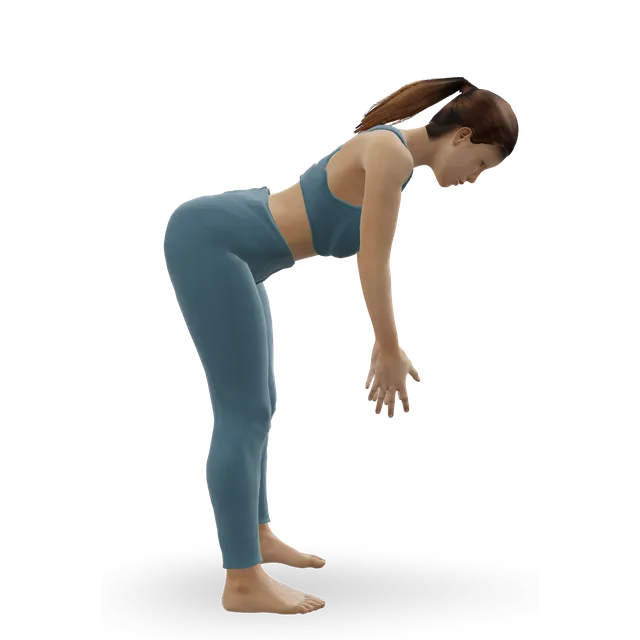
  • a half forward bend to a wall or ledge
  • a seated twist on a chair
  • a downward-facing child's pose
  • downward-facing dog
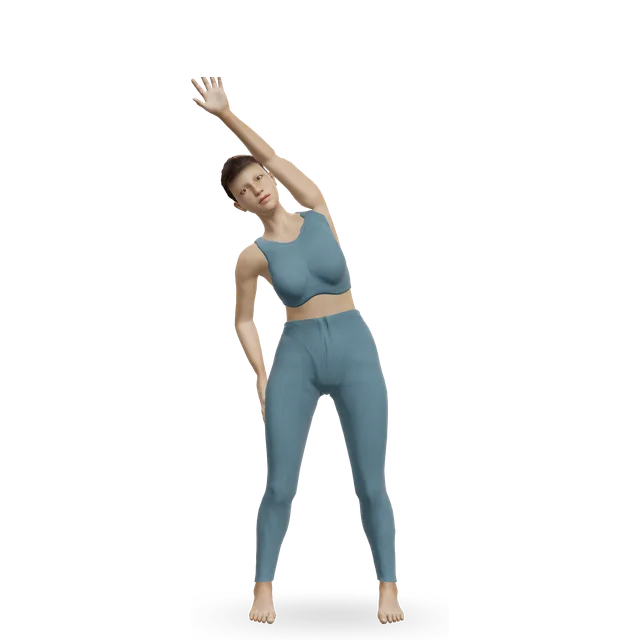
  • triangle, warrior II and extended side angle
  • a wide-legged forward bend
  • a lying big-toe stretch with a strap
  • knees to chest, and lying relaxation

Source 9

Other programmes

Hatha yoga for office workers: 30 minutes once a week for 4 weeks, with practice at home. A university programme: two 1-hour sessions a week for 8 weeks, starting with relaxation, then nodding, tilting and turning the neck in each direction, then relaxation again. Small-group classes supervised by a physiotherapist, with poses changed and progressed for each person. Hatha or restorative yoga once or twice a week for 12 weeks in military personnel with back or neck pain.

Sources 7, 30, 5, 31

Which style to choose

No trial has compared yoga styles for neck pain. A gentle class such as Iyengar, hatha, restorative or chair yoga is a sensible start, while hot, fast or power classes tend to include more upside-down poses and quick changes (our suggestion). NCCIH (the US National Center for Complementary and Integrative Health) notes that learning yoga on your own without supervision has been linked to more risk, so start with a teacher if you can.

Source 32

How often, and for how long

What the trials usedEmerging evidence

One 90-minute class a week for 9 weeks in the main trials; one 30-minute class a week for 4 weeks, with home practice, for office workers; and two 1-hour sessions a week for 8 weeks in students.

Sources 14, 19, 7, 30

Keep practisingEmerging evidence

A year after the 9-week course, the people who practised regularly had the biggest improvements in pain and disability. The authors concluded that keeping up the practice mattered most for lasting benefit.

Source 26

Little and often for the neck itself

NHS inform's neck exercises start with 2 to 3 repetitions of each movement, holding turns and tilts for 2 seconds, practised little and often (for example, every hour), building up to around 10. If your neck hasn't improved within 6 weeks, talk to a healthcare professional.

Source 33

Our editorial starting point

Our 20-minute workout 2 or 3 times a week, or a weekly gentle class plus 2 short sessions at home, for at least 9 weeks. Add small neck movements little and often on other days, and an upper-back and shoulder-blade strength routine 2 or 3 times a week. Expect changes over weeks, not days.

Sources 14, 26, 33, 8

Poses that load the neck, and who should adapt

Headstand loads the neckEmerging evidence

In a lab study of 45 experienced practitioners, the head carried up to 40 to 48% of body weight at peak moments in headstand. Going up with straight legs together lowered the load. There are no trials of headstand in people with neck pain.

Source 10

Where neck injuries in yoga come fromStrong evidence

In reviews of published case reports, headstand was the pose most often named (10 of 76 cases, and 15 of 84 events in a 2026 review). In an Australian survey, headstands caused 7.4% and shoulder stands 6.3% of reported injuries. In 89 people seen at a US clinic for injuries caused by yoga, the poses most often involved bent or arched the spine to its extremes.

Sources 11, 34, 12, 35

Rare serious problemsMixed evidence

Three old case reports describe strokes after headstand, after shoulder stand with the head turned hard, and after bridge pose. In a 2026 case, poses that bend the neck back (camel and upward-facing dog) reduced blood flow to the back of the brain in a woman with a condition of her arteries, causing dizziness and blurred vision. A 63-year-old man with neck arthritis had pressure on his spinal cord and two torn neck arteries after a yoga session.

These are rare, and case reports can't show how often they happen, but they are why this guide leaves out poses that load the neck or drop the head back.

Sources 11, 36, 37

Plough: a precaution

We found no case report of a neck injury from plough. It puts body weight through the neck at the end of its range, so leave it out while your neck is sore, and like other head-down poses it raises eye pressure while you hold it.

Source 38

Who should change what

With glaucoma, or high blood pressure that isn't under control, skip headstands, shoulder stands and long head-down holds. With osteoporosis, swap deep forward folds for a flat-back hinge from the hips, and twist smoothly. In pregnancy, our yoga in pregnancy guide covers the changes. NCCIH advises beginners to avoid headstands, shoulder stands, the lotus position and forceful breathing.

Sources 38, 39, 32

Poses to start with: breathing and gentle neck movement

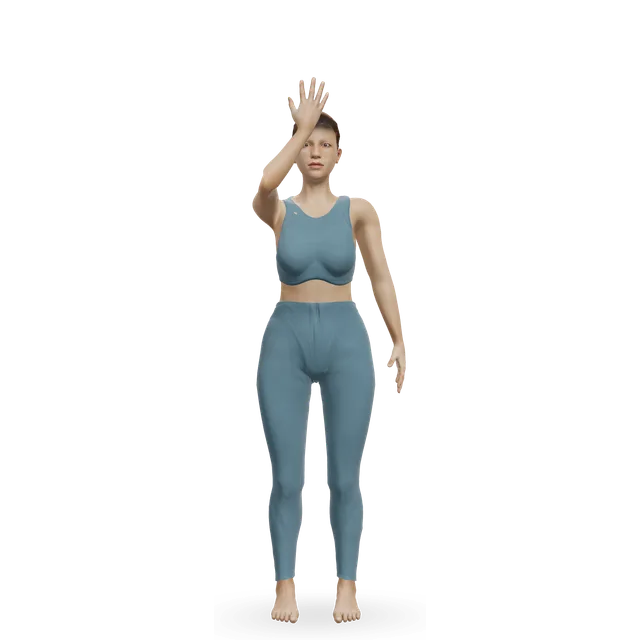
Move slowly and within comfort. With a sore neck, do the neck movements one direction at a time rather than in circles, each held for 5 seconds, 5 times (the move page's dose, from an NHS leaflet), and let your head's weight do the stretches rather than pulling with your hand.

Shoulders, upper back and standing poses

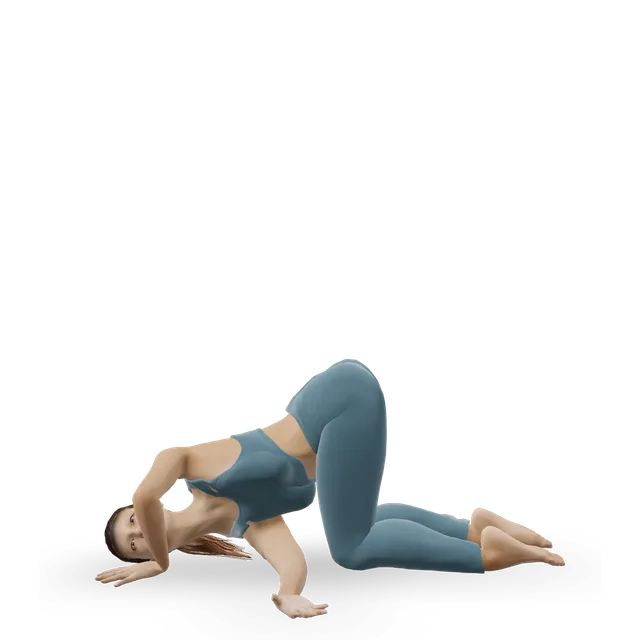
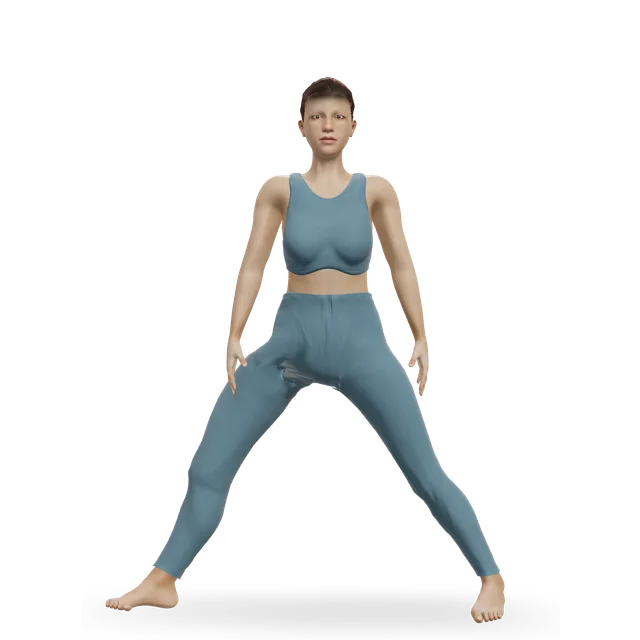
Keep your head supported or level: forehead on a block in child's pose, the side of your head resting in thread the needle, and your eyes ahead or down, not up, in warrior II and triangle. Start with 3 to 5 breaths in each pose, or the dose on each pose's page (our editorial starting point).

Upper-back and shoulder-blade strength

Strength for the neck and shoulder blades has the best evidence for neck pain. Keep your eyes on the floor in locust, sphinx and cobra so the back of your neck stays long, and press only lightly in the neck holds; our neck and shoulder strength routine sets the doses.

Poses to change or leave out

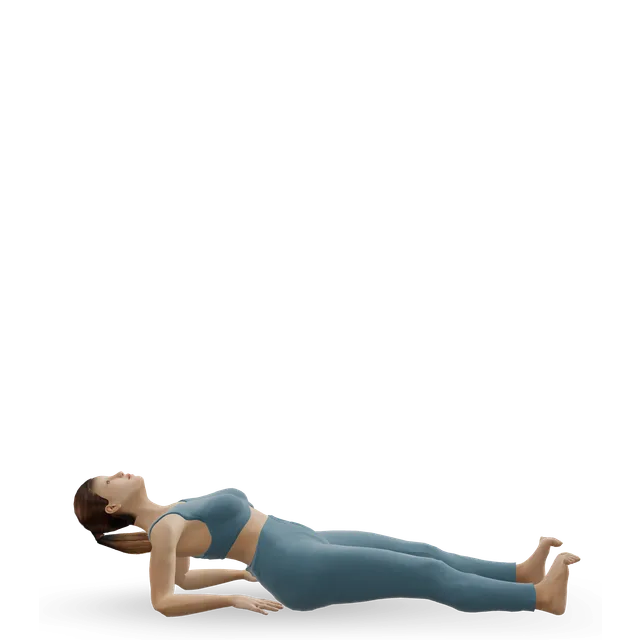
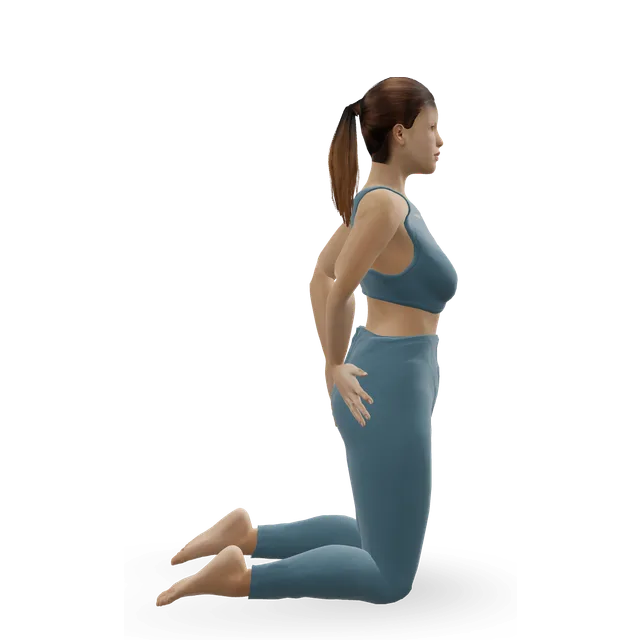
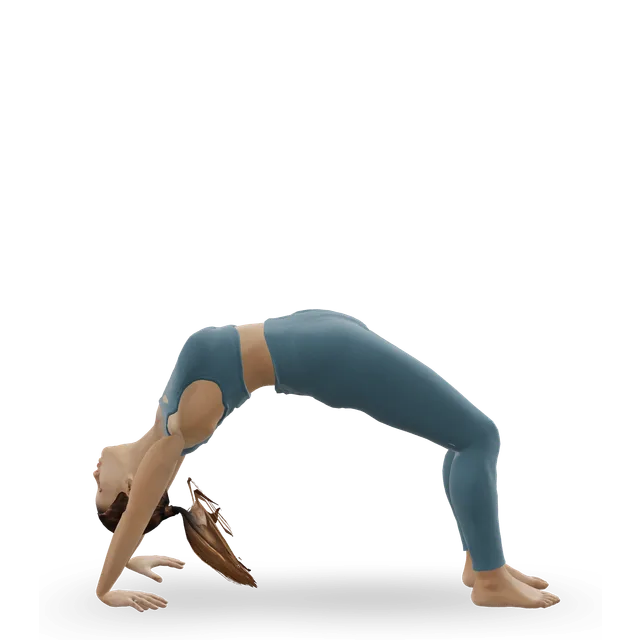
Leave out headstand, shoulder stand and plough while your neck is sore: they put weight through the neck, and headstand is the pose most often named in injury reports (we found none for plough, so that one is a precaution). Skip poses that drop your head back, such as fish, camel, wheel and a deep upward-facing dog, and keep downward dog short with your head relaxed.

Workouts to follow

Start with the 20-minute yoga for neck pain workout on 2 or 3 days a week, and add the neck and shoulder strength routine on 2 or 3 days. The chair yoga and desk sessions suit desk workers, and the props sequence is close to the Iyengar classes in the trials.

When to get help first

Get urgent medical help if

These are the same warning signs as our neck pain guides. In the US, call 911 for 999, and use your doctor's urgent line or urgent care for NHS 111. A fall from a headstand or shoulder stand counts as a neck injury.

  • Call 999 or go to A&E after a neck injury if the person is unresponsive, has severe neck pain or cannot move their head, or fell from a height such as 5 or more stairs. Do not drive yourself. Being 65 or over, a dangerous fall or crash (from more than 1 metre or 5 steps, diving, a high-speed or rollover crash, being thrown from a vehicle, or a bike or horse-riding accident), or tingling in the arms or legs after an injury puts you at high risk of a broken neck: get checked.
  • Call 999 or go to A&E: a stiff neck with a fever, especially if bright light hurts your eyes, you have a rash that does not fade when you press a glass on it, or a very high or very low temperature with shivering. These can be signs of meningitis.
  • Call 999 or go to A&E: a headache that came on suddenly and is extremely painful; numbness or weakness in the face or body; a drooping face, or being unable to lift both arms and keep them up; difficulty speaking, swallowing, balancing, walking or remembering; double vision or loss of vision; drowsiness or confusion. A torn neck artery often starts with headache and neck pain, sometimes with dizziness or tingling, so head or neck pain unlike any you have had before needs checking.
  • Call 999 or go to A&E: new problems walking, loss of bladder or bowel control, or a sudden loss of coordination, such as difficulty doing up buttons. These can be signs of pressure on the spinal cord.
  • Call 999: chest pain that spreads to your arm, neck or jaw, especially with breathlessness, sweating or feeling sick. It could be a heart attack.
  • Same day (urgent GP appointment or NHS 111): severe neck pain that starts suddenly or gets worse quickly; heaviness or weakness in the arms or legs; pins and needles in an arm along with neck or arm pain; or pain between the shoulder blades.
  • Same day: clumsiness, numbness, pins and needles or weakness in one or both arms that is getting worse; problems with balance or walking since the neck pain started; or neck pain with a severe headache.

Sources 13, 20

See a doctor or physiotherapist if

  • Neck pain or stiffness that has not eased after a few weeks, or after 8 weeks of looking after it yourself; painkillers are not helping; or you are worried. In many areas you can refer yourself to NHS physiotherapy.
  • Neck pain with feeling generally unwell, or that started while you were ill with another condition such as rheumatoid arthritis or cancer; or neck pain with blurred vision, ringing in the ears or dizziness.
  • Severe pain that is constant or disturbs your sleep, a fever or unexplained weight loss, or a history of cancer, inflammatory arthritis, TB, a weakened immune system, neck surgery or a violent injury. Serious causes are very rare, but these need checking.
  • You are over 50 and your shoulders and neck stay stiff for more than 45 minutes each morning (possible polymyalgia rheumatica).

Sources 20, 13

During yoga: the 5 out of 10 rule

NHS inform's neck exercise advice: rate your pain from 0 to 10. During exercise, 0 to 3 is minimal and 4 to 5 is acceptable; 6 or more is too much. If it goes higher, do fewer repetitions, move more slowly or rest longer between movements.

Exercise should not make your neck worse overall. Soreness from a new exercise should ease quickly, and your neck should be no worse the next morning. Stop any exercise that makes your symptoms worse or causes new pain.

Arm symptoms are the exception, as in our neck pain guides. If a pose sends pain, tingling or numbness further down your arm, or the extra symptoms last more than an hour afterwards, make the movement smaller or leave it out.

Stop and get checked for dizziness, double vision, slurred speech, trouble swallowing or any of the warning signs above.

Source 33

Come out of a pose that brings on dizziness

If a pose that tips your head back or turns it hard brings on dizziness, blurred vision or a sudden headache, come out slowly and sit down. If it doesn't settle within a few minutes, treat it as one of the urgent signs above, and don't repeat that pose (our suggestion, from case reports).

Sources 36, 11

Tell the teacher

Before a class, tell the teacher about neck pain, arm symptoms, or a past neck injury or operation. NCCIH advises people with health conditions to talk with their health care provider and the yoga teacher about their needs.

Source 32

Myths

"Yoga is the best exercise for neck pain"Mixed evidence

Yoga helps more than usual care in the short term, but against other exercise there's no clear difference, and an analysis of 40 trials found no single best type. Rankings that put yoga first are indirect and low certainty.

Sources 3, 4, 22, 23

"Headstands strengthen your neck"Mixed evidence

No trial shows it. The head can carry up to 40 to 48% of body weight in headstand, and it is the pose most often named in reports of yoga injuries.

Sources 10, 11, 12

"Pull your head further to stretch a stiff neck"Mixed evidence

NHS inform's neck exercises move within comfort and keep pain at 5 out of 10 or less, and stretching on its own may not help long-lasting neck pain. Let the weight of your head do a stretch rather than pulling.

Sources 33, 8

"Yoga fixes your posture, and that fixes neck pain"Mixed evidence

In a trial of yoga and Pilates classes, pain and disability improved but posture and neck movement didn't change. Our neck pain guide explains why posture is a weaker cause than people think.

Source 5

"Yoga is gentle, so it can't hurt your neck"Mixed evidence

Most side effects are brief soreness, but rare serious problems have followed headstand, shoulder stand, bridge pose and poses that drop the head back.

Sources 9, 11, 36, 37

"Plough is a good stretch for a stiff neck"Mixed evidence

We found no case report of a neck injury from plough, but it puts body weight through the neck at the end of its range, so leave it out with neck pain. It also raises eye pressure while you hold it.

Source 38

Questions people ask

Does yoga help neck pain?

Yes, a little, for neck pain that has lasted 3 months or more. In trials, yoga classes eased pain and disability more than usual care or self-care exercise in the short term, with low certainty for pain and moderate for disability. Against other exercise there was no clear difference.

Is yoga or Pilates better for neck pain?

Neither, as far as trials show: yoga matched Pilates in two small trials and a stretching class in office workers, and an analysis of 40 trials found no single best type of exercise. Strengthening the neck and shoulder blades has the best support, so it's worth adding whichever you choose.

What are the best yoga poses for neck pain?

Poses that keep your head supported or level: slow breathing and relaxation, small nods, turns and tilts, cat-cow, thread the needle, a supported child's pose, mountain, warrior II, triangle with your eyes down, and a gentle locust for upper-back strength. The Iyengar programmes in the trials used poses like these, with props.

Which yoga poses should I avoid with neck pain?

Headstand, shoulder stand and plough, which put weight through your neck, and poses that drop your head back, such as camel, wheel, fish and a deep upward-facing dog. Don't pull your head into a stretch or force it to turn.

Are headstands bad for your neck?

They load it heavily: in a lab study the head carried up to 40 to 48% of body weight at peak moments. Headstand is the pose most often named in reports of yoga injuries, including rare strokes, so leave it out if you have neck pain, and learn it only with a teacher if you don't.

Why does my neck hurt after yoga?

Usually from a pose that loaded or bent the neck too far, such as a headstand, a shoulder stand or looking up in a backbend. In one trial, about a third of people had brief soreness after yoga, and as many after home exercise. If it settles within a day, change those poses; if it comes with arm symptoms, dizziness or a severe headache, use the warning signs on this page.

How often should I do yoga for neck pain?

The trials used one 90-minute class a week for 9 weeks, with practice at home, and people who kept practising had less pain a year later. Two or three short sessions a week for at least 9 weeks is a sensible start, plus small neck movements little and often.

Can I do yoga with a pinched nerve in my neck?

There are no yoga trials for a trapped nerve, so go gently. If a pose sends pain, tingling or numbness further down your arm, or the extra symptoms last more than an hour, make it smaller or leave it out. Weakness or worsening numbness in an arm needs a same-day appointment.

Is yoga good for neck arthritis?

No trials have tested it for neck arthritis on its own, but gentle exercise that keeps the neck moving is the usual advice. Leave out poses that put weight on the neck or drop the head back: a 63-year-old man with neck arthritis had spinal cord compression and torn neck arteries after a yoga session.

Can yoga help neck and shoulder pain from desk work?

In 150 office workers with mild to moderate neck and shoulder pain, 4 weekly 30-minute hatha yoga classes with practice at home worked as well as a stretching class. Short movement breaks during the day help too.

Is chair yoga good for neck pain?

It can be, if getting down to the floor is hard: neck movements, shoulder rolls, seated twists and slow breathing all work in a chair. No trial has tested chair yoga for neck pain, but the office-worker trial used short, simple hatha classes.

When should I see a doctor about neck pain?

See a GP or physiotherapist if it hasn't eased after a few weeks of looking after it, and get same-day help for weakness, worsening numbness or pins and needles in an arm, or neck pain with a severe headache. Call 999 for a sudden, extremely painful headache, a drooping face, slurred speech, double vision, or a stiff neck with a fever.


Sources

  1. Cramer 2017 · Yoga for chronic neck pain: 3 trials, 188 people (systematic review and meta-analysis, Clin Rehabil)
  2. Li 2019 · Yoga for chronic non-specific neck pain: 10 trials, 686 people (systematic review and meta-analysis, Medicine)
  3. Rasmussen-Barr 2023 · Exercise types for chronic neck pain: an overview of 25 systematic reviews, with certainty ratings (BMC Musculoskelet Disord)
  4. de Zoete 2020 · Exercise for chronic neck pain compared: 40 trials (network meta-analysis, Br J Sports Med)
  5. Dunleavy 2016 · Pilates or yoga classes for chronic neck pain: 56 adults (quasi-randomised trial, Physiotherapy)
  6. Uluğ 2018 · Pilates, yoga or isometric exercise for chronic neck pain: 56 adults (randomised trial, J Rehabil Med)
  7. Kuptniratsaikul 2023 · Hatha yoga or stretching for office workers' neck and shoulder pain: 150 adults (non-inferiority trial, Complement Ther Med)
  8. Gross 2015 · Exercises for neck disorders: 27 trials (Cochrane review)
  9. Crow 2015 · Iyengar yoga for back and neck pain: 6 trials, 570 people (systematic review, Int J Yoga)
  10. Hector 2015 · Headstand technique and the load on the head and neck: 45 experienced practitioners (lab study, J Bodyw Mov Ther)
  11. Cramer 2013 · Adverse events associated with yoga: 76 published cases (systematic review of case reports, PLoS One)
  12. Penman 2012 · Yoga in Australia: results of a national survey (Int J Yoga)
  13. NHS inform · Neck problems
  14. Michalsen 2012 · Iyengar yoga for chronic neck pain: 77 adults (randomised trial, J Pain)
  15. Allende 2018 · How neck pain changed week by week during an Iyengar yoga course (secondary analysis, Complement Ther Med)
  16. PubMed · Search for randomised yoga trials in whiplash, nerve root pain (radiculopathy) and neck arthritis (cervical spondylosis): none found (24 October 2026)
  17. Kim 2016 · Yoga for chronic neck pain: 3 randomised trials (systematic review, J Phys Ther Sci)
  18. Cramer 2013 · How 18 people with chronic neck pain experienced a yoga course (qualitative study, J Altern Complement Med)
  19. Cramer 2013 · Iyengar yoga or a home exercise manual for chronic neck pain: 51 adults (randomised trial, Clin J Pain)
  20. NHS · Neck pain and stiff neck (last reviewed April 2023, past its review date)
  21. Jeitler 2015 · Meditation for chronic neck pain with stress: 89 adults (randomised trial, J Pain)
  22. Gao 2024 · Mind-body exercise for chronic neck pain: 18 studies, 1,442 people (network meta-analysis, Curr Pain Headache Rep)
  23. Shen 2026 · Exercise types for non-specific neck pain: 30 papers (network meta-analysis, J Back Musculoskelet Rehabil)
  24. Guo 2026 · Exercise types and disability in non-specific neck pain: 51 trials, 4,140 people (network meta-analysis, PeerJ)
  25. Mueller 2023 · Exercise types for chronic neck pain: 68 trials (systematic review and meta-analysis, JOSPT)
  26. Cramer 2013 · Yoga for chronic neck pain: a 12-month follow-up of 51 adults (Pain Med)
  27. Côté 2016 · Managing neck pain and associated disorders: the OPTIMa guideline (Ontario, Canada; Eur Spine J)
  28. Southerst 2016 · Exercise for neck pain and whiplash: the OPTIMa systematic review (Spine J)
  29. Bussières 2016 · Treating neck pain and whiplash: a Canadian chiropractic guideline (J Manipulative Physiol Ther)
  30. Kim 2018 · Yoga neck exercise for neck pain in 38 university students (non-randomised study, Complement Ther Clin Pract)
  31. Groessl 2022 · Hatha or restorative yoga for back and neck pain in 49 military personnel (feasibility trial, Glob Adv Health Med)
  32. NCCIH 2023 · Yoga: effectiveness and safety (US National Center for Complementary and Integrative Health)
  33. NHS inform · Exercises for neck problems
  34. Sharma 2026 · Yoga and its risks: 84 adverse events in case reports (systematic review, J Integr Med)
  35. Lee 2019 · Soft tissue and bone injuries caused by yoga: 89 patients at a US clinic (case series, Mayo Clin Proc)
  36. Shenouda 2026 · Reduced blood flow to the back of the brain in yoga poses that bend the neck back (case report, Case Rep Ophthalmol)
  37. Nayar 2022 · Torn neck arteries and spinal cord compression after a yoga session (case report, Spinal Cord Ser Cases)
  38. Jasien 2015 · Eye pressure in four head-down yoga poses: 20 adults with and without glaucoma (lab study, PLoS One)
  39. Brooke-Wavell 2022 · Strong, steady and straight: UK consensus statement on exercise for osteoporosis (Br J Sports Med)

Exercise education, not a personal prescription, and clinical review of these guides is pending. If you are pregnant, have a health condition such as glaucoma, high blood pressure or osteoporosis, or have had recent surgery, check with a doctor, midwife or physiotherapist before starting, and stop for sharp or increasing pain. Health disclaimer.