Fish pose (Matsyasana)
Lying with your legs long and propped on your forearms, you lift your chest toward the ceiling and let the crown of your head touch the floor lightly. The forearms carry the weight, so the upper back arches over your own support rather than over a block or rolled blanket, the gentler supported versions. Yoga Journal's guide keeps the hold to 15 to 30 seconds with very little weight on the head.
Movement guide
Fish pose (Matsyasana)
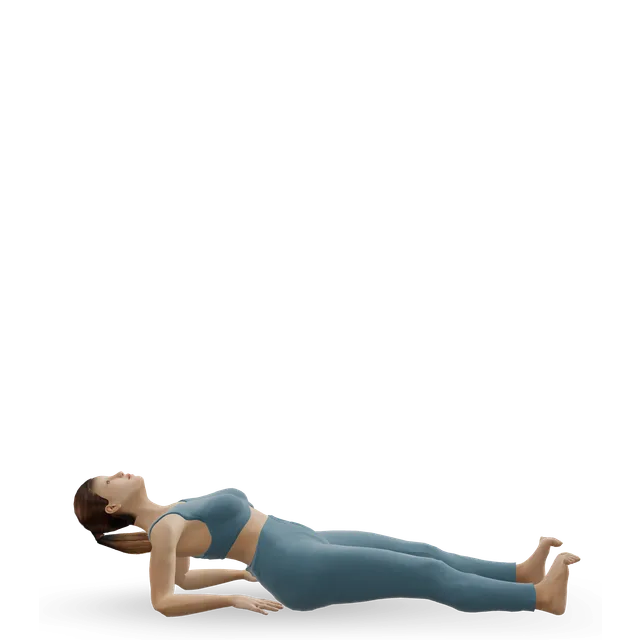
Loading the 3D figure…
Make it easier or harder
Choose a version that fits your control and comfort.
Easier option
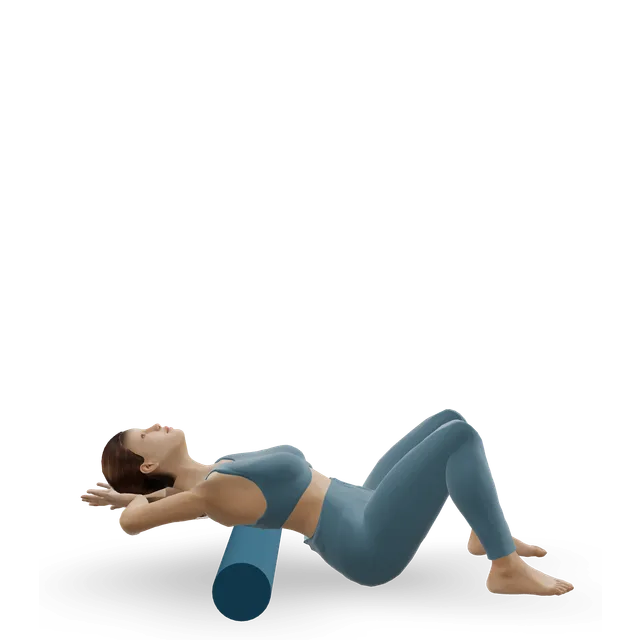 3D demoFoam roller thoracic extensionBeginner · A foam roller
Suggested next step, beginner grade.
Harder option
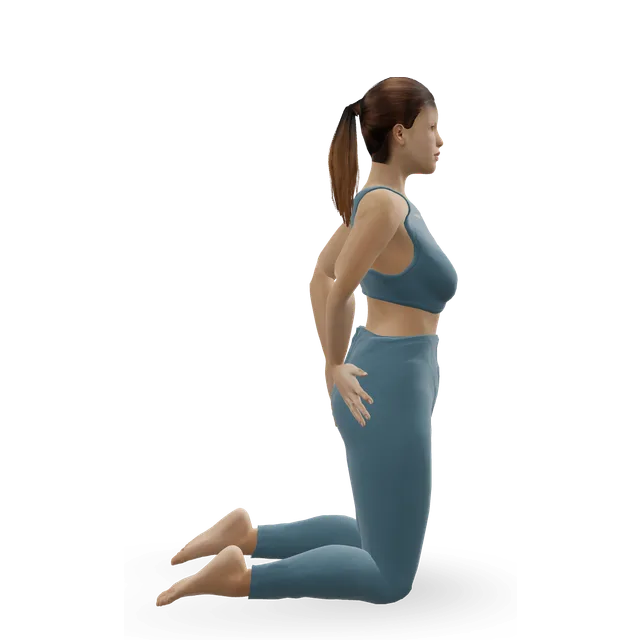 3D demoCamel pose (Ustrasana)Intermediate · No equipment
Suggested next step, intermediate grade.
Source-researched guide.
How to move
- Lie on your back with your legs long and together. Rest your forearms along your sides, palms down beside or just under your hips.
- Press your forearms and elbows into the floor, elbows under your shoulders, and lift your chest and head.
- Arch your upper back toward the ceiling and let your head drop back until the crown rests lightly on the floor, most of your weight still on your forearms.
- Hold, breathing smoothly.
- To come out, press into your forearms, lift your head, then lower your back and head to the floor.
Form cues
- Lift through the upper back rather than crunching the low back.
- Keep your legs active, pressing out through the heels.
- Avoid: letting your head carry weight; if your neck complains, lower your chest or lie back over a block under the shoulder blades instead.
Practice and cautions
Hold 15 to 30 seconds, the hold Yoga Journal gives, 2 rounds, resting on your back in between.
Dizziness, blurred vision, ringing in the ears or a sudden headache with your head back mean come out at once: case reports link yoga poses that bend the neck far back with reduced blood flow to the back of the brain. Skip it with a neck injury or cervical spondylosis, with migraine, or with uncontrolled high or low blood pressure. Keep the load on your forearms throughout: the head should rest, never bear weight. With a stiff or fused spine from ankylosing spondylitis, leave this out (our reading): UK guidance from the National Institute for Health and Care Excellence (NICE) says people with axial spondyloarthritis may be prone to fractures, and a fused spine can break after a minor injury, most often in the neck. With vertigo or BPPV, head-down positions, lying back quickly and tipping your head back can bring on a spin: move into and out of them slowly, sit up slowly, and leave them out during a bad spell. This is movement education, not an assessment or treatment prescription. Stop for sharp or increasing pain, dizziness, numbness or tingling; seek individual guidance for symptoms, injury or restrictions.
Sources and review status
Sources support the educational description; they do not establish that this exercise is suitable for you.
- Yoga Journal · Fish pose (how-to: forearms pressing down, the crown resting with very little weight, 15 to 30 seconds) ↗
- Yoga Journal · Supported fish pose on blocks or a rolled blanket (for a neck, shoulders or low back that complain) ↗
- Shenouda 2026 · Dizziness and blurred vision in yoga backbends with the neck bent back, in a woman with an artery disease; Doppler showed less blood flow to the back of the brain in camel pose (case report, Case Rep Ophthalmol) ↗
- Cramer 2013 · 76 published cases of harm from yoga: lotus variations among the poses most often named, with thigh nerve injuries; vertebral artery occlusion in bridge pose; peroneal nerve palsy with the kneeling vajrasana (systematic review, PLoS One) ↗
No variation is labeled clinically validated.
What it works
Muscles
Main: Back, Chest. Also: Neck, Abs.
Anatomy: Latissimus dorsi, Teres major, Trapezius, Rhomboids, Erector spinae, Multifidus.
Equipment
None: body weight and floor space.
Level
Intermediate. See the easier and harder options above.
Workouts that use it
Guides that use it
- Ashtanga yoga guide
- Yoga for neck pain guide
- Yoga for headaches and migraine guide
- Yoga for high blood pressure guide
- Yoga for period pain guide
- Yoga for thyroid problems guide
- Yoga for posture guide
- Yoga for upper back pain guide
Show all 22 guidesShow fewer guides
- Yoga for lungs and COPD guide
- Yoga for stroke recovery guide
- Yoga for glowing skin guide
- Yoga for spinal stenosis guide
- Yoga for spondylolisthesis guide
- Yoga for cervical spondylosis guide
- Yoga for whiplash guide
- Yoga for low blood pressure guide
- Yoga for Down syndrome guide
- Yoga for wrestlers guide
- Yoga for breast cancer guide
- Yoga for rounded shoulders guide
- Yoga for opening the chest guide
- Exercise and your menstrual cycle
Similar moves
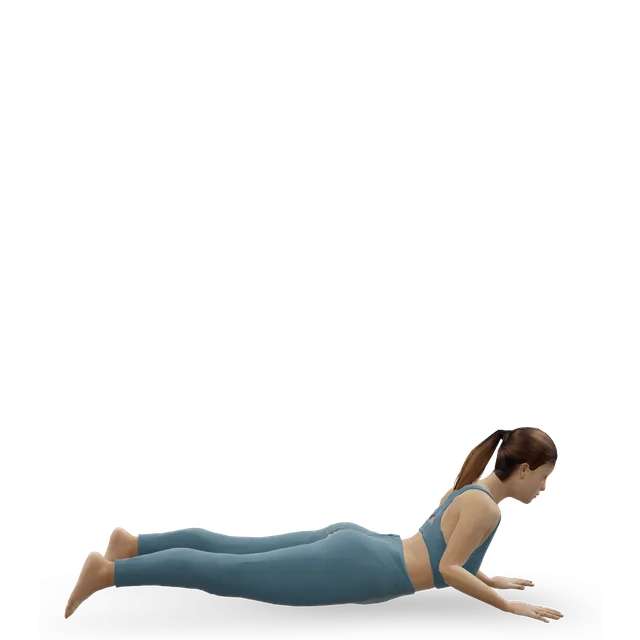 3D demoCobra pose (Bhujangasana)Intermediate · No equipment
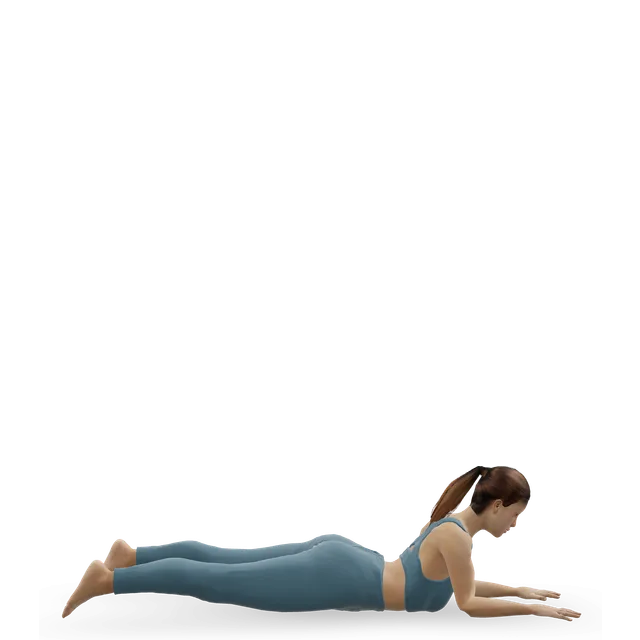 3D demoSphinx pose (Salamba Bhujangasana)Beginner · No equipment
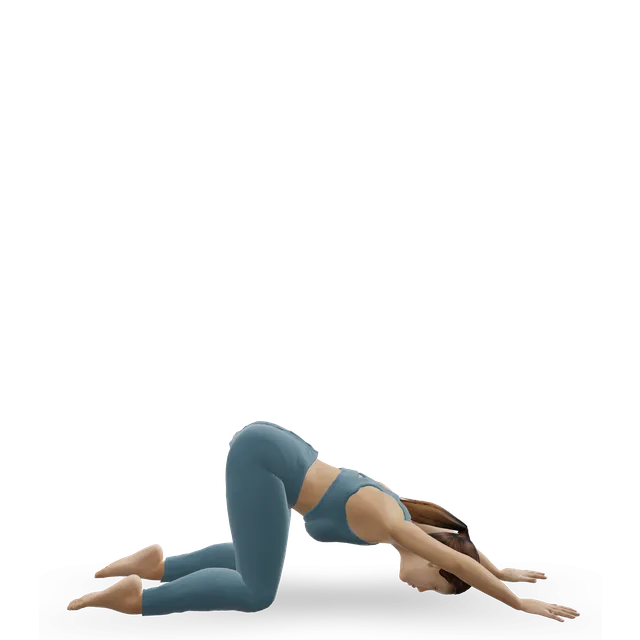 3D demoExtended puppy pose (Uttana Shishosana)Beginner · No equipment
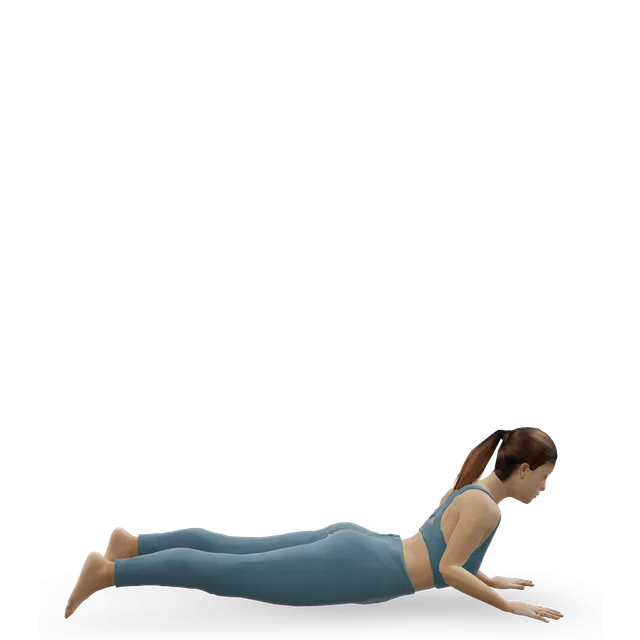 3D demoLow cobra (Bhujangasana)Beginner · No equipment
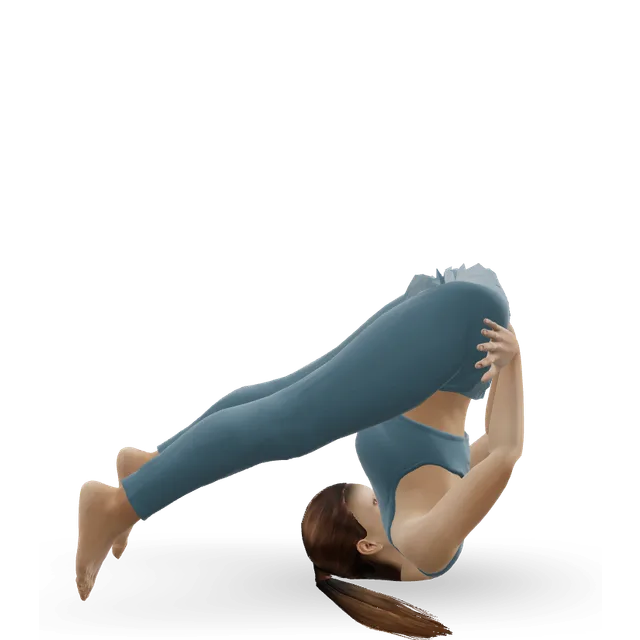 3D demoPlow pose (Halasana)Advanced · No equipment
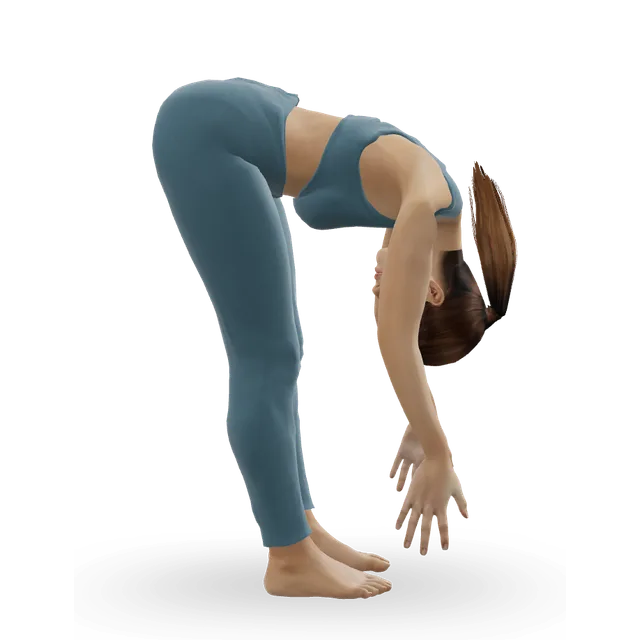 3D demoSegmental roll-downIntermediate · No equipment
Browse more
Questions people ask
What muscles does the Fish pose (Matsyasana) work?
Mainly the back and chest, with help from the neck and abs.
What equipment do I need for the Fish pose (Matsyasana)?
No equipment: your body weight and a little floor space.
Is the Fish pose (Matsyasana) good for beginners?
It is graded intermediate. If it is too hard right now, start with the Foam roller thoracic extension.
What is an easier alternative to the Fish pose (Matsyasana)?
Try the Foam roller thoracic extension. It is the suggested step down from this move.
How do I make the Fish pose (Matsyasana) harder?
Progress to the Camel pose (Ustrasana). Follow that guide’s technique and any stated timing.