Yoga guide

Yoga for stroke recovery: what the trials show, chair yoga, your weaker arm and staying safe

Gentle yoga can be a safe way to stay active after a stroke once your rehabilitation team has cleared you, but the evidence is thin. A Cochrane review found only 2 small trials and couldn't confirm or rule out a benefit; in a later trial of 36 people, yoga did as well as a standard fitness and mobility programme for balance, mobility and strength. It goes alongside your rehabilitation, never instead of it.

This guide covers what the trials show, chair yoga and when to stand, protecting your weaker arm and shoulder, balance and fatigue, which poses and breathing to skip, and the FAST signs of a stroke (face, arms, speech, time). It ends with a free 25-minute chair yoga class with an optional standing block.

The short version

Rehabilitation and your stroke team come first

NICE (the National Institute for Health and Care Excellence) says to "Encourage people to participate in physical activity after stroke", with fitness and strength training started by a physiotherapist. The Stroke Association lists yoga among group activities and says that if you're not sure you can complete a session, "speak to the teacher in advance".

Sources 1, 2

The evidence is thin

A Cochrane review found 2 small trials (72 people) and "insufficient information to confirm or refute the effectiveness or safety of yoga" after a stroke. In a later trial of 36 people, a yoga programme did as well as a standard fitness and mobility programme for balance, mobility and strength.

Sources 3, 4

Protect your weaker arm and shoulder

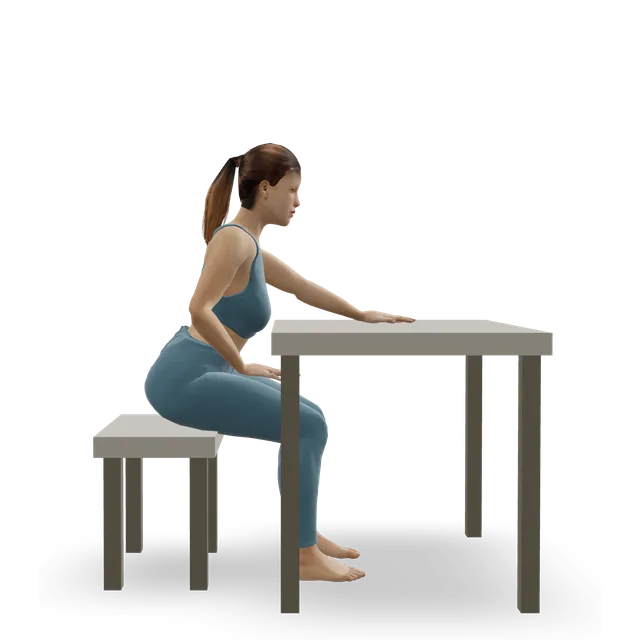
With a weak arm, "the weight of the arm can pull and stretch the soft tissues" of the shoulder. Support it on your lap, a cushion or a table; don't pull on it, let it hang or put weight through it unless your therapist says so (our suggestion, from the Stroke Association's and NICE's advice).

Sources 5, 1

Breathe out, keep your head level, and spare your neck

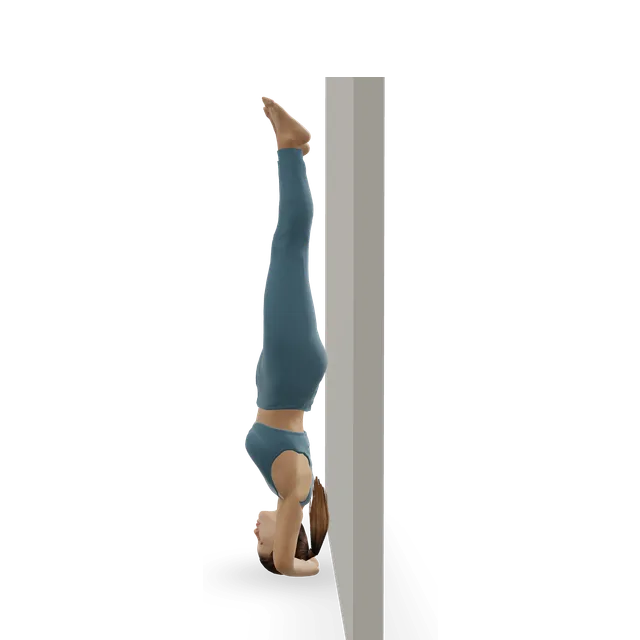
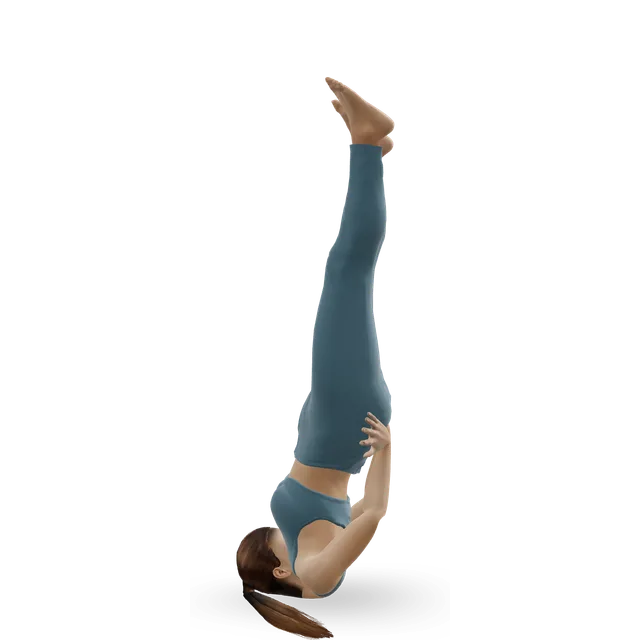
Breathe out on the effort and never hold your breath: breath holds raised blood pressure during practice in healthy adults. With very high blood pressure, see your doctor first. Leave out headstands, shoulder stands and poses that crank the neck back, because rare strokes have followed neck positions in yoga.

Sources 6, 2, 7, 8

Hold on for balance, and pace around fatigue

Falls are common after a stroke, so hold a chair back or lean against a wall when you stand. Half of stroke survivors have fatigue that "does not seem to get better with rest": start slowly, build in rests, and remember that short sessions count.

Sources 9, 2, 10, 11

Know FAST

Call 999 for face weakness, arm weakness or speech problems, even if they stop, and for a sudden headache that is extremely painful and doesn't go away.

Sources 12, 13

After a stroke, and where yoga fits

A stroke, in plain words

A stroke cuts off the blood supply to part of the brain. The NHS uses FAST to remember the main signs: face, arms, speech, and time to call 999. A transient ischaemic attack (TIA, or mini-stroke) has the same signs but they go within 24 hours, and it still needs 999. Weakness on one side "affects about 8 in 10 people after a stroke"; arm problems affect 50% to 80% of people early on and about half at 6 months.

Sources 12, 14, 15, 16

Rehabilitation comes first

NICE recommends rehabilitation of at least 3 hours a day on at least 5 days a week, physiotherapy for weakness or balance problems, repeated practice of everyday tasks, and fitness and strength training started by a physiotherapist. You should have a review about 6 months after your stroke.

Sources 1, 17

Recovery keeps going

"The quickest recovery often happens in the days and weeks after a stroke. Progress can continue for months and even years", the Stroke Association says. If you need more help later, NICE says you can refer yourself back to the stroke service, usually with support from your GP.

Sources 18, 17, 1

What the trial classes looked like

The largest pilot used a registered yoga therapist, twice a week for 8 weeks, with "seated, standing, and floor postures with relaxation and meditation". Others ran 10 weekly sessions, 6 weekly sessions with home practice alongside an exercise class, or weekly classes with home meditation for 12 weeks, and one online class was adapted for people with aphasia (difficulty with language). Most trials took people months or years after their stroke.

Sources 19, 20, 21, 22, 23, 24

What the evidence says

Exercise after a strokeStrong evidence

NICE encourages physical activity after a stroke and suggests strength training such as repeated sit-to-stands; the UK and Irish guideline agrees on intensive therapy and repeated task practice; and US stroke experts support aerobic and strength training. None names yoga. The Stroke Association lists yoga among group classes that "all offer something different".

Sources 1, 16, 25, 2

Yoga: too little evidence to judgeMixed evidence

In Cochrane's 2 trials (72 people), balance didn't improve significantly against a waiting list or no treatment, and most quality of life measures didn't either; memory-related quality of life and short-term anxiety did, on very low-quality evidence. Another review of 4 small trials found anxiety and low mood results on the edge of significance. No side effects were reported.

Sources 3, 26

BalanceMixed evidence

In 47 people with long-term effects of a stroke, balance improved within the yoga group (Berg balance score 41.3 to 46.3 out of 56) but not more than in a small waiting-list group. In 36 people, yoga was no worse than a fitness and mobility programme for balance. Across 33 trials of mind-body exercise (1,985 people), balance improved, mostly in trials of qigong and tai chi, and in a comparison of 30 studies tai chi and qigong ranked above yoga.

Sources 19, 4, 27, 28

Mood, anxiety and quality of lifeMixed evidence

Small trials found less anxiety and better quality of life within yoga groups, but differences from comparison groups "were largely absent" across 8 studies. Yoga and the fitness programme improved anxiety and low mood equally in the 36-person trial, and a review of yoga in brain and nerve conditions called the stroke evidence "still insufficient". For low mood after a stroke, yoga's effect wasn't clinically meaningful in 2 trials, while aerobic exercise did best.

Sources 20, 21, 29, 4, 30, 31, 32

Strength, walking and your armMixed evidence

Pain, range of movement, arm strength and a 6-minute walk improved within the yoga group in the largest pilot, but objective movement tests didn't improve in a 22-person trial, and mind-body exercise didn't improve walking ability. Arm recovery rests on the repeated practice your therapist sets.

Sources 33, 20, 27, 16

Thinking skillsMixed evidence

In 80 people, yoga added early to standard care went with better thinking test scores at 6 months, but the summary doesn't say how people were put into groups.

Source 34

Blood pressureMixed evidence

In a 38-person trial, blood pressure fell by about 5/4 mmHg within the yoga and meditation group, but not more than with the comparison classes. Preventing another stroke rests on medicines for conditions such as high blood pressure and a healthy lifestyle.

Sources 22, 35

Falls: not tested for yogaMixed evidence

Exercise may reduce falls after a stroke (8 trials, 765 people, low-quality evidence), but no yoga trial after a stroke has counted falls.

Sources 9, 36

SafetyEmerging evidence

The small stroke trials reported no side effects, and across 94 yoga trials side effects were no more common than with usual care or exercise. Rare serious harms in published cases cluster around headstand, shoulder stand and forceful breathing, and include 3 strokes; in a 2026 review, about half the people harmed had an existing vulnerability.

Sources 3, 21, 37, 7, 38

Your weaker arm and shoulder

Why the weak shoulder needs careStrong evidence

When the muscles that hold the shoulder are weak, "the weight of the arm can pull and stretch the soft tissues and you may feel pain", and the joint can partly slip out (subluxation) or stiffen (frozen shoulder). Therapists make sure "anyone who handles your arm knows how to do so with care and without causing strain on your shoulder joint". NICE asks teams to explain how to prevent shoulder pain, and to tell people doing fitness activities about it.

Sources 5, 1

Our rules for the weaker arm

No study has tested yoga with a weak shoulder, so these are our suggestions, from NICE's and the Stroke Association's advice:

  • Rest the arm on your lap, a cushion or a table, and move it only within a pain-free range, as your therapist has shown you.
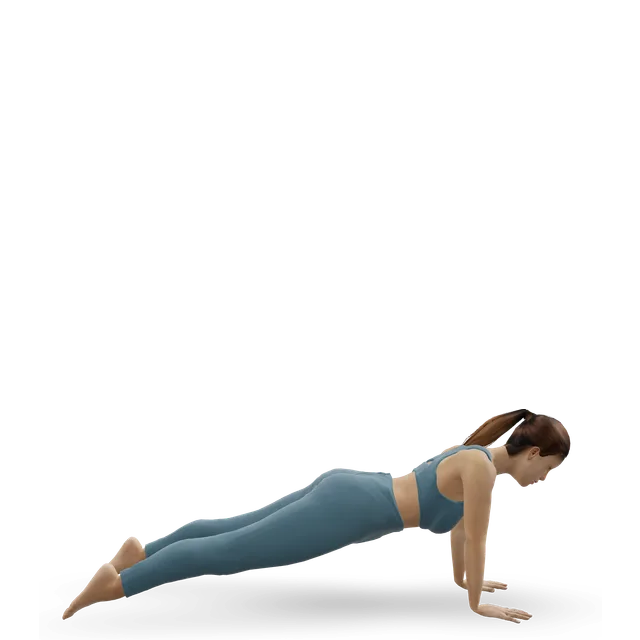
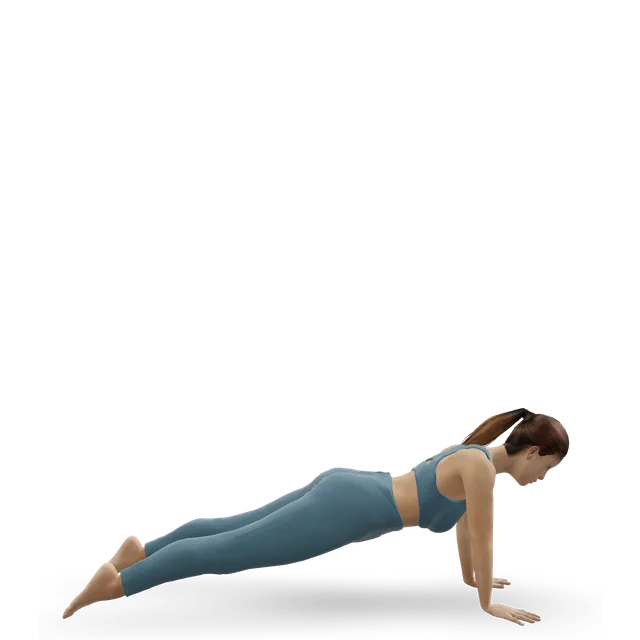
  • Don't pull it up with the other hand, let it hang, or put weight through it (all fours, downward dog, plank, wall push-ups) unless your therapist says so.
  • Ask a teacher not to lift or move the arm for you.
  • Stop any pose that hurts the shoulder or makes the arm ache or tingle more.

Sources 1, 5, 39

Stiffness and spasms

For stiff, tight muscles (spasticity), NICE suggests stretching the affected limbs, splints when needed, and advice on what makes it worse; your physiotherapist can teach you stretches to stop muscles shortening. Move into stretches slowly and never bounce (our suggestion).

Sources 1, 40

Use both sides

"Using your unaffected side too much can sometimes lead to problems with the affected side", the Stroke Association says, and NICE's rehabilitation encourages people with arm weakness to use both arms. Include the weaker side as far as is safe, with "smaller movements you can manage".

Sources 2, 1

Balance, falls and fatigue

Falls are commonStrong evidence

Reported fall rates after a stroke range from 7% in the first week to 73% in the first year. Balance can be affected by weakness, reduced feeling, vision changes such as losing part of your field of view, vertigo, neglect of one side and poor coordination.

Sources 9, 41

Hold on

"You can do activities on a chair or a mat ... If you are standing, hold onto a chair back or lean against a wall." Do one-leg poses only with support, and have someone nearby if you've fallen (our suggestion).

Source 2

FatigueStrong evidence

Half of stroke survivors have fatigue (50% across 22 studies). It "does not seem to get better with rest", and some medicines can add to it. "Start slowly, and build up over time, to avoid making the fatigue worse", with extra rests during and after activities.

Sources 10, 11, 2

How much

The trials used twice a week for 8 weeks, or weekly for 10 to 12 weeks. The Stroke Association says activity in short bursts, "two minutes, five minutes or 10 minutes at a time", counts.

Our editorial starting point: our 25-minute chair class 2 or 3 times a week, with rests, alongside the walking, strength and arm exercises your team has set. On tired days, do the seated blocks only.

Sources 19, 20, 22, 24, 2

Blood pressure, breath holds and your neck

Blood pressure

Blood pressure goes up during exercise and comes back down when you rest, and regular activity can lower it over time. "If you have very high blood pressure you should speak to your doctor before starting to be more active", and ask your pharmacist whether your medicines could affect you during exercise.

Source 2

Breathe out; no holds or fast breathingMixed evidence

In healthy adults, breath holds and fast breathing such as kapalabhati raised blood pressure during practice, and fast breathing and breath holding changed blood flow in a brain artery in opposite directions. No study has tested them after a stroke, so breathe out on the effort, keep the breath slow and smooth, and leave holds out (our suggestion, as in our exercise after a stroke guide).

Sources 6, 42

Keep your head above your heart

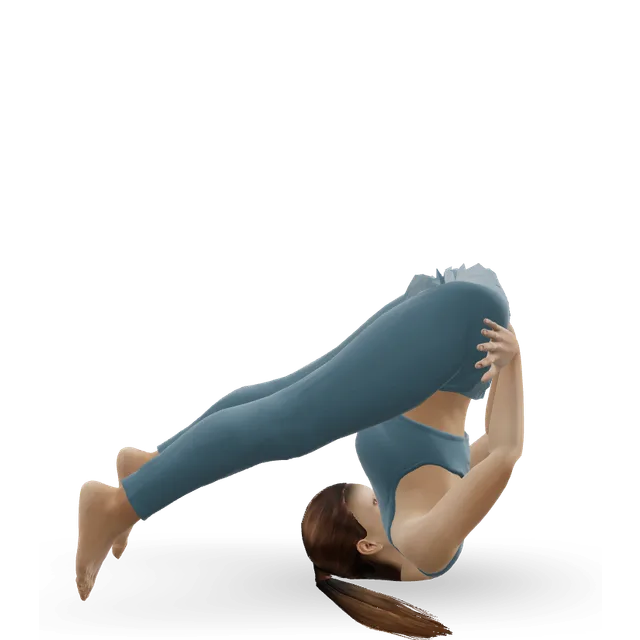
Going upside down raised heart rate and blood pressure in healthy men. Leave out headstands, shoulder stands, plough and long head-down holds (our suggestion, as our blood pressure guides say).

Source 43

Spare your neckMixed evidence

Rare case reports describe strokes after neck movements in yoga, and in a 2026 case a woman had dizziness and blurred vision during yoga, especially in upward-facing dog, and an ultrasound scan during the poses showed reduced blood flow to the back of the brain. Case reports can't show how often this happens, but they're why this guide leaves out poses that crank the neck back or turn it hard.

Sources 7, 44, 45, 8

Hot yogaMixed evidence

No study has tested hot yoga after a stroke, and heat adds strain on top of post-stroke fatigue. We'd avoid it, and ask your stroke team first if you want to try one (our suggestion).

Sources 46, 11

Other conditions and medicines

With atrial fibrillation or diabetes, speak to your GP before becoming more active. If you have several health problems together and aren't sure what you can do, speak to your GP or stroke nurse.

Source 2

Settle, arms and hands

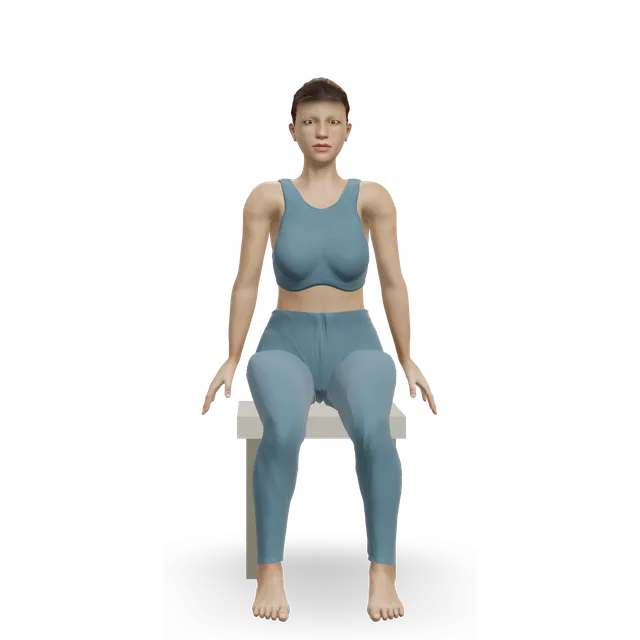
Arm and hand moves only as your therapist has set. Seated upper back lift: 3 holds of 5 seconds; slow breathing: 2 minutes (our seated chair yoga); breath reach: 5 breaths, lifting only the arm that rises without pain (the move's page); table slide: 10 slow repetitions, 1 to 3 times a day; elbow bend and straighten: 10 slow repetitions, up to 4 times a day; tendon glides: 4 to 6 of each position, 5-second holds (the moves' pages).

Trunk and legs, sitting

Seated twist: 5 each side, 5-second holds, holding the seat with your stronger hand; seated side bend: 2 each side, 10 to 20-second holds; cat-cow: 6 slow rounds, sitting; leg extended stretch: 5 each leg (our chair yoga class); seated march: 1 minute; seated knee extension: 8 to 10 each leg (our home exercises after a stroke); ankle circles: 10 slow circles each way with each foot (the move's page).

Standing at a chair

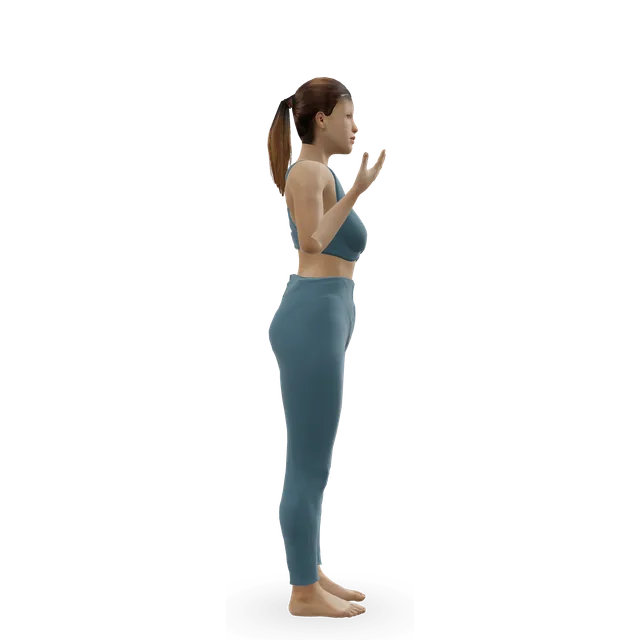
Only with a sturdy chair to hold. Sit to stand: 5 to 10; semi-tandem stance: 3 holds of 10 seconds each side; calf raises: 8 to 10 (our home exercises after a stroke); mountain pose: 5 slow breaths; chair pose: 3 holds of 10 to 15 seconds (our chair yoga class).

On a bed or mat

Knee rolls: 10 slow rolls; heel slides: 10 each leg (our home exercises after a stroke). A bed is fine if getting down to the floor is hard.

Change or leave out

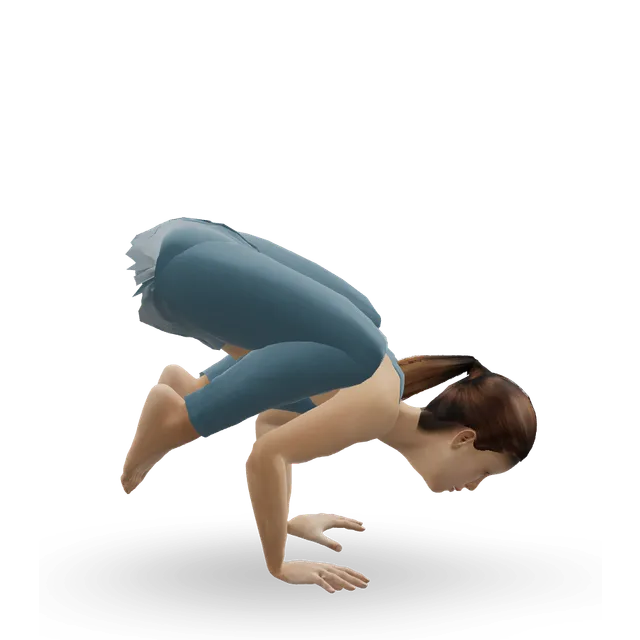
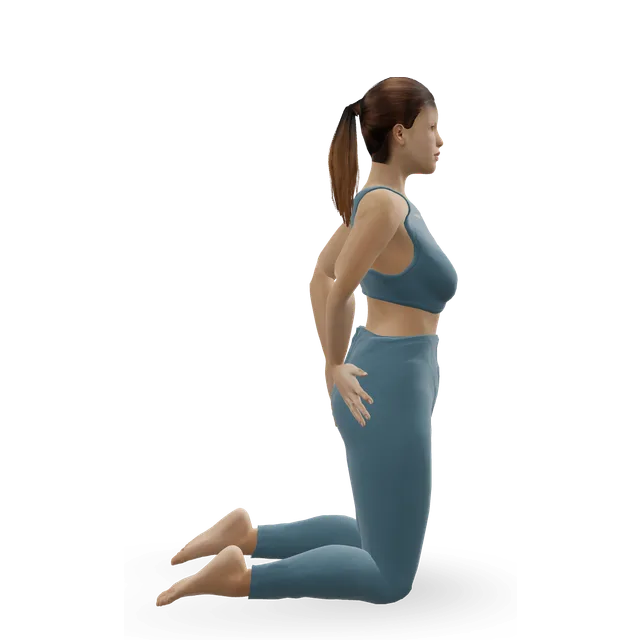
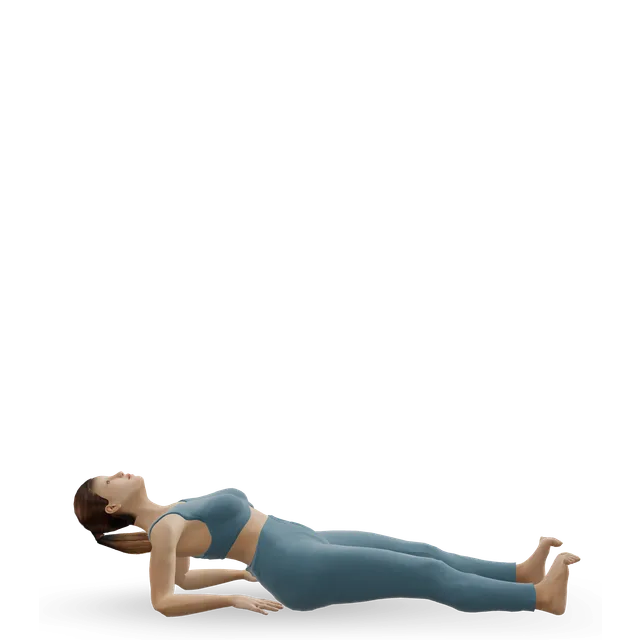
Leave out weight through a weak arm (downward dog, plank and chaturanga, crow) unless your therapist agrees; headstands (whose caution names a history of stroke), shoulder stands and plough; poses that bend the neck back hard (camel, upward-facing dog, fish); and the breath holds in box and 4-7-8 breathing (our suggestions, from the sources above).

Free classes

Start with our 25-minute chair class once your team has cleared you. The home exercises add moves on the bed and a short walk; the seated chair yoga is fully seated; the chair class for multiple sclerosis suits stroke too in its seated blocks; the strength and balance workout is for when standing is steady.

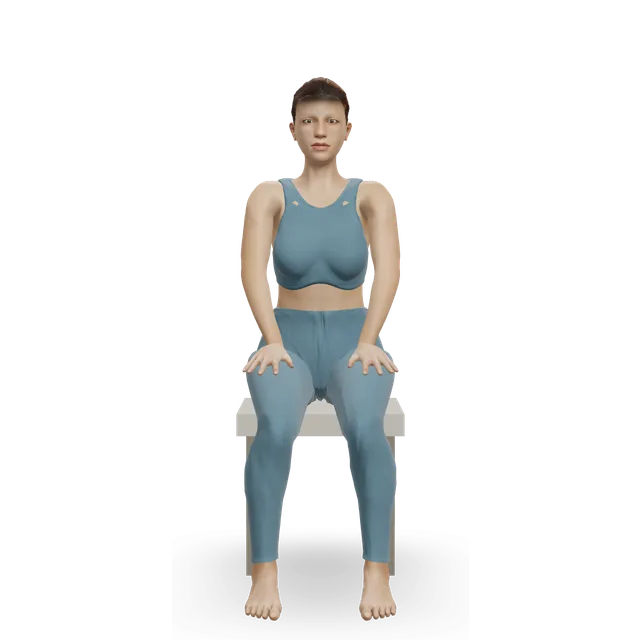
Chair yoga after a stroke: a 25-minute class, sitting, with an optional standing block

A 25-minute chair yoga class after a stroke: seated breathing, arm and hand moves your therapist has agreed, seated twists and leg work, and optional standing poses.

25 minBeginner16 movesA bench or box, Something with weight

Home exercises after a stroke: bed, chair and standing

A gentle 20-minute routine for home after a stroke: moves on the bed, in a chair and standing at a chair, then a short walk. Do the parts your team has agreed.

20 minBeginner12 movesA bench or box, Something with weight

Seated chair yoga: 15 minutes, no standing

A 15-minute chair yoga routine done entirely sitting: slow breathing, neck, shoulder and wrist stretches, seated twists and side bends, and a calm finish.

15 minBeginner16 movesA bench or box

Chair yoga for MS: a 25-minute class you can do sitting, with an optional standing block

A 25-minute chair yoga class for MS: seated breathing and loosening, longer leg stretches, an optional standing balance block at the chair, and a calm finish.

25 minBeginner18 movesA bench or box, Something with weight

Chair yoga for seniors

A free 20-minute chair yoga class for older adults: slow breathing, gentle seated stretches and twists, standing poses holding the chair, and a calm finish.

20 minBeginner18 movesA bench or box, Something with weight

Strength and balance workout

Strength and balance in one session: squats, Romanian deadlifts, push-ups, rows, step-ups, back extensions, carries and single-leg balance.

45 minBeginner14 movesA wall, A dumbbell

FAST and warning signs

These follow the NHS, the Stroke Association, NICE and our exercise after a stroke guide. A&E means accident and emergency.

Call 999 now: FAST

Call 999 (911 in the US) if you think you're having, or have had, a stroke, or you've had signs of a stroke in the last 24 hours, even if they've stopped. The NHS uses FAST:

  • Face: one side of your face may droop, and it might be hard to smile.
  • Arms: you may not be able to lift both arms and keep them there, because of weakness or numbness in one arm.
  • Speech: you may slur your words or sound confused.
  • Time: call 999.

Source 12

Other signs

Other signs include weakness or numbness down one side, blurred vision or loss of sight, difficulty speaking or finding words, confusion and memory loss, feeling dizzy or falling over, a severe headache, and feeling or being sick. Don't drive yourself to A&E.

Source 12

A sudden, very bad headache

Call 999 for a sudden headache that is extremely painful and doesn't go away. A bleed on the brain like this may be more likely when coughing, going to the toilet or lifting something heavy, so stop straining or holding your breath in any pose that brings on a headache.

Source 13

A mini-stroke

Signs that go away within minutes or hours can be a TIA. Call 999 straight away even if they've gone: you should see a specialist within 24 hours.

Source 14

Also call 999

For chest pain that feels tight or like squeezing, or spreads to your arms, neck or jaw; severe difficulty breathing; or someone passing out and not responding normally. Call 999 too after a fall if someone may have hurt their head, neck, back or hip, or can't get up.

Source 47

See your GP or stroke team soon

  • Shoulder pain, especially in the weaker arm: it should be assessed to find the cause.
  • Frequent falls, new stiffness (spasticity) or continence problems.
  • Fatigue or low mood getting in the way of recovery, or a medicine you think is making you tired.
  • Very high blood pressure before you start, or atrial fibrillation or diabetes and you want to be more active.
  • No review about 6 months after your stroke, or you need more help: you can refer yourself back to the stroke service.

Sources 1, 11, 2, 17

Stop and check

Sore muscles are common when you start a new exercise, but if it's a sharp pain or you are worried, stop and check with your fitness instructor, GP or therapist. Stop, too, for chest pain, dizziness or unusual breathlessness (our suggestion).

Source 2

Support

Stroke Association helpline: 0303 3033 100.

Source 2

Myths

"Recovery stops six months after a stroke"Emerging evidence

"Progress can continue for months and even years", the Stroke Association says, and NICE lets people refer themselves back for more help. Yoga trials in people months or years after a stroke reported gains within the groups.

Sources 18, 17, 1, 19

"Being active, yoga included, could bring on another stroke"Strong evidence

"Unless your doctor tells you otherwise, moving and being active is safe", the Stroke Association says. The rare strokes in yoga case reports followed extreme neck positions such as headstand, which this guide leaves out.

Sources 2, 7, 44, 45

"Yoga is proven to improve movement after a stroke by 30%"Mixed evidence

We found no trial reporting this. Cochrane found too little evidence to confirm or rule out yoga's effect, and objective movement tests didn't improve in a 22-person trial.

Sources 48, 3, 20

"Stretch the weak arm hard, or let it hang, to loosen it"Strong evidence

The weight of a weak arm can stretch the soft tissues of the shoulder, and anyone handling it should do so with care. Support it, and move it only within a pain-free range.

Sources 5, 1

"Do everything with your good side"Emerging evidence

Using your unaffected side too much can cause problems with the affected side, and NICE's rehabilitation encourages using both arms. Include the weaker side as far as is safe.

Sources 2, 1

"Breathing exercises send more oxygen to the brain and heal stroke damage"Mixed evidence

In healthy volunteers, yoga breathing changed blood flow in brain arteries in different directions depending on the technique, and no study shows breathing exercises repair stroke damage. Slow breathing is for relaxation.

Sources 42, 49, 50

"Hot yoga will loosen you up after a stroke"Mixed evidence

No study has tested hot yoga after a stroke, and heat adds strain on top of fatigue. A comfortable room is the safer choice.

Sources 46, 11

"Push through fatigue"Strong evidence

Fatigue affects half of stroke survivors, and the Stroke Association says to start slowly, build up over time and build in rests.

Sources 10, 2

Questions people ask

Is yoga good after a stroke?

It may help, but the evidence is thin: a Cochrane review found only 2 small trials and couldn't confirm or rule out a benefit. In a later trial of 36 people, yoga did as well as a standard fitness and mobility programme for balance, mobility and strength. Use it alongside your rehabilitation, not instead of it.

Is chair yoga good for stroke survivors?

Yes, it's a good way to start. The Stroke Association suggests activities on a chair or a mat, and holding a chair back when you stand. Our 25-minute class is mostly seated, with an optional standing block.

Which yoga poses should I avoid after a stroke?

Leave out headstands, shoulder stands, plough and long head-down holds, poses that crank your neck back or turn it hard, and breath holds. Don't put weight through a weak arm, as in downward dog or plank, unless your therapist agrees, and do one-leg poses only with support.

Can yoga cause a stroke?

Very rarely: a few case reports describe strokes after extreme neck positions such as headstand, or reduced blood flow to the brain in a back-bend. Gentle, neck-friendly yoga isn't the same, and the Stroke Association says that unless your doctor tells you otherwise, moving and being active is safe.

Is hot yoga safe after a stroke?

It hasn't been studied after a stroke. Heat adds strain on top of the fatigue many stroke survivors have, so we'd avoid hot classes and ask your stroke team first.

Can yoga help my weak arm?

Arm recovery comes mainly from the repeated practice your therapist sets. Yoga can include gentle, supported arm and hand movements your therapist agrees, such as a table slide or tendon glides, but never pull on or put weight through a weak arm, and stop if your shoulder hurts.

When can I start yoga after a stroke?

When your stroke team has cleared you for exercise: NICE wants fitness and strength training started by a physiotherapist. If your blood pressure is very high, or you have atrial fibrillation or diabetes, check with your doctor first, and tell the teacher about your stroke before the class.

Can yoga help balance after a stroke?

Possibly. Balance improved within yoga groups in small trials, and mind-body exercise improved balance across 33 trials, mostly tai chi and qigong. Hold a chair or counter for standing poses.

Is pranayama good after a stroke?

Slow, gentle breathing is a calm way to finish a session. Leave out breath holds and fast breathing, which raised blood pressure in healthy adults. No study shows breathing exercises repair stroke damage.

Can I do yoga after a TIA?

First get the TIA assessed: call 999, and you should see a specialist within 24 hours. After that, the same advice applies as after a stroke: gentle, neck-friendly yoga with no breath holds or upside-down poses, once your doctor agrees.

How often should I do yoga after a stroke?

The main yoga trial used twice a week for 8 weeks. Our suggestion is 2 or 3 short sessions a week, with rests, alongside your walking and strength exercises; short bursts of 2, 5 or 10 minutes count.

When should I get help?

Call 999 for face weakness, arm weakness or speech problems, even if they go away, and for a sudden, extremely painful headache. See your GP or stroke team about shoulder pain, falls, new stiffness or fatigue that gets in the way.


Sources

  1. NICE NG236 · Stroke rehabilitation in adults: recommendations (2023)
  2. Stroke Association · Getting active after a stroke (past its review date: published May 2022, review due September 2024)
  3. Lawrence 2017 · Yoga for stroke rehabilitation: 2 trials, 72 people (Cochrane review, Cochrane Database Syst Rev; abstract read)
  4. Lenoir Dit Caron 2024 · Yoga or a fitness and mobility programme after a stroke: 36 people (non-inferiority randomised trial, J Integr Complement Med)
  5. Stroke Association · Shoulder pain after stroke (January 2026)
  6. Nivethitha 2021 · Blood pressure and heart rate during four yoga breathing techniques in healthy adults (lab study, Int J Yoga)
  7. Cramer 2013 · Adverse events associated with yoga: 76 published cases (systematic review of case reports, PLoS One; full text read)
  8. Shenouda 2026 · Reduced blood flow to the back of the brain during yoga, with blurred vision and dizziness (case report, Case Rep Ophthalmol)
  9. Denissen 2019 · Interventions for preventing falls after stroke: 14 trials (Cochrane review, Cochrane Database Syst Rev)
  10. Cumming 2016 · How common fatigue is after stroke: 49 studies (systematic review and meta-analysis, Int J Stroke)
  11. Stroke Association · Post-stroke fatigue and tiredness
  12. NHS · Symptoms of a stroke (last reviewed September 2024)
  13. NHS · Subarachnoid haemorrhage (last reviewed September 2025)
  14. NHS · Transient ischaemic attack (TIA) (past its review date: reviewed June 2023, review due June 2026)
  15. Stroke Association · Muscle weakness
  16. O'Flaherty 2024 · Upper limb recovery after stroke in the UK, Irish and European guidelines (overview, Healthcare (Basel); full text read)
  17. NHS · Recovering from a stroke (last reviewed September 2024)
  18. Stroke Association · Stroke recovery
  19. Schmid 2012 · Yoga and balance after stroke: 47 people (pilot randomised trial, Stroke)
  20. Immink 2014 · Yoga for weakness on one side after stroke: 22 people (randomised trial, Top Stroke Rehabil)
  21. Chan 2012 · Yoga and exercise for mood after stroke: 14 people (pilot randomised trial, Altern Ther Health Med)
  22. Thayabaranathan 2025 · Weekly yoga with home meditation after a stroke: 38 people (feasibility randomised trial, Healthcare (Basel))
  23. Bislick 2023 · Online yoga adapted for people with aphasia after a stroke (feasibility study, Am J Speech Lang Pathol)
  24. Legault 2021 · Yoga in stroke, Parkinson's and multiple sclerosis rehabilitation: 50 studies (scoping review, J Altern Complement Med)
  25. Billinger 2014 · Physical activity and exercise for stroke survivors (scientific statement, Stroke)
  26. Thayabaranathan 2017 · Yoga in chronic stroke care: 4 trials (systematic review and meta-analysis, Top Stroke Rehabil)
  27. Dong 2024 · Mind-body exercise after stroke: 33 trials, 1,985 people (systematic review and meta-analysis, Front Public Health)
  28. Su 2024 · Tai chi, qigong and yoga after stroke: 30 studies (network meta-analysis, Geriatr Nurs)
  29. Love 2019 · Mind-body practices, stress, mood and quality of life after stroke: 8 studies (systematic review, Stroke)
  30. Lenoir Dit Caron 2021 · Yoga and quality of life in brain and nerve conditions: 16 trials (systematic review, Clin Rehabil)
  31. Wang 2026 · Exercise for depression after stroke: 29 trials (network and dose-response meta-analysis, J Psychosom Res)
  32. Li 2026 · Exercise types for depression after stroke: 33 trials (network meta-analysis, Front Med)
  33. Schmid 2014 · Yoga and physical function after stroke: the same 47-person pilot (randomised trial analysis, Complement Ther Med)
  34. Kashyap 2023 · Early yoga and thinking skills after a stroke: 80 people (controlled study, Ann Indian Acad Neurol)
  35. NHS · Causes of a stroke (last reviewed September 2024)
  36. PubMed · Search for randomised trials of yoga and falls in Parkinson's, stroke or neuropathy: 17 records, none counting falls as a yoga outcome (26 October 2026)
  37. Cramer 2015 · The safety of yoga: 94 randomised trials, 8,430 people (systematic review and meta-analysis, Am J Epidemiol)
  38. Sharma 2026 · Yoga and its risks: 84 adverse events in case reports (systematic review, J Integr Med)
  39. PubMed · Search for yoga and the shoulder after a stroke: 3 records, none a study of yoga and the weak shoulder (26 October 2026)
  40. Stroke Association · Spasticity and contractures
  41. Stroke Association · Balance problems after stroke
  42. Nivethitha 2017 · Blood flow in a brain artery during fast breathing and breath holding in healthy volunteers (lab study, J Neurosci Rural Pract)
  43. Heng 1992 · Heart rate and blood pressure when upside down: 20 healthy men (lab study, Int J Sports Med)
  44. Hanus 1977 · Blocked vertebral artery after neck movements in yoga (case report, Arch Neurol)
  45. Fong 1993 · Blocked basilar artery after unusual neck postures in yoga (case report, Clin Exp Neurol)
  46. PubMed · Search for hot, Bikram or heated yoga and Parkinson's, stroke, neuropathy or PTSD: 1 record, a heatstroke case (26 October 2026)
  47. NHS · Falls (last reviewed March 2025)
  48. PubMed · Search for 2019 yoga trials after stroke measuring movement: 2 records, both reviews (26 October 2026)
  49. Kumar 2022 · Brain blood flow during yoga breathing and breath awareness (lab study, Int J Yoga)
  50. NHS · Breathing exercises for stress (last reviewed June 2026)

Exercise education, not a personal prescription, and clinical review of these guides is pending. If you are pregnant, have a health condition such as glaucoma, high blood pressure or osteoporosis, or have had recent surgery, check with a doctor, midwife or physiotherapist before starting, and stop for sharp or increasing pain. Health disclaimer.