Yoga guide

Yoga for high blood pressure: how much it lowers it, what to practise, and what to avoid

Yoga lowers blood pressure a little: by about 5 to 8 millimetres of mercury (mmHg) off the top number in trials, and most when sessions include slow breathing and relaxation as well as poses. That's a useful addition to walking, diet and any medicines you take, but it doesn't replace them, and most of the trials were small and of low quality.

This guide covers how much yoga lowers blood pressure and how sure we are, how the programmes that worked were built, how yoga compares with other exercise, the breathing practices to use and to skip, which poses to change, a 40-minute routine and the warning signs. Never stop or change a blood pressure medicine without your doctor.

The short version

A small fall in blood pressure

Across 49 trials (3,517 adults), yoga lowered blood pressure by about 5/4 mmHg compared with no exercise. In 30 trials of people with raised blood pressure, the fall was about 8/5 mmHg against usual care or a waiting list, from very low quality evidence.

Sources 1, 2

Breathing and relaxation matter

In people with high blood pressure practising 3 times a week, programmes with breathing and meditation or relaxation lowered it by about 11/6 mmHg, against 6/3 for programmes without. Programmes that worked split their time between poses, breathing and relaxation; less effective ones were mostly poses.

Sources 1, 3

About as good as other exercise, not clearly better

Against other exercise, yoga's advantage was small or could have been chance. A 2026 analysis of 105 trials put yoga's effect in the same range as other types of exercise, mostly from indirect comparisons, and it doesn't show that yoga beats aerobic exercise such as brisk walking.

Sources 2, 4, 5

It adds to treatment; it doesn't replace it

Yoga lowered blood pressure in trials that allowed blood pressure medicines, and medicines lowered it more than exercise overall. Never stop or change a medicine because you've started exercising; talk to your GP if your readings fall.

Sources 2, 6

No breath holds, no long head-down holds

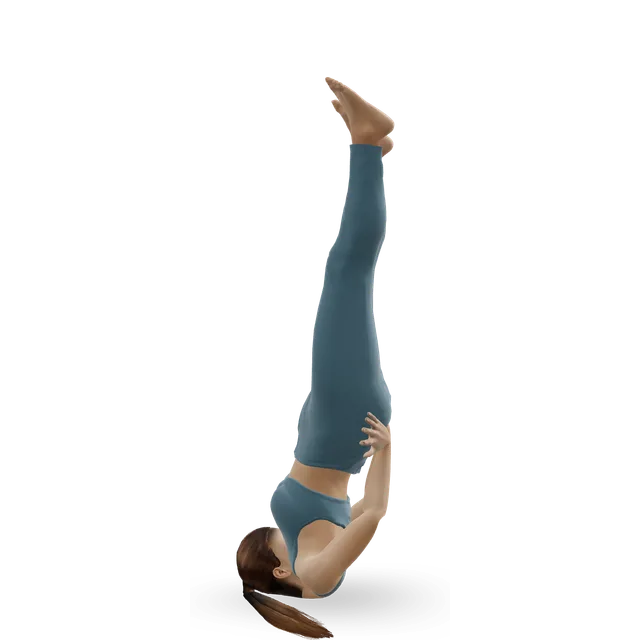
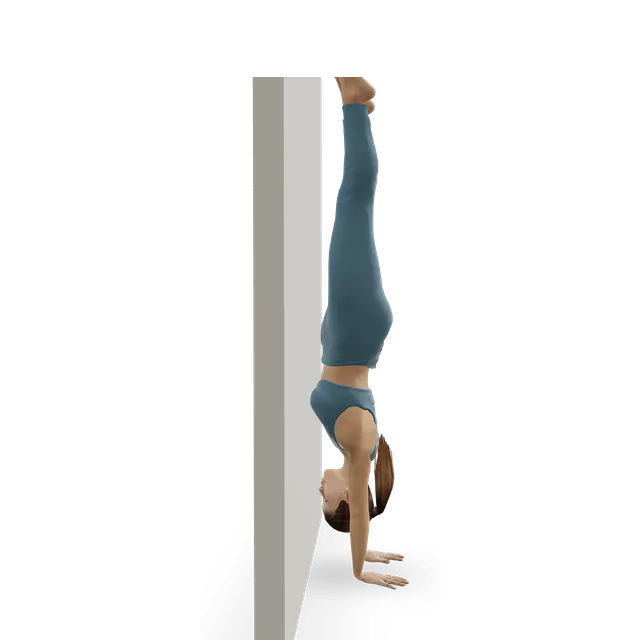
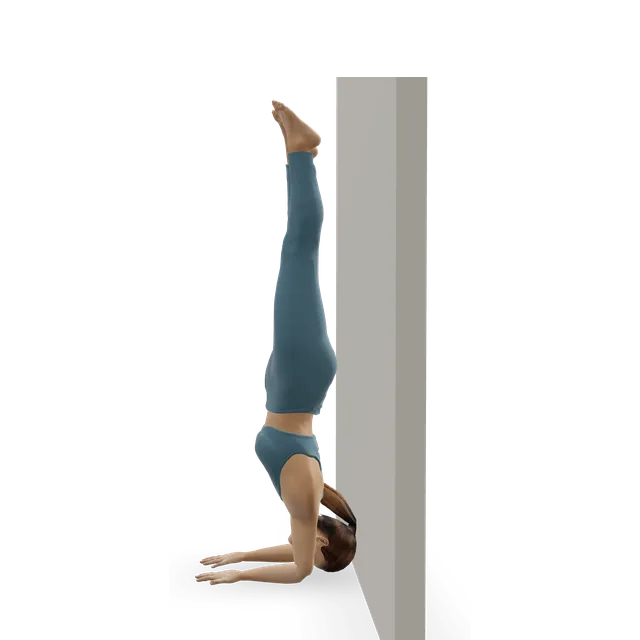
Holding your breath and fast, forceful breathing raised blood pressure during the practice in healthy adults, and a UK yoga programme for older adults leaves out breath holds for people with high blood pressure. Skip headstands, shoulder stands and long head-down holds while your blood pressure is uncontrolled: a precaution, not a trial finding.

Sources 7, 8

Know the warning signs

Call 999 for chest pain, severe breathlessness or signs of a stroke, and stop and get advice the same day for frequent headaches or blurred vision. The full lists are in the warning signs below.

Sources 9, 10

High blood pressure, and what the trials called yoga

The numbers

A reading has two numbers: systolic, the top one, and diastolic, the bottom one. High blood pressure is 140/90 mmHg or higher when a health professional checks it, or 135/85 or higher at home. NICE (the National Institute for Health and Care Excellence) calls a clinic reading of 180/120 or higher severe. High blood pressure usually causes no symptoms, which is why checks matter.

Sources 11, 12, 13

What the trials called yoga

Most programmes combined poses (asanas), breathing practices (pranayama) and relaxation or meditation, and some used breathing alone. Of 20 effective programmes in one review, only one named its style (hatha). In the largest review, sessions averaged about an hour, nearly 5 times a week, for about 13 weeks.

Sources 2, 3, 1

Up during a session, down over weeks

Blood pressure rises during a session, most in standing poses, much as it does when you hold a muscle tight, and holding your breath or breathing fast raises it too. In 18 healthy adults, systolic pressure 5 minutes after a 60-minute vinyasa class was about 8 mmHg lower than after 60 minutes of sitting, but not an hour later. What the trials measured was resting blood pressure after weeks of practice.

Sources 14, 7, 15

Why it might work

Trial authors point to physical activity plus calming the stress response. Blood Pressure UK says stress raises blood pressure for a short time, but "There's no evidence that stress causes long-term high blood pressure", so relaxation is one part of the picture, not a cure.

Sources 2, 16

What the evidence says: how much yoga lowers blood pressure

49 trials: about 5/4 mmHgEmerging evidence

A 2019 review of 49 controlled trials (3,517 adults, average starting reading 129/81 mmHg) found yoga lowered blood pressure by 5.0/3.9 mmHg against no exercise. Programmes averaged 4.8 sessions a week of 59 minutes, for 13 weeks.

Source 1

In people with raised blood pressureMixed evidence

A 2025 review of 30 trials (2,283 people with high-normal or high blood pressure) found falls of about 8/5 mmHg (7.95/4.93) against a waiting list or usual care, from very low quality evidence. Against active controls such as other exercise, the falls were smaller (4.16/1.88), and the fall in the top number could have been chance.

With 24-hour monitoring (4 trials), only the bottom number fell. Falls were seen in trials that allowed blood pressure medicines, and 8 of the 10 trials that reported on safety found no side effects or only minor ones.

Source 2

Older reviews, with weaker trialsMixed evidence

A 2014 review of 7 trials (452 people) found falls of about 10/7 mmHg against usual care, at very low quality, only in trials of people with high blood pressure and trials that allowed medicines. It found more side effects with yoga than with usual care, and no effect against exercise. A 2013 review of 17 studies, all at unclear or high risk of bias, found about 4/4 mmHg, against no treatment rather than exercise. A review of 8 trials in high-normal blood pressure also found falls in both numbers.

Sources 4, 17, 18

A 2026 analysis of exercise typesEmerging evidence

A network meta-analysis, which compares many treatments at once, pooled 105 trials (6,734 adults with high-normal or high blood pressure). It estimated that yoga lowered blood pressure by about 10/6 mmHg against no exercise, in the same range as tai chi, interval training and combined aerobic and strength training, mostly at low to moderate certainty. People with higher starting readings had bigger falls.

It has real limits. Its comparisons between exercise types were mostly indirect (across different trials rather than within one), yoga's ranking against tai chi and aerobic exercise changed when the analysis was rerun in different ways, and its dose model counted yoga's energy cost as that of power yoga, so its suggested weekly dose may not fit gentler classes. It doesn't show that yoga beats aerobic exercise.

Source 5

Relaxation and stress managementMixed evidence

A 2025 network meta-analysis of 182 studies of stress management and relaxation pooled yoga with tai chi as "meditative movement", so it can't give a figure for yoga alone. Meditative movement and breathing control lowered blood pressure for up to 3 months against no intervention, at very low certainty, and from 3 to 12 months there was no statistical evidence of an effect.

Source 19

Against diet advice, other exercise and medicinesMixed evidence

Head to head, 12 weeks of Iyengar yoga did no better than dietary advice (57 people who finished). In a trial of 137 adults, yoga lowered the top number more than a blood pressure education programme of lifestyle measures at 12 weeks, but not at 24 weeks, and combining them added nothing. Against non-aerobic exercise (84 adults), only night-time diastolic pressure differed.

In 391 trials, medicines lowered systolic pressure more than exercise overall. In people with high blood pressure, aerobic and dynamic strength exercise lowered it about as much as several types of medicine, but only by indirect comparison: no trial compared them directly.

Sources 20, 21, 22, 6

Which kind of yoga

Poses, breathing and relaxation togetherEmerging evidence

Two reviews found bigger falls when programmes included breathing and relaxation: about 11/6 mmHg against 6/3 for people with high blood pressure practising 3 times a week, and about 8/6 for programmes with poses, meditation and breathing, but not for more limited ones. A third found falls with or without poses.

In a review of 34 trials, effective programmes split their time roughly evenly: about 19 minutes of poses, 9 of breathing and 14 of relaxation. Less effective ones spent about 42 minutes on poses. Cobra, alternate nostril breathing and corpse pose were the commonest practices.

Sources 1, 17, 2, 3

StylesMixed evidence

No trial has compared styles of yoga for blood pressure. Of 20 effective programmes in one review, only one named its style (hatha), and a trial of Iyengar yoga didn't beat dietary advice. What a session contains seems to matter more than its name (our reading).

Sources 3, 20

Hot yoga

We found no evidence that heat adds to yoga's effect on blood pressure. Our hot yoga guide explains that heat lowers blood pressure during a class and that some blood pressure medicines make heat harder to cope with, so ask your GP first if you take them.

How often, and for how long

What the trials usedEmerging evidence

Sessions averaged about an hour, nearly 5 times a week, for about 13 weeks. In effective programmes the commonest dose was 45 minutes, 7 days a week, for 12 weeks, an average of 216 minutes a week, and most were supervised classes at a centre.

Sources 1, 3

Our editorial starting point

Our 40-minute routine 3 or more times a week, split between poses, slow breathing and a long relaxation, alongside the NHS's advice to do at least 150 minutes of exercise a week. Check your readings at home and judge it after about 12 weeks.

Sources 3, 13

Breathing practices: which to use and which to skip

Slow breathing and alternate nostril breathingMixed evidence

In 15 trials, breathing exercises lowered blood pressure by about 7/3 mmHg and heart rate by about 2 beats a minute. In 7 trials of yogic breathing (pranayama) in 683 people with high blood pressure, heart rate and systolic pressure fell. In 6 trials of alternate nostril breathing (525 people), the fall was about 7/5 mmHg, but results varied hugely between trials and most weren't blinded.

Sources 23, 24, 25

Not a treatment on their ownEmerging evidence

In blinded trials, a device that guides slow breathing lowered clinic blood pressure no more than music or a sham device. One 5-minute session of humming breath (bhramari) in 70 people with high blood pressure lowered it no more than slow breathing. Relaxation's short-term effect hadn't lasted by 3 to 12 months in a 2025 analysis, and NICE removed its recommendation on relaxation therapies because the evidence was "a single small study". Include slow breathing in your practice, but not instead of exercise or treatment.

Sources 26, 27, 19, 28

Breath holds and fast breathing raise blood pressureEmerging evidence

In 20 healthy adults, holding the breath (kumbhaka) raised blood pressure from about 115/71 to 126/82 mmHg during the practice, and fast, forceful breathing (kapalbhati) raised the top number to about 124. Humming breath and bellows breathing (bhastrika) raised the bottom number.

The British Wheel of Yoga's Gentle Years Yoga programme, designed for older adults including those with long-term conditions, says "Breathing practices avoid retention, as this is contraindicated for individuals with hypertension". Leave out breath holds, including box and 4-7-8 breathing, and fast breathing such as breath of fire.

Sources 7, 8

Slow alternate nostril breathing, with no holds

Steps and dose from the move's page, where the dose is an editorial starting point. No holds, as the Gentle Years Yoga programme advises for high blood pressure (Tew 2021); it was the commonest breathing practice in effective programmes (Nalbant 2022).

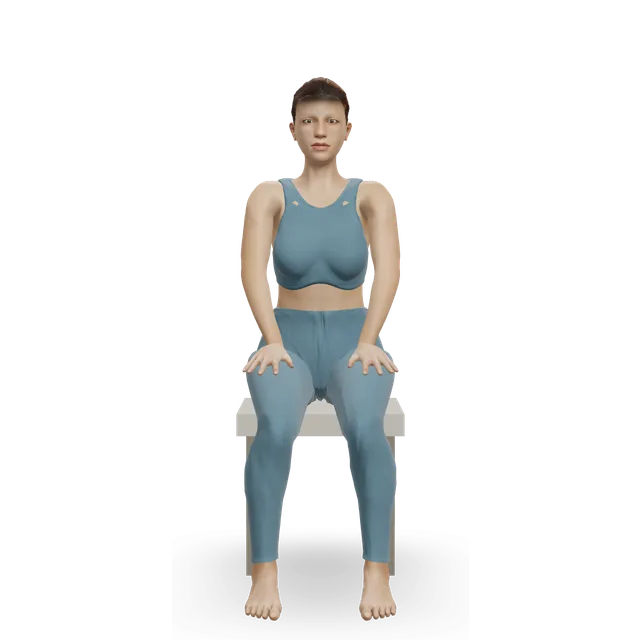
  1. Sit upright on a chair or a cushion with your left hand on your thigh. Rest your right thumb by your right nostril and your ring finger by your left.
  2. Close the right nostril with your thumb and breathe in slowly through the left.
  3. Close the left nostril with your ring finger, lift your thumb and breathe out slowly through the right.
  4. Breathe in through the right, switch fingers and breathe out through the left. That is one round.
  5. Keep the breaths quiet, smooth and even, and don't pause to hold your breath between sides.
  6. Carry on for 3 to 5 minutes, then lower your hand and breathe normally. Skip it if your nose is blocked, and breathe slowly instead.

See the movement on the 3D figure: Alternate nostril breathing (Nadi Shodhana)

During a session

Standing poses raise blood pressure mostEmerging evidence

In 36 healthy adults, blood pressure rose during a hatha session, most in standing poses, and novices and experienced practitioners responded alike. The UK Gentle Years programme holds static poses for less time, especially those that could raise blood pressure more. Move in and out of standing poses, hold them for 3 to 5 breaths (our editorial starting point), and keep breathing.

Sources 14, 8

Head-down posesMixed evidence

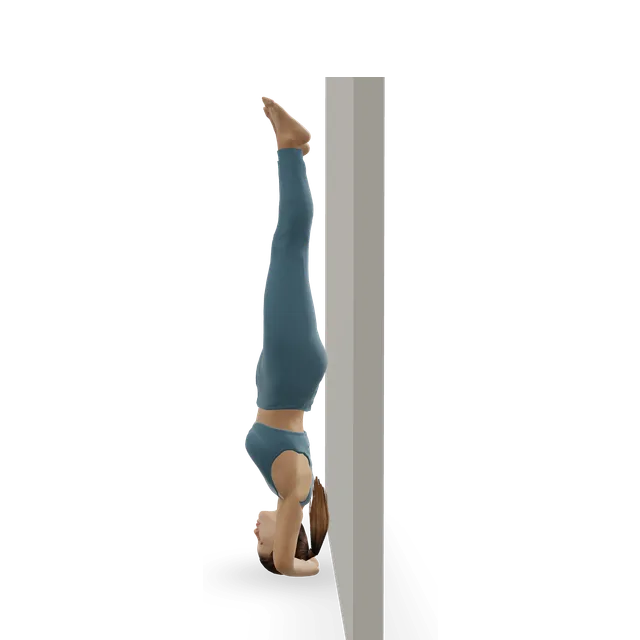
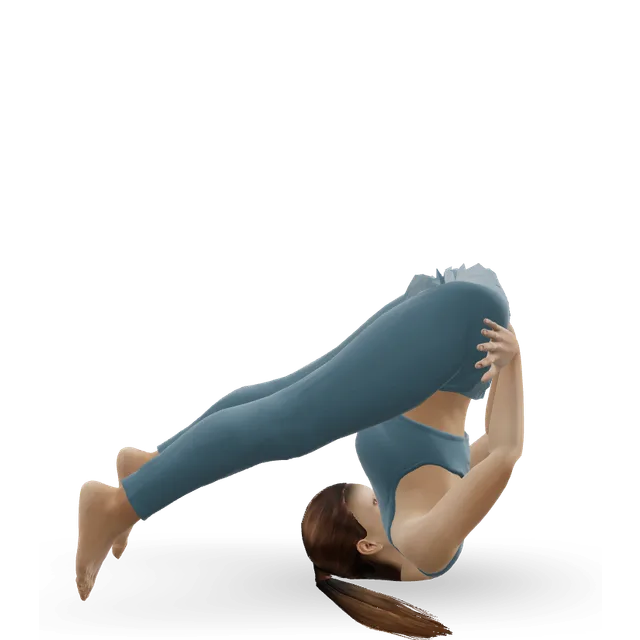
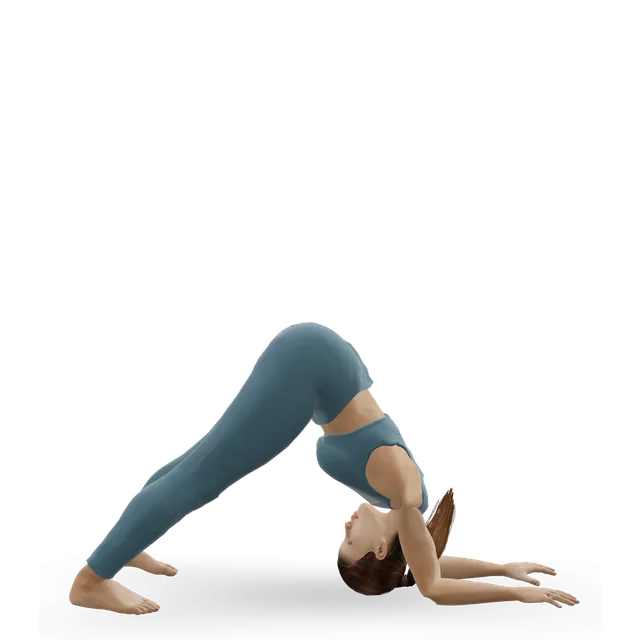
No trial has tested head-down poses in people with high blood pressure: a search found two eye case reports and an eye pressure study. In 20 adults with and without glaucoma, eye pressure rose within a minute in downward dog, a standing forward bend, plough and legs up the wall, and fell back within 2 minutes. One case report describes a blocked vein at the back of the eye after headstand in a patient with high blood pressure, and the only study of shoulder stand we found was in 8 healthy men.

Our blood pressure guide's precaution stands: skip headstands, shoulder stands and long head-down holds while your blood pressure is uncontrolled; the moves' own pages already say so. This is a precaution, not a trial finding. Keep downward dog to a few breaths, or do it with your hands on a wall.

Sources 29, 30, 31, 32

Feeling faint in an upside-down poseMixed evidence

In one case report, nearly fainting in an upside-down pose led to the discovery of a rare heart tumour. That is very rare, but feeling faint in any pose is a reason to stop, sit down and get checked.

Source 33

What guidelines and charities say

NICE and the NHSStrong evidence

NICE asks doctors to offer lifestyle advice to people with high blood pressure, and says "a healthy diet and regular exercise can reduce blood pressure". It makes no recommendation on yoga. In 2019 it removed its recommendation on relaxation therapies because the evidence was "a single small study", adding "It is not the intention of the committee to stop people from trying relaxation therapies".

The NHS advises at least 150 minutes of exercise a week. A GP usually prescribes medicine if your blood pressure is very high, if you're at higher risk, or if it stays high after lifestyle changes.

Sources 12, 28, 13

The American Heart AssociationMixed evidence

A 2013 American Heart Association scientific statement found that behavioural therapies, including yoga, meditation and relaxation, "generally had modest, mixed, or no consistent evidence demonstrating their efficacy". It gave yoga Class III, its lowest class of recommendation, with the weakest level of evidence (C), while aerobic exercise got Class I, with the strongest (A).

It added: "it is reasonable for all individuals with blood pressure levels >120/80 mm Hg to consider trials of alternative approaches as adjuvant methods to help lower blood pressure when clinically appropriate". The American Heart Association and American College of Cardiology published a new high blood pressure guideline in 2025. We couldn't open it, so we can't say what it says about yoga.

Source 34

Blood Pressure UK

The charity says "Yoga, mindfulness, and meditation exercises can lower your stress levels", and that with readings from 140/90 to 179/99 "it should be safe to be more active".

Sources 16, 35

Medicines and getting up slowly

Keep taking your medicines

Yoga was tested as an add-on: falls were seen in trials that allowed blood pressure medicines, and medicines lowered blood pressure more than exercise overall. Never stop or change a medicine because you've started exercising; talk to your GP if your readings fall.

Sources 2, 6, 13

Light-headed after lying poses

Some people feel light-headed when they stand up, especially after starting or changing blood pressure medicines. Roll to your side and sit for a few breaths before you stand; the NHS advises people with low blood pressure to "move slowly from lying to sitting to standing". If it keeps happening, see your GP.

Source 36

Who to see

Your GP or practice nurse for readings and medicines. The NHS offers free blood pressure checks at many pharmacies for people aged 40 and over. Tell your yoga teacher that you have high blood pressure and whether it's under control: NCCIH (the US National Center for Complementary and Integrative Health) lists severe high blood pressure among the conditions that may call for changes to yoga poses and practices.

Sources 13, 37

Breathing and relaxation

Doses from each move's page: at least 5 minutes of slow breathing, 3 to 5 minutes of slow alternate nostril breathing with no holds, 5 breaths of the arm reach, and at least 5 minutes, up to 10, of corpse pose. Breathe gently rather than deeply, and roll to your side and sit before you stand.

Poses with short holds

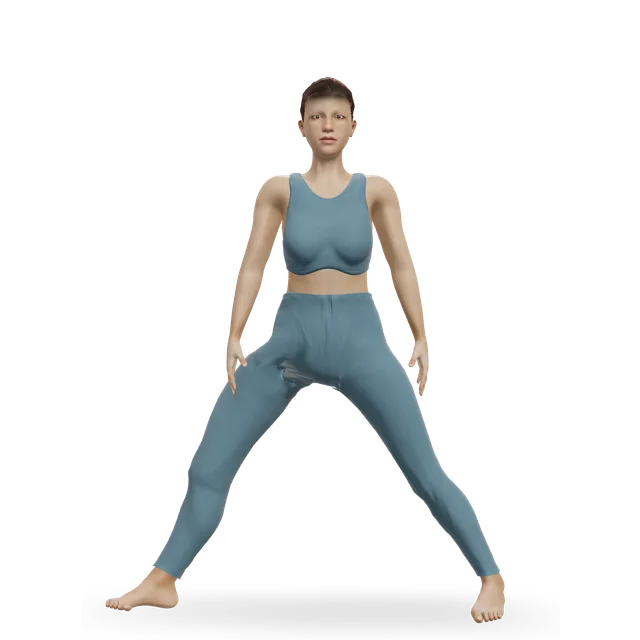
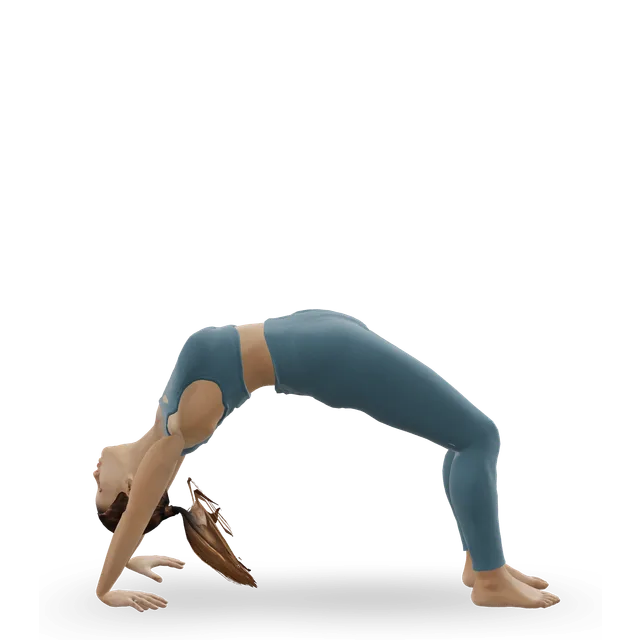
Hold standing poses for 3 to 5 breaths and keep breathing (our editorial starting point), keep your arms low in chair pose if raising them makes you light-headed, breathe out as you lift into the bridge, and stand within reach of a wall if your medicines make you light-headed.

Poses and practices to change or leave out

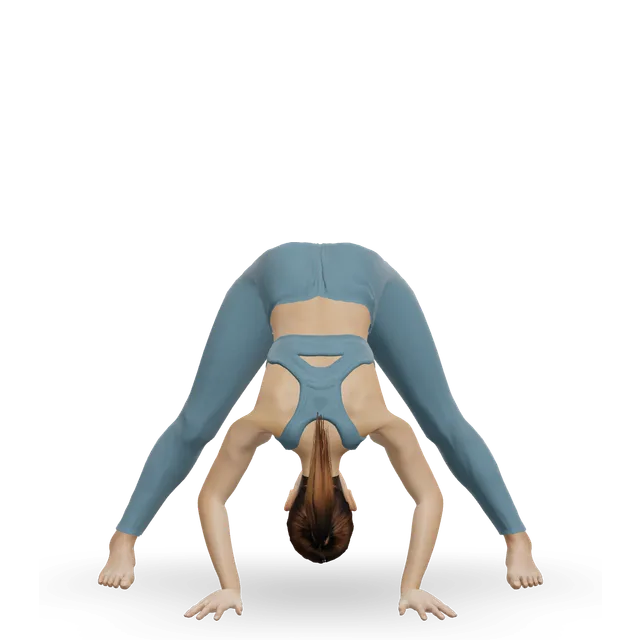
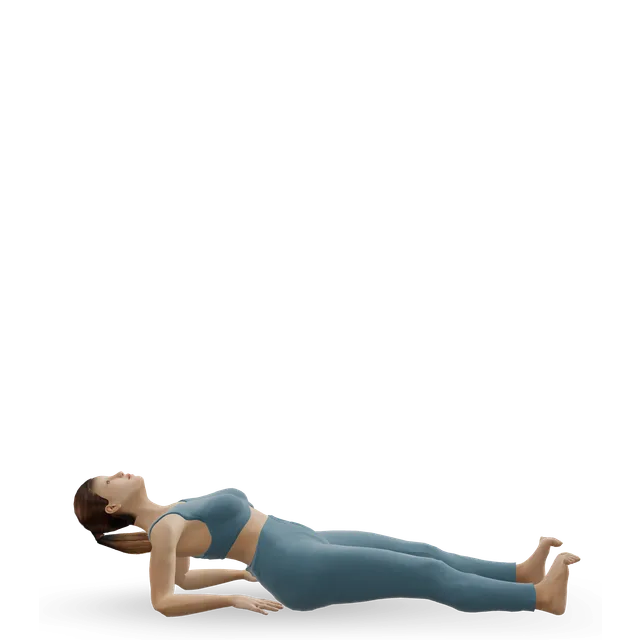
Skip the upside-down poses, fish and wheel while your blood pressure is uncontrolled (the moves' own pages say so), keep downward dog and wide-legged folds to a few breaths, and leave out breath holds such as box and 4-7-8 breathing. Legs up the wall is fine for a few minutes if your blood pressure is controlled and you don't have glaucoma (our suggestion).

Workouts to follow

Start with the 40-minute yoga for high blood pressure practice 3 or more times a week, alongside walking. The wall sit workout is the isometric routine from our blood pressure guide; in the restorative sequence, skip legs up the wall if your blood pressure is uncontrolled or you have glaucoma.

Warning signs, and readings to check first

These are the same warning signs as our blood pressure guide. In the US, call 911 where this page says 999.

Call 999 now

Stop exercising and call 999 for:

  • Chest pain that feels tight or like squeezing, or spreads to the arms, neck or jaw.
  • Severe difficulty breathing, or collapse.
  • Signs of a stroke: the face drooping, weakness in an arm, or speech problems. Also sudden blurred vision or loss of sight, confusion, dizziness or falling, or a severe headache. Call even if the symptoms stop.

Sources 9, 10

Stop, and get advice the same day (NHS 111 or your GP)

  • Chest pain with feeling sick, or a racing, skipping or fluttering heartbeat.
  • Being suddenly more short of breath than usual.
  • Frequent headaches or blurred vision, or chest pain that comes and goes.
  • Dizziness, unusual breathlessness, chest pressure or palpitations during exercise: stop, and get medical advice before training again.

Sources 9, 13

See a GP soon

  • Home readings of 180/100 or higher that keep coming back, or readings that stay above your target.
  • Light-headedness or dizziness on standing after exercise that keeps happening, especially after starting or changing blood pressure medicines.

Sources 35, 36

Very high readings: what the guidelines sayStrong evidence

  • NICE: a clinic reading of 180/120 or higher is severe high blood pressure. It needs prompt assessment, the same day if there are signs such as chest pain or new confusion.
  • Blood Pressure UK: from 140/90 to 179/99 it should be safe to increase your activity; from 180/100 to 199/109, speak to your doctor or nurse first; at 200/110 or above, don't start any new activity.

Sources 12, 35

What we suggest

If your readings are 160/100 or higher (NICE's stage 2) and not yet treated, keep walking and keep active, but save hard, heavy or maximal efforts until treatment has brought it under control. Below that, most people can build up straight away. This line is our reading of the guidance above, not a rule from any one guideline.

In a yoga class

Come out of any pose and sit down if you feel dizzy or light-headed, and get medical advice before you train again, as the list above says. Sudden blurred vision, loss of sight or a severe headache is a 999 sign, even if it stops. Keep breathing in every pose, get up slowly from the floor, and leave a hot room if you feel dizzy, sick or get a headache (our suggestions).

Sources 33, 7, 36

Myths

"Yoga can replace blood pressure medicine"Emerging evidence

Yoga lowers blood pressure by about 5 to 8 mmHg in mostly low-quality trials, largely in people who stayed on their medicines, and medicines lowered it more than exercise overall. A 2017 review abstract calls meditation and yoga "effective alternatives to pharmacotherapy", but it didn't compare them with medicines. Never stop or change a medicine without your doctor.

Sources 1, 2, 6, 38

"Breathing exercises will cure high blood pressure"Mixed evidence

Relaxation and breathing lowered blood pressure in the short term, at very low certainty, with no evidence of an effect after 3 months. A breathing device did no better than a sham in blinded trials, and NICE removed its relaxation recommendation. Slow breathing is pleasant and worth including, but it isn't a substitute for exercise or treatment.

Sources 19, 26, 28

"Yoga beats other exercise for blood pressure"Mixed evidence

One 2026 analysis ranked yoga ahead of some types of exercise, but its rankings changed when it was rerun and its comparisons were mostly indirect. Head to head and in earlier reviews, yoga did no better than other exercise.

Sources 5, 4, 17, 22

"Headstands and inversions lower blood pressure"Mixed evidence

No trial supports it. Pressure in the eyes rises within a minute in head-down poses, one case report links headstand to a blocked eye vein in a patient with high blood pressure, and the moves' own pages list uncontrolled high blood pressure as a reason to skip them.

Sources 29, 30, 31

"Any yoga breathing is calming"Emerging evidence

Breath holds and fast, forceful breathing raised blood pressure during the practice in healthy adults, and a UK programme for older adults leaves out holds for people with high blood pressure. Slow breathing with a longer out-breath is the one to use.

Sources 7, 8

"Legs up the wall is dangerous with high blood pressure"Mixed evidence

We found no study of it in people with high blood pressure. It raised eye pressure a little within a minute, like other head-down poses. Our suggestion: it's fine for a few minutes if your blood pressure is controlled and you don't have glaucoma.

Source 30

"Hot yoga lowers blood pressure more"

We found no evidence for it. In our hot yoga guide, a trial in young adults found no change in blood pressure, heat lowers blood pressure during a class, and some blood pressure medicines make heat harder to cope with.

Questions people ask

Does yoga lower blood pressure?

Yes, a little. Across 49 trials it lowered blood pressure by about 5/4 mmHg compared with no exercise, and by about 8/5 mmHg in people with high blood pressure, though most trials were small and of low quality.

How much can yoga lower blood pressure?

Usually by about 5 to 8 mmHg off the top number. Programmes with breathing and relaxation, practised 3 times a week by people with high blood pressure, lowered it by about 11/6 mmHg, but results vary a lot between people and studies.

Which type of yoga is best for high blood pressure?

Trials didn't compare styles. Programmes that balanced gentle poses, slow breathing and relaxation did better than those that were mostly poses, so look for a gentle class with a long relaxation at the end.

Can yoga replace my blood pressure medicine?

No. Yoga was tested alongside treatment, and medicines lower blood pressure more than exercise overall. Never stop or change a blood pressure medicine without your doctor, and talk to your GP if your readings fall.

Which yoga poses should I avoid with high blood pressure?

Skip headstands, shoulder stands, plough and long head-down holds while your blood pressure is uncontrolled, and keep downward dog brief. Leave out breath holds and fast, forceful breathing, and don't hold standing poses for long.

Is downward dog OK with high blood pressure?

Briefly, if your blood pressure is controlled. It's a head-down pose, and in one study eye pressure rose within a minute. Keep it to a few breaths or put your hands on a wall, and skip it if your blood pressure is uncontrolled or you have glaucoma.

Do breathing exercises lower blood pressure?

In trials, slow breathing and alternate nostril breathing lowered it a little in the short term, from low-quality studies, and the effect of relaxation faded over months. Include them in your practice, but not instead of exercise or treatment.

Is alternate nostril breathing good for high blood pressure?

It was the commonest breathing practice in yoga programmes that lowered blood pressure, and pooled trials found falls of about 7/5 mmHg, but the results varied a lot. Do it slowly, with no breath holds.

Can yoga raise blood pressure?

Yes, for a short time during practice: standing poses, holding your breath and fast breathing all raised it in studies. That's why our routine uses short holds and slow breathing with no holds.

Is hot yoga OK with high blood pressure?

Ask your GP first if you take blood pressure medicines: heat lowers blood pressure, and some medicines make heat harder to cope with, as our hot yoga guide explains. We found no evidence that heat adds to yoga's effect on blood pressure.

How long does yoga take to lower blood pressure?

Trials usually ran for about 12 weeks, with practice 3 to 7 times a week. Check your readings at home and judge it after about 3 months (our suggestion).

When should I stop and get help?

Call 999 for chest pain, severe breathlessness, or signs of a stroke such as a drooping face, a weak arm, speech problems, sudden blurred vision, confusion or a severe headache. Get advice the same day for frequent headaches or blurred vision, or if you feel dizzy, breathless or have palpitations while exercising.


Sources

  1. Wu 2019 · Yoga to lower blood pressure: 49 controlled trials, 3,517 adults (systematic review and meta-analysis, Mayo Clin Proc)
  2. Geiger 2025 · Yoga for high blood pressure: 30 randomised trials, 2,283 people (systematic review and meta-analysis, PLoS One)
  3. Nalbant 2022 · What effective yoga programmes for high blood pressure contained: 34 randomised trials (systematic review and meta-analysis, Front Public Health)
  4. Cramer 2014 · Yoga for high blood pressure: 7 randomised trials, 452 people (systematic review and meta-analysis, Am J Hypertens)
  5. Xin 2026 · Exercise types and doses for lowering blood pressure: 105 randomised trials (network meta-analysis, J Am Heart Assoc)
  6. Naci 2019 · Exercise or blood pressure medicines: 391 randomised trials (network meta-analysis, Br J Sports Med)
  7. Nivethitha 2021 · Blood pressure during four yogic breathing techniques: 20 healthy adults (lab study, Int J Yoga)
  8. Tew 2021 · Gentle Years Yoga for older adults with several long-term conditions: trial protocol describing the programme (Trials)
  9. NHS · Heart attack
  10. NHS · Stroke: symptoms
  11. NHS · Blood pressure test
  12. NICE NG136 · Hypertension in adults: diagnosis and management (recommendations, updated February 2026)
  13. NHS · High blood pressure
  14. Miles 2013 · Blood pressure during a hatha yoga session: 36 adults (lab study, Altern Ther Health Med)
  15. Thrower 2023 · Blood pressure after a 60-minute vinyasa yoga session: 18 adults (randomised crossover trial, PLoS One)
  16. Blood Pressure UK · Stress and your blood pressure
  17. Hagins 2013 · Yoga for high blood pressure: 17 studies (systematic review and meta-analysis, Evid Based Complement Alternat Med)
  18. Khandekar 2021 · Yoga for high-normal blood pressure: 8 trials (systematic review and meta-analysis, ScientificWorldJournal)
  19. Webster 2025 · Relaxation and stress management for high blood pressure: 182 studies (network meta-analysis, BMJ Med)
  20. Cohen 2011 · Iyengar yoga or enhanced usual care for raised blood pressure: 57 completers (randomised trial, Evid Based Complement Alternat Med)
  21. Cohen 2016 · Yoga, a blood pressure education programme or both: 137 adults (randomised trial, J Clin Hypertens)
  22. Hagins 2014 · Yoga or non-aerobic exercise for raised blood pressure: 84 adults (randomised trial, J Clin Hypertens)
  23. Garg 2024 · Breathing exercises, blood pressure and heart rate: 15 trials (systematic review and meta-analysis, Int J Cardiol Cardiovasc Risk Prev)
  24. Chidambaram 2026 · Yogic breathing (pranayama) for high blood pressure: 7 trials, 683 people (systematic review and meta-analysis, Indian Heart J)
  25. Nam 2024 · Alternate nostril breathing and blood pressure: 6 trials, 525 people (systematic review and meta-analysis, Complement Med Res)
  26. Landman 2014 · Device-guided breathing for high blood pressure in blinded trials (individual patient data meta-analysis, JAMA Intern Med)
  27. Ghati 2021 · One session of humming breath in 70 people with high blood pressure (randomised trial, Explore)
  28. NICE NG136 · Rationale and impact: why the relaxation therapies recommendation was removed
  29. Europe PMC · Search for yoga inversions and high blood pressure: 3 records, no trials (24 October 2026)
  30. Jasien 2015 · Eye pressure in four head-down yoga poses: 20 adults with and without glaucoma (lab study, PLoS One)
  31. Balamurugan 2016 · A blocked retinal vein after headstand, in a patient with high blood pressure (case report, Int J Yoga)
  32. Konar 2000 · Heart responses after 2 weeks of shoulder stand practice: 8 healthy men (study, Indian J Physiol Pharmacol)
  33. David 2018 · Near-fainting in an upside-down yoga pose that revealed a heart tumour (case report, Case Rep Cardiol)
  34. Brook 2013 · Beyond medications and diet: alternative approaches to lowering blood pressure (American Heart Association scientific statement, Hypertension)
  35. Blood Pressure UK · Exercise and physical activity
  36. NHS · Low blood pressure (hypotension) (last reviewed July 2023, past its review date)
  37. NCCIH 2023 · Yoga: effectiveness and safety (US National Center for Complementary and Integrative Health)
  38. Park 2017 · Meditation and yoga for high blood pressure: 13 studies (systematic review and meta-analysis, J Altern Complement Med)

Exercise education, not a personal prescription, and clinical review of these guides is pending. If you are pregnant, have a health condition such as glaucoma, high blood pressure or osteoporosis, or have had recent surgery, check with a doctor, midwife or physiotherapist before starting, and stop for sharp or increasing pain. Health disclaimer.