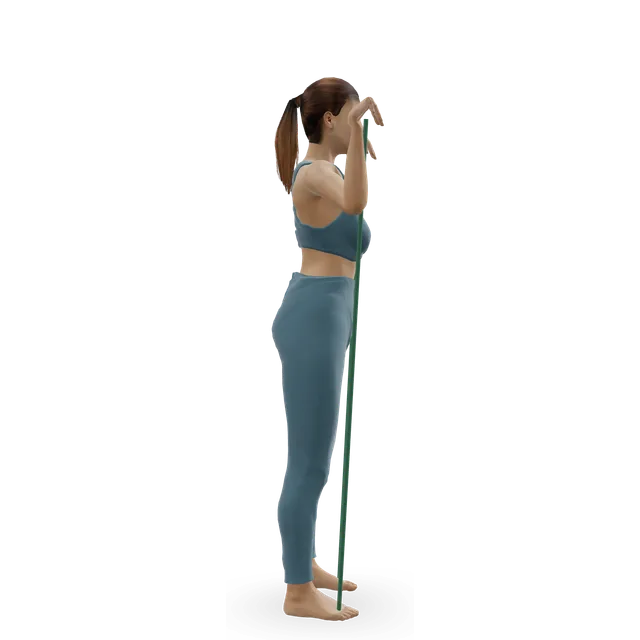
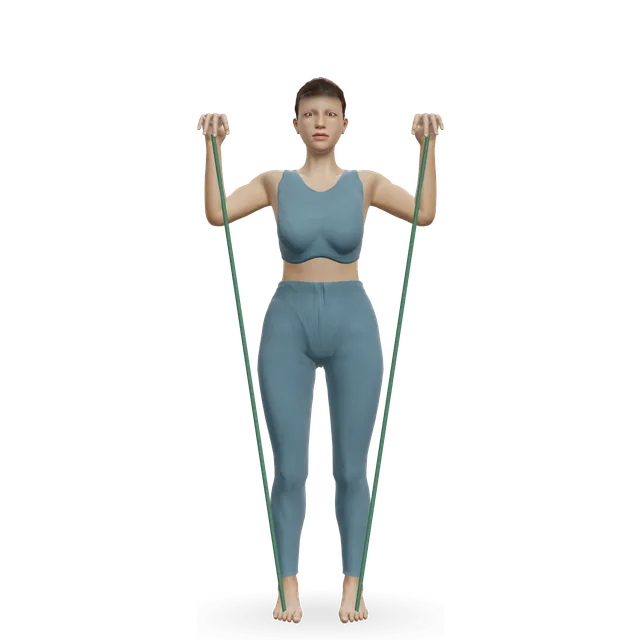
Exercise guide

Exercises after breast cancer surgery: arm, shoulder and strength

Arm and shoulder exercises are part of your recovery after breast cancer surgery. Most people start gentle exercises the day after the operation. Breast Cancer Now and UK hospital leaflets ask you to keep your arm below shoulder height for the first week, then add stretches from the second week. Up to a third of women have a stiff shoulder, pain or swelling after surgery or radiotherapy to the armpit, and in a large UK trial a structured exercise programme halved the number with moderate to severe pain a year later.

This guide sets out the UK leaflets' exercises and timings for lumpectomy, mastectomy, lymph node surgery and reconstruction, with a 3D demonstration where we have one and written steps where we don't yet. It covers cording, lymphoedema and lifting weights, getting back to the gym and sport, and the warning signs that need a call. Your own surgical team's advice comes first, especially after a reconstruction.

The short version

Start gently, the day after

NICE (the National Institute for Health and Care Excellence) asks hospitals to teach you arm and shoulder exercises before your operation. For most people they start the day after surgery; after some reconstructions, your team may start you a little later.

Sources 1, 2, 3

Below shoulder height for the first week

Breast Cancer Now and UK hospital leaflets ask you to keep your arm below shoulder height for the first week. The stretching exercises come in from the second week, once any removable stitches and drains are out.

Sources 2, 4

Little and often

Breast Cancer Now's leaflet gives each exercise 5 times, 3 times a day, for the first 3 months. You should feel a stretch or a pull, never pain.

Source 2

It makes a difference

In a UK trial of 392 women at higher risk of shoulder problems, a physiotherapist-led exercise programme gave better arm function a year later, and fewer women had moderate to severe pain (16% against 31%), with no extra swelling or wound problems. A review of earlier trials found that starting exercise early brings shoulder movement back sooner.

Sources 5, 6

A reconstruction has its own timings

After implants or a back muscle reconstruction, Cancer Research UK says keep your arm below shoulder height, and lift nothing heavier than a bag of sugar, for the first 2 weeks. After a reconstruction using tummy tissue (a DIEP flap, short for deep inferior epigastric perforator), one NHS leaflet allows gym cardio at 6 weeks and weights at 8. Follow your own surgeon's timings.

Sources 7, 8, 9

Exercise and weights don't cause lymphoedema

NICE says there's no indication that physical activity causes or worsens lymphoedema (swelling from a build-up of lymph fluid), and slowly built-up weight lifting was safe in trials. Know the signs, and get any swelling checked early.

Sources 1, 10, 11

Breast cancer surgery and your arm

The operations

Surgery may remove only the area with the cancer (breast-conserving surgery, or lumpectomy) or the whole breast (a mastectomy), and often some lymph nodes from the armpit. A sentinel node biopsy removes the first few nodes; an axillary node clearance removes more. A new breast shape (a reconstruction) can be made at the same time or later, with an implant or with tissue from your back, tummy, buttocks or thigh.

Sources 12, 13, 14

How common it is

There are about 59,400 new cases of breast cancer a year in the UK, and 76.6% of women survive 10 years or more. Men get breast cancer too. In men, the most common operation is a mastectomy that usually removes lymph nodes from the armpit, so this guide is for men as well.

Sources 15, 16

Why the shoulder gets stiff

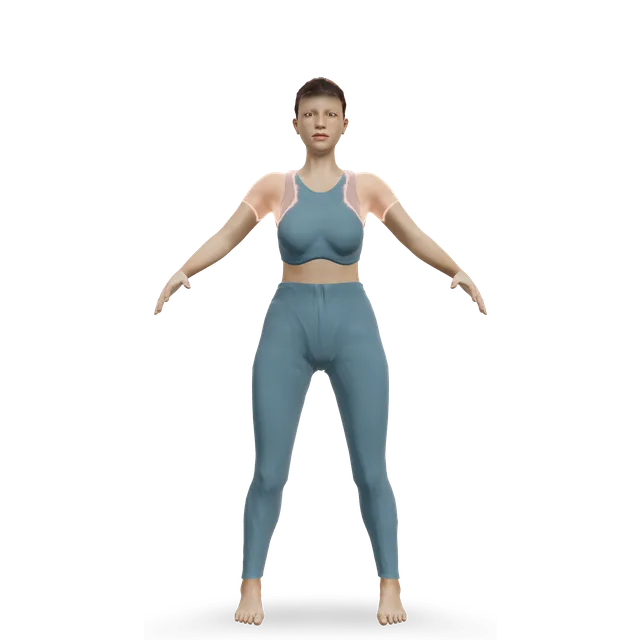
Surgery and radiotherapy to the chest and armpit can tighten the muscles and tissue across the chest and shoulder. Lifting the arm forwards, lifting it out to the side and turning it out are the movements most often lost. Up to a third of women have a stiff shoulder, long-term pain or lymphoedema after treatment to the armpit, and the NHS lists frozen shoulder among the possible complications of a mastectomy.

Sources 17, 5, 13

Drains, fluid and nerve pain

You may have thin tubes (drains) coming out of the wound for a few days or weeks. Fluid can collect under the wound or arm after a drain comes out (a seroma): it usually settles within a few weeks but may need draining. Numbness, tingling or shooting pains in the armpit, upper arm or chest wall come from nerves recovering, and can take weeks or months to settle.

Sources 13, 18

Radiotherapy

If you have radiotherapy, you'll lie with your arms above your head for each session. The stretching exercises help you get into the same position each time.

Sources 4, 8

When to start, and how it should feel

Before your operation

NICE asks breast units to give you exercise information before surgery or radiotherapy: why the exercises matter, when to start, and who to contact. Breast Cancer Now suggests trying them before surgery, so you know the movements.

Sources 1, 2

The day after surgery

Most leaflets start the day after surgery: Breast Cancer Now 3 times a day, Cancer Research UK 2 or 3 times a day. If you can't start within a couple of days, speak to your breast care nurse or physiotherapist. NICE says the start may be later after some reconstructions, such as with an implant or a free flap, where exercising the day after could interfere with recovery.

Sources 2, 3, 1

How it should feel

You should not feel pain, but a stretching or pulling feeling is normal. Your team may suggest pain relief before you start. Warm up and cool down with shoulder shrugs and circles each time.

Sources 2, 3

How long to keep going

Keep going until your arm moves as it did before the operation, and carry on through radiotherapy to stop the shoulder stiffening. After radiotherapy, keep stretching for as long as you feel tight.

Sources 2, 3

Extra help if you're at higher risk

NICE counts you as at higher risk of shoulder problems if you had shoulder problems before, your body mass index (BMI) is over 30, or you're having an axillary node clearance or radiotherapy to the armpit or above the collarbone. You should be offered supervised help with the exercises from physiotherapy staff, one to one, in a group or online. Anyone whose movement isn't coming back should be referred to physiotherapy.

Source 1

In the US

The American Cancer Society says start the exercises when your team says it's OK, usually a week or more after surgery, with gentle use of the arm in the first days, then 5 to 7 repetitions of each exercise twice a day.

Source 19

Week 1: gentle exercises below shoulder height

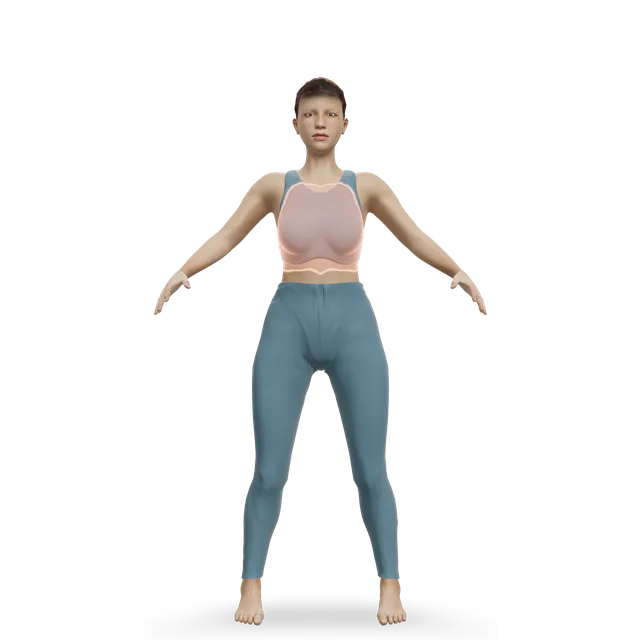
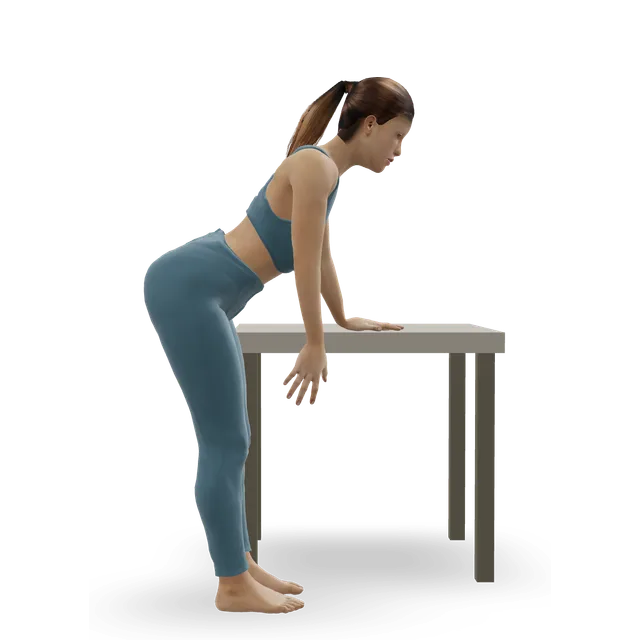
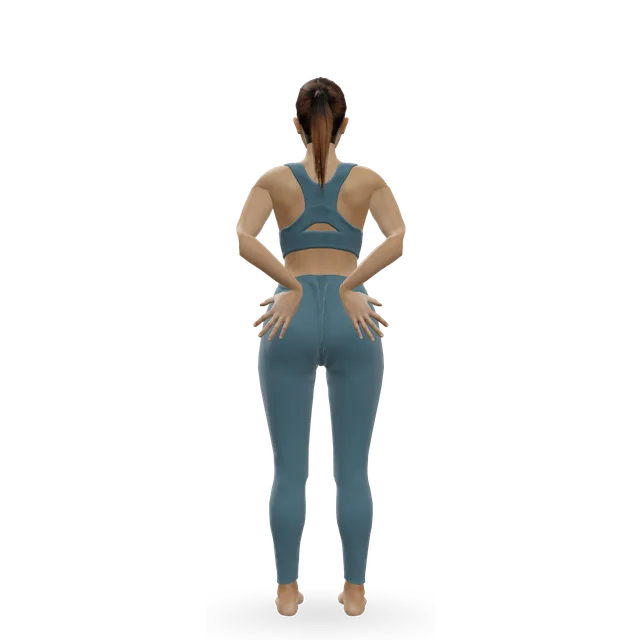
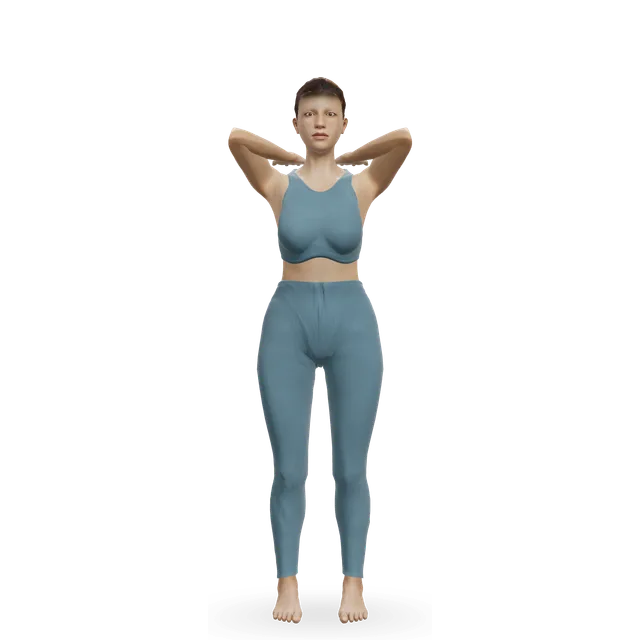
Breast Cancer Now's first-week set is shoulder shrugs and circles, bent arm lifts with your fingertips on your shoulders, the back scratch and the sitting elbow opening (the last two have written steps but no 3D demo yet): each 5 times, 3 times a day, arms no higher than your shoulders. Hull's leaflet adds pendulum swings, Cancer Research UK body turns, and the American Cancer Society a table slide and opening and closing your hand; after a reconstruction, follow your own leaflet.

From week 2: the stretching exercises

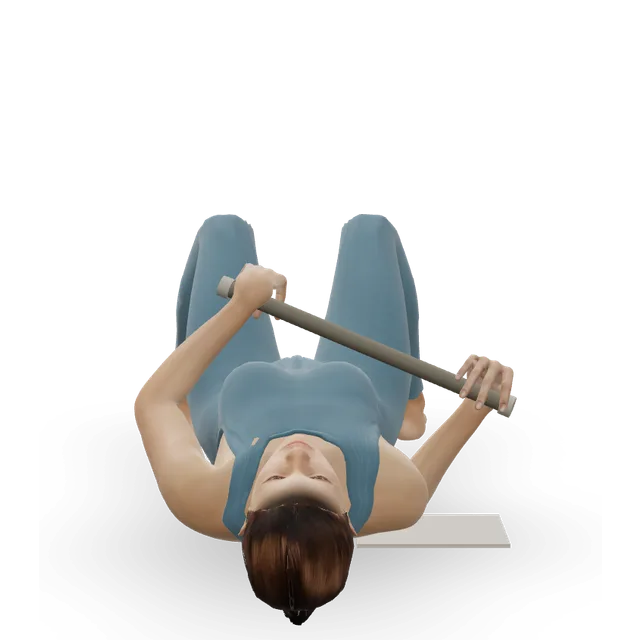
Breast Cancer Now adds wall climbing, arm lifts lying with a stick and the elbow opening lying down from the second week, once any removable stitches and drains are out (later after a reconstruction): each 5 times, holding for a count of 10, 3 times a day. These three have written steps but no 3D demo yet; the others stretch the chest and turn the arm out, directions the UK PROSPER trial's programme worked on.

Week by week, without a reconstruction

These are what the leaflets usually say. If your team's leaflet differs, follow theirs.

Lumpectomy or mastectomy

Week 1: the gentle exercises, with your arms below shoulder height. From week 2: the stretching exercises, once stitches and drains are out. The NHS says don't do any heavy lifting or strenuous activities for 2 to 3 weeks after a mastectomy; most people are back to their usual activities in about 3 weeks, and wounds take about 6 weeks to heal fully.

Sources 2, 13

After a lymph node clearance

Hull's NHS leaflet keeps the arm below shoulder height for the first 7 days, with pendulum swings and an assisted elbow lift, 5 of each, 3 times a day. From day 8 it adds the overhead and behind-the-back stretches, and full movement usually takes about 4 to 6 weeks. Avoid heavy lifting, pushing, pulling or carrying, such as shopping bags, hanging out washing or vacuuming, then bring them back gradually, for short spells, as you feel comfortable. NICE counts you in its higher-risk group for supervised help.

Sources 4, 1

Walking

Walking from the day after surgery helps your recovery and lowers the risk of blood clots. The UK PROSPER programme started with 3 lots of about 10 minutes a day, built up to 30 minutes in one go, then from 4 weeks aimed for 30 minutes of moderate activity 5 times a week.

Sources 17, 20

Where the leaflets differ

UK leaflets start the day after surgery; the American Cancer Society says a week or more. The shoulder-height limit is 1 week in Breast Cancer Now's and Hull's leaflets, 2 weeks after implants or a back flap, and the overhead exercises wait until week 4 after a DIEP flap. Reaching behind your back is a first-week exercise for Breast Cancer Now but waits 2 weeks after implants or a back flap. Leaflets give each exercise 5 times, 3 times a day (Breast Cancer Now, Hull), 2 or 3 times a day (Cancer Research UK), or 5 to 7 times twice a day (American Cancer Society).

Sources 2, 3, 4, 7, 8, 9, 13, 19

After a reconstruction

These are what the leaflets usually say. Your surgeon may give different timings: follow theirs.

Implants

From the day after, you can usually use your arm up to shoulder height for light tasks. For the first 2 weeks, don't lift your arm above your shoulder or reach behind your back, lift nothing heavier than a bag of sugar, and don't push yourself up from the bed, push doors open or pull washing out of the machine. Shoulder shrugs and rolls, 5 an hour building to 10, keep the shoulder moving. From 3 to 4 weeks, add arm lifts lying down, walking your fingers up the wall, the beach pose and a chest stretch, and start housework. Walk gently from the start and build distance and pace after 6 weeks. By 6 weeks most normal activities are back, though heavy lifting may still be hard, and stiffness can come and go for a year to 18 months.

Source 7

A back muscle (latissimus dorsi) flap

The first 2 weeks are much the same as with implants. From about the third week, add the overhead exercises lying down, holding each stretch for a count of 15 to 20. Aim for almost full movement by 4 to 6 weeks, still avoiding heavy lifting with that arm, and full movement by 6 to 8 weeks, when you can lift slightly heavier things and walk further and faster. After 12 weeks you should be able to do everything you did before, including sport, building up gradually.

Source 8

A tummy flap (DIEP or TRAM)

Hull's NHS leaflet after a DIEP flap starts breathing and circulation exercises on day 1, walking from day 1 or 2, gentle tummy and shoulder exercises from day 3 or 4, and the overhead exercises from week 4, with normal arm movement back in 6 to 8 weeks. It allows gym cardio and classes from 6 weeks, weights (including the rowing machine) from 8 weeks and competitive sport from 12 weeks. A TRAM (transverse rectus abdominis muscle) flap uses part of a tummy muscle: recovery takes about 7 weeks, and 6 months or more for your tummy to feel supple.

Sources 9, 14

Your tummy after a tummy flap

Gentle tummy exercises (pelvic tilts, knee rolls and drawing your tummy in, 3 to 5 building to 10, 3 times a day) start a few days after a DIEP flap. A TRAM flap weakens the tummy wall and raises the risk of a hernia, so surgeons usually add a mesh; ask your team before sit-ups or harder core work (our suggestion). Our core exercises after bowel surgery use the same gentle moves.

Sources 9, 14, 21

What the evidence says

Exercise brings shoulder movement back soonerStrong evidence

A Cochrane review of 24 trials (2,132 people) found that exercise improves shoulder movement after breast cancer treatment. Starting early improved lifting the arm forwards by about 11 degrees in the short term, though drains produced a little more fluid and stayed in about a day longer. Physiotherapy added benefit for shoulder function, still seen at 6 months, and exercise didn't increase lymphoedema.

Source 6

A structured programme reduces long-term problemsStrong evidence

The UK PROSPER trial randomised 392 women at higher risk of shoulder problems in 17 NHS hospitals; most had an axillary clearance. A physiotherapist-led programme, starting 7 to 10 days after surgery with reviews at about 1 and 3 months, gave better arm function at a year (a disability score of 16 against 24 out of 100) and fewer women with moderate to severe pain (16% against 31%). Wound problems and lymphoedema didn't increase, and it cost less. Women having a reconstruction at the same time weren't included. NICE's advice to offer supervised help to people at higher risk rests on this kind of trial.

Sources 5, 17, 1

Starting the day after, with supervisionEmerging evidence

In a trial of 56 women in South Korea, a tailored stretching and strength programme from the day after surgery, with supervised sessions at surgeon visits, brought strength and movement back faster: at 1 month, 68% had full shoulder strength against 4% with usual care. It's one small trial.

Source 22

The timings are expert adviceEmerging evidence

The week-by-week timings in UK leaflets come from expert agreement, not from trials comparing them. NICE's committee found little high-quality evidence on arm exercises and relied on one UK trial, so follow your own team where leaflets differ.

Sources 1, 2

Cording (axillary web syndrome)

What it is

Cording is one or more tight bands under the skin, running from the armpit down the arm, sometimes as far as the wrist or thumb. It can feel like a guitar string. It usually appears in the first weeks or months after lymph node surgery, and is thought to come from inflammation and scarring around the lymph and blood vessels.

Sources 3, 23

How common it isEmerging evidence

Studies report cording in up to 85% of people after lymph node surgery; in one cohort, 17% had it within 3 months. It's more likely after an axillary clearance than a sentinel node biopsy, and after a mastectomy than breast-conserving surgery. It usually appears within 8 weeks and settles within about 3 months, though it can last longer.

Sources 24, 25

What helps

Cording is harmless but can be painful and limit your arm. Keep doing your exercises within comfort, massage the area, and tell your breast care nurse, who can refer you to a physiotherapist for massage and stretches. Macmillan says a warm, moist heat pad can help, for short spells only, because too much heat may raise the risk of lymphoedema. It usually gets better within a few months.

Sources 3, 23

The evidence on treatmentMixed evidence

Reviews are small and mostly low quality. One review of 9 studies found exercise and stretching the most effective physiotherapy, but only pain fell clearly, in 3 small studies. Another, of 11 studies with 174 women, reported less pain, cords clearing and better arm function with stretching, hands-on therapy, strength work and taping.

Sources 26, 27, 24

Cording and lymphoedemaMixed evidence

Whether cording raises the risk of lymphoedema isn't known: a review of 9 studies (3,218 people) found no clear link, with very low certainty.

Source 28

Lymphoedema, lifting and weights

Our lymphoedema guide covers treatment and the slow build-up used in the weight lifting trials.

Who's at riskStrong evidence

About 1 in 6 people develop arm lymphoedema after breast cancer (16.6% across 72 studies, and 21.4% in studies that followed people forward). It's about four times as common after an axillary clearance (19.9%) as after a sentinel node biopsy (5.6%), and more likely with more extensive surgery and with overweight or obesity. The risk keeps rising for up to 2 years after surgery.

Source 29

Exercise and weights don't cause itStrong evidence

NICE says there's no indication that physical activity causes or worsens lymphoedema. In the Physical Activity and Lymphedema (PAL) trials, women with lymphoedema who built up weight lifting slowly, twice a week for a year, had no more swelling (11% against 12%) and fewer flare-ups (14% against 29%). Women at risk who did the same were no more likely to develop it (11% against 17%, and 7% against 22% with 5 or more nodes removed).

Sources 1, 10, 11

Exercise may lower the riskEmerging evidence

In a review of 12 studies (1,955 people), exercise made no clear difference to the risk overall but halved it in people with 5 or more nodes removed. A 2026 review of 17 studies (2,739 people) found about 30% lower risk, with low certainty.

Sources 30, 31

Sleeves, flights and blood pressure checksStrong evidence

NICE doesn't recommend compression sleeves to prevent lymphoedema: compression is a treatment once it's diagnosed. Whether to wear a sleeve you've been given while exercising is your choice. NICE says there's no consistent evidence that flying, hot countries, manicures, hot tubs, sports injuries, or blood tests and blood pressure checks on that arm raise the risk.

Sources 1, 32

How to start

An international roundtable convened by the American College of Sports Medicine (ACSM) gives this dose for arm lymphoedema after breast cancer: strength training 2 to 3 times a week, 1 to 3 sets of 8 to 15, starting with a light weight, supervised at first, and building up slowly. Contact your team or lymphoedema service if your arm, hand or chest swells or feels heavy.

Sources 32, 11

Back to strength: from about 4 weeks

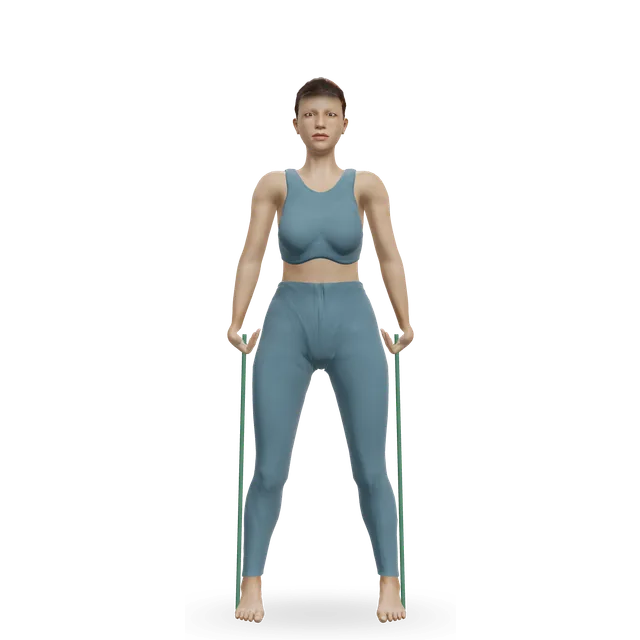
As in the UK PROSPER trial, from about 4 weeks if your team agrees: band exercises 2 to 3 times a week, starting with 1 set of 8 to 12 with a 3-second hold at an effort of about 5 or 6 out of 10, and building to 3 sets. After a reconstruction, wait for your leaflet's timings.

The gym, swimming and sport

The gym and weights

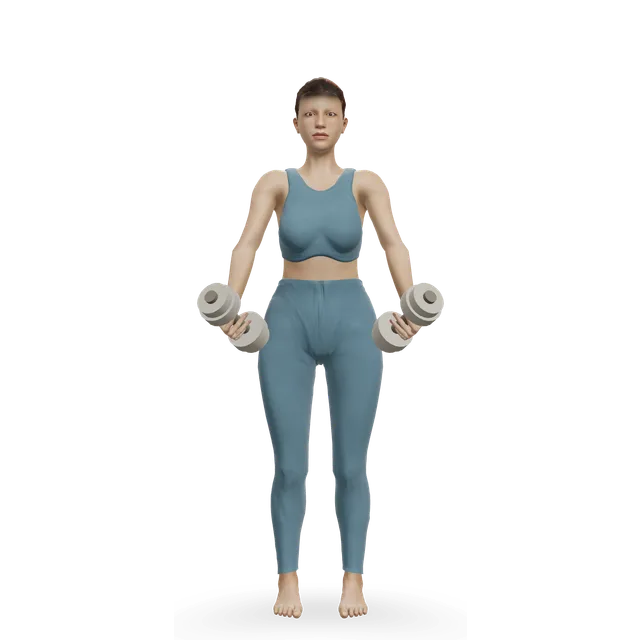
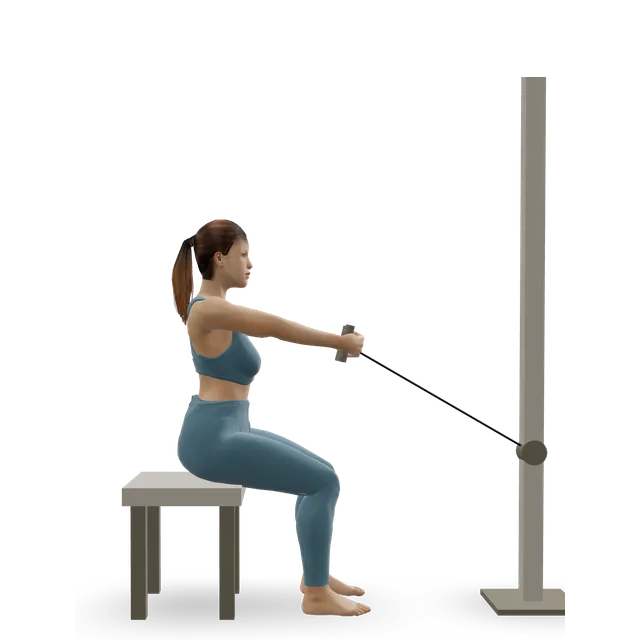
The PROSPER programme added band strength work from 4 weeks and had no restrictions after 12 weeks. After a back flap, Cancer Research UK says you should be able to do everything, including sport, after 12 weeks; after a DIEP flap, Hull's leaflet allows weights from 8 weeks. Start light, build up gradually, and use our lymphoedema guide's build-up if you have or are at risk of lymphoedema.

Sources 17, 8, 9

Swimming

Wait until your wounds have fully healed. After a back flap, Cancer Research UK suggests breaststroke from 6 to 8 weeks and other strokes after 8 weeks, unless treatment such as radiotherapy has made your skin sensitive. Hull's DIEP leaflet allows gentle swimming after 6 weeks.

Sources 8, 9

After a back flap

The latissimus dorsi muscle helps bring your arm in and back, and push your body up, as when getting out of a bath. Other muscles take over most of its work, but pulling and pushing up may stay a little weaker on that side, depending on your sport. Build up pull-downs, rows and push-ups slowly (our suggestion).

Source 8

Running

None of the leaflets we read gives a time for running after surgery without a reconstruction. PROSPER set no restrictions after 12 weeks; before then, build up from walking once your wounds have healed and your team agrees, with a well-fitting supportive bra (our suggestion).

Source 17

Joint pain and bones on hormone treatment

Joint pain on aromatase inhibitorsMixed evidence

Aromatase inhibitors, hormone tablets many women take for years after surgery, cause joint pain or stiffness in up to half. In one trial of 121 inactive women, a year of 150 minutes of aerobic exercise a week plus supervised strength training twice a week cut their worst joint pain by 29%, while it rose 3% without the exercise; in another, aerobic exercise stopped pain rising. But a Cochrane review of 7 studies (400 women) found the evidence very uncertain. Don't stop your tablets because of joint pain: talk to your team.

Sources 33, 34, 35

Bone checksStrong evidence

NICE offers a bone density scan (a DEXA scan) to women starting an aromatase inhibitor who aren't having bisphosphonates.

Source 1

Exercise for bone

For bone, the ACSM roundtable suggests a year of supervised strength training plus impact exercise 2 to 3 days a week, and says walking alone isn't enough. Impact may not be safe with osteoporosis or cancer in the hip or spine. Our osteoporosis guide has the programme.

Source 32

Workouts

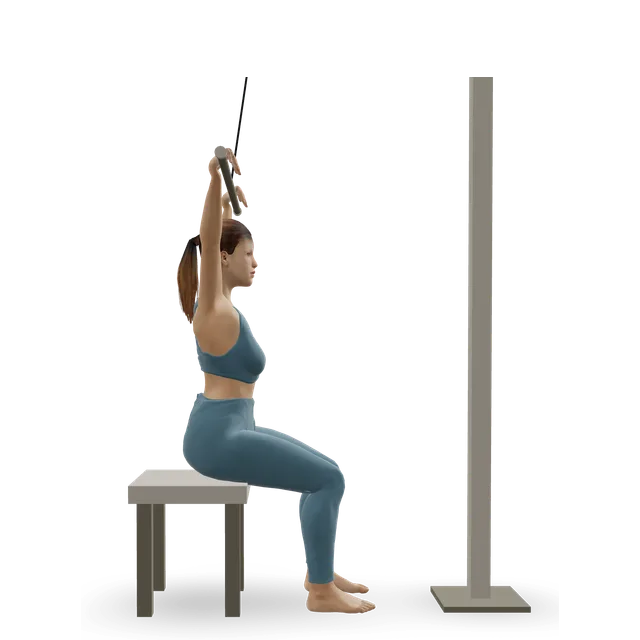
Start with the arm and shoulder routine, 3 times a day. The lymphoedema routine suits anyone with or at risk of swelling, keeping its arm lifts below shoulder height in week 1. The band workout comes from about 4 weeks (save its overhead press until lifting your arm overhead is comfortable), the shoulder routine once your arm moves well, and the easy cardio walk once 30 minutes of walking feels comfortable; skip the starter workout's wall push-ups for 2 weeks after implants or a back flap.

Plans

Build walking towards 150 minutes a week, as the PROSPER programme aimed for. The strength plan suits the months after, once your team agrees (our suggestion).

Warning signs: when to get help

This is general information, not a diagnosis: your breast care nurse and surgical team know your operation, so use the numbers they gave you. A&E means accident and emergency, and GP means general practitioner. In the US, call 911 where this page says 999.

Call 999 or go to A&E

After breast surgery, these can be signs of a blood clot in the lungs (a pulmonary embolism). Call 999, or have someone drive you to A&E (don't drive yourself), if:

  • You have severe difficulty breathing.
  • You have pain in your chest or upper back.
  • Your heart is beating very fast.
  • You cough up blood.
  • Someone has passed out.

Sources 13, 18

Call NHS 111

Call 111, or get help from 111 online, if you've recently had a mastectomy and have:

  • Sudden pain or swelling.
  • Bleeding from your wounds.
  • Sudden loss of feeling in your arm.
  • Pain and swelling in one leg, which can be a blood clot (deep vein thrombosis, or DVT): call 999 instead if you're also breathless or have chest pain.

Sources 13, 36

Contact your breast care nurse or team

Use the number your team gave you, or your 24-hour advice line, for:

  • A temperature over 37.5°C or below 36°C, or feeling cold and shivery or generally unwell.
  • A breast or wound that's red, warm, painful, swollen or leaking fluid.
  • Fluid building up under the wound or arm (a seroma).
  • Pain that gets worse during the exercises or carries on afterwards: stop them until your team says it's safe to restart.
  • Cording, or shoulder problems you had before surgery.

Sources 18, 2

After a reconstruction

Contact your team for:

  • Redness or a change of colour across the breast or scar, heat or swelling.
  • Severe pain, worsening arm movement, or difficulty doing the exercises.
  • A change in the shape of the new breast, or increasing tightness across the shoulder.
  • Breathlessness that isn't settling, or redness, pain, heat or swelling in a calf or thigh.
  • A hard area in the flap.

Sources 7, 8, 21

Swelling and infection in the arm

See your GP or breast team for swelling in all or part of the arm, hand, breast or chest, a heavy or aching feeling, or rings, watches or sleeves feeling tight; you may be referred to a specialist lymphoedema service. For skin that's painful, hot and swollen (possible cellulitis), ask for an urgent GP appointment or call 111. Call 999 if you also have a very high temperature or feel hot, cold or shivery, a fast heartbeat or fast breathing, purple patches on the skin, dizziness or confusion, or cold, clammy or pale skin.

Sources 37, 1, 38

If your arm isn't moving back to normal

Ask your breast care nurse or GP about physiotherapy: NICE recommends referral for anyone whose arm and shoulder movement stays reduced after surgery or radiotherapy.

Source 1

If you're struggling

Treatment and changes to your body can affect your mood. If you're thinking about suicide or can't keep yourself safe, call 999 or go to A&E. For urgent help, call Samaritans free on 116 123, any time, or in England call 111 and select the mental health option. In the US, call or text 988. Breast Cancer Now's nurses are on 0808 800 6000.

Sources 39, 40, 41, 2

Myths

"Keep the arm still until the wound has healed"Strong evidence

Most people should start gentle arm exercises the day after surgery. Early exercise brings movement back sooner, and a structured programme reduced pain and disability a year later. The early limits in UK leaflets are keeping your arm below shoulder height for the first week and waiting for drains and stitches to come out before the stretches.

Sources 1, 2, 6, 5

"Exercising the arm or lifting weights causes lymphoedema"Strong evidence

NICE says there's no indication that physical activity causes or worsens lymphoedema, and slowly built-up weight lifting didn't increase swelling in trials.

Sources 1, 10, 11

"Never fly, have a manicure or a blood pressure check on that arm"Strong evidence

NICE says there's no consistent evidence that flying, manicures, hot tubs, or blood tests and blood pressure checks on the treated side raise the risk of lymphoedema. Decisions about procedures on that arm are shared between you and your clinician.

Source 1

"Wear a compression sleeve to stop lymphoedema starting"Strong evidence

NICE recommends against compression as a way to prevent lymphoedema. It's a treatment once lymphoedema is diagnosed.

Source 1

"Cording means something has gone wrong"Emerging evidence

Cording is common, harmless and usually settles within a few months. Keep moving within comfort, and ask for physiotherapy if it limits your arm.

Sources 3, 23, 24

"Exercise stops breast cancer coming back"Emerging evidence

NICE says a healthy lifestyle, including regular physical activity, is associated with a lower risk of the cancer coming back. That link comes from observational studies, which can't show cause. Exercise is part of your recovery, not a replacement for treatment.

Source 1

Questions people ask

When can I start exercising after breast cancer surgery?

Most people start gentle arm and shoulder exercises the day after surgery, and NICE asks hospitals to teach them before the operation. After some reconstructions, your team may start you a little later. Walking can start straight away.

How high can I lift my arm after breast surgery?

Breast Cancer Now and UK hospital leaflets ask you to keep your arm below shoulder height for the first week. From the second week, once any removable stitches and drains are out, you can add the stretching exercises. After implants or a back flap reconstruction it's usually 2 weeks, so follow your own leaflet.

How often should I do arm exercises after a mastectomy, and for how long?

Breast Cancer Now suggests doing each exercise 5 times, 3 times a day, for the first 3 months, then 3 of them once a day. Keep going until your arm moves as it did before, and carry on through radiotherapy.

Should the exercises hurt?

No. A stretching or pulling feeling is normal, but stop and contact your breast care nurse if pain gets worse during the exercises or carries on afterwards. Your team may suggest pain relief before you start.

Can I exercise with drains in, or with a seroma?

You can do the gentle exercises with drains in, keeping your arm below shoulder height as the leaflets ask, and wait until drains and removable stitches are out before the stretches. If fluid builds up under the wound or arm (a seroma), pause the exercises and contact your breast care nurse, as it may need draining.

When can I lift things and do housework after a mastectomy?

The NHS says avoid heavy lifting and strenuous activities for 2 to 3 weeks after a mastectomy, and most people are back to their usual activities in about 3 weeks. After implants or a back flap, lift nothing heavier than a bag of sugar for the first 2 weeks. After a lymph node clearance, bring back carrying, hanging out washing and vacuuming gradually.

What is cording after breast surgery, and what helps?

Cording is one or more tight bands running from the armpit down the arm, a bit like a guitar string, usually in the first few weeks. It's harmless and usually gets better within a few months. Keep doing your exercises within comfort, massage the area gently, and ask your breast care nurse about physiotherapy if it limits your arm.

Will exercise or lifting weights give me lymphoedema?

No. NICE says there's no indication that physical activity causes or worsens lymphoedema, and in trials slowly built-up weight lifting didn't increase swelling. Start light, build up gradually, and contact your team if your arm, hand or chest starts to swell.

When can I go back to the gym, swimming or running?

In the UK PROSPER trial, light band exercises started at 4 weeks, with no restrictions after 12 weeks. After a back flap, swimming can restart at 6 to 8 weeks and sport after 12 weeks; after a DIEP flap, gym cardio and gentle swimming come at 6 weeks, weights at 8 and competitive sport at 12. Wait until your wounds have healed before swimming, and not while radiotherapy has made your skin sensitive.

I had a DIEP or TRAM flap. What about my tummy?

Gentle tummy exercises, such as pelvic tilts, knee rolls and drawing your tummy in, start a few days after surgery alongside walking. Avoid strenuous activity and heavy lifting in the early weeks, and ask your team before harder core work; a TRAM flap weakens the tummy wall more and raises the risk of a hernia.

I'm a man who has had breast cancer surgery. Do the same exercises apply?

Yes. Men usually have a mastectomy with lymph nodes removed from the armpit, and the exercise leaflets are written for anyone who has had breast or lymph node surgery.

Can exercise help joint pain from aromatase inhibitors?

It may. In one trial, a year of aerobic exercise plus strength training twice a week cut women's worst joint pain by nearly a third, but a review of 7 studies found the evidence very uncertain. Don't stop your tablets because of joint pain: talk to your team.
Sources

  1. NICE NG101 · Early and locally advanced breast cancer: diagnosis and management (last updated April 2025)
  2. Breast Cancer Now 2024 · Exercises after breast cancer surgery (leaflet BCC6)
  3. Cancer Research UK · Exercises after a mastectomy or breast conserving surgery (lumpectomy)
  4. Hull University Teaching Hospitals NHS Trust 2026 · Exercises after breast surgery involving axillary node dissection (physiotherapy leaflet)
  5. Bruce 2021 · Exercise after breast cancer surgery in 392 women at higher risk of shoulder problems: UK PROSPER (RCT, BMJ)
  6. McNeely 2010 · Exercise for arm and shoulder problems after breast cancer treatment: 24 trials, 2,132 people (Cochrane review; abstract read)
  7. Cancer Research UK · Exercises after breast reconstruction using implants
  8. Cancer Research UK · Exercises after breast reconstruction using muscle from your back
  9. Hull University Teaching Hospitals NHS Trust 2024 · Advice and exercises after DIEP breast reconstruction (physiotherapy leaflet)
  10. Schmitz 2009 · Weight lifting in 141 women with breast cancer-related lymphoedema: the PAL trial (RCT, New England Journal of Medicine; abstract read)
  11. Schmitz 2010 · Weight lifting for 154 women at risk of breast cancer-related lymphoedema: the PAL trial (RCT, JAMA; abstract read)
  12. NHS · Treatment for breast cancer in women
  13. NHS · Mastectomy
  14. Cancer Research UK · Breast reconstruction using body tissue
  15. Cancer Research UK · Breast cancer statistics
  16. NHS · Treatment for breast cancer in men
  17. Richmond 2018 · How the PROSPER exercise programme was built (intervention development, BMC Health Services Research)
  18. Cancer Research UK · Possible problems after breast conserving surgery
  19. American Cancer Society · Exercising after breast cancer surgery
  20. Cancer Research UK · What happens after breast surgery?
  21. Cancer Research UK · Possible problems after breast reconstruction surgery
  22. Min 2024 · Starting exercise the day after breast cancer surgery: 56 women (RCT, JAMA Surgery; abstract read)
  23. Macmillan Cancer Support · Cording after breast cancer surgery (reviewed July 2023; being reviewed)
  24. Yeung 2015 · Axillary web syndrome (cording): 37 studies (systematic review, Journal of Cancer Survivorship; abstract read)
  25. McNeely 2025 · Cording within 3 months of breast cancer surgery: the AMBER cohort (cohort study, Physiotherapy Canada; abstract read)
  26. González-Rubino 2023 · Physiotherapy for cording: 9 studies (systematic review and meta-analysis, Supportive Care in Cancer; abstract read)
  27. Lippi 2022 · Rehabilitation for cording: 11 studies, 174 women (systematic review, Journal of Clinical Medicine; abstract read)
  28. Brunelle 2024 · Is cording a risk factor for lymphoedema? 9 studies, 3,218 people (meta-analysis, Breast Cancer Research and Treatment; abstract read)
  29. DiSipio 2013 · How often arm lymphoedema follows breast cancer: 72 studies (meta-analysis, Lancet Oncology; abstract read)
  30. Hayes 2022 · Exercise to prevent and treat cancer-related lymphoedema (meta-analysis, Medicine and Science in Sports and Exercise; abstract read)
  31. Plinsinga 2026 · Exercise and the risk of cancer-related lymphoedema: 17 studies, 2,739 people (meta-analysis, JNCI Cancer Spectrum; abstract read)
  32. Campbell 2019 · Exercise guidelines for cancer survivors (international roundtable consensus statement, Medicine and Science in Sports and Exercise)
  33. Roberts 2020 · Exercise for joint pain on aromatase inhibitors: 7 studies, 400 women (Cochrane review; abstract read)
  34. Irwin 2015 · A year of exercise for joint pain on aromatase inhibitors: 121 women (RCT, Journal of Clinical Oncology; abstract read)
  35. Bender 2025 · Aerobic exercise and joint pain on aromatase inhibitors: 136 women (RCT, Supportive Care in Cancer; abstract read)
  36. NHS · DVT (deep vein thrombosis)
  37. NHS · Lymphoedema (reviewed March 2023; review was due March 2026)
  38. NHS · Cellulitis
  39. NHS · Where to get urgent help for mental health (reviewed April 2023; review was due April 2026)
  40. Samaritans · Contact a Samaritan
  41. 988 Suicide and Crisis Lifeline (US)

Exercise education, not a diagnosis or treatment plan, and clinical review of these guides is pending. Stop and get advice for chest pain, unusual breathlessness, dizziness or fainting, or new pain, and check with your doctor or midwife first if they have told you to limit activity. Health disclaimer.