Breathing & recovery
Lymphoedema exercises: a daily routine for arm and leg swelling
Your muscles are the lymphatic system's pump, so moving them helps fluid drain. Start with deep breathing, then the neck and shoulder moves, then do the arm block, the leg block, or both, depending on where your swelling is. Do each move 5 to 10 times, gently: it shouldn't hurt. Wear your compression garment if you've been given one, and do the leg block at least twice a day. The order and doses follow Cancer Research UK's and the British Lymphology Society's routines.
Breathe first (1 minute)
- Slow breathing (6 breaths a minute)5 breathsBeginner · 3D demoOne hand below your ribs. Breathe in through your nose so your tummy rises, then out through your mouthEasier: Breath reachHarder: Crocodile Breathing (prone diaphragmatic breathing)

Neck and shoulders (3 minutes)
- Neck CARs5 turns and 5 tilts each way, then 5 chin-to-chest nodsBeginner · 3D demoSeparate moves, holding each for 2 to 3 seconds, shoulders still
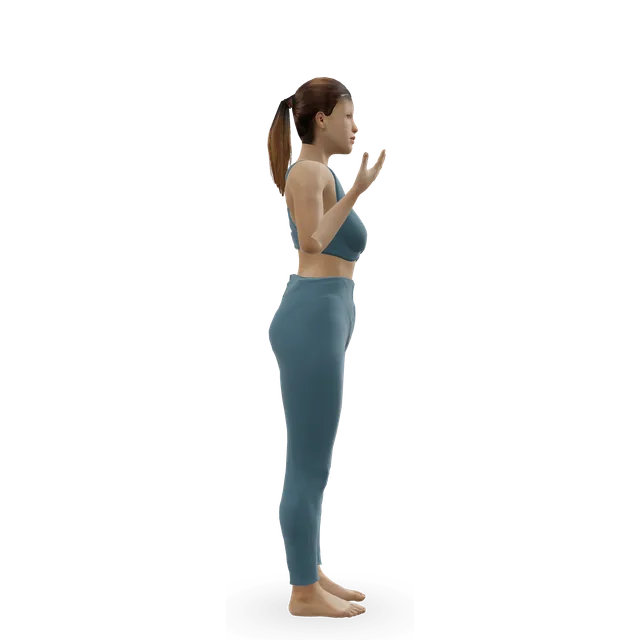
- Shoulder rolls5 to 10 each way, then 5 shrugsBeginner · Shoulders, Back, Neck · 3D demoShrug up to your ears, then let your shoulders dropHarder: Shoulder CARs (controlled articular rotations)


Arm swelling (5 minutes; skip if only your legs are affected)
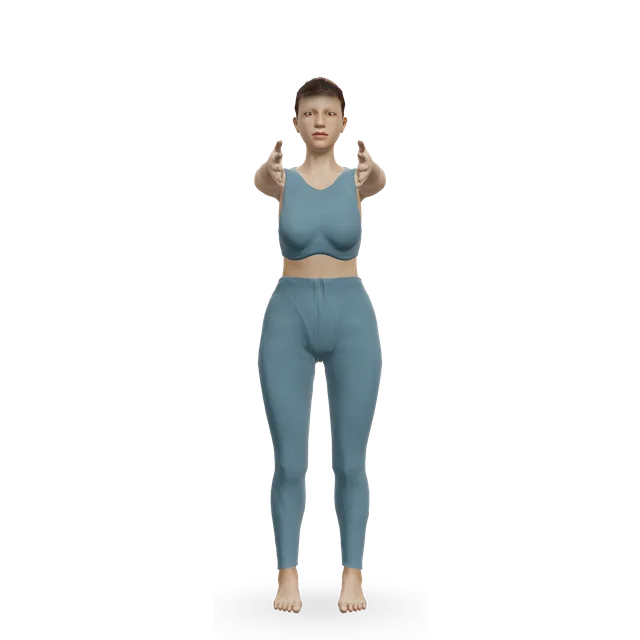
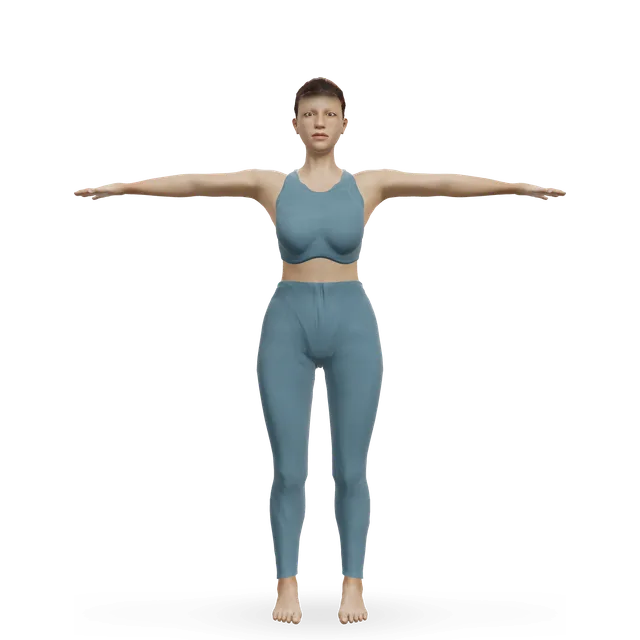
- Dynamic chest stretch5 to 10 slow swingsBeginner · Chest, Back, Shoulders · 3D demoLike breaststroke: arms in front, then out to the sides. Keep them at waist height if that's easierHarder: Sleeper stretch
- Wrist circles5 to 10 each wayBeginner · Forearms · 3D demoForearm on a cushion, hand over the edgeHarder: Wrist flexor stretch
- Ball squeeze5 to 10Beginner · Forearms · 3D demoSlow, gentle squeezes, or press the ball between both palmsHarder: Band finger extension
- Beginner · Forearms · 3D demoMake a fist, then open and spread your fingers wideHarder: Ball squeeze



Leg swelling (5 minutes; skip if only your arm is affected)
- Seated march10 each legBeginner · Hip flexors, Quads, Abs · 3D demoOr march on the spot holding a supportHarder: Standing march
- Seated knee extension (chair)5 to 10 each legBeginner · Quads · 3D demoLift your foot, straighten your knee, then bend itEasier: Quad set (static quads)Harder: Leg extension
- Ankle circles10 pumps, then 5 circles each wayBeginner · Calves, Shins · 3D demoPoint your toes away from you, then pull them towards your shins, then circle
- Towel toe curl5 to 10Beginner · Calves · 3D demoCurl your toes, then stretch them outHarder: Short foot + toe splay





Finish (1 minute)
- Slow breathing (6 breaths a minute)5 breathsBeginner · 3D demoThen rest with the swollen arm or leg raised on a cushionEasier: Breath reachHarder: Crocodile Breathing (prone diaphragmatic breathing)
Tips
- Do it every day, and the leg block at least twice a day, as Cancer Research UK suggests.
- Wear your compression garment if you've been given one. You don't need it in the pool.
- It shouldn't hurt. A mild stretching feeling is normal; stop if anything is painful.
- Check your arm or leg afterwards. If it's more swollen, aching or hotter than usual, or slower to settle, do fewer next time. The British Lymphology Society's practical advice is that a little extra swelling that goes down within 24 hours is fine; it hasn't been tested in trials.
- This keeps the pump going but isn't your whole week: add walking, cycling or swimming, and strength training 2 to 3 times a week.
- Red, hot, painful or suddenly more swollen skin, or feeling hot, cold and shivery, can be cellulitis: stop, rest and raise the limb, and get an urgent GP appointment or call NHS 111 the same day.
The doses are suggested starting points, not a prescription. Choose a range you can control and stop for sharp or increasing pain, numbness or tingling. Get individual advice after an injury or surgery, or if you are pregnant or managing a health condition.
Guides that recommend it
Find more moves like these
More breathing & recovery




Bedtime stretch routine
A slow, 10-minute floor routine to unwind before sleep: child's pose, twists, happy baby and slow breathing.
10 minBeginner7 movesA wall


Breathing exercises to relax
A 6-minute breathing routine: slow breathing, crocodile breathing, alternate nostril breathing, box breathing and 4-7-8 breathing.
6 minBeginner5 movesNo equipment


Postnatal exercises
A gentle 25-minute routine for the first weeks after birth: pelvic floor, breathing, tummy and hip exercises on the floor, sit-to-stands and a walk.
25 minBeginner12 movesA bench or box, Cardio machineQuestions people ask
How long does the lymphoedema exercises: a daily routine for arm and leg swelling take?
About 15 minutes, including any warm-up and cool-down listed. Shorten it by doing fewer rounds; lengthen it by adding one.
What equipment do I need?
You need: Other / check instructions, A bench or box, Something with weight. Each move links to its guide, where you can find an alternative if you are missing something.
Is it suitable for beginners?
It is written for beginners. 2 of its 14 moves have an easier option listed beside them if you need one.
How do I make it easier or harder?
Use the easier or harder option listed under each move, change the number of rounds, or adjust the rest. Progress one change at a time.