Exercise guide

Exercises for lymphoedema (lymphedema): daily arm and leg routines, strength and staying safe

Lymphoedema (lymphedema in the US) is long-term swelling, usually in an arm or leg, when the lymphatic system can't drain fluid properly. It often follows cancer treatment to the lymph nodes, but it can be inherited, or follow an infection, vein problems, weight gain or long spells of not moving. Your muscles act as the lymphatic system's pump, so exercise is part of every treatment plan.

The honest headline: exercise is safe, including lifting weights built up slowly, and it makes you stronger and feel better. On its own it barely shrinks established swelling: compression does most of that.

This guide gives a daily routine for arm and leg swelling, how to lift weights safely using the method tested in the Physical Activity and Lymphedema (PAL) trial, what to know about compression garments, how to tell when you're overdoing it, and the signs of cellulitis that need help the same day. It also explains lipoedema, a different condition that is often mistaken for lymphoedema.

The short version

Exercise is safe

For lymphoedema after breast cancer, the National Institute for Health and Care Excellence (NICE) says there is no evidence that physical activity, including arm exercise, will make it worse. In the PAL trial, women with arm lymphoedema who lifted weights, built up slowly, had no more swelling than those who didn't and half as many flare-ups. Across 36 studies, exercise didn't worsen lymphoedema and improved pain, strength, tiredness and quality of life.

Sources 1, 2, 3

Compression does more for the swelling

NICE recommends compression as the first stage of treatment for lymphoedema after breast cancer. The NHS treatment combines compression, skin care, exercise and a specialist massage called manual lymphatic drainage (MLD). In a trial of 194 people, adding MLD to the rest of the treatment made no worthwhile difference.

Sources 1, 4, 5

Two kinds of exercise

Every day, a gentle routine of deep breathing and "pump" moves for the swollen limb, 5 to 10 of each, never painful (the leg routine at least twice a day). Each week, build towards at least 150 minutes of moderate activity such as walking, cycling or swimming, with strength training 2 to 3 times a week, starting light and building slowly.

Sources 6, 7, 8

Wear your garment and watch your limb

If you've been given a compression garment, UK lymphoedema charities say wear it to exercise, though you don't need it in the pool. If the limb swells, aches, feels hotter or takes longer to settle than usual afterwards, cut back and build up more slowly. The British Lymphology Society's practical advice is that a little extra swelling that goes down within 24 hours is fine; it hasn't been tested in trials.

Sources 9, 6, 10

Cellulitis is the main urgent risk

Painful, hot, swollen skin, often red and sometimes with flu-like symptoms, needs an urgent GP appointment or NHS 111 the same day; signs of sepsis need 999. Rest and raise the limb, and return to activity once you feel better.

Sources 11, 12

Lipoedema is different

Lipoedema is a build-up of fat, usually in both legs equally, with the feet spared, often painful and easily bruised, and almost always in women. It isn't caused by being overweight. Low-impact exercise and compression help with the symptoms.

Sources 13, 14

What lymphoedema is

Swelling the lymphatic system can't clear

The lymphatic system is a network of vessels and glands that drains extra fluid from the body's tissues and helps fight infection. When it can't keep up, fluid builds up and causes swelling: "the amount of fluid in an area is greater than the capacity of the lymphatic system to transport it away", as the Lymphoedema Support Network (LSN) puts it. The British Lymphology Society (BLS) says swelling that lasts more than 3 months should be treated as lymphoedema.

Sources 15, 16, 17

Primary and secondary lymphoedema

Primary lymphoedema is caused by changes in the genes that shape the lymphatic system. It's rare, often runs in families, and usually starts in infancy, adolescence or early adulthood.

Secondary lymphoedema follows damage to a lymphatic system that used to work: surgery or radiotherapy to lymph nodes for cancer (such as breast, gynaecological, prostate, head and neck cancers and melanoma), infection such as cellulitis, inflamed skin conditions, vein problems such as a past deep vein thrombosis (DVT) or varicose veins, obesity, injury, or long periods of not moving.

Sources 18, 15, 16

How common it is

The NHS says lymphoedema is thought to affect more than 200,000 people in the UK; the BLS estimates almost 450,000. Across 72 studies, about 1 in 6 women developed arm lymphoedema after breast cancer (about 1 in 5 in studies that followed women forward from surgery). It was about 4 times as common after removal of the armpit lymph nodes (about 20%) as after a smaller sentinel node biopsy (about 6%). In 408 women having surgery for gynaecological cancer, 37% developed measurable leg lymphoedema within 2 years.

Sources 15, 17, 19, 20

Stages

The International Society of Lymphology (ISL) describes stages. At stage 0 the lymphatic system is struggling but there's no visible swelling yet. At stage I, the swelling goes down when you raise the limb, and pressing it may leave a dent. At stage II, raising the limb rarely helps, and the tissue becomes firmer as fat and fibrous tissue build up. Stage III brings thick, hard skin changes.

Source 7

Symptoms

Swelling in all or part of a limb, soft at first and often worse later in the day; clothes, rings or watches feeling tight; an aching, heavy feeling; and difficulty moving. Over time the skin can harden, thicken or fold, and skin infections can keep coming back. Early on you may notice tightness or tingling, or marks where clothing digs in.

Sources 15, 17

Why muscles matter

Unlike the blood, lymph has no heart to pump it. It relies on the squeezing action of the muscles around the vessels, which is why movement matters. A compression garment gives the muscles something to push against, so exercise and compression work best together. Cancer Research UK says deep breathing, by changing the pressure in your chest and tummy, also helps lymph move. Activity doesn't need to be vigorous: regular short bouts make a difference.

Sources 4, 6, 17

Who it affects

Most exercise trials are in women after breast cancer; NICE notes that men can get breast cancer too and applies its advice to everyone. Leg lymphoedema after prostate cancer, penile cancer or melanoma in the groin affects men, and in a review of leg lymphoedema studies, about 1 in 6 participants were men. Being overweight raises the risk. The international exercise guidelines for cancer survivors cover arm lymphoedema after breast cancer and say the findings may not carry over to other cancers.

Sources 1, 21, 18, 19, 8

What the evidence says

Physical activity doesn't make lymphoedema worseStrong evidence

NICE (2025) tells people at risk after breast cancer that there's no indication physical activity causes or worsens lymphoedema, and reassures people who have it that there's no evidence activity, including arm exercise, will make it worse. A review of 36 studies with 1,741 people found no worsening.

Sources 1, 3

Lifting weights with lymphoedemaStrong evidence

In the PAL trial, 141 women with stable arm lymphoedema after breast cancer did slowly progressive weight lifting twice a week for a year, wearing a fitted compression garment. A rise in swelling of 5% or more happened in 11% of the weight lifters and 12% of the comparison group. Flare-ups were less common (14% against 29%), symptoms and strength improved, and there were no serious adverse events from the training.

Source 2

Lifting weights when you're at riskStrong evidence

In 154 women 1 to 5 years after breast cancer surgery, with at least 2 lymph nodes removed, new lymphoedema developed in 11% of the weight lifters and 17% of the comparison group; with 5 or more nodes removed, 7% against 22%. The first 13 weeks were supervised, followed by 9 months on their own.

Source 22

Lowering the risk after lymph node removalEmerging evidence

In 12 studies (1,955 people), exercise didn't clearly change the overall risk of developing lymphoedema, but halved it in people with 5 or more nodes removed. A 2026 update of 17 studies (2,739 people) found about a 30% lower risk with exercise, including unsupervised exercise, though the certainty was low and most studies were in breast cancer.

Sources 3, 23

Does exercise shrink the swelling?Emerging evidence

Barely. Across 36 studies, swelling hardly changed with exercise, while pain, function, strength, tiredness and quality of life improved by small to moderate amounts. In pooled strength-training studies, a measure of fluid in the arm fell slightly and strength rose by about 9 kg in the upper body and 23 kg in the lower body.

Sources 3, 24

Leg lymphoedemaMixed evidence

In 12 studies with 367 people (only 3 of them randomised trials), exercise seemed to bring small improvements in quality of life, physical function, pain and leg volume, but the studies were at high risk of bias and too varied for firm recommendations. In a pilot of 10 people who lifted weights, swelling didn't change over 5 months, but 2 had cellulitis. A single session of hard interval cycling was safe in 21 people with leg lymphoedema, with or without compression.

Sources 21, 25, 26

Compression during exerciseMixed evidence

In 25 women with arm lymphoedema, a session of 6 upper-body exercises without compression didn't worsen the swelling compared with the same session in a garment. In 41 women in a 12-week exercise trial, whether they wore a garment made no difference. The ISL and the American College of Sports Medicine's (ACSM) roundtable say no benefit or harm has been shown, so it's an individual decision.

Sources 27, 28, 26, 7, 8

Compression carries the evidence for swellingStrong evidence

NICE was convinced by the evidence for compression and recommends it first. In trials, compression bandaging alone reduced the extra arm volume by about a third, and people who kept wearing a made-to-measure sleeve were likely to keep the swelling down.

Sources 1, 29

Manual lymphatic drainageMixed evidence

In two small trials, adding MLD to compression bandaging reduced arm volume by about 7% more. In 103 women, daily MLD and bandaging didn't clearly beat a compression garment. In 194 people, MLD added nothing worthwhile to compression, skin care and exercise compared with a pretend massage. NICE made no recommendation on it because the evidence was uncertain.

Sources 29, 30, 5, 1

Exercise after breast surgeryStrong evidence

In 392 women at risk of shoulder problems after breast cancer surgery, a physiotherapy-led exercise programme starting 7 to 10 days after surgery improved arm function at a year, with no increase in lymphoedema or complications.

Source 31

Weight lossMixed evidence

Being overweight is one of the clearest risk factors for arm lymphoedema after breast cancer. But the ISL finds only very limited evidence that losing weight improves lymphoedema, and in 351 overweight women, a year of home exercise, weight loss (about 7% to 8% of body weight) or both didn't improve their arm lymphoedema.

Sources 19, 7, 32

Treatment: where exercise fits

Decongestive lymphatic therapy

The main NHS treatment, decongestive lymphatic therapy (DLT), combines compression bandages or garments, skin care, exercise and MLD. An intensive phase, often daily for several weeks, reduces the swelling; then you keep it down yourself with a garment, exercise, skin care and simple self-massage, with reviews every few months.

Sources 4, 7

Compression first

NICE recommends compression as the first stage, with kinesiology tape as an option if compression isn't suitable or comfortable. Compression may not be suitable if you have problems with the arteries in your legs, so it needs checking first.

Sources 1, 4

Skin care

Keeping your skin clean, moisturised and protected from cuts, bites and sunburn lowers the risk of infection. The BLS and LSN cellulitis guideline adds that treating athlete's foot or other skin problems may lower the risk of cellulitis coming back.

Sources 33, 12

Other treatments

In some specialist centres, surgery such as liposuction, or joining lymph vessels to nearby veins, can reduce the size of a limb for some people. After liposuction, you need to wear a compression garment for life.

Sources 4, 1

Weight and fluids

When obesity contributes to the swelling, the NHS says even starting to lose weight can make a big difference, and the cellulitis guideline recommends weight management because obesity raises the risk of infection. Drinking less doesn't help: the ISL says restricting fluids has no proven benefit.

Sources 18, 12, 7

How to exercise with lymphoedema

Every day: the pump routine

Cancer Research UK's routines start with deep breathing, then gentle neck, shoulder, arm, wrist and hand moves for arm swelling, or marching, knee bends, heel raises, ankle moves and toe curls for leg swelling. Do each 5 to 10 times, without pain, every day, and the leg routine at least twice a day. The BLS suggests starting with a few once or twice a day and building up.

Sources 6, 34

Every week: cardio and strength

The ISL says people with lymphoedema should build towards at least 150 minutes a week of moderate activity, mixing aerobic and strength exercise, plus everyday activity such as gardening and housework. The ACSM roundtable's dose for arm lymphoedema after breast cancer is strength training 2 to 3 times a week, 1 to 3 sets of 8 to 15 repetitions, starting low and progressing slowly.

Sources 7, 8

A first week: our editorial starting point

The pump routine every day (the leg part twice). Walking, cycling or swimming on most days, starting with 10 minutes and adding a few minutes a week towards 30. Strength training on 2 days: 1 to 2 sets of 10 to 15 repetitions of 6 to 8 moves, starting very light and adding weight only after a week with no change in the limb.

Sources 6, 7, 8

Watch your limb

Check the swollen or at-risk area during and after exercise. If it swells, aches, feels hotter or takes longer to recover than the other limb, the LSN says adapt or reduce your programme. The BLS's practical advice, which hasn't been tested in trials, is that intense activity can raise swelling for a while, but if it goes back down within 24 hours there's no need to cut back. Short, regular bouts with rests are better than long sessions when you're starting out.

Sources 6, 9, 10

Raise it when you rest

With arm swelling, rest your arm on a cushion when you sit. With leg swelling, lie on the sofa or put your leg up on a stool with a cushion under the knee, and avoid sitting for long periods.

Sources 6, 4

Break up sitting

The BLS suggests getting up every half an hour for a minute's walk, and doing some heel raises while you're at it.

Source 35

Compression garments and exercise

What UK charities advise

The LSN, Cancer Research UK, Macmillan and the BLS all say to wear your compression garment when you exercise if you've been given one, and to make sure it fits. The LSN says you don't need it when swimming, because the water itself presses against the skin. Macmillan says to speak to your lymphoedema specialist if it's uncomfortable.

Sources 9, 6, 36, 10

What the trials found

In small trials of arm and leg lymphoedema, exercising without a garment didn't make the swelling worse than exercising in one. One trial found slightly better readings with compression during hard cycling.

Sources 27, 28, 26

What the international guidance says

The ISL and the ACSM roundtable say studies have shown neither benefit nor harm from compression during exercise, so it's an individual decision.

Sources 7, 8

Our suggestion

Wear it if your lymphoedema practitioner has prescribed it, check it fits, and ask about it if it's uncomfortable during exercise. You don't need it in the pool.

Sources 9, 6

Lifting weights: the PAL method

How the PAL trial did it

Twice a week, starting with about 10 minutes of easy cardio and gentle stretches. For the upper body, start with no weight or about 0.5 kg (1 lb); if the arm hasn't changed by the next week, add the smallest step you can (0.25 to 0.5 kg). If symptoms change, skip that exercise or go lighter until they settle. Train the lower body normally, building to 3 sets of 8 to 10 over the first 3 to 4 weeks. After missing 2 or more sessions, drop back and build up again.

Sources 37, 2

Supervision

The PAL trial's first 13 weeks were supervised, and the ACSM roundtable found too little evidence to say an unsupervised start is as safe. If you can, have a few sessions with a cancer exercise specialist or physiotherapist first (our suggestion).

Sources 22, 8

Wear your garment

The PAL trial asked everyone to wear a fitted compression garment while lifting, and UK charities advise the same.

Sources 2, 9

Static holds

Macmillan advises avoiding exercises where you hold your muscles tight without moving, such as the plank. The evidence for this is thin, but it's an easy swap: choose moves with movement instead.

Source 36

Leg lymphoedema

Who gets it

Leg lymphoedema can follow treatment for gynaecological, prostate, penile and vulval cancers, melanoma in the groin and lymphoma, or come from primary lymphoedema, vein problems, obesity or long periods of not moving. After surgery for gynaecological cancer, more extensive node removal, chemotherapy, radiotherapy, a higher body mass index (BMI) and too little physical activity were linked with a higher risk.

Sources 18, 20, 16

Exercise for leg swelling

The same principles apply: the leg routine at least twice a day, walking, cycling or swimming, and strength training built up gradually. The evidence for legs is weaker than for arms, but points the same way.

Sources 6, 21

Look after your feet

Wear well-fitting shoes, don't go barefoot, check between your toes and treat athlete's foot promptly, and tell any chiropodist you have lymphoedema. Protecting the skin on your feet from cuts and infection lowers the risk of cellulitis.

Sources 33, 17, 11

Primary lymphoedema

The ISL recommends genetic testing when primary lymphoedema is suspected. Exercise advice is the same, and a review of leg lymphoedema studies included people with primary lymphoedema. For children, see our guide to exercise for children.

Sources 18, 7, 21

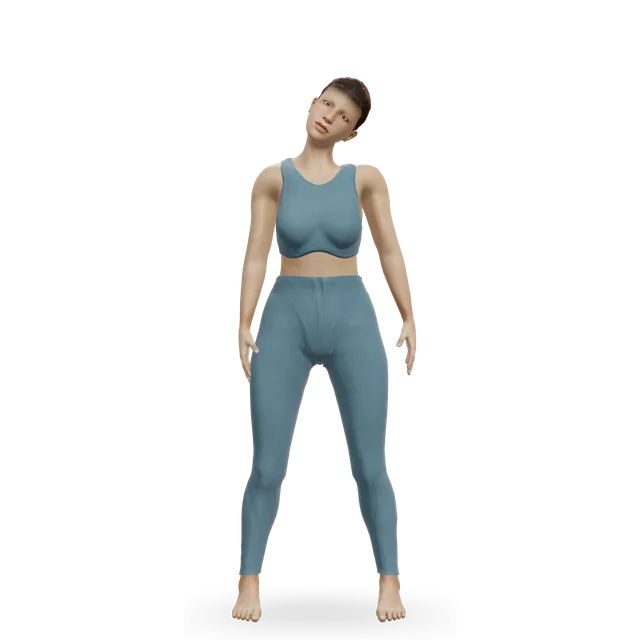
Breathing, neck and shoulders

Start every routine here: 5 slow breaths, then 5 to 10 of each move, gently, as in Cancer Research UK's routines.

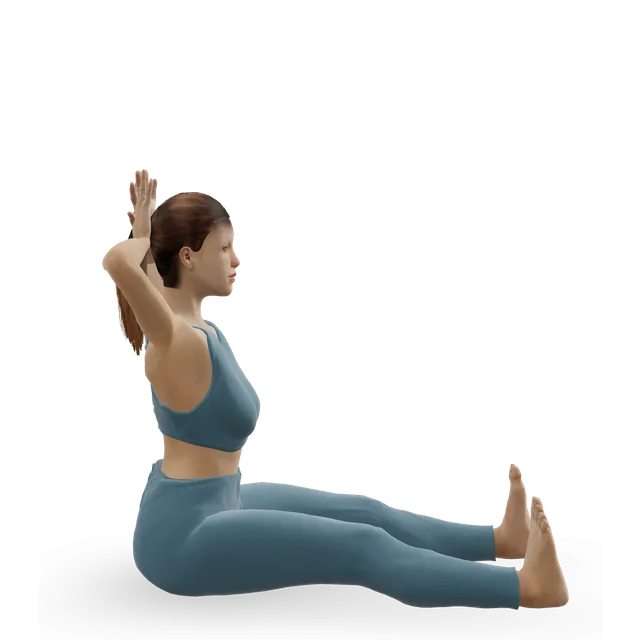
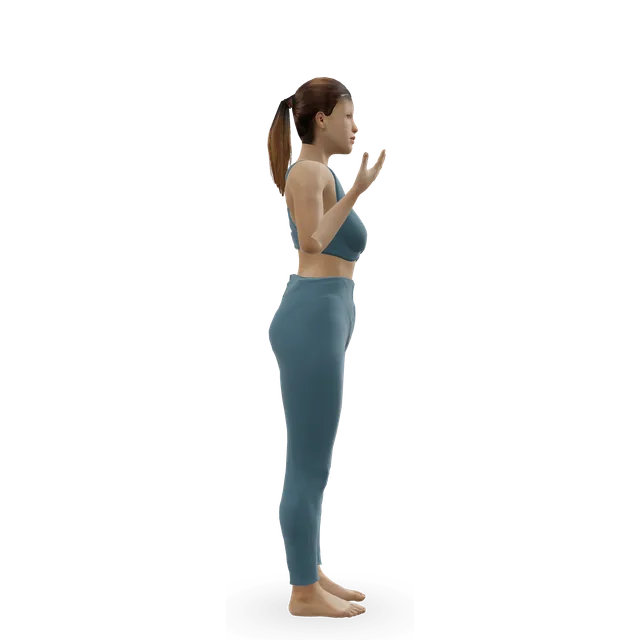
Arm and hand

5 to 10 of each, every day, with the arm resting on a cushion where you can; it shouldn't hurt.

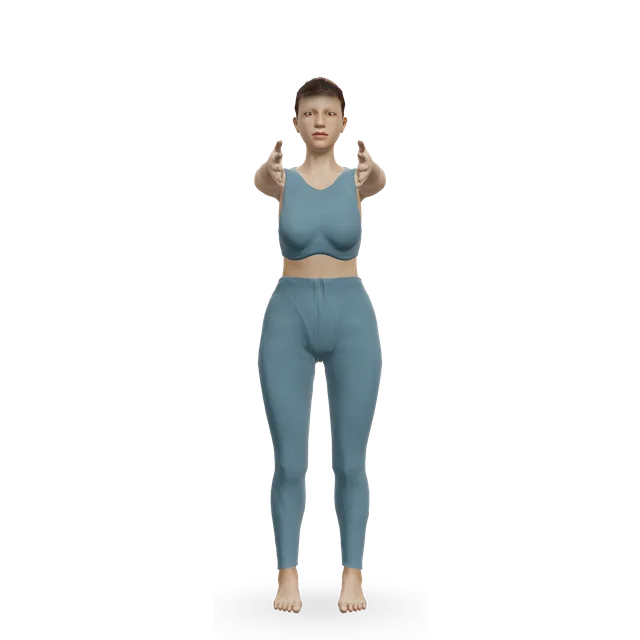
Leg and foot

5 to 10 of each, at least twice a day, sitting, standing with support, or lying down.

Strength

2 to 3 times a week. For the upper body, start with no weight or 0.5 kg and add the smallest step only after a week with no change in your arm, as in the PAL trial.

Cardio

Start with 10 minutes on most days and build towards 30 (our editorial starting point). Swimming counts too, without your garment.

Workouts to follow

Do the daily lymphoedema routine, then add strength 2 to 3 times a week and cardio on most days. Start upper-body work lighter than the workouts say, and build up the farmer's carry in the gym workout slowly, like any other arm load.

Lymphoedema exercises: a daily routine for arm and leg swelling

A 15-minute daily routine for lymphoedema: deep breathing, neck and shoulders, then an arm block and a leg block to keep the muscle pump working.

15 minBeginner14 movesOther / check instructions, A bench or box

Beginner home workout

A gentle 20-minute beginner home workout with a chair, a wall and a band: sit-to-stands, wall push-ups, band rows, step-ups and dead bugs.

20 minBeginner11 movesA bench or box, A wall

Resistance band workout

A full-body resistance band workout: squats, presses, pull-aparts, band walks, good mornings and flyes.

25 minBeginner7 movesA band, An anchor point

Full-body gym workout A

A beginner full-body gym workout: goblet squats, dumbbell bench press, lat pulldowns, Romanian deadlifts and dead bugs, with sets, reps and rest.

45 minBeginner12 movesCardio machine, A band

Chair exercises for seniors: a seated workout

A 20-minute seated workout for older adults who cannot stand for long: marching, leg and arm strength, posture, and sit-to-stands that lead back to standing.

20 minBeginner11 movesA bench or box, Something with weight

Easy cardio workout

A steady 30 to 45 minute cardio session at talk-but-not-sing pace: walk, cycle, row or cross-train, counting toward weekly activity guidelines.

40 minBeginner3 movesCardio machine, A wall

Low-impact cardio workout (no jumping)

A 25-minute standing cardio circuit with no jumping: marching, step jacks, sit-to-stands, punches, step-ups and wall push-ups, with a seated option for most moves.

25 minBeginner9 movesA bench or box, A step

10-minute walk and move after meals

A 10-minute routine for straight after a meal: an easy walk, a few simple standing moves from blood sugar trials, then a short walk to finish.

10 minBeginner6 movesCardio machine, A bench or box

Follow a plan

A weekly structure for strength and cardio. Start the upper body lighter than the plan says, and keep the daily routine going alongside it.

Cellulitis and other warning signs

Call 999 (911 in the US) or go to A&E

If you have cellulitis with any of these, which can be signs of sepsis:

  • A very high temperature, or feeling hot, cold or shivery.
  • A fast heartbeat or fast breathing.
  • Purple patches on the skin (these may be harder to see on brown or black skin).
  • Feeling dizzy or faint, or confused.
  • Cold, clammy or pale skin, or not responding.
  • Also call 999 for pain and swelling in a limb with breathlessness or chest pain, which can mean a blood clot has reached the lungs.

Sources 11, 12, 38

Urgent GP appointment or NHS 111, the same day

  • The skin of the swollen or at-risk area is painful, hot and swollen, perhaps red (harder to see on brown or black skin), or you feel unwell with flu-like symptoms: this can be cellulitis, and early antibiotics help.
  • Throbbing pain and swelling in one limb with red, blue or darkened skin or swollen veins, which can be a DVT (it can happen in an arm too).
  • Antibiotics for cellulitis aren't helping after 48 hours.

Sources 11, 38, 12

If you have cellulitis

Rest and raise the limb. If your compression garment hurts, take it off, and put it back on as soon as you can tolerate it. Go back to your normal activity once you feel better, and have your garment's fit checked, as the limb may be more swollen afterwards. If you've been given a "rescue pack" of antibiotics after a previous attack, start it at the first familiar symptoms and get medical advice as soon as you can.

Sources 12, 11

How common cellulitis is

The NHS calls cellulitis the most common complication of lymphoedema. In one specialist clinic, as reported in the BLS and LSN cellulitis guideline, 37.6% of people had had cellulitis at least once and 23.3% more than once. Keeping the swelling under control lowers the risk: in a trial of 84 people with long-term leg swelling and repeated cellulitis, wearing compression cut further attacks from 40% to 15%.

Sources 15, 12, 39

See a GP

  • New swelling in an arm or leg that hasn't settled, especially after cancer treatment. A GP can refer you to a specialist lymphoedema service. New swelling after cancer treatment needs checking for other causes first.
  • Signs of a skin infection, such as redness or heat, as soon as possible.
  • Swollen legs, ankles or feet that haven't improved after a few days, or symptoms of lipoedema.

Sources 15, 1, 33, 13

Contact your lymphoedema specialist

If the swollen or at-risk area changes during or after exercise, stop and get in touch. Talk to them before you start a new activity, and after surgery, follow the exercises and limits your surgical team gives you. The ACSM roundtable recommends a medical check before exercise for people with lymphoedema after cancer, and medical clearance while lymphoedema is flaring.

Sources 6, 35, 36, 8

Lipoedema is different

What lipoedema is

Lipoedema (lipedema in the US) is an abnormal build-up of fat in the bottom, thighs and lower legs, and sometimes the arms, usually equal on both sides, with the feet and hands spared. The skin can feel soft and cool, and the limbs can be painful, tender and heavy and bruise easily. It almost always affects women, often starts at a time of hormonal change such as puberty, pregnancy or the menopause, and isn't caused by being overweight.

Sources 13, 14

How it differs from lymphoedema

Lymphoedema is often on one side, often affects the feet, pits when pressed early on, and raises the risk of cellulitis. Lipoedema is usually equal on both sides, spares the feet, doesn't pit, and doesn't raise the infection risk. The LSN says losing weight usually helps lymphoedema swelling (trials of this are limited, as above) but makes no noticeable difference to lipoedema, though being overweight doesn't help. Lipoedema isn't a problem with the lymphatic system, at least at first, but fluid swelling can develop alongside it, especially with obesity, reduced mobility or vein problems.

Sources 14, 7

Treatment and exercise

The NHS treatments are healthy eating, more exercise and a healthy weight, compression stockings or bandages to ease pain and make walking easier, skin care, counselling or cognitive behavioural therapy (CBT), and liposuction for severe symptoms. Lipoedema UK suggests low-impact exercise, such as swimming, walking, cycling and yoga, and strength training; walking in chest-high water gives gentle compression. It advises against high-impact exercise such as jogging, and contact sports, which may worsen joint pain and bruising. This is a charity's advice rather than trial evidence.

Sources 13, 40

Myths

"Lifting weights causes or worsens lymphoedema"Strong evidence

In the PAL trials, slowly built-up weight lifting didn't increase swelling in 141 women with lymphoedema, halved flare-ups, and didn't raise the risk in 154 women at risk. NICE says there's no evidence that activity, including arm exercise, worsens lymphoedema.

Sources 2, 22, 1

"If I exercise enough, I won't need compression"Strong evidence

Exercise improves strength, pain and quality of life but barely changes established swelling. Compression is the first treatment.

Sources 3, 1

"Rest a swollen limb as much as possible"Strong evidence

Muscle movement is what pumps lymph, and long periods of not moving can cause lymphoedema. The exception is cellulitis: rest and raise the limb until you feel better.

Sources 4, 18, 12

"Drinking less will reduce the swelling"Strong evidence

The ISL says restricting fluids has no proven benefit for lymphoedema of the arms or legs.

Source 7

"Lymphatic drainage massage is the main treatment"Mixed evidence

In 194 people, MLD added nothing worthwhile to compression, skin care and exercise compared with a pretend massage, and NICE made no recommendation on it. It may help some people with mild to moderate swelling during bandaging, and simple self-massage is part of keeping swelling down.

Sources 5, 1, 29

"Never have a blood test, blood pressure or a flight with an affected arm"Mixed evidence

For people at risk after breast cancer, NICE found no consistent evidence that blood tests, injections, blood pressure readings on the treated side, flying, hot tubs or manicures raise the risk, and asks for a shared decision. The LSN finds no robust evidence that flying makes lymphoedema worse. The NHS still suggests avoiding injections and blood pressure readings on the affected area where possible, so ask your team.

Sources 1, 9, 33

"Lipoedema is just fat you can diet away"Strong evidence

Lipoedema isn't caused by being overweight, and dieting makes little difference to the lipoedema fat itself, though a healthy weight helps with symptoms and moving about.

Sources 13, 14

"You can only exercise safely with a therapist watching"Mixed evidence

A supervised start is ideal: the PAL trial's first 13 weeks were supervised, and there's too little evidence on starting alone. But reviews support exercise you do on your own, guided by how your limb responds, and found a lower risk of developing lymphoedema even with unsupervised exercise.

Sources 22, 8, 3, 23

Questions people ask

What are the best exercises for lymphoedema?

Two kinds: a daily routine of gentle pump moves for the swollen limb, starting with deep breathing (Cancer Research UK's arm and leg routines, 5 to 10 of each), and regular walking, cycling or swimming with strength training 2 to 3 times a week. Your muscles act as the lymphatic system's pump, so any movement helps. Build up slowly, and wear your compression garment if you've been given one.

Does exercise make lymphoedema worse?

No: for lymphoedema after breast cancer, NICE says there's no evidence that physical activity, including arm exercise, will make it worse. Across 36 studies, exercise didn't worsen lymphoedema and improved pain, strength, tiredness and quality of life. Build up gradually and watch how your limb responds.

Can I lift weights with lymphoedema?

Yes, if you start light and build up slowly. In the PAL trial, women with arm lymphoedema who lifted weights twice a week for a year had no more swelling than those who didn't and half as many flare-ups. Start upper-body moves with no weight or about 0.5 kg, add the smallest step only after a week with no change in the arm, and have a few supervised sessions first if you can.

Should I wear my compression sleeve or stockings when I exercise?

UK lymphoedema charities say yes, if you've been given one, though you don't need it in the pool. Small trials found that exercise didn't worsen lymphoedema with or without a garment, so international guidance says it's an individual decision. Follow your lymphoedema practitioner's advice, and ask if it's uncomfortable.

What exercises help leg lymphoedema?

Marching, knee bends, heel raises, ankle pumps and circles, and toe curls, 5 to 10 of each, at least twice a day, plus walking, cycling or swimming. When you rest, put your leg up on a stool or the sofa with your knee supported, and avoid sitting for long periods. The evidence for leg lymphoedema is weaker than for arms, but it points the same way.

Is swimming good for lymphoedema?

Yes. Macmillan says swimming can help because it gently massages the lymphatic vessels, and the Lymphoedema Support Network says you don't need your garment in the water. If your legs are affected, look after your feet around the pool and treat athlete's foot promptly.

What exercises should I avoid with lymphoedema?

None is banned, but Macmillan advises avoiding static holds such as the plank, and the British Lymphology Society says to protect your skin in contact sports. The bigger rule is to build up slowly, because too much too soon can increase swelling. If one activity always makes your limb swell, try a different one.

Can exercise prevent lymphoedema after breast cancer?

It may lower the risk. In women at risk after breast cancer, weight lifting didn't raise the chance of developing lymphoedema, and with 5 or more nodes removed the risk was lower (7% against 22%). Reviews suggest about a 30% lower risk with exercise, though the evidence is low certainty.

What should I do if my arm or leg swells more after exercise?

If it stays more swollen, aches, feels hotter or takes longer to settle than usual, do less next time and build up again more slowly. The British Lymphology Society's practical advice is that a little extra swelling that goes down within 24 hours doesn't mean you need to cut back, though this hasn't been tested in trials. Contact your lymphoedema specialist about any change that doesn't settle.

What are the signs of cellulitis, and what should I do?

Painful, hot, swollen skin that may look red (harder to see on brown or black skin), often with flu-like symptoms: get an urgent GP appointment or call NHS 111 the same day. Call 999 (911 in the US) if you also have a very high temperature or feel hot, cold or shivery, a fast heartbeat or breathing, confusion, or feel faint. Rest and raise the limb, and go back to activity once you feel better.

Do lymphatic drainage exercises or massage help?

Lymphatic drainage exercises are the pump moves in this guide, and they help fluid move. The specialist massage, manual lymphatic drainage, added nothing worthwhile to compression, skin care and exercise in a trial of 194 people, and NICE doesn't recommend for or against it. Self-massage taught by your lymphoedema service can be part of your daily care.

Is lipoedema the same as lymphoedema? What exercise helps lipoedema?

No: lipoedema is a build-up of fat, usually in both legs equally with the feet spared, often painful and easily bruised, and almost always in women. Lipoedema UK recommends low-impact exercise such as swimming, walking in water, cycling, walking and yoga, plus strength training, and compression can ease the pain. Fluid swelling can develop alongside it, especially with obesity or reduced mobility.


Sources

  1. NICE NG101 · Early and locally advanced breast cancer: diagnosis and management (last updated April 2025)
  2. Schmitz 2009 · Weight lifting in 141 women with breast cancer-related lymphoedema: the PAL trial (RCT, New England Journal of Medicine)
  3. Hayes 2022 · Exercise for the prevention and treatment of cancer-related lymphoedema (systematic review and meta-analysis, Medicine and Science in Sports and Exercise)
  4. NHS · Lymphoedema: treatment
  5. De Vrieze 2022 · Manual lymphatic drainage added to decongestive therapy in 194 people: the EFforT-BCRL trial (RCT, Journal of Physiotherapy)
  6. Cancer Research UK · Exercise, positioning and lymphoedema (reviewed May 2026)
  7. ISL 2023 · The diagnosis and treatment of peripheral lymphoedema (International Society of Lymphology consensus document, Lymphology)
  8. Campbell 2019 · Exercise guidelines for cancer survivors: consensus statement from an international multidisciplinary roundtable (ACSM, Medicine and Science in Sports and Exercise)
  9. Lymphoedema Support Network · Your questions answered (reviewed October 2025)
  10. British Lymphology Society · EveryBodyCan: get moving with lymphoedema (guide)
  11. NHS · Cellulitis
  12. BLS and LSN 2025 · Guidelines on the management of cellulitis in lymphoedema (British Lymphology Society and Lymphoedema Support Network)
  13. NHS · Lipoedema
  14. Lymphoedema Support Network · Lipoedema
  15. NHS · Lymphoedema
  16. Lymphoedema Support Network · What is lymphoedema?
  17. British Lymphology Society · What is lymphoedema?
  18. NHS · Lymphoedema: causes
  19. DiSipio 2013 · How often arm lymphoedema follows breast cancer: 72 studies (systematic review and meta-analysis, Lancet Oncology)
  20. Hayes 2017 · Leg lymphoedema in 408 women after surgery for gynaecological cancer (cohort study, Gynecologic Oncology)
  21. Wittenkamp 2025 · Exercise for lower-limb lymphoedema: 12 studies (systematic review, Acta Oncologica)
  22. Schmitz 2010 · Weight lifting for 154 women at risk of breast cancer-related lymphoedema: the PAL trial (RCT, JAMA)
  23. Plinsinga 2026 · Exercise and the risk of developing cancer-related lymphoedema: 17 studies (systematic review and meta-analysis, JNCI Cancer Spectrum)
  24. Hasenoehrl 2020 · Resistance exercise and breast cancer-related lymphoedema (systematic review and meta-analysis, Supportive Care in Cancer)
  25. Katz 2010 · Weight lifting for 10 people with leg lymphoedema after cancer (pilot study, Archives of Physical Medicine and Rehabilitation)
  26. Wittenkamp 2025 · Interval cycling with and without compression in 21 people with leg lymphoedema (randomised crossover trial, Supportive Care in Cancer)
  27. Singh 2015 · Resistance exercise with and without compression in 25 women with arm lymphoedema (randomised crossover trial, Lymphology)
  28. Singh 2016 · Compression use during a 12-week exercise trial in 41 women with arm lymphoedema (Asia-Pacific Journal of Clinical Oncology)
  29. Ezzo 2015 · Manual lymphatic drainage for lymphoedema after breast cancer: 6 trials (Cochrane review)
  30. Dayes 2013 · Decongestive therapy or a compression garment for 103 women with arm lymphoedema (RCT, Journal of Clinical Oncology)
  31. Bruce 2021 · Exercise after breast cancer surgery for 392 women: the PROSPER trial (RCT, BMJ)
  32. Schmitz 2019 · Home exercise and weight loss for 351 overweight women with arm lymphoedema: the WISER Survivor trial (RCT, JAMA Oncology)
  33. NHS · Lymphoedema: prevention
  34. British Lymphology Society · EveryBodyCan exercise guide
  35. British Lymphology Society · EveryBodyCan: patient resources
  36. Macmillan Cancer Support · Exercising safely when you have cancer (reviewed November 2023)
  37. Schmitz 2009 · The PAL trial's weight-lifting programme (trial protocol, Contemporary Clinical Trials)
  38. NHS · DVT (deep vein thrombosis)
  39. Webb 2020 · Leg compression to prevent recurrent cellulitis in 84 people (RCT, New England Journal of Medicine)
  40. Lipoedema UK · Physical activity and movement

Exercise education, not a diagnosis or treatment plan, and clinical review of these guides is pending. Stop and get advice for chest pain, unusual breathlessness, dizziness or fainting, or new pain, and check with your doctor or midwife first if they have told you to limit activity. Health disclaimer.