Exercise guide

Exercise for children and teenagers: how much they need, and how to make it fun

Children aged 5 to 18 need an average of at least an hour a day of activity that makes them breathe faster, and under-5s need at least 3 hours a day of active play spread through the day. Across the week, they also need activities that build muscles and bones, such as jumping, gymnastics and martial arts. About half of children in England manage the hour.

This guide gives the UK and World Health Organization guidelines by age, what counts, whether strength training is safe (it is, with good supervision, and it doesn't stunt growth), how to handle sport and screens, and a 15-minute animal moves workout to do at home. It ends with the warning signs every parent should know.

The short version

How much, by age

Babies: active several times a day, including at least 30 minutes of tummy time. Ages 1 to 4: at least 3 hours a day, which for 3 and 4 year olds includes an hour of energetic activity. Ages 5 to 18: an average of at least 60 minutes a day of moderate to vigorous activity across the week.

Sources 1, 2

"Across the week" is deliberate

The UK Chief Medical Officers (CMOs) changed the advice from at least 60 minutes every day to an average across the week, because the evidence doesn't support a daily minimum. A busy Saturday counts.

Source 1

Muscles and bones matter too

The UK asks for a variety of activities across the week to build movement skills, muscles and bones, and the World Health Organization (WHO) asks for vigorous activity and muscle- and bone-strengthening on at least 3 days a week. Jumping, gymnastics, martial arts and football all count. Late childhood and the years around puberty are when activity does the most for bone.

Sources 1, 3, 4, 5

Strength training is safe with good supervision

Properly designed and supervised strength training is relatively safe for children and teenagers and makes them stronger. There's no minimum age: if a child is ready for organised sport, usually around 7 or 8, they're ready for some strength training. It hasn't been shown to harm growth plates or height.

Sources 6, 7, 8

Variety beats early specialisation

Highly specialised young athletes had more overuse injuries, and so did children training more hours a week than their age in years. A structured warm-up called 11+ Kids cut injuries in children's football by about half.

Sources 9, 10, 11

Screens: agree limits, protect sleep

Research hasn't shown that screen use causes mental health problems, though more recreational screen time is linked with poorer fitness and sleep. The UK advice is to agree family limits, keep phones out of bedrooms at bedtime and break up long spells of sitting. The WHO says no sedentary screen time for under-2s and no more than an hour a day for 2 to 4 year olds.

Sources 12, 3, 13

How much activity, by age

Babies (under 1)

Active several times a day in a variety of ways, including floor play such as crawling. Babies who aren't moving about yet need at least 30 minutes of tummy time spread through the day while awake: start with a minute or two at a time, and babies should never sleep on their tummies. The WHO adds: not strapped in (in a pram, high chair or carrier) for more than an hour at a time, no screen time, and 14 to 17 hours of sleep at 0 to 3 months or 12 to 16 hours at 4 to 11 months, including naps.

Sources 1, 13

Toddlers (1 to 2)

At least 180 minutes (3 hours) a day of activity at any intensity, spread through the day and including outdoor play; more is better. Light activity such as standing up, moving around, rolling and playing counts, as do more energetic skipping, hopping, running and jumping. The WHO adds: not strapped in for more than an hour at a time, no sedentary screen time at age 1 and no more than an hour at 2, and 11 to 14 hours of sleep.

Sources 1, 2, 13

Pre-schoolers (3 to 4)

At least 180 minutes a day, including at least 60 minutes of moderate to vigorous activity, with plenty of active and outdoor play. The WHO adds: sedentary screen time of no more than an hour a day (less is better) and 10 to 13 hours of sleep.

Sources 1, 2, 13

5 to 18 year olds

An average of at least 60 minutes a day of moderate to vigorous activity across the week; a variety of types and intensities to develop movement skills, muscles and bones; and less time sitting, breaking up long spells with some movement. The WHO (for 5 to 17 year olds) asks for an average of 60 minutes a day, mostly aerobic, with vigorous activity and muscle- and bone-strengthening on at least 3 days a week, and says more than 60 minutes adds further benefit.

Sources 1, 4, 3

Disabled children and young people

The 2022 UK guidelines: 20 minutes of physical activity a day, in bite-size chunks if needed and building up slowly, plus challenging but manageable strength and balance activities 3 times a week. The WHO applies its 5 to 17 guidance to children living with disability too, according to what each child can do.

Sources 14, 4, 3

Why the UK says "across the week" for muscle and bone

The CMOs found broad support for vigorous and bone-strengthening activity but no strong evidence for specific numbers or lengths of sessions, and in September 2019 they corrected their infographic from "3 times per week" to "across the week". The WHO does say at least 3 days a week. In practice, a few sessions of jumping, climbing or strength play spread through the week covers both (our suggestion).

Sources 1, 15, 3

What counts

Moderate activity

Moderate activity raises your child's heart rate and makes them breathe faster and feel warmer. One way to tell: they can still talk, but not sing.

Source 4

Everything counts, in short bursts too

PE (physical education), walking or cycling to school, after-school activities, play and sport all count. Children rarely move in long bouts, and their total active time matters more than how it's split up.

Sources 1, 16

Ideas by age (NHS)

  • Under-5s: tummy time, playing with blocks, messy play, jumping, walking, dancing, swimming, playgrounds, climbing, skipping, hide and seek, throwing and catching, scooting and riding a bike.
  • 5 to 18: walking to school or walking the dog, playground games with jumping, running and catching, PE, football or tennis, swimming, skipping, dancing, skateboarding or rollerblading, and cycling.
  • For muscles and bones: gymnastics, football, jumping and martial arts, and for young people sit-ups, press-ups and exercises with bands, weight machines or hand weights.

Sources 2, 4

Movement skills

Activity and movement skills feed each other: variety, and skills such as jumping, running and catching, build the confidence to be active.

Source 1

Fitting it in

The government aims for children to get 30 active minutes during the school day and 30 outside it. In England in 2024-25, 46% managed the school-day half and 57% the out-of-school half.

Source 17

What the evidence says

Health benefitsStrong evidence

The WHO's review found that physical activity in children and teenagers improves fitness, heart and metabolic health (blood pressure, blood fats, glucose and insulin), bone health, thinking and school performance, mental health (fewer symptoms of depression) and body fat, and that more than 60 minutes a day adds further benefit.

Source 3

All activity countsStrong evidence

In 162 studies with 204,171 children and young people, more total activity was linked with better physical, psychological and cognitive health. Moderate to vigorous activity showed the most consistent links, and sporadic activity counted as well as longer bouts. These were mostly observational studies.

Source 16

BoneStrong evidence

Lifestyle shapes 20 to 40% of adult peak bone mass. Physical activity has the strongest grade of evidence (grade A) for building bone mass and density, especially in late childhood and around puberty, a critical period for bone. Bone responds best to quick, varied, high-impact loads such as jumping, tumbling and racket sports; static and gentle repetitive loads do little.

Source 5

How active children areStrong evidence

In England in 2024-25, 49% of 5 to 16 year olds averaged 60 minutes a day and 28% averaged under 30 minutes. Boys (52%) were more active than girls (46%), a gap that has narrowed to 5.9 percentage points and is widest in teenagers. Activity peaks around the age children start school and falls through adolescence.

Sources 17, 1

Strength training worksStrong evidence

In trials, strength training gave children and teenagers large gains in strength (effect size 1.12), with bigger gains in older and more mature young people and with longer programmes and more sets.

Source 18

Strength training is safe when supervisedStrong evidence

The US National Strength and Conditioning Association (NSCA) says the risk of injury from strength training is similar for young people and adults, and that there's no justifiable safety reason to stop children taking part in a properly run programme. In 22 studies of training programmes, only 10 recorded injuries, and only 3 injuries were reported. In US emergency departments, injuries in 8 to 13 year olds who lifted weights were more often accidents, such as dropped weights, than in older lifters.

Sources 6, 8, 19

Growth plates and heightStrong evidence

No growth-plate injury has been reported in any prospective study of youth strength training, and there's no evidence that it harms growth. Training programmes didn't change height or weight in children who hadn't started puberty or were early in it.

Sources 6, 8

Specialising earlyEmerging evidence

In 1,190 athletes aged 7 to 18, specialising in one sport was linked with more injuries and more serious overuse injuries, as were training more hours a week than their age in years and having more than twice as much organised sport as free play. Across studies, highly specialised young athletes had more overuse injuries than those with low specialisation (risk ratio 1.81). An expert consensus found no evidence that young children benefit from early specialisation in most sports.

Sources 10, 9, 20

Injury-prevention warm-upsStrong evidence

In 3,895 young footballers with an average age of 10.8, teams that replaced their usual warm-up with the 11+ Kids programme had 48% fewer injuries, 74% fewer severe injuries and 55% fewer leg injuries over a season.

Source 11

ScreensMixed evidence

The UK CMOs found no evidence that screen use causes mental health problems: links exist, but cause and effect aren't clear. The WHO found sedentary and recreational screen time linked with poorer fitness, heart and metabolic health, body fat, behaviour and sleep, but too little evidence to set a time limit for school-age children.

Sources 12, 3

Active outdoor playEmerging evidence

Playing actively outdoors is linked with more physical activity, less sitting and screen time, and better sleep. A review of 6 systematic reviews found broadly favourable links with physical, mental and social wellbeing, with partial support for cause and effect.

Source 21

Strength training for children and teenagers

What the experts say

The NSCA says a properly designed and supervised programme is relatively safe for young people and can increase strength and power, improve heart health risk factors, movement skills and sports performance, make sports injuries less likely, support wellbeing and build lifelong exercise habits. The American Academy of Pediatrics supports strength training for non-athletes as well as athletes, pointing to falling muscular fitness in young people.

Sources 6, 7

When to start

There's no minimum age, but children must be ready to follow instructions. The NSCA says that if a child is ready for sport (generally age 7 or 8), they're ready for some type of strength training. A medical check isn't needed for healthy children, but is recommended for children with signs of illness or a known condition.

Source 6

How to start (NSCA)

  • A qualified adult teaching and supervising: the NHS says young people can use weights if a qualified adult trains them to use them correctly and supervises them.
  • A 5 to 10 minute dynamic warm-up (hops, skips, jumps and movement drills), with gentler exercise and static stretching at the end.
  • 1 or 2 sets of 10 to 15 repetitions with a light to moderate load to learn the technique, building over time to more sets and heavier loads.
  • Jumps and other power exercises in sets of fewer than 6 to 8 repetitions.
  • 2 to 3 sessions a week on non-consecutive days.

Sources 6, 4

By age: our editorial suggestion

Under about 11, strength comes mostly from play, climbing, jumping and bodyweight moves. From about 11 to 13, add bodyweight exercises as a routine. Teenagers can use bands, dumbbells and machines once they've been taught well.

Sources 6, 4

Equipment at home

Young children are more likely than older people to be hurt by home exercise equipment, partly through unsafe behaviour, faulty equipment and no supervision. Keep weights and machines out of reach unless an adult is supervising.

Source 6

Growth plates and growing pains

Growth cartilage

Growing bones have softer growth cartilage at the growth plates, the joint surfaces and where the big tendons attach. It's weaker than the tissue around it and more easily damaged by repeated small strains, and the old case reports of growth-plate injuries in lifters mostly involved poor technique, maximal lifts or no qualified supervision. Supervised, progressive training isn't the worry; long hours of the same repetitive movement without rest deserve more attention (our reading).

Source 6

Heel or knee pain in active children

If your child has heel pain, or pain just below the kneecap, that keeps coming back with sport, see a GP. Our foot pain guide covers heel pain in active children (Sever's disease).

Growing pains

Growing pains are aching legs, common in children aged 3 to 12. They're harmless and not caused by growing, they're more common in active children and can come after lots of sport, and children's paracetamol or ibuprofen can ease them. The warning signs below say when leg pain needs a GP.

Source 22

Sport: variety, warm-ups and concussion

Variety first

The American Orthopaedic Society for Sports Medicine (AOSSM) defines early specialisation as intensive training in one sport for more than 8 months a year, to the exclusion of other sports, before about age 12. Its consensus found no evidence that young children benefit from it in most sports; in one German study, 88% of Olympians had taken part in more than one sport as children.

Source 20

Watch the hours

Training more hours a week than your child's age in years was linked with more serious overuse injuries, as was having more than twice as much organised sport as free play. The consensus says specialised children who train more hours a week than their age, with more than 16 hours of intense training, should be watched closely for burnout, overuse injury and overtraining.

Sources 10, 20

Warm-ups and strength work

In children's football, the 11+ Kids warm-up cut injuries by about half: the trial's authors say do it at least once a week, and twice is better. The consensus says all young people, including inactive ones, can benefit from strength and conditioning such as integrative neuromuscular training, which mixes strength, balance and movement-skill work.

Sources 11, 20

Concussion: if in doubt, sit them out

Anyone with a suspected concussion must be taken out of play straight away and not return to sport, training or PE within 24 hours. Get them assessed by a healthcare professional or NHS 111 within 24 hours, let them rest and sleep as needed for the first 24 to 48 hours, and get them back to school before sport. There should be no return to competition within 21 days, and symptoms lasting more than 28 days need a GP. Children and teenagers may be more susceptible to concussion, take longer to recover, and are more at risk from a second knock before they've recovered; the NHS adds that children should avoid rough play for a few days.

Sources 23, 24

Screens and sitting

The UK advice for parents

The CMOs advise a precautionary approach:

  • Agree boundaries with your children for screen use outside schoolwork, and set an example with your own.
  • Leave phones outside the bedroom at bedtime.
  • Keep mealtimes screen-free.
  • Take a break and move about after a couple of hours of sitting or lying with a screen.
  • Talk with your children about what they watch, and use device features to keep track of time spent on screens.

Source 12

Questions for your family

The CMOs recommend four questions from the Royal College of Paediatrics and Child Health: is your family's screen time under control? Does screen use interfere with what your family want to do? Does it interfere with sleep? Are you able to control snacking during screen time?

Source 12

Under-5s and older children

For under-5s, the WHO says no screen time for babies, no sedentary screen time for 1-year-olds, and no more than an hour a day for 2 to 4 year olds, with less being better. For school-age children there's no evidence-based limit: the WHO asks families to limit recreational screen time.

Sources 13, 3

Active and outdoor play

Outdoors

Outdoor play is linked with more activity, less sitting and better sleep, and the UK guidelines put active and outdoor play at the centre for under-5s.

Sources 21, 1, 2

Risky play

Risky play, such as climbing, rough and tumble and exploring, lets children test their physical limits, manage fear and learn to judge risk. The 2025 position statement treats risk-taking as a chance to grow, not something to avoid.

Source 21

Bring back play

"What we really need to do is bring back play for children," said the WHO's lead on childhood physical activity when it published its under-5s guidelines: the aim is to swap sitting and screen time for playtime, while protecting sleep.

Source 13

Run, jump and play

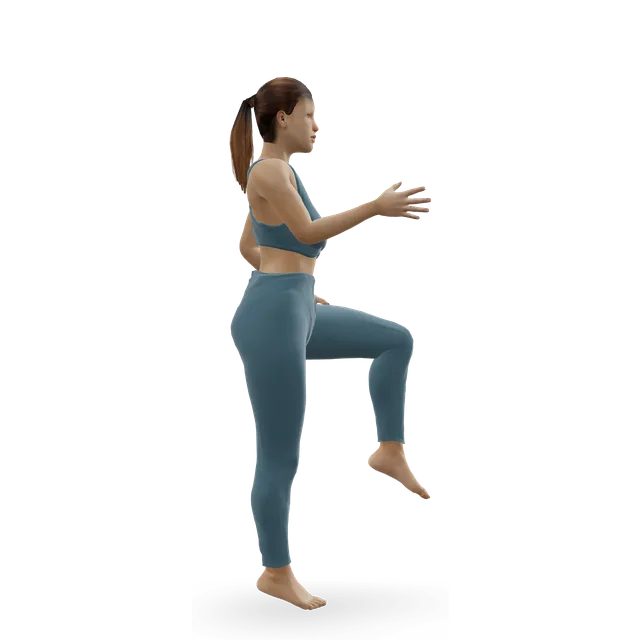
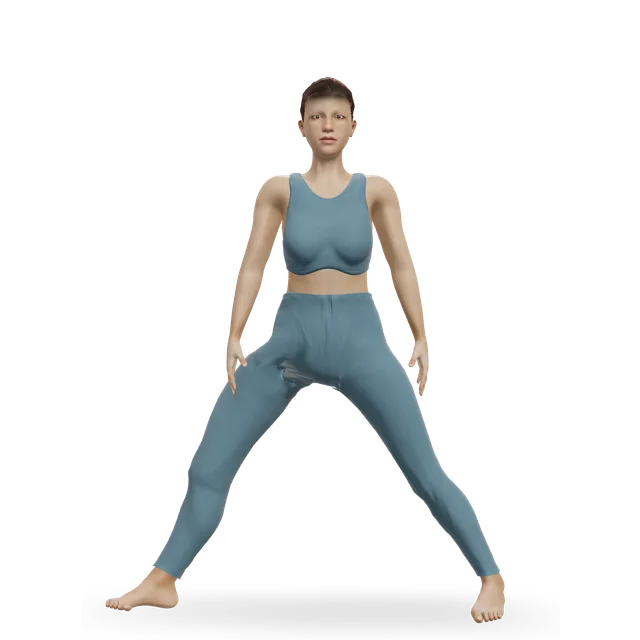
Make them games, such as skipping races, star jumps, bunny hops, frog leaps and statue landings, a few minutes at a time with soft, quiet landings (our suggestion).

Animal moves and bodyweight strength

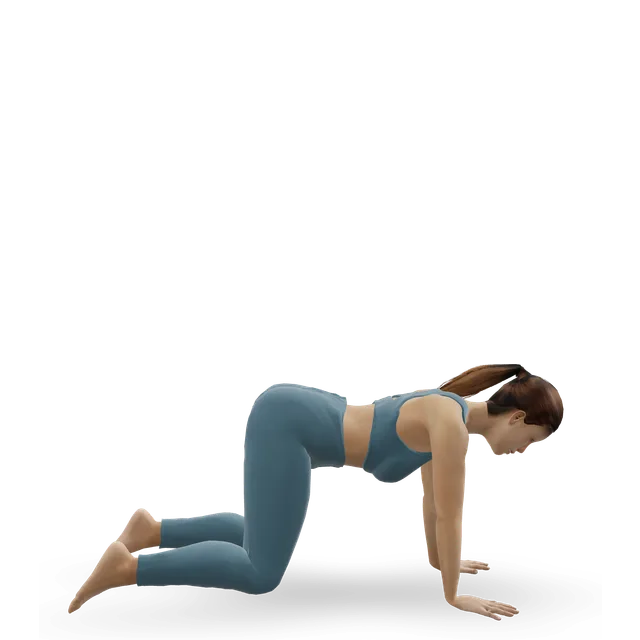
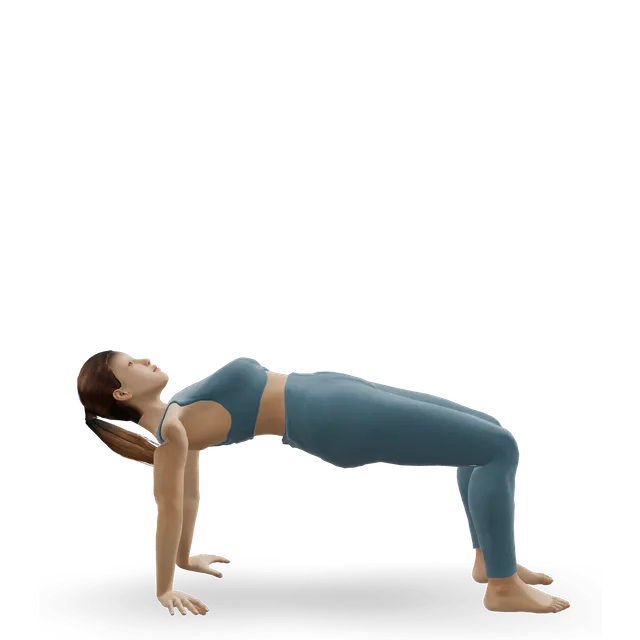
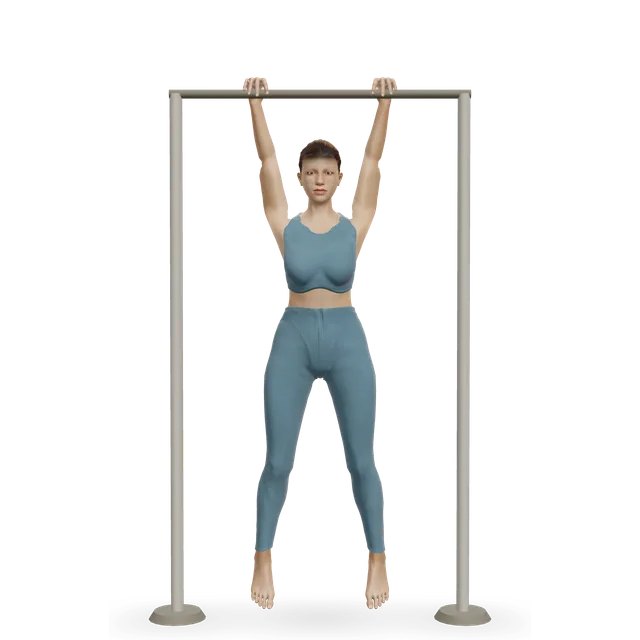
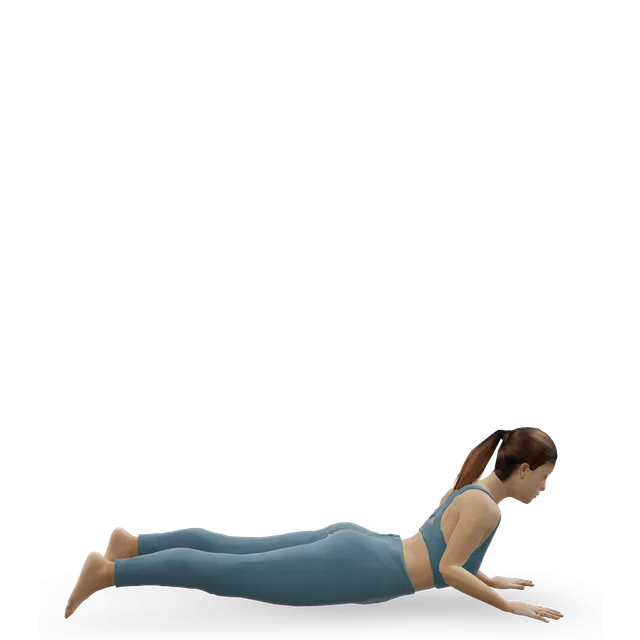
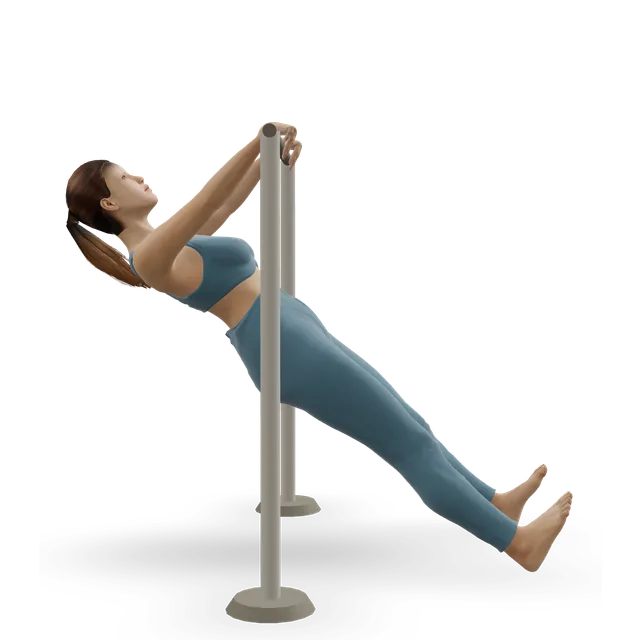
Bears, crabs, inchworms and seal push-ups count as muscle-strengthening play: 1 or 2 rounds of short sets is plenty, stopping while it's still fun (our suggestion).

Balance and yoga animals

A calm finish: trees, flamingos, dogs and snakes for a few slow breaths each (our suggestion).

Teenagers: a first strength routine

With a qualified adult teaching technique: 1 or 2 sets of 10 to 15 with a light load, 2 to 3 times a week on non-consecutive days (NSCA), learning the hip hinge and bodyweight versions first.

Workouts to follow

The animal moves workout is a 15-minute game for children; the beginner bodyweight workout suits teenagers, and the knee-control warm-up suits teenagers in team sports.

Children with health conditions

Type 1 diabetes

Children with type 1 diabetes can take part in all forms of exercise with a plan for glucose, food and insulin, and should take full part in PE. Our type 1 diabetes guide has the details, including school and after-school sport.

Sources 25, 26

Asthma

The NHS says people with asthma should exercise regularly, and get advice from their doctor or nurse about exercising safely if exercise triggers their symptoms. Make sure your child always has their reliever inhaler with them. Our asthma guide has the detail.

Source 27

Disability or a long-term condition

Disabled children: 20 minutes a day, building up slowly, with strength and balance activities 3 times a week. Babies and young children with a long-term condition or disability should be active unless their healthcare team advises otherwise, and older children with a health condition should get medical advice about exercise.

Sources 14, 2, 4

At school

In England, schools must have arrangements to support pupils with medical conditions so they have full access to education, including PE and school trips. Statutory guidance says schools should actively support them to take part in sport and not prevent them, with an individual healthcare plan where needed.

Source 28

Weight

Under-5s who are overweight can improve their health by eating a healthy diet and meeting the activity guidelines, even if their weight doesn't change. Talk with children about health, strength and fun rather than weight.

Source 2

Warning signs every parent should know

Call 999

  • Your child faints while exercising, or after fainting isn't breathing, can't be woken within a minute, hasn't fully recovered, has chest pain or a pounding or irregular heartbeat, or has a fit.
  • An asthma attack where your child gets worse at any time, isn't better after the maximum dose of their reliever inhaler, or doesn't have their inhaler.
  • After a head injury, for example if they were knocked out and haven't woken, can't stay awake, have a fit, fell from more than 1 metre or 5 stairs, have problems with their vision, hearing, speaking or walking, have clear fluid coming from their ears or nose, or their behaviour has changed.
  • A child with type 1 diabetes who has a severe hypo or signs of ketoacidosis: see our type 1 diabetes guide.

Sources 29, 27, 24, 30, 31

NHS 111, or an urgent appointment

  • Any suspected concussion: take them out of play straight away and get them assessed by a healthcare professional or NHS 111 within 24 hours.
  • Being sick or feeling dizzy after a head injury.
  • After an asthma attack, even if your child seems better: a GP appointment within 2 days.

Sources 23, 24, 27

See a GP

  • Leg pain in one leg only, pain in the morning or during activities, pain bad enough to stop them walking or make them limp, pain in one joint, a rash, swelling or unusual bruising on the legs, leg pain with a high temperature, unusual tiredness, or not eating or losing weight.
  • Any faint, even if your child seems fine afterwards.
  • Head injury symptoms lasting more than 2 weeks, or concussion symptoms after 28 days.
  • Asthma that isn't improving, needs the reliever more often, or stops your child doing their usual activities.
  • Signs of burnout in a child who trains hard, such as losing motivation and enjoyment, high stress, mood changes and falling performance; talk to the coach too.
  • A teenage girl whose periods stop while she's training hard: see our menstrual cycle guide.

Sources 22, 29, 24, 23, 27, 20

Myths

"Lifting weights stunts growth or damages growth plates"Strong evidence

No growth-plate injury has been reported in any prospective study of youth strength training, and training didn't change height. The real risks are accidents, such as dropped weights or unsupervised home equipment, which is why supervision matters.

Sources 6, 8, 19

"Children should only do cardio until they stop growing"Strong evidence

Muscle- and bone-strengthening is part of the guidelines for every school-age child, and children make large strength gains in trials.

Sources 1, 3, 18

"PE covers it"

In England, only 46% of children get 30 active minutes during the school day, and 49% average an hour a day overall. Most children need activity outside school too.

Source 17

"It must be 60 minutes every single day"

The UK guideline is an average of at least 60 minutes a day across the week. More is better, but a quieter day is fine.

Source 1

"Specialise early to make it to the top"Emerging evidence

There's no evidence early specialisation helps young children in most sports, and in one German study 88% of Olympians played more than one sport as children. Specialising early is linked with more overuse injuries.

Sources 20, 9, 10

"Stretch before sport to prevent injury"Emerging evidence

The NSCA suggests a 5 to 10 minute dynamic warm-up of hops, skips and jumps, with static stretching at the end, because static stretching beforehand can reduce strength and power. Structured warm-ups such as 11+ Kids are what cut injuries in trials.

Sources 6, 11

"Screens are toxic: keep them under a set number of hours"Mixed evidence

No causal link with mental health problems has been shown, and no time limit could be set for school-age children. Agreeing family limits, protecting sleep and breaking up sitting is the advice; for under-5s, the WHO does give limits.

Sources 12, 3, 13

"Growing pains mean they're doing too much"

Growing pains are harmless, common and not caused by growing, and they're more common in active children. Pain in one leg, a limp or swelling is different and needs a GP.

Source 22

"Children with asthma or type 1 diabetes should sit out PE"Strong evidence

They should take part with a plan. NICE says children with type 1 can take part in all forms of exercise, the NHS says people with asthma should exercise regularly, and schools in England should support pupils with medical conditions to join in.

Sources 25, 26, 28, 27

Questions people ask

How much exercise do children need a day?

Children and young people aged 5 to 18 should average at least 60 minutes a day of moderate to vigorous activity across the week. That can be PE, walking or cycling to school, play, sport and dancing. More is better, and any increase helps a child who isn't very active.

How much exercise do toddlers and pre-schoolers need?

At least 3 hours a day, spread through the day, including active and outdoor play; for 3 and 4 year olds, at least an hour of that should be energetic. Babies need to be active several times a day, including at least 30 minutes of tummy time. Young children shouldn't be strapped in or sitting still for long spells, except when they're asleep.

How much exercise does a teenager need?

The same as younger children: an average of at least an hour a day of activity that makes them breathe faster and feel warmer, plus activities that strengthen muscles and bones across the week. The WHO asks for muscle- and bone-strengthening and vigorous activity on at least 3 days a week. Activity usually falls through the teenage years, and girls are less active than boys on average, so finding something they enjoy matters.

What counts as muscle- and bone-strengthening for kids?

Jumping, gymnastics, martial arts and football all count, and teenagers can add press-ups, sit-ups and exercises with bands, machines or hand weights. Jumping and other quick, varied impacts are especially good for bone. Late childhood and the years around puberty are when it matters most.

Is strength training safe for children? What age can kids start?

Yes, when it's properly designed and supervised. There's no minimum age: if a child is ready for organised sport, usually around 7 or 8, they're ready for some strength training. Start with body weight or light loads, 1 or 2 sets of 10 to 15, 2 to 3 times a week, with a qualified adult teaching technique.

Does lifting weights stunt growth or damage growth plates?

No. No prospective study of youth strength training has reported a growth-plate injury, and training hasn't been shown to affect height. Injuries in young lifters are more often accidents, such as dropped weights or unsupervised home equipment, which is why supervision matters.

How much screen time is OK for children?

For under-5s, the WHO says no sedentary screen time for babies and 1-year-olds, and no more than an hour a day for 2 to 4 year olds. For older children there's no evidence-based limit. The UK Chief Medical Officers advise agreeing family boundaries, keeping phones out of bedrooms at night, screen-free meals and getting up for a break after a couple of hours.

Should my child specialise in one sport?

Not too early. Children who specialise in one sport have more overuse injuries, and there's no evidence it's needed to reach the top in most sports: in one German study, 88% of Olympians played more than one sport as children. Training more hours a week than their age in years is a warning sign for overuse injury.

What are good exercises for kids at home?

Games that make them puff and use their whole body, such as dancing, skipping, jumping and chasing games, plus animal walks like bear crawls and crab walks, star jumps and obstacle courses. Our 15-minute animal moves workout turns these into a routine, but active play counts just as much.

My child doesn't like sport. What can I do?

Activity doesn't have to be sport: walking or cycling to school, walking the dog, playground games, dancing, swimming, skateboarding and rollerblading all count. The UK guidelines say the focus should be on finding activities children enjoy and creating chances to be active. Letting them choose, and joining in yourself, helps.

Can children with asthma or type 1 diabetes exercise?

Yes. Children with asthma should be active, get advice if exercise triggers their symptoms, and keep their reliever inhaler with them. Children with type 1 diabetes can do all forms of exercise with a plan for glucose, food and insulin. In England, schools should support children with medical conditions to take part in PE and sport.

What should I do if my child bangs their head playing sport?

"If in doubt, sit them out": take them out of the game straight away, don't let them play, train or do PE for at least 24 hours, and get them assessed by a healthcare professional or NHS 111 within 24 hours. They should go back to school before sport, and not to competition for at least 21 days. Call 999 if they were knocked out, can't stay awake, have a fit, or have problems seeing, speaking or walking.


Sources

  1. UK Chief Medical Officers 2019 · UK physical activity guidelines (Department of Health and Social Care; HTML version updated July 2026)
  2. NHS · Physical activity guidelines for children under 5
  3. Bull 2020 · World Health Organization 2020 guidelines on physical activity and sedentary behaviour (BJSM)
  4. NHS · Physical activity guidelines for children and young people
  5. Weaver 2016 · Peak bone mass development and lifestyle factors (National Osteoporosis Foundation position statement, Osteoporosis International)
  6. Faigenbaum 2009 · Youth resistance training: updated position statement (National Strength and Conditioning Association, Journal of Strength and Conditioning Research)
  7. Stricker 2020 · Resistance training for children and adolescents (American Academy of Pediatrics clinical report, Pediatrics; abstract)
  8. Malina 2006 · Weight training in youth: growth, maturation and safety, 22 studies (evidence-based review, Clinical Journal of Sport Medicine)
  9. Bell 2018 · Sport specialisation and overuse injuries (systematic review and meta-analysis, Pediatrics)
  10. Jayanthi 2015 · Sport specialisation, training hours and injury in 1,190 young athletes (case-control study, American Journal of Sports Medicine)
  11. Rössler 2018 · The 11+ Kids warm-up in children's football: 3,895 players (cluster RCT, Sports Medicine)
  12. UK Chief Medical Officers 2019 · Commentary on screen-based activities and children's mental health, with advice for parents and carers
  13. World Health Organization 2019 · To grow up healthy, children need to sit less and play more (guidelines for children under 5)
  14. UK Chief Medical Officers 2022 · Physical activity for disabled children and disabled young people (text of the infographic)
  15. UK Chief Medical Officers · Physical activity guidelines publication page, with the update history (infographic corrected 19 September 2019)
  16. Poitras 2016 · Physical activity and health in school-aged children and youth: 162 studies (systematic review, Applied Physiology, Nutrition, and Metabolism)
  17. Sport England 2025 · Active Lives Children and Young People Survey: academic year 2024-25
  18. Behringer 2010 · Effects of resistance training in children and adolescents (meta-analysis, Pediatrics)
  19. Myer 2009 · Youth versus adult weightlifting injuries in US emergency departments: 4,111 cases (Journal of Strength and Conditioning Research)
  20. LaPrade 2016 · AOSSM early sport specialization consensus statement (Orthopaedic Journal of Sports Medicine)
  21. Lee 2025 · 2025 position statement on active outdoor play (IJBNPA)
  22. NHS · Growing pains
  23. UK Government and Sport and Recreation Alliance 2024 · UK concussion guidelines for non-elite (grassroots) sport (November 2024 update)
  24. NHS · Head injury and concussion
  25. NICE NG18 · Diabetes (type 1 and type 2) in children and young people: diagnosis and management (last updated May 2023)
  26. Adolfsson 2022 · Exercise in children and adolescents with diabetes (ISPAD clinical practice consensus guidelines, Pediatric Diabetes)
  27. NHS · Asthma
  28. Department for Education · Supporting pupils at school with medical conditions (statutory guidance for schools in England)
  29. NHS · Fainting
  30. NHS · Low blood sugar (hypoglycaemia)
  31. NHS · Diabetic ketoacidosis

Exercise education, not a diagnosis or treatment plan, and clinical review of these guides is pending. Stop and get advice for chest pain, unusual breathlessness, dizziness or fainting, or new pain, and check with your doctor or midwife first if they have told you to limit activity. Health disclaimer.