Exercise guide

Exercise with asthma: exercise-induced asthma, warm-ups, inhalers and staying safe

Exercise is safe and good for you with asthma: training raises fitness, trials found no worsening of asthma, and international guidelines recommend it for everyone with the condition. If exercise brings on coughing, wheezing or a tight chest, that usually means your asthma isn't as well controlled as it could be, and a review with your GP or asthma nurse is the first step.

This guide explains exercise-induced asthma, how to use your inhaler around exercise under your own action plan, warm-ups with short hard bursts that can reduce symptoms, cold air, swimming and other triggers, and exactly what to do in an asthma attack.

The short version

Exercise is good for asthma

In 21 trials, training raised fitness and no study reported asthma getting worse. The Global Initiative for Asthma (GINA) and the European Academy of Allergy and Clinical Immunology (EAACI) recommend regular exercise for everyone with asthma.

Sources 1, 2, 3

Symptoms mean a review

For most people, symptoms with exercise are a sign that asthma isn't as well controlled as it could be. See your GP or asthma nurse. If you have a preventer inhaler, or a maintenance and reliever (MART) inhaler, using it every day as prescribed lowers the risk.

Sources 4, 2

Inhalers: follow your action plan

Many people now have an anti-inflammatory reliever (AIR) inhaler, which can also be used before exercise, or a MART inhaler: ask your GP or asthma nurse whether to take a puff of it before exercise. Others use a blue reliever beforehand. Needing your reliever for exercise most of the time is a reason to have your asthma reviewed.

Sources 5, 2, 4

Warm up with short bursts

In 7 trials, warm-ups that included short, high-intensity bursts reduced the narrowing of the airways after exercise, while steady warm-ups didn't make a significant difference. It doesn't work for everyone, so keep your reliever with you.

Sources 6, 7, 3

Cold air and other triggers

Cold, dry air, pollen, pollution and pool chlorine can all trigger symptoms. In the cold, breathe through your nose and loosely wrap a scarf over your nose and mouth, or wear a mask.

Sources 8, 4

In an attack

Stop, sit up and use your reliever: with a blue inhaler, 1 puff every 30 to 60 seconds, up to 10; with an AIR or MART inhaler, 1 puff every 1 to 3 minutes, up to 6. Call 999 if you feel worse at any point, don't feel better after the maximum, or don't have your inhaler.

Source 5

Asthma and exercise-induced asthma

Asthma

Asthma is a common condition that affects your breathing, with wheezing, coughing, breathlessness and a tight chest that come and go. It can't currently be cured, but if it's well treated you shouldn't have problems with symptoms. About 7.2 million people in the UK have asthma, about 8 in every 100, and about 300 million worldwide.

Sources 5, 9, 2

Exercise-induced asthma

Exercise-induced bronchoconstriction (EIB) is the narrowing of the airways that exercise can trigger. A US practice guide no longer prefers the name exercise-induced asthma, but it's the one most people know. Symptoms typically get worse after you stop exercising rather than during it: according to one review, they usually start within 2 to 5 minutes of stopping, peak at about 10 minutes and settle within about an hour.

Sources 10, 11, 2, 12

Why it happens

When you breathe hard through your mouth, air reaches your airways without being warmed and moistened by your nose. The drying and cooling can make the airways tighten, which is why cold, dry air makes it worse.

Sources 12, 4, 8

How common it is

Estimates vary widely. One review puts EIB at about 90% of people with asthma, 5 to 20% of the general population and 30 to 70% of elite athletes, and finds it more common when asthma is poorly controlled. It can also happen in people without known asthma.

Sources 12, 10

When it isn't asthma, or not only asthma

Being unfit or carrying extra weight makes anyone breathless with exercise, and that breathlessness eases quickly when you stop. Inducible laryngeal obstruction (ILO), where the voice box narrows, causes noisy or difficult breathing in, a tight throat or a change in your voice that start and stop suddenly, and your reliever may not help much; it is found in about 3 in 10 people whose asthma is hard to control. Breathlessness with dizziness or tingling points to a breathing pattern problem, and breathlessness on exertion with swollen ankles needs a GP check.

Sources 2, 13, 4

Asthma inhalers now

Many people now use one inhaler to both prevent and relieve symptoms: an AIR inhaler, used when needed, or a MART inhaler, used every day and when needed. Others use a preventer plus a blue reliever; the NHS says you shouldn't be given a blue reliever to use on its own. NICE (the National Institute for Health and Care Excellence) now recommends AIR for people aged 12 and over who are newly diagnosed, and moving people who use only a blue reliever onto it.

Sources 5, 14

Women, hormones and asthma

After puberty, more women than men have asthma, and female hormones are thought to be one reason. Symptoms can change around periods, pregnancy and the menopause. In England and Wales, 70% of adult hospital admissions for asthma were women, while 62% of children's admissions were boys.

Sources 15, 16

What the evidence says

Fitness and safetyStrong evidence

A Cochrane review of 21 trials (772 people) found training was well tolerated, with no reports of asthma getting worse, and raised fitness: VO2 max, the most oxygen your body can use, rose by about 4.9 mL/kg/min. It didn't change lung function. GINA recommends regular physical activity for its general health benefits, at its highest level of evidence.

Sources 1, 2

Asthma controlEmerging evidence

In adults, 8 weeks or more of aerobic training improved asthma control and lung function a little, but not airway inflammation (11 trials, 543 people), and EAACI rates this evidence as low quality. Pulmonary rehabilitation for adults with asthma improved how far people could walk in 6 minutes, by about 80 metres, and their quality of life, with a small effect on control. GINA says activity programmes improve symptoms and quality of life in moderate or severe asthma.

Sources 17, 3, 18, 2

Medicines and EIBStrong evidence

Regular inhaled steroid treatment reduces EIB, and symptoms that break through with exercise often mean asthma is poorly controlled. A reliever taken before exercise prevents EIB, but taking it regularly, more than once a day, makes it work less well. An AIR inhaler taken when needed and before exercise worked as well as daily steroid treatment for EIB.

Sources 2, 10

Warm-upsEmerging evidence

In 7 randomised studies, warm-ups with high-intensity intervals, or with intensity building from low to very high, reduced the drop in lung function after exercise by about 11 percentage points; steady warm-ups at low or high intensity made no significant difference. In 8 athletes, eight 30-second runs with 45 seconds' rest halved the drop.

The bursts work partly through a refractory period, when the airways respond less. A 2007 study says about half of people with asthma get one, and in a 1978 study of 9 children it had worn off within about 4 hours. These are small studies.

Sources 6, 7, 19

When symptoms come, and how common EIB isEmerging evidence

The figures for when symptoms start and peak, and for how common EIB is, come from one review, whose authors worked for a drug company. Its own estimates span wide ranges, so treat them as rough.

Source 12

SwimmingEmerging evidence

In children and teenagers, swimming training raised fitness and lung function without making asthma worse (8 trials, 262 young people), but it wasn't shown to beat other activities. Indoor chlorinated pools raise concerns about chlorine by-products, and in some people chlorine is the trigger. We found no trials of swimming training in adults.

Sources 20, 2, 3, 4

Breathing exercisesStrong evidence

In a Cochrane review of 22 trials (2,880 people), breathing exercise programmes improved asthma quality of life (moderate-certainty evidence) and symptoms, and UK guidance from SIGN (the Scottish Intercollegiate Guidelines Network) says they can be offered to adults alongside medicines. In the BREATHE trial of 655 UK adults, a DVD and booklet worked as well as three sessions with a physiotherapist. They don't improve lung function or reduce the risk of attacks.

Sources 21, 22, 23, 2

Inducible laryngeal obstructionEmerging evidence

ILO can mimic asthma or come with it: about 3 in 10 people with hard-to-control asthma have it too. It mainly affects the breath in, with throat tightness or a change in your voice, and comes on suddenly and eases quickly.

Sources 13, 2

If exercise brings on symptoms

Usually a control problem

Asthma + Lung UK says that for most people, if exercise triggers your asthma, it's a sign your asthma is not as well controlled as it could be. NICE's definition of fully controlled asthma includes no limits on activity, exercise included.

Sources 4, 14

What your GP or asthma nurse can do

Check how you use your inhaler, review your medicines and action plan, and step up your treatment if you need it. If you have a preventer or MART inhaler, use it every day as prescribed. If your symptoms only come with exercise, they may add a long-acting bronchodilator (an inhaler that keeps the airways open for longer) or a tablet called montelukast.

Sources 4, 2

Medicines that can trigger asthma

Some medicines, including beta blockers, aspirin and ibuprofen, can trigger asthma symptoms in some people. If your symptoms changed after starting a new medicine, tell your GP or pharmacist, and don't stop a prescribed medicine without advice.

Sources 5, 24

Keep a symptom diary

Note when symptoms come on, what you were doing, the weather and where you were. Patterns help you and your nurse spot your triggers.

Source 4

Inhalers and exercise

Follow your action plan

Your written asthma action plan says what to take and when. If it says to take your reliever before exercise, take it as it says, and carry your reliever every time you exercise.

Sources 5, 4, 3

AIR and MART inhalers

If you use an AIR inhaler, the same inhaler can be taken before exercise, and you don't need a separate blue inhaler for this. Ask your GP or asthma nurse whether to take a puff before exercise, including if you use MART.

Source 2

A blue reliever before exercise

A short-acting reliever (SABA, a short-acting beta agonist such as salbutamol) taken before exercise prevents EIB, and one review gives the usual timing as about 15 minutes beforehand. The American Thoracic Society recommends it for everyone with EIB.

Sources 2, 10, 12

Why needing it often matters

Taking a SABA regularly, even for a week, makes it work less well and makes EIB worse. In 2025, the UK medicines regulator, the MHRA (Medicines and Healthcare products Regulatory Agency), reminded prescribers about severe attacks and deaths linked to overusing it. If you need your reliever for exercise most of the time, or symptoms break through anyway, ask for an asthma review.

Sources 2, 22, 4

Warm-ups and the refractory period

What the trials found

Warm-ups with short, hard bursts reduced exercise-induced symptoms in trials, while steady warm-ups didn't make a significant difference. GINA says training and a sufficient warm-up reduce how often EIB happens and how bad it is.

Sources 6, 7, 2

How to do it

Our editorial starting point, adapted from the trials and EAACI's advice: 5 minutes easy, building from walking to an easy jog or steady cycling; then 6 to 8 bursts of 20 to 30 seconds at a hard effort (a few words at most, not all-out), with 45 to 60 seconds easy between; then 2 to 3 minutes of moving stretches. Start your main session soon afterwards.

EAACI itself suggests a 5 to 10-minute warm-up at light to moderate effort, with high-intensity intervals for people with EIB, and 5 to 10 minutes of whole-body stretching.

Sources 3, 6, 7

It doesn't work for everyone

Only about half of people with asthma get the protective refractory period, and in one small study it had worn off within about 4 hours. Keep your reliever with you.

Sources 7, 19

Cool down too

Finish with 5 to 10 minutes of easier exercise rather than stopping suddenly.

Source 3

Cold air, pollen, pollution and pools

Cold air

Breathe in through your nose so the air is warmed, loosely wrap a scarf around your nose and mouth or wear a mask, and check the weather: shorten your time outside if it's very cold or windy. In an Asthma + Lung UK survey, 7 in 10 people said cold air made their symptoms worse. Very hot air can tighten the airways too, and GINA advises athletes to avoid training in extreme cold or pollution.

Sources 8, 3, 2

Pollen and pollution

Outdoors, pollen or pollution may be the trigger rather than the exercise itself, and dust in gyms can be too. On high-pollen or poor air quality days, exercising indoors may help (our suggestion).

Source 4

Swimming and chlorine

Warm, humid air around a pool is less likely to trigger EIB, and swimming training was well tolerated in trials in children. But chlorine can be a trigger: if you only get symptoms when you swim, it could be the chlorine in the pool. A well-ventilated or non-chlorinated pool may help.

Sources 3, 4, 20

How much and what kind

How much

The adult guidelines apply: at least 150 minutes of moderate activity or 75 minutes of vigorous activity a week, plus strength exercises on 2 days. EAACI suggests aerobic exercise on 3 to 5 days a week for 30 to 40 minutes, starting moderate (you can talk but not sing) and building to vigorous, including interval training, if you're comfortable; and strength training on 2 to 3 days a week, 2 to 4 sets of 8 to 12 repetitions.

Sources 25, 3

No best type

There's little evidence that one kind of activity is better than another, so choose what you enjoy and will keep doing.

Source 2

Strength protects muscle and bone

Strength training also helps protect muscle and bone in people who take steroid medicines for their asthma.

Source 3

Weight

If you're living with obesity, losing weight helps asthma, but GINA says more exercise on its own appears not to be enough for this. Our weight loss guide has more.

Source 2

If your asthma limits what you can do

Ask about pulmonary rehabilitation: in adults with asthma it improved walking distance and quality of life. GINA recommends referral for people whose exercise is limited by their asthma, and the British Thoracic Society includes asthma in its standard.

Sources 18, 2, 26

Check first

See your GP before you start if you haven't exercised for a while or have other medical conditions, especially heart, metabolic or kidney disease.

Sources 3, 25

Keep it up

The benefits often fade within a year if you stop, so build exercise into your week.

Source 3

Warm-up moves

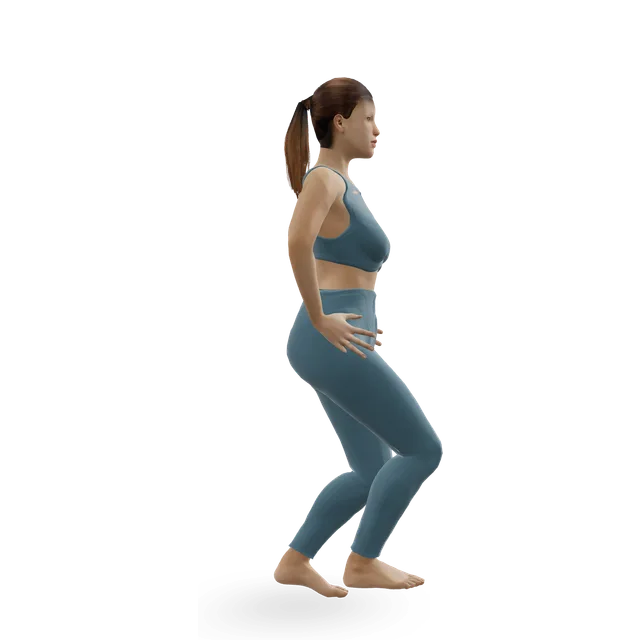
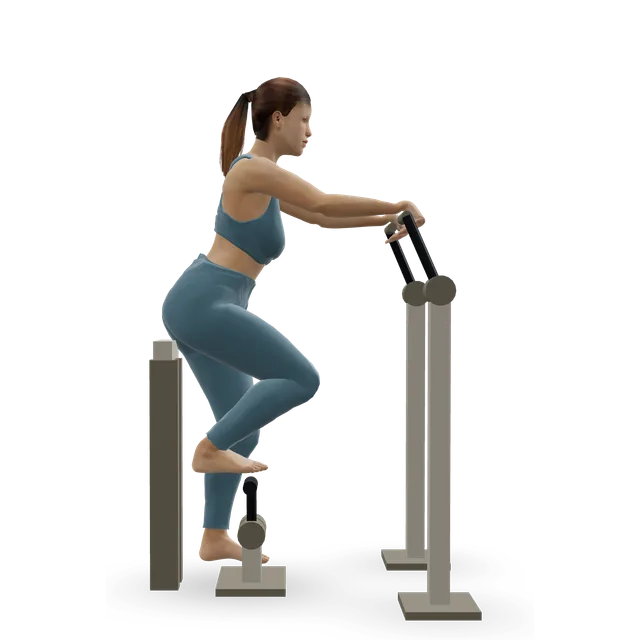
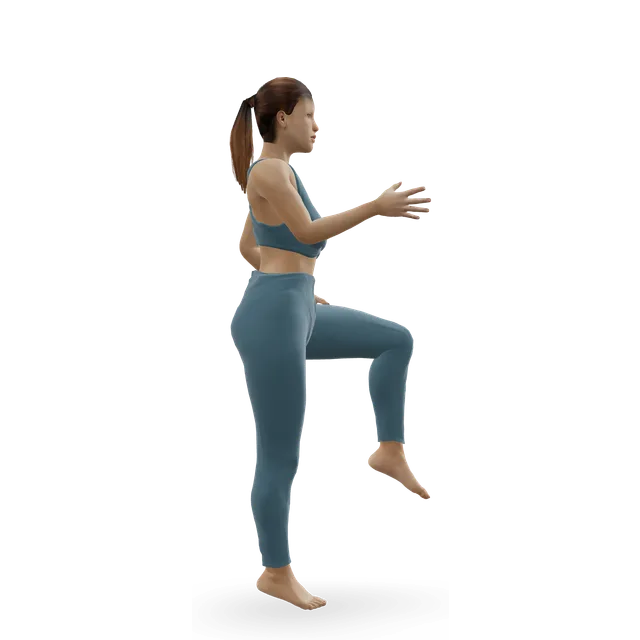
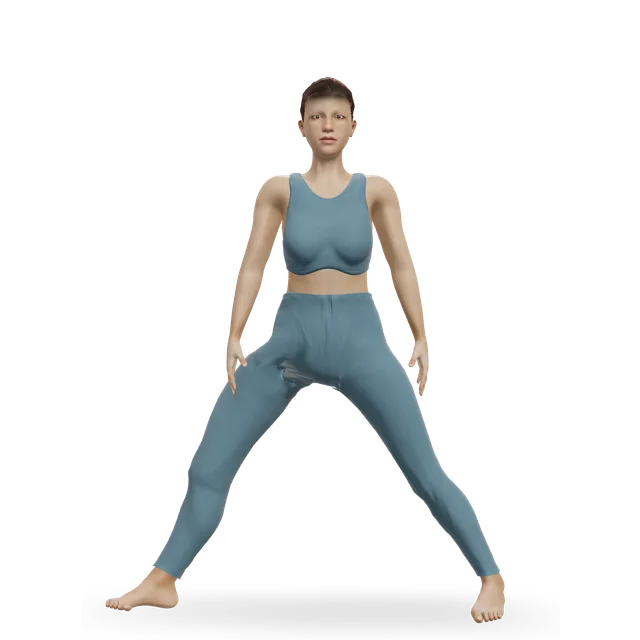
Our asthma warm-up uses these: easy walking and jogging, short hard bursts, then moving stretches (our editorial starting point).

Cardio and intervals

3 to 5 days a week for 30 to 40 minutes, starting moderate (you can talk but not sing), and adding intervals once regular exercise feels comfortable (EAACI's advice).

Strength

2 to 3 days a week, 2 to 4 sets of 8 to 12 repetitions (EAACI's advice). Start with 2 sets, and breathe out on the effort.

Breathing exercises

What they help

Breathing exercise programmes, taught by a physiotherapist or by DVD or video, can improve symptoms and quality of life, and UK guidance says they can be offered to adults alongside medicines. Programmes with more than 5 hours of training were more likely to work.

Sources 21, 22, 23

What they don't do

They don't improve lung function or prevent attacks, so they don't replace your inhalers. In an attack, use your reliever and follow the steps below.

Sources 2, 21, 5

Where to learn

Ask your GP or asthma nurse about a physiotherapy breathing programme; in a UK trial, a DVD and booklet version worked as well as face-to-face sessions. Our slow breathing move, gentle breathing with no holds, is a reasonable way to practise at home, but it isn't a full programme. Skip breath-hold techniques when you have symptoms (our suggestion).

Sources 23, 22

Workouts to follow

Use the asthma warm-up before any session that brings on symptoms. The runners' warm-up has no hard bursts, so add them if exercise sets you off. The cardio workouts run from easy walking to intervals, and the home workout covers strength.

Asthma attack and warning signs

In an asthma attack

Sit up straight and try to stay calm. Then:

  • With a blue reliever inhaler: take 1 puff every 30 to 60 seconds until you feel better, up to a maximum of 10 puffs. Shake the inhaler between puffs, and use a spacer if you have one.
  • With an AIR or MART inhaler (used for both preventing and treating symptoms): take 1 puff every 1 to 3 minutes until you feel better, up to a maximum of 6 puffs.
  • If your asthma action plan gives a different maximum dose for an attack, follow your plan.

Source 5

Call 999

Call 999 (911 in the US) if you or someone else is having an asthma attack and:

  • You start to feel worse at any time.
  • You don't feel better after the maximum dose of your reliever.
  • You don't have your inhaler.

Sources 5, 27

While you wait

If you're no better after 10 minutes and the ambulance hasn't arrived, use your inhaler again, up to the same maximum dose. If you're still no better and it still hasn't arrived, call 999 again straight away. Don't drive yourself to A&E.

Sources 5, 27

Signs it's an attack

  • Your symptoms are getting worse quickly.
  • Your reliever isn't helping as much as usual, or you need it more often.
  • You find it hard to walk or talk.
  • Your peak flow is much lower than usual.

Source 27

After an attack

See a GP within 2 days, even if you feel better. Asthma + Lung UK suggests a same-day appointment if you managed the attack yourself. Don't exercise again until your symptoms and breathing have recovered.

Sources 5, 27, 3

During exercise

Carry your reliever every time. Stop the session if symptoms don't settle, and call 999 if your breathing doesn't go back to normal after exercise.

Sources 4, 3, 28

See your GP or asthma nurse if

  • Your treatment isn't helping, or you're using your reliever more often.
  • Symptoms stop you doing your usual activities or wake you at night.
  • Exercise brings on coughing, wheezing or a tight chest, or you need extra reliever around exercise.
  • You only get symptoms when you swim.
  • Your reliever doesn't help, the noise is on the breath in, or your throat feels tight.

Sources 5, 4, 13

Myths

"People with asthma should avoid exercise"Strong evidence

Training is safe for people with stable asthma, and no trial reported asthma getting worse. GINA and EAACI recommend regular exercise. People with asthma tend to be less active, often from fear of symptoms.

Sources 1, 2, 3

"Needing my blue inhaler before every session is normal"Strong evidence

For most people, symptoms with exercise mean asthma isn't as well controlled as it could be. Using a blue reliever regularly makes it work less well and makes EIB worse, and the UK medicines regulator has warned about overuse. Get a review.

Sources 4, 2, 22

"Wheezing when I exercise means I have asthma"Strong evidence

EIB can happen without asthma, and being unfit, carrying extra weight and ILO can all cause breathlessness with exercise. See a GP for a proper diagnosis.

Sources 10, 4, 13, 2

"Swimming is the best exercise for asthma"Emerging evidence

It's well tolerated and helped fitness and lung function in children and teenagers, but it hasn't been shown to beat other activities, and chlorine can be a trigger. GINA finds no type of activity proven better than another.

Sources 20, 4, 2

"Breathing exercises can replace your inhaler"Strong evidence

They can improve quality of life and symptoms, but they don't improve lung function or prevent attacks.

Sources 22, 2, 21

"You can exercise asthma away"Strong evidence

Asthma can't currently be cured. Training improves fitness but not lung function, and its benefits fade if you stop.

Sources 5, 1, 3

"A long, gentle warm-up is best for asthma"Emerging evidence

In 7 trials, warm-ups with short high-intensity bursts or varied intensity reduced EIB, while steady low-intensity warm-ups didn't make a significant difference.

Source 6

"Cold weather means no outdoor exercise"Emerging evidence

Breathing through your nose, and a scarf or mask over your nose and mouth, help. Guidance for athletes is to avoid only extreme cold.

Sources 8, 2

Questions people ask

Can you exercise with asthma?

Yes. Exercise training is safe for people with stable asthma and improves fitness, and trials found no worsening of asthma. International guidance encourages regular exercise for everyone with asthma. Carry your reliever, and see your GP or asthma nurse if exercise brings on symptoms.

What is exercise-induced asthma?

It's when exercise makes your airways narrow, causing coughing, wheezing, a tight chest or breathlessness; doctors call it exercise-induced bronchoconstriction (EIB). Symptoms typically get worse after you stop: one review says they usually start within a few minutes, peak at about 10 minutes and ease within about an hour. It's common in people with asthma, and some people get it without having asthma.

Why does exercise trigger my asthma?

When you breathe hard through your mouth, cold, dry air reaches your airways without being warmed and moistened, which can make them tighten. For most people, symptoms with exercise mean their asthma isn't as well controlled as it could be. Pollen, pollution, chlorine and cold weather can add to it.

Should I use my inhaler before exercise?

Follow your asthma action plan. If you have an AIR or MART inhaler, it can also be used before exercise, so ask your GP or asthma nurse whether you should. A blue reliever before exercise prevents symptoms, but needing it often is a sign to get your asthma reviewed, and overusing it carries risks.

What is the best exercise for asthma?

There's no single best one: guidelines find little evidence that any type beats another, so choose what you enjoy. Walking, cycling, swimming and strength training all count, building towards 150 minutes a week. If exercise triggers your symptoms, a warm-up with short bursts can help.

Is swimming good for asthma?

Swimming is well tolerated: in children and teenagers, swimming training raised fitness and lung function without worsening asthma. It hasn't been shown to be better than other exercise, and chlorine in indoor pools can trigger symptoms in some people. If you only get symptoms in the pool, mention it to your GP or nurse.

How should I warm up if I have asthma?

Warm up for 5 to 10 minutes, then add a few short, hard bursts: warm-ups with intervals reduced exercise-induced symptoms in trials, while steady warm-ups didn't make a significant difference. About half of people then get a spell of reduced symptoms. Our 15-minute asthma warm-up follows this pattern, and its timings are our editorial starting point.

Can exercise improve asthma?

It improves fitness, and in adults, regular aerobic training improved asthma control a little, in trials of low quality. It doesn't change lung function or cure asthma, and the benefits fade if you stop. It works alongside your inhalers, not instead of them.

How can I exercise in cold weather with asthma?

Breathe in through your nose rather than your mouth, and loosely wrap a scarf around your nose and mouth or wear a mask. Keep your reliever with you, warm up well, and shorten your time outside if it's very cold or windy. Guidance for athletes is to avoid training in extreme cold.

Is it asthma, or am I just unfit?

Being unfit or carrying extra weight can make anyone breathless with exercise, and that breathlessness eases quickly when you stop. Asthma symptoms typically get worse just after you stop, with wheezing, coughing or a tight chest. A noisy breath in, a tight throat or a hoarse voice that come and go suddenly can be a problem in the voice box instead (inducible laryngeal obstruction), so see your GP if you're not sure.

What should I do if I have an asthma attack while exercising?

Stop, sit up straight and try to stay calm. Use your reliever: with a blue inhaler, 1 puff every 30 to 60 seconds, up to 10 puffs; with an AIR or MART inhaler, 1 puff every 1 to 3 minutes, up to 6. Call 999 if you feel worse at any point, don't feel better after the maximum, or don't have your inhaler, and see a GP within 2 days afterwards.

Do breathing exercises help asthma?

Breathing exercise programmes, such as those taught by physiotherapists or on a DVD, can improve symptoms and quality of life, and UK guidance says they can be offered alongside medicines. They don't improve lung function or prevent attacks, so they don't replace your inhalers.


Sources

  1. Carson 2013 · Physical training for asthma: 21 trials (Cochrane review)
  2. GINA 2026 · Global strategy for asthma management and prevention (Global Initiative for Asthma)
  3. Price 2025 · Exercise recommendations and practical considerations for asthma management (EAACI position paper, Allergy)
  4. Asthma + Lung UK · Exercise, physical activity and asthma
  5. NHS · Asthma (reviewed April 2025)
  6. Stickland 2012 · Warm-up exercise and exercise-induced bronchoconstriction: 7 studies (meta-analysis, Medicine and Science in Sports and Exercise)
  7. Mickleborough 2007 · An interval warm-up compared with salbutamol in 8 athletes with asthma (International Journal of Sports Medicine)
  8. Asthma + Lung UK · Cold weather and your lungs
  9. Asthma + Lung UK · What is asthma?
  10. Parsons 2013 · Exercise-induced bronchoconstriction (American Thoracic Society guideline, AJRCCM)
  11. Weiler 2016 · Exercise-induced bronchoconstriction update (US practice parameter, Journal of Allergy and Clinical Immunology)
  12. Aggarwal 2018 · Exercise-induced bronchoconstriction: prevalence, causes, diagnosis and management (review by drug company authors, NPJ Primary Care Respiratory Medicine)
  13. Hearn 2026 · Diagnosing inducible laryngeal obstruction alongside asthma in adults (algorithm, Allergy)
  14. NICE NG245 · Asthma: diagnosis, monitoring and chronic asthma management (BTS, NICE and SIGN, 2024)
  15. Asthma + Lung UK · Female sex hormones and asthma
  16. National Respiratory Audit Programme 2026 · Room to breathe: COPD and asthma care in England and Wales, 2024 to 2025 (Royal College of Physicians)
  17. Hansen 2020 · Aerobic exercise training in adults with asthma: 11 trials (systematic review and meta-analysis, European Respiratory Journal)
  18. Osadnik 2022 · Pulmonary rehabilitation for adults with asthma (Cochrane review)
  19. Edmunds 1978 · The refractory period after exercise-induced asthma: 9 children (American Review of Respiratory Disease)
  20. Beggs 2013 · Swimming training for asthma in children and teenagers: 8 trials (Cochrane review)
  21. Santino 2020 · Breathing exercises for adults with asthma: 22 trials (Cochrane review)
  22. SIGN 158 · British guideline on the management of asthma (BTS and SIGN, amended May 2025)
  23. Bruton 2018 · Physiotherapy breathing retraining for asthma: the BREATHE trial of 655 adults (RCT, Lancet Respiratory Medicine)
  24. NHS · Beta blockers
  25. NHS · Physical activity guidelines for adults aged 19 to 64
  26. Singh 2026 · British Thoracic Society quality standard for pulmonary rehabilitation (BMJ Open Respiratory Research)
  27. Asthma + Lung UK · Asthma attacks
  28. Asthma + Lung UK · Physical activity and your lungs

Exercise education, not a diagnosis or treatment plan, and clinical review of these guides is pending. Stop and get advice for chest pain, unusual breathlessness, dizziness or fainting, or new pain, and check with your doctor or midwife first if they have told you to limit activity. Health disclaimer.