Training guide

HIIT: what it does, how it compares with steady cardio, and how often to do it

High-intensity interval training (HIIT) means short, hard efforts, where you can say only a few words, with easier recovery between. It improves fitness a little more than steady cardio and takes less time, but it doesn't burn more fat when the work is matched, and its famous afterburn is worth only tens of calories.

It's also safer than its reputation when you build up gradually: it's used in cardiac rehabilitation, and people in their 70s did it for 5 years in a large trial.

This guide sets out what the trials show for fitness, fat loss, enjoyment and safety; how hard, how long and how often to go; who should check with a GP first; and interval moves and follow-along workouts, from a gentle walk to the Norwegian 4x4.

The short version

What HIIT is

Repeated hard efforts, where you can say only a few words, with easier recovery between. There's no agreed definition; sprint interval training is the all-out version, usually 10 to 30-second sprints. The NHS counts HIIT as very vigorous activity.

Sources 1, 2, 3

A little better for fitness

In healthy adults aged 18 to 45, VO2 max (the most oxygen your body can use, in millilitres per kilogram of body weight per minute, mL/kg/min) rose about 1.2 mL/kg/min more with HIIT than with steady cardio, and about 3 more in people with heart and metabolic conditions. Longer intervals, of 2 minutes or more, did best.

Sources 4, 5, 6

About the same for fat loss

Interval and steady training lose about the same fat when the work is matched (high-certainty evidence). HIIT's real advantage is time: it took about 40% less in one analysis.

Sources 7, 8

The afterburn is small

The extra energy you use after a session is about 6 to 15% of the session's own cost: roughly 30 to 70 kcal after HIIT, against roughly 25 to 40 after steady exercise (approximate figures). It isn't a reason to choose HIIT for weight loss.

Sources 9, 10

Safe for most people, built up gradually

In supervised cardiac rehabilitation there was about 1 major heart event per 17,000 HIIT sessions, and people aged 70 to 77 did it for 5 years with no heart events in supervised sessions. If you're inactive and have heart, metabolic or kidney disease, or symptoms when active, check with your GP first.

Sources 11, 12, 13, 14

Once or twice a week suits most people

Trials mostly used 2 or 3 sessions a week, and twice improved fitness about as much as three times in one small trial. Even elite endurance athletes keep only about 1 session in 5 hard. Make the rest of your week steady (our suggestion).

Sources 15, 16

What counts as HIIT

Definitions

Interval training is repeated bouts of hard work with easier recovery between. There's no agreed definition of HIIT, and the US guidelines note there are no accepted lengths for the hard or easy spells, or for how many to do. Leading HIIT researchers propose that, for health, HIIT means bouts above moderate intensity, in the vigorous range, and sprint interval training (SIT) means near-maximal to all-out efforts.

The NHS calls short bursts of maximum effort broken up with rest "very vigorous" activity, also known as HIIT, with examples such as interval running, sprinting up hills, running up stairs and spinning classes. UK guidelines say even short spells of very vigorous activity can meet the weekly target, without setting a number of minutes.

Sources 1, 17, 3, 18

The sessions the evidence is built on

Most trials used one of these:

  • The 4x4, or Norwegian 4x4: four 4-minute efforts reaching 90 to 95% of maximum heart rate, with 3 minutes of active recovery at about 70%. Used 3 times a week in moderately trained men, twice a week for 5 years in people aged 70 to 77, and in heart patients.
  • One-minute intervals: 8 to 12 hard 1-minute efforts with 60 to 75 seconds easy between. Used in active young men, inactive adults and UK cardiac rehabilitation.
  • Sprint intervals: three 20-second all-out sprints on a bike with 2 minutes of easy cycling between, a 10-minute session, 3 times a week, in sedentary men.
  • Stair sprints: three 20-second all-out stair climbs, 3 days a week, in sedentary women.
  • Tabata, the original: 7 or 8 efforts of 20 seconds at about 170% of VO2 max with 10 seconds' rest, on a lab bike, 5 days a week, in 7 people.

Sources 19, 12, 20, 21, 15, 22, 23, 24, 25

How hard it should feel

Vigorous effort is 7 or 8 out of 10, where you can't say more than a few words without pausing for breath. Norway's Olympic scale describes 87 to 92% of maximum heart rate as "a few words or very short sentences" and 92 to 100% as "one or two words at a time while breathing heavily". Heart rate lags behind effort at the start of each bout and is a useful guide only in efforts longer than about 4 minutes; for shorter ones, judge by your breathing.

Sources 14, 3, 17, 26

How intervals work

Breaking hard work into bouts lets you spend more total time near your aerobic limit than one continuous effort would allow. In the 4x4 trial, the gains in VO2 max matched gains in how much blood the heart pumped with each beat, which rose about 10%. Even low-volume HIIT builds mitochondria in muscle, and per hour of exercise, intervals build them faster than steady training.

Sources 1, 19, 21, 27

Who it has been tested in

Healthy young adults, older adults, and people with coronary heart disease, heart failure, high blood pressure, type 2 diabetes and obesity. The US guidelines note that adults with overweight or obesity, and those at higher risk of heart disease and type 2 diabetes, tend to gain more from HIIT than healthy people.

Sources 4, 12, 28, 5, 22, 29, 30, 31, 17

What the evidence says

Fitness and VO2 maxStrong evidence

Against steady training, HIIT raised VO2 max about 1.2 mL/kg/min more in healthy adults aged 18 to 45 (28 trials, a possibly small effect, larger in longer programmes). In people with coronary heart disease, heart failure, high blood pressure, metabolic syndrome or obesity, it gave about 3 mL/kg/min (about 9%) more, almost double the gain (10 studies, 273 patients). In cardiac rehabilitation it gave a small extra gain too (17 trials, 953 people).

Sources 4, 5, 32

Which intervals work bestEmerging evidence

Across 53 randomised trials, only long intervals (2 minutes or more), at least 15 minutes of hard work a session, and programmes of 4 to 12 weeks or more beat steady training; short, low-volume HIIT still clearly beat no exercise. Another analysis also found the largest gains with longer intervals. The 4x4 raised VO2 max by 7.2% in 8 weeks in moderately trained men, more than steady or threshold training of matched work (one trial, 40 men).

Sprint intervals raised VO2 max by about 8% on average, about as much as steady training in far less time, and fewer sprints per session didn't reduce the gain. But all 28 studies comparing sprints with steady training had an unclear risk of bias, so "equal" is uncertain. Outside the lab, in 31 studies, HIIT beat doing nothing by 6.9 mL/kg/min but beat other exercise by only 1.1.

Sources 6, 33, 19, 2, 34, 35, 36

Fat lossStrong evidence

A high-certainty review of randomised trials found a trivial difference in fat lost between interval and steady training when the work was matched. Body-fat percentage fell by about the same with each (36 studies), though intervals took off a little more fat mass (1.58 against 1.13 kg within the groups). In adults with overweight, HIIT got the same result in about 40% less time.

HIIT also reduces belly and deep (visceral) fat compared with before training, but in short trials neither kind of training produced large fat loss: what you eat and your total activity matter most.

Sources 7, 37, 8, 38, 39

The afterburn, sizedStrong evidence

After any session you use extra oxygen for a while (the afterburn, or EPOC: excess post-exercise oxygen consumption). It grows with how hard and how long you exercise, but even after the hardest sessions studied it amounts to about 6 to 15% of the energy cost of the session itself. A long-lasting afterburn needs 50 minutes or more of hard continuous exercise, or 6 minutes or more of work harder than your VO2 max, which most non-athletes can't tolerate. A review called its role in weight loss "generally unfounded".

Across 22 studies, the afterburn averaged roughly 33 kcal after high-intensity intervals against roughly 24 kcal after steady exercise when measured briefly, and roughly 69 against 38 kcal when measured for longer (approximate figures, converted by us from kilojoules). One small study in a whole-room calorimeter found about 190 kcal extra over 14 hours, but that followed 45 minutes of vigorous continuous cycling, not a short HIIT session.

Sources 9, 40, 10, 41

Heart and metabolic healthStrong evidence

Across 270 trials, interval training lowered resting blood pressure by about 4.1/2.5 mmHg, close to steady aerobic training's 4.5/2.5. In people with overweight or obesity, HIIT also improved fasting blood sugar, waist size and body fat. In older adults it lowered blood pressure by about 7/5 mmHg against no exercise, the same as steady training.

Sources 30, 42, 43

Type 2 diabetesMixed evidence

Against steady training, HIIT lowered HbA1c (a measure of average blood sugar) by 0.12 percentage points more in one analysis of 62 trials, and no more in another of 21. In sedentary men, 12 weeks of 10-minute sprint sessions improved insulin sensitivity as much as 50-minute steady rides. Our type 2 diabetes guide covers medicines and safety.

Sources 31, 44, 23

TimeEmerging evidence

In 25 sedentary men, a 10-minute session with three 20-second all-out sprints, 3 times a week for 12 weeks, improved fitness (by 19%), insulin sensitivity and muscle mitochondria as much as 50-minute steady rides: a fifth of the time. Reviews find low-volume HIIT can match steady training with far less exercise.

Sources 23, 45

A little vigorous activity goes a long wayEmerging evidence

In 71,893 adults wearing activity trackers, 15 to 20 minutes of vigorous activity a week was linked with a 16 to 40% lower risk of death. In people who didn't exercise, three 1 to 2-minute bursts of vigorous activity during daily life were linked with a 38 to 40% lower risk. These are observational links, not proof.

Sources 46, 47

Enjoyment and sticking with itEmerging evidence

HIIT feels less pleasant than moderate exercise while you're doing it, but people often rate it as more enjoyable afterwards (33 studies). Other pooled analyses found a small enjoyment edge for HIIT, though results varied a lot, and in one lab study 11 of 12 people preferred it. In supervised programmes, attendance was about the same for HIIT and steady training: 89% against 93% across 188 studies.

Done alone, it tends to fade. In a 12-month real-world trial, 104 of 250 adults with overweight chose HIIT, and the share of them doing it regularly fell from 61% to 20%. In Generation 100, about half kept to HIIT over 5 years, against about half to two-thirds for steady training.

Sources 48, 49, 50, 51, 52, 53, 12

Muscle and strengthMixed evidence

HIIT is no substitute for strength training: pooled trials found no clear gain in muscle over steady cardio, and strength training built leg strength better (low-certainty evidence). The two combine well: adding HIIT to strength training didn't reduce muscle growth or upper-body strength, though lower-body strength gains were slightly smaller, more so with cycling intervals.

Sources 54, 55

Older adultsEmerging evidence

In 44 trials of 1,863 people aged 60 to 81, HIIT improved fitness, resting heart rate, blood pressure, body fat, strength and balance against no exercise, and fitness slightly more than other exercise. Against steady training, effects were mostly similar.

In Generation 100, 400 people aged 70 to 77 were assigned to HIIT twice a week for 5 years: there were no heart events during supervised sessions, and 3 people across the trial (1 in the HIIT group) broke a bone slipping on outdoor surfaces. The NHS guidelines for older adults include 75 minutes of vigorous activity a week as an option for those already active.

Sources 28, 56, 12, 57

Heart disease and cardiac rehabilitationEmerging evidence

In supervised cardiac rehabilitation, HIIT had about 1 major heart event per 17,083 sessions (23 studies, 1,117 patients). In Norway, 4,846 heart patients had 1 cardiac arrest per 23,182 hours of high-intensity training and 1 per 129,456 hours of moderate training, with no heart attacks. In the UK HIIT or MISS UK trial of 382 people with coronary heart disease, ten 1-minute intervals twice a week improved fitness more than steady training, with one serious adverse event possibly linked to it.

It isn't better for everyone. In heart failure, the SMARTEX trial of 261 patients found HIIT no better than moderate training, and half exercised below their target; in another trial, HIIT's head start in fitness was gone by 12 months. UK cardiac rehabilitation has traditionally used moderate training, and guidance on offering HIIT is new. If you have heart disease, do intervals within cardiac rehabilitation or with your cardiac team's agreement.

Sources 11, 58, 22, 29, 20, 59

InjuriesMixed evidence

US emergency departments saw an estimated 4 million injuries linked with HIIT-style exercises and equipment from 2007 to 2016, rising as HIIT grew popular, but with no count of how many people took part, the risk per session is unknown. Rarer is rhabdomyolysis, a breakdown of muscle that can harm the kidneys: 97 cases have been reported after indoor cycling classes, mostly in healthy women at their first class, and 7% developed kidney injury.

Sources 60, 61, 62

How hard, how long and how often

Starting points, not prescriptions. Each names its trial or guideline, or says it's our suggestion.

How hard

Hard means 7 or 8 out of 10, where you can say only a few words (the World Health Organization, or WHO, and the NHS). In trials of 1 to 4-minute intervals, heart rate reached about 85 to 95% of maximum by the end of each effort. Sprint intervals are all-out. Start firm rather than flat out, so the last effort is as good as the first (our suggestion).

Sources 14, 3, 19, 12, 22, 1

How long

From 10 minutes in all, with 1 minute of all-out sprints (the 12-week sprint trial), to about 40 minutes for the 4x4 with its warm-up (Helgerud 2007; Generation 100). The biggest fitness gains over steady cardio came with at least 15 minutes of hard work a session.

Sources 23, 19, 12, 6

How often

Most trials used 2 or 3 sessions a week. Over 8 weeks, twice a week raised fitness about as much as three times (10.8% against 13.6%), though only three times also reduced body fat and cholesterol (one small trial). More sessions bring bigger gains overall, but in one small study a week of very high interval load impaired mitochondrial function and blood sugar control.

Our editorial suggestion: 1 or 2 HIIT sessions a week for most people, up to 3, with an easier day between, and the rest of your weekly minutes steady.

Sources 15, 19, 12, 27, 63

Building up

WHO: start small, and build up how often, how hard and how long gradually. Our editorial approach: get used to regular moderate activity first, start with 2 or 3 short efforts that are firm rather than flat out, and add efforts before you add intensity. Most of the reported cases of rhabdomyolysis after spin classes happened at people's first class.

Sources 14, 61

Warm-up and cool-down

Trials used warm-ups of 2 to 10 minutes, building from easy to moderate, and easy cool-downs of about 3 minutes. After the last effort, a few easy minutes let your breathing settle; stretches afterwards are optional, for comfort. Our warm-up guide has the evidence.

Sources 23, 12

HIIT and lifting in the same week

Adding HIIT to strength training doesn't cost you muscle. If leg strength or power is your priority, keep hard intervals away from heavy leg days, or at least 3 hours apart (the advice in our plans); running intervals may interfere less than cycling ones.

Source 55

Pregnancy, blood pressure and other situations

In pregnancy, the NHS advises against starting a new vigorous activity; if you already did HIIT, our pregnancy guide covers how to adapt it. With high blood pressure, interval training lowers it about as much as steady exercise, but keep to moderate effort until your blood pressure is controlled; our blood pressure guide has the detail. Our menopause and PCOS guides cover HIIT in those situations, and if you leak when you jump, use the no-jump swaps below and see our pelvic floor guide.

Sources 64, 65, 30

Intervals on a machine (start here)

Start on a bike, air bike, rower or elliptical: our cardio intervals workout uses 60 seconds hard and 120 seconds easy, building from 4 to 8 rounds over the weeks.

Running and climbing intervals

Be able to run comfortably for 30 minutes before you sprint (our suggestion); stair climbs and hill sprints are gentler ways into speed than flat sprints, and shuttle runs add turning.

HIIT at home

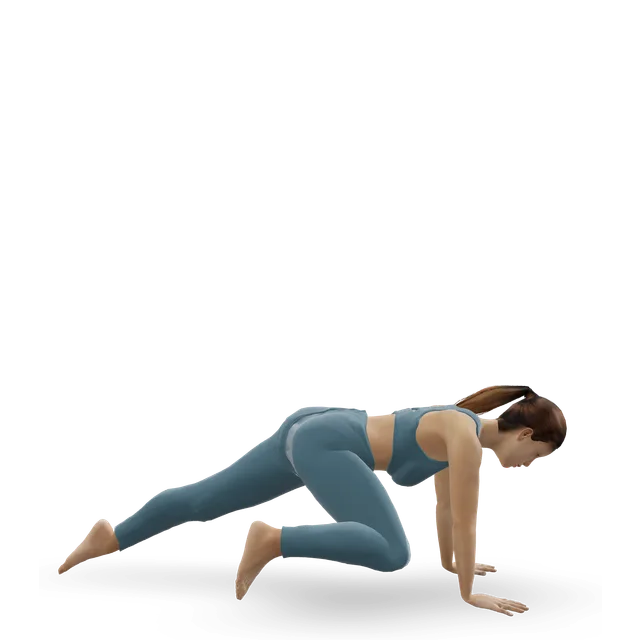
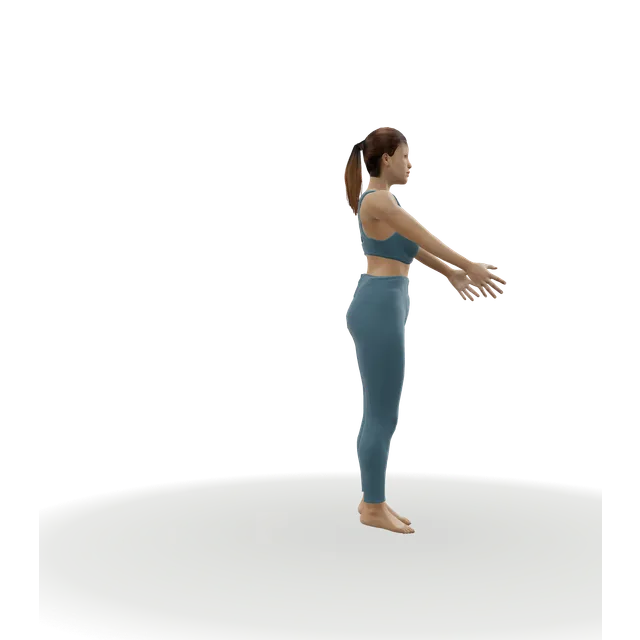
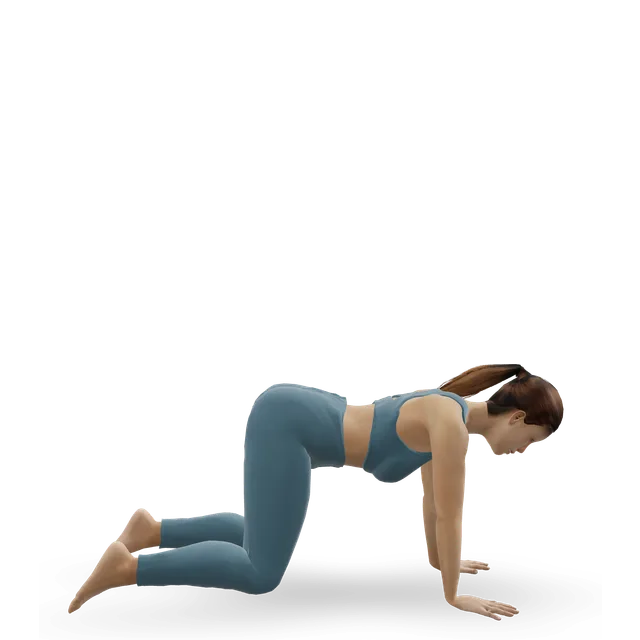
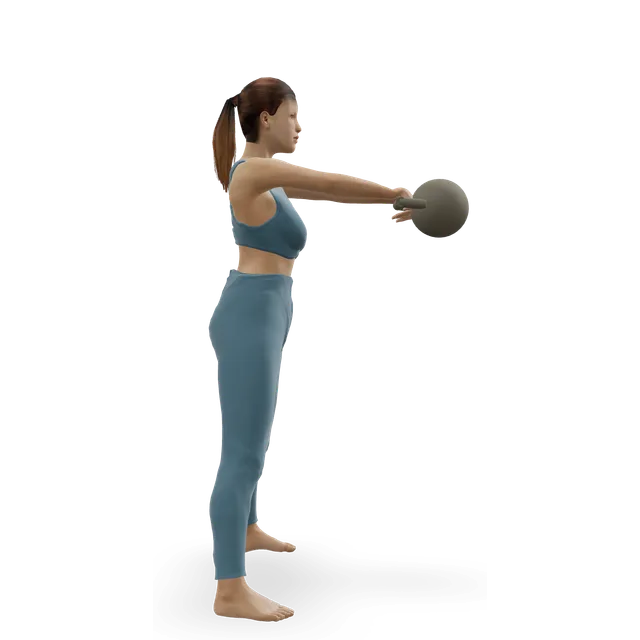
40 seconds on and 20 off, 2 to 3 rounds, as in our HIIT workout at home: land softly, stop each move when your form slips, and learn the hip hinge before kettlebell swings.

No-jump swaps

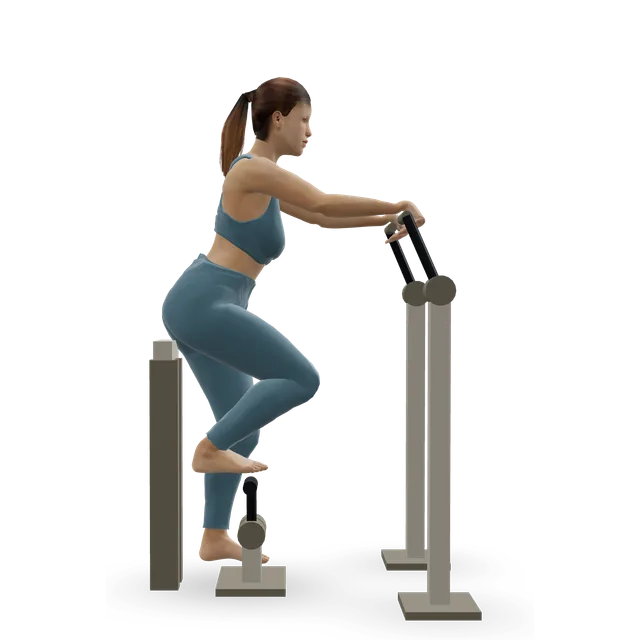
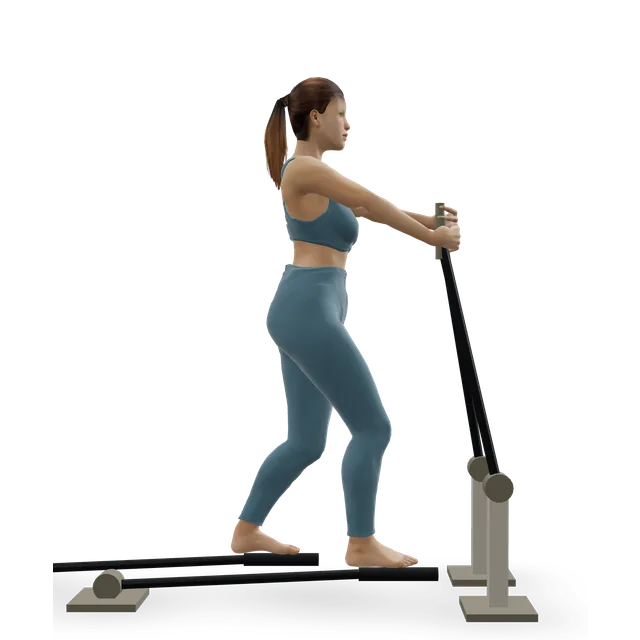
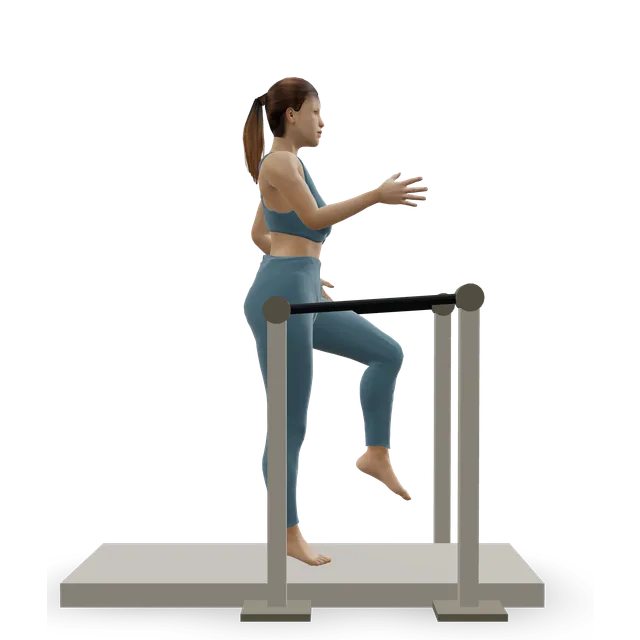
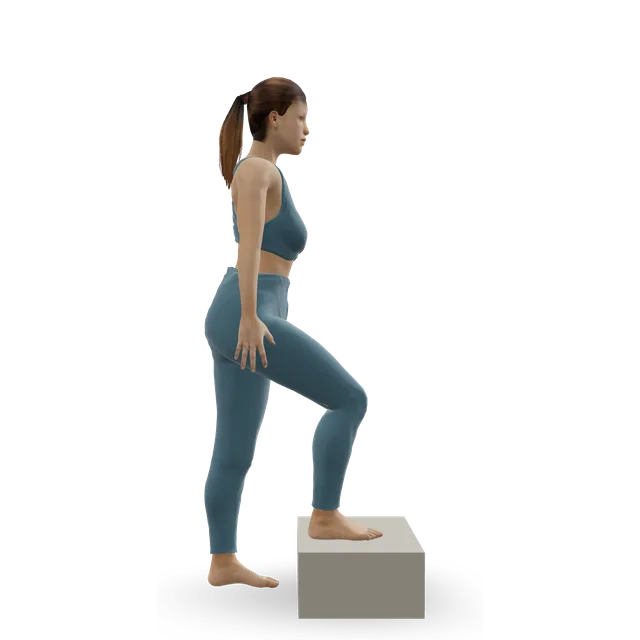
Use these, with the same timings, if you have knee or foot pain, a higher body weight, leak when you jump, or are new to exercise.

Workouts to follow

New to hard effort? Start with the build-up interval walk or the bike intervals, and keep the jumping workout for when you're used to them. The Norwegian 4x4 is the long-interval session from the trials.

Plans with an interval day

Each has one optional interval day a week, on Saturday, alongside strength training and steady cardio; the Norwegian 4x4 works for that day too (our suggestion).

Who should check first, and when to stop

Check with a GP before you start

Hard exercise is safe for most people, but the risk of a heart problem during activity is highest when an inactive adult suddenly does vigorous exercise. Talk to your GP before HIIT if:

  • You haven't exercised for some time, or have a medical condition or concerns (the NHS advice before any new exercise).
  • You're inactive and have heart, metabolic or kidney disease, such as diabetes, or you get chest discomfort, unusual breathlessness, dizziness or fainting when active.
  • Your blood pressure is high and not yet controlled: keep to moderate effort until it is. European guidance lists resting readings above 200/110 as a reason to hold off until you've had medical advice.
  • You've had a heart attack, or have coronary heart disease or heart failure: do intervals within cardiac rehabilitation or with your cardiac team's agreement.

Sources 3, 13, 17, 65, 22

Already active? You can usually build up

If you already do moderate activity regularly and have no symptoms, WHO says you can build up gradually to vigorous activity without seeing a doctor first; see one if new symptoms appear. On a beta blocker, go by how hard it feels, not your heart rate.

Sources 14, 66, 67

Call 999 now (911 in the US)

Stop and call 999 (don't drive yourself to A&E) for:

  • Chest pain that feels tight or like squeezing, or spreads to your arms, neck, jaw or back.
  • Sudden chest pain that doesn't go away, or chest pain with sweating, feeling sick, light-headedness or breathlessness.
  • Severe difficulty breathing: gasping, choking or not able to get words out, or lips or skin turning pale, blue or grey.
  • Someone who faints while exercising, or who has fainted and can't be woken within a minute, has chest pain or a pounding, fluttering or irregular heartbeat, or hasn't fully recovered.
  • Palpitations that don't go away, or come with chest pain, breathlessness, or feeling faint or fainting.

Sources 68, 69, 70, 71, 72

Call NHS 111 (in the US, your doctor or urgent care)

Get advice the same day for:

  • Being suddenly more short of breath than usual, or chest pain with feeling sick, or with a heartbeat that feels racing, too slow, skipping or fluttering.
  • Palpitations with chest pain, breathlessness or fainting that have now stopped: ask your GP surgery for an urgent appointment, or contact 111.
  • In the days after a hard session, especially a first spin or HIIT class: dark, red or cola-coloured urine, passing less urine than usual, or muscle pain, tenderness, stiffness or weakness far worse than normal soreness. These can be signs of rhabdomyolysis; in reported cases after spin classes, symptoms appeared about 3 days later.

Sources 68, 72, 62, 61

See a GP

  • Chest pain that comes and goes, or went away quickly but you're still worried.
  • Palpitations that keep coming back, are happening more often or last more than a few minutes, or any palpitations if you have a heart condition or a family history of heart problems.
  • Breathlessness that gets worse during normal activities or when you lie down, or comes with swollen ankles.
  • A faint at any time other than during exercise (fainting during exercise needs 999).

Sources 69, 72, 70, 71

Myths

"HIIT burns fat for hours afterwards"Strong evidence

The afterburn is about 6 to 15% of the session's own cost: roughly 30 to 70 kcal after HIIT against roughly 25 to 40 after steady exercise (approximate figures). The one study that found a much bigger afterburn followed 45 minutes of vigorous continuous cycling, not a short HIIT session.

Sources 9, 10, 41

"HIIT is better than cardio for fat loss"Strong evidence

About the same when the work is matched (high-certainty evidence). Its advantage is time.

Sources 7, 8

"HIIT is dangerous for older people and heart patients"Emerging evidence

In supervised cardiac rehabilitation, major heart events were rare, about 1 per 17,000 sessions, and 400 people aged 70 to 77 were assigned to HIIT for 5 years with no heart events in supervised sessions. The caveats are real: build up gradually, and with heart disease do it within rehabilitation.

Sources 11, 12, 22

"More HIIT is better"Emerging evidence

Twice a week improved fitness about as much as three times in one trial, and a very high interval load impaired mitochondrial function and blood sugar control in a small study.

Sources 15, 63

"Tabata is any circuit of 20 seconds on, 10 seconds off"Emerging evidence

The original was 7 or 8 cycle efforts at about 170% of VO2 max, 5 days a week for 6 weeks, in 7 people, and it raised VO2 max by about 7 mL/kg/min. A 20/10 bodyweight circuit borrows the timing, not the intensity (our reading).

Source 25

"HIIT builds muscle like weights"Mixed evidence

Pooled trials found no clear gain in muscle over steady cardio, and strength training built strength better (low-certainty evidence). Do both.

Source 54

"HIIT will ruin your strength gains"Emerging evidence

Adding HIIT to strength training didn't reduce muscle growth or upper-body strength; lower-body strength gains were slightly smaller. Keep hard intervals away from heavy leg days if that matters to you.

Source 55

"You must see a doctor before any HIIT"Strong evidence

WHO says people already doing moderate activity can build up to vigorous activity without consulting a doctor. Check first if you're inactive and have heart, metabolic or kidney disease, symptoms when active, or blood pressure that isn't controlled.

Sources 14, 13, 65

"HIIT raises cortisol and causes belly fat"Emerging evidence

Interval training reduces total, belly and deep (visceral) fat in trials (39 studies). Our menopause guide looks at the cortisol claim in detail.

Source 39

Questions people ask

What is HIIT?

High-intensity interval training: short bouts of hard effort, where you can say only a few words, with easier recovery between, repeated several times. There's no single definition, and sessions range from ten 1-minute efforts to four 4-minute efforts; sprint interval training uses short all-out sprints. The NHS counts it as very vigorous activity.

Is HIIT better than steady-state cardio?

For fitness, slightly: HIIT raised VO2 max about 1.2 mL/kg/min more than steady training in healthy adults, and more in people with heart and metabolic conditions. For fat loss, they're about equal when the work is matched. HIIT saves time and steady cardio is easier to do a lot of, so most people benefit from both.

Is HIIT good for fat loss?

It works, but no better than steady cardio when the work is matched, and the fat lost in short trials was modest either way. HIIT took about 40% less time in one analysis. What you eat and your total activity matter most.

Does HIIT burn calories for hours afterwards?

A little. The afterburn is about 6 to 15% of the energy used in the session: roughly 30 to 70 kcal after HIIT, against roughly 25 to 40 after steady exercise. The energy you burn during the workout matters much more.

How many times a week should I do HIIT?

Most trials used 2 or 3 sessions a week, and in one trial twice a week improved fitness about as much as three times. More isn't always better: in a small study, a very high interval load impaired blood sugar control. One or two sessions a week, with easier days between, suits most people (our suggestion).

How long should a HIIT workout be?

Anything from 10 minutes, including 1 minute of all-out sprints, to about 40 minutes for the 4x4 with its warm-up and cool-down. The biggest fitness gains over steady cardio came with intervals of 2 minutes or longer and at least 15 minutes of hard work a session.

Is HIIT good for your heart? Is it safe?

For most people, yes, if you build up gradually: it improves fitness and lowers blood pressure about as much as steady exercise. It's used in cardiac rehabilitation, where serious heart events were rare, about 1 in every 17,000 sessions. If you're inactive and have heart, metabolic or kidney disease, or symptoms when you're active, talk to your GP first.

Is HIIT safe over 50 or 60?

For most people, yes, built up gradually. In the Generation 100 trial, people aged 70 to 77 were assigned to twice-weekly 4x4 sessions for 5 years with no heart events during supervised sessions, and HIIT improves fitness, blood pressure and balance in adults over 60. The NHS guidelines for older adults include vigorous activity as an option for those already active.

Can I do HIIT with high blood pressure?

If your blood pressure is controlled, interval training lowers it about as much as steady exercise. If it isn't controlled yet, European guidance says to use high-intensity exercise with caution, so keep to moderate effort until it is. Our blood pressure guide has the detail.

Can HIIT build muscle?

Not much: pooled trials found no clear gain in muscle over steady cardio, and strength training builds strength better. HIIT and lifting combine well: muscle growth wasn't reduced, though leg strength gains were slightly smaller.

What is the Norwegian 4x4?

Four 4-minute hard efforts, reaching about 90 to 95% of maximum heart rate by the end of each, with 3 minutes of easy recovery between. In a classic trial it raised VO2 max more than steady training of the same total work, and it's the session used in the 5-year Generation 100 trial. Our Norwegian 4x4 workout times it for you.

What's the difference between HIIT, sprint intervals and Tabata?

HIIT means hard intervals, usually 1 to 4 minutes long, above moderate effort. Sprint interval training uses short all-out sprints of 10 to 30 seconds with long recoveries. Tabata was a specific protocol of 20-second cycle efforts at about 170% of VO2 max with 10 seconds' rest; most 20/10 circuits borrow only the timing.

Sources

  1. Coates 2023 · A perspective on high-intensity interval training for performance and health (Sports Medicine)
  2. Gist 2014 · Sprint interval training and aerobic capacity (systematic review and meta-analysis, Sports Medicine)
  3. NHS · Physical activity guidelines for adults aged 19 to 64
  4. Milanović 2015 · HIIT vs continuous endurance training for VO2 max: 28 controlled trials (meta-analysis, Sports Medicine)
  5. Weston 2014 · HIIT in lifestyle-related heart and metabolic disease: 10 studies (meta-analysis, BJSM)
  6. Wen 2019 · Which HIIT protocols raise VO2 max most: 53 randomised trials (meta-analysis, J Sci Med Sport)
  7. Steele 2021 · Slow and steady, or hard and fast? Body composition with interval vs continuous training (systematic review and meta-analysis, Sports)
  8. Wewege 2017 · HIIT vs moderate continuous training and body composition in adults with overweight: 13 trials (meta-analysis, Obesity Reviews)
  9. LaForgia 2006 · Exercise intensity, duration and the afterburn (review, J Sports Sci)
  10. Panissa 2021 · The afterburn after high-intensity interval and steady exercise: 22 studies (systematic review, Obesity Reviews)
  11. Wewege 2018 · Is HIIT safe for people with heart disease? 23 studies (systematic review, JAHA)
  12. Stensvold 2020 · Five years of exercise training and death rates in 1,567 adults aged 70 to 77: Generation 100 (RCT, BMJ)
  13. Riebe 2015 · Updating ACSM's recommendations for exercise preparticipation health screening (MSSE)
  14. Bull 2020 · World Health Organization 2020 guidelines on physical activity and sedentary behaviour (BJSM)
  15. Stavrinou 2018 · HIIT twice or three times a week in 35 inactive adults (RCT, Int J Sports Med)
  16. Seiler 2010 · Best practice for training intensity and duration distribution in endurance athletes (review, IJSPP)
  17. US Department of Health and Human Services 2018 · Physical Activity Guidelines for Americans, 2nd edition
  18. UK Chief Medical Officers 2019 · Physical activity guidelines (updated July 2026, GOV.UK)
  19. Helgerud 2007 · The 4x4: aerobic high-intensity intervals vs moderate training in 40 men (RCT, MSSE)
  20. Taylor 2020 · HIIT in cardiac rehabilitation: the FITR Heart trial in 93 patients (RCT, JAMA Cardiology)
  21. Little 2010 · Low-volume HIIT builds mitochondria in muscle (study, Journal of Physiology)
  22. McGregor 2023 · HIIT in cardiac rehabilitation: the HIIT or MISS UK trial in 382 people (RCT, Eur J Prev Cardiol)
  23. Gillen 2016 · 12 weeks of 10-minute sprint sessions vs 50-minute endurance sessions in 25 sedentary men (RCT, PLoS One)
  24. Allison 2017 · Brief intense stair climbing and fitness in sedentary women (trial, MSSE)
  25. Tabata 1996 · The original Tabata protocol: 20-second efforts with 10 seconds' rest in 7 people (study, MSSE)
  26. Olympiatoppen 2024 · Intensity scale, version 2 (Norwegian Olympic and Paralympic Committee)
  27. Mølmen 2025 · Exercise training and mitochondrial and capillary growth in muscle: 353 studies (systematic review and meta-regression, Sports Medicine)
  28. Liang 2024 · HIIT and fitness and health in older adults: 44 trials (systematic review and meta-analysis, Sports Medicine Open)
  29. Ellingsen 2017 · HIIT in heart failure with reduced ejection fraction: the SMARTEX trial in 261 patients (RCT, Circulation)
  30. Edwards 2023 · Exercise training and resting blood pressure: 270 randomised trials (network meta-analysis, BJSM)
  31. Vieira 2026 · HIIT for fitness and blood sugar in type 2 diabetes: 62 trials (systematic review and meta-analysis, Clinical Rehabilitation)
  32. Hannan 2018 · HIIT vs moderate training in cardiac rehabilitation: 17 trials (systematic review and meta-analysis, Open Access J Sports Med)
  33. Bacon 2013 · VO2 max trainability and HIIT (meta-analysis, PLoS One)
  34. Vollaard 2017 · How many sprints a session? Sprint interval training and VO2 max (meta-analysis, MSSE)
  35. Bonafiglia 2022 · Risk of bias in 28 studies comparing sprint interval and continuous training (systematic review, J Sport Health Sci)
  36. Stefanovic 2026 · HIIT in real-world settings: 31 studies (systematic review and meta-analysis, Sports)
  37. Viana 2019 · Is interval training the magic bullet for fat loss? 36 studies (systematic review and meta-analysis, BJSM)
  38. Keating 2017 · Interval vs moderate continuous training and body fat: 31 studies (meta-analysis, Obesity Reviews)
  39. Maillard 2018 · HIIT and total, abdominal and visceral fat: 39 studies (meta-analysis, Sports Medicine)
  40. Børsheim 2003 · Exercise intensity, duration and mode and the afterburn (review, Sports Medicine)
  41. Knab 2011 · A 45-minute vigorous bout raised metabolic rate for 14 hours in 10 men (study, MSSE)
  42. Batacan 2017 · HIIT and heart and metabolic health (systematic review and meta-analysis, BJSM)
  43. Carpes 2022 · HIIT lowers blood pressure in older adults (systematic review and meta-analysis, Experimental Gerontology)
  44. Zeng 2026 · HIIT vs moderate continuous training in type 2 diabetes: 21 trials (meta-analysis, Frontiers in Endocrinology)
  45. Gibala 2012 · Physiological adaptations to low-volume HIIT in health and disease (review, Journal of Physiology)
  46. Ahmadi 2022 · How little vigorous activity is enough? 71,893 adults with wrist accelerometers (cohort, European Heart Journal)
  47. Stamatakis 2022 · Short bursts of vigorous everyday activity and death rates in non-exercisers (cohort, Nature Medicine)
  48. Niven 2021 · How HIIT feels compared with continuous exercise: 33 studies (systematic review and meta-analysis, Health Psychology Review)
  49. Oliveira 2018 · Pleasure and enjoyment with interval and continuous training (systematic review and meta-analysis, PLoS One)
  50. Lu 2026 · Features of HIIT linked with enjoyment (systematic review and meta-analysis, Psychology of Sport and Exercise)
  51. Thum 2017 · HIIT was enjoyed more than moderate continuous exercise (study, PLoS One)
  52. Santos 2023 · Compliance and adherence to HIIT: 188 studies (systematic review and meta-analyses, IJBNPA)
  53. Roy 2018 · HIIT in the real world: 12 months in 250 adults with overweight (RCT, MSSE)
  54. Wiens 2025 · Does HIIT increase muscle strength, mass and endurance? (systematic review and meta-analysis, Sports)
  55. Sabag 2018 · Combining HIIT and resistance training: strength and muscle growth (systematic review and meta-analysis, J Sports Sci)
  56. Oliveira 2024 · HIIT vs continuous moderate training in older adults (systematic review and meta-analysis, Arch Gerontol Geriatr)
  57. NHS · Physical activity guidelines for older adults
  58. Rognmo 2012 · Cardiac risk of high vs moderate intensity exercise in 4,846 heart patients in rehabilitation (cohort, Circulation)
  59. Ingle 2025 · Practitioner guidance for low-volume HIIT in coronary artery disease (Physiotherapy)
  60. Rynecki 2019 · Injuries from HIIT-type exercise in US emergency departments, 2007 to 2016 (surveillance study, J Sports Med Phys Fitness)
  61. Masuda 2023 · Rhabdomyolysis after indoor cycling classes: 97 reported cases (systematic review, Physician and Sportsmedicine)
  62. MedlinePlus (US National Library of Medicine) · Rhabdomyolysis
  63. Flockhart 2021 · Excessive interval training, mitochondrial function and glucose tolerance in healthy volunteers (study, Cell Metabolism)
  64. NHS · Exercise in pregnancy
  65. McEvoy 2024 · ESC Guidelines for the management of elevated blood pressure and hypertension (European Heart Journal)
  66. NHS · Beta blockers
  67. Godlasky 2018 · Beta blockers and maximal heart rate equations in heart patients (study, J Cardiopulm Rehabil Prev)
  68. NHS · Heart attack
  69. NHS · Chest pain
  70. NHS · Shortness of breath
  71. NHS · Fainting
  72. NHS · Heart palpitations

Exercise education, not a personal prescription, and clinical review of these guides is pending. Check with a GP before starting hard training if you have a heart condition, chest pain, dizziness or breathlessness when active, and stop for sharp or increasing pain. Health disclaimer.