Burpee
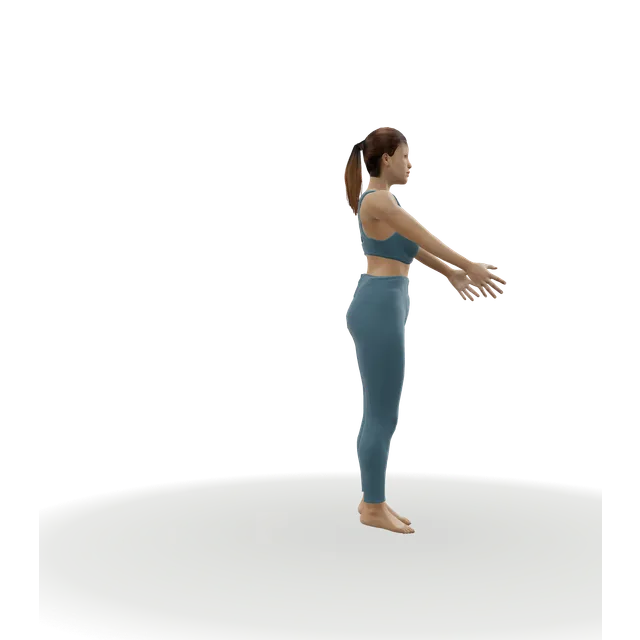
From standing, the hands drop to the floor, the feet jump back to a plank and in again, and the body springs up into a jump: the most demanding of the three intervals.
Bodyweight conditioning family
Burpee
Loading the 3D figure…
Source-researched guide.
How to move
- Squat and place the hands on the floor.
- Jump the feet back to a plank, then back in under the hips.
- Spring up into a jump with the arms overhead, landing softly.
Form cues
- Step the feet back and in to make it easier.
- Keep the back flat in the plank.
Practice and cautions
No universal dose is assigned. Choose a manageable amount for your current capacity, leave room for controlled repetitions, and allow recovery. A clinician’s individual plan takes priority.
Form decays fast under fatigue: a sagging trunk in the push up phase and a rounded back on the way up load the spine, and the jump adds impact when you are most tired. Scale the drop and the jump if wrists, shoulders or knees are irritable. In pregnancy, don't start new jumping or impact work; if you already do it, drop it when it causes leaking, heaviness or pelvic pain. With proliferative or severe non-proliferative diabetic retinopathy, avoid jumping and jarring. With numb feet from diabetes or another cause, choose low-impact options, wear well-fitting shoes, and check your feet for redness or blisters afterwards; with an open sore or ulcer, do no weight-bearing exercise until your foot team says so. If a racing heart or fast breathing tends to set off panic, build up over several sessions: these feelings are normal with hard effort and settle as you recover. Chest pain, fainting or palpitations that don't settle need urgent help. This is movement education, not an assessment or treatment prescription. Stop for sharp or increasing pain, dizziness, numbness or tingling; seek individual guidance for symptoms, injury or restrictions.
Sources and review status
Sources support the educational description; they do not establish that this exercise is suitable for you.
No variation is labeled clinically validated.
What it works
Muscles
Main: Quads, Chest. Also: Shoulders, Abs, Calves.
Anatomy: Sartorius, Quadriceps, Rectus femoris, Vastus medialis, Vastus lateralis, Pectoralis major.
Equipment
None: body weight and floor space.
Level
Advanced. See the easier and harder options above.
Workouts that use it
- HIIT workout at home · 20 min
- Tabata-style workout: 20 seconds on, 10 off · 22 min
- Hyrox compromised running workout: runs and stations · 60 min
- CrossFit-style workout for beginners: learn the lifts, then a short scaled workout · 45 min
- Surf warm-up: mobility, hops, jumps and pop-ups before you paddle out · 15 min
- Strength workout for surfers: pull-ups, dips, pop-up power, shoulders and landings · 50 min
- Obstacle race strength workout: pull-ups, hangs, carries, crawls and burpees · 50 min
- Obstacle race conditioning workout: hill repeats, carries, crawls and landings · 50 min
Pain guides that use it
Part of a staged plan, with when to get help first.
- Lower back pain when doing burpees: the plank, the landing, tiredness and the swaps that help
- Knee pain when doing burpees: the squat, the jump and landing, kneeling and the swaps that help
- Shoulder pain from surfing (surfer's shoulder): paddling, pop-ups, wipeouts, the neck and what helps
- Back pain from surfing: paddling, pop-ups, wipeouts, surfer's myelopathy and what helps
Guides that use it
- Rhabdomyolysis (rhabdo) and exercise
- HIIT guide
- Burpees guide
- Tabata guide
- EMOM and AMRAP guide
- Mountain climbers guide
- Jumping jacks guide
- Star jumps guide
Show all 13 guidesShow fewer guides
Similar moves
Browse more
Questions people ask
What muscles does the Burpee work?
Mainly the quads and chest, with help from the shoulders, abs and calves.
What equipment do I need for the Burpee?
No equipment: your body weight and a little floor space.
Is the Burpee good for beginners?
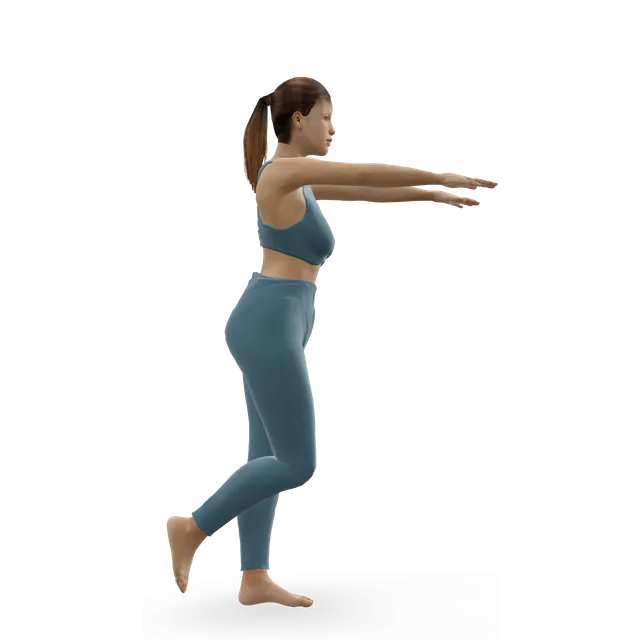
It is an advanced move. Build up to it with the Mountain climbers first.
What is an easier alternative to the Burpee?
Try the Mountain climbers or the Jumping jack. Both are written steps in the same progression.