Exercise guide

Rhabdomyolysis (rhabdo) and exercise: warning signs, who's at risk, and getting back to training

Rhabdomyolysis, or rhabdo, is when muscle breaks down so quickly that its contents flood into the blood, where they can damage the kidneys. After exercise it usually follows a session that was too much, too fast or too new for the person doing it: a first spin class, a punishing circuit, hundreds of push-ups or squats, or hard training in the heat. It's rare, and most people recover fully.

The warning signs are muscle pain, swelling or weakness far worse than the session explains, and dark pee: red, brown, tea or cola coloured. They can start hours or days later. Get medical help the same day: call NHS 111, the National Health Service's urgent advice line, or go to A&E (accident and emergency) if you feel very unwell.

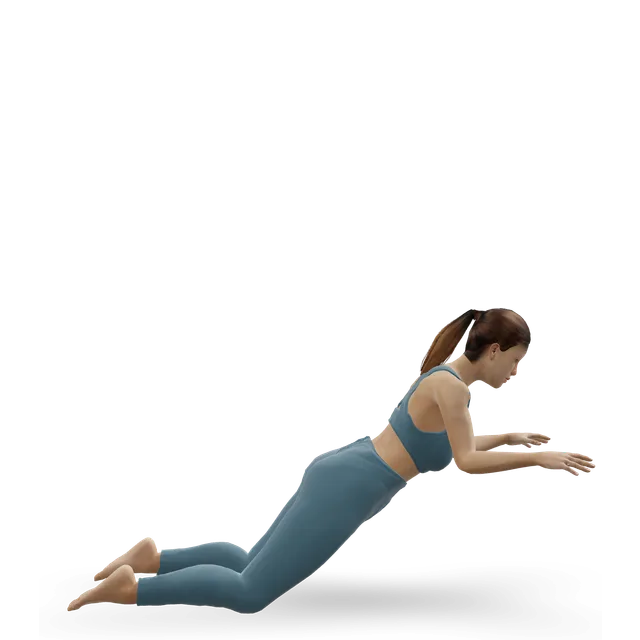
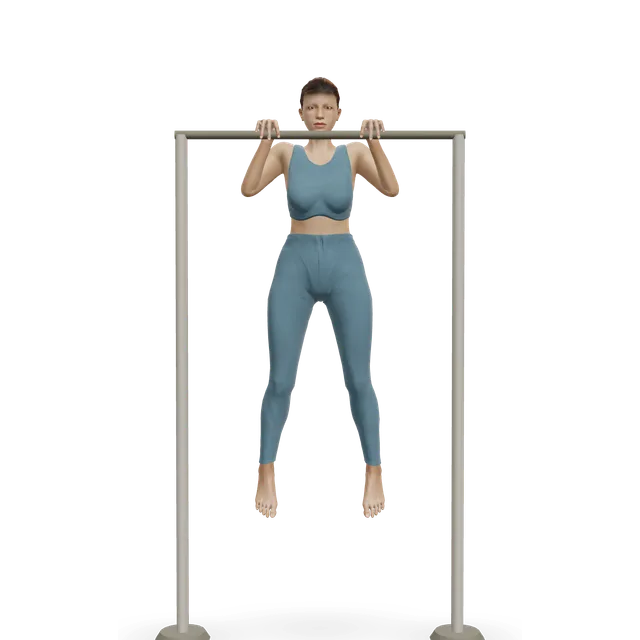
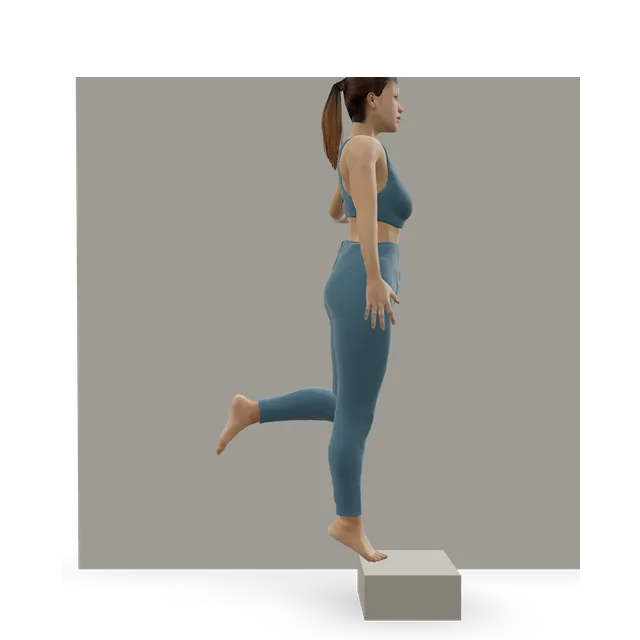
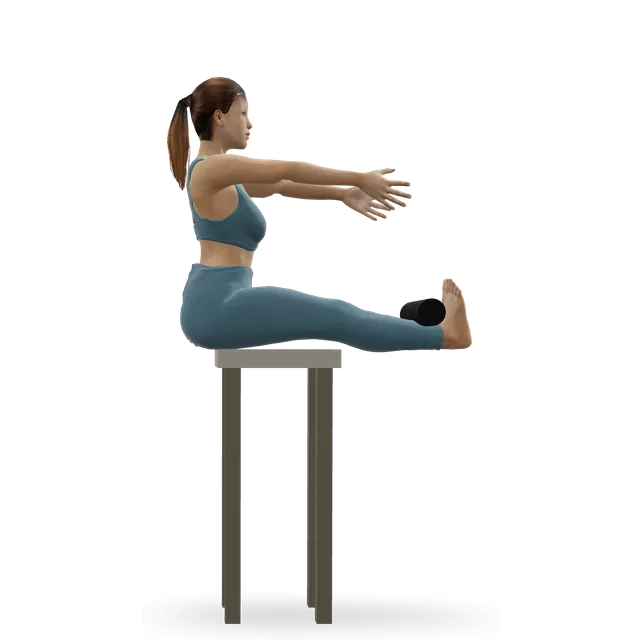
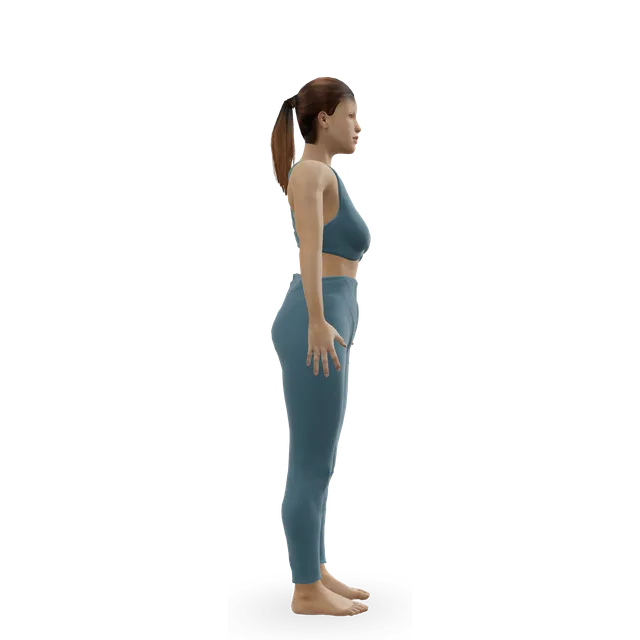
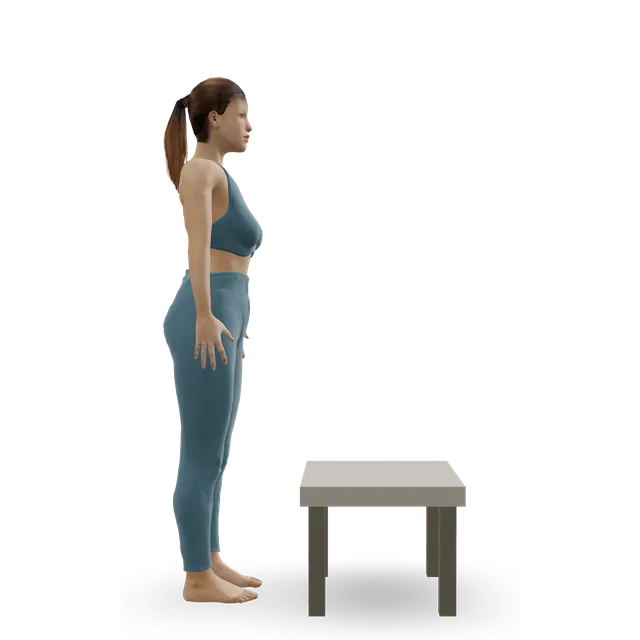
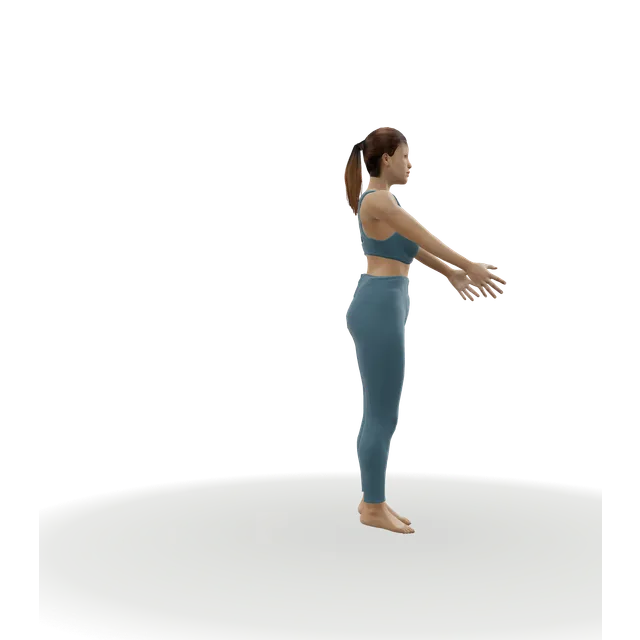
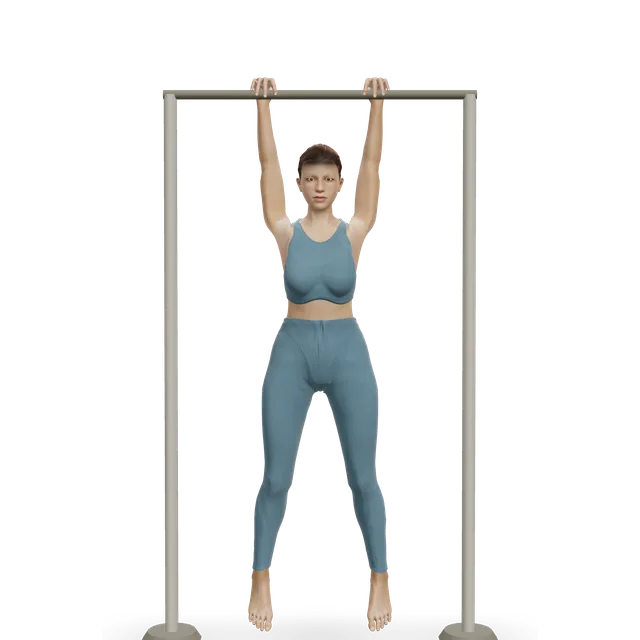
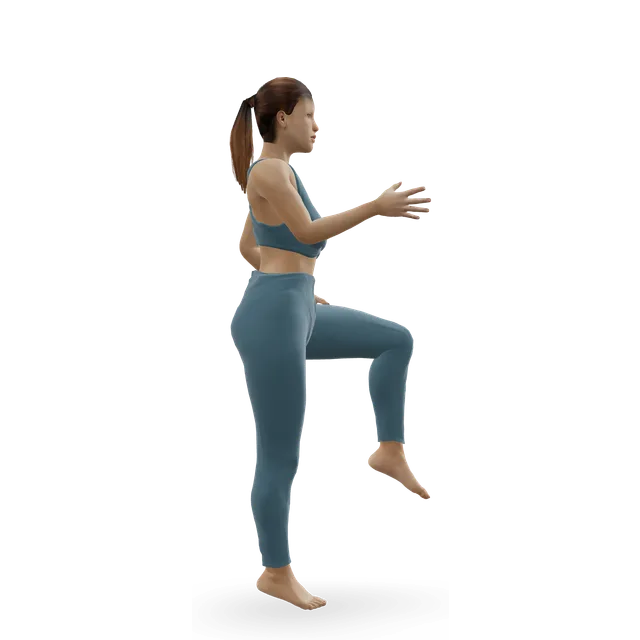
This guide explains how to tell rhabdo from ordinary soreness, who is most at risk, what a creatine kinase (CK) blood test does and doesn't tell you, and how to get back to exercise afterwards, stage by stage, including where the experts' timelines differ. It has 3D demos of the moves to start with and the ones to bring back last, and a light session for your first weeks back.

The short version

Muscle breaking down fast

Rhabdomyolysis is a rapid breakdown of muscle that releases its contents into the blood. NHS Scotland's guidance calls it potentially life-threatening, mainly because of the risk to the kidneys. After exercise it usually follows a session that was too much, too fast, too hard or too soon for the person doing it, especially with a lot of lowering work, in the heat, or when dehydrated, fasting or unwell.

Sources 1, 2, 3, 4

Know the signs, and act the same day

Muscle pain, swelling or weakness far worse than the session explains, and dark pee (red, brown, tea or cola coloured), sometimes starting hours or days later. Get medical help the same day: call NHS 111, or go to A&E if you feel very unwell. Call 999 for sudden, severe pain in a swollen, tight muscle.

Sources 3, 5, 6, 7, 8, 9

It isn't ordinary soreness

Delayed onset muscle soreness (DOMS) is a dull ache that peaks 1 to 3 days after a session and fades within about a week. Pain out of proportion, swelling, real weakness, a joint you can't straighten, dark pee, or pain still getting worse after 5 to 7 days point to rhabdo instead.

Source 3

Rare, and most people recover

In one US county it was diagnosed in about 1 in 100,000 people a year, and all 20 people went home without lasting problems. It's commoner in military training. It rarely comes back: 1 recurrence in 22 trainees followed for about 2.5 years.

Sources 10, 11, 12

Getting back takes weeks, and experts differ on when to start

There's no tested timetable. The US military guideline starts light activity after about 72 hours if you're improving; two neuromuscular reviews say wait about a month. Our reading: start light only when your doctor agrees and your symptoms, pee and blood tests have settled, build up over 3 to 4 weeks or more, and leave sets to failure and heavy lowering work till last.

Sources 3, 4, 13, 1

Prevention is about building up

Build up new training over weeks, treat the first 7 to 10 days back after any break as a gentle lead-in, never use exercise as a punishment, and take extra care in the heat or when you're unwell. Even one light session protects a muscle against a harder one a couple of days later.

Sources 14, 3, 6, 15

Get help now

Get medical help the same day: call NHS 111, or go to A&E if you feel very unwell

For dark or cola-coloured pee with severe muscle pain or weakness after exercise. In the US, go to urgent care or an emergency department, or call 911 in an emergency.

This is our wording. The NHS has no page on rhabdomyolysis, so we built it from its pages on blood in urine and on acute kidney injury, which say to ask for an urgent GP (general practitioner) appointment or get help from NHS 111. US and Australian health services say to get medical treatment right away. The signs to act on:

  • Dark pee: red, brown, tea or cola coloured, especially with very sore, swollen or weak muscles, in the hours or days after exercise.
  • Muscle pain, cramps or aches far worse than the session explains, or muscles that are swollen.
  • Feeling too weak or tired to finish a workout, or everyday tasks you could do before.
  • Peeing much less than usual, feeling very thirsty, being sick, swollen feet or legs, or feeling very tired, dizzy, confused or sleepy: these can be signs of kidney injury.
  • A high temperature along with the muscle pain.

Sources 7, 8, 5, 6, 3

Call 999 (911 in the US) or go to A&E for

Don't drive yourself to A&E.

  • Sudden, severe pain in a muscle, especially if it's very swollen and tight, or numb, weak or tingling: this can be compartment syndrome, which needs surgery as soon as possible.
  • Signs of heatstroke: still unwell after 30 minutes of resting somewhere cool, being cooled and drinking; a very high temperature; hot skin that isn't sweating and might look red (harder to see on brown or black skin); a fast heartbeat; fast breathing or breathlessness; confusion and loss of coordination; a fit; or loss of consciousness.
  • Chest pain that feels tight, heavy or like squeezing, or spreads to your arms, neck or jaw; severe difficulty breathing; or someone who collapses and isn't responding normally.

Sources 9, 16, 17

Taking a statin?

The NHS says call NHS 111 if you take atorvastatin and get muscle cramps, severe pain and weakness, which may come with a high temperature and red or brown pee. Serious muscle damage from statins is very rare. Keep taking your statin until you've spoken to your doctor.

Sources 18, 19

Rhabdomyolysis: what it is

What happens in the muscleStrong evidence

Hard, unfamiliar exercise can damage muscle cells, especially lowering (eccentric) work such as the down phase of a squat or curl, or running downhill. When enough cells break down, their contents leak into the blood: myoglobin, which turns pee tea or cola coloured and can damage the kidneys; creatine kinase (CK), a muscle enzyme that doctors measure; and potassium, which at high levels can upset the heart's rhythm. Damaged muscle can also swell enough to squeeze its own blood supply (compartment syndrome).

Sources 1, 2, 4, 20

Exercise is one cause among many

Rhabdomyolysis can also follow crush injuries, some medicines, alcohol and drugs, infections and rare inherited muscle conditions. This guide is about the kind brought on by exercise (exertional rhabdomyolysis). NHS Scotland describes it as a response to unaccustomed, long, repetitive exercise with a lot of lowering work, or to exercise when fasting, dehydrated or ill.

Sources 1, 3

How doctors diagnose itStrong evidence

Severe muscle symptoms (pain, swelling or weakness) together with a very high level of CK in a blood test. The cut-off differs: more than 1,000 units per litre in NHS Scotland's guidance, 5,000 in the US military guideline, and 10,000 for exercise-related cases in a 2024 international expert workshop. CK peaks 1 to 4 days after the trigger and is usually back to normal within 1 to 2 weeks of rest.

Sources 3, 21, 1

How common it isEmerging evidence

Rare in everyday life: in Olmsted County, Minnesota, exercise-related rhabdomyolysis was diagnosed in about 1 in 100,000 people a year from 2003 to 2015, 20 cases in all, after endurance exercise, manual work or weightlifting. It's commoner in military training: 521 cases across the US armed forces in 2025, most often in men, under-20s and new recruits. Many mild cases are probably never diagnosed.

Sources 10, 12, 4, 13

What happens next

Mild cases can be treated at home with plenty of fluids by mouth, rest from training and a check within 24 to 72 hours. A very high CK, kidney injury, abnormal blood salts, dark pee, suspected compartment syndrome or sickle cell trait usually mean hospital treatment, with fluids through a drip. Your medical team decides, according to the risk to your kidneys, and their advice comes first.

Sources 3, 21, 2

The outlookEmerging evidence

Exercise-related cases do better than rhabdomyolysis from other causes. In the Minnesota study, 16 of 20 people were admitted to hospital for a median of 2 days, 5 had kidney injury, and all went home without lasting problems. About 8% of US Army cases from all causes had kidney failure. Most acute kidney injury recovers within a few weeks, but a few people are left with chronic kidney disease. Some people have tiredness and muscle pain for weeks, and an international workshop asks doctors to follow up the physical and psychological effects.

Sources 11, 10, 22, 8, 23, 21

Will it happen again?Emerging evidence

Usually not: there was 1 recurrence in 22 military trainees followed for about 2.5 years, 1 in the 20 people in the Minnesota study, and 1% to 2% in a US Army study. NHS Scotland says a single episode with a clear trigger, with CK back to normal or nearly so 4 months later, is common and unlikely to recur, and needs no further tests.

Sources 11, 10, 13, 1

Rhabdo or ordinary soreness?

Ordinary soreness (DOMS)

A dull ache in the muscles you worked, starting within a day, peaking 1 to 3 days later and fading within about a week. You're stiff but can move, you may feel a little weaker for a day or two, and your pee is its usual colour, or darker yellow if you're short of fluid. It gets a bit better each day. Our muscle soreness guide covers it.

Source 3

Signs that point to rhabdo

Symptoms usually start 12 to 36 hours after the session, and can begin hours or days later. The US military guideline lists these features:

  • Pain far worse than you'd expect from the session.
  • Swelling of the muscle.
  • A joint you can't straighten or bend fully, even with help.
  • Real weakness, especially around the hips and shoulders, or feeling too weak to finish everyday tasks.
  • Dark pee: red, brown, tea or cola coloured.
  • Pain that isn't improving, or is getting worse, after 5 to 7 days.
  • In severe cases: a fever, feeling or being sick, peeing less, or confusion.

Sources 3, 5, 4

Other causes of dark pee

Being short of fluid makes pee darker yellow, but not tea, cola or maroon: NHS Scotland asks about those colours to tell them apart. Hard running can put a little blood in the pee, and beetroot, rhubarb, senna, food dyes and some medicines can colour it. The NHS says blood in pee can look pink, red or dark brown and always needs checking, so dark pee after exercise needs a same-day check whatever the cause.

Sources 24, 3, 7

Who's at risk

Mostly people doing exercise they're not used toStrong evidence

Most cases are healthy people who did much more than they were used to: a beginner pushed hard at a first class, a trained athlete who suddenly stepped up their training or tried a new type of exercise, or a team back from a break. NHS Scotland sums it up as too much, too fast, too hard, too soon. The US military guideline adds timed tests and overbearing trainers, and a review warns against exercise "used as punishment".

Sources 20, 4, 1, 3

Lowering-heavy and high-repetition exerciseStrong evidence

Lowering (eccentric) work does the most damage: slow "negatives", squats, lunges, push-ups, pull-ups, jumping, downhill running, and hundreds of reps against the clock. Steady endurance exercise you're used to rarely causes it; when marathon runners' kidneys fail, several things are usually going on at once, such as heat, dehydration, infection and painkillers.

Sources 20, 4, 3

What the case reports showEmerging evidence

Case series can't say how often it happens, but they show the pattern. Of 523 CrossFit injuries at one US hospital, 11 were rhabdomyolysis: over half in beginners, nearly all with dark pee, about 3 days before seeking help. In 97 cases after indoor cycling classes, most were healthy women at their first class; 7 had kidney injury, 2 needed temporary dialysis and 4 needed surgery for compartment syndrome, and none had lasting harm. Across 772 cases in athletes, 54% followed running, including marathons, and 15% weightlifting. Others followed a teacher setting 120 push-ups in 5 minutes, and a 12-year-old made to do hundreds of squat jumps as a punishment.

Sources 25, 26, 27, 20

Heat, illness and lack of sleepEmerging evidence

Heat raises the risk: 60% of 321 US service members in hospital with rhabdomyolysis also had heat illness, and soldiers who'd had heatstroke before were about 5 times as likely to get it. Exercising when dehydrated, fasting, short of sleep or soon after a viral illness such as flu adds to the risk.

Sources 28, 29, 22, 3, 1

Coming back after a breakEmerging evidence

At one US university, 13 footballers were admitted to hospital within a week of a hard session held 2 days after a 3-week break. New soldiers in their first 90 days of service had about twice the risk. A US task force calls the first 7 to 10 days of any new training block a transition period that needs a written, gradual plan.

Sources 4, 29, 14

Medicines, supplements, alcohol and drugsEmerging evidence

In 47,944 US soldiers, recent statin use went with nearly 3 times the risk of exertional rhabdomyolysis, and antipsychotic medicines with about 3 times. Some antidepressants, such as sertraline, and stimulant medicines are on the guideline lists too, as are stimulant supplements and energy drinks, weight-loss and herbal products, alcohol and recreational drugs. Never stop a prescribed medicine because of this: talk to your doctor.

Sources 30, 3, 1, 2

Sickle cell traitEmerging evidence

In the same Army study, carrying sickle cell trait raised the risk by about half (a hazard ratio of 1.54, similar to smoking), and the US military guideline treats the trait as a high-risk marker. Our sickle cell guide covers the precautions.

Sources 30, 3

Rare inherited muscle conditions, and other factorsStrong evidence

A few people have a hidden muscle condition, such as McArdle disease (pain within minutes of hard effort that eases after a short rest, the "second wind"), CPT2 (carnitine palmitoyltransferase 2) deficiency (muscle pain after long exercise when fasting, dehydrated or ill) or changes in the RYR1 (ryanodine receptor 1) gene (often with heat). They're more likely if episodes keep coming back or happen after exercise you're used to. Other factors include an underactive thyroid that isn't treated, obesity and smoking. Men are affected more often than women.

Sources 1, 24, 4, 30, 3

CK blood tests: when the number matters

CK rises after almost any hard exerciseStrong evidence

CK is the standard blood test for muscle damage, and it rises after any hard or new exercise. In 499 US recruits, average CK rose from 223 to 1,226 units per litre in the first week of basic training, with the highest at 35,056, and no one became ill. In 203 volunteers who did 50 hard lowering arm curls, 51 had levels above 10,000 four days later, with no change in kidney function and no dark pee. After a marathon, men's CK is about 22 times its usual level at 24 hours.

Sources 31, 32, 13

So a number alone doesn't diagnose itStrong evidence

Rhabdomyolysis is diagnosed from severe symptoms plus a very high CK, not from a number on its own. Normal levels vary: they run higher in men, in athletes and in people of Black African or Caribbean heritage. NHS Scotland notes that CK may be twice as high in fit men of African-Caribbean heritage as in white men.

Sources 3, 21, 4, 1

If you have a CK test for another reason

Tell your doctor about any hard exercise in the days before: NHS Scotland advises repeating a high result after a break from exercise. NICE (the National Institute for Health and Care Excellence) advises a CK test on a statin only for unexplained muscle symptoms, not routinely.

Sources 24, 19

After an episode

Doctors follow CK until it's falling or normal. The US guideline repeats it only if you aren't improving within 1 to 2 weeks or your symptoms come back. NHS Scotland checks it about 4 months after an episode before deciding whether any gene tests are needed.

Sources 3, 1

What the evidence says

There are no trials of returning to exercise after rhabdomyolysis. The advice comes from guidelines, reviews and case series, so where the experts differ, we say so.

No return programme has been testedStrong evidence

The US military guideline (2025) says no specific rehabilitation programme can be proposed from published data, and a 2016 review says no evidence-based guidelines exist. Every plan on this page is expert advice.

Sources 3, 4

When to start light activity: the experts differMixed evidence

The US military guideline starts light activity after about 72 hours of rest if you're improving, then builds from light to moderate over 3 to 4 weeks. A 2016 review advises restarting sport more than 4 weeks after the event, once symptoms have gone, and a UK neurology review says avoid exercise for the first month and until symptoms have gone and CK is back to normal. All three start light and build up gradually.

Sources 3, 4, 13

What the first weeks should look likeEmerging evidence

The guidance agrees on the shape: light, at your own pace, no sets to failure, no maximal or timed efforts, and unfamiliar and lowering-heavy exercise last. NHS Scotland adds stretching-based exercise such as Pilates first, before gym work and running. One US university followed this pattern with 10 footballers (2 weeks of daily activities, then easy cycling and pool jogging, bodyweight work, then light lifting) and returned them to full practice within 9 weeks with no recurrence.

Sources 3, 1, 4, 33

One light session protects the muscleEmerging evidence

In a lab study of 24 untrained men, doing 50 light lowering reps 2 days before 50 hard ones cut peak soreness by about a third to a half, and peak CK from about 120,000 to about 2,800. In an earlier study the protection lasted at least 6 months but was gone by 9 to 12 months, so after a long break, treat a familiar move as new again (our reading).

Sources 15, 34

CreatineEmerging evidence

A review found no evidence that creatine supplements trigger exertional rhabdomyolysis: the 6 reported cases all involved extreme exercise and other factors, mostly the stimulant ephedrine. The review was published in a supplement sponsored by a sports drink company. After kidney injury, ask your kidney team before taking creatine.

Source 20

StatinsStrong evidence

NICE says the risk of rhabdomyolysis because of statins is extremely low, and a review puts it at about 1 in 1,000 users. In US soldiers, recent statin use went with a higher risk of exertional rhabdomyolysis, so build up gradually if you take one (our suggestion), and keep taking it unless your doctor advises otherwise.

Sources 19, 20, 30

Prevention advice comes from experts, not trialsStrong evidence

Task forces and health services agree: build up gradually, give any new training block a gentle first 7 to 10 days, get used to heat, and never use exercise as a punishment. None of it has been tested in a trial, but it follows directly from the risk factors above.

Sources 14, 35, 6

Where treatment carries the evidenceStrong evidence

Treatment is fluids, by mouth at home for mild cases or through a drip in hospital, chosen by your medical team according to the risk to your kidneys. Exercise plays no part until you've recovered; then it's about getting back safely.

Sources 3, 21, 2

Getting back to exercise, stage by stage

These stages follow the US military guideline, NHS Scotland and a 2016 review. Follow your own team's advice first, especially after a hospital stay or kidney injury.

Our reading of the different timelines

Start light activity only when your doctor agrees and your symptoms, pee and blood tests have settled, whether that's after a few days or a few weeks. Build up over 3 to 4 weeks or more, and leave sets to failure and heavy lowering work till last.

Sources 3, 4, 13, 1

Stage 1: the first days (about 72 hours, longer after a hospital stay)

No training. Drink normally, walk about and do daily activities as pain allows, sleep 7 to 8 hours a night, keep cool, and have the check your doctor arranges, usually within 24 to 72 hours. Move on when your pain and weakness are improving, you can move your joints fully, your pee is a normal colour, and your blood and urine tests are normal or improving (the US guideline uses CK below 5,000 or falling).

Sources 3, 4, 36

Stage 2: light activity (often 1 to 4 weeks)

Easy walking or cycling at your own pace, stretching-based exercise such as Pilates, and light strength work with your bodyweight or a light band, never to failure. No maximal efforts, timed tests or heat, and a weekly check with your GP or team. Move on when you have no real weakness, swelling, pain or soreness.

Sources 3, 1, 4, 33

Stage 3: back to normal training (over the following weeks)

Build load and volume from light to moderate, one change at a time. Bring back lowering-heavy, high-repetition and unfamiliar exercise last: start with a short, light session and wait 2 days before doing more. Treat the first 7 to 10 days of any new training block as a gentle lead-in.

Sources 3, 33, 14, 15

If symptoms come back

Drop back to the previous stage and see your doctor. The 2016 review advises staying at the start of the plan and trying again at weekly intervals.

Sources 4, 33

If you're stuck

If muscle pain lasts beyond 4 weeks, or CK stays high, the US guideline suggests a specialist review. NHS Scotland checks CK about 4 months after an episode before deciding on further tests.

Sources 3, 37, 1

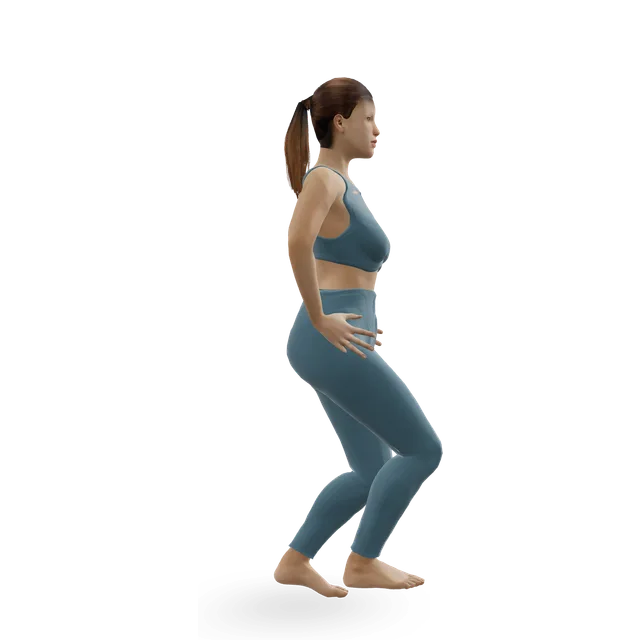
Stage 2: easy cardio

10 to 15 minutes at a pace where you can talk in full sentences, at your own pace and not in a class (the time is from a university team's return programme; the pace is our editorial starting point). Keep walking to the flat at first.

Stage 2: Pilates-style moves first

NHS Scotland suggests stretching-based exercise such as Pilates first. About 10 minutes: 5 to 8 slow reps of each, or 30 seconds for the stretch, well within comfort (our editorial starting point).

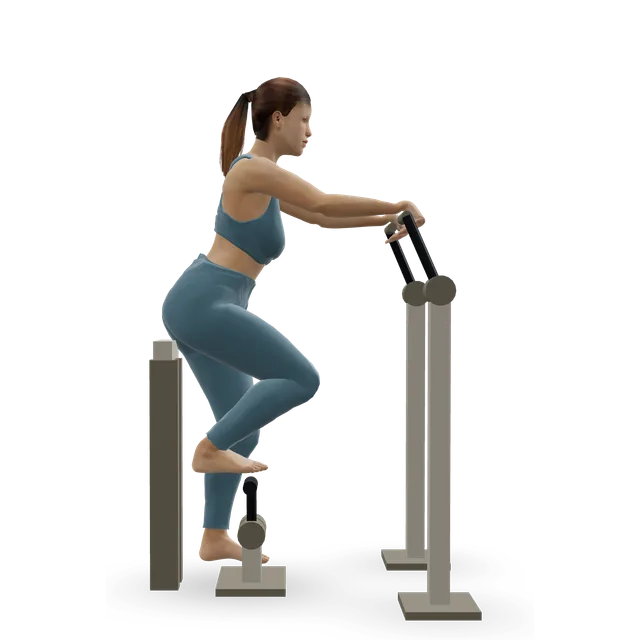
Stage 2: light strength, never to failure

1 or 2 sets of 8 to 10, stopping with at least 3 easy reps left and lowering at a normal pace rather than slowly (our editorial starting point; the US military guideline says avoid training to failure).

Stage 3: bring these back last

Not banned, but these are the kinds of exercise in the case reports. Bring them back one at a time: a short, light first session at the low end of each move's dose, then wait 2 days and check before doing more (our reading). Not for time or reps challenges in your first weeks back.

Workouts to follow

Stage 2: the light session after rhabdomyolysis, or a beginner Pilates workout, well short of failure. Late stage 2 into stage 3: the 10-minute starter, easy cardio and the cool-down. Leave HIIT (high-intensity interval training), circuits, spin classes and reps challenges until stage 3, and then go at your own pace.

Exercise after rhabdomyolysis: a light session for the first weeks back

A 30-minute light session for the first weeks back after rhabdomyolysis: easy cycling or walking, Pilates-style moves and light strength, never to failure.

30 minBeginner15 movesCardio machine, A bench or box

Beginner Pilates workout

A 20-minute mat Pilates workout for complete beginners. It covers breathing, spine position and the foundation moves, each with an easier option.

20 minBeginner13 movesNo equipment

Pilates for back pain (gentle routine)

A gentle 15-minute Pilates-based routine for ongoing low back pain, built from neutral-spine moves with options for backs that dislike bending or arching.

15 minBeginner10 movesNo equipment

Wall Pilates for beginners

A 20-minute beginner wall Pilates workout: standing and floor moves that use a wall for support and feedback. No equipment.

20 minBeginner9 movesA wall

10-minute starter workout

A 10-minute session for low-energy days: marching, sit-to-stands, wall push-ups, step-ups and bridges, then a short walk. Doing a little counts.

10 minBeginner7 movesA bench or box, A wall

Easy cardio workout

A steady 30 to 45 minute cardio session at talk-but-not-sing pace: walk, cycle, row or cross-train, counting toward weekly activity guidelines.

40 minBeginner3 movesCardio machine, A wall

Cool-down routine: 10 minutes after any workout

A 10-minute cool-down for after a run, a class or a gym session: a few minutes of easy movement, stretches for the muscles you used, then slow breathing.

10 minBeginner9 movesCardio machine, A wall

Plans for stage 3

A written plan that builds gradually. Repeat a week whenever symptoms come back (our suggestion).

If you're more likely to have it again

The RHABDO signs

Doctors use these signs, spelling RHABDO, to decide who needs tests for an inherited muscle condition:

  • Recurrent episodes.
  • High CK that stays high: more than about twice normal 4 months later (NHS Scotland), or 8 weeks later (a 2016 review).
  • Accustomed exercise: it happened after a session you're used to, when others doing the same session were fine.
  • Blood CK more than 50 times normal (10,000 or more).
  • Drugs or other triggers don't explain how severe it was.
  • Other family members affected, or other exercise symptoms such as cramps, muscle pain or a "second wind".

Sources 1, 4, 21, 3

The US guideline's high-risk list

Recovery taking more than a week; CK above 1,000 after 2 weeks' rest; kidney function not back to normal within 2 weeks; rhabdo after a light or moderate session; a personal or family history of rhabdo or of problems with anaesthetics; sickle cell disease or trait; a family history of sudden cardiac death; a medicine or supplement that can't be stopped; a serious heat injury in the past; or a CK peak above 100,000. These need a specialist and a plan made for you.

Source 3

With an inherited muscle condition

A 2016 review advises a physiotherapist or sports doctor who knows these conditions, a very gradual return, never combining hard exercise with other triggers (medicines, supplements, a viral illness), avoiding dehydration, easing off in hot, humid weather, and reporting exercise-related muscle pain for a CK check.

Source 4

Preventing rhabdo, the first time or the next

Build up gradually

Healthdirect Australia: you can prevent exercise-induced rhabdomyolysis by building up resistance training slowly. A US task force advises a written, gradual plan for the first 7 to 10 days (at least the first 4 sessions) of any new training block. Our progressive overload guide covers building up one change at a time.

Sources 6, 14, 35

New classes and challenges

Go at your own pace in a first spin, CrossFit, bootcamp or HIIT class, and don't do a new move for time or very high reps. Be wary of all-out timed tests early in a programme.

Sources 25, 26, 3

Never use exercise as a punishment

The task force: "Physical activity should not be used as retribution, for coercion, or as discipline." Several of the worst cases, including in children, followed punishment exercise.

Sources 14, 20

Heat

Get used to heat gradually, ease off in hot, humid weather, and know the signs of heat exhaustion: it should improve within 30 minutes of resting somewhere cool, cooling down and drinking.

Sources 3, 16

Fluids, food and sleep

Drink enough to stay hydrated, especially in the heat and after hard sessions, and don't train hard when you're unwell, fasting or short of sleep. Dehydration adds to the risk, but rhabdo happens without it, and drinking far too much, with low blood sodium, has also been linked with it in ultramarathons. Fluids can't make an extreme session safe (our reading).

Sources 23, 6, 20, 3

Children and teenagers: for parents and coaches

Cases in children are rare and usually follow extreme, unfamiliar sessions set by adults: push-up challenges, punishment exercise or preseason camps. Know the signs: in one 18-year-old, severe pain and brown pee were missed by the coaches.

Source 20

Warning signs: when to get help

Urgent help

Dark pee with severe muscle pain or weakness: get medical help the same day (call NHS 111, or go to A&E if you feel very unwell). Sudden, severe muscle pain with swelling, or signs of heatstroke: call 999. The full lists are at the top of this page. In the US, use urgent care or an emergency department, and 911 in an emergency.

Sources 7, 8, 9, 16

See a GP

  • Soreness that isn't better after a week, comes back after every normal session, or sits in one spot.
  • A second episode, an episode after a session you're used to, or muscle pain, cramps or dark pee with exercise since childhood.
  • A family history of rhabdomyolysis or of problems with anaesthetics.
  • Before going back to hard training after an episode, or if muscle pain or weakness lasts more than 4 weeks.
  • Unexplained muscle aches on a statin.

Sources 3, 1, 24, 4, 19

During or after exercise

  • Stop if your muscles become unusually painful, swollen or weak, or you feel too weak to carry on. Don't push through in a class, test or competition.
  • In the 3 days after a hard or new session, notice your pee colour and how your muscles feel compared with ordinary soreness.

Sources 3, 5, 4

Who can help

A GP or NHS 111 first, and hospital for treatment. A kidney specialist if your kidneys haven't recovered, a neuromuscular clinic for the RHABDO signs, and a physiotherapist or sports medicine doctor to guide the return.

Sources 3, 1

Myths

"Rhabdo means you worked hard"Strong evidence

It's an injury: muscle breaking down fast enough to threaten the kidneys. It usually means the exercise was badly prescribed, used as a punishment, or was too much, too fast and too soon for the person doing it.

Sources 1, 20, 3

"Only extreme athletes get it"Strong evidence

Most cases are people doing exercise they're not used to, including beginners: over half of 11 CrossFit cases, and mostly healthy women at a first spin class. It is rare, though: about 1 in 100,000 people a year in one US population.

Sources 20, 25, 26, 10

"Dark pee after exercise is just dehydration"Strong evidence

Being short of fluid makes pee darker yellow, not tea, cola or brown. Brown or red pee needs checking the same day.

Sources 24, 3, 7

"Drinking lots of water prevents it"Emerging evidence

Dehydration adds to the risk, but rhabdo happens without it, and drinking far too much has also been linked with it. The main cause is doing too much too soon.

Sources 20, 3, 4

"Creatine causes rhabdo"Emerging evidence

A review found no evidence that creatine triggers it: the few reported cases involved extreme exercise and other factors, mostly the stimulant ephedrine. The review was published in an industry-funded supplement.

Source 20

"Push through severe soreness: it's just DOMS"Strong evidence

Pain far worse than the session explains, swelling, real weakness, losing movement, dark pee, or pain still getting worse after 5 to 7 days aren't ordinary soreness. Stop, and get medical help the same day.

Sources 3, 5, 6

"Once you've had rhabdo, you can never train hard again"Emerging evidence

It rarely comes back: 1 in 22 trainees over about 2.5 years, and 1% to 2% in a US Army study. Most people return to full activity, built up gradually.

Sources 11, 10, 13, 33

"A high CK means you have rhabdo"Strong evidence

CK rises after almost any hard or new exercise: 51 of 203 volunteers topped 10,000 after one bout of lowering curls, with no kidney problems. A diagnosis needs severe symptoms as well.

Sources 32, 3, 21

"Stay in bed until your CK is normal"Strong evidence

The US military guideline says there's no evidence that rest speeds recovery, and recommends walking about as pain allows, though training waits until you've settled.

Source 3

"Statins cause rhabdo, so stop your statin before you exercise"Strong evidence

NICE says rhabdomyolysis because of statins is extremely low. Keep taking your statin until you've spoken to your doctor, and call NHS 111 for muscle cramps, severe pain and weakness, especially with a high temperature or red or brown pee.

Sources 19, 18

Questions people ask

What is rhabdomyolysis?

Rhabdomyolysis, or rhabdo, is when muscle breaks down quickly and releases its contents into the blood, which can damage the kidneys. After exercise it usually follows a session that was much harder, longer or newer than you're used to, especially with a lot of lowering work, in the heat, or when you're dehydrated or unwell. It's rare, and most people recover fully.

What are the signs of rhabdo after a workout?

Muscle pain, swelling or weakness far worse than the session explains, and dark pee: red, brown, tea or cola coloured. They can start hours or days later. Get medical help the same day by calling NHS 111, or go to A&E if you feel very unwell, and call 999 for sudden, severe pain in a swollen, tight muscle.

How can I tell rhabdo from normal soreness (DOMS)?

Normal soreness is a dull ache that peaks 1 to 3 days after a session and fades within about a week, with normal pee. Pain out of proportion, swelling, real weakness, a joint you can't straighten, dark pee, or pain still getting worse after 5 to 7 days point to rhabdo.

Is dark urine after exercise always rhabdo?

No. Being short of fluid makes pee darker yellow, and beetroot, some medicines and a little blood from hard running can colour it too. But tea, cola or brown pee, especially with very sore or weak muscles, needs checking the same day: call NHS 111, or go to A&E if you feel very unwell.

Can you get rhabdo from running, a spin class or a hike?

Yes, though it's rare. In a review of 772 cases in athletes, most followed running, including marathons, or weightlifting, and spin-class cases mostly happened at a first class. Steady exercise you're used to rarely causes it; the risk comes from sudden jumps in effort, heat and unfamiliar lowering-heavy work.

How long does it take to recover from rhabdomyolysis?

CK, the muscle enzyme in the blood test, usually returns to normal within 1 to 2 weeks of rest, and people with milder cases may get back to normal activities within a few weeks to a month. Some have tiredness and muscle pain for longer. After a hospital stay or kidney injury, recovery takes longer, and your team will guide you.

When can I exercise again after rhabdo?

There's no tested timetable, and experts differ: the US military guideline starts light activity after about 72 hours if you're improving, while two neuromuscular reviews suggest waiting about a month. Our reading: start light only when your doctor agrees and your symptoms, pee and blood tests have settled, then build up over 3 to 4 weeks or more.

How do I start working out after rhabdo?

With easy cycling or walking on the flat and Pilates-style mat work: NHS Scotland suggests stretching-based exercise such as Pilates before gym work and running. Add light strength work with a band or your bodyweight, stopping well short of failure. Leave lowering-heavy moves, jumping, sprints and classes till last.

Can rhabdo come back?

It's uncommon: there was 1 recurrence in 22 trainees followed for about 2.5 years, and 1 among 20 people in a US population study. A second episode, one after a session you're used to, or a family history of muscle problems needs a specialist check for an inherited muscle condition.

Do I need a CK blood test after a hard workout?

Not if you feel well: CK rises after almost any hard or new exercise, often hugely, without harm. It matters when you have symptoms, and doctors use it to follow your recovery. If you have a CK test for another reason, mention any recent hard exercise.

Do creatine or statins cause rhabdo?

Creatine hasn't been shown to trigger it. Statins very rarely cause serious muscle damage: keep taking yours until you've spoken to your doctor, and call NHS 111 for muscle cramps, severe pain and weakness, especially with a high temperature or red or brown pee. Stimulant supplements and energy drinks are on the risk list.

How can I avoid rhabdo?

Build up new training over weeks, treat the first 7 to 10 days back after any break as a gentle lead-in, and go at your own pace in a first class. Avoid all-out timed efforts early, get used to heat gradually, and don't train hard when you're unwell, fasting or short of sleep. One light session first protects a muscle against a harder one a couple of days later.

Sources

  1. Scottish Muscle Network (NHS Scotland) · Investigation pathway: a single episode of rhabdomyolysis in adults (guidance, review due 2028)

  2. Scottish Muscle Network (NHS Scotland) · Management of acute rhabdomyolysis in adults (guidance, review due 2028)
  3. O'Connor 2025 · Clinical practice guideline for the management of exertional rhabdomyolysis in warfighters (US military guideline, CHAMP)
  4. Scalco 2016 · Exertional rhabdomyolysis: a normal response or a sign of an underlying muscle condition? (review, BMJ Open Sport and Exercise Medicine)
  5. CDC NIOSH · Signs and symptoms of rhabdomyolysis
  6. Healthdirect Australia · Rhabdomyolysis
  7. NHS · Blood in urine
  8. NHS · Acute kidney injury (AKI)
  9. NHS · Compartment syndrome
  10. Luetmer 2020 · Exertional rhabdomyolysis in a US county, 2003 to 2015 (population study, Medicine and Science in Sports and Exercise; abstract read)
  11. Alpers 2010 · How often exertional rhabdomyolysis happens and comes back in military trainees (population study, Muscle and Nerve; abstract read)
  12. Armed Forces Health Surveillance Division 2026 · Exertional rhabdomyolysis in US service members, 2021 to 2025 (surveillance report, MSMR; abstract read)
  13. Fernandes 2019 · How to investigate exertional rhabdomyolysis, or not (review, Practical Neurology)
  14. Casa 2012 · Preventing sudden death in college conditioning sessions (inter-association task force recommendations, Journal of Athletic Training)
  15. Huang 2019 · A light lowering session before a hard one in 24 untrained men (controlled lab study, European Journal of Applied Physiology; abstract read)
  16. NHS · Heat exhaustion and heatstroke
  17. NHS · Heart attack
  18. NHS · Atorvastatin (side effects)
  19. NICE NG238 · Cardiovascular disease: risk assessment and reduction, including lipid modification (2023)
  20. Rawson 2017 · Perspectives on exertional rhabdomyolysis (review in a sports drink company's supplement, Sports Medicine)
  21. Kruijt 2025 · Diagnosing and managing acute rhabdomyolysis: an international expert workshop (consensus, Neuromuscular Disorders; abstract read)
  22. Hill 2012 · Rhabdomyolysis in the US Army, 2004 to 2006 (cohort study, Medicine and Science in Sports and Exercise; abstract read)
  23. MedlinePlus (US National Library of Medicine) · Rhabdomyolysis
  24. Scottish Muscle Network (NHS Scotland) · Investigation of exercise-related muscle pain in adults (guidance, review due 2028)
  25. Hopkins 2019 · CrossFit and rhabdomyolysis: 11 patients at one hospital (case series, Journal of Science and Medicine in Sport; abstract read)
  26. Masuda 2023 · Rhabdomyolysis after indoor cycling classes: 97 reported cases (systematic review, Physician and Sportsmedicine; abstract read)
  27. Bäcker 2023 · Exertional rhabdomyolysis in athletes: 772 cases (systematic review, Clinical Journal of Sport Medicine; abstract read)
  28. Oh 2024 · Exertional rhabdomyolysis and heat illness in 321 US service members in hospital (case series, BMJ Military Health; abstract read)
  29. Hill 2017 · Risk factors for rhabdomyolysis in 1,086 US Army soldiers (military study, Military Medicine; abstract read)
  30. Nelson 2016 · Sickle cell trait, rhabdomyolysis and deaths in 47,944 US Army soldiers (cohort study, NEJM; abstract read)
  31. Kenney 2012 · Creatine kinase in 499 recruits during basic training (cohort study, Muscle and Nerve; abstract read)
  32. Clarkson 2006 · Creatine kinase and kidney function in 203 people after hard lowering exercise (lab study, Medicine and Science in Sports and Exercise; abstract read)
  33. Schleich 2016 · Return to play after exertional rhabdomyolysis in 10 college footballers (case series, Journal of Athletic Training)
  34. Nosaka 2001 · How long the protection from one bout of lowering exercise lasts (lab study, Medicine and Science in Sports and Exercise; abstract read)
  35. Nye 2023 · Universal training precautions for warfighters and athletes (review, Journal of Athletic Training; abstract read)
  36. Asplund 2016 · Return to play after heat stroke, exertional rhabdomyolysis and collapse with sickle cell trait (review, Sports Health)
  37. Tietze 2014 · Exertional rhabdomyolysis in the athlete (clinical review, Sports Health)

Exercise education, not a diagnosis or treatment plan, and clinical review of these guides is pending. Stop and get advice for chest pain, unusual breathlessness, dizziness or fainting, or new pain, and check with your doctor or midwife first if they have told you to limit activity. Health disclaimer.