Exercise guide

Exercise with sickle cell disease, and sickle cell trait in sport

Sickle cell disease is an inherited condition of the red blood cells that can cause sudden episodes of severe pain, called crises, as well as tiredness and other complications. Exercise used to be discouraged, but the NHS (National Health Service) now suggests gentle to moderate activity, such as walking or yoga, and small trials have found regular moderate exercise safe. How you exercise matters most: plenty of fluids, regular rests, staying warm, and no very hard efforts.

Sickle cell trait, being a carrier, is not a disease and doesn't stop anyone playing sport. In very hard training it slightly raises the risk of a serious kind of muscle breakdown, so a few sensible precautions matter.

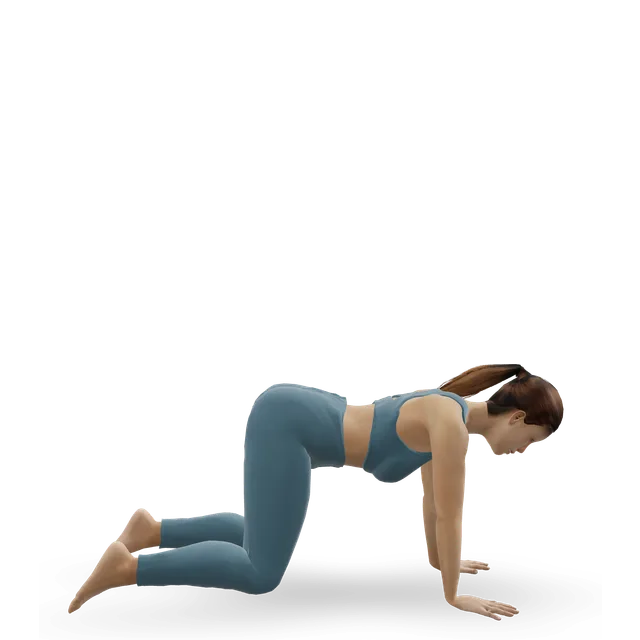
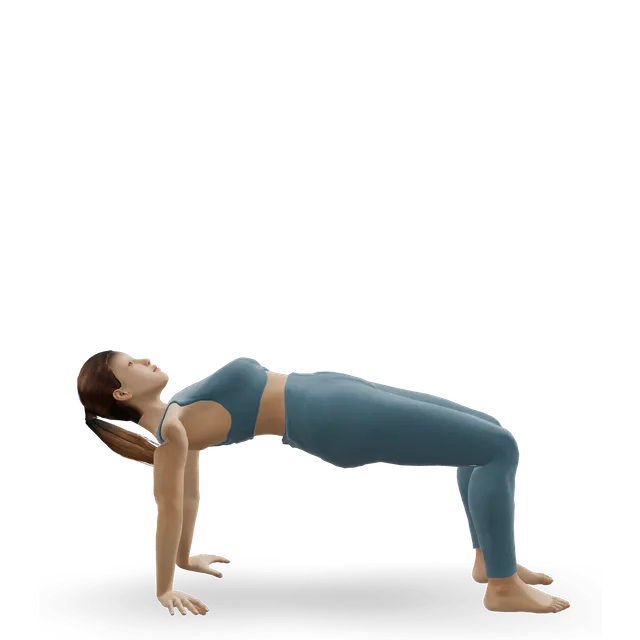
This guide covers what the trials show, how hard and how much to exercise, fluids, heat, cold, swimming and altitude, PE (physical education) and sport for children, sickle cell trait in sport, and the signs that need 999, with 3D demos and a gentle workout with rest and drink breaks.

The short version

Exercise is good for you

The NHS suggests gentle to moderate exercise, such as walking or yoga, and avoiding high-intensity exercise because it may affect your breathing. In a French trial of 40 adults, 8 weeks of moderate cycling was safe and improved fitness, and in one small trial of 38 already-active men in Senegal, walking more eased pain.

Sources 1, 2, 3

Gentle to moderate, in short blocks

You should be able to talk in full sentences. Start with 10 to 15 minutes and build to blocks of up to 20 minutes, with a rest and a drink between them (our editorial starting point, using a UK children's hospital's advice to rest every 20 minutes).

Sources 1, 4, 5

Drink, rest and keep warm

Drink before, during and after exercise, stop at the first sign of unusual tiredness, avoid sudden cold and very cold water, take care in hot weather, and don't exercise hard when you're ill.

Sources 1, 4

What to leave out

Sprints, HIIT (high-intensity interval training) and circuits, heavy weights, holding your breath, underwater swimming, contact sports and exercising to exhaustion.

Sources 1, 4

Know when to call 999

A crisis with severe pain, breathing difficulties or being sick; a high temperature; signs of a stroke; or an erection that is painful or won't go away (more than 1 hour, on the NHS priapism page).

Sources 1, 6, 7

Sickle cell trait doesn't stop you playing sport

Being a carrier isn't a disease. In intense sport, build up gradually, drink plenty, avoid extreme heat and exhaustion, and stop at once with cramping, unusual muscle pain or weakness.

Sources 1, 8, 9, 10

When to call 999 (911 in the US)

Call 999 if

The NHS sickle cell page lists these. Don't drive yourself to A&E (accident and emergency).

  • You think you're having a sickle cell crisis and have severe pain, breathing difficulties or are being sick.
  • You have sickle cell disease and a high temperature.
  • You have an erection that is painful or doesn't go away (priapism).

Source 1

Also call 999 or go to A&E for

  • A painful erection lasting more than 1 hour if you have sickle cell disease. Don't put ice or cold water on it: the NHS says this can make things worse, particularly with sickle cell disease.
  • Signs of a stroke, even if they've stopped: the face dropping on one side, not being able to lift both arms, or slurred or garbled speech.
  • Chest pain, a fever or new breathing problems: these can be acute chest syndrome, which needs urgent treatment.
  • Signs of heatstroke, such as a very high temperature, hot skin that isn't sweating, confusion or a fit.

Sources 6, 7, 11, 12

Sickle cell trait: collapse during hard exercise

Someone with sickle cell trait who slumps or can't carry on during hard exercise, with weak, painful legs, buttocks or lower back, needs emergency care even if they can still talk. Call 999.

Sources 13, 14, 10

Sickle cell disease and exercise

What sickle cell disease is

An inherited condition that affects red blood cells and can cause pain, swelling and tiredness. Symptoms include pain in the bones, joints, muscles or chest, weakness and tiredness, swollen hands and feet, breathing problems and infections. It's more common in people with African, Caribbean, Mediterranean, south and south-east Asian and Middle Eastern backgrounds, and NHS Blood and Transplant calls it the UK's fastest growing genetic disorder. Babies are checked for it with the newborn heel prick test, and people with it have a care plan and regular check-ups.

Sources 1, 15

Crises and their triggers

A sickle cell crisis is sudden, severe pain or other symptoms lasting hours, days or weeks. The NHS lists dehydration, sudden changes in temperature and stress as triggers. The UK's travel health service adds cold, lack of oxygen, hard exercise, fever and infection, and a London hospital's leaflet notes that sometimes there's no trigger at all.

Sources 1, 16, 17

Why exercise needs careEmerging evidence

Very hard exercise makes the muscles more acidic, can dehydrate you and adds oxidative stress, and all of these could in theory make red cells sickle more. That's why exercise was long discouraged. In studies, mild to moderate exercise hasn't caused consistent changes in the red cells or frequent complications, and controlled training appears safe and well tolerated.

Sources 18, 19, 3

Fitness is often lowerEmerging evidence

Peak fitness was about 30% lower in 60 children and young adults with sickle cell anaemia than in others of the same age, and an estimated 83% of adults have reduced exercise capacity. Anaemia means people can get breathless and tired quickly. In 223 adults, fitness didn't predict later crises or survival. Our reading: lower fitness is a reason to start gently, not a reason not to start.

Sources 20, 21, 22, 4

Complications that change the plan

Your team's advice comes first if you have:

  • Avascular necrosis: bone damage in the hip or shoulder from a poor blood supply. Our avascular necrosis guide covers exercise while it's assessed.
  • Had a stroke: our stroke guide covers exercise afterwards.
  • Had acute chest syndrome, or have asthma: asthma roughly doubles the risk of acute chest syndrome, so keep it well controlled.
  • Pulmonary hypertension (high pressure in the lungs' blood vessels) or other heart or lung problems: lung pressures can rise steeply during exercise, so ask before harder exercise.
  • Kidney problems: people with sickle cell disease run short of fluid more easily, especially in heat and sun.

Sources 1, 11, 23, 5, 16

What the evidence says

The trials are few and small, mostly in adults without severe complications, with short follow-up.

Moderate cycling: the EXDRE trialEmerging evidence

In a French trial of 40 adults without severe complications, three 45-minute sessions of moderate cycling a week for 8 weeks improved fitness at everyday effort levels: the power they could hold at a set level of lactate rose by about 7 watts. Nobody in the training group needed hospital, against 5 admissions in the control group, 4 of them for crises. The training also improved the muscles' small blood vessels and how well they used oxygen. It's one small trial, with 33 people analysed.

Sources 2, 24, 25

Walking more: one small trialEmerging evidence

In one small trial of 38 already-active men in Senegal, adding 25% to their usual daily steps for 8 weeks, or 25% and then 50%, eased how often and how badly they had pain, improved the distance they could walk in 6 minutes by 9% to 16%, and lowered artery stiffness, with no crises. The men already walked 3,000 to 10,000 steps a day, so the results may not apply to women, children or people who are less active.

Source 3

Reviews of small studiesEmerging evidence

Across 7 studies with 176 people, endurance training improved physical function. A review of 6 studies (212 people aged 13 to 40) found exercise at a low to moderate level improved exercise tolerance without crises, and warned that going above that level could be harmful. Programmes included 30 minutes of treadmill walking 3 times a week for 12 weeks in 60 adults, and home cycling in 13 children. None of the studies tested strength training alone, swimming or team sport.

Sources 26, 5, 27, 28

Exercise testing is safeEmerging evidence

Across 24 studies with 939 people, maximal exercise tests caused problems in 3.8%, mostly brief changes on the heart tracing or in oxygen levels, and pain episodes in 4 people. So a test can safely guide a programme.

Source 29

ChildrenEmerging evidence

In a survey of 100 children with sickle cell disease, 17% did 60 minutes a day of moderate to vigorous activity, against 23% of US children generally, though 90% took part in PE. Only 2 studies have tested ways to help children with sickle cell disease be more active.

Sources 30, 31

Where guidelines standStrong evidence

The NHS recommends gentle to moderate exercise. The American Society of Hematology's 2020 pain guideline made no recommendation for or against exercise, yoga or Pilates for long-term sickle cell pain, because the evidence was too thin. For acute pain it suggests yoga, massage or guided relaxation alongside medicines, a weak recommendation on very low-certainty evidence.

Sources 1, 32

Where treatment carries the evidenceStrong evidence

Exercise supports your general health but doesn't treat sickle cell disease. The NHS lists the treatments: painkillers, antibiotics and vaccinations to prevent infections, hydroxycarbamide, which can help reduce pain crises, and blood transfusions, with a stem cell transplant or gene therapy for some people.

Source 1

How hard and how much

How hard

Gentle to moderate: you can talk in full sentences and you're never gasping. That's our reading, a little more cautious than the NHS's usual test for moderate exercise (you can talk but not sing), because the trials stayed at or below a moderate level. With a heart rate monitor, the treadmill trial used 60% to 70% of maximum heart rate; our heart rate zone calculator estimates yours.

Sources 1, 5, 27, 33

How long and how often

Start with 10 to 15 minutes (our editorial starting point). A UK children's hospital recommends a rest every 20 minutes of exercise, so build to blocks of up to 20 minutes with a rest and a drink between them, and over the weeks towards 30 to 45 minutes in total, 3 times a week, as in the trials.

Sources 4, 2, 5

More steps

An easy way in: find your usual daily steps over a week or two with a phone or tracker, add 25% for 4 weeks, then up to 50%. This comes from one small trial in active men.

Source 3

Strength

Light to moderate strength work on 2 days a week, as for all adults: programmes that included resistance training improved muscle function. Avoid heavy weights and holding your breath. Start with 1 or 2 sets of 10 to 15 with a band, light weights or your bodyweight, breathing out on the effort and stopping well short of failure (our editorial starting point).

Sources 33, 18, 4

Warm up, cool down, and ask first

Warm up and cool down for 5 to 10 minutes each time. Ask your sickle cell team before harder exercise, competitive sport or a new programme; an exercise test can safely guide one.

Sources 18, 5, 29

What to leave out

The NHS and a UK children's hospital advise against:

  • Sprints and short bursts of intense exercise.
  • HIIT and circuit training.
  • Heavy weights.
  • Holding your breath, or breathing very fast.
  • Underwater swimming.
  • Contact sports.
  • Cross-country running.
  • More than 20 minutes without a rest.
  • Exercising to exhaustion, or when you're ill.

Sources 1, 4

Gentle cardio

Start with 10 to 15 minutes at a pace where you can talk in full sentences, building to blocks of up to 20 minutes with a rest and a drink between them (our editorial starting point, within the trials' 30 to 45 minute sessions).

Light strength

Twice a week: 1 or 2 sets of 10 to 15, breathing out on the effort and stopping well short of failure (our editorial starting point). Skip the step-up while hip pain is being checked.

Yoga, mobility and breathing

Yoga and breathing exercises to relax, as the NHS suggests, all without breath holds. Keep the room warm, and hold the tree pose near a wall.

Workouts to follow

Start with the gentle workout, which builds in rest and drink breaks. Split easy cardio into blocks of up to 20 minutes, skip the breath holds (box and 4-7-8 breathing) in the breathing routine, and let children do the animal moves at their own pace with drinks and rests. Not for sickle cell disease: HIIT, Tabata, circuits and sprint workouts.

Sickle cell exercise: a gentle workout with rest and drink breaks

A 35-minute gentle workout for sickle cell disease: two 10-minute walking or cycling blocks with rest and drink breaks, light strength and slow breathing.

35 minBeginner12 movesCardio machine, A bench or box

10-minute starter workout

A 10-minute session for low-energy days: marching, sit-to-stands, wall push-ups, step-ups and bridges, then a short walk. Doing a little counts.

10 minBeginner7 movesA bench or box, A wall

Easy cardio workout

A steady 30 to 45 minute cardio session at talk-but-not-sing pace: walk, cycle, row or cross-train, counting toward weekly activity guidelines.

40 minBeginner3 movesCardio machine, A wall

10-minute walk and move after meals

A 10-minute routine for straight after a meal: an easy walk, a few simple standing moves from blood sugar trials, then a short walk to finish.

10 minBeginner6 movesCardio machine, A bench or box

Low-impact cardio workout (no jumping)

A 25-minute standing cardio circuit with no jumping: marching, step jacks, sit-to-stands, punches, step-ups and wall push-ups, with a seated option for most moves.

25 minBeginner9 movesA bench or box, A step

Gentle yoga for beginners

A 25-minute gentle yoga class for complete beginners and over-50s: slow breathing, a warm-up, supported standing poses, floor poses and a closing rest.

25 minBeginner14 movesNo equipment

Walk and yoga workout

A 45-minute session for weight loss and health: a 20-minute brisk walk, which does more for the scales, then a standing yoga flow for strength and balance.

45 minBeginner12 movesCardio machine

Chair yoga for seniors

A free 20-minute chair yoga class for older adults: slow breathing, gentle seated stretches and twists, standing poses holding the chair, and a calm finish.

20 minBeginner18 movesA bench or box, Something with weight

Breathing exercises to relax

A 6-minute breathing routine: slow breathing, crocodile breathing, alternate nostril breathing, box breathing and 4-7-8 breathing.

6 minBeginner5 movesNo equipment

Animal moves for kids: a 15-minute active play workout

Fifteen minutes of animal moves, jumps and balance games for children, building the muscle- and bone-strengthening activity they need, with nothing to buy.

15 minBeginner16 movesA wall

Follow a plan

The walking plan builds up slowly; repeat a week whenever you need to, and keep the rest and drink breaks (our suggestion).

Fluids, heat, cold and swimming

Fluids

Drink before, during and after exercise, and plenty every day. Pale pee through the day is a simple check.

Sources 4, 1, 34

Cold

Avoid sudden changes in temperature: dress warmly in cold weather and avoid very cold water. Cold air, wind and water can trigger a crisis, so wear warm layers outdoors.

Sources 1, 4

Swimming

Warm pools only. Get dried, hair included, and dressed as soon as you get out, and leave out underwater swimming and breath-holding games.

Source 4

Heat

Take care in hot weather: people with sickle cell disease run short of fluid more easily in heat and sun. Exercise early or late on hot days, or indoors (our suggestion). Heat exhaustion should improve within 30 minutes of resting somewhere cool, cooling down and drinking; call 999 if it doesn't, or for a very high temperature, hot skin that isn't sweating, a fast heartbeat, fast breathing, confusion, a fit or loss of consciousness.

Sources 4, 16, 12

Altitude, flying and diving

Altitude

The UK's travel health service says travel above 2,000 metres may trigger a crisis and should be avoided with sickle cell disease. Some ski resorts and mountain walks go above that height, so talk to your sickle cell team before a trip.

Source 16

Flying

Cabin air has less oxygen, and extra oxygen is sometimes recommended. Wait at least 10 days after a crisis before flying, and keep moving on long flights to lower the risk of clots.

Source 16

Diving

The sources we read don't cover scuba diving with sickle cell disease, and the children's leaflet advises against underwater swimming. Ask your team before you try it (our suggestion).

Source 4

Children, teenagers and school: for parents and carers

Children can usually join in

A UK children's hospital says children with sickle cell can usually exercise and play normally, with the precautions above, and 90% already take part in PE. Restricting exercise without weighing the benefits can harm fitness, and holding children back can leave them isolated and knock their confidence.

Sources 4, 30, 21

Different aims for the disease and the trait

A 2026 review for children's doctors says guidance for sickle cell disease aims to encourage regular, safe exercise, while for sickle cell trait the aim is to prevent serious muscle breakdown and collapse in very hard exercise.

Source 35

School

In England, schools must support pupils with medical conditions to take a full part in school life, including PE and trips, agree an individual healthcare plan when needed, and must not stop pupils drinking, eating or taking toilet or other breaks whenever they need to. Put fluids, rest breaks, warm clothing, swimming and what to do in a crisis in the plan (our suggestion).

Source 36

If you're worried

If you're ever worried about your child, contact their sickle cell team or take them to A&E. A high temperature in a child with sickle cell disease means 999.

Sources 4, 1

During and after a crisis

During a crisis

Don't exercise. A London hospital's leaflet says a mild painful crisis can sometimes be managed at home with painkillers, rest, fluids and warmth, as your team advises; NICE (the National Institute for Health and Care Excellence) treats a painful episode in hospital as a medical emergency.

Sources 17, 11

After a crisis

Restart with short, easy walks once the pain has settled and you feel back to your usual, then build up over a week or two (our suggestion). After a hospital stay, acute chest syndrome, a stroke or priapism, ask your team before you restart. Wait at least 10 days before flying.

Source 16

Relaxation and gentle yoga

Alongside medicines, yoga, massage or guided relaxation may help with acute pain (a weak recommendation on very low-certainty evidence), and the NHS suggests breathing exercises to relax.

Sources 32, 1

Long-term painEmerging evidence

For long-term sickle cell pain, the American Society of Hematology suggests cognitive and behavioural pain strategies, and made no recommendation either way on exercise for lack of evidence. One small trial since then found less pain with more walking: promising, not proven. Our chronic pain guide covers pacing and flare-ups, and our avascular necrosis guide covers hip pain.

Sources 32, 3

Sickle cell trait in sport

What the trait isStrong evidence

A carrier has one sickle gene and one usual gene. Being a carrier doesn't make you ill, and you can't develop sickle cell disease, though you could pass the gene on. Tell staff before a general anaesthetic. Babies in the UK are screened at birth, and adults can ask a GP (general practitioner) for a carrier test.

Sources 1, 8

The precautions that matterStrong evidence

The NHS carrier leaflet says that in any intense sport you should drink plenty of fluids, avoid extreme exhaustion and never be short of oxygen. US sports bodies and an expert panel add:

  • Build fitness gradually, and arrive at preseason already fit.
  • Set your own pace, with longer rests between repeats. Avoid all-out efforts lasting more than 2 to 3 minutes without a break, and timed runs and fitness tests early in a season.
  • Drink before, during and after, and ease off in heat and humidity.
  • Acclimatise at altitude, and don't train hard when you're ill or feverish.
  • Avoid high-caffeine energy drinks and stimulant supplements.
  • Stop at once and tell a coach or medic if you get cramping, muscle pain, weakness, extreme tiredness or breathlessness.

Sources 8, 10, 37, 14, 9

How big is the risk?Mixed evidence

Older studies found a large relative risk of death during hard training. In US basic training from 1977 to 1981, sudden unexplained deaths were 32 per 100,000 Black recruits with the trait against about 1 per 100,000 Black recruits without it, and from 2004 to 2008 top-division US college football players with the trait had 37 times the risk. But in 47,944 US Army soldiers training under precautions against exertional injury from 2011 to 2014, death rates were the same with and without the trait, though exertional rhabdomyolysis was about 50% more common. In US college football, deaths linked with the trait fell after screening and education began in 2010; it's unclear which made the difference. The absolute risk is small.

Sources 38, 39, 40, 41

What the trait does and doesn't doStrong evidence

A review of 41 studies found moderate-strength evidence that the trait raises the risk of exertional rhabdomyolysis, with small absolute risks. An expert panel found no evidence that it causes sickle cell pain crises, or sudden death without exertional rhabdomyolysis. Heat illness was slightly more common in military carriers.

Sources 42, 43, 44

Exertional collapse with sickle cell traitEmerging evidence

A rare, severe form of exertional rhabdomyolysis, during intense effort with little recovery, often early in a session or season and sometimes after only a few minutes of sprinting. The person usually slumps but can still talk, with growing pain and weakness in the legs, buttocks or lower back and breathlessness, and their temperature is lower than in heatstroke. It's an emergency: call 999.

Sources 13, 14, 10, 9

Screening

In the US, the NCAA (National Collegiate Athletic Association) requires college athletes to show a test result or sign a waiver. The American Society of Hematology opposes testing as a condition of playing and recommends precautions for every athlete. In the UK, after two Army candidates collapsed and died during a 2,000-metre best-effort run in 2019, the Ministry of Defence began screening candidates and gave carriers a 4-week build-up course with heart rate monitors; carrying the trait doesn't bar entry.

Sources 10, 45, 46

AltitudeEmerging evidence

The trait doesn't usually cause problems on a plane, but at altitude avoid over-exertion, drink well and limit heat stress. Rarely, part of the spleen can be damaged at altitude: 13 cases have been reported in Japan, mostly on Mount Fuji. An expert panel recommends acclimatising before activity at moderate or high altitude.

Sources 16, 9, 47

Where the advice differs

How long a painful erection can last

The NHS says a painful erection lasting more than 1 hour with sickle cell disease needs 999 or A&E; a London hospital's leaflet says more than 4 hours. We use the NHS figure.

Sources 6, 17

Strength training

A children's leaflet advises against heavy weights; reviews report benefits from programmes that include resistance training. Light to moderate strength work fits both.

Sources 4, 18

Screening athletes for the trait

The NCAA requires testing; the American Society of Hematology opposes it. Both agree that precautions matter.

Sources 10, 45

Altitude for carriers

UK travel advice says the trait isn't usually a problem on planes but to take care at altitude; the NCAA advises easing training from altitude gains of as little as 2,000 feet (about 600 metres), and an expert panel recommends acclimatisation programmes. Our reading: acclimatise, and ease off.

Sources 16, 10, 9

Warning signs and who to see

Get help straight away

Contact your sickle cell team or go to A&E for any of these (a London hospital's list for adults); the NHS says call 999 for a high temperature, or for a crisis with severe pain, breathing difficulties or being sick. For children: if you're ever worried, contact their sickle cell team or go to A&E.

  • A fever of 38°C or above.
  • Feeling very unwell, even without pain.
  • Pain you can't control with painkillers at home.
  • New weakness, especially on one side.
  • Thinking you're much more anaemic than usual.
  • Breathlessness, with or without a cough.
  • Severe tummy pain, diarrhoea or vomiting.

Sources 1, 17, 4

See a GP or your sickle cell team

  • You need help with symptoms.
  • You're planning a big step up in training, a new sport, a ski or mountain trip, or a flight soon after a crisis.
  • Hip, groin, thigh or shoulder pain that keeps coming back, especially when you put weight on it.
  • Exercise makes you unusually breathless, or you tire much sooner than you used to.
  • Asthma that isn't well controlled.

Sources 1, 16, 23

During or after exercise

  • Stop at the first sign of unusual tiredness, pain or breathlessness.
  • Don't exercise during a crisis or when you're ill.
  • With the trait: stop at once and tell a coach for muscle pain, abnormal weakness, extreme tiredness or breathlessness, and tell the medical team you carry the trait.

Sources 4, 10, 13

Who can help

Your sickle cell team (adult or children's haematology), your GP and NHS 111. The NHS lists the Sickle Cell Society, Contact and Sickle Cell and Young Stroke Survivors for support.

Source 1

Myths

"People with sickle cell shouldn't exercise"Strong evidence

The NHS advises gentle to moderate exercise, such as walking or yoga, and small trials found regular moderate exercise safe. Restricting exercise without weighing the benefits can harm fitness and, in children, leave them feeling left out.

Sources 1, 2, 3, 21

"Exercise brings on crises"Emerging evidence

Hard exercise, cold and dehydration are known triggers. But moderate training didn't raise crises in trials: there were no admissions in the training group against 5 in the control group in one, and no crises with more walking in another.

Sources 16, 1, 2, 3

"No swimming with sickle cell"Strong evidence

Warm pools are fine with precautions: get dry, hair included, and dressed straight away, and avoid cold water and underwater swimming.

Sources 1, 4

"Children with sickle cell should sit out PE"Strong evidence

Children can usually exercise and play normally with the precautions, and schools in England must support pupils with medical conditions to take part in PE and sport.

Sources 4, 36

"Sickle cell trait is a mild form of the disease"Strong evidence

Carriers don't have sickle cell disease and can't develop it.

Sources 1, 8

"Carriers get sickle cell crises"Strong evidence

An expert panel's systematic review found no evidence that the trait causes sickle cell pain crises.

Source 43

"Carriers shouldn't play sport"Strong evidence

An expert panel found no reason to stop carriers playing sport and says they should be encouraged to take part. With precautions in place, 47,944 US soldiers with and without the trait had the same risk of death.

Sources 9, 40

"Only Black people have sickle cell"Strong evidence

The NHS says sickle cell disease is more common in people with African, Caribbean, Mediterranean, south and south-east Asian and Middle Eastern backgrounds.

Source 1

Questions people ask

Can people with sickle cell disease exercise?

Yes. The NHS suggests gentle to moderate exercise, such as walking or yoga, and avoiding high-intensity exercise. Small trials found regular moderate exercise safe, with better fitness and, in one small trial, less pain.

What exercise is best for sickle cell?

Walking, cycling, yoga and light strength work, at a pace where you can talk in full sentences. Choose something you enjoy and can keep up: the trials used sessions of 30 to 45 minutes, 3 times a week, built up gradually.

Can exercise cause a sickle cell crisis?

Hard exercise, dehydration and sudden cold are known triggers. Moderate exercise with plenty of fluids and rest breaks hasn't raised crises in trials: in one, nobody in the training group needed hospital, against 5 admissions in the control group. Stop at the first sign of unusual tiredness or pain.

How much should I drink when I exercise with sickle cell?

Drink before, during and after exercise, and rest at least every 20 minutes. Drink more in hot weather, when it's easier to run short of fluid. Pale pee through the day is a simple check.

Can I go swimming with sickle cell?

Yes, in a warm pool. Get dry, hair included, and dressed as soon as you get out, and avoid cold water, underwater swimming and breath-holding games.

Should my child with sickle cell do PE and sport?

Usually yes: children with sickle cell can usually exercise and play normally with the precautions. In England, schools must support pupils with medical conditions in PE, trips and sport, and let them drink and take breaks whenever they need to, so agree an individual healthcare plan with the school.

Is weightlifting safe with sickle cell?

Light to moderate strength work is fine, and programmes that included it improved muscle function. A UK children's hospital advises avoiding heavy weights and holding your breath, so breathe out on the effort and stop well short of failure.

Can I exercise at altitude, ski or fly with sickle cell?

The UK's travel health service advises avoiding travel above 2,000 metres with sickle cell disease, because it may trigger a crisis, and waiting at least 10 days after a crisis before flying. Talk to your sickle cell team before a ski or mountain trip.

Is sickle cell trait dangerous for athletes?

Carriers don't have the disease and should be encouraged to play sport. In very intense training the trait slightly raises the risk of exertional rhabdomyolysis and, rarely, a dangerous collapse. With precautions in place, a study of 47,944 US soldiers found no difference in death rates.

What precautions should athletes with sickle cell trait take?

Build fitness gradually, drink plenty, rest between repeats, and avoid all-out efforts and timed runs early in a season. Ease off in heat and at altitude, don't train hard when ill, and stop at once and tell a coach for cramping, muscle pain, weakness or breathlessness.

How do I know if I carry sickle cell trait?

Babies in the UK are screened at birth, and adults can ask a GP for a carrier test. Some sports bodies, such as the NCAA in the US, require a test or a signed waiver; the American Society of Hematology opposes testing as a condition of playing and recommends precautions for everyone.

When should I call 999 with sickle cell?

For a crisis with severe pain, breathing difficulties or being sick; a high temperature; an erection that is painful or won't go away (more than 1 hour, on the NHS priapism page); or signs of a stroke. Chest pain or new breathing problems can be acute chest syndrome, which needs urgent treatment. Don't drive yourself to A&E.


Sources

  1. NHS · Sickle cell disease
  2. Gellen 2018 · Moderate endurance training in 40 adults with sickle cell disease: the EXDRE trial (RCT, Lancet Haematology; abstract read)
  3. De Lima 2026 · More daily steps in 38 men with sickle cell anaemia in Senegal (RCT, Haematologica)
  4. Alder Hey Children's NHS Foundation Trust · Living with sickle cell disease: exercise (parent leaflet; review date April 2024, past; opened 21 October 2026)
  5. Pinto 2021 · Physical exercise in sickle cell anaemia: 6 studies, 212 people (systematic review, Hematology, Transfusion and Cell Therapy)
  6. NHS · Priapism (painful erections)
  7. NHS · Stroke: symptoms
  8. NHS England (GOV.UK) · Your blood test result: you are a sickle cell carrier
  9. Pinto 2023 · Managing sickle cell trait: an expert panel's opinion (expert panel, Journal of Clinical Medicine)
  10. NCAA (National Collegiate Athletic Association) · Sickle cell trait
  11. NICE CG143 · Sickle cell disease: managing acute painful episodes in hospital (updated 2026)
  12. NHS · Heat exhaustion and heatstroke
  13. O'Connor 2025 · Clinical practice guideline for the management of exertional rhabdomyolysis in warfighters (US military guideline, CHAMP)
  14. Asplund 2016 · Return to play after heat stroke, exertional rhabdomyolysis and collapse with sickle cell trait (review, Sports Health)
  15. NHS Blood and Transplant 2023 · Urgent plea for more donors of Black heritage during Sickle Cell Awareness Month (news release)
  16. TravelHealthPro (National Travel Health Network and Centre) · Sickle cell disease and thalassaemia
  17. Whittington Health NHS Trust 2024 · Sickle cell disorder in adulthood (patient factsheet; review date September 2026, past; opened 21 October 2026)
  18. Connes 2024 · Exercise and training in sickle cell disease: safety, benefits and recommendations (review, American Journal of Hematology; abstract read)
  19. Martin 2018 · Does physical activity raise or lower the risk of sickle cell complications? (review, BJSM; abstract read)
  20. Liem 2015 · Fitness in 60 children and young adults with sickle cell anaemia (comparison study, Physiological Reports; abstract read)
  21. Liem 2018 · Balancing exercise risks and benefits in sickle cell trait and sickle cell anaemia (review, Hematology: ASH Education Program)
  22. Badawy 2018 · Exercise capacity and later health in 223 adults with sickle cell disease (cohort study, European Journal of Haematology; abstract read)
  23. Dodos 2026 · Asthma and acute chest syndrome in sickle cell disease: 13 studies (meta-analysis, Experimental and Therapeutic Medicine; abstract read)
  24. Merlet 2019 · Endurance training and the muscles' small blood vessels in sickle cell disease (from the EXDRE trial, Blood; abstract read)
  25. Merlet 2020 · Muscle benefits of endurance training in sickle cell disease (from the EXDRE trial, American Journal of Hematology; abstract read)
  26. Dorneles 2026 · Exercise training in sickle cell disease: 7 studies, 176 people (systematic review, Blood Cells, Molecules and Diseases; abstract read)
  27. Abd El-Kader 2018 · 12 weeks of treadmill walking in 60 adults with sickle cell anaemia (RCT, African Health Sciences; abstract read)
  28. Liem 2017 · Home cycling in 13 children with sickle cell anaemia (feasibility study, Pediatric Blood and Cancer; abstract read)
  29. Smith 2022 · Safety of maximal exercise testing in sickle cell disease: 24 studies, 939 people (systematic review, BJSM; abstract read)
  30. Omwanghe 2017 · Physical activity in 100 children with sickle cell disease (survey, Pediatric Exercise Science; abstract read)
  31. Levesque 2026 · Physical activity and fitness in children with sickle cell disease: 45 studies (scoping review, American Journal of Lifestyle Medicine; abstract read)
  32. Brandow 2020 · American Society of Hematology guidelines for sickle cell disease: acute and chronic pain (guideline, Blood Advances)
  33. NHS · Physical activity guidelines for adults aged 19 to 64
  34. NHS · Acute kidney injury (AKI)
  35. Liem 2026 · Exercise for children with sickle cell disease and sickle cell trait (review, Pediatric Clinics of North America; abstract read)
  36. Department for Education 2015 · Supporting pupils at school with medical conditions (statutory guidance, England)
  37. CDC · What is sickle cell trait?
  38. Kark 1987 · Sickle cell trait and sudden death in 2 million US recruits, 1977 to 1981 (cohort study, NEJM; abstract read)
  39. Harmon 2012 · Sickle cell trait and deaths in US college athletes, 2004 to 2008 (database study, BJSM; abstract read)
  40. Nelson 2016 · Sickle cell trait, rhabdomyolysis and deaths in 47,944 US Army soldiers (cohort study, NEJM; abstract read)
  41. Buchanan 2020 · Deaths with sickle cell trait in US college sport before and after screening (database study, Sports Health; abstract read)
  42. Naik 2018 · Health outcomes with sickle cell trait: 41 studies (systematic review, Annals of Internal Medicine; abstract read)
  43. Weeks 2025 · Sickle cell trait does not cause sickle cell crisis: an expert panel's review (systematic review, Blood; abstract read)
  44. Singer 2018 · Exertional heat illness with sickle cell trait in the US military (cohort study, Military Medicine; abstract read)
  45. American Society of Hematology 2012 · Statement on screening for sickle cell trait and athletic participation
  46. Secretary of State for Defence 2020 · Response to a coroner's report after an Army candidate's death during a fitness test in 2019 (letter)
  47. Haratake 2026 · Splenic infarction with sickle cell trait after climbing Mount Fuji (case report and review, Internal Medicine; abstract read)

Exercise education, not a diagnosis or treatment plan, and clinical review of these guides is pending. Stop and get advice for chest pain, unusual breathlessness, dizziness or fainting, or new pain, and check with your doctor or midwife first if they have told you to limit activity. Health disclaimer.