Cardio & conditioning
Sickle cell exercise: a gentle workout with rest and drink breaks
Gentle to moderate exercise is what the NHS suggests for sickle cell disease, and this session keeps to it. Drink before you start and in every break, rest at least every 20 minutes, keep warm, and stop at the first sign of unusual tiredness, pain or breathlessness. Don't do it during a crisis, when you're unwell, or outdoors in very hot or very cold weather. You should be able to talk in full sentences throughout. The breaks and fluids follow a UK children's hospital's advice and the session sits within the length of the exercise trials; the doses are our editorial starting point. Children can do it with a parent or carer.
Warm up
- Standing march2 minBeginner · Hip flexors, Abs, Glutes · 3D demoEasy pace. Have a drink of water firstHarder: Standing band hip flexion
- Cat-cow6 slow roundsBeginner · Back, Abs · 3D demoHarder: Half lord of the fishes (Ardha Matsyendrasana)
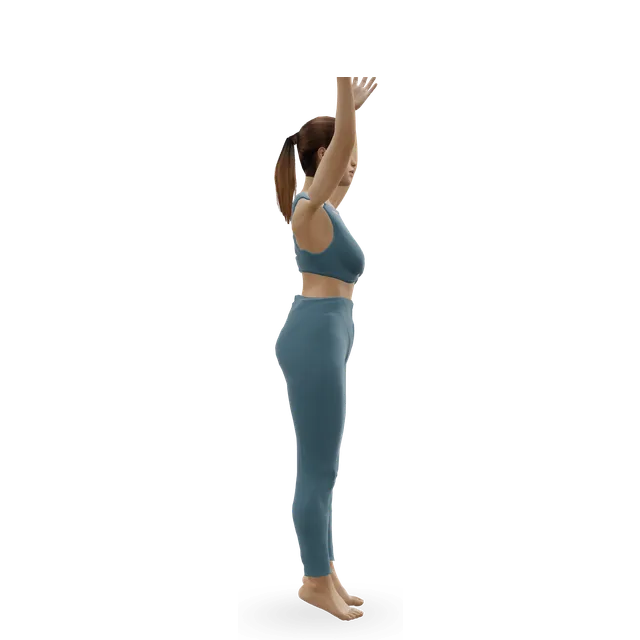
- Mountain pose (Tadasana)5 slow breathsBeginner · Calves, Back, Abs · 3D demoStand tall and breathe slowly, with no holdsHarder: Tree pose (Vrksasana)



Walk or cycle
2 rounds · Rest 2 to 3 min sitting down, with a drink, between blocks
- Treadmill walking10 minBeginner · Quads, Calves, Glutes · 3D demoOr an exercise bike. Easy to moderate: you can talk in full sentences. Over the weeks, build towards 15 to 20 minutes a blockHarder: Treadmill jogging

Light strength (once round; twice when it feels easy)
- Sit to stand from a chair10 repsBeginner · Quads, Glutes, Hamstrings · 3D demoBreathe out as you stand. Don't hold your breathHarder: Bodyweight squat
- Wall push-up10 repsBeginner · Chest, Triceps, Shoulders · 3D demoBreathe out as you pushHarder: Push-up
- Band row10 repsBeginner · Back, Biceps, Shoulders · 3D demoA light bandHarder: Supported single-arm dumbbell row
- Glute bridge10 repsBeginner · Glutes, Hamstrings, Abs · 3D demoEasier: Pelvic tilt into bridgeHarder: Glute kickback (quadruped hip extension)
- Low step-up8 each legBeginner · Quads, Glutes, Hamstrings · 3D demoHold a rail. Skip it if your hip hurtsHarder: Step-up





Cool down and breathe
- Supine spinal twist (Supta Matsyendrasana)30 s each sideBeginner · Back, Glutes · 3D demoGentlyHarder: Seated twist, bottom leg straight
- Beginner · Back, Shoulders, Glutes · 3D demoHarder: Extended puppy pose (Uttana Shishosana)
- Beginner · 3D demoIn for about 4 and out for about 6, with no holds. Then have a drink and put on a warm layerEasier: Breath reachHarder: Crocodile breathing (prone diaphragmatic breathing)



Tips
- Do it 3 times a week, with walking on other days. Every week or two, add a few minutes to each block, up to 20 minutes, rather than going harder.
- Drink before, during and after, and more on hot days. Rest at least every 20 minutes.
- Keep warm: wear layers outdoors, avoid cold water, and after swimming dry off and dress straight away, hair included.
- Leave out sprints, HIIT, heavy weights, breath holds and underwater swimming, and don't exercise to exhaustion.
- Ask your sickle cell team before harder exercise, a new sport, or a trip above 2,000 metres.
- Call 999 (911 in the US) for a crisis with severe pain, breathing difficulties or being sick, a high temperature, chest pain, signs of a stroke, or a painful erection lasting more than 1 hour.
- With sickle cell trait you don't need this session: train as normal, building up gradually, with the precautions in our guide.
The doses are suggested starting points, not a prescription. Choose a range you can control and stop for sharp or increasing pain, numbness or tingling. Get individual advice after an injury or surgery, or if you are pregnant or managing a health condition.
Guides that recommend it
Find more moves like these
More cardio & conditioning




HIIT workout at home
A 20-minute no-equipment HIIT workout: jumping jacks, jump squats, mountain climbers, burpees, skips and bear crawls.
20 minIntermediate10 movesNo equipment

Plyometric workout
An advanced jump training session: pogo hops, box jumps, split squat jumps, broad jumps and depth jumps.
30 minAdvanced8 movesA bench or box, A step

Easy cardio workout
A steady 30 to 45 minute cardio session at talk-but-not-sing pace: walk, cycle, row or cross-train, counting toward weekly activity guidelines.
40 minBeginner3 movesCardio machine, A wallQuestions people ask
How long does the sickle cell exercise: a gentle workout with rest and drink breaks take?
About 35 minutes, including any warm-up and cool-down listed. Shorten it by doing fewer rounds; lengthen it by adding one.
What equipment do I need?
You need: Cardio machine, A bench or box, A wall, A band, An anchor point, A step. Each move links to its guide, where you can find an alternative if you are missing something.
Is it suitable for beginners?
It is written for beginners. 2 of its 12 moves have an easier option listed beside them if you need one.
How do I make it easier or harder?
Use the easier or harder option listed under each move, change the number of rounds, or adjust the rest. Progress one change at a time.