Jump training works
Across 26 controlled studies, plyometric training raised the countermovement jump (a quick dip and straight up) by 8.7% on average: about 2 to 6 cm, depending on the jump. Most people studied were aged 11 to 29.
Source 1
Training guide
Jump training works. Across 26 trials, plyometric training (jumps, hops and bounds) raised people's countermovement jump by about 9% on average, roughly 2 to 6 cm, and strength training raises jump height too, especially if you're new to lifting. Two sessions a week for 8 to 12 weeks is a sensible block, with fewer jumps than most programmes sell.
Technique adds a little at once: a hard arm swing and a quick dip are worth centimetres. The rest takes weeks, and claims of 10 inches in a month are several times what any trial found.
This guide covers what works and how much, a staged plan from landings to depth jumps, how to measure your jump with a phone or a wall, who should take care, and an 8-week vertical jump workout with a 3D demo of every move.
Across 26 controlled studies, plyometric training raised the countermovement jump (a quick dip and straight up) by 8.7% on average: about 2 to 6 cm, depending on the jump. Most people studied were aged 11 to 29.
Source 1
Olympic lifts such as the clean raised jump height about as much as jump training and more than ordinary lifting. In relatively weak men, heavy squats raised jump power as much as jump squats did over 10 weeks. Combining strength work with jumps was at least as good as either alone.
Two sessions a week is enough. In volleyball trials, programmes with about 42 jumps a session did as well as those with about 160, though that's a comparison across studies, not a head-to-head trial. Programmes over about 10 weeks did better.
A hard arm swing added 8.6 cm in one lab study, and a quick dip before take-off added 3.4 cm over jumping from a paused squat. Those help at once; strength and spring take weeks.
A phone app that times your flight agrees closely with a lab force plate. A chalk mark on a wall reads higher, so pick one method and keep to it.
Start with landings, then jumps, then low depth jumps. Jump training that taught landing cut landing forces by 22%, and programmes with strength and landing work cut knee ligament injuries.
Your vertical jump is how high you can lift your body off the ground. Tests measure it in different ways, which is why numbers differ between charts.
How high you go depends on how fast you leave the ground. In 20 men, an arm swing added 8.6 cm, about three-quarters of it through a faster take-off and a quarter through a higher body position as the feet left the ground. In another lab study, the arm swing added more than the dip did.
A quick dip added 3.4 cm over a jump from a paused squat in 6 volleyball players, because the muscles build up force on the way down. Most people dip a little less deeply than is ideal, but it cost them only 0.1 to 1.2 cm.
In a maximal jump, the knee did about half the work, the hip about 28% and the ankle about 23%. That's why squats and hip hinges matter more than calf raises alone.
Source 19
Stronger half squats went with higher jumps in 17 international footballers, an association. In trials, heavy squats raised jump power in weaker men, and jump squats tended to do more in stronger men.
In 332 US adults aged 27 to 96 (average age 65), jump height averaged 0.20 m in women and 0.27 m in men, and in Canadian data boys overtook girls between 11 and 13. We found no general norms for younger adults that we could check, so compare yourself with your own last test.
Across 26 controlled studies, jump training raised the countermovement jump by 8.7%, the jump with an arm swing by 7.5%, and the squat jump and drop jump by 4.7% each: about 2 to 6 cm. Athletes and non-athletes gained similarly. Female athletes gained too, more with programmes over 10 weeks, and across 61 studies of people aged 8 to 73, the quick rebound off a drop improved, on moderate-certainty evidence.
In 14 trials of volleyball players, programmes with fewer than 2,000 jumps in total, about 42 a session, did as well as bigger ones of about 160 a session. That's a comparison across studies, not a head-to-head trial, so it may not hold for everyone. Across 61 studies, about 1,080 jumps in total did about as well as more, and 100 jumps and landings twice a week for 8 weeks added about 3 to 4.5 cm in 24 soccer players.
One meta-analysis found more than 10 weeks, more than 20 sessions and more than 50 jumps a session did best, and female athletes gained more after 10 weeks. In volleyball trials, though, 8 weeks or less and 2 sessions a week did as well as more. Three sessions a week tended to help the rebound most.
Mixing squat jumps, countermovement jumps and drop jumps beat using one kind, and jumping with added weight gave no extra benefit. Soft and firm surfaces gave similar gains, and depth jumps from a 30 cm box did as well as from boxes of up to 75 cm.
Weightlifting (cleans, snatches and their pulls) raised the countermovement jump by 7.5%, against 2.1% for ordinary lifting, and about matched jump training (8.8% against 8.1%). Most of these studies were small and in young men with some lifting experience.
Combining heavy lifts with jumps was at least as good as either alone, and ranked highest for the countermovement jump across 29 trials in soccer players. In female soccer players, jump training beat strength training for jumping, so keep the jumps in.
In 24 relatively weak men, 10 weeks of heavy squats raised jump power as much as jump squats did (both about 18%), and raised the squat far more (31% against 5%). Stronger men, who could squat about twice their body weight, tended to gain more from jump squats.
The American College of Sports Medicine's 2026 overview of 137 reviews found power improved most with moderate loads (30 to 70% of the most you can lift once), a low to moderate number of reps, Olympic-style lifting and lifting fast. It also notes that jump height isn't the same thing as muscle power.
Source 32
Most jump-training studies lasted 7 weeks or less, only about one in four included women, and over a third had no control group. The trials in the main meta-analysis were small and none was blinded, so treat exact figures as rough.
Our editorial plan, built on the jump-training meta-analyses (Markovic 2007; de Villarreal 2009; Ramirez-Campillo 2020), expert guidance on foot contacts and rest (Davies 2015), the plans' shared notes on effort, and the concurrent training meta-analysis (Schumann 2022).
Loading the 3D figure…
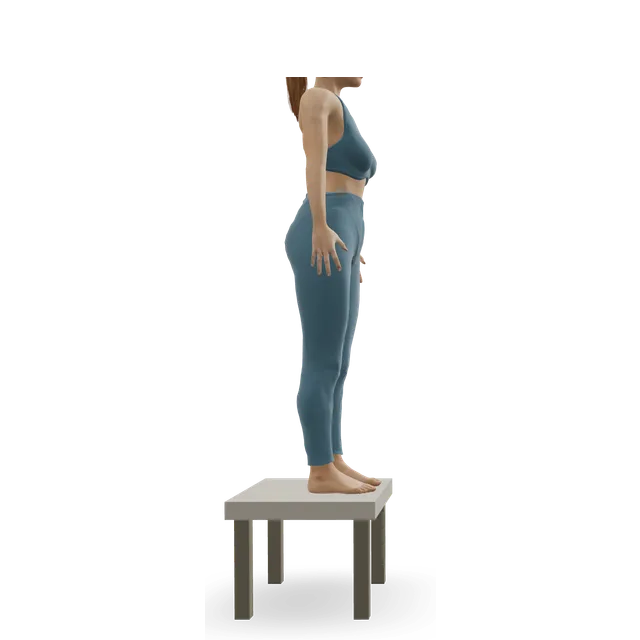
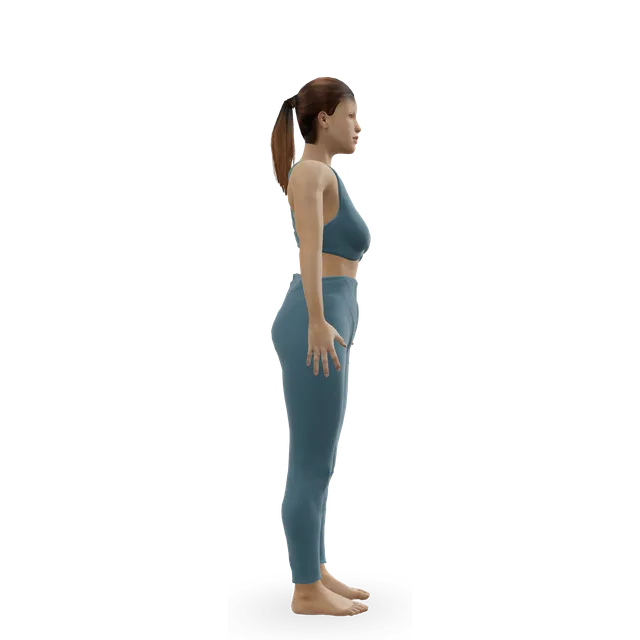
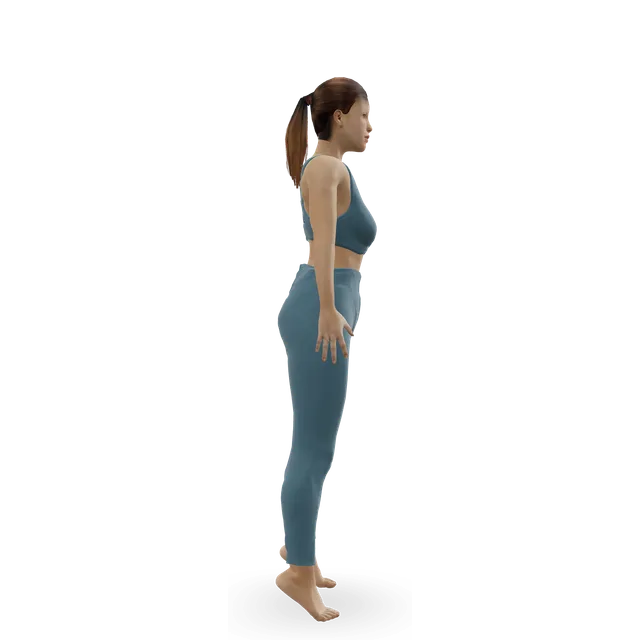
The movement on the figure: Box jump
Two sessions a week, at least 48 hours apart, for 8 to 12 weeks. Expert guidance suggests 48 to 72 hours between hard jump sessions, though no trial has tested the best gap.
Count each landing as one foot contact. Expert guidance suggests about 80 to 100 a session for beginners, 100 to 120 for intermediate athletes and 120 to 140 for advanced ones, and rehabilitation after knee surgery starts at about 50. Our editorial starting point: about 80 including the warm-up, building towards 100. A trial in soccer players used 100 twice a week.
Sets of 3 to 10 jumps, with 60 to 90 seconds between sets for most jumps and up to 2 minutes for depth jumps (our editorial starting point). Adults over 50 trained with up to 3 sets of 10 and 60 seconds' rest, and in one study, resting twice as long as each set lasted kept the jumping quality up.
Every jump is a full effort with a quiet landing. Unlike lifting, you don't count reps in reserve: stop a set when your landings get loud, your contacts get slower or your jumps get lower (our editorial rule, as in the site's plyometric workouts).
Two strength sessions a week, as in our plans: a squat or split squat, a hip hinge and calf raises, stopping 2 to 3 reps short of failure. After a few months of regular lifting, add one power move, such as a light jump squat or a hang power clean with coaching (our editorial suggestion).
Warm up by moving: holding a stretch for a minute or more per muscle cut performance by about 4.6%, and under a minute by about 1%. A few practice jumps or a heavy set first gave a small extra boost, mainly in stronger people. Keep hard cardio at least 3 hours away from your jumps: doing both in one session blunted explosive gains.
Weeks 1 and 2: snapdowns 3 × 6 with 2-second holds, box drop landings 3 × 5 from 20 to 30 cm, ankle bounces 2 × 20, jump squats 3 × 5 and skips 2 × 20 m (doses from each move's page and our workouts).
Weeks 3 to 5: pogo hops, box jumps (step down), jumps and reaches, broad jumps and lateral bounds. From week 6: depth jumps from about 30 cm, one-leg hops and sticks, hurdle hops and split jumps. 3 to 5 jumps a set, and about 80 to 100 landings a session in all.
 3D demoPogo hopsIntermediate · No equipment
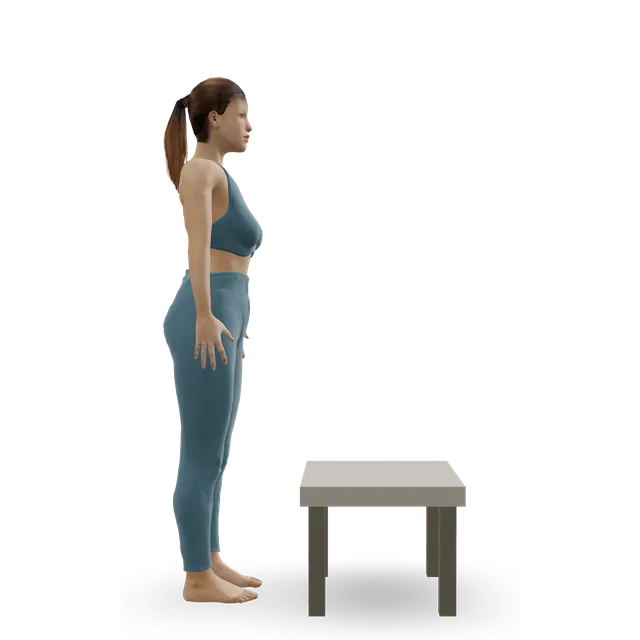 3D demoBox jumpIntermediate · A bench or box
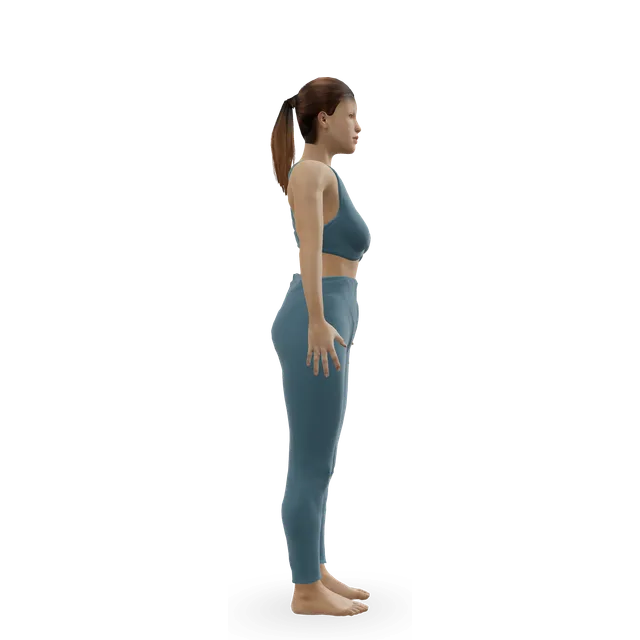 3D demoRocket jump (jump and reach)Intermediate · No equipment
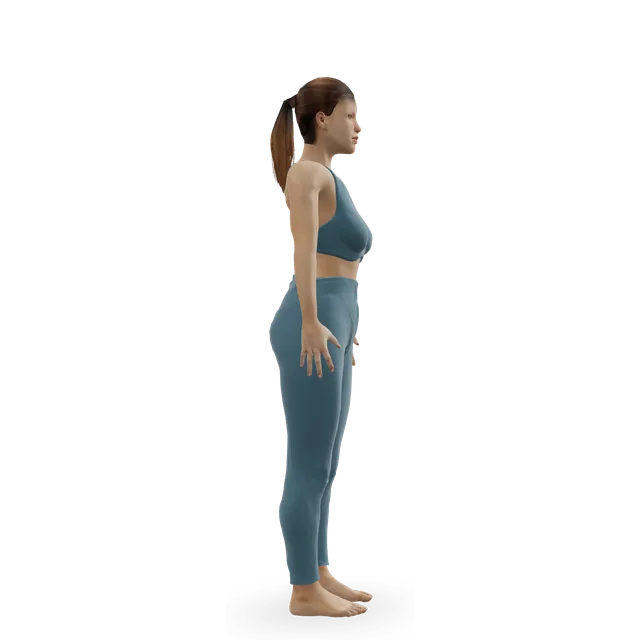 3D demoStanding broad jump with stuck landingIntermediate · No equipment
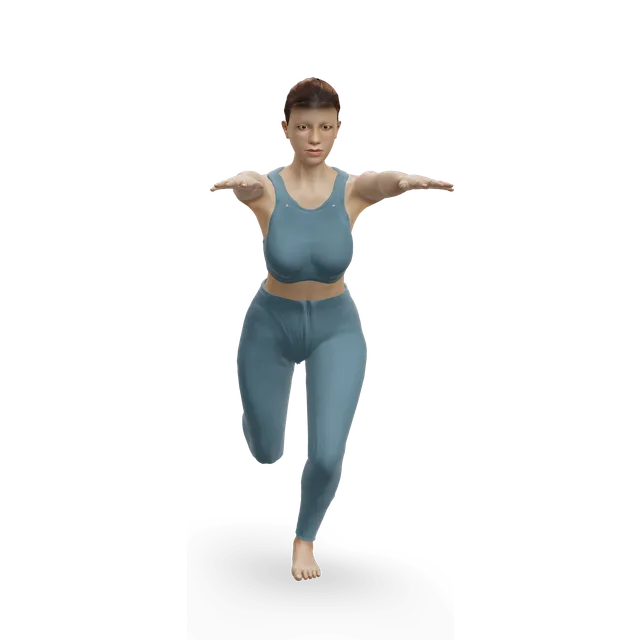 3D demoLateral bound (skater jump)Beginner · No equipment
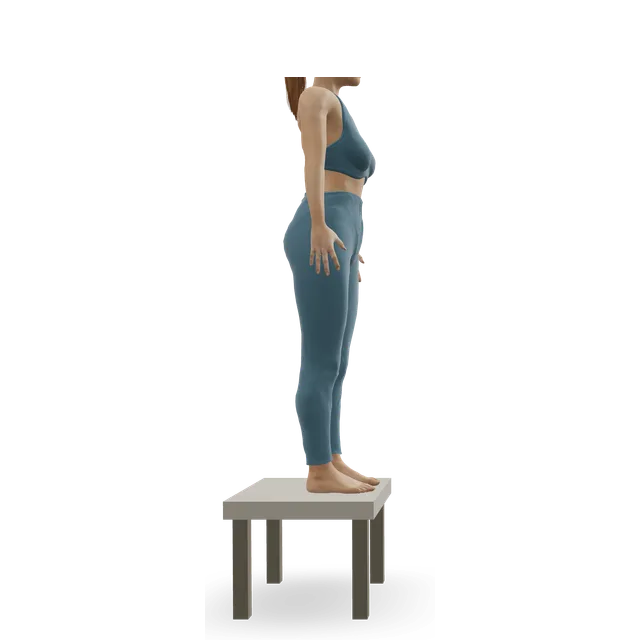 3D demoDepth jumpAdvanced · A step
 3D demoSingle-leg hop and stickIntermediate · No equipment
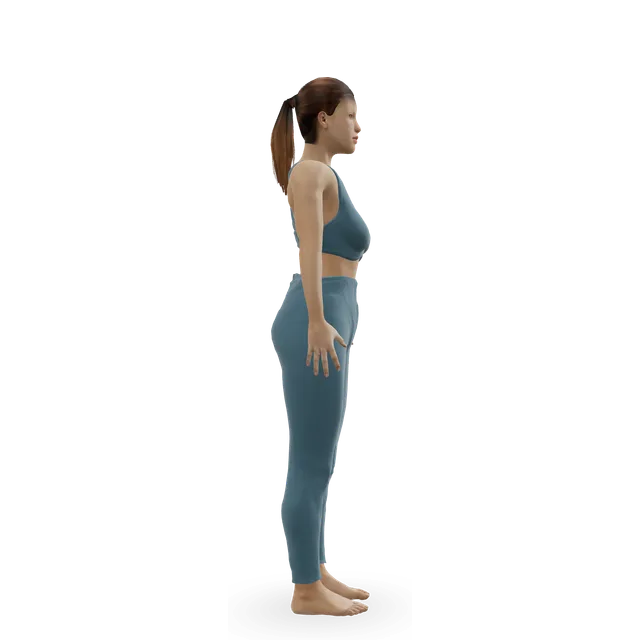 3D demoHurdle hopsIntermediate · Other / check instructions
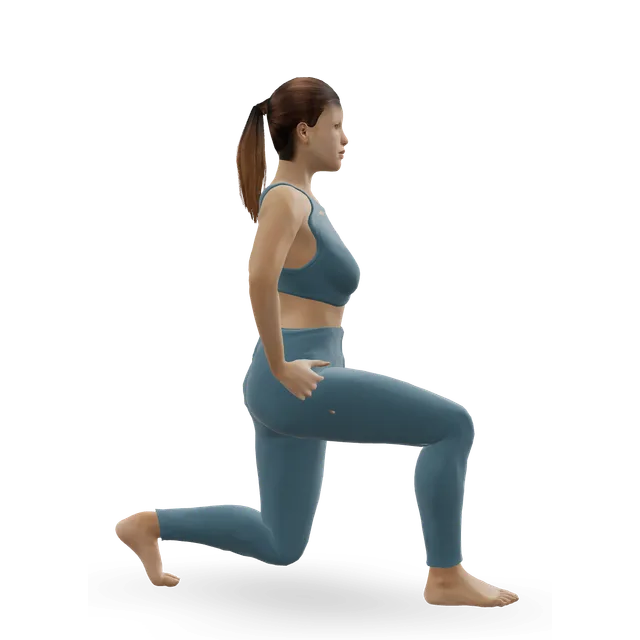 3D demoSplit squat jumpAdvanced · No equipment
Two sessions a week: 3 sets of 4 to 8 on squats and deadlifts, 6 to 10 on split squats and Romanian deadlifts, and 10 to 15 calf raises, stopping 2 to 3 reps short of failure. The weighted jump squat (about a third of your best squat or less) and the hang power clean come later, ideally with coaching.
 3D demoDumbbell goblet squatIntermediate · A dumbbell
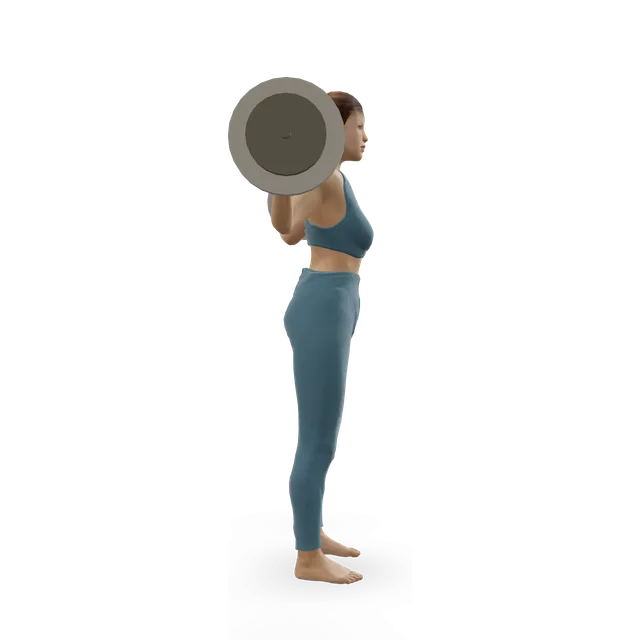 3D demoBarbell back squatAdvanced · A barbell
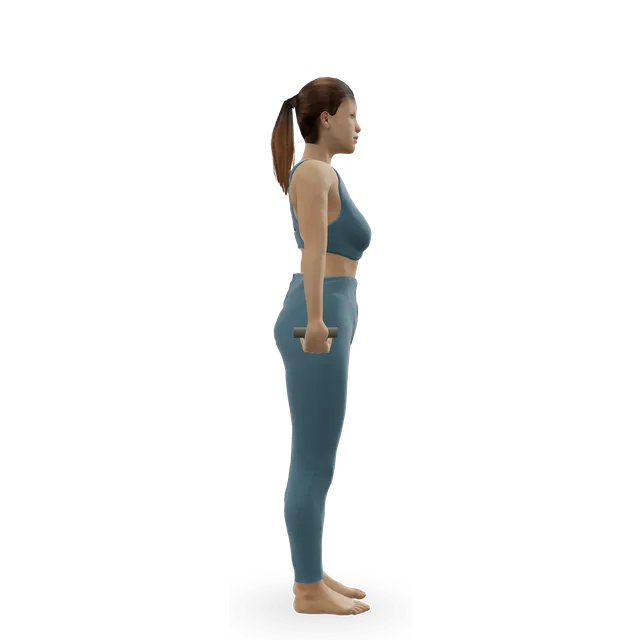 3D demoTrap bar (hex bar) deadliftIntermediate · Other / check instructions
 3D demoDumbbell Romanian deadliftIntermediate · A dumbbell
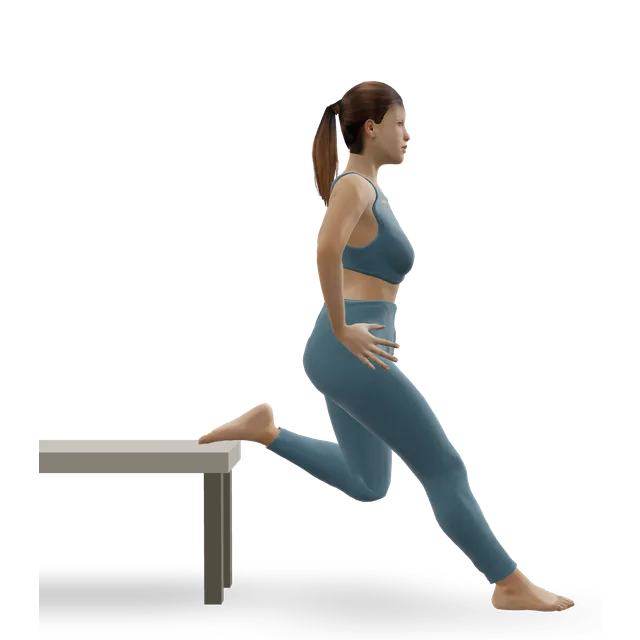 3D demoRear-foot-elevated split squat (Bulgarian split squat)Intermediate · A bench or box
 3D demoSingle-leg calf raise from a stepIntermediate · A step + A wall
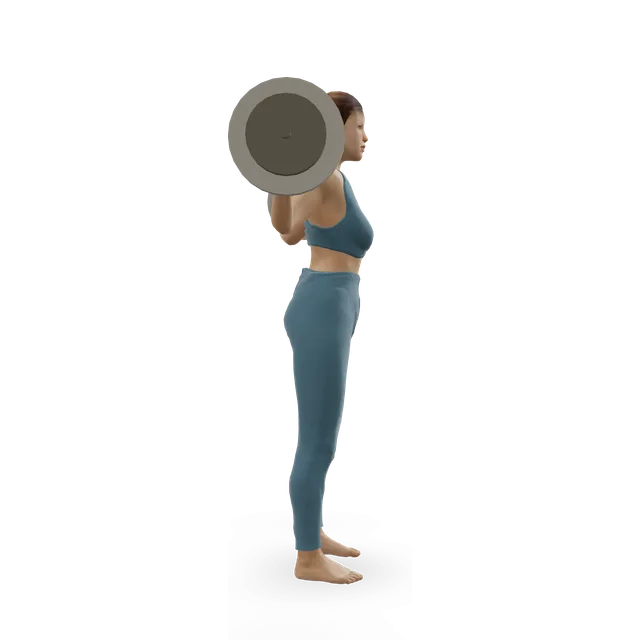 3D demoWeighted jump squatAdvanced · A barbell
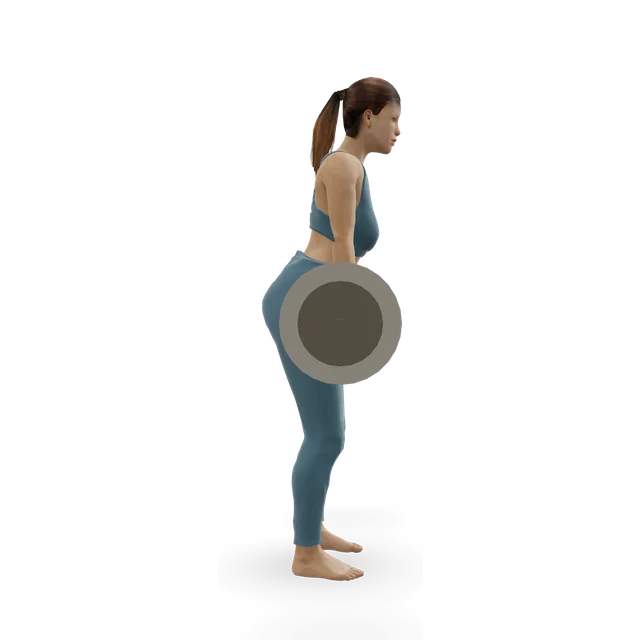 3D demoHang power cleanAdvanced · A barbell
Built on lab studies of the arm swing (Lees 2004; Vaverka 2016, where it added 38% in elite volleyball players) and the dip (Bobbert 1996; Mandic 2016). The landing cues are those of the site's landing drills.
Loading the 3D figure…
The movement on the figure: Jump squat
Our editorial method, from the protocols of the app validation studies (Balsalobre-Fernández 2015; Yingling 2018).
Loading the 3D figure…
The movement on the figure: Rocket jump (jump and reach)
Against a lab force plate, the My Jump app was within about 1 cm in 20 men, and across 21 studies it gave the same heights as lab methods, with very high repeatability.
In 135 adults, jump-and-reach heights on a Vertec were higher than app heights, and the authors say the two shouldn't be used interchangeably. Pick one method and keep it.
Source 13
Your jump varies by about 2 to 5% from one test to the next. On a 40 cm jump, that's 1 to 2 cm (our arithmetic), so treat smaller changes as noise.
Technique helps at once: a stronger arm swing and a quicker dip can add centimetres the first time you try them.
In young people, the smallest programme that worked lasted 4 weeks and 8 sessions, and in stronger men the gains were large by 5 weeks.
Programmes over 10 weeks did better. Across trials of 4 to 24 weeks, the average gain was about 5 to 9%, roughly 2 to 6 cm: on a 40 cm jump, about 3.5 cm (our arithmetic).
Claims of 25 cm (10 inches) or more in a few weeks are several times what the trials found. Makers of platform jump shoes claim 12.7 to 25.4 cm.
Men jump higher on average, a gap that opens around puberty. Women gained from jump training as men did, though one meta-analysis found men's power gains a little larger.
Leg power fell faster with age than strength in people aged 65 to 89: about 3.5% a year against 1 to 2%. Jumping raised leg power in adults over 50, more in those without obesity. Across 12 randomised studies in older adults, no study reported more injuries; there were 4 falls in supervised sessions and 1 likely training injury. Our osteoporosis guide covers jumping for bone.
Supervised strength training is safe for children and teenagers: no growth-plate injury has been reported in prospective studies with professional guidance, and there's no evidence it harms growth in height. Landings in competitive sport can reach 5 to 7 times body weight, more than a coached session.
Jump training improved strength, sprinting, broad jumps and the rebound in young people before and after the growth spurt, though the countermovement jump itself didn't change significantly and the certainty was low. In adolescents, fewer than 900 jumps in total did best. The youth development model makes strength a priority at every stage, and says children respond especially well to jump and sprint training before puberty.
Heavy squats raised jump power in relatively weak men as much as jump squats did, so building strength is time well spent. Stronger men tended to gain more from power work.
Jump training that taught soft landings cut peak landing forces by 22% and the sideways load on the knee by about half. Prevention programmes with strength, landing and balance work lowered the odds of an ACL (anterior cruciate ligament) injury by about 40%, and of a non-contact one by about two-thirds; programmes focused on strengthening and hip and trunk control did best.
Whether lots of jumping causes jumper's knee (pain in the tendon below the kneecap) is uncertain: the evidence on jump volume is limited or conflicting, while body weight and a higher jump were linked with it, and men had twice the odds. For the Achilles tendon, weaker calves were one of a few risk factors, on limited evidence. Build up gradually and count your jumps.
Repeated jumping can cause a stress fracture: pain in one spot on a bone that gets worse with jumping or running and eases with rest. Shin splints are more likely if you jump on hard surfaces or start again after a break.
In 14 volleyball trials, no study reported soreness, pain or injury that made people drop out, and trials in older adults reported few problems. But many studies didn't record side effects carefully, so read 'safe' as 'safe when built up gradually'.
Our vertical jump workout takes you from landings to depth jumps over 8 weeks, with strength work after. The plyometric workout is the advanced next step; the basketball and netball sessions are sport versions, and the springy starter and the runners' session are gentler ways in.
A staged jump session for 8 weeks: landings and small jumps, then box and broad jumps, then depth jumps, each followed by squats, hinges and calf work.
40 minIntermediate16 movesA step, A bench or boxAn advanced jump training session: pogo hops, box jumps, split squat jumps, broad jumps and depth jumps.
30 minAdvanced8 movesA bench or box, A stepA 45-minute basketball gym session: landings, box jumps, skater bounds and hop-and-sticks, then squats, hinges, split squats, Nordics, calf raises and planks.
45 minIntermediate13 movesA bench or box, A dumbbellA 35-minute netball session: drop landings, hop-and-sticks, lateral bounds and jumps, then goblet squats, split squats, single-leg hinges, Nordics and hip work.
35 minIntermediate15 movesA wall, A stepA 20-minute hop and bound session for runners: ankle bounces to pogo hops, one-leg hops and bounding, building foot contacts slowly over 10 weeks.
20 minIntermediate8 movesCardio machineA beginner's springy session: calf strength first, then heel drops, calf springs and gentle bounces, building towards skipping and pogo hops.
20 minBeginner11 movesA wall, A stepThe beginner strength programme builds the squat and deadlift that jumping relies on. The runners' plan includes hop blocks, and the plan for men over 40 has a power day.
A 12-week beginner barbell program: squat every session, alternate bench and row with press and deadlift, and add weight each time until it stalls.
3 training days50 minBeginner2 days a weekA 12-week strength plan for runners: two sessions a week of heavy lifts, single-leg work, calf raises and hops, fitted around your runs.
2 training days45 minBeginner3 days a weekA 3-day strength plan for men over 40 with power and bone work, two cardio days and mobility, built on research on ageing muscle.
3 training days45 minBeginnerStop and call 999 for:
Call 999 or go to A&E if you heard a crack, the joint or limb has changed shape or points at an odd angle, it's numb or tingling, or the skin looks blue or grey or feels cold. Contact NHS 111 (in the US, urgent care) if it's very painful or you can't put weight on it or walk more than a few steps.
Source 63
Pain below the kneecap is worse the next morning: our jumper's knee guide keeps tendon pain at 3 out of 10 or less. If you leak urine when you land, that's common and treatable: build up pelvic floor exercises and lower-impact work first. With osteoporosis and fractures, get physiotherapy advice before impact work.
In a randomised trial, the Strength Shoe gave no gains in strength or performance. Platform shoes added 7.2 cm more than ordinary shoes in 56 basketball players, but all 7 dropouts, including 3 injuries, were in the platform group. Ordinary jump training adds about 2 to 6 cm.
In volleyball trials, about 42 jumps a session did as well as about 160 (a comparison across studies, not a head-to-head trial), and across 61 studies, more total jumps added little. High volumes on hard surfaces raise the risk of shin splints, and repeated jumping can cause stress fractures.
The ankle does about a quarter of the work in a jump and the knee about half, and we found no trial of calf raises alone. Keep them in your strength work, alongside squats and hinges.
Source 19
That figure is one author's suggestion, quoted in a clinical commentary whose authors say guidelines for starting jump training haven't been clearly described. Older adults and young people trained safely on programmes that start with landings and small jumps. Start there instead.
No growth-plate injury has been reported in prospective studies of supervised youth strength training, and there's no evidence it harms growth. Jumps are part of the youth development model.
Jumping with added weight gave no extra benefit, and loaded jumps did no better than unloaded ones. We found no trial of ankle weights.
Trial averages are about 5 to 9%, roughly 2 to 6 cm, over 4 to 24 weeks of training.
Source 1
Holding stretches for a minute or more per muscle cut performance by about 4.6%. Warm up by moving instead.
Source 38
Combine jump training with strength training, twice a week for at least 8 to 10 weeks, and use a hard arm swing and a quick dip when you jump. Jump training adds about 5 to 9% on average, roughly 2 to 6 cm, and squats raise it too, especially if you're new to lifting.
Only a little, through technique: a strong arm swing and a quick dip help at once. Fitness gains take weeks: changes were measurable after about 4 to 8 weeks of training, and programmes over 10 weeks did better.
Start with landings, then jump squats, pogo hops, broad jumps and one-leg hops, with split squats and one-leg calf raises on a step for strength. A sturdy step or box adds box jumps and, later, low depth jumps. Our vertical jump workout needs only a box and a pair of dumbbells.
Yes, especially if you're not already strong: in relatively weak men, 10 weeks of heavy squats raised jump power as much as jump squats did, and built far more strength. Combining squats with jumps was at least as good as either alone.
It trains springy ankles and is a gentle way into jumping, but we found no trial of skipping rope for jump height. Bigger gains come from harder jumps, such as box and depth jumps, and from strength training.
A little. The ankle does about a quarter of the work in a jump and the knee about half, so squats, hinges and jumps matter more. Keep calf raises as part of your strength work.
About 80 as a beginner, counting the landings in your warm-up, building towards 100, twice a week; that's expert guidance rather than a tested number. In volleyball trials, programmes with about 42 jumps a session did as well as those with about 160, though that compares different studies rather than testing both head to head.
Twice a week, with at least two days between sessions. Experts suggest 48 to 72 hours between hard jump sessions, and in volleyball trials two sessions a week did as well as more.
Use a phone app that times your flight, which agrees closely with lab force plates, or a chalk mark on a wall for jump-and-reach. The two give different numbers, so stick to one method and keep the best of 3 jumps. Changes of less than 1 to 2 cm may just be day-to-day noise.
It depends on how you measure it, your age and your sex. In 332 US adults aged 27 to 96 (average age 65), the average was 0.27 m for men and 0.20 m for women. The fairest comparison is with your own last test.
Yes, when it's supervised and built up from landings. There's no evidence that supervised strength training harms growth, and jumps are part of the youth development model. Landings in sport can put more load on growing bones than a coached session does.
Warm up by moving instead. Holding a stretch for a minute or more per muscle cut performance by about 4.6%; short holds followed by moving warm-up drills made little difference.
Exercise education, not a personal prescription, and clinical review of these guides is pending. Check with a GP before starting hard training if you have a heart condition, chest pain, dizziness or breathlessness when active, and stop for sharp or increasing pain. Health disclaimer.