Foam rolling & fascia
Springy starter: calf strength and gentle bounces
This is a first step into springy, elastic training. It strengthens the calves before it bounces them, because heavy and held calf work stiffens tendons at least as reliably as jumping, then adds low-level bounces you can build on. Land quietly, and move on to the last block only when the rest feels easy and your calves and Achilles feel normal the next morning. Do it 2 to 3 times a week, with at least 2 days between sessions. Leave out the bounces and hops with a suspected stress fracture, with Achilles or heel pain that gets worse when you hop, or with low bone density until you've had advice: keep to the calf strength block instead.
Warm up
- Beginner · Hip abductors, Shoulders, Calves · 3D demoEasy pace; hold a chair back if your balance is unsureEasier: Seated marchHarder: Jumping jack

Load
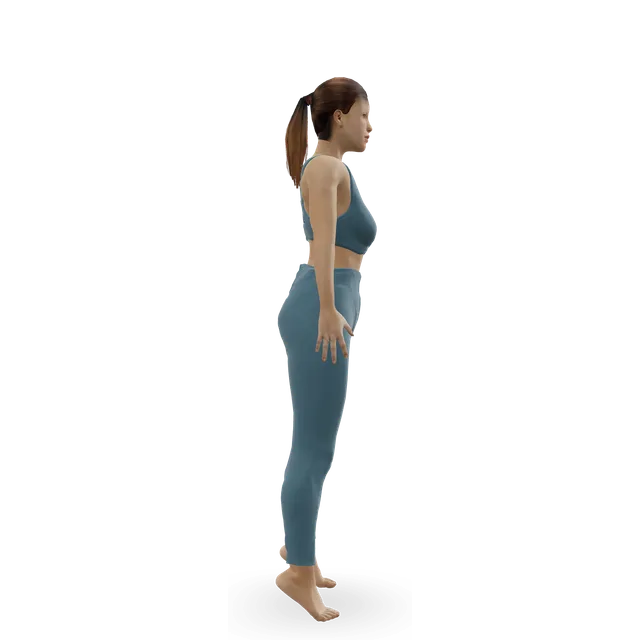
- Slow calf raise2 sets of 15Beginner · Calves · 3D demoAbout 3 seconds up and 3 downEasier: Seated bent-knee calf raise (soleus raise)Harder: Standing dumbbell calf raise
- Isometric calf raise hold3 holds of 30 to 45 sBeginner · Calves · 3D demoThe move's page builds to 5 holdsHarder: Slow calf raise
- Single-leg calf raise from a step2 to 3 sets of 8 to 12 each legIntermediate · Calves · 3D demoOnce two-leg raises are easy. Hold a railEasier: Slow calf raiseHarder: Single-leg pogo hops


Spring
2 rounds · Rest 60 to 90 s
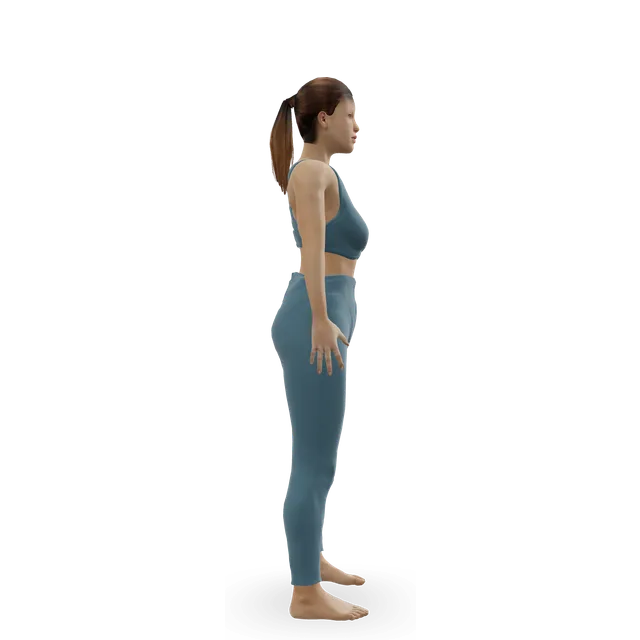
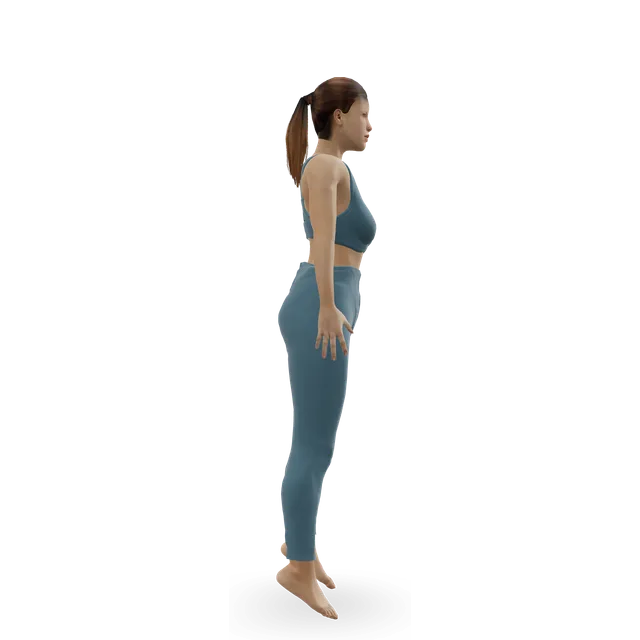
- Calf springs20 quiet bouncesBeginner · 3D demo
- Ankle bounces (mini pogo)15 bouncesBeginner · Calves, Shins · 3D demoOnce calf springs are easyHarder: Pogo hops
- Snapdown to athletic landing5 landingsBeginner · Quads, Glutes, Hamstrings · 3D demoLand softly with your knees over your toesHarder: Box drop landing
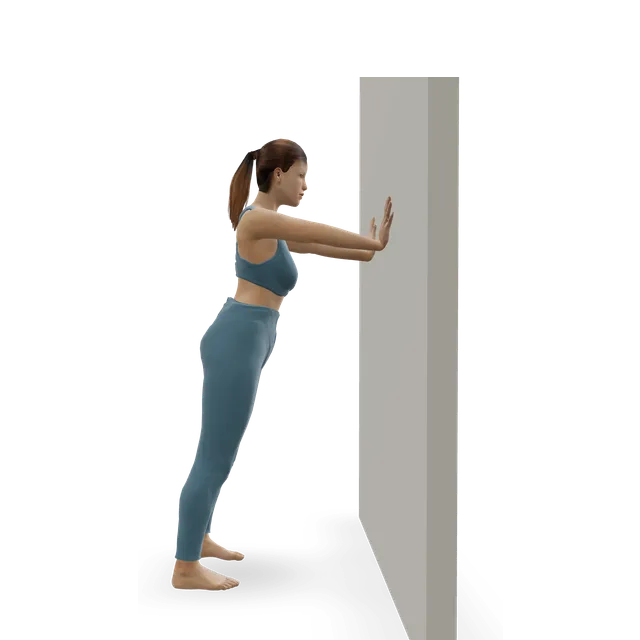
- Elastic wall bounce8 to 10 bouncesBeginner · Chest, Triceps, Shoulders · 3D demoEasier: Wall push-upHarder: Incline push-up


When it's all easy
- Skipping2 lengths of 20 mBeginner · Calves, Hip flexors, Quads · 3D demoOnly when the blocks above are quiet, pain-free and no worse the next morningHarder: Alternate-leg bounding
- Pogo hops2 sets of 10Intermediate · Calves, Quads, Shins · 3D demoEasier: Ankle bounces (mini pogo)Harder: Single-leg pogo hops


Tips
- Quiet landings are the technique: stop a set when the contacts get louder or longer.
- Calf or Achilles soreness is fine if it stays at 5 out of 10 or less and has settled by the next morning. A sudden snap, or a feeling of being hit at the back of the heel or calf, needs a same-day assessment.
- Leave out the bouncing with a suspected stress fracture: bone pain should be gone before you bounce. Leave it out too if Achilles or heel pain gets worse when you hop, and keep to the Load block.
- With low bone density, get advice before the Spring block. Once you have, heel drops are the usual first step for bone; with spinal fractures, keep them gentle or march instead.
- If you leak when you bounce, build up pelvic floor exercises first and see a GP or pelvic health physiotherapist.
- Keep your strength work too: heavy and held calf work stiffens tendons at least as reliably as bouncing.
The doses are suggested starting points, not a prescription. Choose a range you can control and stop for sharp or increasing pain, numbness or tingling. Get individual advice after an injury or surgery, or if you are pregnant or managing a health condition.
Guides that recommend it
Find more moves like these
More foam rolling & fascia
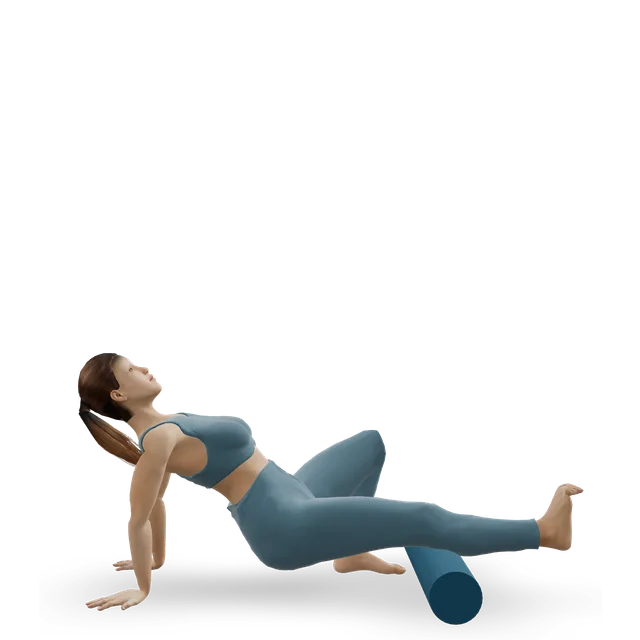
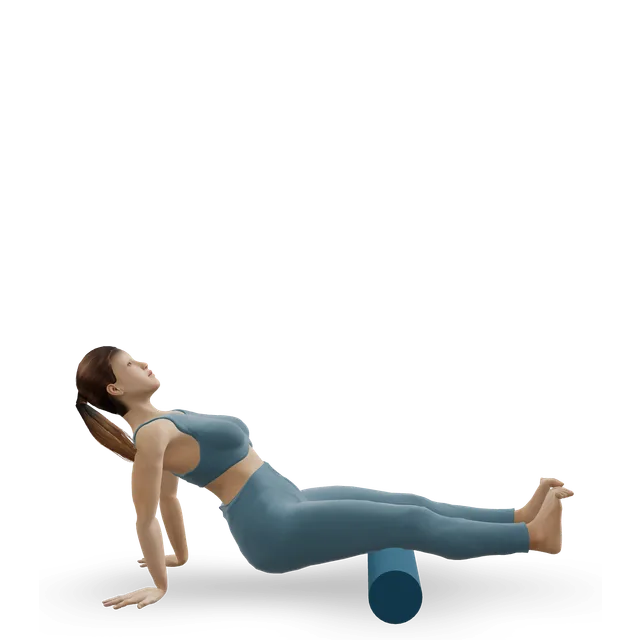
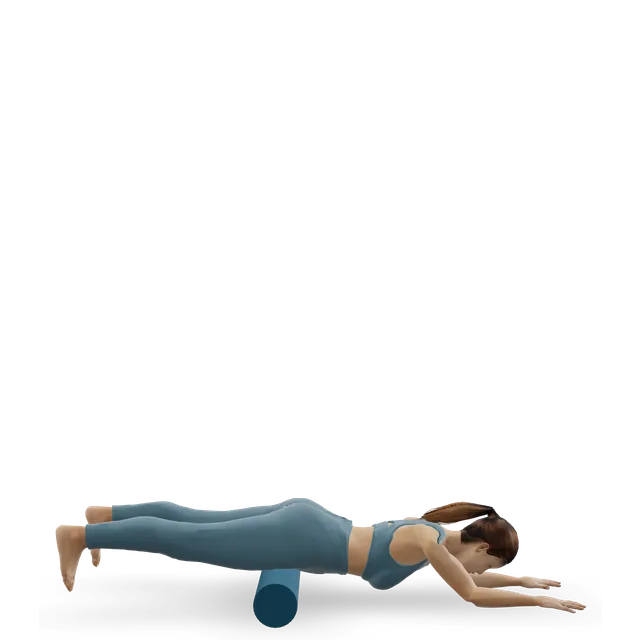
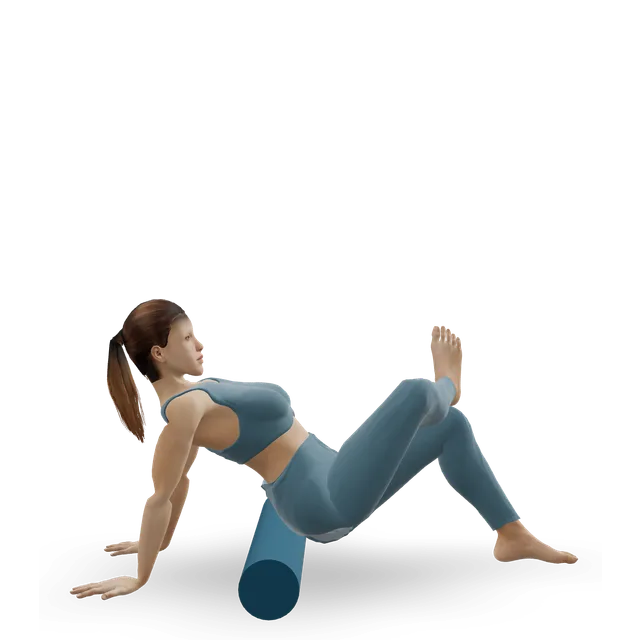
Full-body foam roller routine
A 10-minute foam roller routine for calves, thighs, glutes and upper back: about a minute per area, moderate pressure, slow rolls.
10 minBeginner6 movesA foam roller



Fascia stretching routine
A 12-minute, no-equipment routine of slow long-line stretches, side bends and rotations, moving in many directions.
12 minBeginner10 movesNo equipment


Fascia release for legs
Roll then stretch each part of the leg, feet to hips, and finish with springy calf bounces. About 20 minutes.
20 minBeginner14 movesA massage ball, A foam rollerQuestions people ask
How long does the springy starter: calf strength and gentle bounces take?
About 20 minutes, including any warm-up and cool-down listed. Shorten it by doing fewer rounds; lengthen it by adding one.
What equipment do I need?
You need: A wall, A step. Each move links to its guide, where you can find an alternative if you are missing something.
Is it suitable for beginners?
It is written for beginners. 5 of its 11 moves have an easier option listed beside them if you need one.
How do I make it easier or harder?
Use the easier or harder option listed under each move, change the number of rounds, or adjust the rest. Progress one change at a time.