Elastic recoil
Calf springs
Movement guide
Calf springs
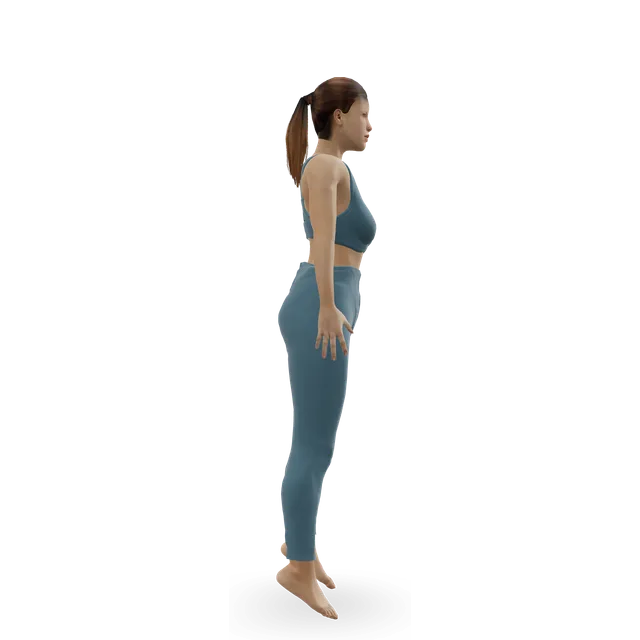
Loading the 3D figure…
Existing guide · editorial review pending. Clinical review is pending.
Sources and review status
Sources support the educational description; they do not establish that this exercise is suitable for you.
- Schleip & Müller 2013
No variation is labeled clinically validated.
Light, repeated heel raises introduce elastic loading of the calf and Achilles. Bouncing requires suitable balance and tendon capacity; choose controlled calf raises if that demand is not appropriate.
Make it easier or harder
Choose a version that fits your control and comfort.
Easier option
 3D demoSlow calf raiseBeginner · A wall
Suggested next step, beginner grade.
Harder option
 3D demoAnkle bounces (mini pogo)Beginner · No equipment
Suggested next step, beginner grade.
How to do it
- 01Stand tall, weight even across both feet, fingertips on a wall if you like.
- 02Bounce lightly on the balls of your feet, heels kissing the floor between reps.
- 03Land like you are trying not to be heard; the quiet is the technique.
- 04Keep a springy rhythm for 20 bounces, rest, and repeat once.
Mistakes that waste your reps
- Landing heavy and flat-footed, which absorbs the spring you are trying to train.
- Turning it into a max-height jump; small and elastic beats big and muscular.
- Letting the knees do the bouncing instead of the ankles.
Where this comes from
Discomfort that eases as you move is normal; pain that sharpens is a stop sign. If this area is injured or persistently painful, a clinician outranks this page.
Written by Kyle Jenkin · updated August 31, 2026 · how we grade evidence
Pairs well with
What it works
Muscles
Works the calves and feet. Individual muscles are not yet classified.
Equipment
None: body weight and floor space.
Level
Beginner. See the easier and harder options above.
Workouts that use it
Pain guides that use it
Part of a staged plan, with when to get help first.
Guides that use it
Similar moves

Browse more
Questions people ask
What muscles does the Calf springs work?
It works the calves and feet.
What equipment do I need for the Calf springs?
No equipment: your body weight and a little floor space.
Is the Calf springs good for beginners?
It is graded beginner, so it suits most people starting out. When it feels easy, try the Ankle bounces (mini pogo).
What is an easier alternative to the Calf springs?
Try the Slow calf raise. It is the suggested step down from this move.
How do I make the Calf springs harder?
Progress to the Ankle bounces (mini pogo) or the Pogo hops. Follow that guide’s technique and any stated timing.
One move is a start. A thread is better.
When you want it built for you daily: The Daily Thread membership · $12/mo or $89/yr · not yet open