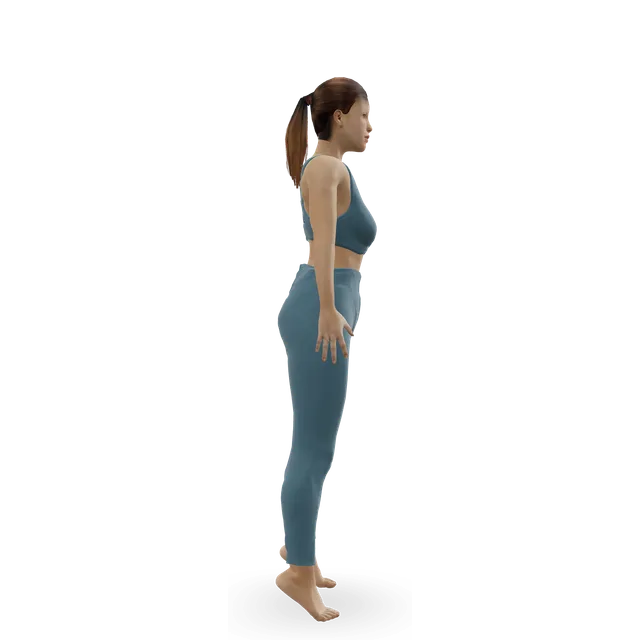
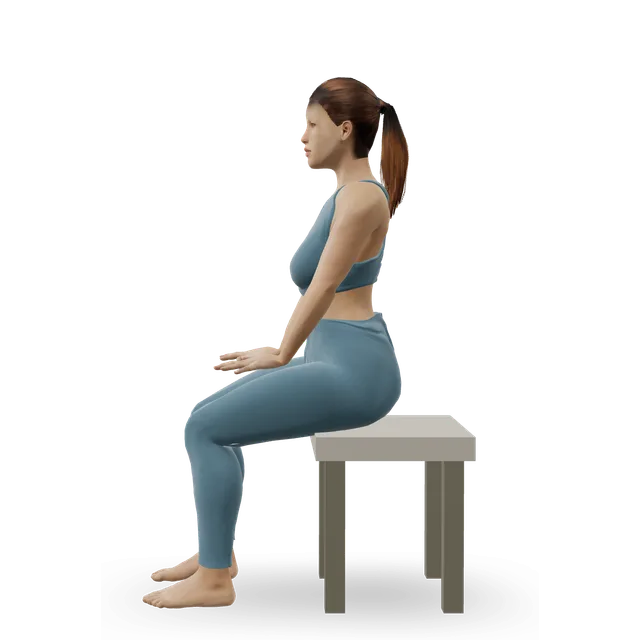
Ankles means three different things
Stiff ankles bend up less than you'd like; weak ankles have weaker muscles that point, lift and turn the foot; wobbly ankles keep giving way after a sprain. Each needs something different.
Pilates guide
Pilates has barely been tested for the ankles: the one study in ankles that keep giving way let footballers choose their group, with no group that did nothing. What does have evidence is balance training: an 8-week home programme of one-leg balance cut repeat sprains from 33% to 22%. Calf stretches and full-range calf raises add a few degrees of ankle bend, and band work and heel raises strengthen the muscles that steady the ankle.
So this guide shows how to fit what works into Pilates: ankle range for stiff ankles, strength in all four directions for weak ankles, one-leg balance for wobbly ankles, and the footwork, side-lying hip work and trunk control that Pilates adds around them.
It also covers what reformer footwork does and doesn't do, ankles after a sprain or a break, swollen ankles, the warning signs, and our ankle class. Our Pilates for the feet and Pilates after an ankle sprain guides go deeper on each.
Stiff ankles bend up less than you'd like; weak ankles have weaker muscles that point, lift and turn the foot; wobbly ankles keep giving way after a sprain. Each needs something different.
The one study in unstable ankles let 51 footballers choose Pilates or balance training, with no untrained group, about a month after a sprain. No Pilates trial has counted sprains, and a registered trial has no results yet.
An 8-week home balance programme, 3 times a week, cut repeat sprains from 33% to 22%: one fewer for every 9 people who trained. A brace or tape for sport works at least as well.
Strength plus balance work did best for ankles that already feel unstable; strength work alone didn't improve balance by a detectable amount.
Calf stretching adds a few degrees of ankle bend, and full-range calf raises do about as well and add strength. Ankle range hasn't been shown to predict sprains.
One-leg standing work, footwork shapes on a wall, side-lying hip work and trunk control. Reformer footwork's load on the ankle has never been measured, and mat Pilates on its own did less for balance than balance training.
The ankle joint itself, between the shin bones and the talus, bends the foot up (dorsiflexion) and points it down (plantarflexion). The joint below it, the subtalar joint, tips the sole in (inversion) and out (eversion). The calves point the foot and lift you onto your toes; the muscle at the front of the shin lifts the foot; the peroneals on the outside of the shin turn the sole out and react fast when the ankle starts to roll; and the tibialis posterior on the inside turns it in and holds up the arch. Our ankle and foot joint guide has the anatomy.
Stiff usually means less upward bend than you'd like: your knee won't travel far over your toes with the heel down. The calf is part of it, mostly how much stretch you tolerate. After a sprain, the joint itself can glide less: "Dorsiflexion range of motion was restored in the population studied despite evidence of restricted posterior glide of the talocrural joint." A pinch at the front of the ankle can be bone or soft tissue catching there (anterior impingement). Calf tightness after a sprain "may develop as an adaptive response to immobilization".
Weak usually means the muscles that turn the sole in and out, the shin and the calf: "Individuals with CAI have ankle inversion and eversion strength deficits." (CAI is chronic ankle instability.) Across reviews, "There is strong evidence to support the contribution of dynamic balance, peroneal reaction time and eversion strength deficits" to ankles that give way.
Researchers call it chronic ankle instability: "a propensity for recurrent ankle sprains, frequent episodes or perceptions of the ankle giving way, and persistent symptoms such as pain, swelling, limited motion, weakness, and diminished self-reported function", more than 12 months after the first sprain. Their definition asks for "at least 2 episodes of giving way in the 6 months prior to study enrollment". A loose ligament isn't the whole story: the injured ankle also senses its position less well and sways a little more on one leg.
Ankle sprains are the most common injury in active people; across 181 prospective studies, women sprained more often than men, and court and indoor sports most. Many don't fully settle: 5% to 33% of people still had pain after a year. Up to about 4 in 10 people with a first sprain are estimated to develop a wobbly ankle, a figure from expert estimates and one cohort; in 9 studies of active young people, the share with lasting instability after a sprain was 46%, ranging from 9% to 76%. The figures vary a lot between studies, so "many" is the honest word (our reading).
Lasting instability goes with less activity and "increasing rates of post-traumatic ankle osteoarthritis". Ankle arthritis is uncommon and follows an old injury in more than 75% of cases, but most people who sprain never get it: in 195,393 adults, it was diagnosed in 3.85% after a sprain against 2.66% without one.
Risk factors differ by sex: in men, a previous sprain, weaker hip strength and worse balance; in women, "only lower concentric dorsiflexion strength was identified as a risk factor". In older adults, "fallers exhibited decreased ankle flexibility, more severe hallux valgus deformity, decreased plantar tactile sensitivity, and decreased toe plantarflexor strength" (hallux valgus is a bunion). Hypermobile people can have loose ankles that sprain easily.
The knee-to-wall set-up follows a reliability study of the test and our ankle mobility guide; typical young adults reach about 9.5 to 14 cm, depending on the study. The balance and raise checks are our suggestion. Stop at a pinch at the front of the ankle.
See the movement on the 3D figure: Knee-to-wall ankle rock
There is very little direct evidence. Most of this page rests on balance, strength and stretching research outside Pilates.
The one Pilates study in "chronic ankle instability" recruited 51 male college footballers who had sprained "within the previous one-month period" and let them choose: "The allocation of training was based on the players’ preferences." There was no group that did neither. Both improved, Pilates more on a triple hop and balance training more on two directions of a reach test, and "The strength of inversion and plantar flexion did not change significantly with PT or BT." (PT is Pilates and BT balance training.) A sprain that recent suggests the players were still recovering, so they don't meet the research definition, which asks for a first sprain at least 12 months earlier (our reading of its entry criteria). Its Pilates programme included standing one-leg work alongside the mat work.
Our searches found no Pilates trial after a fresh sprain, none that counted sprains or repeat sprains, and none using an ankle instability questionnaire. A randomised Pilates trial in footballers with unstable ankles was registered in 2025, is listed as not yet recruiting, and has passed its planned finish date with no results.
Reformer Pilates once a week for 10 weeks improved right ankle bend against no exercise in 55 people aged 65 to 95 at risk of falls (one side only; falls weren't counted). In 32 women over 60, Pilates improved ankle bend no more than static stretching. Ankle-focused Pilates in 22 women aged about 76 improved range and walking, with no control group.
Across 39 studies of 1,770 older adults, "Pilates can be recommended to enhance static and dynamic postural balance in older adults, but not to reduce the number of falls or the fear of falling." A network analysis of 423 trials put Pilates high for moving balance, but "These estimates do not establish superiority." In 48 healthy older adults, "Mat-based Pilates training did not cause relevant adaptations in trunk strength and balance performance, whereas balance training substantially improved balance and trunk strength." Our Pilates for balance guide covers falls.
Reformer Pilates beat mat Pilates on one-leg hopping and agility in 30 footballers; Pilates and yoga improved a reach balance test about equally in 20 fencers; mat Pilates didn't change hip-hop dancers' moving balance; and in 91 young women, Pilates "did not improve postural control and proprioception in individuals with flatfeet".
Our searches found no study that measured ankle range, the calf, shin or peroneal muscles, or the load on the ankle during reformer footwork, prances, the Wunda chair or the jumpboard. The closest is one volunteer on a footbar fitted with sensors, where estimating the force from the springs was "imprecise".
In 44 older adults, ordinary resistance training built more shin strength than the same training paced by Pilates breathing: "The dorsiflexion strength was higher in the RT group compared to RT + P group." (RT is resistance training.)
Source 48
In 522 athletes, an 8-week home programme, "three training sessions a week, with a maximum duration of 30 minutes a session", cut re-sprains over a year: "56 (22%) in the intervention group and 89 (33%) in the control group. Nine athletes needed to be treated to prevent one recurrence". Only 23% fully kept to it, so the effect may be an underestimate. Across 7 trials, exercise after a sprain about halved the odds of a re-sprain at 7 to 12 months, and across 14 trials, "Training volume varied considerably across studies but did not affect the odds of sustaining a re-injury." Balance training cut sprains in sport "particularly those with a history of ankle sprain"; for preventing a first sprain, the evidence "remains inconclusive".
A semi-rigid brace for sport after a sprain did at least as well as training (re-sprains 15% against 27%), and reviews find "strong evidence for bracing and moderate evidence for neuromuscular training in preventing recurrence". The Dutch guideline update suggests tape or a brace "in combination with an exercise programme".
"RCTs informing primary and secondary prevention of ankle sprain are fragile." (RCTs are randomised controlled trials): in 80% of them, more people dropped out than the number of different results it would take to change the conclusion. The newest pooled review gives two different figures for the same outcome, so we don't quote it, and the old Cochrane review on preventing sprains was withdrawn as out of date with no replacement.
Exercise is the main treatment: "Balance training provided comprehensive benefits, improving patient-reported function, dynamic balance, joint position sense, concentric strength and functional performance." (58 trials, 2,097 people). Strength plus balance did best for how the ankle feels, the instability score rose by about 4.6 points with exercise, home programmes did about as well as supervised ones, and hip strengthening helped balance too. Most of this evidence is low to moderate certainty.
Strength work alone didn't change reach balance by a detectable amount; band work held its own against balance training on reach and function, at low certainty. Exercise didn't fully restore the ankle's sense of position, and our search found no review that pooled re-sprains in people whose ankles were already unstable.
Most rehab exercises are "simple exercises in the sagittal plane that do not reflect mechanisms of re-injury" (forward and back only), and the authors call for "multiplanar single limb challenges, and jumping and landing exercises". A suggested dose is "three times a week, lasting for 20 to 30 min over a period of 4 to 6 weeks". For Pilates, that means one-leg work in several directions and side-lying hip work, not only footwork (our reading). Our Pilates after an ankle sprain guide has the stages.
"Calf muscle stretching provides a small and statistically significant increase in ankle dorsiflexion. However, it is unclear whether the change is clinically important." That was about 2 to 3 degrees across 5 trials; across 20 controlled trials, static stretching added about 5 degrees. Heel raises improved ankle bend too, and in 36 young men, "SS and RT increased ROM similarly" (static stretching and calf training both raised range of motion), while only the calf training built strength.
Joint mobilisation by a clinician "can mildly improve DFROM among individuals with chronic ankle instability" (DFROM is the range of upward ankle bend), and manual therapy helped at very low certainty in a 2025 review. A physiotherapist can check which it is.
One study of 1,093 army recruits found ankle range "a strong predictor of injury", and an older review called the link "preliminary". But two meta-analyses of studies that followed people forward found "no significant difference in the ankle joint ROM (dorsiflexion/plantar flexion/inversion/eversion) between the injury and noninjury groups". So range is for comfort and how you squat and walk; strength and balance matter more for sprains (our reading).
The test is reliable, but a change of about 1.6 to 1.9 cm is needed before it's more than measuring error. Unstable ankles reached about 1.7 cm less than stable ones, and one ankle often bends less than the other after a sprain. Our ankle mobility guide has the full drill.
Unstable ankles have weaker muscles turning the sole in and out, and the peroneus longus reacts later when the ankle rolls (from only 2 studies each). In studies that followed people forward, weaker turning-in strength and slower peroneal reactions went with sprains, and in women, weaker shin muscles.
In trials: bands for turning the sole in and out, heel raises, shin raises and balance work. Mat Pilates points and flexes the foot without much load, so the moves below add the bands and raises (our reading). Our guide to strengthening your ankles has a full plan.
Across 16 trial papers, "Very low- to low-quality evidence showed that ankle-foot exercises effectively improve ankle plantarflexion strength, flexibility, and balance with eyes open, whereas no effect on falls was found." What does cut falls is balance and functional exercise: 23% fewer falls across 59 studies, at high certainty. The world falls guidelines ask for sessions "three times or more weekly which are individualised, progressed in intensity for at least 12 weeks and continued longer for greater effect", and note that supervised group exercise "such as Pilates or yoga" had the largest effects on concerns about falling.
Classical footwork is "4 Springs" and "10x each position", with "Promotes foot flexibility and strength" among its goals. One maker's classical manual lists "Ankle issues - please consult a physician before performing this exercise" as a footwork precaution, and its contemporary guide adds "Flex/Releve" (raising and lowering the heels with straight legs) and "Running in place". The Wunda chair's exercises "engage the core, legs, and arms". How hard any of this works the ankle's muscles has never been measured.
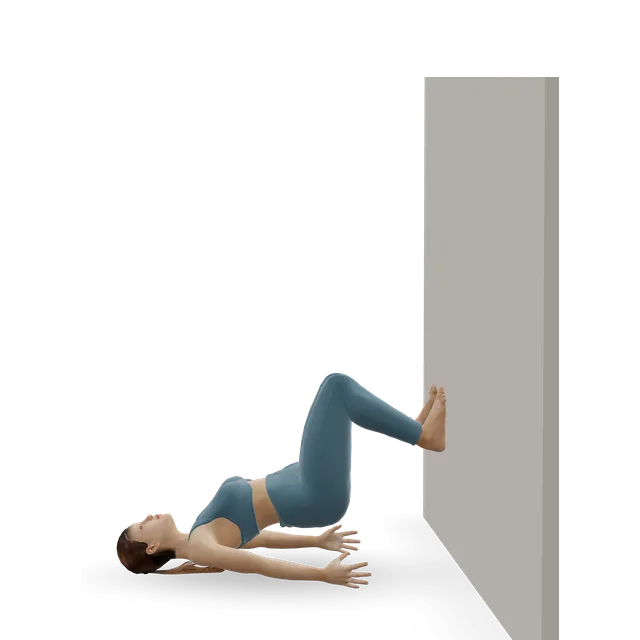
On the mat your feet mostly point and flex, in leg circles, the side kick series and the hundred, without carrying your body weight. Standing and wall work, such as heel raises, one-leg balance and the wall bridge, puts weight through them (our reading, as our Pilates for feet guide says).
Our Pilates for feet guide maps the footwork series to the wall: a wall bridge with the heels on the wall and then the balls of the feet, heel raises in parallel and in a small V, and running on the spot holding the wall. It has the steps.
Minimalist shoes and foot exercises strengthen the small foot muscles a little, at low to very low certainty, with nothing measured for ankle strength or sprains. For older adults, "Walking indoors barefoot or in socks and walking indoors or outdoors in high-heel shoes have been shown to increase the risk of falls in older people." Bare feet or grip socks in class are fine for most people; with numb feet, keep shoes on (see below).
Early, gentle exercise is safe: "The reinjury rate was 4% (two in each group)." Severe sprains may need a short time in a cast or brace first. Our Pilates after an ankle sprain guide has the stages, with band work kept in a pain-free range for the first 2 weeks.
Across 53 studies of 4,489 adults, early weight-bearing and removable supports after surgery helped a little, but "We were uncertain whether any physical therapy interventions were more effective than usual care or other physical therapy interventions." Supervised exercise added nothing to advice after an uncomplicated fracture in one trial, and early home ankle exercise after surgery gave better scores to 24 weeks, "with convergence by week 52". Your fracture team's plan comes first; start Pilates when they say, with seated ankle circles and mat work with the foot resting, then standing work once you're allowed to put weight through it (our suggestion).
"Ankle osteoarthritis affects 1% of the population and, unlike gonarthrosis or coxarthrosis, is secondary to previous trauma in more than 75% of cases." (unlike knee or hip arthritis, it usually follows an injury). In UK adults over 50, ankle pain affected 11.7%. No full trial has tested exercise for it, and "there are no clinical guidelines for ankle OA" (OA is osteoarthritis). Strength and range work is sensible by analogy with the hip and knee, but untested (our reading); see a GP or physiotherapist.
Puffy ankles are usually fluid. The NHS lists "standing or sitting in the same position for too long", "eating too much salty food", "being overweight", "being pregnant", some medicines and varicose veins among the causes, and less often "problems with your kidneys, liver or heart", "a blood clot" or "an infection". It suggests raising your legs and gentle exercise, "like walking, to improve your blood flow".
Source 96
Our search found no Pilates study of swollen ankles. Ankle circles and calf raises keep the calf pump working, and lying with your legs up a wall is a gentle way to raise them (our suggestion). Our Pilates for circulation, varicose veins and lymphatic drainage guides cover the circulation side.
Source 97
One swollen ankle, sudden or painful swelling, or swelling with breathlessness needs the warning signs below first. Our Pilates for heart failure guide covers exercise with a heart condition.
Balance programmes that cut repeat sprains ran 3 times a week for 8 weeks, sessions of up to 30 minutes; a review of programmes for unstable ankles suggests 3 times a week, 20 to 30 minutes, for 4 to 6 weeks. For older adults, balance and strength work 3 or more times a week, progressed for at least 12 weeks.
Our ankle class 2 or 3 times a week, on days that aren't back to back. On other days, 5 minutes of ankle circles, the knee-to-wall rock and both calf stretches if your ankles feel stiff. Practise one-leg balance daily while you brush your teeth or wait for the kettle, with a counter in reach, and make it harder over the weeks (no hand, head turns, then eyes closed for a few seconds). After a sprain, or if an ankle keeps giving way, keep the balance work going 3 times a week for at least 8 weeks and wear a brace or tape for sport. This is our editorial starting point, built from the trials and guidelines above.
Ankle circles: 10 each way, each ankle (our Pilates after an ankle sprain class), or 5 slow circles each way with each ankle, morning and evening, as a daily habit; seated ankle circles: 10 slow circles each way with each foot (both from the move pages' doses); knee to wall: 10 slow rocks per side, daily (the move page's dose), stopping at a pinch at the front of the ankle; calf stretch with the back knee straight, and soleus stretch with it bent: 30 s each leg (our Pilates after an ankle sprain class).
Wall bridge: 8, with your heels on the wall, then on the balls of your feet, and seated calf raise: 10, the gentlest raise (both our Pilates after an ankle sprain class); leg circle: 5 each direction, each leg, pointing the foot and then flexing it at the top (our Pilates for flat feet class).
Up: slow calf raise, 12, up for 2 and down for 3 without the ankles rolling out; foot up: tibialis raise, 10; out and in: band eversion and band inversion, 2 sets of 8 each foot (all our Pilates after an ankle sprain class); harder: one-leg raise from a step, 3 sets of 10 to 15 each side (our lower body workout at home); heel walk: 2 sets of 20 m (our Pilates for shin splints class); towel toe curl: 2 sets of 12 each foot (our Pilates for flat feet class). For unstable ankles, the band inversion's page gives a longer programme from the Hall 2018 trial: 3 sets of 10 at 3 to 5 seconds a rep, rising to 4 sets of 10 with a heavier band, three times a week for 6 weeks (from the move page's dose).
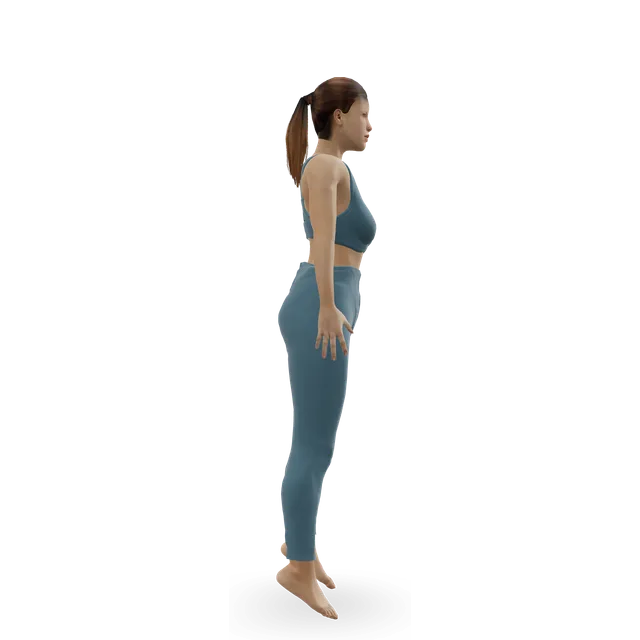
 3D demoSlow calf raiseBeginner · A wall
 3D demoTibialis raiseBeginner · No equipment
 3D demoBand ankle eversionBeginner · A band + A bench or box
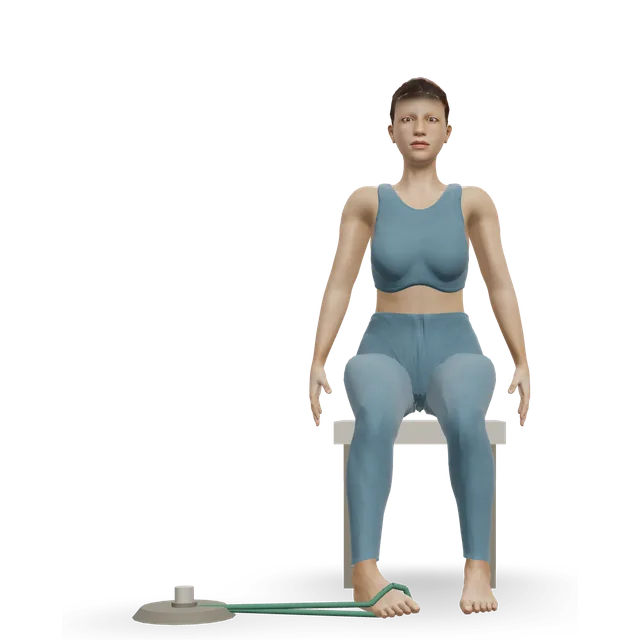 3D demoBand ankle inversionBeginner · A band + A bench or box
 3D demoSingle-leg calf raise from a stepIntermediate · A step + A wall
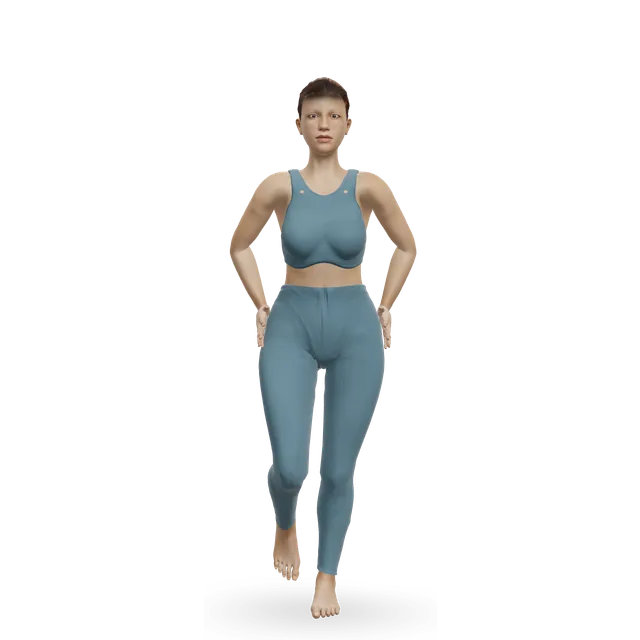
 3D demoHeel walkBeginner · No equipment
 3D demoTowel toe curlBeginner · Other / check instructions + A bench or box
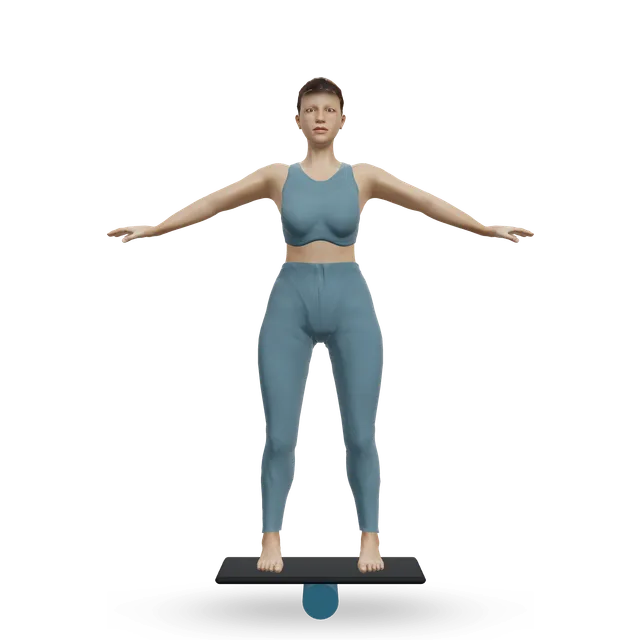
Semi-tandem stance: 2 holds of 10 s, each foot in front (our Pilates for balance class), the first step for older adults; tandem stance and heel-to-toe walk: 3 lengths, beside a counter; one-leg stand: 3 holds of up to 30 s each leg, then no hand, then eyes closed; reach matrix: 1 round of 5 reaches each direction, each leg (all our Pilates after an ankle sprain class); balance board, optional for active people: several holds of 20 to 30 seconds on most days (our editorial starting point) (from the move page's dose).
Side kick: 8 each side; clamshell: 10 each side; wall side leg lift: 10 each side, standing on one leg and lifting the other (all our Pilates after an ankle sprain class). Weaker hip strength went with sprains in men, which is why the class includes them.
Calf springs: 2 sets of 20 quiet bounces, a few times a week (the move page's dose). Hopping and landing come last in rehab; our guide to strengthening your ankles and our Pilates after an ankle sprain guide cover this stage.
Our suggestions, unless a source is given.
Follow the stages in our Pilates after an ankle sprain guide, including its moves to change for now: rolling the sole inwards hard, kneeling on the tops of the feet, toes tucked under your weight, and jumps.
The slow calf raise's page says: "With pain in the ball of the foot or big toe arthritis, stop short of full tiptoe."
If the ankle drill gives you a pinch at the front of the ankle rather than a stretch in the calf, don't force it: keep your heels raised and see our anterior ankle impingement guide.
The balance board's page says: "In one trial, players with a past knee injury had more knee overuse problems during board training." One-leg balance on the floor trains the same skill (our reading).
Source 100
Strapped above the foot, they make leg lifts harder for your hips and thighs, not for the muscles that move the ankle (our reading); our guide to ankle weights has the rules.
No study has looked at it. Pointing the foot hard in leg work can bring on a cramp in the sole or calf: ease the point, flex the foot, and build up foot work gradually (our suggestion). Cramp-like pain with numbness, a cold or pale foot, or pain that carries on at rest isn't ordinary cramp: see the warning signs on this page.
Our Pilates after an ankle sprain class is the ankle class: ankle circles and the knee-to-wall rock for range, raises, shin raises and band work in all four directions for strength, side-lying hip work, and tandem and one-leg balance with reaches. Our suggestion: although it's built for after a sprain, it suits ankles that feel weak or wobbly without a recent one too. The flat feet and balance classes add the feet and standing balance, the next two are shorter routines outside Pilates, and the Achilles, calf and hikers' classes cover the calf and uneven ground.
A 25-minute Pilates class for the weeks after a sprained ankle: footwork on a wall, band work in every direction, side-lying hip work and a balance progression.
25 minBeginner18 movesBench or box, wallA 25-minute Pilates class for flat feet: seated foot and ankle work, standing heel raises and balance, then Pilates for the hips and a gentle calf stretch.
25 minBeginner14 movesOther / check instructions, bench or boxA 25-minute Pilates class for steadier balance: standing balance and leg strength at a kitchen counter, then mat work for your trunk and hips.
25 minBeginner17 movesWall, bench or boxA 15-minute barefoot routine for stronger toes, arches, calves and ankles, finishing with balance. You need only a towel, a wall and a resistance band.
15 minBeginner11 movesWall, other / check instructionsA 12-minute routine to improve how far your ankle bends: test it against a wall, rock it, stretch both calf muscles, strengthen through the full range, then use it.
12 minBeginner8 movesWall, stepA 25-minute Pilates class for Achilles tendonitis: holds on tiptoe and slow heel raises first, then mat Pilates that's light on the tendon. Heels level, no jumps.
25 minBeginner13 movesWall, bench or boxA 25-minute calf workout with a step and a dumbbell: single-leg raises for the big calf muscle, then seated raises for the soleus, with gym swaps for each move.
25 minIntermediate7 movesWall, stepA 25-minute Pilates class for hikers: ankles and calves, a trunk for your pack, hips, slow step-downs for descents and one-leg balance for rough ground.
25 minBeginner18 movesWall, stepBalance practice in 10 minutes: tandem stance, single-leg stands, marches, heel walks, tree pose and floor transfers.
10 minBeginner7 movesWall, bench or boxThe plan for seniors builds strength, balance and walking; the runners' plan builds calf and ankle strength with a spring stage; the 4-week Pilates plan is a gentle start.
A 12-week exercise plan for over-65s: strength and balance three times a week, short balance sessions and daily walks, based on falls-prevention trials.
3 training days40 minBeginner2 days a weekA 12-week strength plan for runners: two sessions a week of heavy lifts, single-leg work, calf raises and hops, fitted around your runs.
2 training days45 minBeginner3 days a weekA free 4-week, 3-day Pilates plan for complete beginners. Two mat days and one wall day, with clear rules for when to move each exercise to its harder version.
3 training days25 minBeginnerAfter a broken ankle or ankle surgery, follow your team's advice on when to start.
No strong calf stretches, no heel drops off a step, and no running, hopping, hills or brisk walking yet: one NHS trust says you're most vulnerable to a re-tear in the first 8 weeks out of the boot.
If your feet are numb, the international foot guideline advises not walking barefoot or in socks without shoes, even indoors. Do standing moves in shoes, check your feet before and after, and with an open sore keep to lying and seated moves.
The exceptions: pain in one spot on a bone should be pain-free, because it could be a stress fracture; burning, tingling or numbness means stop that movement; and if your feet are numb, pain won't warn you, so check your skin after exercise.
Keep foot and ankle work in the middle of the range rather than pushing to the end (our suggestion, from our Pilates for hypermobility guide).
Stop if you feel dizzy or light-headed. Keep a counter or wall within reach, and have someone nearby for the hardest moves if you've fallen recently (our suggestion, as in our older adults guide).
In pregnancy, after the first trimester, keep time flat on your back to a few minutes: prop your upper body up, or use a side-lying or all-fours version.
These are the warning signs of our ankle sprain, calves, ankle pain and Pilates guides, word for word. This is general information, not a diagnosis. A&E means accident and emergency; in the US, call 911 for 999, and use your doctor's urgent line or urgent care for NHS 111.
Same day (NHS 111 or an urgent treatment centre): after an injury, you can't put weight on it or walk more than a few steps, the pain is very bad or getting worse, there is a lot of swelling or bruising or it is getting worse, it feels very stiff, or it's not feeling any better after treating it yourself. Get the same help if you also have a very high temperature, or feel hot, cold or shivery: this could be an infection. If you think it's broken, don't treat it yourself.
Contact NHS 111: after an injury, severe ankle pain, feeling faint, dizzy or sick from the pain, a snap, grinding or popping noise at the time of the injury, the ankle or foot at an odd angle, or not being able to walk. These might be signs of a broken ankle or an infection.
Same day (urgent GP appointment or NHS 111): throbbing pain in one leg (rarely both), usually the calf or thigh; swelling in one leg (rarely both); red, blue or darkened skin around the painful area, which may be harder to see on brown or black skin; or swollen veins. It could be a blood clot (DVT). Watch for it after an ankle injury or time in a cast or boot.
Same day: in a cast or boot, pain that is getting worse, toes that are numb or burning, a cast that feels too tight, toes that are swollen, blue or white, or a bad smell from under the cast.
Same day: a sudden, very painful, hot, swollen, red joint, often the big toe but sometimes the middle of the foot (the midfoot) or the ankle, especially with a high temperature, feeling shivery or being unable to eat. It may be gout, but it could be a joint infection (septic arthritis), which is urgent.
Contact your doctor straight away if your Achilles tendon becomes painful or swollen while you're taking a fluoroquinolone antibiotic (such as ciprofloxacin, levofloxacin, moxifloxacin or ofloxacin), or in the months after. The UK medicines regulator (MHRA) advises stopping the antibiotic at the first sign and resting the painful area until you've been seen; the risk is higher over 60, with kidney problems, after an organ transplant and with steroid medicines.
Source 103
Swelling in several joints, or morning stiffness that lasts more than 30 minutes: see a GP. It can be an inflammatory arthritis such as rheumatoid arthritis rather than osteoarthritis.
If you're hypermobile, don't use mobility work to push further: the NHS says "do not overextend your joints just because you can". See a GP if you think you have joint hypermobility syndrome: for example, your joints keep dislocating, or you keep getting sprains, strains, pain or stiffness.
Source 105
Source 106
Some discomfort during exercise is fine. Aim for pain you would call mild to moderate, no more than about 5 out of 10, that settles within an hour, with no more swelling or stiffness the next morning. If it's worse the next day, do a little less (a smaller range, fewer reps, a lighter band), not nothing.
After a sprain, NHS hospital leaflets say the exercises should not increase your pain, and gentle exercise from the first week was safe in a trial: re-injury was 4% with or without it.
Sharp pain at the back of the heel during footwork or a calf raise, rather than a dull ache, means stop that move (our suggestion).
Source 88
Call 999 if:
Call 999 or go to A&E (accident and emergency) straight away for severe difficulty breathing (gasping, choking or not able to get words out), a chest that feels tight or heavy, pain that spreads to your arms, back, neck and jaw, lips or skin turning very pale, blue or grey, or sudden confusion. If you're more short of breath than usual, or your heart is racing, fluttering or skipping beats, contact NHS 111.
Source 110
If you have a heart condition, follow your cardiac team's advice on how hard to work, and stop for the warning signs above. People with long-term conditions may wish to ask their specialist before starting. With uncontrolled high blood pressure, avoid straining against a held breath; the high blood pressure guide has more.
See your GP first if you get chest pain, breathlessness or dizziness when you are active, if you have a heart condition and want to exercise harder, or if you have had a fall.
Source 111
You feel any pain or become unwell, as the NHS advises for its Pilates videos, and especially for chest pain or pressure, unusual breathlessness, dizziness or fainting. If you have a health problem, an injury or any symptoms, get advice from a healthcare professional, such as a GP, before you start.
Source 112
The NHS advises getting advice from a healthcare professional first if you have a health problem, an injury or symptoms, or have recently had a heart attack or an operation.
If you have a heart, lung or joint condition, are pregnant or have recently been unwell, start gently and read our guide for your condition. Muscle soreness for a day or two after a new exercise is common and fades as you repeat it.
Source 112
No proper trial has tested it, mat Pilates did less for balance than balance training in older adults, and what cut repeat sprains was dedicated balance training and a brace for sport. Pilates can be part of the plan, as the trunk and hip work around the balance and ankle work.
One study of army recruits found a link, but meta-analyses of studies that followed people forward found ankle range didn't predict sprains. Stretch for comfort and how you move; train balance and strength for sprains.
Many sprains do leave lasting symptoms, but balance and strength training improve how unstable ankles feel and perform, and balance training cut repeat sprains. Our guide to strengthening your ankles makes the same point.
Unmeasured: no study has measured the ankle muscles' work or the load in footwork, and the one study of footbar force had one volunteer. Footwork is good leg work; for the ankles, add standing raises, bands and balance.
Strapped above the foot, ankle weights load the hips and thighs in leg lifts, not the muscles that move the ankle (our reading; we found no study). Our guide to ankle weights covers when they help.
The trial that cut repeat sprains used home exercises, some on a board, but one-leg balance on the floor, with reaches and eyes closed, trains the same skill (our reading). With a past knee injury, board training brought on more knee overuse problems in one trial.
It can be part of it: standing and one-leg work, footwork shapes and side-lying hip work all help the leg around the ankle. But Pilates itself has barely been tested for the ankles, and mat Pilates on its own did less for balance than balance training. Add one-leg balance, heel raises and band work, as our ankle class does.
With balance and strength work added, yes. Weak ankles usually means weaker muscles turning the foot in and out and poorer balance, and balance plus strength training improved how unstable ankles feel and perform. See a GP or physiotherapist for an ankle that keeps giving way months after a sprain.
A little: reformer Pilates improved ankle bend against no exercise in one trial of older adults, and Pilates did about as well as stretching in another. Calf stretches add a few degrees, and full-range calf raises do about as well. Our ankle mobility guide has the knee-to-wall test.
The balance work does: an 8-week home balance programme cut repeat sprains from 33% to 22%. Pilates hasn't been tested after a fresh sprain. Our Pilates after an ankle sprain guide has the stages, and a brace or tape helps for sport.
Ankle circles and the knee-to-wall rock for range; slow heel raises, shin raises and band work turning the foot in and out for strength; tandem and one-leg standing with reaches for balance; and side kicks and clams for the hips. Our ankle class puts them in order.
Nobody has measured it: no study has recorded the ankle muscles' work or the load in footwork. Footwork works the legs; standing heel raises and band work load the ankle more directly.
Not really: strapped above the foot, they make leg lifts harder for your hips and thighs, not for the muscles that move the ankle. Our guide to ankle weights covers when they help.
No study has tested it. For everyday swollen ankles, the NHS suggests raising your legs and gentle exercise like walking to improve your blood flow, and ankle circles and calf raises keep the calf pump working. One swollen ankle, sudden or painful swelling, or swelling with breathlessness needs help first.
Once your fracture team says so, and in their order: early movement after surgery sped recovery for a few months in one trial, but it's unclear whether specific physiotherapy beats usual care. Start with seated ankle circles and mat work with the foot resting, then add standing work when you're allowed to put weight through it.
Balance on one leg is a skill that improves with practice, and an ankle you've sprained may sway a little more. Practise beside a counter a few times a week; programmes for unstable ankles ran for 4 to 6 weeks. An ankle that keeps giving way needs a check.
Bare feet or grip socks are fine for most people in class, and foot exercises strengthen the small foot muscles a little. With numb feet or diabetes, keep shoes on, and older adults are safer walking around indoors in shoes than in socks.
Balance programmes that worked ran 3 times a week for 4 to 8 weeks, and older adults' balance work should run for at least 12 weeks. Keep the balance work going after that: it's what helps prevent the next sprain.
Exercise education, not a personal prescription, and clinical review of these guides is pending. If you are pregnant, have a health condition or have had recent surgery, check with a doctor, midwife or physiotherapist before starting, and stop for sharp or increasing pain. Health disclaimer.