Pilates
Standing Pilates for balance: a 25-minute counter and mat class
Most Pilates classes, including our beginner and over-50 classes, are done mainly lying down, so they don't challenge your balance much, and in trials few Pilates exercises did. This class works the other way round. It starts standing at a kitchen counter, where you narrow your stance, stand on one leg, step and reach; then moves to the mat for trunk and hip control; and ends by practising getting down to the floor and back up. It follows the world falls guidelines (exercise that challenges balance and builds strength for daily tasks, made harder over time) and the NHS balance and strength exercises. Hold the counter as much as you need, and use less support as you get steadier. Do it 2 or 3 times a week for at least 12 weeks.
Warm up at the counter
- Standing march1 minBeginner · Hip flexors, Abs, Glutes · 3D demoHold the counter and lift each knee in turnEasier: Seated marchHarder: Standing band hip flexion
- Slow calf raise5 to 8 slowBeginner · Calves · 3D demoBoth hands on the counter; rise, pause, lower slowlyEasier: Seated bent-knee calf raise (soleus raise)Harder: Standing dumbbell calf raise
- Beginner · Abs · 3D demoStand tall with your hands on your lower ribs; breathe into the sides of your ribsHarder: Roll-up (Pilates)



Standing balance
- Semi-tandem stance2 holds of 10 s, each foot in frontBeginner · Calves, Hip abductors · 3D demoOne hand on the counter, then fingertips, then noneHarder: Tandem stance and heel-to-toe walk
- Tandem stance and heel-to-toe walkHold 10 s each way, then 5 steps heel to toe, twiceBeginner · Calves, Hip abductors · 3D demoAlong the counter; look ahead, not downEasier: Semi-tandem stanceHarder: Single-leg stand
- Single-leg stand3 holds of 5 to 10 s each sideBeginner · Hip abductors, Calves, Glutes · 3D demoFingertips on the counter; hips level, standing knee softEasier: Tandem stance and heel-to-toe walkHarder: Single-leg reach matrix
- Side-stepping (sideways walking)10 steps each wayBeginner · Hip abductors, Glutes, Adductors · 3D demoAlong the counter; keep your hips level and toes pointing forwardHarder: Lateral band walk
- Backward walking1 minBeginner · 3D demoAlong the counter or a clear hallway; short steps, and glance backHarder: Backward sled drag




Standing strength
- Sit to stand from a chair2 sets of 5 slowBeginner · Quads, Glutes, Hamstrings · 3D demoStand up with your legs, not your arms, and lower slowlyEasier: Sit to stand, pushing on the thighsHarder: Bodyweight squat
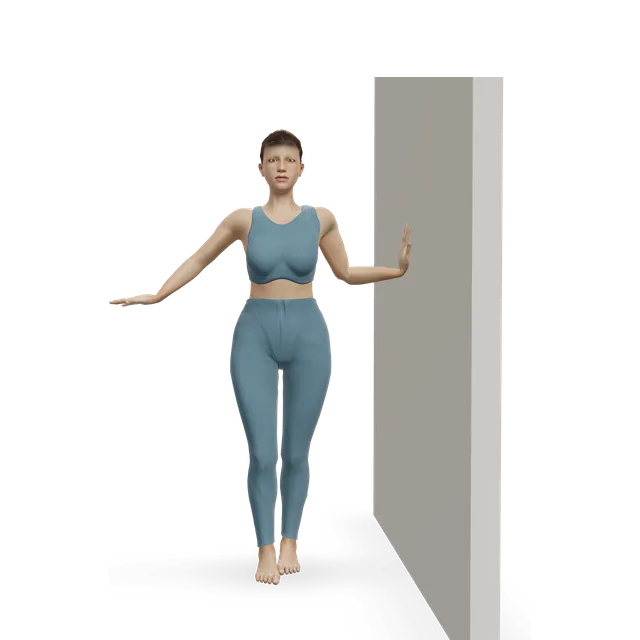
- Beginner · Hip abductors, Glutes, Abs · 3D demoHand on the wall; lift to the side without tipping your bodyHarder: Lateral band walk, band at the feet
- Standing wall-press hip abduction3 holds of 10 s each sideBeginner · Hip abductors, Glutes, Abs · 3D demoSide to the wall; press the outside of the knee nearest the wall into it, standing hip levelEasier: Supine isometric hip abduction (belt press)Harder: Lateral band walk
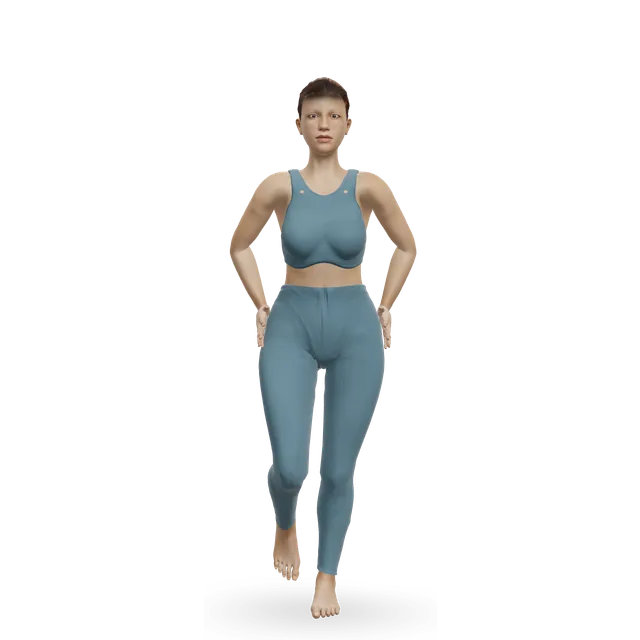
- Single-leg reach matrixOptional: 1 round of 3 reaches in each direction, each legIntermediate · Quads, Hip abductors, Glutes · 3D demoOnly once a 10-second one-leg stand feels steady; hand on the counterEasier: Standing crossed-leg side reachHarder: Single-leg Romanian deadlift



Down to the mat
- Get up and down from the floor1 slow cycle, ending on the floorBeginner · Quads, Glutes, Abs · 3D demoUse a chair: lower to one knee, then both, then sit to the side. If you can't or shouldn't get down, do the next block on a bed or leave it outEasier: Sit to stand from a chairHarder: Bodyweight get-up
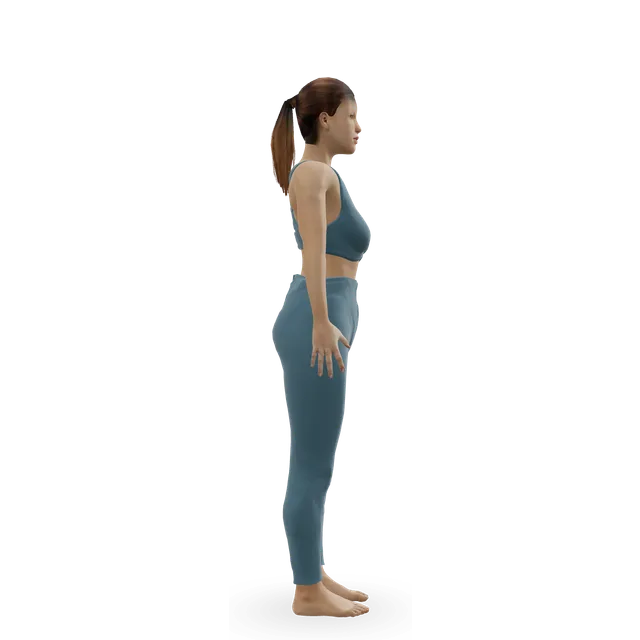
On the mat
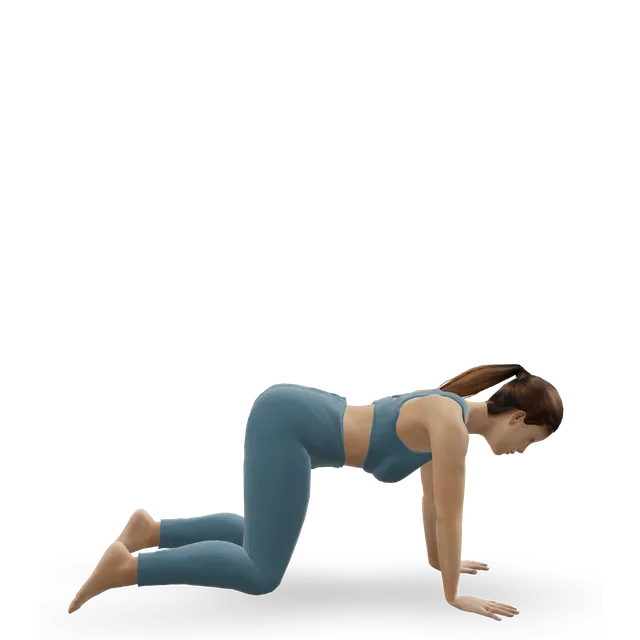
- Bird dog5 each side, 3 s holdBeginner · Back, Abs, Glutes · 3D demoReach one arm and the opposite leg only as far as your back stays stillEasier: Bird dog, one limb at a timeHarder: Bear crawl
- Knee hover (Pilates tabletop hover)3 holds of 15 sBeginner · Abs, Shoulders, Quads · 3D demoHands under shoulders, knees under hips; lift your knees just off the matHarder: Straight-arm plank (high plank)
- Knee side plank2 holds of 15 s each sideBeginner · Abs, Hip abductors, Shoulders · 3D demoOn your forearm and knees; lift your hips into a straight lineHarder: Side plank
- Side kick (Pilates side kick series)8 each sideBeginner · Hip flexors, Glutes, Hip abductors · 3D demoHead on your arm; swing the top leg forward and back without rockingHarder: Side-lying leg circles (Pilates side kick series)



Up again
- Get up and down from the floor2 slow cyclesBeginner · Quads, Glutes, Abs · 3D demoRoll to your side, come onto all fours, then one knee, and push up with the chairEasier: Sit to stand from a chairHarder: Bodyweight get-up
- Single-leg stand1 hold of up to 30 s each sideBeginner · Hip abductors, Calves, Glutes · 3D demoFingertips on the counter; notice how it compares with the startEasier: Tandem stance and heel-to-toe walkHarder: Single-leg reach matrix
Tips
- Do it 2 or 3 times a week for at least 12 weeks, and make it a little harder every week or two: less hand support, longer holds, then the harder options.
- Stand by a sturdy counter with a chair behind you and the floor clear. Stop and sit down if you feel dizzy, faint or unwell.
- If you've had a fall, or you're worried about your balance, see a GP; you may be able to refer yourself to a falls service.
- Call 999 (911 in the US) if you notice signs of a stroke, such as a drooping face, arm weakness or slurred speech, even if they go away.
- This class has no rounding moves, so it suits osteoporosis. With numb feet, keep a hand on the counter throughout.
The doses are suggested starting points, not a prescription. Choose a range you can control and stop for sharp or increasing pain, numbness or tingling. Get individual advice after an injury or surgery, or if you are pregnant or managing a health condition.
Guides that recommend it
Find more moves like these
More pilates




Beginner Pilates workout
A 20-minute mat Pilates workout for complete beginners. It covers breathing, spine position and the foundation moves, each with an easier option.
20 minBeginner13 movesNo equipment

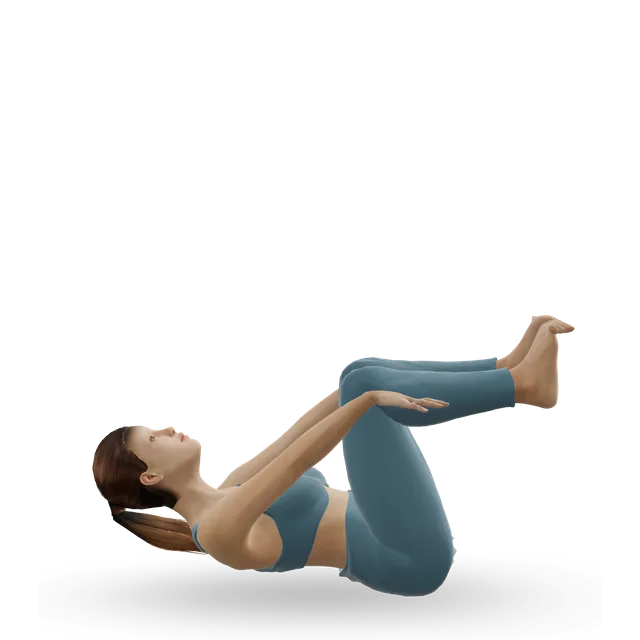
10-minute Pilates abs
Ten minutes of the classic Pilates abdominal series: the hundred, the roll-up and the series of five, with a plank to finish.
10 minIntermediate11 movesNo equipment
Full-body mat Pilates workout
A 30-minute intermediate mat Pilates class that follows the classical order, from the hundred to the push-up, with prep versions of the hardest moves.
30 minIntermediate22 movesNo equipmentQuestions people ask
How long does the standing pilates for balance: a 25-minute counter and mat class take?
About 25 minutes, including any warm-up and cool-down listed. Shorten it by doing fewer rounds; lengthen it by adding one.
What equipment do I need?
You need: A wall, A bench or box. Each move links to its guide, where you can find an alternative if you are missing something.
Is it suitable for beginners?
It is written for beginners. 9 of its 17 moves have an easier option listed beside them if you need one.
How do I make it easier or harder?
Use the easier or harder option listed under each move, change the number of rounds, or adjust the rest. Progress one change at a time.