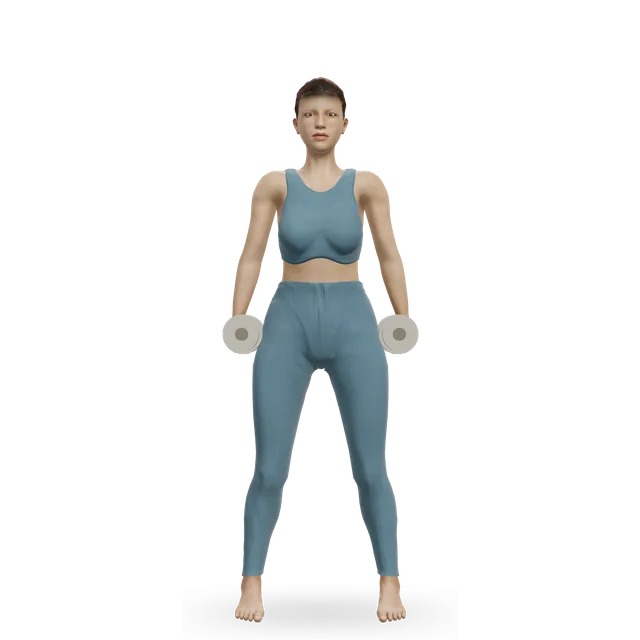
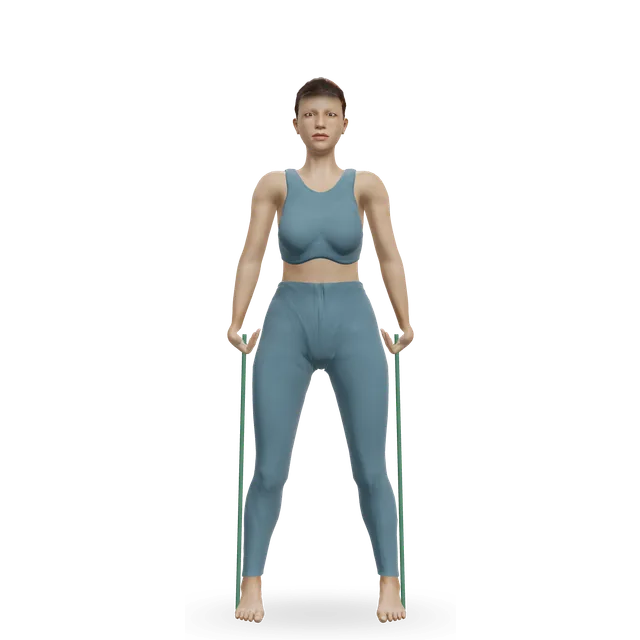
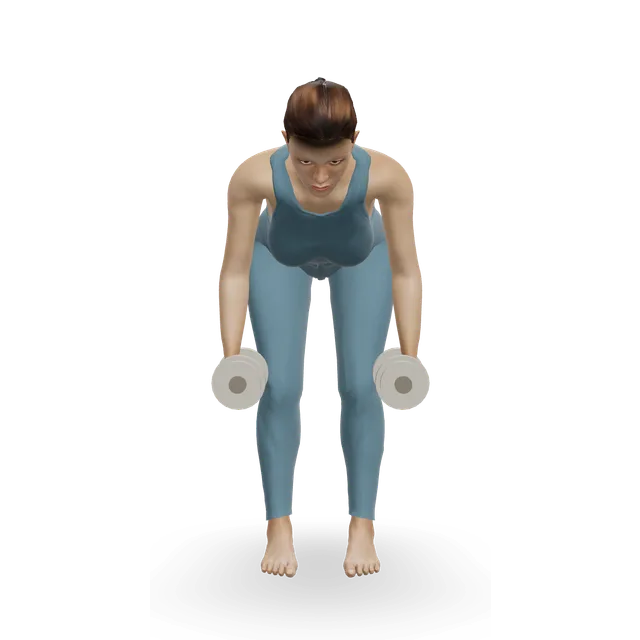
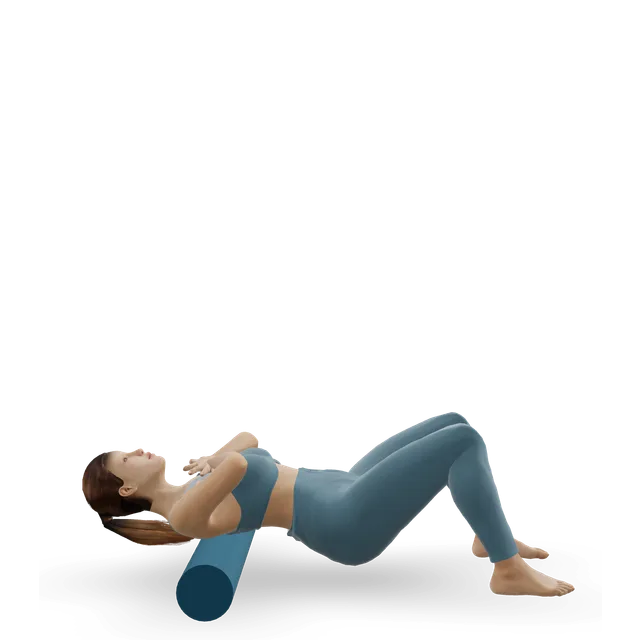
ExerciseEmerging evidence
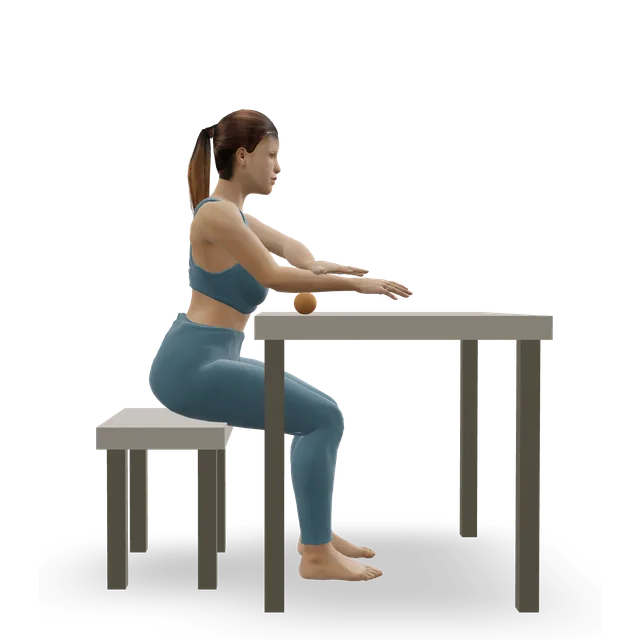
A review of 8 trials (255 people with myofascial pain) found exercise eased pain by 1.2 points out of 10 more than little or no treatment in the short term, and stretching combined with strengthening by 2.3 points. Against other treatments, such as electrical therapy or dry needling, it did about the same, and it made no clear difference to disability. The authors say these estimates may change with better trials.
Source 9
Strength training for aching neck and shoulder musclesStrong evidence
In 48 women with long-term neck muscle pain, 10 weeks of strength training for the sore muscle cut their worst pain by about 79%, while leg cycling eased it only briefly. In 198 workers with frequent neck and shoulder pain, elastic band training for 2 or 12 minutes a day, 5 days a week, eased pain by 1.4 and 1.9 points out of 10 more than health advice after 10 weeks, and made the muscles less tender. These trials didn't use the myofascial pain syndrome label, but they treated the same aching muscles: our inference.
Sources 10, 11
Hands-on treatmentEmerging evidence
Across 40 trials of treatments without needles or drugs, hands-on (manual) therapy eased pain by 1.6 points out of 10 more than no treatment; laser, shockwave and ultrasound therapy also beat no treatment. A review of 14 trials of pressure and massage found benefits that weren't statistically significant against usual treatment or placebo.
Sustained pressure on a spot (ischaemic compression) made it less tender across 11 trials, but self-reported pain didn't differ from control in 7. In 56 people with tension-type headache, trigger point massage cut headache frequency no more than a sham ultrasound did, though people rated the massage as more helpful.
Sources 13, 33, 25, 34
NeedlingMixed evidence
In 6 trials (241 people) with neck and upper back myofascial pain, dry needling and hands-on trigger point therapy did equally well. Against other treatments without drugs, needling eased pain by 1.3 points out of 10 across 13 trials, and the authors asked for better-quality trials.
Against a fake needle, an early pooling of 4 trials found no significant difference, and an umbrella review of 36 reviews found short-term relief against sham or no treatment, with little data on the longer term. NICE allows a single short course of acupuncture or dry needling for long-term pain with no clear cause. Our dry needling guide covers the trials and the risks.
Sources 14, 35, 36, 37, 12
InjectionsMixed evidence
In trials comparing what was injected into trigger points, the effect didn't depend on the substance, and dry needling did as well as injection. A review of 15 trials found no clear evidence of benefit or of no benefit, and suggested the anaesthetic may mainly make the needling less painful.
For head, neck and shoulder myofascial pain, local anaesthetic eased pain by 0.77 points out of 10 more than placebo at 2 to 8 weeks across 15 trials (884 people). Against dry needling it did better by 1.6 points, but not when only double-blind trials were counted, and the authors called that evidence low quality. A 2025 review is more positive about local anaesthetic injections. NICE advises against starting steroid trigger point injections, alone or mixed with anaesthetic, for chronic primary pain.
Sources 15, 38, 39, 1, 12
Botulinum toxinMixed evidence
A Cochrane review of 4 trials (233 people, with pain outside the head and neck) found the evidence inconclusive: one trial favoured the toxin and three found no difference from placebo. A 2024 review of 10 upper back trials (651 people) found conflicting results and no clear advantage over other treatments, with no major complications. For chronic jaw pain, a guideline makes a conditional recommendation against botulinum toxin and trigger point injections.
Sources 3, 40, 41
MedicinesMixed evidence
There's little good evidence for any medicine. A Cochrane review found only two small trials of the muscle relaxant cyclobenzaprine (79 people) and couldn't estimate its benefits or harms. A 2025 review rated the evidence for anti-inflammatory painkillers (non-steroidal anti-inflammatory drugs, NSAIDs) and botulinum toxin as insufficient, and for muscle relaxants, antidepressants, gabapentin, opioids and lidocaine applied to the skin as inconclusive.
A recent stiff neck is different: most neck pain lasts only a few weeks, and for that the NHS suggests paracetamol or ibuprofen, including ibuprofen gel.
Sources 42, 1, 43
What NICE advises for long-term painStrong evidence
For chronic primary pain, NICE recommends offering a supervised group exercise programme and encouraging people to stay active. It says to consider acceptance and commitment therapy (ACT) or cognitive behavioural therapy (CBT), a single course of acupuncture or dry needling, or, for adults, an antidepressant after a full discussion of the benefits and harms.
It advises against starting gabapentinoids and other antiepileptic drugs, benzodiazepines, opioids, NSAIDs, paracetamol or steroid trigger point injections, among others, and against offering transcutaneous electrical nerve stimulation (TENS), ultrasound or interferential therapy, because there's no evidence of benefit. The trials above found ultrasound beat no treatment, so the trials and NICE point different ways there. If you already take one of those medicines, NICE says to review it with your prescriber: don't stop a medicine on your own.
Sources 12, 13
Chronic jaw painStrong evidence
For chronic jaw pain (temporomandibular disorders), a network meta-analysis of 153 trials found hands-on trigger point therapy gave 32 more people in 100 a worthwhile drop in pain than a placebo or sham, on high to moderate certainty evidence. A guideline strongly recommends it, alongside supervised jaw exercise and stretching, postural exercise and CBT.
Sources 44, 41