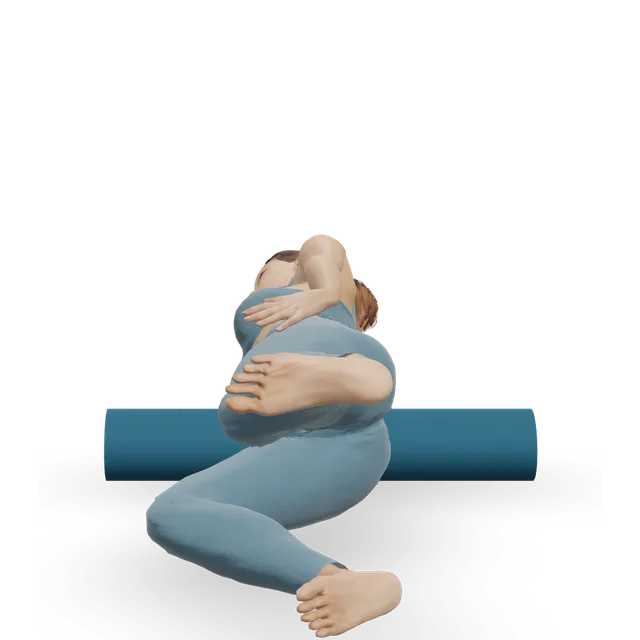
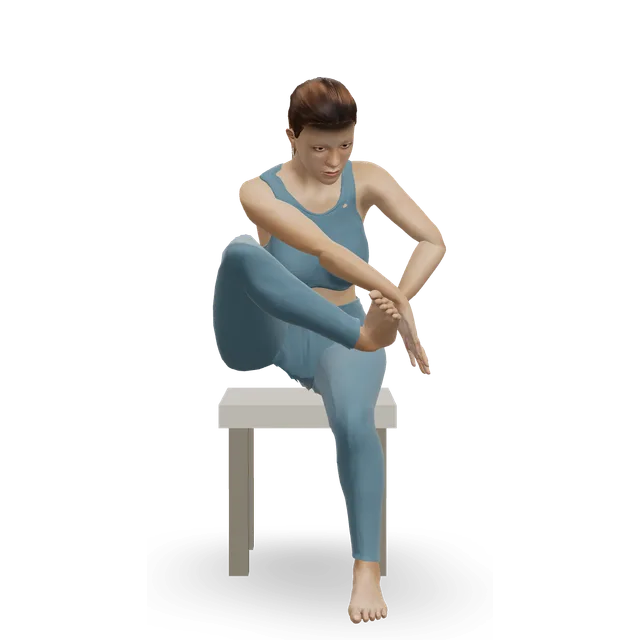
Fascia guide

Myofascial release: what it is, what it does, and how to do it yourself

Myofascial release is slow, sustained pressure and stretch on a muscle and the fascia around it. It can come from a therapist's hands or tools, or from your own foam roller, ball or stick. Despite the name, nothing gets released: the tough sheets of fascia need far more force than hands or rollers can apply before they change shape. What changes is how the area feels and moves, mostly through your nervous system, and the effect is short-lived.

That still makes it useful. Hands-on soft tissue treatment by a clinician has the top grade in a heel pain guideline, and it gives modest, short-term help in back and neck pain, best alongside exercise.

This guide covers the methods and what each is good for, the evidence with numbers, a ball technique you can do against a wall, and who should skip it.

The short version

Pressure and stretch, from hands, tools or a roller

Myofascial release means slow, sustained pressure and stretch on a muscle and the fascia around it. A therapist may use their hands or a tool; at home it's a foam roller, ball or stick. In trials, therapist sessions ran 30 to 90 minutes, 4 to 24 times over 2 to 20 weeks.

Sources 1, 2

Nothing in the tough fascia is released

A computer model of human fascia found that squashing or shearing the fascia of the thigh or the sole by even 1% needs forces far outside the body's normal range. Its authors conclude that the 'release' therapists feel can't come from those tough sheets. Leading rolling researchers call the name misleading.

Sources 3, 4

A little help, for a while

For chronic low back pain, pooled trials found a small benefit for pain and day-to-day function, and for chronic neck pain a modest one. A review of the better-quality trials found the effects in back pain and fibromyalgia too small to matter.

Sources 5, 6, 2

Heel pain is the best-supported use

A 2023 heel pain guideline gives its top grade to hands-on treatment of the lower leg and foot by a clinician, and it counts myofascial release, instrument tools and trigger point work in that. That's clinician care, not self-rolling.

Source 7

Alongside exercise, not instead of it

The National Institute for Health and Care Excellence (NICE), which advises the NHS in England, says to consider hands-on treatment such as massage for low back pain only as part of a package that includes exercise, and the same for hip and knee osteoarthritis.

Sources 8, 9

What myofascial release is, and what the tissue does

The therapy

A physiotherapist, osteopath or massage therapist presses slowly into a muscle, or draws the skin and tissue into a slow stretch, and holds it, often for a minute or more, while the tissue seems to give. One review defines it as a low-load, long-duration stretch. Back pain trials typically used 40-minute sessions.

Sources 1, 5

The named methods

You'll see these names on clinic websites. Most rest on very few trials.

  • Instrument-assisted soft tissue mobilisation (IASTM), such as the Graston technique: a clinician scrapes shaped metal or plastic tools along the skin over a muscle or tendon. It isn't the same as consumer fascia blasting.
  • Fascial Manipulation (the Stecco method): deep friction on specific points. One small trial, of 24 people with back pain.
  • Structural integration (Rolfing): a series of deep sessions with movement teaching. One pilot trial, of 46 people with back pain.
  • Massage: rhythmic strokes and kneading, the best studied of the group.

Sources 10, 11, 12, 13

Doing it yourself

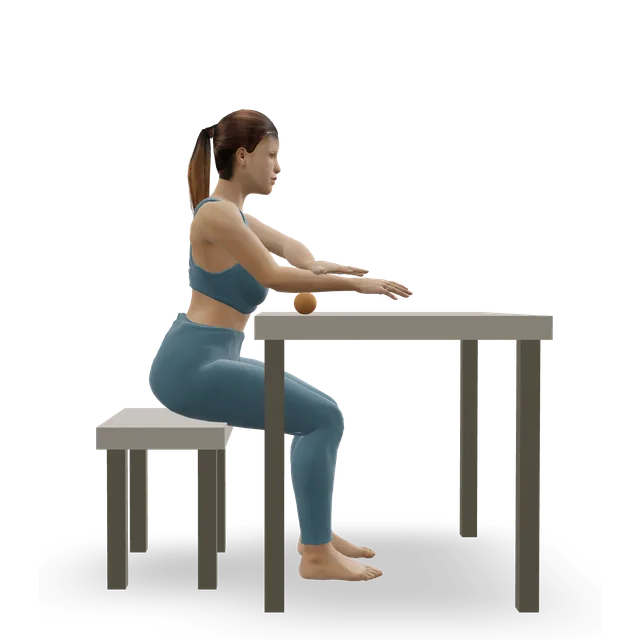
Foam rollers cover big areas under your body weight. Roller sticks, pushed with your hands, gave similar gains in flexibility to foam rollers across 21 studies. A ball presses one spot, the way a therapist's thumb does. There are no trials of balls for most areas, so the times on this page come from studies of sustained pressure.

Source 14

Tough fascia doesn't change shapeStrong evidence

Very large forces, outside the body's normal range, are needed to change the shape of the dense fascia of the thigh or the sole by even 1%. In the same model, softer tissue near the surface does give way at hand pressure.

Sources 3, 4

Fluid, glide and cells: early ideasEmerging evidence

A fluid model suggests that pressing and oscillating raises the pressure of the slippery film between fascia and muscle, and might widen the gap. In mice, stretching connective tissue made its cells spread out within minutes, and in the lab, modelled myofascial release changed how those cells behave. None of this has been shown to change anything in people.

Sources 15, 16, 17

Your nervous system explains most of what you feelEmerging evidence

Pressure and slow stretch stimulate sensors in the skin and fascia and the body's own pain control, and can lower muscle tone by reflex. That fits how quickly the looser feeling comes and goes. A 2026 evidence review found rolling gives short-term gains in range and pain relief, but no good evidence of releasing adhesions.

Sources 4, 18

What the evidence says

Chronic low back pain: a small, short-term benefitEmerging evidence

Across 8 trials and 375 people, myofascial release eased pain by a small amount (an effect size of 0.37, where 0.2 is small and 0.5 moderate) and improved day-to-day function by a similar amount, on moderate-certainty evidence. It didn't change quality of life, balance or how far people could bend.

In the trial against a fake (sham) treatment, 54 people had 4 sessions of 40 minutes, and the authors couldn't say the improvement was big enough to matter. A review of trials using myofascial release on its own found a course of sessions helped, while a single 5-minute technique did nothing.

Sources 5, 19, 20

Better-quality trials found effects too small to matterMixed evidence

A review of 8 trials in chronic pain found that, in back pain and fibromyalgia, the effects didn't reach the smallest change people notice; only trials at high risk of bias did. Its authors concluded the evidence isn't enough to recommend it for chronic pain.

Source 2

Chronic neck pain: a modest effectEmerging evidence

Ten trials with 549 people found less pain, and a little more turning and side bending, than with other treatments. The authors call the effect modest. Sensitivity to pressure didn't change.

Source 6

Heel pain: the top grade, as clinician careStrong evidence

A 2023 heel pain guideline from the orthopaedic academy of the American Physical Therapy Association gives a Grade A to hands-on treatment of the joints and soft tissues of the lower limb, and its definition includes instrument tools, myofascial release and trigger point therapy. A review of 7 trials found better foot function with hands-on treatment in 6 of them, though pain improved more in only 2.

One trial of 66 people, against a sham, reported a large benefit from 12 sessions over 4 weeks, but it came from a single clinic and hasn't been repeated.

Sources 7, 21, 22

Headaches and fibromyalgia: big numbers, weak evidenceMixed evidence

Pooled trials report large effects on tension-type headache, neck-related (cervicogenic) headache and fibromyalgia pain, but the trials disagree widely and the certainty is mostly low or very low. For migraine, the results were inconsistent.

Sources 23, 24

Pelvic pain: one notable trialEmerging evidence

In 81 women with painful bladder syndrome and tender pelvic floor muscles, 59% reported a moderate or marked improvement after 10 sessions of myofascial physiotherapy, against 26% after general massage. Pain and urgency scores didn't differ between the groups.

Source 25

Instrument tools: the reviews disagreeMixed evidence

A review of 46 trials found that adding instrument-assisted treatment to other care made no meaningful difference to pain or function, on very low quality evidence, and warned about trials in questionable journals. A 2025 review of 11 trials found a modest pain benefit on moderate-certainty evidence. In heel pain, one trial of 69 people found Graston tools plus stretching gave better foot function at 6 months than stretching alone.

Sources 10, 26, 27

Massage for back pain: short-term onlyEmerging evidence

A Cochrane review of 25 trials and 3,096 people found massage eased low back pain in the short term only, and its authors had very little confidence in the result. No serious side effects were reported.

Source 13

Rolling: a short-term gain in rangeStrong evidence

Foam rolling adds range of motion for a short while, about as much as stretching, and eases soreness after exercise a little. The fascia exercises page has the detail and the doses.

Sources 28, 14

Guidelines: alongside exerciseStrong evidence

NICE says to consider manual therapy, including soft tissue techniques such as massage, for low back pain only as part of a treatment package that includes exercise, and only alongside exercise for hip and knee osteoarthritis.

Sources 8, 9

How to do it, and how much

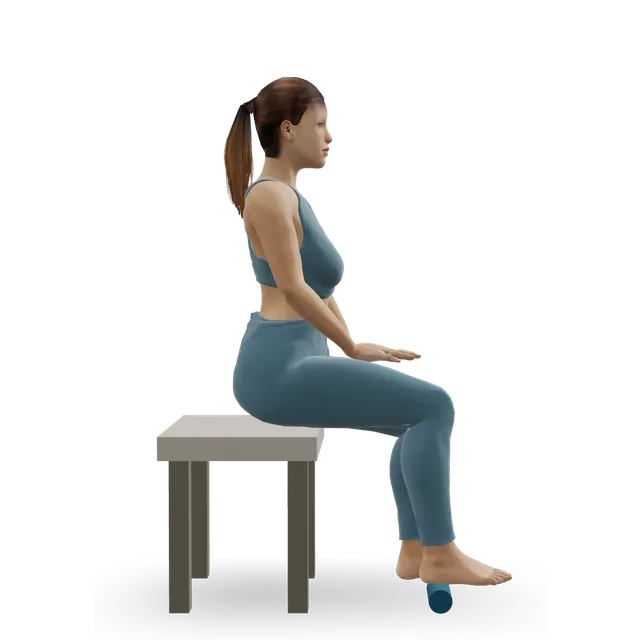
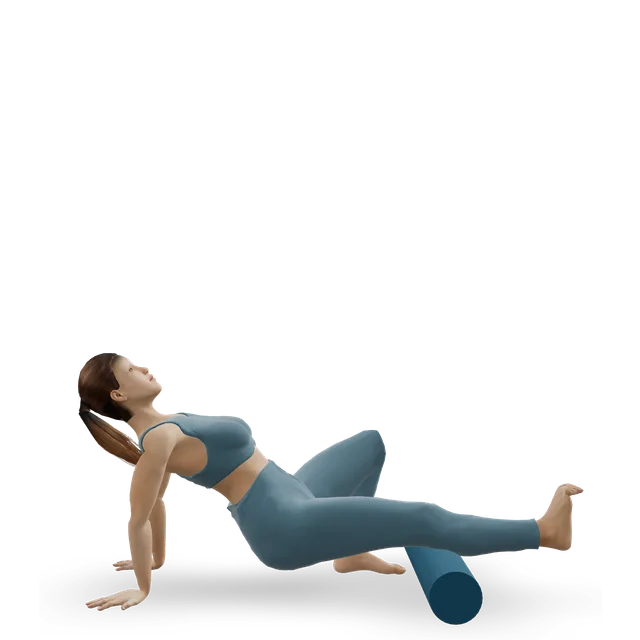
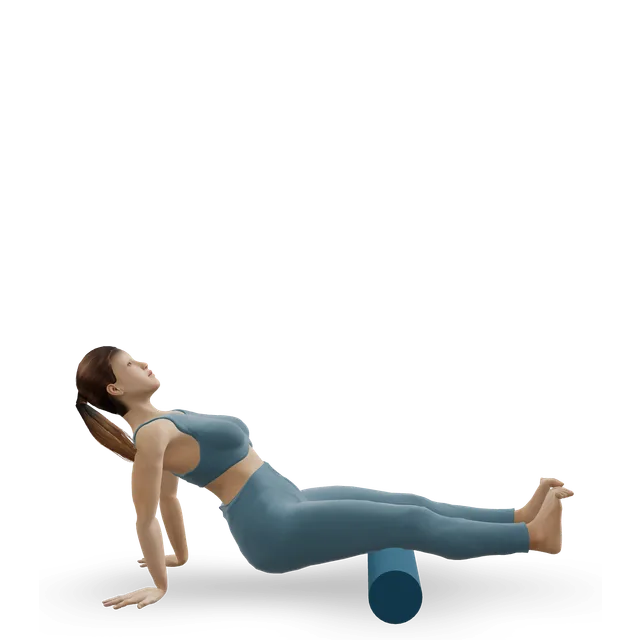
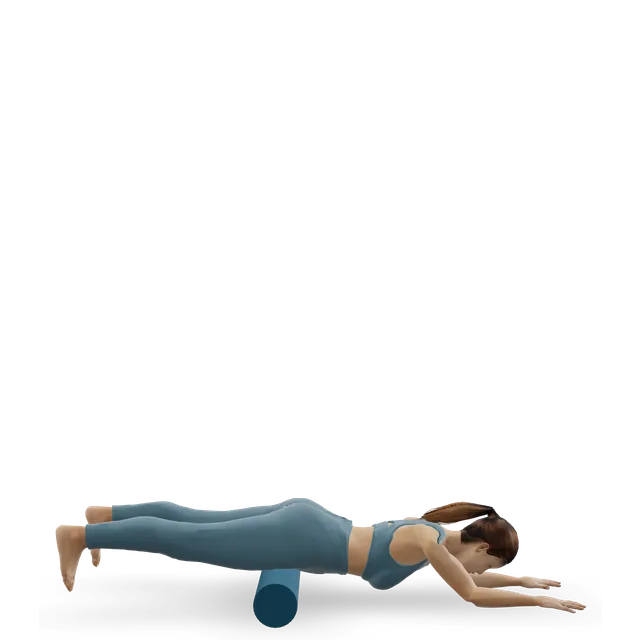
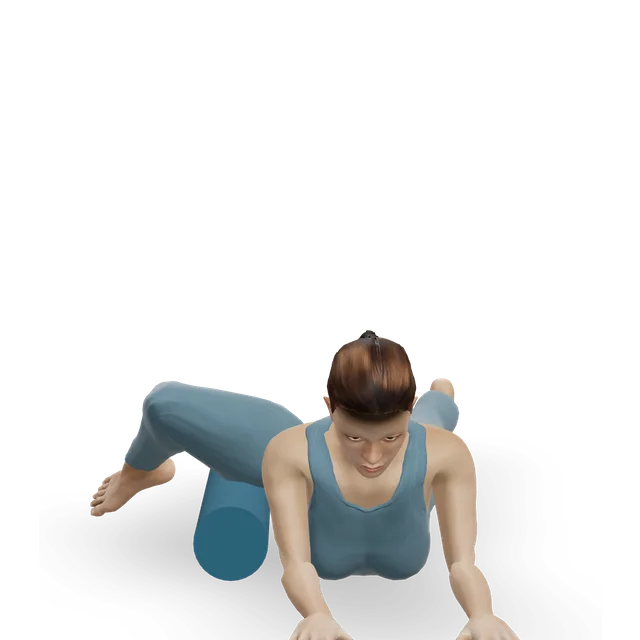
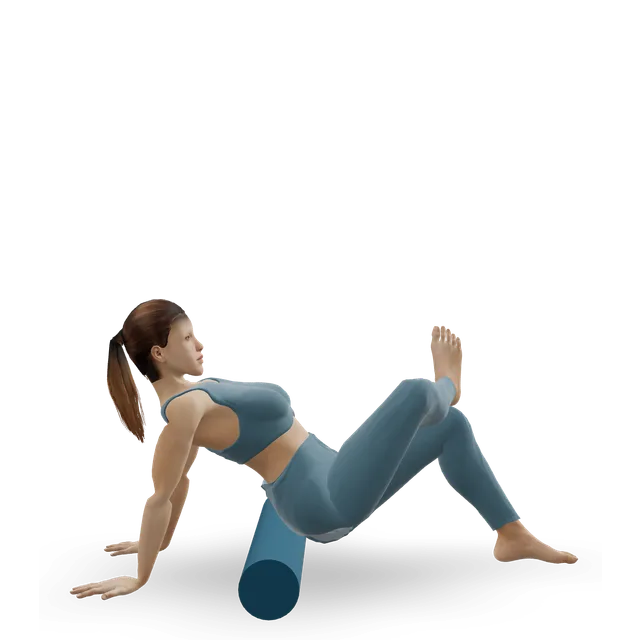
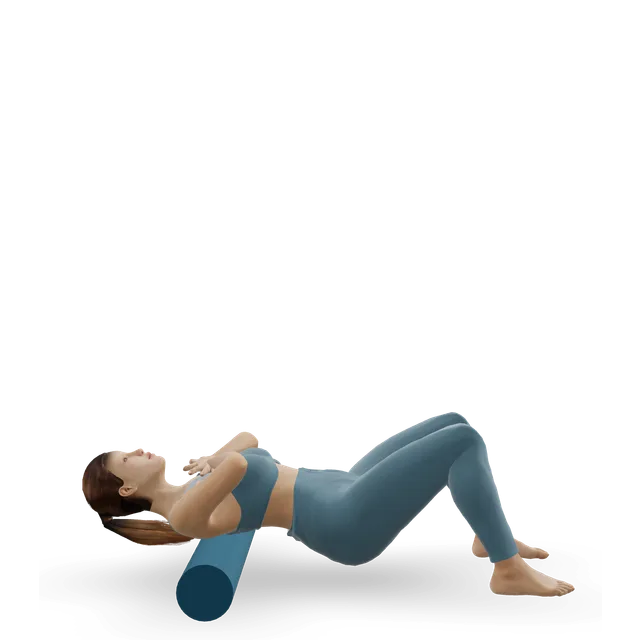
Rolling a muscle

From rolling studies: 1 to 3 rounds of 30 to 120 seconds per area, each pass taking 2 to 4 seconds, at a pressure you can breathe through. For soreness after exercise, about 90 seconds per muscle was the least that helped. Rolling at pain levels of about 8 out of 10 gave no more range than about 4 out of 10.

Sources 29, 30, 31

Pressing one tender spot with a ball

Rest on the spot at a gentle pressure, around where it first turns uncomfortable, for up to 90 seconds, or a little firmer for about 30 seconds: the two doses that eased tenderness best in a trial of sustained pressure. Do 1 to 3 spots, then move on (our editorial starting point).

Source 32

A roller stick

On the calves, 3 rounds of 30 seconds with a roller stick added about 4% to ankle range, close to what stretching gave, without the dip in strength that stretching caused.

Source 33

How often

As often as it feels useful (our editorial starting point). In rolling trials, lasting gains in range came from 2 to 3 sessions a week kept up for more than 4 weeks.

Source 34

Seeing a therapist

A few questions worth asking:

  • What exercise goes with it? NICE pairs hands-on treatment with exercise.
  • How many sessions before we review progress? Trial courses ran 4 to 24 sessions.
  • Are you registered? Osteopaths and chiropractors must be registered by law. Other complementary therapists don't have to be, so look for a register accredited by the Professional Standards Authority.
  • Symptoms that don't go away or keep coming back need a GP, not just a therapist.

Sources 8, 2, 35

Pin and move: a ball release against a wall

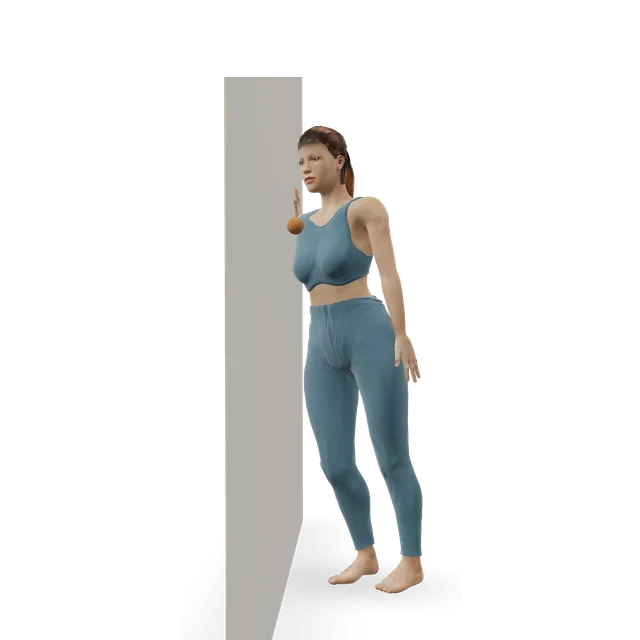
From the move's own guide. The 45 to 60 seconds per side and the 4 or 5 slides are our editorial starting points; there are no trials of chest ball release. Skip it over breast implants, a pacemaker or port, after recent chest or shoulder surgery, or with a recent rib injury, and stop if tingling spreads into your arm or hand.

  1. Stand facing a wall or door frame, slightly side-on, with a massage ball or tennis ball.
  2. Place the ball on the chest muscle just below the collarbone, toward the shoulder. Keep it on muscle, not bone, and out of the armpit.
  3. Lean in until the pressure is firm but easy to breathe through, and stay still for 3 or 4 slow breaths.
  4. Keeping the ball pinned, slowly slide your arm up and down the wall 4 or 5 times. This is the pin and move.
  5. Ease off and repeat on the other side: about 45 to 60 seconds per side in all.
  6. Go straight into a doorway chest stretch: 3 holds of 30 seconds per side.

Loading the 3D figure…

Gets into position, then repeats the movement. Technical checks passed; qualified exercise review is pending.

The movement on the figure: Chest ball release (against a wall)

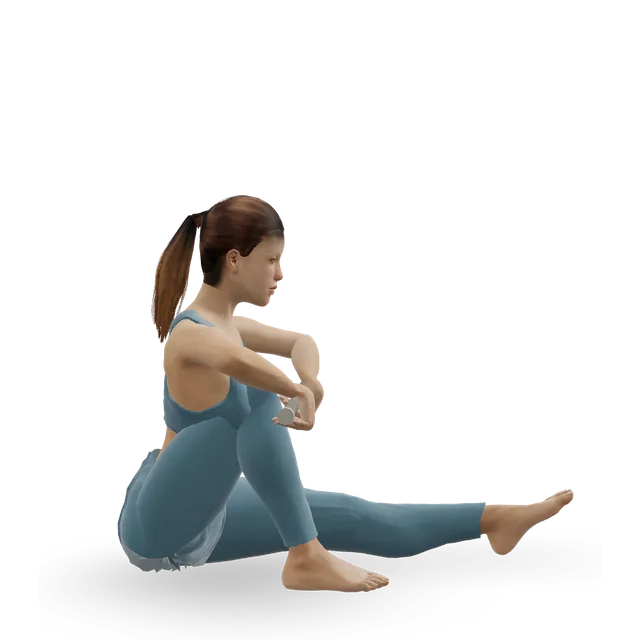
Self-release, by area

Balls for one spot, rollers for bigger areas. Keep everything off the neck and the bony spine, and never roll a calf that is swollen, red or throbbing.

Then stretch or move the area

The looser feeling lasts minutes, so use it: stretch or move the area you've just released.

Routines

Rolling times follow the rolling studies; the rest are suggested starting points.

Safety, and when to get help

Ask a doctor first if you

The NHS says hands-on therapies may not be safe for some people. Ask first if you:

  • take blood-thinning medicine, or bleed or bruise easily;
  • have very weak or damaged bones, such as osteoporosis, where even a cough can break a rib;
  • have a condition affecting your nerves, such as peripheral neuropathy, so you may not feel when pressure is too much.

Sources 35, 36, 37

Never press or roll

These are precautions, from NHS advice and case reports:

  • a calf that is swollen, throbbing, or red, blue or darkened, which can be a sign of a blood clot (deep vein thrombosis, DVT);
  • varicose veins, which bleed easily and can clot;
  • the front and sides of the neck: a neck artery tear has followed the use of massage balls on the neck, and even brief pressure on the neck artery by doctors occasionally causes stroke-like symptoms;
  • broken skin, bruises, a recent operation or a recent fracture.

Sources 38, 39, 40, 41

Side effects

Soreness for a day or two is the commonest. In a Cochrane review of massage, increased pain was reported by 1.5% to 25% of people, with no serious side effects. In one myofascial release trial, 10 people in the treatment group and 1 in the comparison group had extra pain in the first week, which settled on its own. Bruising means the pressure was too much.

Sources 13, 5

Get urgent help for

These need a doctor, not more pressure:

  • a swollen, throbbing or discoloured calf: ask for an urgent GP appointment or call 111, and call 999 if you're also short of breath or have chest pain;
  • back pain with numbness around the genitals or bottom, new problems peeing or pooing, or weakness or numbness in both legs: call 999 or go to A&E;
  • sciatica in both legs, or leg weakness or numbness that is severe or getting worse: call 999 or go to A&E.

Sources 38, 42, 43

See a GP if

Book an appointment if:

  • symptoms don't go away or keep coming back: see a GP, not just a therapist;
  • neck pain hasn't eased after a few weeks, or comes with pins and needles or a cold arm.

Sources 35, 44

Myths

"It breaks up adhesions and scar tissue"Strong evidence

Hands and rollers can't apply enough force to reshape dense fascia, and rolling researchers find no good evidence that releasing restrictions is how rolling works. Most everyday stiffness is a sticky glide layer, not scar tissue; the densification page explains the difference.

Sources 3, 4

"The release you feel is the fascia letting go"Emerging evidence

The modellers concluded that the sensation can't come from deforming the firm tissues. Softer layers near the surface, or your nervous system, are likelier explanations.

Sources 3, 4

"It releases toxins, so expect to feel ill"Emerging evidence

No study shows that soft tissue work releases toxins. In a lab study, hand massage after exercise even slowed the clearance of lactate compared with resting. Soreness afterwards is a known, short-lived side effect.

Sources 45, 13

"It has to hurt to work"Emerging evidence

Rolling at pain levels of about 4, 6 or 8 out of 10 gave the same gain in range. Use a pressure you can breathe through.

Source 31

"It releases trauma stored in your fascia"

No study shows that emotions are stored in fascia. The fascia blasting verdict covers this claim.

"It burns fat or gets rid of cellulite"

We found no trials. The fascia blasting verdict covers cellulite claims.

Questions people ask

What is myofascial release?

It's slow, sustained pressure and stretch on muscles and the fascia around them, from a therapist's hands or tools, or from your own roller, ball or stick. Despite the name, it can't reshape the tough sheets of fascia. What changes is mostly how the area feels and moves, through your nervous system.

Does myofascial release work?

For some problems, a little, for a while. In chronic low back pain, trials found small gains in pain and function, but the better-quality trials found effects too small to matter. For heel pain, hands-on treatment by a clinician has the top grade in a 2023 guideline.

What is myofascial release good for?

The best support is for plantar heel pain as part of physiotherapy, and for chronic jaw pain, where pressing on tender spots helps. There's modest support for chronic low back and neck pain. For fibromyalgia and headaches the evidence is weak.

What's the difference between myofascial release and massage?

Myofascial release uses slow, sustained pressure and stretch held for a minute or more, while massage uses rhythmic strokes and kneading. For back pain, both help a little in the short term, and NICE wants either used alongside exercise. In one trial in pelvic pain, myofascial physiotherapy beat general massage.

Myofascial release vs trigger point therapy or dry needling: what's the difference?

Trigger point therapy presses, or needles, specific tender spots, while myofascial release works over broader areas. Dry needling's short-term benefit is uncertain and no better than other physiotherapy. The trigger points guide has the detail.

How do you do myofascial release on yourself?

For big muscles, roll slowly for 30 to 120 seconds per area at a pressure you can breathe through. For one tender spot, rest on a ball for 30 to 90 seconds, move the joint slowly, then stretch the area. Stay off the neck, the bony spine and any swollen, red or throbbing calf.

How long should you hold pressure on a tight spot?

Up to 90 seconds at a gentle pressure, or about 30 seconds a little firmer, eased tenderness best in a trial. For rolling, about 90 seconds per muscle eases soreness. Pressing harder doesn't add anything.

Is myofascial release supposed to hurt?

It should feel like firm pressure you can breathe through, not sharp pain. Soreness for a day or two afterwards is common. Bruising means the pressure was too much.

Does myofascial release release toxins?

No. No study shows that soft tissue work releases toxins, and in a lab study hand massage even slowed the clearance of lactate. Feeling sore or tired afterwards comes from pressure on sensitive tissue, and it passes.

Who shouldn't have myofascial release?

Ask a doctor first if you take blood thinners or bleed easily, have very weak bones, or have a nerve condition such as peripheral neuropathy. Never press on a calf that is swollen, red or darkened, or throbbing: call 111, or 999 if you're also breathless. Keep pressure off the front and sides of the neck.

What is the Graston technique, and does it work?

It's a form of instrument-assisted soft tissue mobilisation: a clinician scrapes shaped metal or plastic tools along the skin over a muscle or tendon. Reviews disagree, from no meaningful added benefit across 46 low-quality trials to a modest pain benefit in another review. It isn't the same as consumer fascia blasting.
Sources

  1. Ajimsha 2015 · Effectiveness of myofascial release (systematic review of randomised trials, J Bodyw Mov Ther)
  2. Laimi 2018 · Myofascial release for chronic musculoskeletal pain (systematic review of 8 trials, Clinical Rehabilitation)
  3. Chaudhry 2008 · A 3D model of how fascia deforms in manual therapy (modelling study, J Am Osteopath Assoc)
  4. Behm & Wilke 2019 · Do self-myofascial release devices release myofascia? (narrative review, Sports Medicine)
  5. Wu 2021 · Myofascial release for chronic low back pain (meta-analysis of 8 trials, Frontiers in Medicine)
  6. Overmann 2024 · Myofascial release for chronic neck pain (meta-analysis of 10 trials, Physiotherapy)
  7. Koc 2023 · Heel pain, plantar fasciitis: revision 2023 (clinical practice guideline, JOSPT)
  8. NICE NG59 · Low back pain and sciatica in over 16s: assessment and management
  9. NICE NG226 · Osteoarthritis in over 16s: diagnosis and management
  10. Nazari 2023 · Instrument-assisted soft tissue mobilisation for body and spinal conditions (meta-analysis of 46 trials, Disability and Rehabilitation)
  11. Branchini 2016 · Fascial Manipulation for chronic low back pain (RCT of 24 adults, F1000Research)
  12. Jacobson 2015 · Structural integration added to rehabilitation for chronic low back pain (pilot RCT of 46 adults, Evid Based Complement Alternat Med)
  13. Furlan 2015 · Massage for low back pain (Cochrane review of 25 trials)
  14. Wiewelhove 2019 · Foam rolling, performance and recovery (meta-analysis of 21 studies, Frontiers in Physiology)
  15. Roman 2013 · How the fluid around fascia flows during manual therapy (modelling study, J Am Osteopath Assoc)
  16. Langevin 2005 · Fibroblasts change shape within minutes when connective tissue is stretched (mouse study, Am J Physiol Cell Physiol)
  17. Zein-Hammoud & Standley 2015 · Modelled osteopathic treatments and fibroblasts in the lab (review, J Am Osteopath Assoc)
  18. Siegel 2026 · Effects of foam rolling and the knowledge-to-action gap (evidence synthesis and survey, BMC Sports Sci Med Rehabil)
  19. Arguisuelas 2017 · Myofascial release vs a sham for chronic low back pain (RCT of 54 adults, Spine)
  20. Ożóg 2023 · Myofascial release on its own for chronic low back pain (systematic review of 6 trials, J Clin Med)
  21. Fraser 2018 · Manual therapy for plantar fasciitis (systematic review of 7 trials, J Man Manip Ther)
  22. Ajimsha 2014 · Myofascial release vs sham ultrasound for plantar heel pain (RCT of 66 adults, The Foot)
  23. Lu 2024 · Myofascial release for tension-type headache, cervicogenic headache and migraine (meta-analysis, Pain Res Manag)
  24. Ide 2026 · Connective tissue massage vs myofascial release for fibromyalgia pain (meta-analysis, Complement Ther Med)
  25. FitzGerald 2012 · Myofascial physiotherapy vs general massage in painful bladder syndrome (RCT of 81 women, J Urol)
  26. Tang 2025 · Instrument-assisted soft tissue mobilisation for pain and function (meta-analysis of 11 trials, BMC Musculoskelet Disord)
  27. Pisirici 2022 · Shockwave vs Graston tools for chronic plantar heel pain (RCT of 69 adults, J Am Podiatr Med Assoc)
  28. Wilke 2020 · Acute effects of foam rolling on range of motion in healthy adults (multilevel meta-analysis, Sports Medicine)
  29. Behm 2020 · Foam rolling prescription (clinical commentary, J Strength Cond Res)
  30. Hughes & Ramer 2019 · How long to roll for recovery, range of motion and performance (systematic review of 22 studies, IJSPT)
  31. Grabow 2018 · Harder roller massage does not add range of motion (crossover trial of 16 adults, J Strength Cond Res)
  32. Hou 2002 · Sustained pressure and other treatments for neck trigger points (RCT of 119 adults, Arch Phys Med Rehabil)
  33. Halperin 2014 · A roller massager on the calves and ankle range (crossover trial of 14 adults, IJSPT)
  34. Konrad 2022 · Foam rolling training and range of motion (meta-analysis of 11 studies, Sports Medicine)
  35. NHS · Herbal medicines and complementary therapies
  36. NHS · Anticoagulant medicines
  37. NHS · Osteoporosis
  38. NHS · Deep vein thrombosis (DVT)
  39. NHS · Varicose veins
  40. Liu 1993 · Neck artery tear after neck massage with massage balls (case report, Kaohsiung J Med Sci)
  41. Munro 1994 · Complications after carotid sinus massage (case review, J Am Geriatr Soc)
  42. NHS · Back pain
  43. NHS · Sciatica
  44. NHS · Neck pain and stiff neck
  45. Wiltshire 2010 · Massage slowed blood flow and lactate removal after exercise (lab study of 12 adults, Med Sci Sports Exerc)

Movement education, not medical advice. Stop for sharp or increasing pain, numbness or tingling, and get individual advice if you are pregnant, after an injury or surgery, or managing a health condition. Health disclaimer.