The plantar fascia: what it is and the stretches that help
The plantar fascia is the thick band under your foot that runs from the heel to the toes. It is the best-evidenced corner of fascia work: for plantar heel pain, the 2023 physical therapy guideline gives plantar fascia and calf stretching its top grade.
You cannot roll it into a new shape, but you can stretch it, load it and strengthen the muscles around it. This page covers what it is, what the guideline supports, how much to do, and when heel pain needs a GP.
Technically it is an aponeurosis, a flat sheet of dense connective tissue, firmly joined to the foot muscles and the skin. It is rich in hyaluronan and carries pressure and stretch receptors, which suggests it helps the foot sense its position.
It connects to the sheath around the Achilles tendon (the paratenon) through the outer layer of the heel bone, more than to the tendon itself. In people whose MRI showed Achilles tendon problems, the plantar fascia was thicker: 3.43 mm against 2.09 mm. That is one reason to treat the calf and the foot together.
A force model found that compressing or shearing the plantar fascia by even 1% needs forces outside the normal physiological range. Rolling the sole can feel good; it does not change the band.
Plantar fascia and calf stretching: top gradeStrong evidence
The 2023 heel pain guideline from the orthopaedic academy of the American Physical Therapy Association gives plantar fascia-specific stretching and calf stretching a Grade A for short- and long-term pain and function. In a meta-analysis of 8 trials (681 people), the plantar fascia-specific stretch beat calf stretching for short-term pain.
In a trial of 101 people with heel pain lasting at least 10 months, the plantar fascia-specific stretch beat standard Achilles stretching for worst pain and first-step pain at 8 weeks.
Strength training: the next grade downEmerging evidence
The guideline gives resistance training for the foot and ankle muscles a Grade B. In a trial of 48 people, single-leg heel raises with a towel under the toes every second day gave a better foot function score at 3 months than daily plantar fascia stretching, by 29 points on the Foot Function Index. There was no difference at 1, 6 or 12 months.
Clinician care: manual therapy, taping and night splintsStrong evidence
The guideline also gives a Grade A to manual therapy of the lower-limb joints and soft tissues (delivered by a clinician, not self-rolling), to taping alongside other care, and to night splints for 1 to 3 months for people whose first steps in the morning hurt most.
Rolling the sole: comfort, not a cureMixed evidence
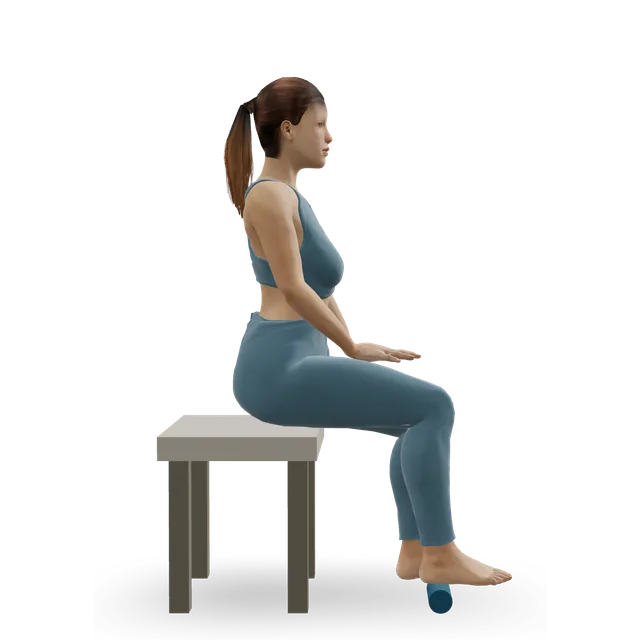
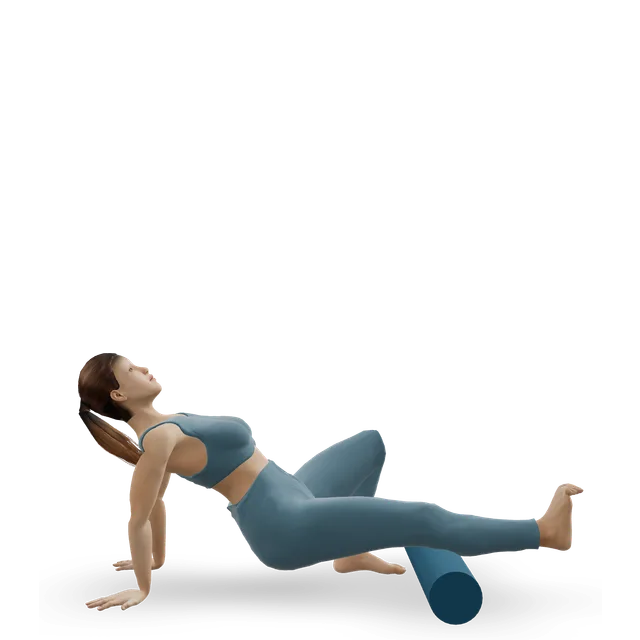
Self-rolling is reasonable for comfort but is not recommended on its own. In one trial summarised in the guideline, self-stretching beat foam rolling on pressure-pain thresholds in the calf; the two did not differ on pain or on thresholds over the plantar fascia. In a small trial, rolling a tennis ball under both feet once briefly improved a sit-and-reach test.
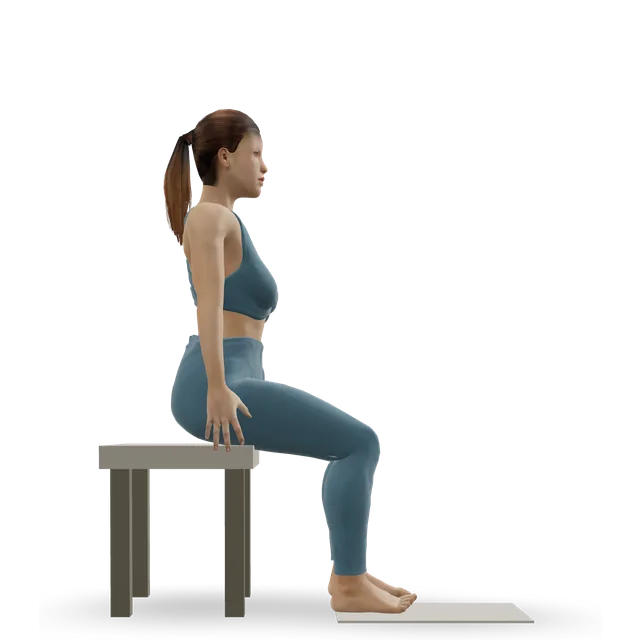
Sit and cross the foot over the other knee. Hold the base of the toes and pull them back toward the shin, keeping the ankle pulled up rather than pointed, until you feel a stretch along the arch. Run your other thumb along the arch: the band should feel taut, which tells you the stretch is on target. Hold, breathing slowly, then let go gently.
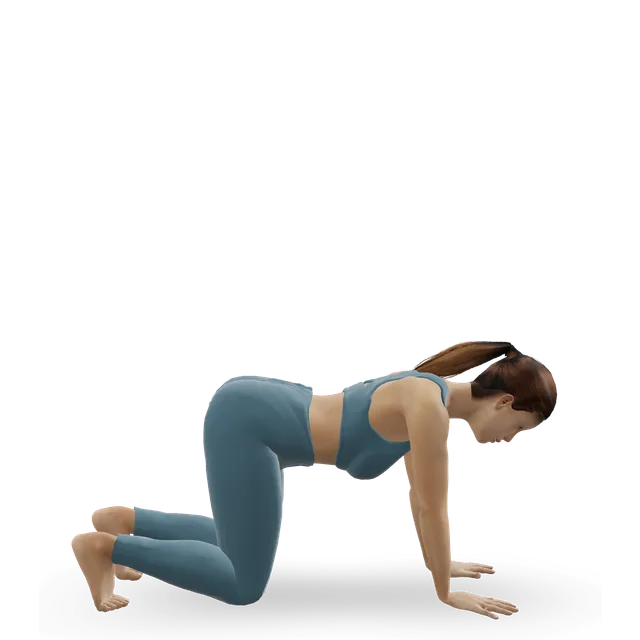
A suggested starting point: 3 holds of 20 to 30 seconds per foot, 2 to 3 times a day, including a set before you stand up in the morning and after long sitting. Trials used holds of 10 to 30 seconds. Easier: loop a towel round the ball of the foot. Harder: kneel with the toes tucked under.
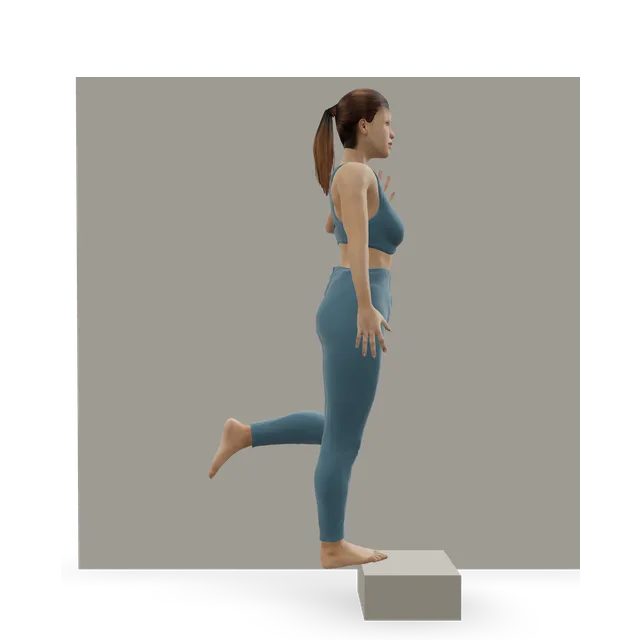
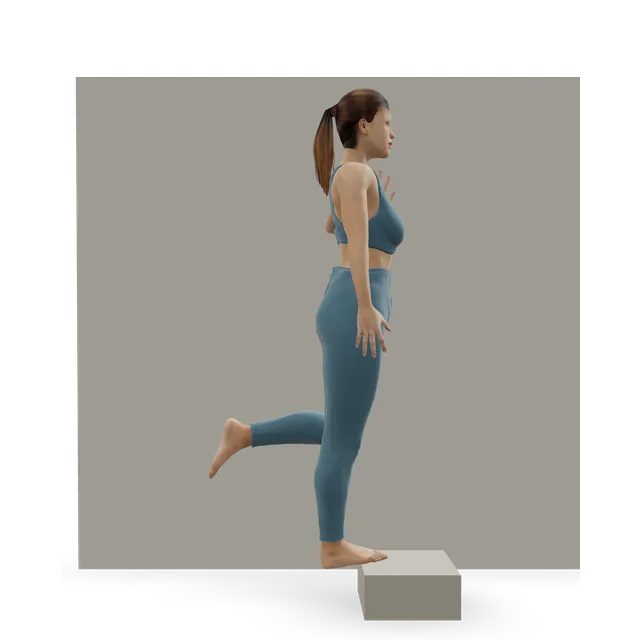
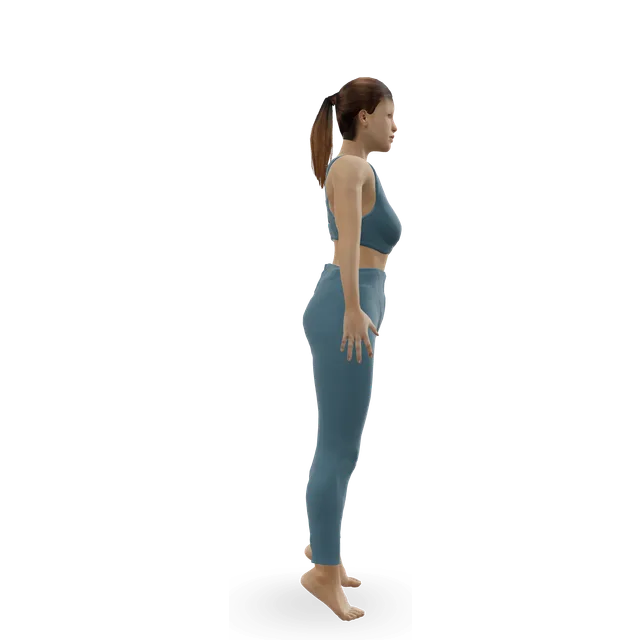
Stand on one foot on a step with a rolled towel under the toes and the heel free, holding a rail. Rise slowly onto the ball of the foot so the toes bend back over the towel, pause, and lower slowly. Do them every second day, as in the trial.
A suggested starting point: 3 sets of 8 to 12 slow reps per leg, adding a loaded backpack when the last reps feel easy. The tempo and the backpack are suggestions, not the published protocol. A common rule of thumb: pain during the set should stay tolerable and settle by the next morning.
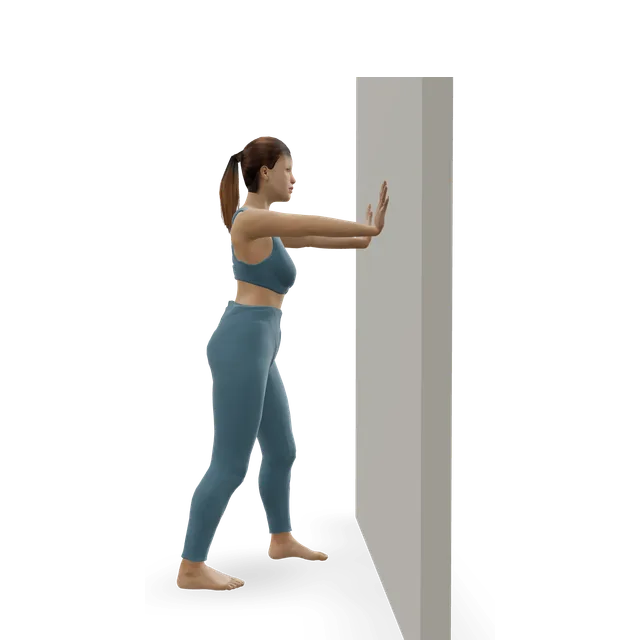
Stretch to a strong but tolerable pull, never to sharp pain, and do not bounce. On a very painful heel, circle the ankles a few times before you stand and walk. Sharp pain, numbness or tingling in the foot, swelling, or pain after a fall need assessment.
How do you stretch the plantar fascia sitting down?
Cross the foot over the other knee, hold the base of the toes and pull them back toward the shin with the ankle pulled up, until you feel the arch tighten. Hold for 20 to 30 seconds, three times, as a starting point.
Can you do the plantar fascia stretch with a towel?
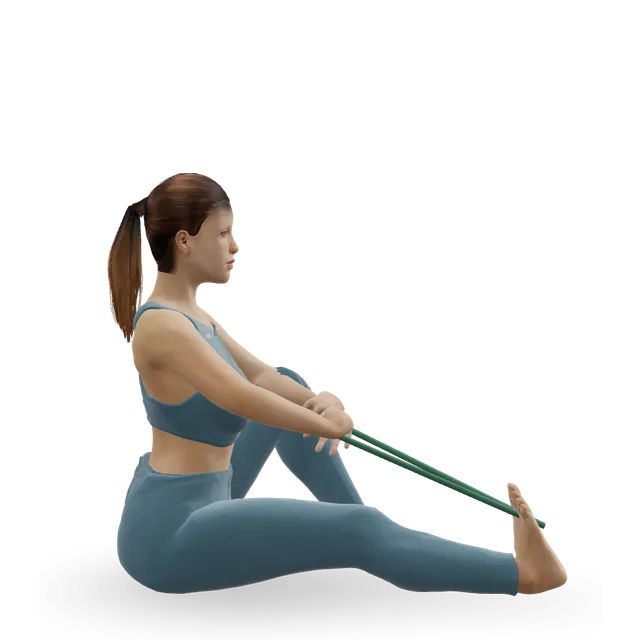
Yes. Sit with the leg out straight, loop a towel round the ball of the foot and pull gently. It is the easier version. Kneeling with the toes tucked under is a harder, weight-bearing version.
Can you stretch the plantar fascia too much?
Stretch to a strong but tolerable pull, never to sharp pain, and do not bounce. Trials used holds of 10 to 30 seconds. Sharp pain, numbness or tingling, swelling or pain after a fall need assessment.
Should you stretch it when your heel hurts?
For plantar heel pain, yes: plantar fascia and calf stretching have the top grade in the heel pain guideline, and first thing in the morning is a good time. Keep it to a tolerable pull.
Is stretching or strengthening better?
Both help. Heel raises with a towel under the toes worked faster in one trial, but by 12 months the results matched stretching. Many people do both: stretch daily, strengthen every other day.
Does rolling a ball under the foot help?
It is reasonable for comfort and can briefly loosen the back of the legs, but it is not recommended as a treatment on its own. Stretching and strengthening are the evidenced core.
Movement education, not medical advice. Stop for sharp or increasing pain, numbness or tingling, and get individual advice if you are pregnant, after an injury or surgery, or managing a health condition. Health disclaimer.