3D demo
Foot roll (ball or roller)
Stretching · Calves
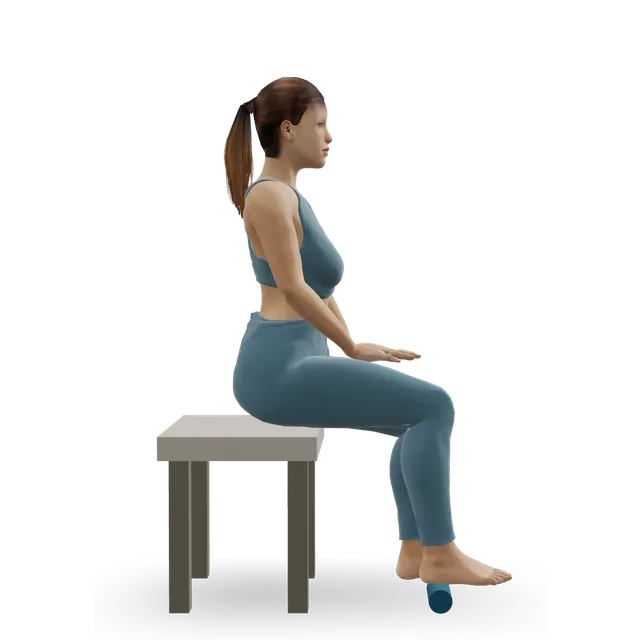
Loading the 3D figure…
The figure repeats the movement from its starting position. Drag to turn it; the arrows open the demos either side.
Sitting with your shoes off, you roll the arch of one foot slowly over a small ball or foot roller, pressing down firmly. It is for comfort and a short-term change in feel: in a small trial, one round of rolling a tennis ball under both feet briefly improved a sit-and-reach test. The evidence does not support the idea that rollers release the fascia of the sole.
Movement guide
Foot roll (ball or roller)
Make it easier or harder
Choose a version that fits your control and comfort.
Easier option
Adjust support to keep the pressure comfortable. A more painful roll is not a required next step. Foam rolling review: pressure is not a standardised progression
Harder option
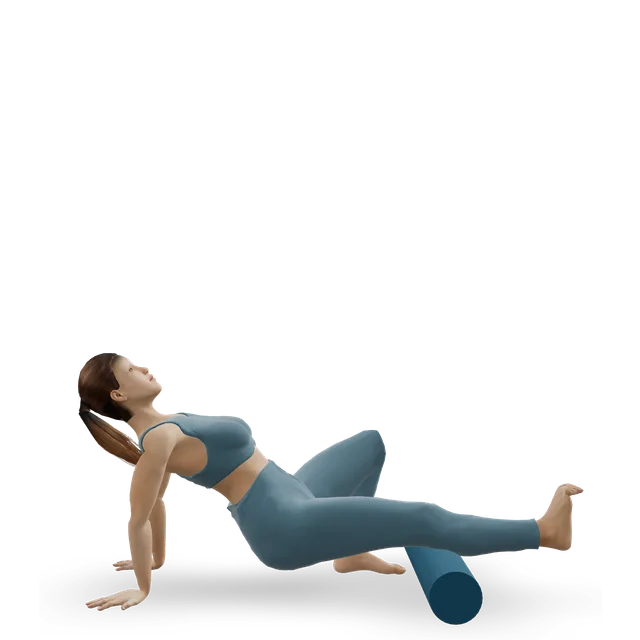 3D demoCalf foam rollingIntermediate · A foam roller
Similar move, intermediate grade.
Source-researched guide.
Form cues
- Use a pressure you can breathe through.
- A softer ball suits sensitive feet.
- Avoid: standing on the ball with your full weight.
Practice and cautions
1 to 2 minutes per foot (our editorial starting point).
With numb feet or diabetes, use gentle pressure and check your skin afterwards. Don't roll over a cut, blister or bruise. This is movement education, not an assessment or treatment prescription. Stop for sharp or increasing pain, dizziness, numbness or tingling; seek individual guidance for symptoms, injury or restrictions.
Sources and review status
Sources support the educational description; they do not establish that this exercise is suitable for you.
- Grieve 2015 · Rolling a tennis ball under both feet once improved a sit-and-reach test (pilot RCT of 24 adults, J Bodyw Mov Ther) ↗
- Behm & Wilke 2019 · Do self-myofascial release devices release myofascia? Not shown; the name is misleading (narrative review, Sports Medicine) ↗
- Free Exercise DB · community text ↗
Unlicense · Free Exercise DB contributors; derived from wrkout/exercises.json. Text import; no photographs or media. · Revision f00c92c7dcf1216a928a52c3706c7ce8e2f71ed5
No variation is labeled clinically validated.
What it works
Muscles
Main: Calves.
Anatomy: Gastrocnemius, Soleus, Tibialis posterior, Popliteus, Plantaris, Flexor hallucis longus.
Equipment
A massage ball
Level
Beginner. See the easier and harder options above.
Workouts that use it
Pain guides that use it
Part of a staged plan, with when to get help first.
- Plantar fasciitis stretches and exercises
- High arches (pes cavus): foot pain, ankle sprains and when to get them checked
- Numb, burning or painful feet when cycling: shoes, cleats, insoles and when to get it checked
- Arch pain: plantar fasciitis, the tibialis posterior tendon, flat feet, nerves, shoes and insoles
Guides that use it
- Yoga for plantar fasciitis guide
- Yoga for feet guide
- Yoga for bunions guide
- Ankle and foot guide
- Fascia exercises guide
- Plantar fascia guide
- Myofascial release guide
- Trigger points guide
Show all 23 guidesShow fewer guides
Browse more
Questions people ask
What muscles does the Foot roll (ball or roller) work?
Mainly the calves.
What equipment do I need for the Foot roll (ball or roller)?
A massage ball.
Is the Foot roll (ball or roller) good for beginners?
It is graded beginner, so it suits most people starting out. When it feels easy, try the Calf foam rolling.
How do I make the Foot roll (ball or roller) harder?
Progress to the Calf foam rolling or the Outer shin foam rolling (peroneals). Follow that guide’s technique and any stated timing.