The plantaris is a small calf muscle with a short belly behind the knee and a long, thin tendon that runs down between the gastrocnemius and the soleus to the heel, usually along the inner side of the Achilles tendon. Not everyone has one: studies find it missing in anything from under 5% to about 20% of legs, and some found it in every leg.
It adds little force to pointing the foot or bending the knee, but it turns up in three places people search: calf tears, where it is blamed more often than it is torn; stubborn Achilles pain; and surgery, where its tendon is a handy spare.
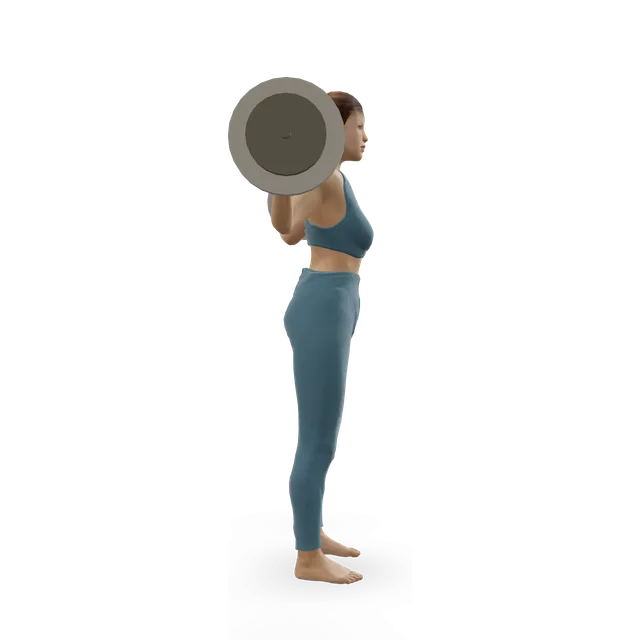
Shaded: the calves area. It marks the region, not the exact outline of the plantaris.
Starts at (origin)
The back of the thigh bone just above the outer side of the knee, and the back of the knee joint's capsule.Lateral supracondylar line of the femur and the oblique popliteal ligament
Attaches to (insertion)
The heel bone, usually just inside the Achilles tendon. Sometimes it merges with the Achilles or fans into the tissue around it.Calcaneal tuberosity, usually medial to the calcaneal (Achilles) tendon; highly variable
What it does
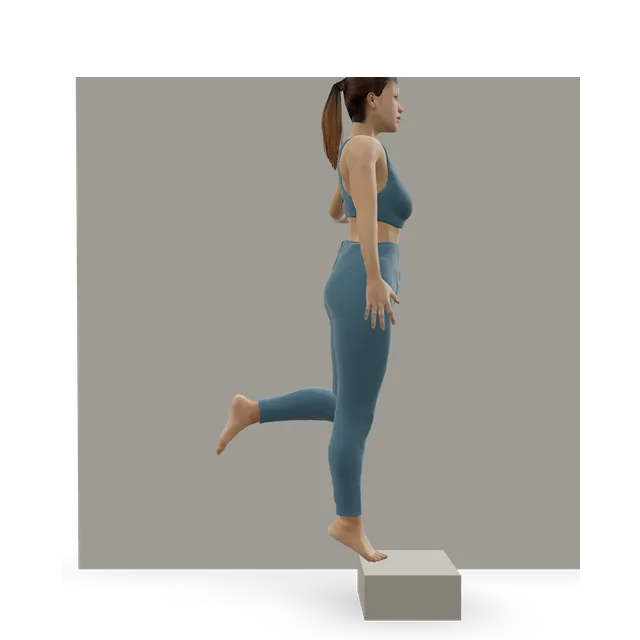
Helps a little to point the foot and rise onto the toes.Weak ankle plantarflexion
Helps a little to bend the knee, because it crosses the back of it.Weak knee flexion
Nerve supply
Tibial nerve (S1, S2), a branch of the sciatic nerve.
Dissection and scan studies find it missing in anything from under 5% to about 20% of legs: 4.35% of 759 calves on ultrasound, 6.5% of 108 feet and 10.8% of 130 legs in dissections. Yet another dissection study found it in all 107 legs it examined.
It can be present in one leg and missing in the other. It was present in every one of 80 unborn babies in one study, so why some adults lack it is not clear.
It adds only a little to pointing the foot and bending the knee, and StatPearls calls it vestigial, a leftover. Two reviews note reports that it has many stretch sensors (muscle spindles) for its size, and suggest it may work more as a sensor for the bigger calf muscles than as a mover. That has not been tested directly.
It may limit how far the ankle bends upEmerging evidence
In 18 cadaver feet, cutting the plantaris tendon let the ankle bend up about 8 degrees further, whether the knee was straight or bent. It is a single small study in cadavers.
Its tendon is long, thin and not needed for strength, so surgeons often use it as graft material, for example to reinforce an Achilles tendon repair. Because it may be missing, its presence has to be confirmed first.
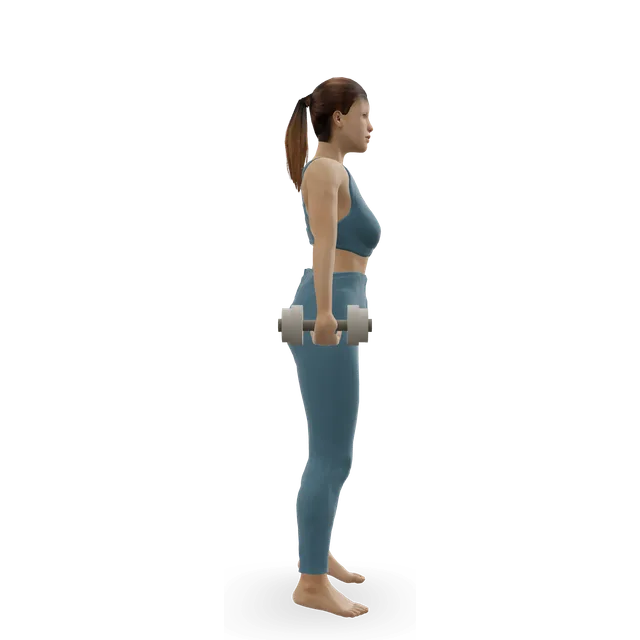
No study has measured the plantaris in any exercise, so this order follows its actions. It crosses the knee and ankle like the gastrocnemius, so calf raises with the knee straight work it alongside the calf, but its share of the force is small: train the calf and the plantaris comes along.
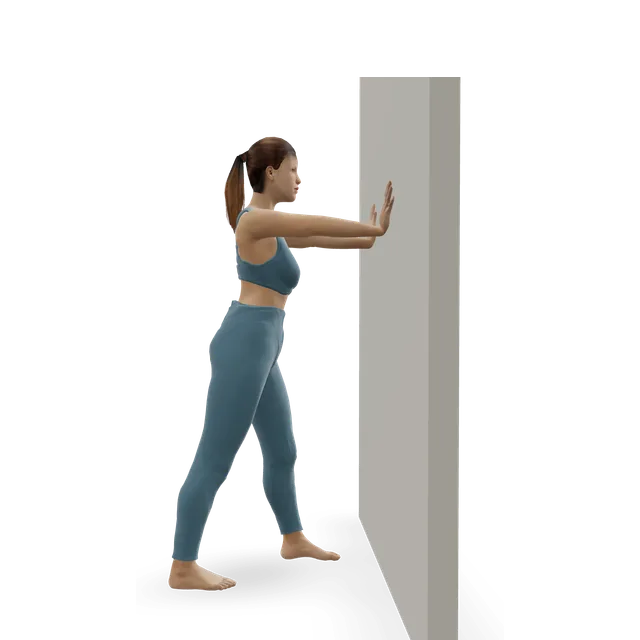
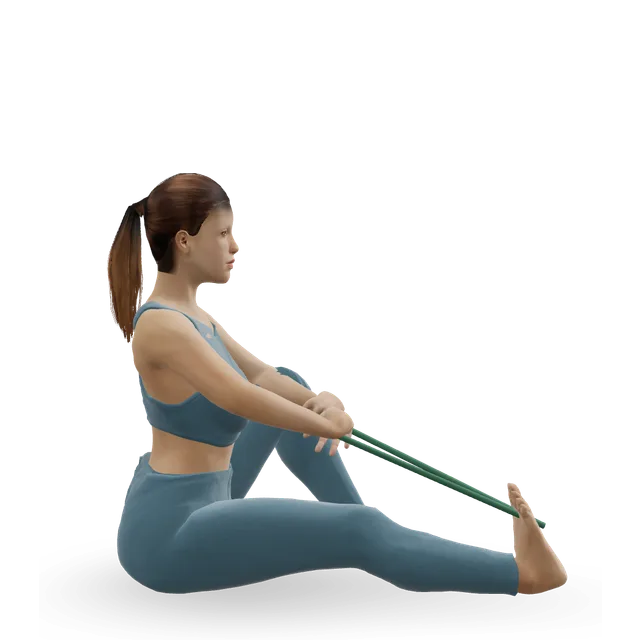
A calf stretch with the knee straight reaches it, because it crosses the back of the knee. In cadavers, cutting its tendon let the ankle bend up further, which suggests it does resist a calf stretch; no study has looked at stretching it in living people.
Tennis leg, a sudden sharp pain in the calf during sport, usually means a tear in the inner head of the gastrocnemius. In 141 people scanned for it, two-thirds had that tear and only 1.4% had torn the plantaris tendon, while about 1 in 10 had a blood clot in a deep vein (deep vein thrombosis) instead.
A plantaris strain tends to be milder, felt lower down towards the Achilles, with little loss of movement, and an ultrasound or MRI (magnetic resonance imaging) scan can confirm it. No trial has compared treatments for it; it is treated like a calf strain, and our calf pain guide covers the warning signs of a clot.
In some people with long-standing pain in the middle of the Achilles, a thickened plantaris tendon presses on its inner side. It was found in 80% of 73 tendons operated on for this pain, and pain and tenderness on the inner side of the tendon, checked with ultrasound, are the clues. StatPearls lists the plantaris's variable shape among the risk factors.
Removing it helped in case series: 90% of 32 elite athletes were satisfied and 94% returned to sport. But all 7 studies in a 2025 review were case series without a comparison group, and heavy calf loading is still the first treatment, as our Achilles guide explains.
The plantaris usually stays intact when the Achilles tears, and other muscles can still point the foot, so being able to point it does not rule out a rupture; over 20% of ruptures are missed at first. Its tendon is sometimes used to reinforce the repair.
Only 1.4% of 141 people scanned for suspected tennis leg had a torn plantaris; 66.7% had torn the inner head of the gastrocnemius. A review traces the debate back to 1883 and concludes that a plantaris injury can cause tennis leg, but far less often.
Its force is small, but it may limit how far the ankle bends, its tendon is valued by surgeons, and a sensory role has been suggested, though not proven.
Not having a plantaris means something is wrongEmerging evidence
Missing it is a common variation, found in under 5% to about 20% of legs depending on the study. We found no study comparing people with and without one.
Stubborn Achilles pain means the plantaris needs removingMixed evidence
A thickened plantaris is found in some people with stubborn pain on the inner side of the tendon, but the surgical evidence comes from case series without comparison groups. Heavy calf loading comes first.
A small calf muscle with a belly of 5 to 10 centimetres behind the outer knee and a long, thin tendon that runs between the gastrocnemius and soleus to the heel bone, usually along the inner side of the Achilles tendon. Some people don't have one.
Does everyone have a plantaris?
No. Studies find it missing in anything from under 5% to about 20% of legs, and some found it in every leg. It can be present in one leg and missing in the other.
What does the plantaris do?
Very little in force: it weakly helps point the foot and bend the knee. Some anatomists think it works more as a sensor for the calf than a mover, but that is unproven.
Is tennis leg a torn plantaris?
Rarely. In 141 people scanned for suspected tennis leg, two-thirds had torn the inner head of the gastrocnemius and only 1.4% had torn the plantaris, while about 1 in 10 had a blood clot instead. A sudden calf pain needs the same checks, whichever muscle is to blame.
What does a plantaris tear feel like?
Like a milder calf strain, often felt lower down towards the Achilles, usually with little loss of movement. A scan can confirm it, and it is treated like a calf strain; no trial has compared treatments for this injury on its own.
Can the plantaris cause Achilles pain?
Possibly, in some stubborn cases. A thickened plantaris pressed against the inner side of the Achilles has been found in many people operated on for long-standing pain in the middle of the tendon, and removing it gave good results in case series. There are no controlled trials, and heavy calf loading is still the first treatment.
Can you stretch or strengthen the plantaris?
Not on its own. It crosses the knee and ankle like the gastrocnemius, so calf raises and calf stretches with the knee straight work it along with the rest of the calf.
Why do surgeons use the plantaris tendon?
It is long, thin and not needed for strength, so it is a common source of graft tissue, including for reinforcing Achilles tendon repairs. Because it may be missing, its presence has to be confirmed first.
If I can still point my foot, is my Achilles intact?
Not necessarily. The plantaris usually survives an Achilles rupture and other muscles can still point the foot, which is one reason over 20% of ruptures are missed at first. A snap at the back of the ankle with weak push-off needs a same-day check.
Anatomy and movement education, not a diagnosis or treatment plan. If you have pain that follows an injury, is severe or getting worse, or comes with numbness, weakness or swelling, get it assessed. Health disclaimer.