Strength at home
Strength workout for runners at home
Session B of the strength training plan for runners, and the whole plan if you don't use a gym. You need a step, a sofa or bench, and dumbbells or a backpack you can load. Home weights are lighter, so the single-leg moves do the heavy lifting: each leg carries your body weight plus whatever you hold. Stop every set 1 to 3 reps short of failure.
Warm-up
- Standing march60 sBeginner · Hip flexors, Abs, Glutes · 3D demoBrisk, arms swingingHarder: Standing band hip flexion
- Hip-hinge practice8 repsBeginner · Glutes, Hamstrings, Back · 3D demoHarder: Dumbbell Romanian deadlift
- Bodyweight squat10 repsBeginner · Quads, Glutes, Hamstrings · 3D demoEasier: Sit squat (partial squat)Harder: Dumbbell goblet squat




Hops
Rest 60 s between sets
- Ankle bounces (mini pogo)2 sets of 15 to 20Beginner · Calves, Shins · 3D demoFrom week 3, pogo hops instead: 3 sets of 10 to 15. Short, quiet contacts. Leave hops out with a suspected stress fracture or Achilles painHarder: Pogo hops
- Single-leg hop and stick2 sets of 5 each legIntermediate · Quads, Glutes, Calves · 3D demoFrom week 7. Hop forward and hold the landing for 2 s, knee over the middle toesEasier: Standing broad jump with stuck landingHarder: Alternate-leg bounding


Split squat and calves (2 rounds in weeks 1 to 2)
3 rounds · Rest 60 to 90 s after each pair
- Rear-foot-elevated split squat (Bulgarian split squat)8 to 12 each sideIntermediate · Quads, Glutes, Hamstrings · 3D demoRear foot on a sofa or step; dumbbells or a loaded backpack. Lower the rear foot if the back knee or front hip pinchesEasier: Reverse lungeHarder: Split squat jump
- Single-leg calf raise from a step12 to 20 each sideIntermediate · Calves · 3D demoFace the step with a hand on a rail; add the backpack when 20 is easy. With a painful Achilles, don't drop the heel below the step until it has been checkedEasier: Slow calf raiseHarder: Single-leg pogo hops


Hinge and soleus (2 rounds in weeks 1 to 2)
3 rounds · Rest 60 s after each pair
- Single-leg Romanian deadlift8 to 10 each sideAdvanced · Hamstrings, Glutes, Abs · 3D demoFingertips on a wall at first; set the weight down if you lose the lineEasier: Dumbbell Romanian deadlift
- Beginner · Calves · 3D demoBent knee, for the soleus: a heavy backpack or dumbbells on your knees, padded, with a hand on the weightHarder: Slow calf raise


Step-ups and side hips
Rest 60 s between sets
- Step-up2 sets of 8 to 10 each sideBeginner · Glutes, Quads, Hamstrings · 3D demoA stable, non-slip step about knee height: drive up briskly and lower slowly. Hold a rail while you learnEasier: Low step-upHarder: Dumbbell step-up
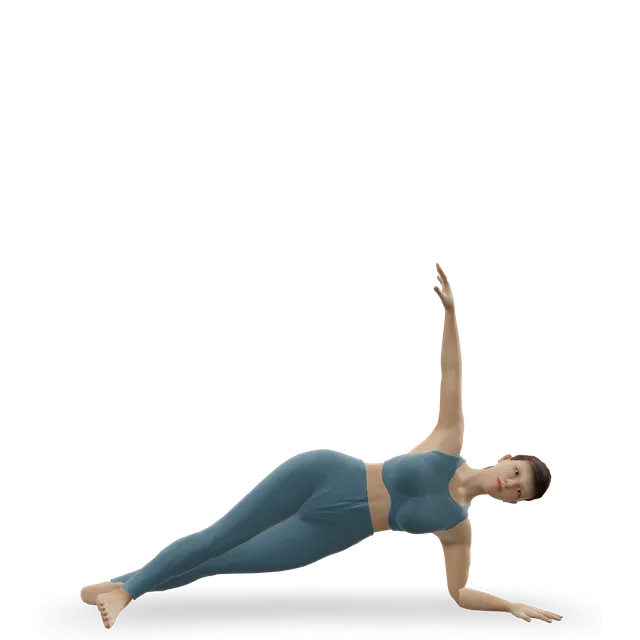
- Side plank with leg lift2 sets of 8 to 10 each sideAdvanced · Hip abductors, Glutes, Abs · 3D demoEasier: a side plank for 20 to 30 s, or a side-lying leg raiseEasier: Side plank
- Tibialis raise2 sets of 15 to 20Beginner · Shins · 3D demoOptional. Back against a wall, lifting the fronts of both feetHarder: Single-leg tibialis raise


Upper body (optional, about 6 minutes)
2 rounds · Rest 60 s after each pair
- Push-up6 to 15 repsIntermediate · Chest, Triceps, Shoulders · 3D demoHands on a bench or sofa arm if floor push-ups are too hardEasier: Wall push-upHarder: Close-grip push-up (close triceps position)
- Band row10 to 15 repsBeginner · Back, Biceps, Shoulders · 3D demoAnchor the band in a closed door on the hinge side, and check the band and anchor firstHarder: Supported single-arm dumbbell row


Tips
- Do it on an easy-run day (run first) or a rest day, at least a day before a hard run or long run.
- When 12 split squats feel easy with 3 to spare, add load or slow the lowering to 3 seconds.
- Stop the hops for any bone pain, and see a clinician if it doesn't settle with rest.
- No gym at all? Do this session twice a week.
- In weeks 1 to 2, stop every set with 3 or 4 reps to spare while you learn the moves.
The doses are suggested starting points, not a prescription. Choose a range you can control and stop for sharp or increasing pain, numbness or tingling. Get individual advice after an injury or surgery, or if you are pregnant or managing a health condition.
Part of these weekly plans
Follow the whole week: which session on which day, and how to progress.
Guides that recommend it
Find more moves like these
More strength at home



Beginner bodyweight workout
A 20-minute full-body workout with no equipment: squats, knee push-ups, bridges, lunges and planks.
20 minBeginner10 movesNo equipment

Full-body bodyweight workout
An intermediate no-equipment workout: push-ups, split squats, single-leg bridges, pike push-ups and core work.
30 minIntermediate11 movesNo equipment

Full-body dumbbell workout
A 35-minute full-body strength workout with dumbbells: goblet squats, presses, rows, Romanian deadlifts and carries.
35 minIntermediate9 movesA band, A dumbbellQuestions people ask
How long does the strength workout for runners at home take?
About 40 minutes, including any warm-up and cool-down listed. Shorten it by doing fewer rounds; lengthen it by adding one.
What equipment do I need?
You need: A wall, A bench or box, A step, A dumbbell, A band, An anchor point. Each move links to its guide, where you can find an alternative if you are missing something.
Is it suitable for me?
It is written at intermediate level. 8 of its 15 moves have an easier option listed beside them; use them freely.
How do I make it easier or harder?
Use the easier or harder option listed under each move, change the number of rounds, or adjust the rest. Progress one change at a time.