Yoga guide

Yoga for seniors: chair yoga, balance and poses to adapt

Yoga is a good way for older adults to keep moving, and chair yoga makes it possible for almost anyone. In trials of people aged 60 and over, yoga improved balance test scores, walking speed and flexibility, and UK guidance counts it toward the strength and balance activities older adults need on at least 2 days a week.

Better balance scores aren't the same as fewer falls, though. Yoga hasn't been shown to prevent falls, and one large trial found more falls with a yoga programme. It doesn't build bone either, so it works best alongside walking, strength training and balance exercise.

This guide covers balance and falls, chair yoga, how to adapt poses for osteoporosis, high blood pressure, glaucoma and joint replacements, how to choose a class and when to stop, with poses to use and a 20-minute chair yoga workout that ends standing at the chair.

The short version

It counts toward the advice for over-65s

UK guidelines ask adults over 65 to do activities that improve strength, balance and flexibility on at least 2 days a week. The NHS lists yoga as a muscle-strengthening activity, and the UK osteoporosis consensus names it among the balance and strength exercises to do at least twice a week.

Sources 1, 2, 3

Better balance, but fewer falls not shown

Yoga improved balance test scores in people aged 60 and over. But in the largest falls trial, 700 people offered a year of yoga classes had more falls than those offered seated relaxation.

Sources 4, 5, 6

Chair yoga is safe, but it doesn't train balance

In the UK's Gentle Years Yoga trial, 12 weeks of chair-based classes were safe and well liked but didn't improve quality of life or reduce falls. Seated exercise doesn't train balance, so add standing poses at the chair as soon as you can.

Sources 7, 8, 9

It doesn't build bone

Trials found no significant change in bone density, and the popular claim that 12 minutes a day reverses bone loss comes from a study with no comparison group.

Sources 10, 11

Swap a few poses

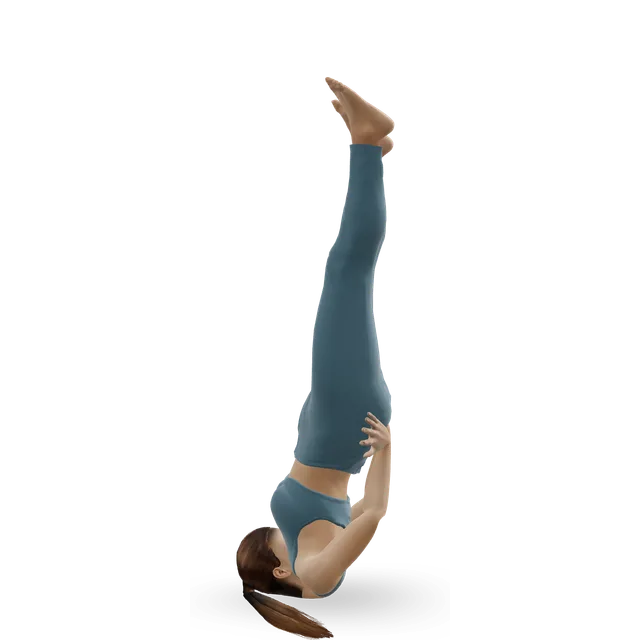
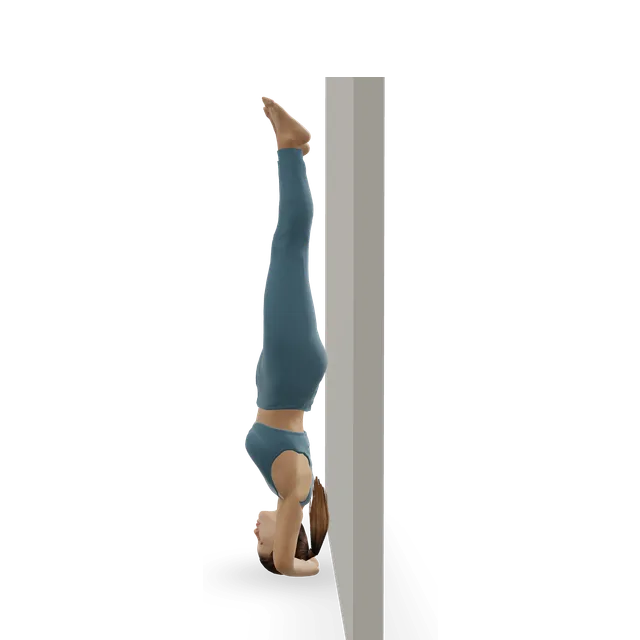
With osteoporosis, swap deep forward folds for a flat-back hinge from the hips. With glaucoma or high blood pressure that isn't under control, skip headstands, shoulder stands and long head-down holds.

Sources 3, 12, 13

Start supervised if you need to

If you're frail, have moderate to severe dementia, have had a spinal fracture or fall regularly, start with a trained professional. Look for a small class with a teacher trained to work with older people.

Sources 1, 14

What yoga for older adults involves

Who the trials studied

Yoga trials in older adults mostly enrolled people aged 60 or 65 and over: the falls trial's participants averaged 67 and the UK chair yoga trial's 73.5. The UK Chief Medical Officers' guidance for older adults starts at 65.

Sources 4, 5, 6, 7, 1

What chair yoga means

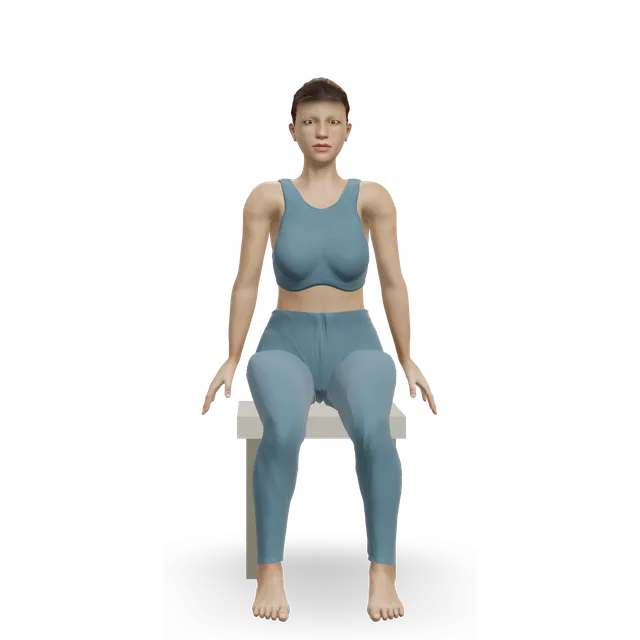
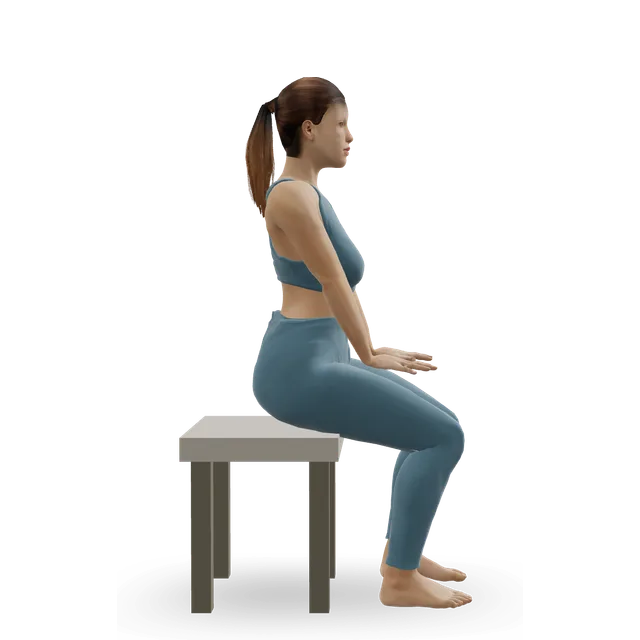
Yoga done sitting on a chair, or standing with the chair for support, or both. In the UK trial's classes, people were mostly seated and held the chair when standing, poses were held for shorter times, and there was no lying on the back or front and no breath holding. Each 75-minute class moved from breathing and focusing to a long warm-up, then seated and standing poses, breathing and relaxation.

Sources 15, 9

Balance tests are not falls

Trials measure balance with clinic tests, such as how long you can stand on one leg. A falls trial counts actual falls, month by month. A better test score is encouraging, but it isn't proof of fewer falls, and the reviewers of yoga's balance trials called for falls trials to find out.

Sources 4, 16, 17

Why some poses get swapped

The UK osteoporosis consensus advises modifying or avoiding movements that bend the spine forward for a long time, repeatedly or to the end of its range, especially with a load, "both during everyday life and exercise such as Pilates or yoga". It says this advice rests on expert agreement, because the evidence is limited, so the swaps are a precaution and yoga itself is encouraged.

Source 3

What the evidence says

Balance improvesEmerging evidence

In 6 good-quality trials (307 people aged 60 and over), yoga improved balance by a small amount and mobility by a moderate amount. A review of 22 trials found a moderate improvement in balance against doing nothing, and another of 18 trials found that almost all showed better balance than no exercise, at low certainty. A 2014 review cited by the US National Center for Complementary and Integrative Health (NCCIH) found 11 of 15 studies improved at least one balance measure.

Sources 4, 5, 18, 19

Fewer falls: not shown, and one large trial found moreMixed evidence

The SAGE trial is a single trial, and we read its abstract; most of its classes ran online during COVID. In 700 people aged 60 and over, those offered a year of Iyengar-based yoga classes (twice a week, focused on standing balance and leg strength) had 1.33 times as many falls as those offered seated relaxation: 0.87 against 0.64 falls per person a year. The 95% confidence interval, the range the true figure probably lies in, ran from 1.01 to 1.75. Balance confidence and activity improved, and the authors say this programme shouldn't be recommended for falls prevention in its current form.

In the UK chair yoga trial, falls didn't differ from usual care, and a review of yoga trials called the effects on falls mixed. So yoga improves balance scores, but it hasn't been shown to prevent falls.

Sources 6, 16, 7, 18

Preventing falls needs more balance challengeStrong evidence

The world falls guidelines strongly recommend exercise that challenges balance and includes functional moves such as sit-to-stands and stepping, 3 or more times a week, progressed for at least 12 weeks and continued for longer. They also recommend tai chi and strength training where possible, taught by trained professionals.

Source 17

Fear of falling may easeEmerging evidence

The falls guidelines note that supervised classes such as Pilates or yoga had the largest effects on concern about falling in two reviews, and the large yoga trial improved balance confidence even though falls rose.

Sources 17, 6

Walking and getting aboutEmerging evidence

In 33 studies of people aged 65 and over, yoga improved walking speed and leg strength and endurance compared with education or no exercise (moderate certainty), but may not beat other exercise. Against doing nothing, lower-body flexibility, mood and sleep quality improved too.

Sources 20, 5

Strength: mixedMixed evidence

Two reviews found better leg strength against doing nothing, and one also against other activities, but in a third, of 21 studies, the gains didn't hold up once missing small studies were allowed for. For real strength gains, add progressive strength training.

Sources 5, 20, 21

Bone density: no changeMixed evidence

In 11 studies of Pilates or yoga (591 women aged 45 to 78), bone density didn't change significantly, and 2 yoga trials found no effect. The widely shared 12-minute study had no comparison group: of 741 volunteers, it analysed the 227 who practised more than every other day and compared their scans before and after starting, so it can't show that yoga caused any change.

Sources 10, 18, 11

Blood pressure: a small fall, from weak trialsMixed evidence

In 30 trials of people with raised blood pressure, yoga lowered the top number by about 8 mmHg and the bottom number by about 5 mmHg compared with a waiting list, but the evidence was of very low quality, and the effect against other activities was smaller and less certain. An earlier review found no effect against exercise.

Sources 22, 23

Injuries rise with ageEmerging evidence

In US emergency departments in 2014, yoga injuries per 100,000 people doing yoga were 57.9 at 65 and over, against 11.9 at 18 to 44. Most yoga injuries are sprains and strains, and NCCIH says older adults may need to be particularly cautious and that learning yoga on your own without supervision has been linked to higher risks.

Sources 24, 25, 19

Chair yoga: what it can and can't do

The UK trial: safe and valued, but no change in quality of lifeEmerging evidence

The Gentle Years Yoga trial's published abstracts report that 454 adults aged 65 and over with two or more long-term conditions, from 15 general practices in England and Wales, were offered 12 weekly 75-minute chair-based classes (7 courses face to face, 12 online) plus practice at home, or usual care. Over 12 months, quality of life didn't improve meaningfully, and anxiety, depression, loneliness and falls didn't differ.

The same abstracts report no serious related side effects, an average of 9 classes attended, and a good chance that the programme was cost-effective: about £4,546 per quality-adjusted life year (a measure combining length and quality of life), with a 79% chance of being worth it at the £20,000 threshold commonly used in the NHS. The authors called it safe and acceptable, and highly valued by some.

Sources 7, 26, 15

Smaller trials: pain and moodEmerging evidence

In 131 older adults with hip or knee arthritis who couldn't do standing exercise, chair yoga twice a week for 8 weeks eased how much pain got in the way of daily life, still 3 months later, and eased pain and fatigue during the programme, but had no effect on balance. In 33 care home residents aged 80 to 101, including people with dementia, twice-weekly chair yoga improved anxiety, depression and mood, in a small study that wasn't randomised.

Sources 27, 28

Seated exercise doesn't train balanceEmerging evidence

Across 14 trials, seated exercise improved thinking skills a lot, and strength, mood and quality of life a little, but had "no effect on balance or mobility". Experts agreed that chair-based exercise should, where possible, be "a starting point to progress to standing programmes".

Sources 8, 9

Which chair

The NHS suggests a solid, stable chair without wheels, where you can sit with your feet flat and your knees at right angles, and a chair without arms, which would restrict your movement. After a hip replacement, follow your physiotherapist: the NHS advises against low chairs and chairs without arms while you recover.

Sources 29, 30

Osteoporosis: what to keep and what to swap

Most of these are precautions agreed by experts, not trial results. Each pose's page has the details.

What the UK consensus saysStrong evidence

Balance and strength exercise, including yoga, at least twice a week, and back-strengthening exercises repeated 3 to 5 times and held for 3 to 5 seconds, at least twice a week. Modify or avoid moves that bend the spine forward for a long time, repeatedly or to the end of its range, especially with a load. Twisting should be safe if it's smooth and comfortable.

Source 3

Case reports of spinal fracturesMixed evidence

In one series, 9 people (median age 66) developed spinal compression fractures after starting yoga poses that bent the spine forward, some of them with osteoporosis or thinning bones. Another small series described similar cases. In 89 people treated for yoga injuries at a spine clinic, 13 had compression fractures, and the poses most often involved in the injuries bent or arched the spine to extremes. These reports show it can happen, not how often.

Sources 12, 31, 32, 33

Our swaps

Following the consensus, if you have osteoporosis or a higher risk of fracture:

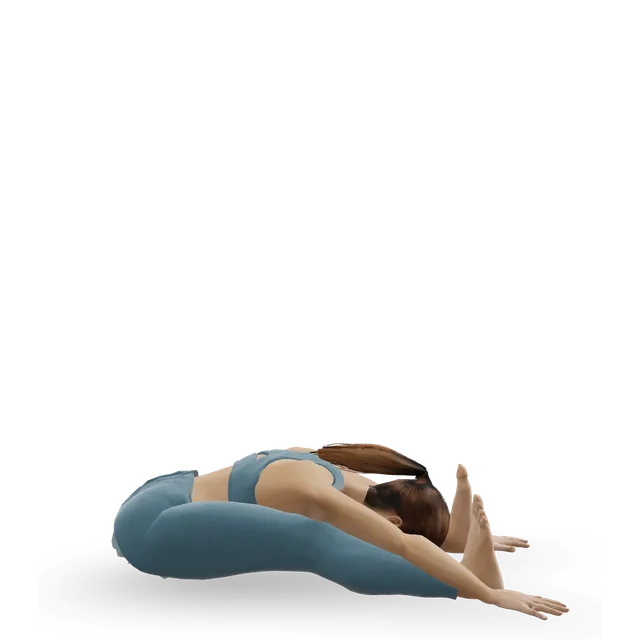
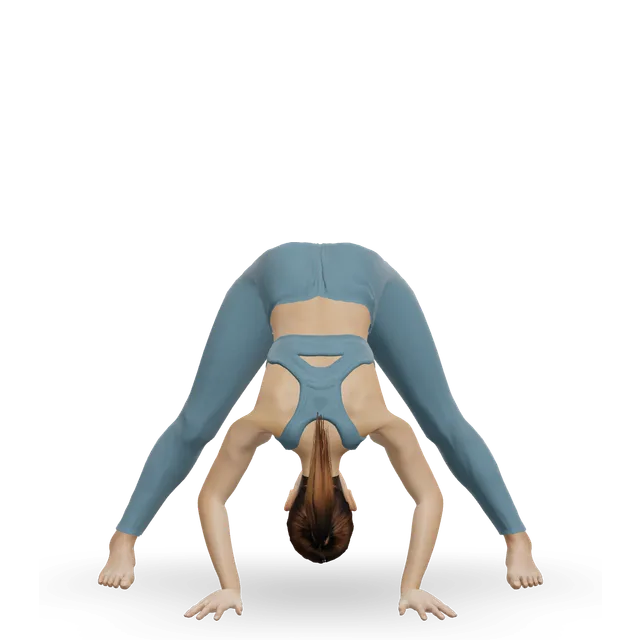
  • Deep forward folds (standing, seated, wide-legged and head-to-knee): fold from the hips with a long back, or leave them out.
  • Sun salutations: fold only halfway, with a flat back.
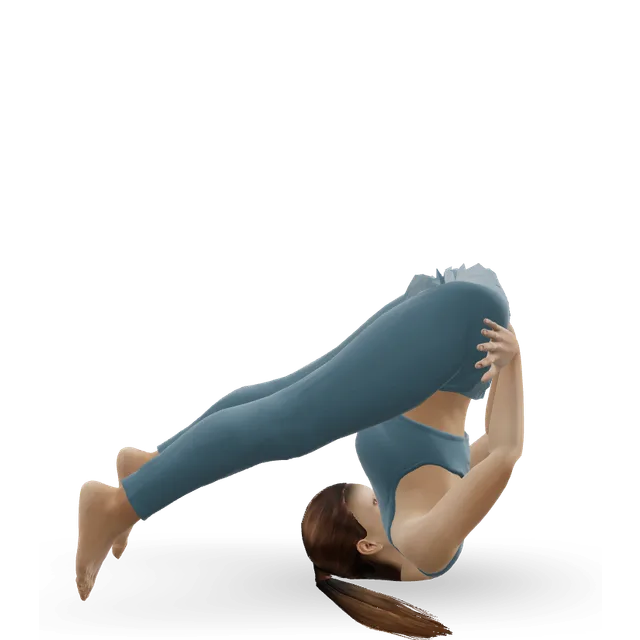
  • Plough and shoulder stand: leave them out.
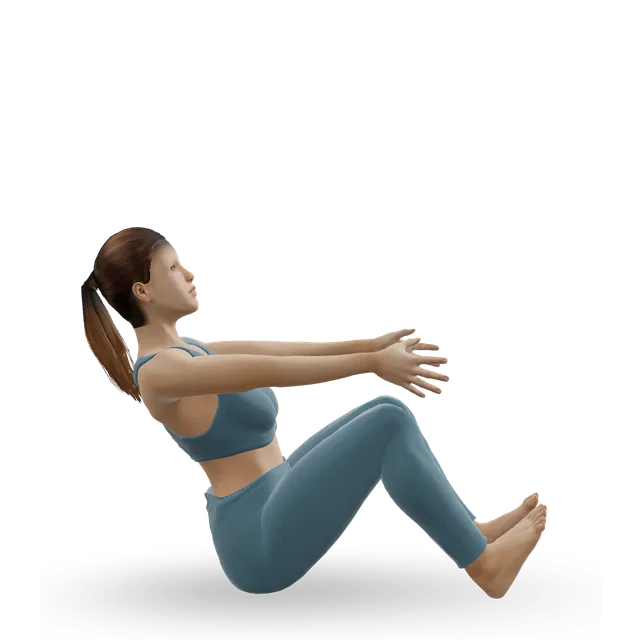
  • Boat pose: keep the knees bent and the back long.
  • Twists: keep them smooth and comfortable.
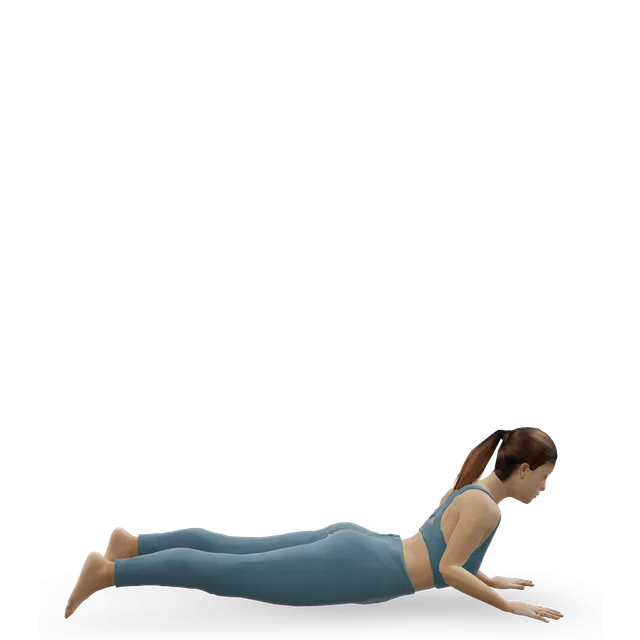
  • Keep the back-strengthening poses, such as locust, a low cobra and the seated upper-back lift.

Source 3

After a spinal fractureStrong evidence

The consensus says yoga and Pilates "should be considered to help with posture and pain", ideally with an instructor trained to work with older people or people with osteoporosis. Get individual advice from a physiotherapist first if you can.

Source 3

Bones need more than yoga

Yoga helps balance, posture and confidence. For bone strength, the consensus recommends strength training and impact exercise; our osteoporosis guide has the detail.

Sources 3, 10

Blood pressure, dizziness and head-down poses

Head-down poses raise eye pressureEmerging evidence

In 10 people with glaucoma and 10 without, eye pressure rose within a minute in downward dog, a standing forward bend, plough and legs up the wall, most in downward dog, and returned to normal within 2 minutes of sitting up. Whether this harms glaucoma over time isn't known. A review of case reports advises people with glaucoma to avoid inversions, and NCCIH lists glaucoma among conditions that may need adapted poses.

Sources 13, 33, 19

With high blood pressure: no long head-down holds, no breath holds

Skip headstands, shoulder stands and long head-down holds while your blood pressure is uncontrolled: a precaution, not a trial finding, as our high blood pressure guide says. Keep breathing through every pose. The UK chair yoga programme avoided holding the breath, which it notes is unsuitable with high blood pressure, and held poses for shorter times.

Source 15

Stand up slowly

Feeling dizzy when you stand up is common with age. The NHS advises getting up slowly from sitting to standing, and moving slowly from lying to sitting to standing. In yoga, come up slowly from forward folds and from the floor, and pause before you walk away.

Source 34

After a hip or knee replacement

Follow your surgical team's limits

After a hip replacement, the NHS advice while you recover includes not sitting with your legs crossed, not bending your hip more than 90 degrees (a right angle) and not bending down to touch your feet or ankles. After a knee replacement, don't sit with your legs crossed for the first 6 weeks, and don't kneel on the new knee until your doctor says you can.

Sources 30, 35

What that means for yoga

Our reading: while you recover, leave out cross-legged sitting, deep forward folds, pigeon and figure-four shapes and anything that bends the hip past a right angle, and leave kneeling poses such as child's pose until you're cleared. Seated and supported standing poses at a chair are usually fine; check with your physiotherapist.

Sources 30, 35

How much, and how often

Twice a week, alongside walkingStrong evidence

The UK guidelines for over-65s: activities to improve strength, balance and flexibility on at least 2 days a week, plus aerobic activity such as brisk walking. Yoga or chair yoga twice a week covers the first part; it doesn't replace walking.

Sources 1, 2, 3

If falls are a worry, 3 days a week

Falls prevention needs balance-challenging exercise 3 or more times a week. Add our balance exercises routine on a third day, near a wall or a stable chair, as the NHS balance exercises suggest.

Sources 17, 36

What the trials used

For comparison:

  • The UK chair yoga trial: one 75-minute class a week for 12 weeks, plus 10 to 20 minutes of practice at home each day.
  • The falls trial: two 1-hour classes a week, plus 20 minutes at home at least twice a week.
  • Chair yoga in arthritis: two 45-minute sessions a week for 8 weeks.

Sources 15, 16, 27

Our editorial starting point

Our 20-minute chair yoga workout twice a week, or a gentle class, plus walking on most days. If falls are a concern, add standing balance exercise on a third day, and ask your GP about a falls assessment if you've fallen.

Sources 1, 17

Choosing a class

What a class built for older adults looks likeEmerging evidence

From the UK chair yoga trial's teachers: small classes (up to 15 in person and 12 online in the trial), an individual session before the first class, a focus on chair-based and standing poses, simple breath awareness, guidance on how a pose should feel rather than how it should look, a slower pace with time to rest, clear demonstrations and simple, repeated instructions.

Sources 14, 15

A teacher trained to work with older people

The osteoporosis consensus suggests an instructor trained to work with older people or with osteoporosis, who can adapt exercises to your ability and range of movement. Yoga teacher training is mostly unregulated, the trial's process evaluation notes. In the UK, the British Wheel of Yoga is the national governing body for yoga in England and Wales; in the US, Yoga Alliance keeps a register of 200-hour teacher trainings, which is a registry, not a licence. NCCIH suggests asking about a teacher's training and experience.

Sources 3, 14, 37, 38, 19

Tell your teacher

Before the first class, tell the teacher about falls, fractures, osteoporosis, joint replacements, glaucoma and blood pressure, so they can suggest swaps. Choose a gentle, chair or seniors' class rather than hot, power or advanced yoga (our suggestions).

Start supervised if

You're frail, have moderate to severe dementia, have had a spinal fracture or fall regularly: the UK guidelines say new exercise might best be supervised by a trained professional at first.

Source 1

Seated poses

On a solid chair with your feet flat. 5 slow breaths, 5 to 10 repetitions or the dose on each pose's page; cat-cow, breath reach, chin tuck and the twist are done seated here, though their demos show other positions. Keep the rounding in cat-cow small and smooth if you have osteoporosis.

Standing, holding a chair

The part that trains balance. Hold the back of a stable chair or stand near a wall, as the NHS balance exercises suggest; 3 to 5 breaths in each pose, keep the tree pose foot at the ankle at first and never press it into the knee (our starting points).

On the floor, if you can get down and up safely

Back-strengthening holds of 3 to 5 seconds, 3 to 5 times, as the osteoporosis consensus suggests; pad your knees in child's pose and skip it after a knee replacement until you're cleared. Our older adults guide covers getting up from the floor.

Poses to swap or leave out

With osteoporosis, fold from the hips with a long back instead of rounding, and leave out plough and shoulder stand. With glaucoma or high blood pressure that isn't under control, skip headstand, shoulder stand and plough, and keep downward dog, wide-legged folds and legs up the wall brief.

Workouts to follow

Start with the 20-minute chair yoga workout twice a week. Add the balance exercises routine on a third day if falls are a worry, and the strength sessions for muscle and bone.

Chair yoga for seniors

A free 20-minute chair yoga class for older adults: slow breathing, gentle seated stretches and twists, standing poses holding the chair, and a calm finish.

20 minBeginner18 movesA bench or box, Something with weight

Chair exercises for seniors: a seated workout

A 20-minute seated workout for older adults who cannot stand for long: marching, leg and arm strength, posture, and sit-to-stands that lead back to standing.

20 minBeginner11 movesA bench or box, Something with weight

Balance exercises routine

Balance practice in 10 minutes: tandem stance, single-leg stands, marches, heel walks, tree pose and floor transfers.

10 minBeginner7 movesA wall, A bench or box

Strength and balance exercises for seniors

A 40-minute strength and balance session for over-65s, built from the Otago home programme and NHS exercises, using a chair, a counter and a step.

40 minBeginner18 movesA bench or box, Something with weight

Chair Pilates workout

A 20-minute chair Pilates workout for beginners and older adults: breathing, sitting tall, gentle spine and leg moves, and a standing finish at the chair.

20 minBeginner14 movesA bench or box, Something with weight

Kyphosis exercises for seniors: a spine-strengthening routine

A 30-minute routine for a rounded upper back in later life, built from the SHEAF trial: floor back-strengthening, posture practice and gentle mobility.

30 minBeginner13 movesA bench or box, A wall

Bone-strengthening workout

Impact, strength and balance for stronger bones, following UK osteoporosis consensus advice, with options for every level.

40 minBeginner14 movesA kettlebell, Other / check instructions

Beginner yoga flow

A 20-minute beginner yoga sequence: mountain, chair, warrior II, triangle, tree, down dog, cobra and child's pose.

20 minBeginner11 movesA step

A weekly plan

Strength, balance and walking across the week, in line with the UK advice for over-65s.

When to check first, and when to stop

Start with supervision if

You're frail, have moderate to severe dementia, have had a spinal fracture or fall regularly. Our older adults guide explains how to get started safely.

Source 1

Stop and call 999 (911 in the US)

For chest pain or tightness that spreads to your arms, neck or jaw or doesn't settle with rest, signs of a stroke, or a fall in which you may have hurt your head, neck, back or hip, or can't get up. Our older adults guide has the full list.

Stop and rest if you feel

Dizzy, faint, unusually breathless, or sharp or increasing pain. Sit down until it passes, and see a GP if you keep getting dizzy or faint when you stand up.

Source 34

A possible spinal fracture

Sudden back pain, losing height or a newly rounded upper back can be signs of a spinal fracture: see a GP. If you've had painful spinal fractures, see a physiotherapist before starting yoga.

Falls

If you have fallen, or are worried about falling, ask your GP about a falls assessment. The NHS says strength, balance and flexibility exercise will help make you stronger and feel more confident on your feet.

Sources 17, 2

Eyes, blood pressure and joint replacements

With glaucoma, recent eye surgery or high blood pressure that isn't under control, skip headstands, shoulder stands and plough. After a joint replacement, follow your surgical team's limits.

Sources 13, 30, 35

Myths

"Yoga prevents falls"Mixed evidence

Yoga improves balance test scores, but in the largest falls trial, a year of yoga classes led to more falls than seated relaxation. Balance-challenging exercise 3 times a week is what prevents falls.

Sources 4, 5, 6, 17

"Yoga builds bone or reverses osteoporosis"Mixed evidence

Trials found no significant change in bone density, and the 12-minute study had no comparison group and analysed fewer than a third of its volunteers.

Sources 10, 18, 11

"With osteoporosis you should avoid yoga"Strong evidence

The UK consensus recommends yoga among balance and strength activities, and for posture and pain after a spinal fracture. Swap the extreme forward folds.

Source 3

"Chair yoga trains balance as well as standing yoga"Emerging evidence

Seated exercise had no effect on balance or mobility in pooled trials, and chair yoga had no effect on balance in a trial. Stand at the chair for balance.

Sources 8, 27, 9

"You're too old to start"Emerging evidence

The UK chair yoga trial's participants averaged 73, with people up to 91 taking part, and a care home study included residents up to 101. The UK guidelines say the benefits of activity in older adults outweigh the risks.

Sources 7, 14, 28, 1

"Headstands and shoulder stands are good for older people's circulation"Emerging evidence

We found no evidence for this. Head-down poses raise eye pressure within a minute, and beginners are advised to avoid headstands and shoulder stands.

Sources 13, 19

Questions people ask

Is yoga good for seniors?

Yes, for most older adults. In trials of people aged 60 and over, it improved balance tests, flexibility and walking speed, and it counts toward the advice to do strength, balance and flexibility activities on at least 2 days a week. It hasn't been shown to prevent falls, so add balance exercise if falls are a worry.

What is chair yoga?

Yoga done sitting on a chair, or standing with the chair for support. It suits people who find standing for long, or getting down to the floor, difficult, and it's a good way to start.

Does chair yoga work?

It's safe and well liked, and in smaller trials it eased arthritis pain and lifted mood. In the UK's largest trial, a 12-week chair yoga course didn't improve quality of life or reduce falls, though it was probably good value. It doesn't train balance, so add standing poses at the chair.

Does yoga prevent falls?

Not on the evidence so far. In one large trial of 700 adults aged 60 and over, a year of yoga classes led to more falls than seated relaxation, though most classes were online during COVID. To cut falls, do balance-challenging standing exercise 3 times a week, and ask about a falls assessment if you've fallen.

Is yoga safe with osteoporosis?

Yes, with changes. The UK consensus recommends yoga for balance and strength, and after a spinal fracture for posture and pain. Swap deep forward folds, plough and shoulder stand for flat-back hinges and back-strengthening poses, because case reports link extreme forward bending to spinal fractures.

Does yoga strengthen bones?

It hasn't been shown to: trials found no significant change in bone density. The study claiming 12 minutes a day reverses bone loss had no comparison group. For bone, add strength and impact exercise.

Is yoga OK with high blood pressure or glaucoma?

Yoga may lower blood pressure a little. Skip headstands, shoulder stands and long head-down holds if your blood pressure isn't under control or you have glaucoma, because head-down poses raise eye pressure within a minute. Keep breathing, and don't hold your breath.

Can I do yoga after a hip or knee replacement?

Usually, once your surgical team agrees. While you recover, follow the NHS precautions: after a hip replacement, no crossed legs and no bending your hip past a right angle; after a knee replacement, no kneeling until your doctor says so. Chair-based poses are a good way back.

How often should older adults do yoga?

Twice a week fits the UK advice for over-65s. Add walking on most days, and balance exercise on a third day if falls are a worry.

How do I choose a yoga class for older adults?

Look for a small, gentle or chair-based class with a teacher trained to work with older people or osteoporosis, who meets you before the first class and adapts poses. Tell them about falls, fractures, joint replacements, glaucoma or blood pressure, and start supervised if you're frail.

I'm 70 and stiff. Is it too late to start?

No. The UK chair yoga trial's participants averaged 73, and a care home study included people up to 101. Start with chair or gentle classes and build up; the benefits of activity at older ages outweigh the risks.

Is chair yoga good for weight loss?

It's gentle, and the chair yoga trials measured pain, mood, quality of life and falls, not weight. Our yoga for weight loss guide covers what yoga can and can't do for weight.


Sources

  1. UK Chief Medical Officers 2026 · Physical activity guidelines, updated July 2026 (gov.uk)

  2. NHS · Physical activity guidelines for older adults
  3. Brooke-Wavell 2022 · Strong, steady and straight: UK consensus statement on physical activity and exercise for osteoporosis (BJSM)
  4. Youkhana 2016 · Yoga for balance and mobility in people aged 60 and over: 6 trials (systematic review and meta-analysis, Age Ageing)
  5. Sivaramakrishnan 2019 · Yoga and physical function in older adults: 22 trials (systematic review and meta-analysis, IJBNPA)
  6. Oliveira 2025 · Iyengar yoga-based exercise vs seated relaxation and falls: the SAGE trial, 700 people aged 60 and over (randomised trial, Lancet Healthy Longev)
  7. Tew 2024 · Chair-based yoga for older adults with several long-term conditions: the Gentle Years Yoga trial, 454 people (randomised trial with economic and process evaluations, Health Technol Assess)
  8. Sexton 2019 · To sit or not to sit? Seated exercise for older adults: 14 trials (systematic review and meta-analysis, Australas J Ageing)
  9. Robinson 2014 · Principles of chair-based exercise for older people (Delphi study, BMC Geriatr)
  10. Fernández-Rodríguez 2021 · Pilates and yoga for bone density in adult women: 11 studies (systematic review and meta-analysis, PLoS One)
  11. Lu 2016 · A 12-minute daily yoga regimen and bone loss: 741 volunteers, no control group (study, Top Geriatr Rehabil)
  12. Sfeir 2018 · Spinal compression fractures associated with yoga: 9 people (case series, Eur J Phys Rehabil Med)
  13. Jasien 2015 · Eye pressure in four yoga positions, with and without glaucoma: 20 people (lab study, PLoS One)
  14. Ward 2025 · Teaching yoga safely and inclusively to older adults: Gentle Years Yoga process evaluation (BMJ Open)
  15. Tew 2021 · Yoga for older adults with multimorbidity: protocol of the Gentle Years Yoga trial (Trials)
  16. Oliveira 2020 · Yoga to prevent falls in people aged 60 and over: protocol of the SAGE trial (BMJ Open Sport Exerc Med)
  17. Montero-Odasso 2022 · World guidelines for falls prevention and management for older adults (Age Ageing)
  18. Bajaj 2025 · Yoga for balance, falls and bone in healthy people: 18 trials (systematic review, Osteoporos Int)
  19. NCCIH 2023 · Yoga: effectiveness and safety (US National Center for Complementary and Integrative Health)
  20. Loewenthal 2023 · Yoga and frailty in older adults: 33 studies (systematic review, Ann Intern Med)
  21. Guo 2026 · Yoga for leg strength, balance and quality of life in older adults: 21 studies (systematic review and meta-analysis, Exp Gerontol)
  22. Geiger 2025 · Yoga for high blood pressure: 30 trials (systematic review and meta-analysis, PLoS One)
  23. Cramer 2014 · Yoga for hypertension: 7 trials (systematic review and meta-analysis, Am J Hypertens)
  24. Swain 2016 · Yoga-related injuries in the United States, 2001 to 2014 (emergency department data, Orthop J Sports Med)
  25. Cramer 2018 · Injuries and other adverse events with yoga practice (systematic review of observational studies, J Sci Med Sport)
  26. Tew 2024 · Effectiveness and cost-effectiveness of chair-based yoga for older adults with several long-term conditions (trial report, NIHR Open Research)
  27. Park 2017 · Chair yoga for pain and function in older adults with hip or knee osteoarthritis: 131 people (randomised trial, J Am Geriatr Soc)
  28. Frampton 2024 · Chair yoga, anxiety, depression and mood in care home residents aged 80 to 101 (feasibility study, J Appl Gerontol)
  29. NHS · Sitting exercises
  30. NHS · Recovering from a hip replacement
  31. Sinaki 2013 · Yoga spinal flexion positions and compression fractures in osteopenia or osteoporosis (case series, Pain Pract)
  32. Lee 2019 · Soft tissue and bony injuries attributed to yoga: 89 patients (case series, Mayo Clin Proc)
  33. Cramer 2013 · Adverse events associated with yoga: 76 case reports and case series (systematic review, PLoS One)
  34. NHS · Low blood pressure (hypotension)
  35. NHS · Recovering from a knee replacement
  36. NHS · Balance exercises
  37. British Wheel of Yoga · About us
  38. Yoga Alliance · Explore credentialing options

Exercise education, not a personal prescription, and clinical review of these guides is pending. If you are pregnant, have a health condition such as glaucoma, high blood pressure or osteoporosis, or have had recent surgery, check with a doctor, midwife or physiotherapist before starting, and stop for sharp or increasing pain. Health disclaimer.