Legs up the wall (Viparita Karani)
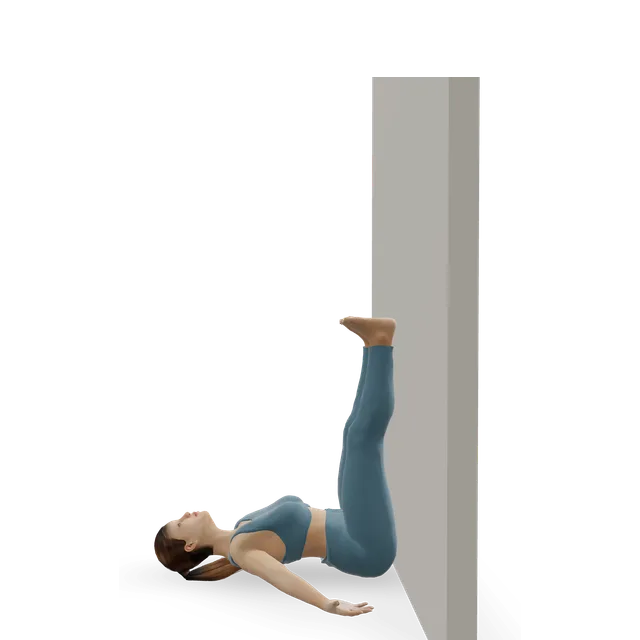
Lying with the hips near a wall and the legs resting up it: the gentlest way to put the legs over the heart, with no weight on the neck.
Shoulderstand family
Legs up the wall (Viparita Karani)
Loading the 3D figure…
Source-researched guide.
How to move
- Sit side-on to a wall, then swing the legs up it as you lie back, bringing the seat close to the wall.
- Let the legs rest on the wall, the arms out to the sides, the back of the head on the floor.
- To come out, bend the knees, roll to one side and pause before sitting up.
Form cues
- Move the hips back from the wall if the backs of the legs pull.
- Nothing needs to work; let the floor take the back.
Practice and cautions
No universal dose is assigned. Choose a manageable amount for your current capacity, leave room for controlled repetitions, and allow recovery. A clinician’s individual plan takes priority.
From the end of the first trimester of pregnancy, or if lying flat makes you dizzy, prop your upper body on cushions or skip it. With glaucoma, ask your eye doctor first: eye pressure rises a little in this position. With high blood pressure that isn't under control, don't raise your hips. With heart failure, or kidney or liver disease that causes fluid build-up, ask your doctor first. Come out slowly: roll to your side and sit for a moment before you stand. This is movement education, not an assessment or treatment prescription. Stop for sharp or increasing pain, dizziness, numbness or tingling; seek individual guidance for symptoms, injury or restrictions.
Sources and review status
Sources support the educational description; they do not establish that this exercise is suitable for you.
- Yoga International · Legs up the wall (one of the simplest inversions; headstand and shoulderstand more difficult) ↗
- Cleveland Clinic · The health benefits of legs up the wall (who should skip it or ask their doctor first: glaucoma, high blood pressure that isn't controlled, and heart, kidney or liver conditions that cause fluid build-up) ↗
No variation is labeled clinically validated.
What it works
Equipment
A wall
Level
Beginner. See the easier and harder options above.
Workouts that use it
- Lower back stretch routine · 12 min
- Bedtime stretch routine · 10 min
- Wall Pilates for beginners · 20 min
- Yin yoga for beginners · 35 min
- Long COVID: a gentle lying and seated routine · 12 min
- PoTS exercises: a lying and seated starter session · 30 min
- Calf pump exercises for varicose veins and heavy legs · 15 min
- Yin yoga sequence: a 60-minute class · 60 min
Show all 38 workoutsShow fewer workouts
- Restorative yoga sequence: 45 minutes of supported rest · 45 min
- Yoga for runners: 20 minutes after a run or on a rest day · 20 min
- Yoga with props for beginners: a 40-minute standing-poses-first sequence · 40 min
- Yoga for thyroid problems: a 30-minute gentle practice, no shoulder stand needed · 30 min
- Stepped wall Pilates class: standing moves, then feet on the wall · 20 min
- Wall yoga for beginners: a 20-minute routine at the wall · 20 min
- Yoga for legs: a 25-minute strength and stretch routine for thighs, glutes and calves · 25 min
- Yoga for the pelvic floor: a 30-minute class with the squeeze built in · 30 min
- Yoga for plantar fasciitis: a 25-minute class that starts sitting, with sole and calf stretches and heel raises · 25 min
- Yoga for stress relief: a 20-minute class to breathe, loosen, move and slow down · 20 min
- Yoga to cool down anger: a 12-minute slow-down practice · 12 min
- Yoga for circulation: a 20-minute legs-first class with no head-down poses · 20 min
- Yoga for grief: a 15-minute gentle practice for hard days · 15 min
- Trail yoga: a 25-minute class for after a hike or a rest day, with a 10-minute standing version · 25 min
- Off-court yoga for basketball players: a 25-minute class for ankles, one-leg balance, landing shapes and hips · 25 min
- Yoga for shin splints: a 25-minute class with calf, shin and hip strength, and no jumping · 25 min
- Yoga after an ankle sprain: a 25-minute class for ankle range, calf strength and balance, built up step by step · 25 min
- Floor Pilates for PoTS: a 20-minute class that never asks you to stand · 20 min
- Calf-pump Pilates for varicose veins: a 25-minute standing, legs-raised and side-lying class · 25 min
- Floor yoga for PoTS: a 25-minute lying, side-lying and seated class with one slow stand at the end · 25 min
- Yoga for triathletes: a 25-minute class for the swim, bike and run on an easy day · 25 min
- Yoga for gymnasts: a 25-minute control class for wrists, shoulders, the trunk and active range, with no extra stretching · 25 min
- Yoga for CrossFit: a 25-minute recovery-day class for wrists, shoulder blades and the upper back, long, quiet hip holds and slow breathing · 25 min
- After-shift Pilates for nurses: a 20-minute class with your legs up, a gentle lower back, hips, neck and shoulders, and a wind-down for sleep · 20 min
- After-shift yoga for nurses: a 20-minute restorative class for tired legs, a gentle lower back and winding down for sleep · 20 min
- Yoga for teens: a 25-minute class for strength, balance and a calm finish, with a 10-minute exam-week version · 25 min
- Yoga for lymphoedema: a 25-minute moving class with arm and leg options, no long holds and no heat · 25 min
- Low-impact yoga for lipoedema (lipedema): a 25-minute class for leg and hip strength, sitting, at a chair and on a padded floor, with no kneeling, no jumping and your legs raised to rest · 25 min
- Bedtime yoga: a 20-minute wind-down on the mat, with slow breathing, gentle lying poses and no breath holds · 20 min
- Yoga for the calves: a 25-minute class to stretch and strengthen both calf muscles, with one-leg balance · 25 min
Pain guides that use it
Part of a staged plan, with when to get help first.
Guides that use it
- Pilates guide
- Wall Pilates guide
- Pilates for lipoedema guide
- Pilates for lymphatic drainage guide
- Pilates for POTS guide
- Pilates for long COVID guide
- Pilates for varicose veins guide
- Pilates for nurses guide
Show all 107 guidesShow fewer guides
- Pilates for circulation guide
- Pilates for the vagus nerve guide
- Yoga guide
- Yoga for anxiety and sleep guide
- Yoga for seniors guide
- Yoga in pregnancy guide
- Benefits of yoga guide
- Yoga nidra guide
- Yin yoga guide
- Restorative yoga guide
- Yoga for runners guide
- Iyengar yoga guide
- Yoga for headaches and migraine guide
- Yoga for high blood pressure guide
- Yoga for arthritis guide
- Yoga for menopause guide
- Yoga for period pain guide
- Yoga for thyroid problems guide
- Yoga for depression guide
- Yoga for tight hamstrings guide
- Yoga for energy guide
- Wall yoga guide
- Yoga for cancer guide
- Yoga for fertility guide
- Yoga for the pelvic floor guide
- Yoga for fibromyalgia guide
- Yoga for heart health guide
- Yoga for plantar fasciitis guide
- Yoga for chronic fatigue guide
- Yoga for cyclists guide
- Yoga for hair growth guide
- Yoga for glowing skin guide
- Yoga for stress relief guide
- Yoga for acid reflux guide
- Yoga for immunity guide
- Yoga for anger guide
- Yoga for long COVID guide
- Yoga for circulation guide
- Yoga for lymphatic drainage guide
- Yoga for grief guide
- Yoga for dancers guide
- Yoga for addiction recovery guide
- Yoga for footballers guide
- Yoga for weightlifters guide
- Yoga for hikers guide
- Yoga for lupus guide
- Yoga for basketball players guide
- Yoga for Achilles tendinopathy guide
- Yoga for gout guide
- Yoga for shin splints guide
- Yoga for baseball players guide
- Yoga for volleyball players guide
- Yoga for an ankle sprain guide
- Yoga for low blood pressure guide
- Yoga for varicose veins guide
- Yoga for restless legs guide
- Yoga for PoTS guide
- Yoga for bipolar disorder guide
- Yoga for rowers guide
- Yoga for triathletes guide
- Yoga for cricketers guide
- Yoga for gymnasts guide
- Yoga for pickleball players guide
- Yoga for CrossFit guide
- Yoga for bodybuilders guide
- Yoga for badminton players guide
- Yoga for nurses guide
- Yoga for firefighters guide
- Yoga over 50 guide
- Yoga for sprinters guide
- Yoga for teens guide
- Yoga for heart failure guide
- Yoga for prolapse guide
- Yoga for lymphoedema guide
- Somatic yoga guide
- Yoga for lipoedema guide
- Yoga for cellulite guide
- Yoga for insomnia guide
- Yoga for the vagus nerve guide
- Yoga for hormone balance guide
- Yoga for the ankles guide
- Yoga for detox guide
- Lymphatic drainage guide
- Yoga for fascia guide
- Exercise for anxiety and panic attacks
- Exercise for sleep and insomnia
- Exercise with long COVID
- Exercise for PoTS
- Exercise for autistic children and adults
- Exercise for stress relief
- Exercise for bipolar disorder
- Exercises for varicose veins
- Exercise in recovery from alcohol or drugs
- Rest days guide
- Headstands guide
- Calf fat guide
- Recovering faster guide
- Circulation guide
- Forearm stand guide
Similar moves
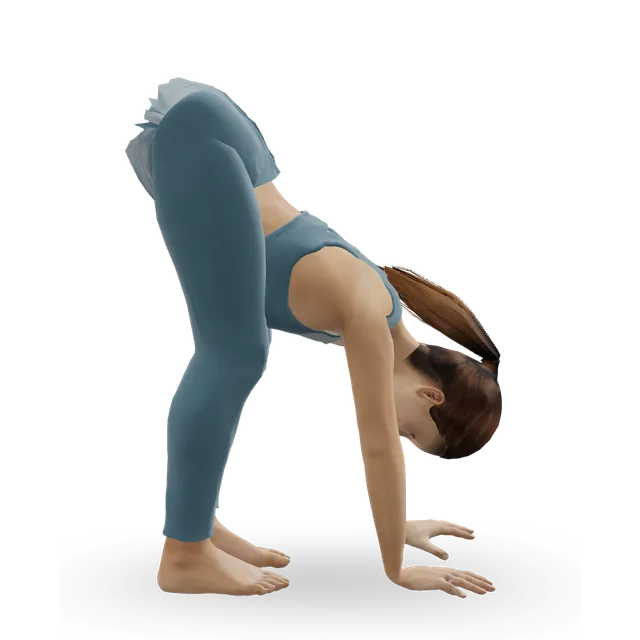 3D demoElephant walksBeginner · No equipment
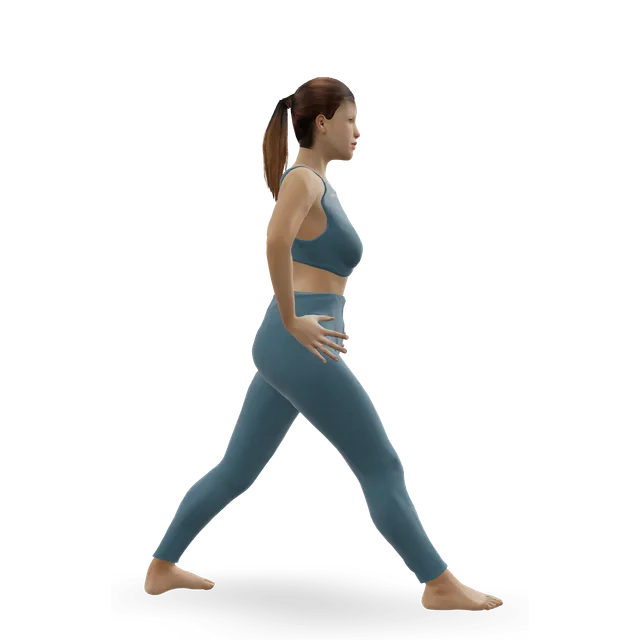 3D demoPyramid pose (Parsvottanasana)Intermediate · No equipment
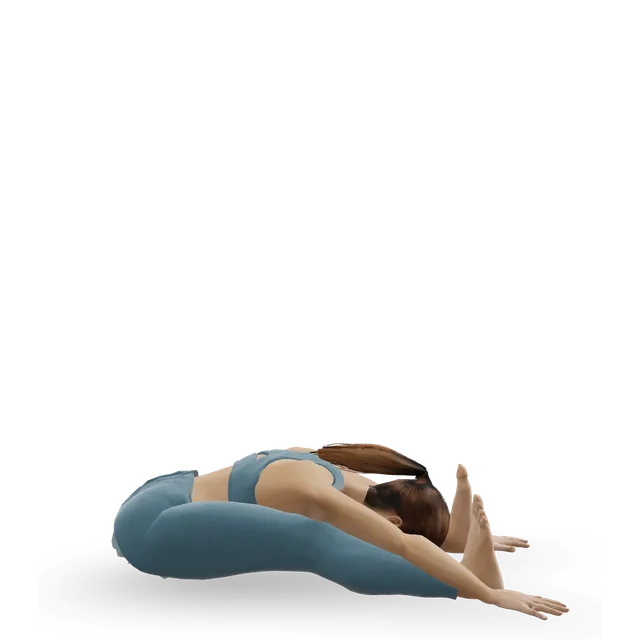 3D demoSeated forward fold (Paschimottanasana)Intermediate · No equipment
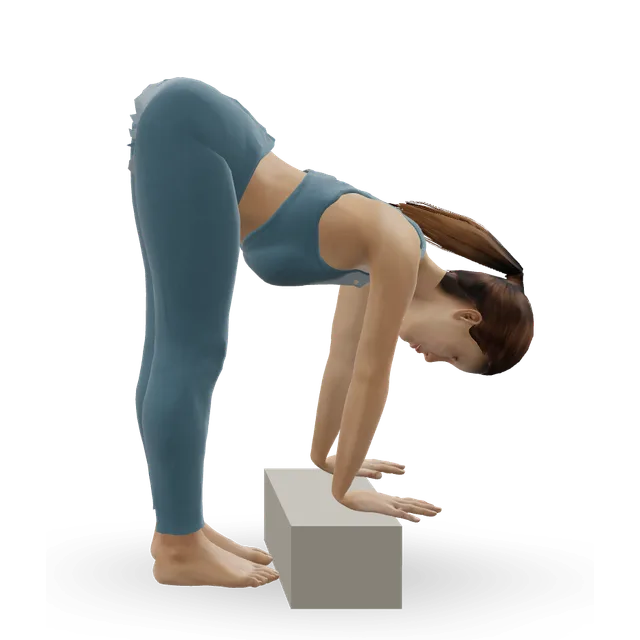 3D demoStanding splits (Urdhva Prasarita Eka Padasana)Advanced · No equipment
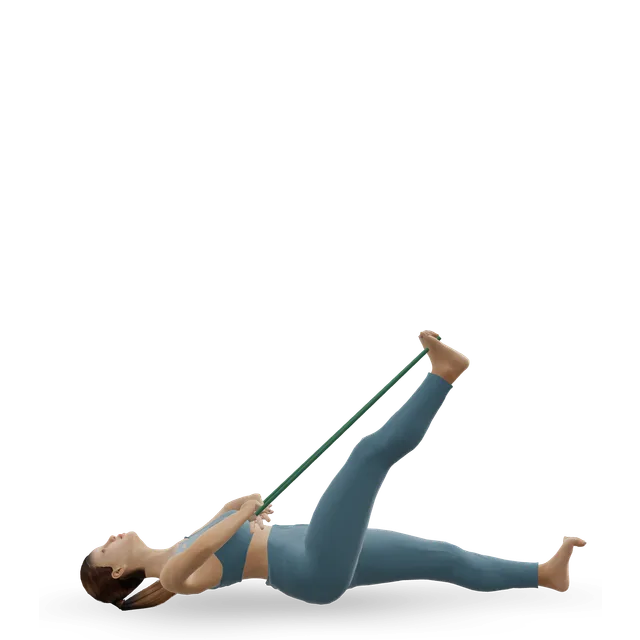 3D demoSupine hamstring stretch with a strapBeginner · No equipment
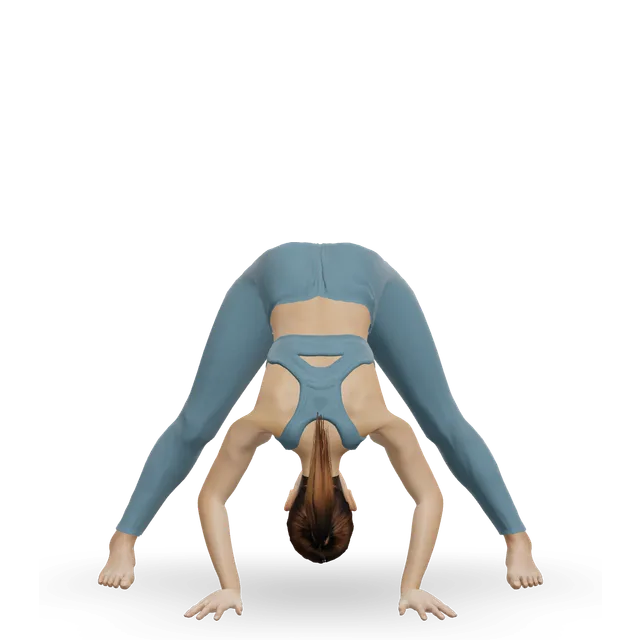 3D demoWide-legged standing forward fold (Prasarita Padottanasana)Beginner · No equipment
Browse more
Questions people ask
What muscles does the Legs up the wall (Viparita Karani) work?
Mainly the hamstrings, with help from the calves.
What equipment do I need for the Legs up the wall (Viparita Karani)?
A wall.
Is the Legs up the wall (Viparita Karani) good for beginners?
It is graded beginner, so it suits most people starting out. When it feels easy, try the Plow pose (Halasana).
How do I make the Legs up the wall (Viparita Karani) harder?
Progress to the Plow pose (Halasana) or the Supported shoulderstand (Salamba Sarvangasana). Follow that guide’s technique and any stated timing.