Yoga guide

Yoga for cricketers: fast bowlers' backs, the throwing shoulder, batting, fielding and long days, what the evidence shows, and a class

Yoga can give cricketers even turning through the upper back, hip and hamstring range, trunk endurance on both sides, one-leg balance and a calm way to wind down after a long day in the field. Two small trials in cricketers found improvements in muscle function and fitness, but neither counted injuries, and in club bowlers yoga did as well as, not better than, ordinary conditioning.

Fast bowlers are injured most, and young bowlers' backs need the England and Wales Cricket Board's (ECB) limits on overs, rest days and an early check for back pain more than any stretch. This guide covers what each role asks of your body, why more flexibility isn't the aim, the throwing shoulder, hamstrings and side strains, heat and head knocks, the poses to use and to leave out, and a free 25-minute class for rest days.

The short version

Two small yoga trials, no injury results

In 82 first-class cricketers, 6 weeks of yoga improved muscle function measures against a waiting list, though only the trial's summary, without effect sizes, could be read. In 60 club bowlers, yoga did as well as, not better than, ordinary conditioning. Neither counted injuries.

Sources 1, 2, 3

Fast bowlers are hurt most

In elite Australian cricket, about a fifth of fast bowlers were unavailable at any one time, against 12.5% of all players, and stress fractures in the lower back cost the most playing time. In English county cricket, 56% of these fractures came at ages 18 to 22, each costing 239 days on average.

Sources 4, 5

More flexibility isn't shown to protect

In bowlers, more hip rotation went with more injury, not less, though the studies were small with wide margins of error, and trunk side-bend range didn't predict side strains. Yoga for cricketers is about even, controlled movement and endurance, not chasing range.

Sources 6, 7, 8

Limits and rest protect young bowlers

The ECB's limits on overs, rest days and gradual build-up protect young fast bowlers' backs; yoga never replaces them. Back pain that lasts or hurts when arching back means stopping bowling and getting it checked.

Sources 9, 10

Leave deep backbends out (our suggestion)

The delivery already bends, arches and twists a young bowler's lower back under load, so deep backbends on rest days aren't needed.

Sources 11, 10

Stretching won't stop hamstring strains

Hamstring strains are elite cricket's commonest injury, and stretching programmes don't prevent sports injuries. The Nordic hamstring programme and strength work on our cricket page stay.

Sources 4, 12

What cricket asks of your body, and where yoga fits

What the delivery does to the lower backEmerging evidence

In 50 professional fast bowlers, front-foot contact took the lower back beyond its standing range of side-bending, away from the bowling arm. The ECB puts the load on the lower back at about three times bodyweight every delivery, and says bone takes about 15 years of gradual bowling to grow strong enough.

Sources 11, 10

Side strains and hamstringsEmerging evidence

Over half of 207 first-class fast bowlers had had at least one side strain, a tear of the trunk muscles at the lowest ribs; 77% of first strains came at 24 or younger, 30% came back, and return to play took a mean of 39 days. In county cricket, hamstring strains were commonest in April and when running between the wickets in one-day and T20 games; in Australian professionals, fast bowlers had about 2.5 times the risk.

Sources 8, 13, 14, 15

The throwing shoulderEmerging evidence

In one season, 23% of English professionals reported a shoulder injury and 18% pain on throwing, and most played on. Throwing-related shoulder injury was the commonest injury in elite women's T20. The cricketer's shoulder adapts differently from a baseball pitcher's, and a 40-throw fielding drill reduced inward turning of the shoulder by about 4 degrees for a while.

Sources 16, 17, 18, 19

Where yoga fits

A rest-day or after-play session: turning the upper back both ways, hips for the front-leg brace and the stride, hamstring range for comfort, trunk endurance on both sides, shoulder-blade work on both arms, one-leg balance and slow breathing. It doesn't replace the ECB's limits, the warm-up, the Nordic programme or strength training on our cricket page.

What the evidence says

The ECB's limits on overs, rest days, strength training and helmets carry the evidence. Yoga has two small trials, neither counting injuries.

Yoga in first-class cricketersMixed evidence

PubMed found 4 records for yoga with cricket, two of them trials in cricketers. In one, 82 first-class male cricketers aged 18 to 35 were randomised to yoga 5 days a week for 6 weeks or a waiting list, and the authors report that the yoga improved their measures of muscle function: core stability, flexibility, range of motion, balance and ankle position sense. We could read only the summary: it gives p values without effect sizes, doesn't report whether the testers were blinded, and the trial didn't measure injuries.

Sources 1, 2

Yoga in club bowlersMixed evidence

In 60 club bowlers aged 13 to 25, yoga or ordinary conditioning, 45 minutes three times a week for 12 weeks alongside bowling practice, improved bowling speed, accuracy, fitness, strength and flexibility by similar amounts: bowling speed rose 6.52% with yoga and 5.18% without. The summary doesn't say how the groups were formed, and injuries weren't measured.

Source 3

More range isn't shown to protectMixed evidence

In 91 fast bowlers followed for a season, those with less inward hip rotation on the bowling-arm side (30 degrees or less) had fewer injuries than those with more than 40 degrees, though with a wide margin of error. In 97 professionals, more inward hip rotation weakly predicted injury, and none of the 21 tests was a strong predictor. Side-bend range and side-plank endurance didn't predict side strains. So more flexibility isn't shown to protect.

Sources 6, 7, 8

Control and endurance, not rangeMixed evidence

Across 16 studies, mostly at high risk of bias, injury in teenage pace bowlers went with bowling technique, weaker trunk endurance and poor control of the lower back, pelvis and hips. In 65 teenage pace bowlers, an 8-week exercise programme at training improved strength, balance and back endurance (by about 20 seconds), but injuries weren't measured.

Sources 20, 21

Stretching doesn't prevent sports injuriesStrong evidence

Across 25 trials, stretching programmes didn't prevent sports injuries, while strength training cut them to under a third. In 120 cricketers with tight hamstrings, soft tissue massage improved a hamstring test more than passive stretching, but injuries weren't measured.

Sources 12, 22, 23

Breathing and focusMixed evidence

No study has tested yoga breathing or mindfulness in cricketers. Across 9 trials in athletes, mindfulness practice improved performance in shooting and darts; batting hasn't been studied.

Source 24

Fast bowlers' backs: limits, rest and backbends

Our cricket page has the ECB's full tables of overs and rest days.

Why teenagers are most at riskEmerging evidence

In 40 symptom-free academy fast bowlers aged 14 to 17, 20.5% already had bone stress on a scan. In 98 youth bowlers aged 10 to 20, 16.3% had a stress injury in the lower back in one season, and a previous one was the only factor that independently predicted another. The ECB says bowlers in or just after a growth spurt are at greatest risk.

Sources 25, 26, 10

Too much and too little bowlingEmerging evidence

In 90 elite bowlers, bowling sessions less than 2 days apart and 5 or more days apart both went with more injuries. In 44 junior bowlers, fewer than 3.5 rest days between bowling days went with about three times the risk, and a week of more than 234 balls went with 11 times the odds of a stress fracture in county bowlers. These are cohort studies, not trials.

Sources 27, 28, 5

The ECB's limits

In England and Wales, bowlers aged 19 and under have mandatory maximum overs per spell and per day, from 4 and 8 at 11 and under to 7 and 18 at 18 and 19. The guidelines add weekly targets, no more than 4 bowling days in any 7, and following the age group below in a growth spurt of more than 7 cm a year. Yoga doesn't change any of these.

Sources 9, 10

Backbends (our suggestion)

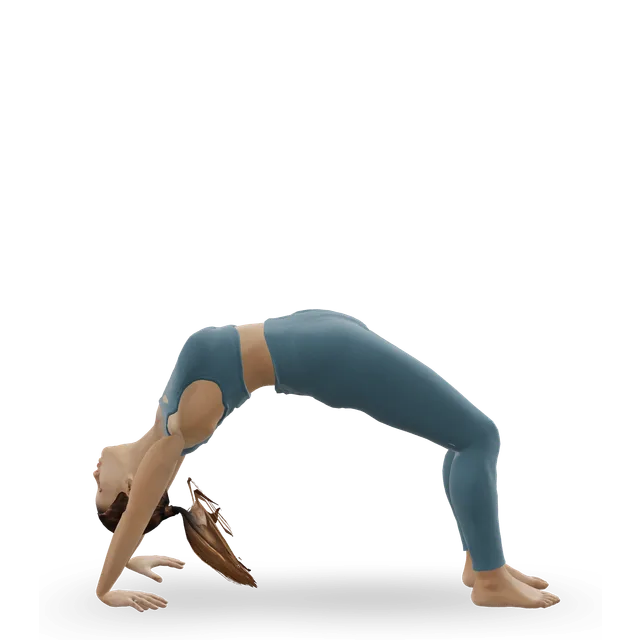
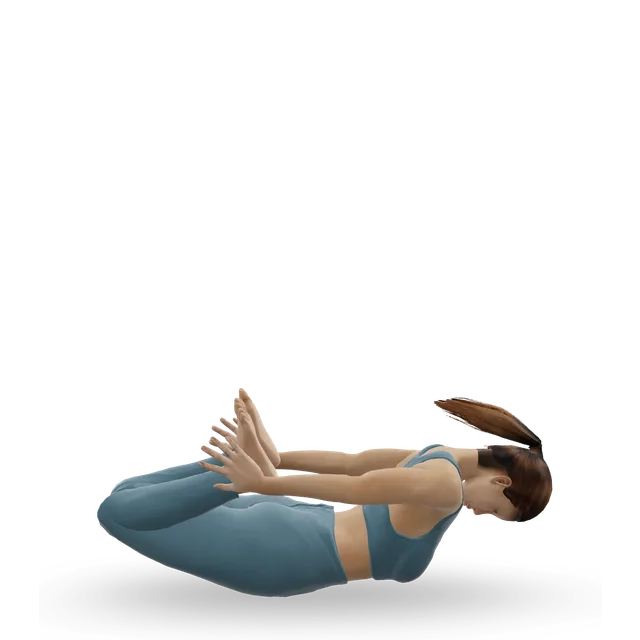
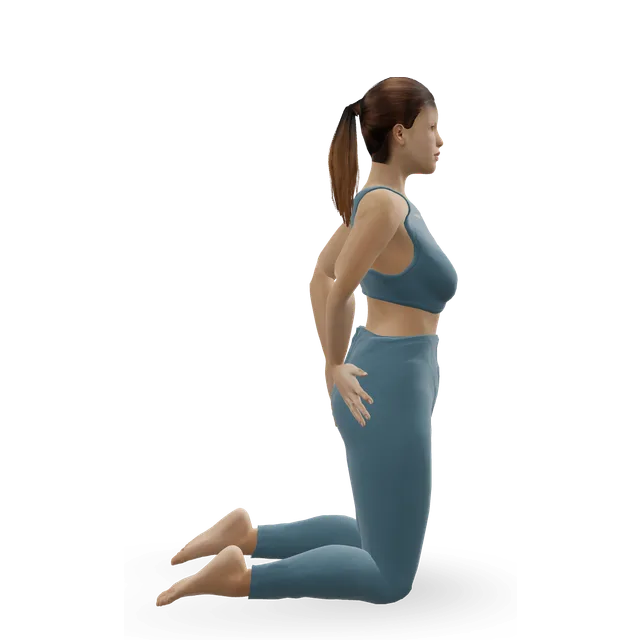
Young fast bowlers leave out deep backbends such as wheel, bow, camel and upward dog: the delivery already arches and twists the lower back under load, and nothing about bowling needs more arching. Keep sphinx and locust small. This is our suggestion; no study has tested it.

Source 11

Back pain in a young fast bowler

A teenage fast bowler with back pain that lasts more than a couple of weeks, is worse arching back or stops them bowling should stop fast bowling and see a GP or sports physiotherapist, as our spondylolisthesis guide advises. Afterwards, and after any break of 2 weeks or more, the ECB's Ready to Bowl template rebuilds bowling in stages: lower weekly overs, bowled across 2 to 3 days, starting lower the longer the break. Use the template in the ECB's guidelines, linked in the sources, with your clinician or coach.

Sources 10, 25

The throwing shoulder

Strength first, stretch only a measured lossMixed evidence

In 105 elite South African cricketers, shoulder rotation range didn't predict shoulder injury in a season. Cricketers who throw or bowl overarm turned the throwing shoulder in less and out more than the other side. Our rule, as on our yoga for baseball players guide: strengthen the back of the shoulder and the shoulder blades on both arms, and stretch across the body only for a loss a physiotherapist has measured.

Sources 18, 29

Loose shoulders

Stop an exercise, or shrink its range, if you get the feeling the shoulder is about to slip out (editorial).

Stop for sharp pain, a feeling that the shoulder is slipping, pins and needles or numbness down the arm, or pain that is still worse by your next session after strengthening.

Batting, fielding and long days in the field

HeatEmerging evidence

In 38 first-class cricketers, batters' core temperature rose about 1°C for every two hours of batting. The ECB's heat guidelines for the professional game suggest shorter bowling spells in extreme heat, noting that 5 overs at 38°C give the heat stress of 9 overs at 25°C. On hot days, rest-day yoga is gentle and cool, not hot.

Sources 30, 31

Head knocksEmerging evidence

In elite Australian men's domestic cricket, there was a head impact every 2,000 balls and a concussion every 9,000. After helmets became compulsory for junior batters in one association, head, neck and face injuries fell from 62% to 4% of batting injuries. The ECB's guidance: a helmet can help prevent serious injury but can't guarantee a concussion won't happen.

Sources 32, 33, 34

After a long day (our suggestion)

Slow breathing, gentle hip and upper-back moves and legs up the wall suit the evening after a long day in the field; save stronger poses for a rest day.

Fitting yoga around cricket

Our suggested week

Our editorial starting point:

  • One or two 25-minute yoga sessions a week, on rest days or after a long day in the field.
  • In season, keep it gentle in the 48 hours before a match if it leaves you sore.
  • Before play, use the cricket warm-up instead.
  • Every pose the same on both sides, and two strength sessions a week in the winter.

Source 10

Turn both ways

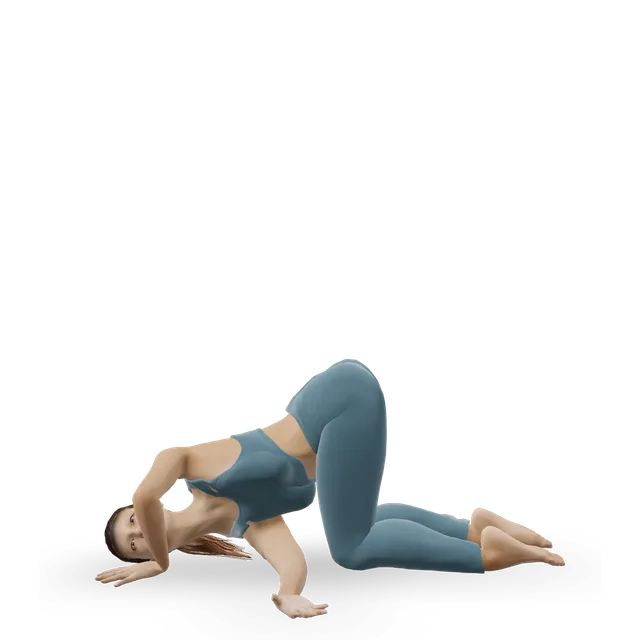
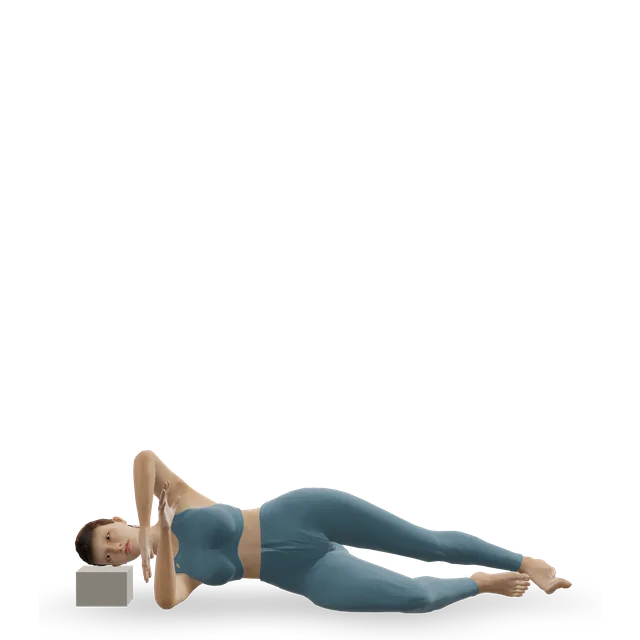
Thoracic rotation: "6 rotations per side, moving with the breath" (the move page's dose). Open book: "8 to 10 slow openings each side, pausing 2 seconds at the end" (the move page's dose). Cat-cow: "8 waves, slower than feels natural" (the move page's dose). Thread the needle, 30 to 45 seconds each side, on your forearm if a finger or wrist is sore (our yoga for tennis players class).

Hips for the front-leg brace and the stride

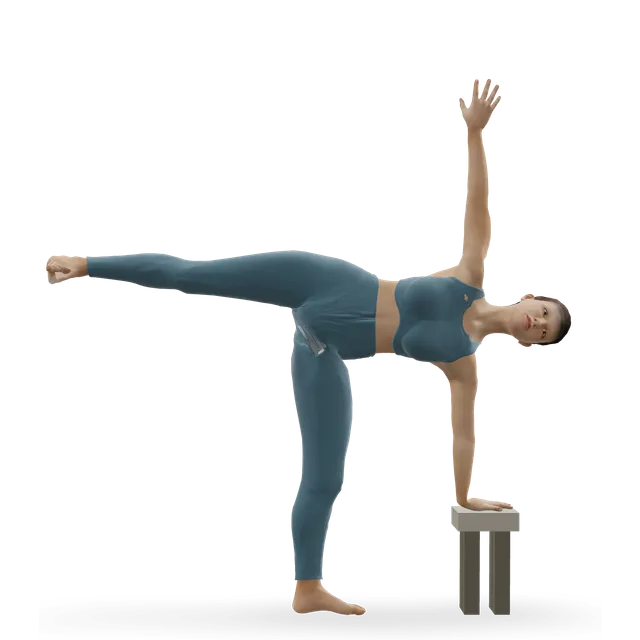
Low lunge, 45 seconds each side, back knee padded (our yoga for tennis players class). 90/90 switch: "10 slow switches, pause at the ends" (the move page's dose). Hip airplane: "2 sets of 5 slow turns each leg" (the move page's dose), holding a counter. Standing figure four, 2 holds of 20 seconds each side (our yoga for baseball players class).

Hamstrings and the trunk, both sides

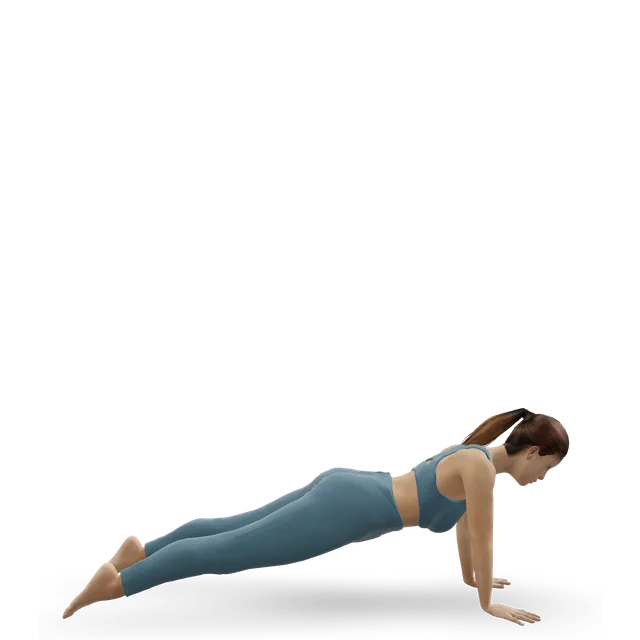
Strap hamstring stretch, 45 seconds each side (our yoga for runners routine): for comfort and range, not to prevent strains. Bird dog, 2 sets of 6 each side with 5-second holds, and glute bridge, 10 slow lifts (our yoga for glutes class). Side plank, 2 holds of 20 seconds each side, on your forearm, knees down to start (our yoga for tennis players class); leave it out after a side strain until cleared.

Shoulder blades, both arms, and one leg

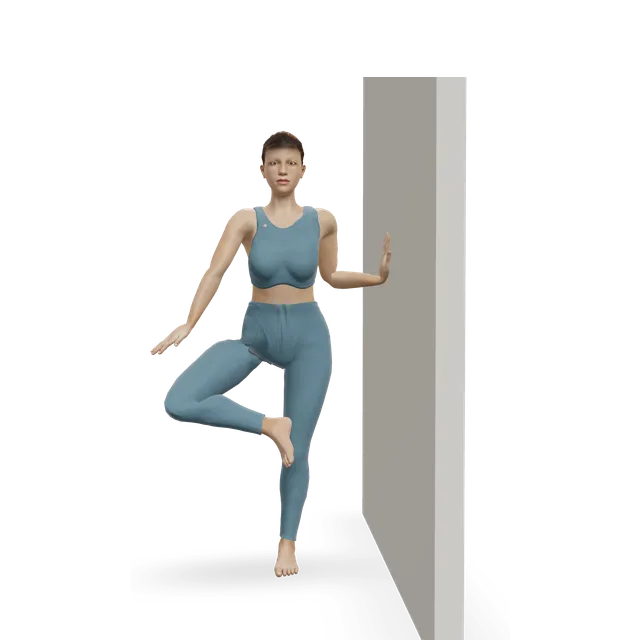
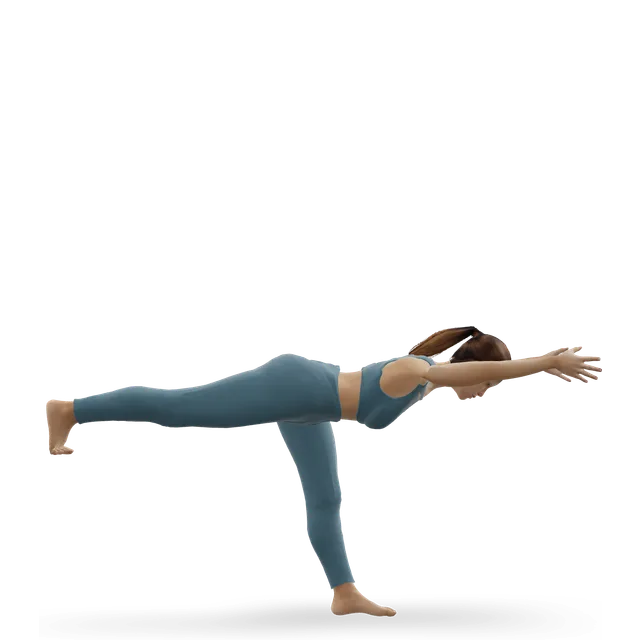
Y-T-W raises, 5 of each shape with your forehead on a towel, and band turn-out, 2 sets of 12 each arm with your elbow by your side (our yoga for baseball players class). Warrior III, 3 to 5 breaths each side, hands on a wall (our yoga for glutes class). Single-leg stand, 2 holds of 30 seconds each leg (our yoga for tennis players class).

Breathing and rest

Slow breathing, 2 minutes, in for about 4 and out for about 6, with no holds, and lying twist, 45 seconds each side (our yoga for baseball players class). Legs up the wall, 2 minutes, optional after a long day on your feet (our editorial starting point). Corpse pose, 3 minutes (adapted from the move page's dose).

Poses to change or leave out

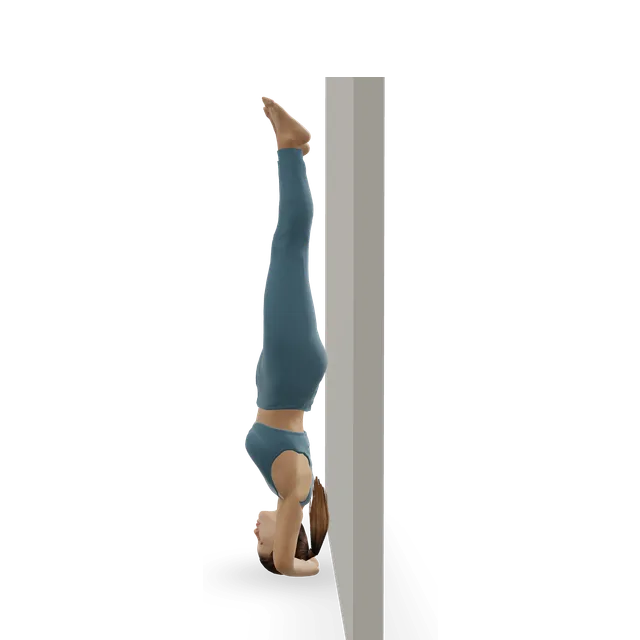
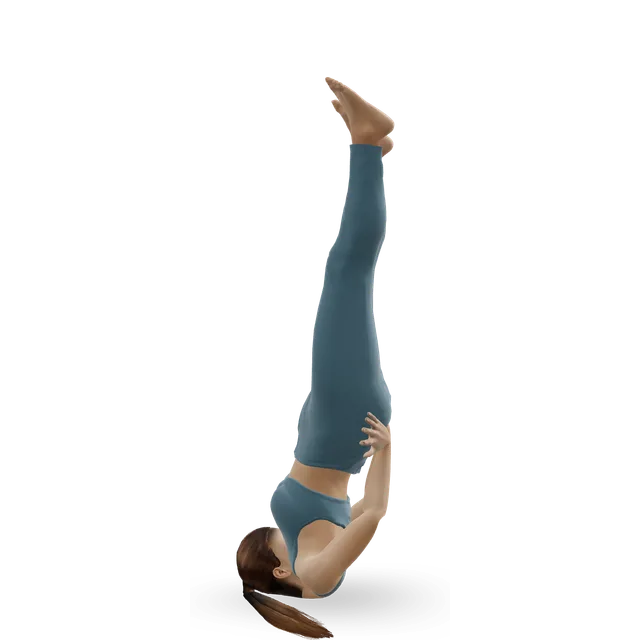
Young fast bowlers leave out deep backbends (our suggestion). Leave the sleeper stretch and the cross-body stretch out unless a physiotherapist has measured a clear one-sided loss, and skip them with a loose shoulder. After a side strain, no side bends, deep twists or side planks until a physiotherapist agrees (our suggestion). Headstands and shoulder stands aren't needed, and after a blow to the head none until you're cleared. With a finger injury, put your weight on your fists or forearms (our suggestion).

A class and workouts to follow

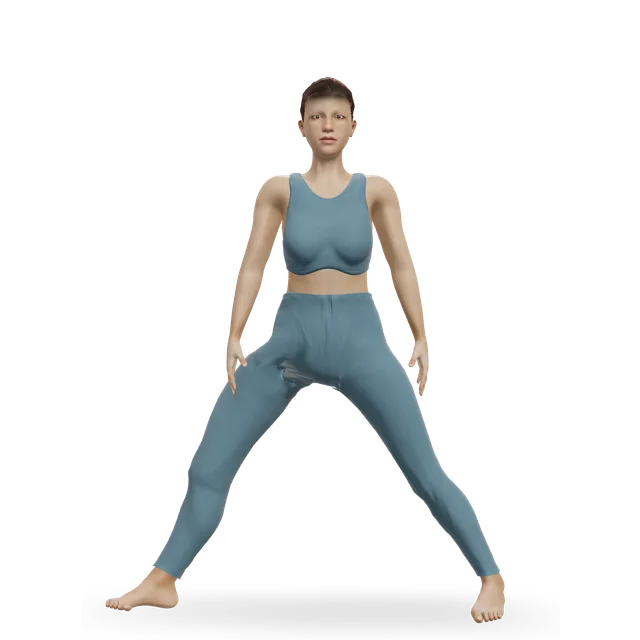
On a rest day or after a long day in the field, our 25-minute class for cricketers: our own selection, untested in a trial. Before play, the cricket warm-up; for strength, the strength workout for fast bowlers and the hamstring and groin programme. Our yoga for baseball players class is the nearest alternative for throwers.

Yoga for cricketers: a 25-minute class for turning both ways, hips, hamstrings and one-leg balance, on a rest day or after a long day in the field

A 25-minute yoga class for cricketers: turning both ways, hips for the stride, hamstrings, trunk endurance on both sides and one-leg balance, with no backbends.

25 minBeginner13 movesNo equipment

Cricket warm-up

A 12-minute cricket warm-up: a jog, side-steps and skips, hip and shoulder mobility, planks, squats and lunges, one-leg catches, then sprints and turns.

12 minBeginner17 movesCardio machine, A wall

Strength workout for fast bowlers

A 40-minute gym session for fast bowlers: squats, split squats, single-leg hinges, Nordics, Copenhagen planks, back and side work, shoulder work and throws.

40 minIntermediate16 movesA band, An anchor point

Hamstring and groin injury prevention

The Nordic hamstring and Copenhagen adduction programmes from the football trials: a 10-week build, three adductor levels, then once a week in season.

15 minIntermediate6 movesA wall, An anchor point

Yoga for baseball and softball players: a 25-minute class for non-throwing days, for the back of the shoulder, hips and trunk

A 25-minute yoga class for baseball and softball players on non-throwing days: trunk turning, the back of the shoulder, hips for the stride and one-leg balance.

25 minBeginner17 movesA band, An anchor point

Both-sides yoga for tennis players: a 25-minute class for rotation, shoulders, hips and balance

Twenty-five minutes of yoga for tennis and padel players: rotation both ways, shoulder blades, hips, one-leg balance and forearms, for non-match days.

25 minBeginner19 movesA wall

Restorative yoga sequence: 45 minutes of supported rest

A 45-minute restorative yoga sequence: five fully supported poses held for 4 to 10 minutes each, with slow breathing and a long final rest.

45 minBeginner6 movesFirm cushion, A wall

Breathing exercises to relax

A 6-minute breathing routine: slow breathing, crocodile breathing, alternate nostril breathing, box breathing and 4-7-8 breathing.

6 minBeginner5 movesNo equipment

Warning signs: when to stop and get help

These are the warning signs from our cricket, baseball, spondylolisthesis and yoga guides, word for word. This is general information, not a diagnosis. A&E means accident and emergency; in the US, call 911 for 999.

A blow to the head

Call 999 if someone has hit their head and has been knocked out and hasn't woken up, can't stay awake or keep their eyes open, has a fit, has fallen from a height of more than 1 metre or 5 stairs, has problems with their vision or hearing, has clear fluid coming from their ears or nose, has new numbness or weakness, has problems with walking, balance, understanding, speaking or writing, hit their head at high speed, or their behaviour has changed. Get help from NHS 111 if they're being sick, feel dizzy or take medicine that thins the blood. If you're told to go to A&E (accident and emergency), don't drive yourself there if you have hit your head.

Stop playing: if in doubt, sit them out. Contact NHS 111 within 24 hours, and straight away if they're being sick, feel dizzy or take medicine that thins the blood. Then follow the ECB's six stages, with no matches before day 21. Signs can be harder to spot under a helmet, so watch closely.

With a suspected concussion, if in doubt, sit them out. The UK's grassroots guidelines say no sport for at least 24 hours, get checked by a healthcare professional or NHS 111 within 24 hours, follow a staged return, and no competition before day 21; if symptoms last beyond 28 days, stay out of sport and see a doctor. Yoga waits too: gentle breathing fits the early, light-activity stages, and no head-down poses or inversions until you're cleared (our reading). Our concussion guide has the stages.

Sources 35, 34, 36

A young fast bowler's back

A teenage fast bowler with back pain that lasts more than a couple of weeks, is worse arching back or stops them bowling should stop fast bowling and see a GP or sports physiotherapist, as our spondylolisthesis guide advises. Afterwards, and after any break of 2 weeks or more, the ECB's Ready to Bowl template rebuilds bowling in stages: lower weekly overs, bowled across 2 to 3 days, starting lower the longer the break. Use the template in the ECB's guidelines, linked in the sources, with your clinician or coach.

A teenager in a sport that arches or twists the back, such as gymnastics, dance, diving, volleyball, cricket fast bowling, baseball pitching, weightlifting, football or rugby, with back pain that lasts more than a couple of weeks, is worse arching back or stops them training: get it checked by a GP or sports physiotherapist. It can be a stress fracture in the spine.

Sources 10, 25, 42

A sharp pain in the side, or a pop at the back of the thigh

Back pain on arching, a sharp pain in your side when bowling, or a pop at the back of the thigh: stop and get it checked (our spondylolisthesis, rib injury and hamstring strain guides).

Sources 25, 8, 43

A shoulder that comes out

Call 999 or go to A&E: after a fall or injury, your shoulder looks out of place or has changed shape, you cannot move your arm, or your shoulder is painful, bruised or swollen. Do not drive yourself, and do not try to put it back in yourself.

  • Your shoulder has partly or fully come out of joint, or you worry it might.

Source 37

A throwing shoulder that isn't right

Losing throwing speed or control, needing a much longer warm-up, a dead arm, or pain that comes back each time you build up your throwing: see a physiotherapist or sports doctor.

Source 44

A collapse

If a player collapses and isn't breathing normally: call 999, start CPR straight away and send someone for a defibrillator.

Source 45

Chest pain or fainting: call 999

Call 999 if:

  • You get sudden pain or discomfort in your chest that doesn't go away; it can feel like squeezing or pressure, burning or indigestion.
  • The pain spreads to your left or right arm, or your neck, jaw, stomach or back.
  • You have chest pain and feel sweaty, sick, light-headed or short of breath.
  • Someone faints while exercising, can't be woken within 1 minute, or has chest pain or a pounding, fluttering or irregular heartbeat.

Sources 38, 39

Long days in the sun and heat

The NHS advises shade between 11am and 3pm from March to October, and sunscreen of at least SPF 30 with at least 4-star UVA protection. Drink plenty on hot days, and know the signs of heat exhaustion below.

Call 999 if someone is still unwell after 30 minutes of resting somewhere cool, being cooled and drinking fluids, or has a very high temperature, hot skin that isn't sweating, a fast heartbeat or fast breathing, confusion, a fit or loss of consciousness.

Source 40

During yoga

A joint pain that is sharp, gets worse during a session, lingers into the next day or changes how you move is a reason to use an easier version, and to see a GP or physiotherapist if it keeps happening (the rule in our plans). Muscle soreness for a day or two after something new is normal. In a hot class, stop if you feel dizzy, sick or unwell; our hot yoga guide lists the signs of heat illness.

With glaucoma, or high blood pressure that isn't under control, skip headstands, shoulder stands and long head-down holds. With osteoporosis, swap deep forward folds for a flat-back hinge from the hips, and twist smoothly. In pregnancy, our yoga in pregnancy guide covers the changes. NCCIH advises beginners to avoid headstands, shoulder stands, the lotus position and forceful breathing.

You can say no to any hands-on adjustment, and a teacher registered with Yoga Alliance must get your explicit consent each time.

Source 41

Before you start

The NHS advises getting advice from a healthcare professional first if you have a health problem, an injury or symptoms, or have recently had a heart attack or an operation.


Myths

"Fast bowlers just need more flexibility"Mixed evidence

In bowlers, more hip rotation went with more injury, not less, in small studies, and side-bend range didn't predict side strains. Reviews link bowlers' injuries with control and trunk endurance.

Sources 6, 7, 8, 20

"Yoga prevents cricket injuries"Strong evidence

Neither yoga trial in cricketers counted injuries, and stretching programmes don't prevent sports injuries.

Sources 1, 2, 3, 12

"Backbends will protect a young fast bowler's back"

The delivery already arches, bends and twists the lower back under load. Young bowlers leave deep backbends out (our suggestion) and get back pain checked early.

Sources 11, 10

"Yoga makes you bowl faster"Mixed evidence

In 60 club bowlers, yoga improved bowling speed no more than ordinary conditioning (6.52% against 5.18%). Our cricket page's strength and power work has better support.

Source 3

"Stretch your throwing shoulder hard to protect it"Mixed evidence

The cricketer's shoulder adapts differently from a pitcher's, and shoulder range didn't predict injury in one cohort. Strengthen first, and stretch only a measured loss.

Source 18

"You need to be flexible to do yoga"

No. Every pose here has an easier version, and in cricket, chasing range isn't the aim anyway.

Questions people ask

Is yoga good for cricketers?

It can add even turning, hip and hamstring range, trunk endurance, balance and calm breathing on rest days. Two small trials found improvements in muscle function and fitness measures, but neither counted injuries.

What are the best yoga poses for cricketers?

Upper-back turns both ways, low lunge, 90/90 switches and hip airplanes, a strap hamstring stretch, bird dog and side planks on both sides, Y-T-W raises and warrior III. Our 25-minute class puts them together.

Is yoga good for fast bowlers?

As rest-day work, yes, with deep backbends left out for young bowlers. It doesn't replace the ECB's limits on overs and rest days, and in club bowlers yoga did as well as, not better than, ordinary conditioning.

Does yoga prevent back stress fractures?

No study shows it. Bowling too much and too little both go with injury, so the ECB's limits and gradual build-ups are the protection, and back pain that lasts or hurts when arching back needs checking.

Do fast bowlers need more flexibility?

Not more range for its own sake. In bowlers, more hip rotation went with more injury in small studies, and side-bend range didn't predict side strains; control and endurance matter more.

Can yoga stop hamstring strains?

Stretching doesn't prevent sports injuries. Hamstring strains are cricket's commonest injury, and the Nordic hamstring programme on our cricket page has the evidence from other sports.

Is yoga good for batters?

Turning the upper back and hips both ways, and one-leg balance, suit batting, though no study has tested yoga for batting. Mindfulness helped precision sports such as shooting in trials; batting hasn't been studied.

Should I do yoga before a match?

Use the cricket warm-up before play, and save longer holds for afterwards or rest days. Holds of a minute or more just before hard efforts can cost a little power.

Can yoga help a sore throwing shoulder?

Strengthen first and stretch only a measured loss, as on our baseball guide; the cricketer's shoulder adapts differently from a pitcher's. A shoulder that slips or a loss of throwing speed with pain needs checking.

Is yoga good for young cricketers?

Gentle yoga can help balance and body awareness. Young fast bowlers keep deep backbends out, follow the ECB's limits, and stop bowling and get checked if their back hurts.

What happens to yoga after a blow to the head?

If in doubt, sit them out: no cricket for at least 24 hours, and no matches before day 21. Yoga waits too, with no head-down poses until you're cleared.

Sources

  1. PubMed · Search for yoga with cricket in the title or abstract: 4 records, 2 of them trials in cricketers (1 November 2026)
  2. Rao 2021 · Yoga and muscle function in 82 first-class cricketers (randomised trial with a waiting list, J Bodyw Mov Ther; summary only)
  3. Vaidya 2021 · Yoga or ordinary conditioning in 60 club bowlers (controlled study, Int J Yoga Therap)
  4. Orchard 2016 · Injuries in elite Australian men's cricket over 10 seasons (surveillance study, Open Access J Sports Med; read in full)
  5. Alway 2019 · Lower-back stress fractures and bowling workload in English county fast bowlers (cohort study, BMJ Open Sport Exerc Med; read in full)
  6. Dennis 2008 · Screening tests and injury in 91 fast bowlers (cohort study, BJSM)
  7. Olivier 2018 · Screening tests and non-contact injury in 97 professional cricketers (cohort study, Phys Ther Sport)
  8. Nealon 2018 · Side strains in 207 first-class fast bowlers in Australia and England (case series, Clin J Sport Med)
  9. England and Wales Cricket Board · Recreational Cricket Safety Regulations, effective 17 December 2025 (read in full)
  10. England and Wales Cricket Board · Recreational Cricket Safety Guidelines, December 2025 update (read in full)
  11. Ranson 2008 · Bowling action type and lower-trunk movement in 50 fast bowlers (lab study, J Sports Sci)
  12. Lauersen 2014 · Exercise programmes to prevent sports injuries: 25 randomised trials, 26,610 people (meta-analysis, BJSM)
  13. Nealon 2019 · Scans and return to play after side strain in first-class fast bowlers (cohort, J Sci Med Sport)
  14. Goggins 2022 · Hamstring injuries in England and Wales elite men's domestic cricket, 2010 to 2019 (cohort study, J Sci Med Sport)
  15. Orchard 2017 · Risk factors for hamstring injury in Australian professional cricketers (cohort study, J Sport Health Sci)
  16. Ranson 2008 · Shoulder injury in professional cricketers (questionnaire study, Phys Ther Sport)
  17. Warren 2019 · Injuries in elite women's T20 cricket (cohort study, J Sci Med Sport)
  18. Dutton 2019 · The cricketer's shoulder: not a classic throwing shoulder, 105 players (prospective cohort, Phys Ther Sport)
  19. Newton 2018 · A fielding session and shoulder range in 19 cricketers (lab study, Phys Ther Sport)
  20. Forrest 2017 · Risk factors for injury in teenage pace bowlers: 16 studies (systematic review, Sports Med)
  21. Forrest 2020 · An exercise programme and injury risk factors in 65 teenage pace bowlers (cluster randomised trial, J Sci Med Sport)
  22. Warneke 2025 · Practical recommendations on stretching: a Delphi consensus of 20 research experts (consensus statement, J Sport Health Sci; read in full)
  23. Abbas 2017 · Soft tissue mobilisation or passive stretching for tight hamstrings in 120 cricketers (randomised trial, J Pak Med Assoc)
  24. Bühlmayer 2017 · Mindfulness training and sports performance: 9 trials, 290 athletes (meta-analysis, Sports Med)
  25. Keylock 2022 · Lower-back bone stress in 40 academy fast bowlers aged 14 to 17 (cohort, J Sports Sci)
  26. Daniels 2026 · Lower-back bone stress injury in 98 female and male youth bowlers (prospective cohort, J Sci Med Sport)
  27. Dennis 2003 · Bowling workload and injury in 90 elite fast bowlers (cohort study, J Sci Med Sport)
  28. Dennis 2005 · Bowling workload and injury in 44 junior fast bowlers (cohort study, BJSM)
  29. Giles 2008 · Shoulder rotation range and shoulder pain in elite cricketers (survey, Phys Ther Sport)
  30. Stay 2018 · Core temperature in 38 elite cricketers in Australian summer matches (field study, Sports)
  31. England and Wales Cricket Board · Extreme heat guidelines 2026 for the professional game (read in full)
  32. Hill 2019 · Concussions and head impacts in elite Australian male and female cricketers (surveillance study, Sports Health; read in full)
  33. Shaw 2008 · Injuries to junior club cricketers and the effect of helmet rules (observational study, BJSM)
  34. England and Wales Cricket Board · Recreational Cricket Concussion Guidelines (2025; read in full)
  35. NHS · Head injury and concussion
  36. UK Government and Sport and Recreation Alliance · UK concussion guidelines for non-elite (grassroots) sport (November 2024 update; read in full)
  37. NHS · Dislocated shoulder
  38. NHS · Chest pain (past its review date: reviewed August 2023, review due August 2026)
  39. NHS · Fainting
  40. NHS · Heat exhaustion and heatstroke
  41. NCCIH (US National Center for Complementary and Integrative Health) · Yoga: effectiveness and safety
  42. Selhorst 2019 · Spondylolysis in 1,025 adolescent athletes with back pain (case series, Clin J Sport Med)
  43. NHS · Hamstring injury
  44. AAOS OrthoInfo · Shoulder injuries in the throwing athlete (patient information, American Academy of Orthopaedic Surgeons)
  45. Resuscitation Council UK · How to do CPR

Exercise education, not a personal prescription, and clinical review of these guides is pending. If you are pregnant, have a health condition such as glaucoma, high blood pressure or osteoporosis, or have had recent surgery, check with a doctor, midwife or physiotherapist before starting, and stop for sharp or increasing pain. Health disclaimer.