Yoga for the rotator cuff: cuff pain, tears and after a repair, weight on the hands, which poses to change, what the evidence shows, and a class
Exercise is the first treatment for most rotator cuff pain, including what's often called impingement and many worn tears, and the exercise that helps is progressive: it gets gradually harder. Yoga itself has barely been tested (one small trial, in which yoga alone did worst), so it helps most when it includes that kind of work: prone holds for the shoulder blades, weight on the hands built up step by step, and band exercises for turning the arm out.
This guide covers cuff pain, tears and yoga after a repair, how to build up to downward dog, plank and chaturanga, which poses to change, what the trials found, including surgery, and our free 20-minute yoga for shoulder pain sequence. If your arm suddenly became weak after a fall, your shoulder looks out of place, or you have chest pain, go straight to the warning signs.
The 2025 US guideline gives its top grade to an active exercise programme first, and the UK's 2025 shoulder pathway agrees. Exercise that got gradually harder reduced pain; exercise that didn't progress or add resistance did no better than placebo. So yoga helps most when it loads the cuff step by step, not when it only stretches.
In a trial of 708 people in the NHS, up to 6 physiotherapy sessions did no better over a year than one advice session with a home programme done 5 days a week.
One small trial in 45 overhead athletes found yoga alone did worst of three exercise programmes, at very low certainty; another trial of 10 people never reported. No trial has tested yoga for torn tendons or after a repair.
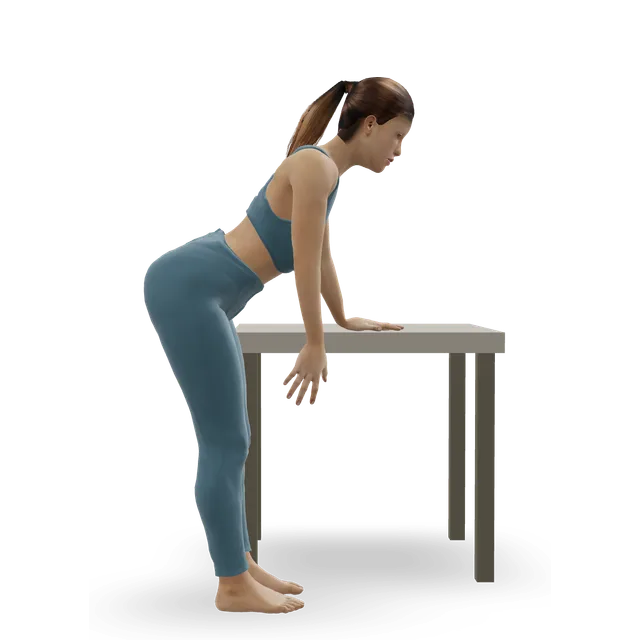
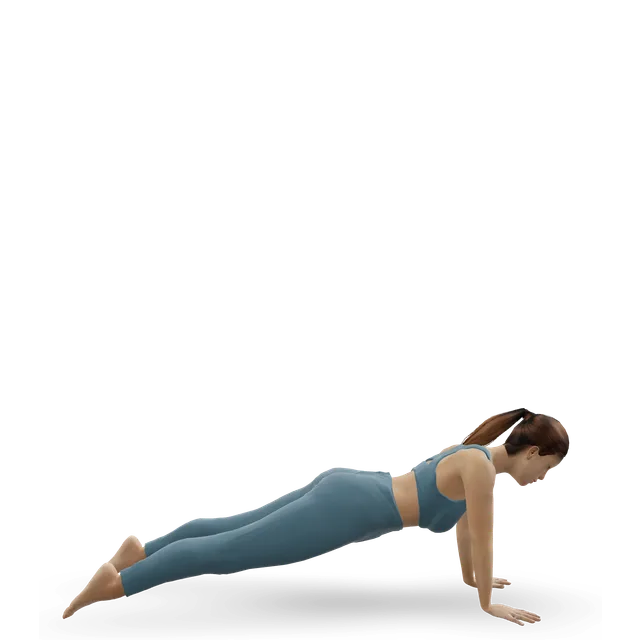
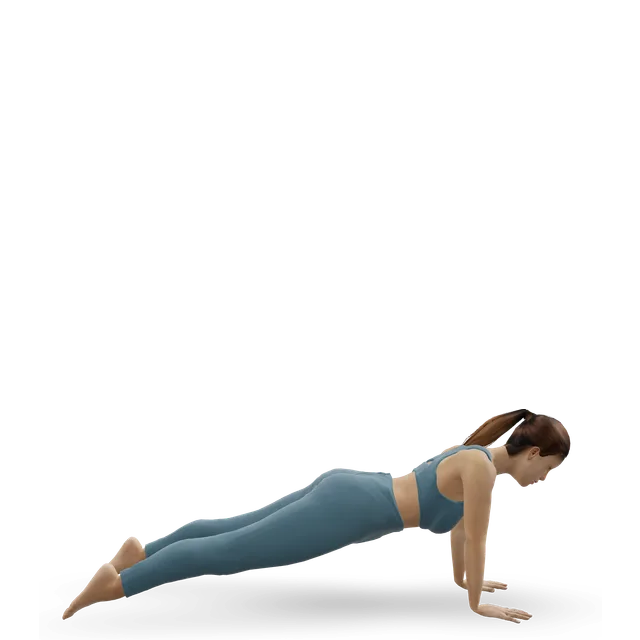
No study has measured the load on the cuff in downward dog, plank or chaturanga. Push-ups with the hands raised or the knees down put less force through the hands, so go from a wall to a table, to knees down, then to the floor, keeping pain within the 5 out of 10 rule.
Shaving bone off the roof of the shoulder did no better than placebo surgery, still at 10 years. For small worn tears in people over 55, physiotherapy did as well as repair at 6 years; tears up to 3 cm did better repaired over 15 years. A tear from an injury needs a shoulder specialist soon.
In the NHS's standard plan, the sling stays on for about a month and resisted exercise comes later. Poses that put weight on your arms wait until your team says the arm can take it.
Four small muscles whose tendons wrap the ball of the shoulder: they turn the arm out and in, help lift it and keep the ball centred. Rotator cuff problems include tendon pain (often called impingement or subacromial pain), partial tears and full tears, and they account for more than half of shoulder problems.
Cuff tears become more common with age and often cause no pain. The earlier UK pathway, since replaced, put the share of people with a tear at about a third and said a tear on a scan doesn't always match the symptoms; our rotator cuff tear guide has the scan studies. A tear after a fall or a jerking lift is different and needs checking soon.
In 10 trained practitioners, every round of sun salutations took the shoulder from fully overhead (183 degrees) down to 56 degrees and back, and bent the wrist back as far as 85 degrees. Repeated rounds add up.
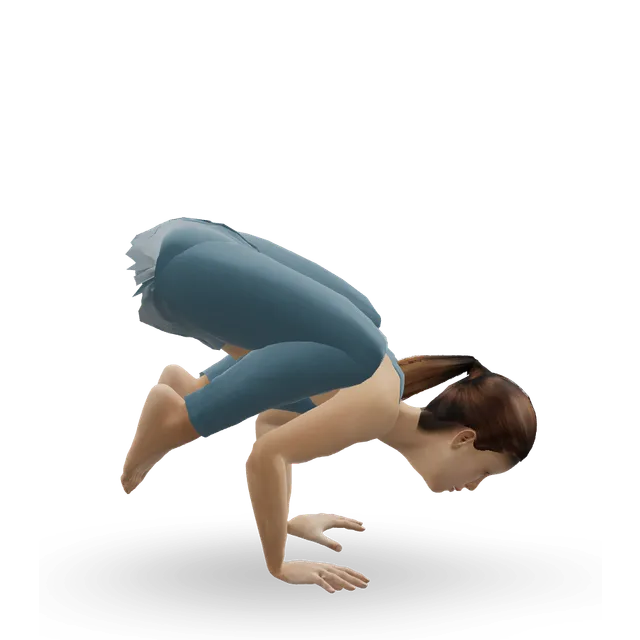
Plank, downward dog, chaturanga, side plank and arm balances put part or all of your weight through your arms, but no study has measured the load on the cuff in them; one often-quoted study measured the trunk and hip muscles only. In 21 healthy men, taking more weight onto the arms in plank variations meant more shoulder and shoulder-blade muscle work, including one of the cuff muscles. Push-ups with the hands raised or from the knees put less force through the hands than floor push-ups.
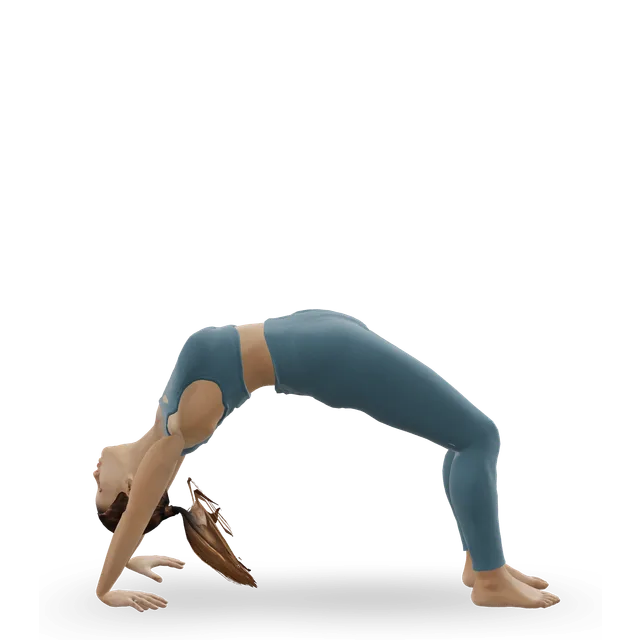
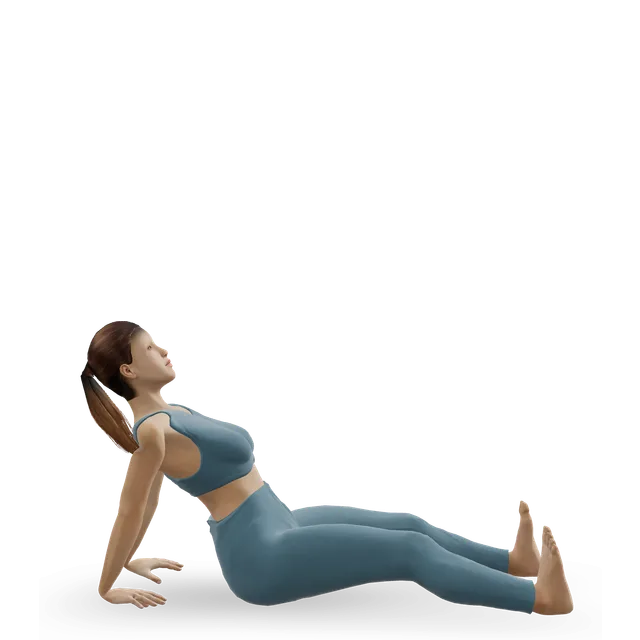
In 20 women, shoulder-blade muscles worked at 3% to 57% of their maximum across 15 postures. Locust with the arms forward was the hardest for the trapezius, and warrior II, dancer and reverse tabletop were the lightest. Wheel and forearm stand put heavy loads on the shoulder girdle in female yoga athletes.
Shoulder injuries were 9% of yoga injuries seen in US emergency departments over 20 years, and 6 of 89 people treated for yoga injuries at one US clinic had cuff injuries. In surveys, 4.6% of practitioners had an injury in a year and 1.9% a serious one, and hand-, shoulder- and headstands were the practices most often linked to problems. In trials, yoga was about as safe as usual care or other exercise.
Most of the evidence is about shoulder exercise in general, not yoga; the one yoga trial is small and weak.
Exercise firstStrong evidence
The 2025 US guideline gives its top grade to an active exercise programme as the first treatment for cuff tendon pain, with no scan at first and a review if it isn't better within 12 weeks. The UK's 2025 pathway advises early physiotherapy, says most symptoms settle within 3 months, and refers people who aren't improving by 12 weeks. A 2026 Dutch guideline asks for gradual exercise to build the cuff's capacity.
Exercise that progressed and added resistance reduced pain by about 1 point out of 10 and improved disability; exercise that didn't progress or add resistance didn't beat placebo. The evidence is low certainty.
A home programme did as well as more sessionsStrong evidence
In 708 adults at 20 NHS trusts, up to 6 physiotherapy sessions of progressive exercise did no better over a year than one session of advice with a home programme of self-guided exercises, 5 days a week. No serious side effects were reported.
Specific exercise kept people off the surgical listEmerging evidence
In 102 people waiting for shoulder surgery, 12 weeks of cuff and shoulder-blade exercises led to success in 69% against 24% with general exercises, and 20% against 63% went on to choose surgery.
Higher doses haven't clearly beaten lower ones, programmes focused on control of the shoulder blade did a little better for disability than general programmes, and in 89 trials nothing reliably beat shoulder exercise alone. The certainty is low to very low.
Surgery for impingement: no better than placeboStrong evidence
In a UK trial of 313 people, decompression surgery did no better than a placebo operation. Across 8 trials the evidence is high certainty, and in a Finnish trial it was no better than placebo surgery or exercise after 10 years.
A Cochrane review of 9 trials, mostly of small worn tears, found surgery probably adds little or nothing for pain at a year. In people over 55 with small worn tears, physiotherapy did as well as repair after more than 5 years. Tears up to 3 cm did better repaired at 15 years, and unrepaired tears grew. The Dutch guideline starts with exercise for worn tears and considers surgery after 3 to 6 months.
In 45 overhead athletes with cuff tendon pain, 8 weeks of shoulder-blade exercises, the same exercises plus yoga poses, or yoga poses alone all helped; the combination did best and yoga alone did worst on pain and disability. The paper's figures look implausibly precise, so we rate it very low certainty. A Canadian trial of online yoga in 10 people finished in 2016 without publishing results, and we found no other trial.
During shoulder strengthening, pain up to about 5 out of 10 is acceptable, and a little is expected. By your next session it should be back to where it was before. If it isn't, use a smaller range or less load next time, not nothing. This is how the Holmgren trial of 102 people set each person's load, and our shoulder guides use the same rule.
In the Holmgren trial, pain wasn't allowed above 5 on a 0 to 10 scale during the exercises, and any increase had to settle before the next session, or the load came down.
Stop and get checked if you get a sharp pain with a sudden loss of strength: a small tear can get bigger.
Stop for sharp pain, a feeling that the shoulder is slipping, pins and needles or numbness down the arm, or pain that is still worse by your next session after strengthening.
Weight on your hands, in steps
The order to follow
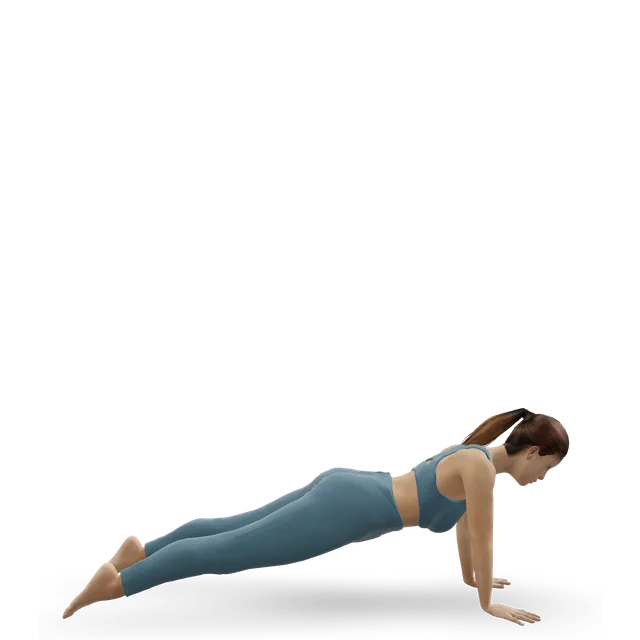
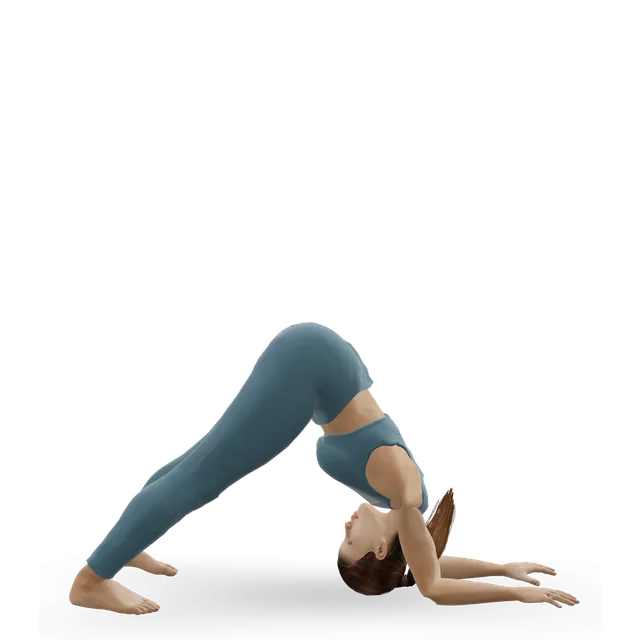
Our editorial order, as in our yoga for shoulder pain guide: wall push-ups, then hands on a table or chair seat, then knees down on the floor (all fours and a knee plank), then a full plank and downward dog with bent knees, then chaturanga with your knees down. Move on when the step before is easy and pain stays within the 5 out of 10 rule. Our yoga for shoulder pain guide has the step-by-step build-up to downward dog.
Pressing the floor or wall away at the top of a push-up (the push-up plus) worked the serratus anterior, the muscle that holds the shoulder blade to the ribs, harder than any other push-up phase. The same cue works in plank and downward dog.
No study has measured its load. While your shoulder hurts, lower with your knees down, go only halfway, or leave it out, and keep your shoulders above your elbows.
Same day (GP or NHS 111): sudden weakness lifting the arm after an injury or fall. A rotator cuff tear caused by an injury needs urgent referral to a shoulder specialist. After a dislocation in anyone over 40, the rotator cuff should be checked: about 40% have a tear.
Most tears come on gradually with age. For these, exercise is the first treatment, and in one trial in people over 55, physiotherapy did as well as surgery after more than 5 years. Yoga can sit alongside the cuff strengthening, using the 5 out of 10 rule.
Bigger tears in younger, active peopleEmerging evidence
In a Norwegian trial of tears up to 3 cm, repair did better than physiotherapy at 15 years, by 11.8 points on a 100-point shoulder score, and tears left unrepaired grew from about 16 to 32 mm. Talk to a shoulder specialist about whether yours should be repaired.
Hospitals differ on the sling, the limits and when each exercise starts, and the size of your tear matters, so your own team's plan comes first. Our rotator cuff repair guide sets out the usual stages from NHS hospital plans.
A UK trial describes NHS standard care as about a month in a sling, then movement, then gentle resisted holds from about 6 to 8 weeks and resisted exercise through the range from about 8 to 12 weeks. A US therapists' consensus starts strengthening at about 12 weeks.
Moving early is safe for the repairEmerging evidence
Across 20 trials, starting rehabilitation early didn't raise the re-tear rate, and pain and function were much the same. Across 31 studies, scans found the tendon had come away again in about 15% to 21% of repairs.
Our suggestion: breathing, and seated and standing poses with your arm resting in its sling, as your team allows; no weight through the operated arm (all fours, plank, downward dog, chaturanga or pushing up from the floor) until your team says the arm can take your weight; no binds until full movement is back; then build up as in the steps above.
Settle a painful or stiff shoulder (pain-free only)
Pendulum: "About 1 minute (10 small circles each way), 2 to 3 times a day" (the move page's dose). Table slide: "10 slow repetitions, 1 to 3 times a day" (the move page's dose). Stick-assisted turn-out: "For a very irritable shoulder, 10 slow repetitions, pain-free, twice a day" (the move page's dose). Thoracic rotation: "6 rotations per side, moving with the breath" (the move page's dose). Slow breathing for 2 minutes, sitting tall (our yoga for shoulder pain sequence).
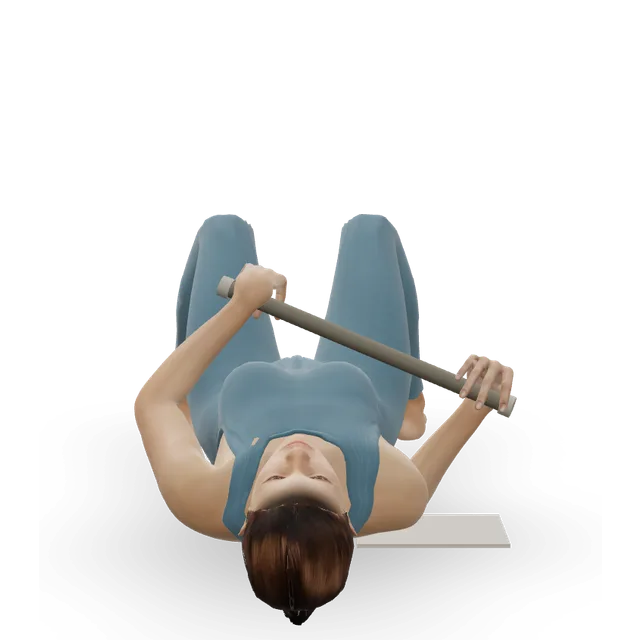
Band turn-out with your elbow at your side: 2 sets of 10 to 15 with a light band (our yoga for shoulder pain sequence), building to 2 or 3 sets of 12 to 15, 2 or 3 times a week (our rotator cuff strengthening guide). Locust with your arms by your sides, arms forward only when that's pain-free: 3 holds of 3 to 5 breaths (our yoga for shoulder pain sequence). Y-T-W raises: 1 round of 8 of each letter (our yoga for swimmers class). Band row: "3 sets of 10 to 15, stopping 2 to 3 reps short of failure, with 60 to 90 seconds' rest" (the move page's dose). Push-up plus on a wall or bench first: 3 sets of 10 to 15 (our rotator cuff tear guide).
Wall push-ups: 2 sets of 10, a small range; knee plank: 3 holds of 10 to 20 seconds (our yoga for shoulder pain sequence). Cat-cow: "8 waves, slower than feels natural" (the move page's dose). Full plank and downward dog with bent knees: holds of 10 to 20 seconds, building up (our editorial starting point). Chaturanga last, knees down at first.
Mountain pose with your palms turned forward, 5 breaths; chair pose with your arms forward at shoulder height or hands on your thighs, 3 holds of 15 seconds; warrior II, 3 breaths each side, hands on your hips if holding the arms out hurts (our yoga for shoulder pain sequence).
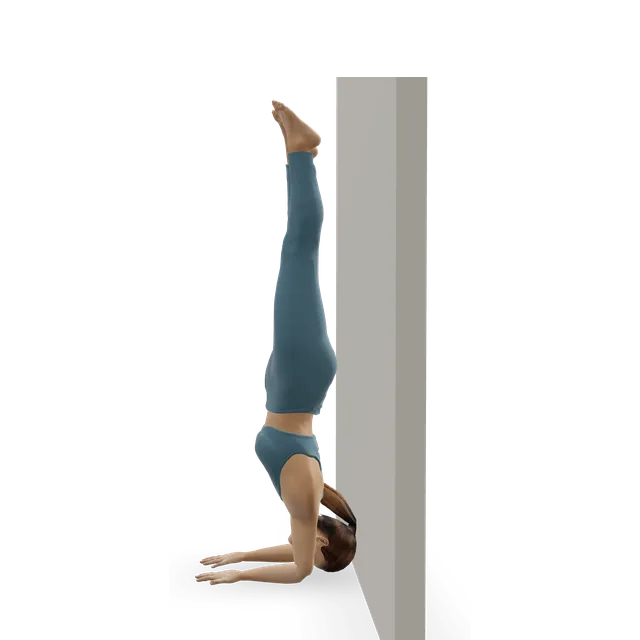
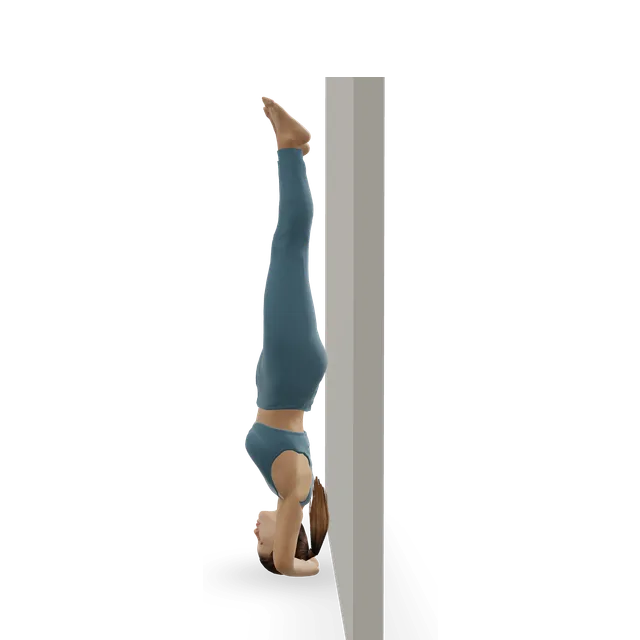
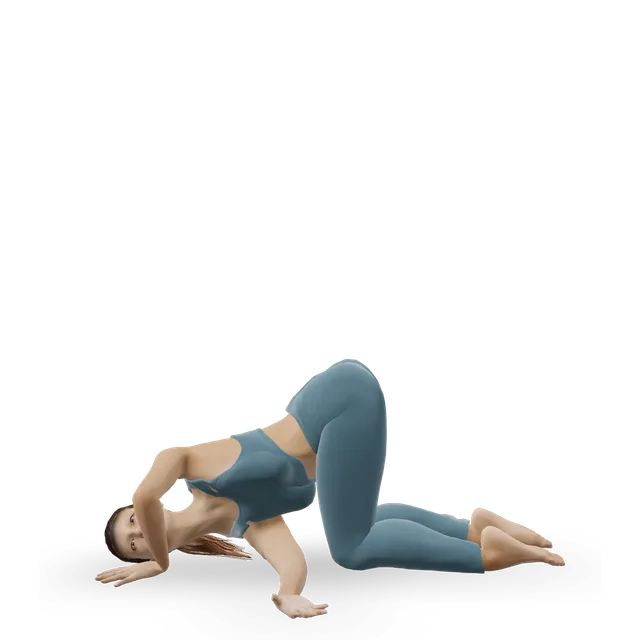
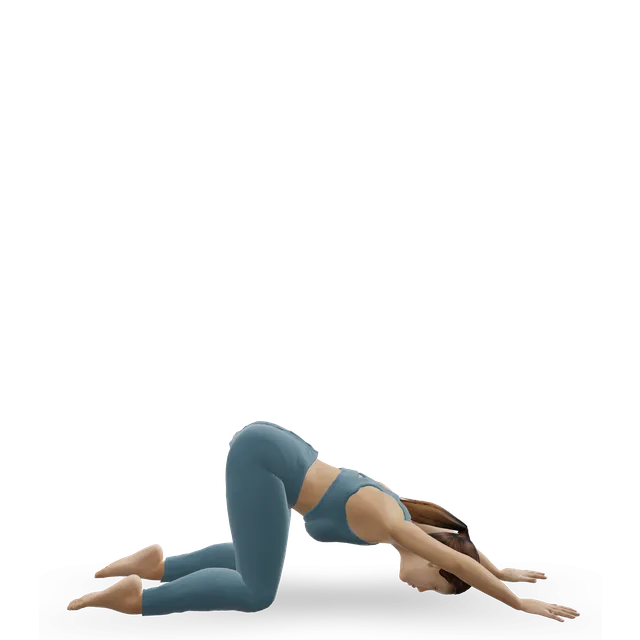
Swap upward dog for a low cobra; do side plank on your knees first; leave out dolphin, forearm stand, headstands, handstands, crow and wheel, which load the shoulder heavily; skip binds and arm wraps such as humble warrior; don't lie on the sore shoulder in thread the needle; and save puppy pose and upward plank for later (as our yoga for shoulder pain guide advises). Most come back as strength returns. After a repair, none of these until your team says so.
Our 20-minute yoga for shoulder pain sequence is the cuff class: it builds weight on your arms step by step, with band work and the 5 out of 10 rule. Do it 3 times a week, with the shoulder mobility and rotator cuff routine on 2 other days (our editorial starting point). The Pilates class is the alternative; the arm and strength classes are for once a full plank is comfortable.
These are the warning signs from our shoulder pain, rotator cuff tear and repair guides, word for word. This is general information, not a diagnosis. A&E means accident and emergency; in the US, call 911 for 999.
Call 999 or go to A&E
Call 999 or go to A&E: after a fall or injury, your shoulder looks out of place or has changed shape, you cannot move your arm, or your shoulder is painful, bruised or swollen. Do not drive yourself, and do not try to put it back in yourself.
Call 999: shoulder or arm pain with chest pain that feels tight or squeezing, or chest pain that spreads to your arms, neck or jaw, especially with shortness of breath, sweating or feeling sick. It could be a heart attack.
Call 999: you suddenly can't fully lift both arms and keep them there, because of weakness or numbness in one arm, especially if one side of your face droops or you slur your words or sound confused. It could be a stroke. Call even if the signs have stopped.
Get help from NHS 111: pain or tightness in your chest, neck, shoulders, jaw or arms that comes and goes, often brought on by exercise, stress, emotion or cold and easing after a few minutes' rest. It can be angina, a sign of a heart problem. If you've been diagnosed with angina, get help from NHS 111 too if it feels worse than before, is happening more often, lasts longer or happens when you're resting.
Same day (GP or NHS 111): sudden weakness lifting the arm after an injury or fall. A rotator cuff tear caused by an injury needs urgent referral to a shoulder specialist. After a dislocation in anyone over 40, the rotator cuff should be checked: about 40% have a tear.
Same day (GP or NHS 111): the shoulder or arm is hot, swollen or red, or you have a high temperature (although not everyone has one) or feel unwell. A joint infection needs same-day care.
Same day (GP or NHS 111): sudden or very bad shoulder pain; you cannot move your arm; the arm or shoulder is badly swollen or has changed shape; pins and needles that do not go away; no feeling in the arm; the arm is hot or cold to the touch; pain that started after an injury such as a fall; or severe pain in both shoulders.
Pain that is getting worse or has not improved after 2 weeks of looking after it yourself, or it is very hard to move your arm. In many areas you can refer yourself to physiotherapy.
Your shoulder has partly or fully come out of joint, or you worry it might.
Pins and needles or a cold arm alongside neck pain, or a new loss of strength or feeling in the arm that you cannot explain (a possible nerve problem).
A past history of cancer, an unexplained lump or swelling, weight loss, or pain that is constant and does not ease when you change position.
See a GP if you have pain and stiffness for more than a week, especially if you're over 50, it's in both shoulders (often the neck and hips too) and the stiffness lasts longer than 45 minutes in the morning. It can be polymyalgia rheumatica.
Strength getting worse, or the shoulder not clearly better by 12 weeks of exercise: ask for a specialist opinion.
Arm pain or swelling with breathlessness or chest pain: call 999 or go to A&E, and do not drive yourself. It can be a blood clot that has reached the lungs.
A high temperature, or feeling hot, cold or shivery; or a wound that is red, hot, swollen or oozing: contact your surgical team, ask for an urgent GP appointment or get help from NHS 111. These can be signs of an infection. If you feel unwell and the wound looks infected, go to A&E.
Throbbing pain and swelling in the arm, with red, blue or darker skin and swollen veins: ask for an urgent GP appointment or get help from NHS 111. It could be a blood clot.
Same day (your surgical team or NHS 111): once the nerve block has worn off, usually within a day or two, your arm or hand stays numb, you have pins and needles that don't go away or weakness you can't explain, or your hand turns cold, pale or blue.
Same day (your surgical team): a sudden sharp pain with a clear loss of strength, or losing movement you had got back, especially after a fall, a jerk or catching something heavy. The repair may have torn again.
The shoulder is getting stiffer rather than freer, or night pain is getting worse rather than better after the first few weeks: tell your physiotherapist or surgical team. About 1 in 20 people develop a painful stiff (frozen) shoulder after a repair, which improves over months with physiotherapy, one NHS hospital says.
Stop and get checked if you get a sharp pain with a sudden loss of strength: a small tear can get bigger.
Stop for sharp pain, a feeling that the shoulder is slipping, pins and needles or numbness down the arm, or pain that is still worse by your next session after strengthening.
Stop an exercise, or shrink its range, if you get the feeling the shoulder is about to slip out (editorial).
The NHS advises getting advice from a healthcare professional first if you have a health problem, an injury or symptoms, or have recently had a heart attack or an operation.
You can say no to any hands-on adjustment, and a teacher registered with Yoga Alliance must get your explicit consent each time.
Myths
"Never put weight on your hands with a rotator cuff problem"Emerging evidence
Progressive loading is the treatment with evidence, and weight on the hands can be built up from a wall to the floor. The exception is after a repair, until your team says the arm can take your weight.
"Downward dog, or a headstand, heals a torn rotator cuff"Mixed evidence
No trial shows yoga heals a tear. The one yoga trial was small, in tendon pain rather than tears, and yoga alone did worst. Headstands are among the poses most often linked to yoga injuries.
"A tear on a scan means you need surgery"Strong evidence
Many tears cause no pain, and for small worn tears in older adults, physiotherapy did as well as repair. A tear after an injury is different: get it checked the same day.
"Chaturanga causes most yoga shoulder injuries"Mixed evidence
No study has measured its load. In surveys, headstands, shoulder stands and handstands were the practices most often linked to injuries. Changing chaturanga while your shoulder hurts is still sensible.
It can be, if it loads the cuff gradually: exercise is the first treatment for cuff pain. Yoga itself has barely been tested, so pair it with band exercises for turning your arm out, and use the 5 out of 10 pain rule.
Can yoga help a torn rotator cuff?
Yoga won't mend a tear, but exercise is the first treatment for worn tears, and many people do as well as with surgery. A tear after a fall or injury needs a shoulder specialist soon.
Which yoga poses should I avoid with a rotator cuff injury?
While it hurts: full chaturanga, upward dog, binds and arm wraps, arm balances, headstands and forearm stands, and lying on the sore side. Most can come back as your strength returns.
Is downward dog bad for the rotator cuff?
It puts weight through your arms while they're overhead, which a sore cuff may not manage yet. Build up from a wall, then a chair, then knees down, keeping pain at 5 out of 10 or less and settled by your next session.
Is chaturanga bad for your shoulders?
No study has measured its load. Lower with your knees down, go only halfway, or leave it out until wall and knee push-ups are easy, and keep your shoulders above your elbows.
Which yoga poses strengthen the rotator cuff?
Locust with the arms forward worked the shoulder-blade muscles hardest of 15 poses in one study, and planks work the shoulder more as you take more weight on your arms. Add band turn-outs with your elbow at your side for the cuff itself.
Is yoga good for shoulder impingement?
Impingement is mostly cuff tendon pain, and exercise is the first treatment; surgery to shave the bone did no better than placebo surgery. Adapted yoga with cuff strengthening fits well.
Can you do yoga after rotator cuff surgery?
Yes, later, and only when your surgical team agrees. In the NHS's standard plan the sling stays on for about a month and resisted exercise comes later; poses that put weight on your arms wait until your team says the arm can take it.
How much pain is OK in yoga with a rotator cuff problem?
During strengthening, up to about 5 out of 10, back to where it was by your next session; if it isn't, use a smaller range or less load, not nothing. Stop for a sharp pain with a sudden loss of strength.
Can yoga cause a rotator cuff injury?
It can: cuff injuries appear in yoga injury studies, and shoulders were 9% of yoga injuries seen in US emergency departments. Hand-, shoulder- and headstands were most often linked to problems.
Do I need a physiotherapist, or can I do it at home?
In a large NHS trial, one advice session with a home programme did as well as up to 6 physiotherapy sessions. In many areas you can refer yourself to physiotherapy.
When should I see a doctor about rotator cuff pain?
Get help the same day for sudden weakness lifting your arm after a fall; go to A&E if your shoulder looks out of place; and call 999 for shoulder or arm pain with chest pain or breathlessness. See a GP if it isn't improving after 2 weeks of looking after it.
Exercise education, not a personal prescription, and clinical review of these guides is pending. If you are pregnant, have a health condition such as glaucoma, high blood pressure or osteoporosis, or have had recent surgery, check with a doctor, midwife or physiotherapist before starting, and stop for sharp or increasing pain. Health disclaimer.