Pilates
Step-by-step Pilates for a sore shoulder: a 20-minute class
A 20-minute Pilates class for a painful shoulder without warning signs. It starts with easy, pain-free movement, then strengthens the rotator cuff and the muscles around your shoulder blade, then adds weight on your arms one step at a time: the wall first, then your hands and knees. Keep your arms below shoulder height to start, and keep pain at 5 out of 10 or less. If your shoulder is very painful or frozen, do the first block only until it settles. You'll need a table, a stick or umbrella, a light weight such as a tin of beans (or nothing), a wall and a chair. The structure follows NHS inform's shoulder exercises and pain guide, a strengthening trial's pain rule and our yoga for shoulder pain class.
At a table: gentle range
- Beginner · Abs · 3D demoSitting tall, hands on your lower ribs, shoulders softHarder: Roll-up (Pilates)
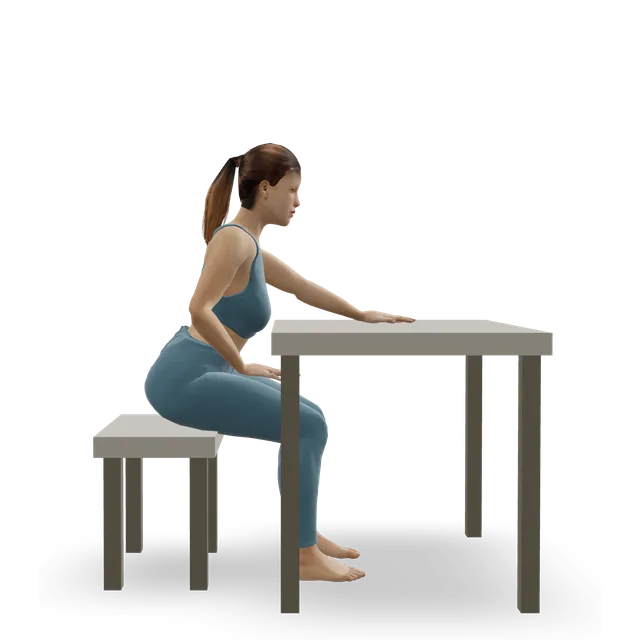
- Table slide (seated forward reach)10 slow repsBeginner · Shoulders, Back · 3D demoSitting at a table, slide the hand of the sore arm forward only as far as is comfortable, then backEasier: Pendulum exercise (Codman's pendulum)Harder: Overhead lat stretch at a bench (elbows on the bench)
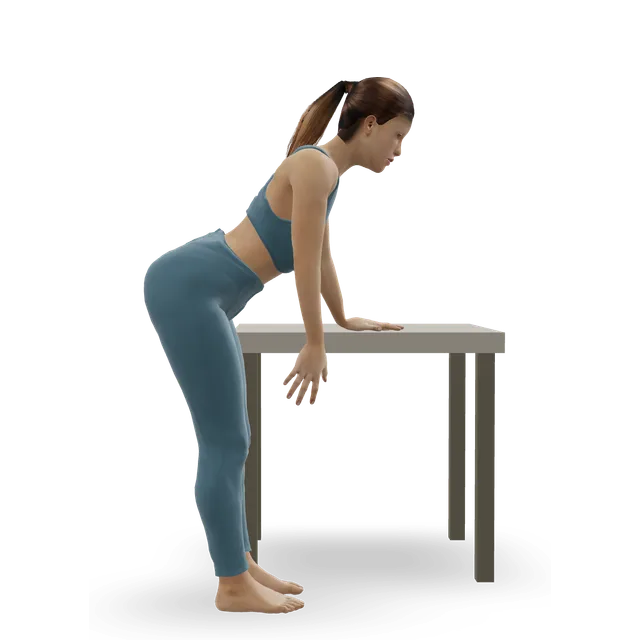
- Pendulum exercise (Codman's pendulum)About 1 minBeginner · Shoulders, Back, Abs · 3D demoStand and lean on the table with your good hand, let the sore arm hang, and sway your body so the arm swings in small circlesHarder: Table slide (seated forward reach)
- Thoracic rotation6 each sideBeginner · 3D demoSeated, arms crossed on your chest; turn your upper back, not your hipsEasier: Side-lying open bookHarder: World's greatest stretch


Lying down: turn the arm out, then strengthen
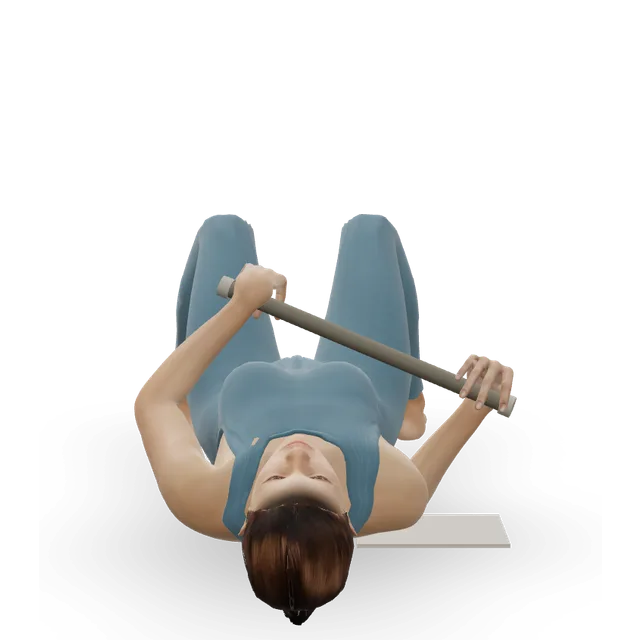
- Stick-assisted external rotation (lying)10 slow repsBeginner · Shoulders, Chest · 3D demoOn your back, the sore elbow bent and against your side on a folded towel; your good arm pushes the stick so the sore forearm turns outwards, pain-freeHarder: Standing band external rotation
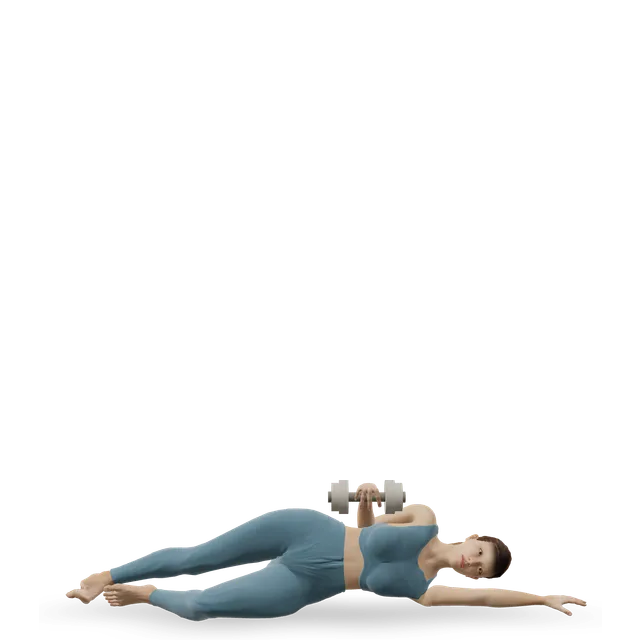
- Side-lying external rotation2 sets of 8Beginner · Shoulders, Back · 3D demoLie on your pain-free side, top elbow tucked against your ribs; turn the forearm up towards the ceiling and lower slowly, holding a tin of beans or nothingEasier: Standing band external rotationHarder: Cuban rotation
- Prone Y-T-W raises5 of each shape (W and T to start)Beginner · Back, Shoulders, Neck · 3D demoFace down, forehead on a folded towel, thumbs up; lift your arms only a little. Add the Y when lifting your arms overhead is comfortableEasier: Wall angelHarder: Bent-over reverse fly
- Swan (Pilates swan dive)5 repsIntermediate · Back, Glutes, Triceps · 3D demoHands under your shoulders; press lightly and lift your chest a little, keeping it smallEasier: Mermaid (Pilates seated side bend)Harder: Double-leg kick (Pilates double kick)


At the wall, then hands and knees
- Wall angel8 slow slidesBeginner · Back, Shoulders · 3D demoBack to the wall; slide your arms up only as high as is comfortable, keeping your shoulder blades drawn backEasier: Table slide (seated forward reach)Harder: Prone Y-T-W raises
- Wall push-up2 sets of 8Beginner · Chest, Triceps, Shoulders · 3D demoHands on the wall at chest height; step closer if it hurtsHarder: Push-up
- Beginner · Shoulders, Chest, Abs · 3D demoAt the wall with straight arms: let your chest sink between your shoulder blades, then push the wall awayEasier: Dumbbell shoulder-blade punchHarder: Push-up
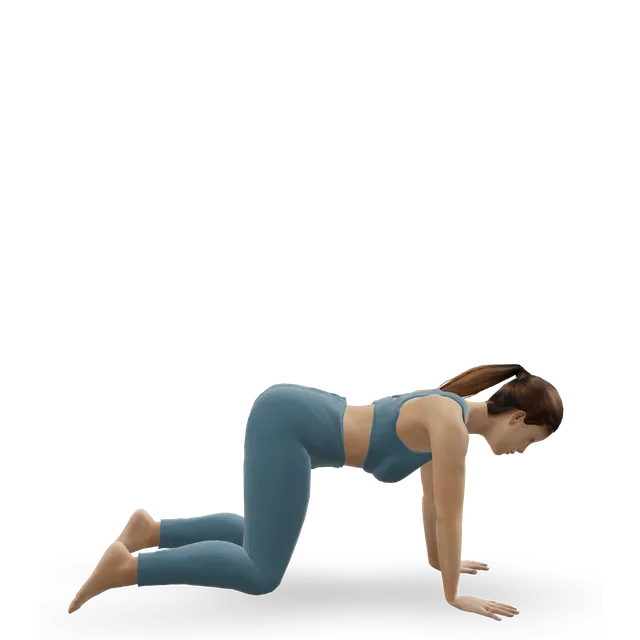
- Knee hover (Pilates tabletop hover)3 holds of 15 sBeginner · Abs, Shoulders, Quads · 3D demoOnly when the wall work is easy. Hands under shoulders, knees under hips; press the floor away and lift your knees 2 to 5 cm. Fists or forearms for sore wristsHarder: Straight-arm plank (high plank)



Stretch and finish
- Cross-body shoulder stretch2 holds of 20 s each sideBeginner · Shoulders, Back · 3D demoHold above the elbow, not on the joint. Leave it out in the painful stage of frozen shoulderHarder: Sleeper stretch
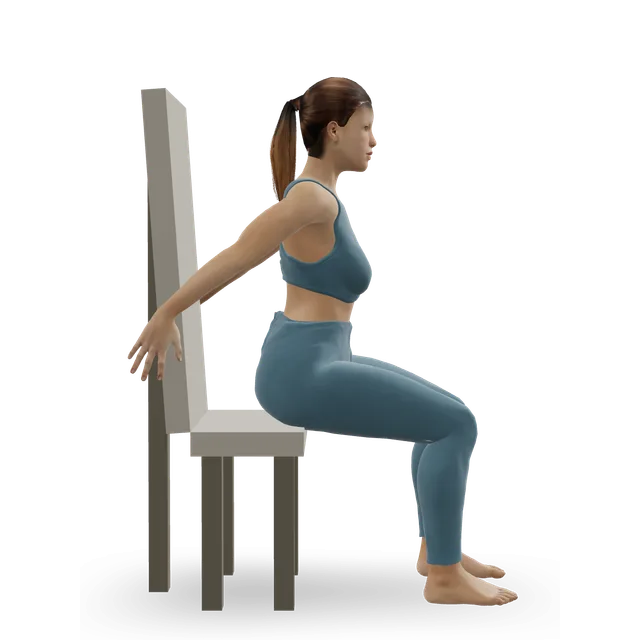
- Chair chest and shoulder stretch2 holds of 15 to 20 sBeginner · Shoulders, Biceps, Chest · 3D demoSeated, hold the backrest behind you and bring your chest forward and up; ease off if the front of the shoulder pinchesHarder: Behind-the-back stick shoulder stretch
- Breath reach5 breathsBeginner · 3D demoArms rise as you breathe in, only as high as is comfortableHarder: Slow breathing (6 breaths a minute)


Tips
- While you strengthen, pain up to 5 out of 10 is fine if it settles by the next morning. If it doesn't, do fewer repetitions, go slower or rest longer next time, rather than stopping.
- Frozen shoulder is different: while it's very painful, stay within the comfortable range and do the first block only.
- Build up weight on your arms in steps: the wall, then the knee hover, then knee planks and push-ups. While your shoulder hurts, leave out the leg pulls, the kneeling side kick and control balance, and do the side bend as a knee side plank.
- If your shoulder has dislocated or feels loose, keep your arm in front of you, avoid taking it out to the side and turning it back, and stop if it feels about to slip.
- After breast cancer surgery, start with the exercises your team gives you.
- Not better after 2 weeks of looking after it yourself, or getting worse? See a GP or physiotherapist; in many areas you can refer yourself.
- Call 999 for shoulder or arm pain with chest pain that feels tight or spreads to your arms, neck or jaw, and go to A&E if, after a fall, your shoulder looks out of place or you can't move your arm.
The doses are suggested starting points, not a prescription. Choose a range you can control and stop for sharp or increasing pain, numbness or tingling. Get individual advice after an injury or surgery, or if you are pregnant or managing a health condition.
Guides that recommend it
Find more moves like these
More pilates




Beginner Pilates workout
A 20-minute mat Pilates workout for complete beginners. It covers breathing, spine position and the foundation moves, each with an easier option.
20 minBeginner13 movesNo equipment

10-minute Pilates abs
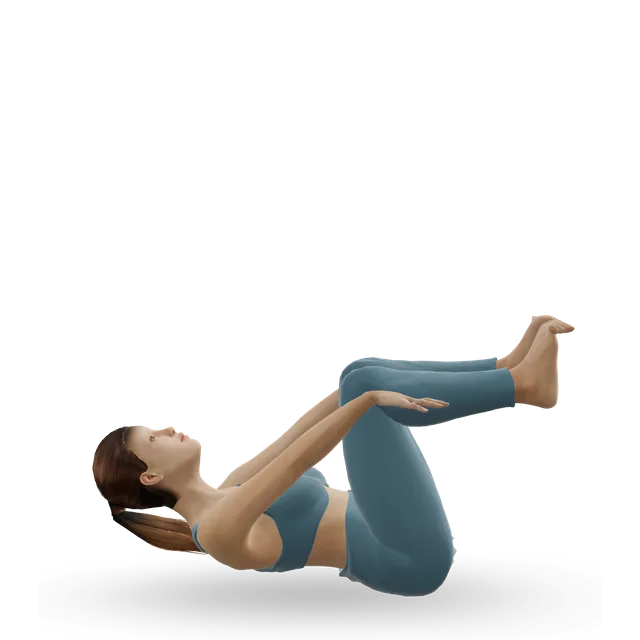
Ten minutes of the classic Pilates abdominal series: the hundred, the roll-up and the series of five, with a plank to finish.
10 minIntermediate11 movesNo equipment
Full-body mat Pilates workout
A 30-minute intermediate mat Pilates class that follows the classical order, from the hundred to the push-up, with prep versions of the hardest moves.
30 minIntermediate22 movesNo equipmentQuestions people ask
How long does the step-by-step pilates for a sore shoulder: a 20-minute class take?
About 20 minutes, including any warm-up and cool-down listed. Shorten it by doing fewer rounds; lengthen it by adding one.
What equipment do I need?
You need: A bench or box, Other / check instructions, A dumbbell, A wall. Each move links to its guide, where you can find an alternative if you are missing something.
Is it suitable for beginners?
It is written for beginners. 7 of its 15 moves have an easier option listed beside them if you need one.
How do I make it easier or harder?
Use the easier or harder option listed under each move, change the number of rounds, or adjust the rest. Progress one change at a time.