How long does it take to learn a front lever?
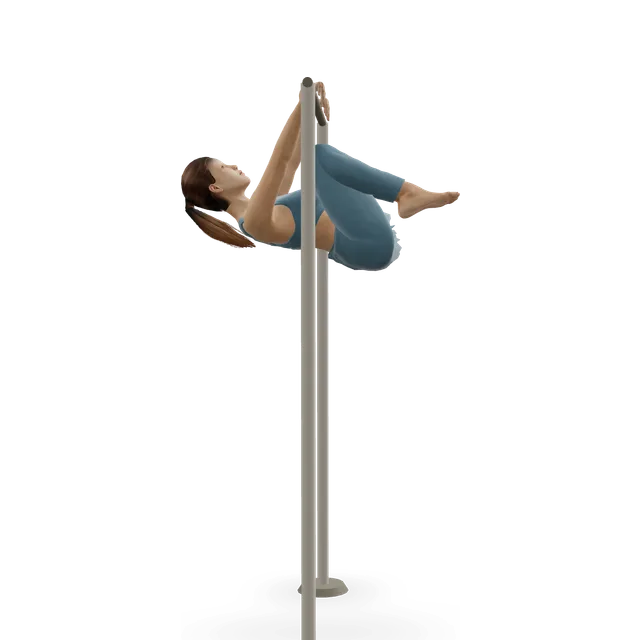
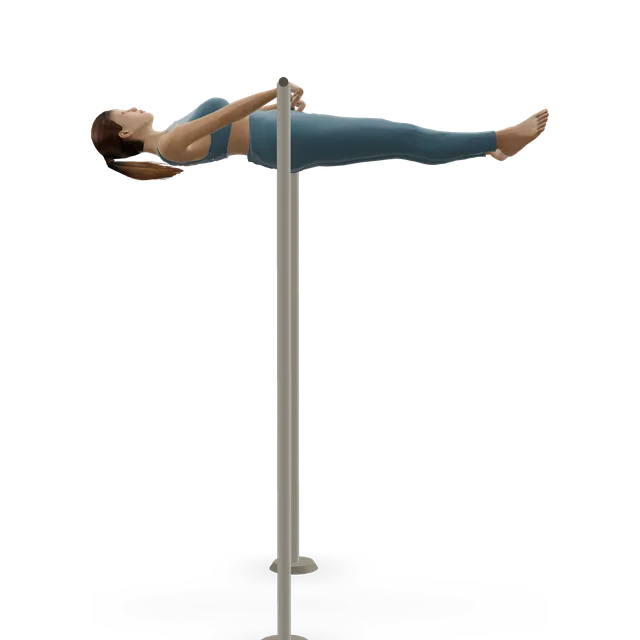
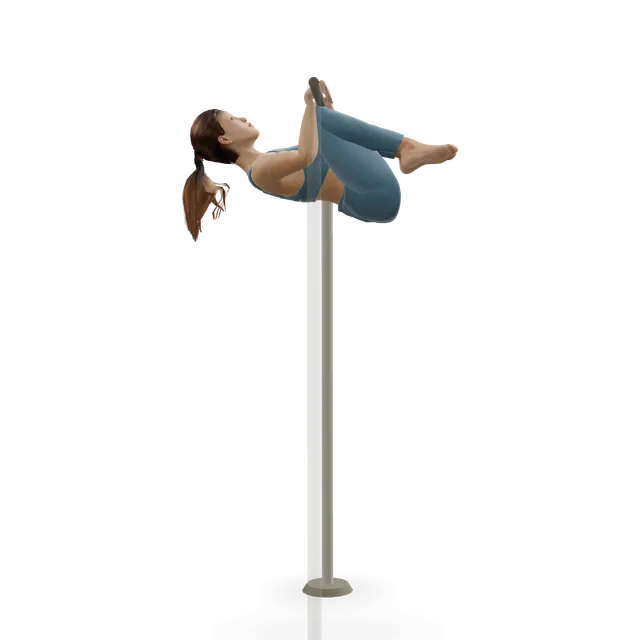
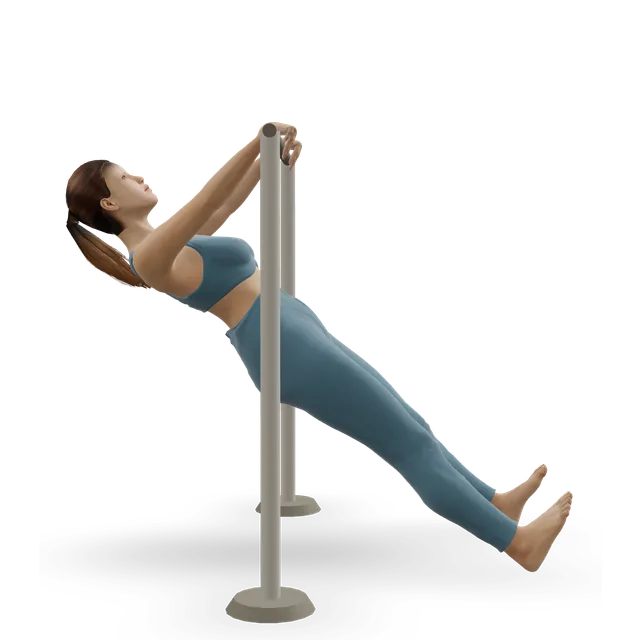
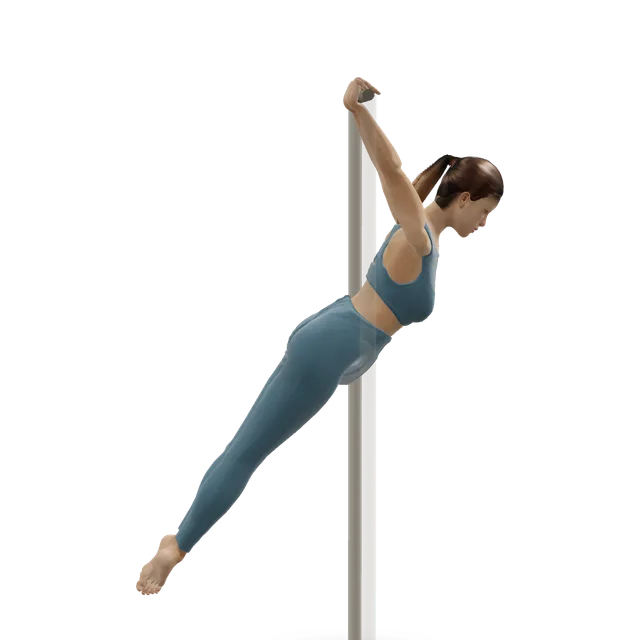
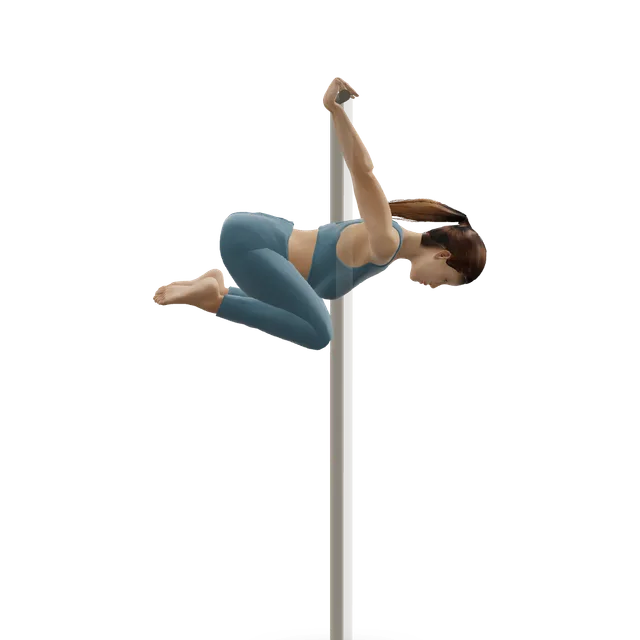
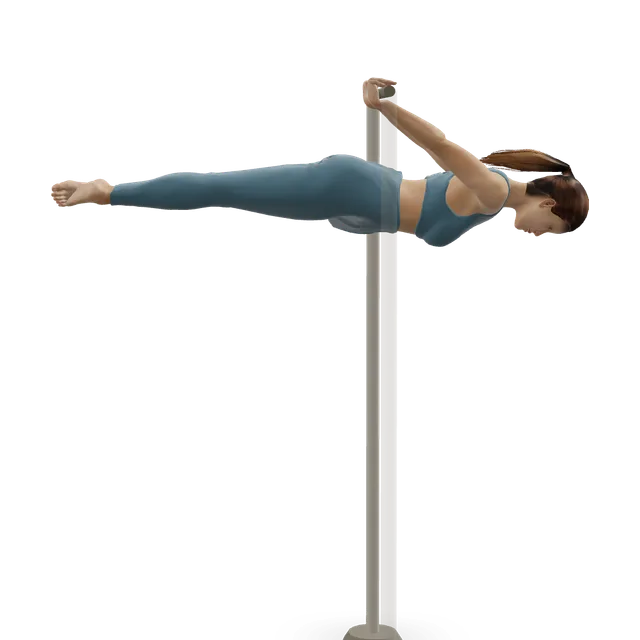
Our rough estimate, not a promise: with about 10 strict pull-ups, a steady tuck front lever often comes within weeks to a few months, and the full lever commonly takes a year or more of regular practice. Each step after the advanced tuck often takes months, and taller or heavier bodies often take longer. Plenty of people settle happily at the advanced tuck or straddle.
How many pull-ups do I need for a front lever?
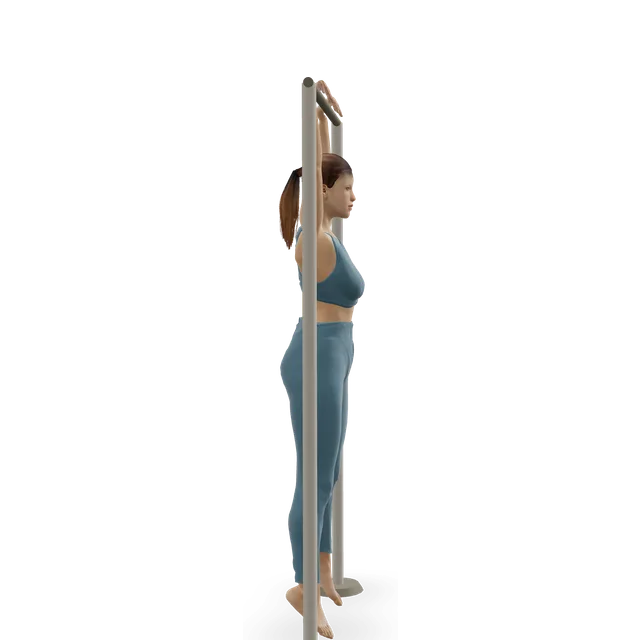
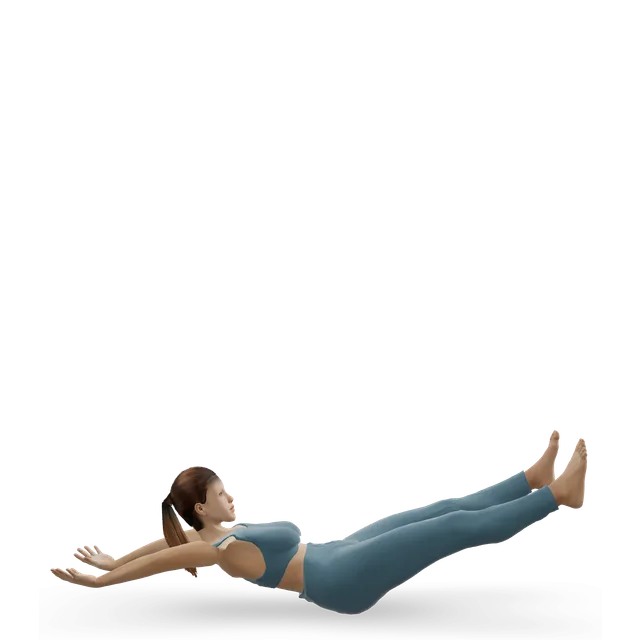
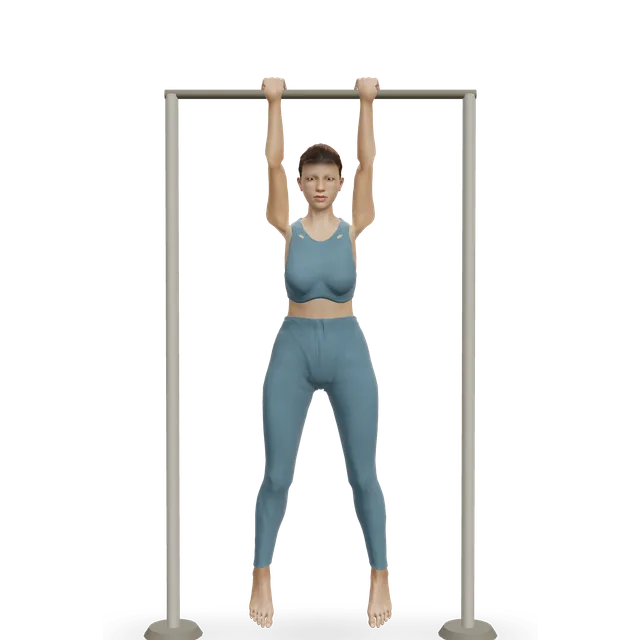
No study links a number to it. One coach asks for 5 strict pull-ups or chin-ups, a 30-second upside-down hang and 10 V-ups before starting, and our tuck front lever page asks for several strict pull-ups. If you can't do one yet, start with our pull-up guide.
What muscles does the front lever work?
Mainly the muscles that pull your arms down towards your hips: the lats, helped by the teres major, the triceps and the back of the shoulder. Your shoulder blade muscles hold your shoulders down and back, your abs and hip flexors keep your legs up, and your grip holds you on. No study has measured it, so this comes from coaching and anatomy.
How long should I hold a tuck front lever, and how many sets?
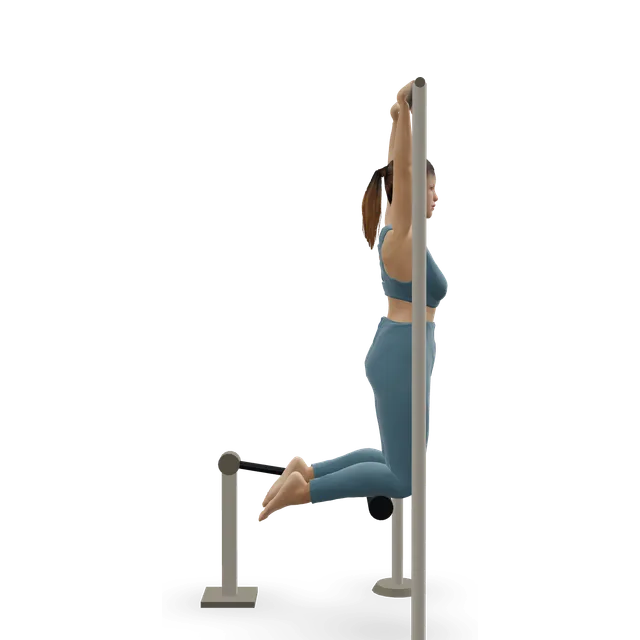
Hold for about half to two-thirds of your best clean hold, adding up to about 30 to 60 seconds: for example 4 to 6 holds of 5 to 12 seconds, resting about 2 minutes. End each hold before your hips drop or your elbows bend. That's our editorial starting point, and coaching sources differ on the details.
Can I train the front lever every day?
We'd suggest 2 or 3 times a week, not on consecutive days, at the start of a session. Strength rose more with at least 2 sessions a week, and in calisthenics surveys several sessions a day went with more injuries. Your elbows and shoulders need the rest days.
When should I move to the next step?
Our editorial rule: when your best clean hold reaches about 15 to 20 seconds and 4 or 5 holds of about 10 seconds feel solid. Then try the next step in short holds at the start of a session. Coaching sources disagree: one waits for 5 holds of 15 seconds, another for 8 to 12 weeks on each step.
Should I learn the front lever on rings or a bar?
A steady bar is all you need, and coaches teach the levers on either. Rings move, which adds a balance task, and unstable equipment didn't add strength in a large overview of reviews.
Front lever or back lever: which should I learn first?
Coaching sources say the back lever often comes sooner, and you can train both. It faces down with your arms behind you, which stretches the front of the shoulder and loads the biceps, so it needs the same gradual build-up. Our back lever move pages start from the German hang.
Why do my elbows hurt in the front lever?
Straight-arm holds pull on the biceps tendon at the front of the elbow. An ache of about 3 to 4 out of 10 that settles within an hour and is no worse the next morning is acceptable; if it breaks that rule, drop back a step for a week. A pop with sudden pain, bruising or a bulge in the upper arm needs an urgent treatment centre or A&E the same day.
Why do my hips drop in the front lever?
Usually the step is too long a lever for your strength right now, so go back to a shorter one until you can hold your body level. Keep your shoulder blades pulled down and back and your arms straight, and press the bar towards your hips.
Are front lever rows and raises worth doing?
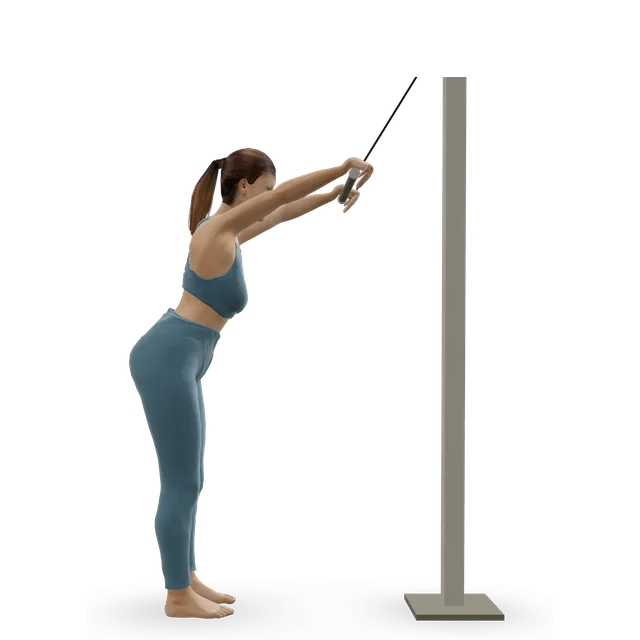
Yes, once you can hold the tuck: holds build strength mostly near one angle, and moving exercises build it through the range. Our inverted tuck row page gives 2 to 3 sets of 3 to 8, and slow lowerings into your step from an upside-down hang are a standard coaching drill.
Is the front lever harder if you're tall?
Usually, yes: a longer body puts more turning force on your shoulders, and strength rises more slowly than body size. It may take longer, but tall people do learn the levers, and nothing here suggests changing your weight.