Practise 2 or 3 times a week, pulling first
The pull-up trials trained twice a week, and the American College of Sports Medicine (ACSM) found strength rose most with at least 2 sessions a week and the main exercise early in the session.
Training guide
Once you can do a pull-up, more reps come from practising often, stopping each set while the reps are still quick, and building the muscles around the lift: your back, your arms and your grip. In one trial, short sets beat sets taken much closer to failure; in another, adding grip training raised pull-up reps the most.
You lift your own body weight, so how strong you are for your size decides your reps. Getting stronger is what you train; nobody needs to change their weight to get better at pull-ups.
This guide covers how often to practise and how many sets, going from 1 to 5, from 5 to 10 and beyond, rows, pulldowns and grip work, negatives, grease the groove and what the evidence can and can't say, adding weight, which grip to use, how long it takes, and looking after your elbows and shoulders. Can't do one yet? Start with our pull-up guide.
The pull-up trials trained twice a week, and the American College of Sports Medicine (ACSM) found strength rose most with at least 2 sessions a week and the main exercise early in the session.
In 29 strength-trained men, pull-up sets ended once the reps slowed by a quarter improved pull-up strength and reps, while sets taken until they slowed by half didn't.
Source 3
Eight weeks of lat pulldowns raised pull-up reps in 34 men, and in 30 inactive men, the group that added forearm and grip training went from 4 to about 13 pull-ups in 8 weeks.
Lowering-only training mainly builds lowering strength, so pair slow negatives with full pull-ups, rows and assisted pulls.
Source 5
Spreading the same work through the day matched one session for squat strength in one trial, so it may work for pull-ups, but no trial has tested it. If you try it, keep every set easy and take days off.
Source 6
Your reps depend on how strong you are for your size. Getting stronger is what raises them; no one needs to change their weight.
In 58 college students, the heaviest single pull-up, counting body weight, averaged 1.16 times body weight in men and 0.73 in women, and in 82 trained men it averaged 1.5 times. In 28 elite women swimmers, more body mass went with fewer pull-ups.
In 52 men, how fast each rep moved showed how close to their maximum they were, and how much the reps had slowed predicted how many were left. A clearly slower rep means the set is nearly done.
Source 10
From 0 to 1: our pull-up guide and first pull-up workout. From 1 to 5: practice and assistance work. From 5 to 10: more total reps, still short of failure. From 10 up: adding weight and harder variations.
Women's heaviest pull-up relative to body weight was lower on average, but they did more reps at the same percentage of their maximum (10.5 against 8.1 at 80%), so the same plan works from a different starting point. Grip preference and your elbow and shoulder history shape which grip suits you.
In 30 inactive men who could already do a few pull-ups, 8 weeks of the same programme twice a week (assisted pull-ups, inverted rows, chin-ups and negatives, 3 sets each, 1 to 2 minutes' rest) raised reps in all three groups of 10. The group that added forearm and grip training went from 4.0 to 12.9, against 4.3 to 7.0 with interval training and 2.7 to 6.5 with core work. There was no group without pull-up training, and the groups were small.
Source 1
29 strength-trained men averaging about 16 pull-ups trained twice a week for 8 weeks. Sets ended once the reps slowed by 25% improved every measure; sets ended at a 50% slowdown, much closer to failure, improved none.
Source 3
In 34 men, 8 weeks of lat pulldowns raised pull-up reps. Pulldown strength was closely linked to pull-up strength in college men, less so in women, and only loosely in 28 elite women swimmers, whose authors said one shouldn't stand in for the other.
Across 27 studies, lowering-only training raised lowering strength by 27% against 10% for lifting-only training, with no difference in lifting strength. In 30 advanced climbers, 5 weeks of lowering, isometric or explosive pull-up training raised maximum strength by 2.2 to 5.0%.
The lats worked hard in pull-ups and chin-ups alike in 25 people; chin-ups used more chest and biceps. In 19 strength-trained men, overhand, underhand and neutral grips were similar apart from a little more middle trapezius overhand. In a model, wide grips used more lat, and in 11 regular performers, wide and underhand grips showed shoulder-blade movements linked with shoulder pinching.
Inverted rows worked the biceps, lats, lower trapezius and back of the shoulder hard in 26 people, which makes them a good partner for pull-ups.
Source 16
No trial has tested it for pull-ups. The closest evidence: in 45 trained men, 3 short bouts of squats a day, 3 days a week, matched one session of the same work for squat strength over 8 weeks and was more enjoyable; one maximal 3-second contraction a day raised arm strength in sedentary young adults; and 5 minutes a day of bodyweight lowering exercises raised push-up reps in 22 sedentary adults. It may work for pull-ups, but that's an inference.
No trial has tested whether adding weight raises your reps at body weight. Pull-up reps depend on how strong you are for your size, so getting stronger with added weight should help, but that's our inference.
College women trained towards a first pull-up in one trial, and those who succeeded had more strength for their size. Women did more reps than men at the same percentage of their maximum.
An International Olympic Committee consensus statement names sudden increases in training load as a major risk factor for injury in sport.
Source 20
Practise 2 or 3 times a week, not on consecutive days, with pull-ups first while you're fresh, as our pull-up guide suggests.
End each pull-up set before a rep slows down: that leaves about 1 to 3 RIR (reps in reserve: how many more reps you could have done). Don't grind out the last rep.
Rest 2 to 3 minutes between sets of pull-ups and chin-ups, and about 90 seconds for rows and assisted pulls, as our pull-up guide does.
Our pull-up guide uses 6 to 12 hard pulling sets a week for a first pull-up. From about 5 pull-ups, about 10 to 15 hard pulling sets a week across pull-ups, rows and pulldowns is a sensible range (our editorial starting point, in line with our plans' 10 or more sets per muscle a week). Practice sets well short of failure don't count as hard sets.
Test your best set every 2 to 4 weeks, fresh, at the start of a session, to the pull-up guide's standard (our suggestion).
Our editorial starting points unless a source is named; each step's technique is in our pull-up guide.
3 to 5 sets of 1 to 3, ending each set before a rep slows (our editorial starting point).
Source 3
2 or 3 sets of 3, lowering for 3 to 5 seconds and building towards 5 to 10, as our pull-up guide starts them (an editorial dose).
Source 5
The move page's dose: 2 to 4 sets of 8 to 12 with a band that lets you finish each set in good form (ACE, the American Council on Exercise); the National Academy of Sports Medicine (NASM) suggests 3 to 5 sets of 5 to 10. Use the thinnest band that lets you finish every rep.
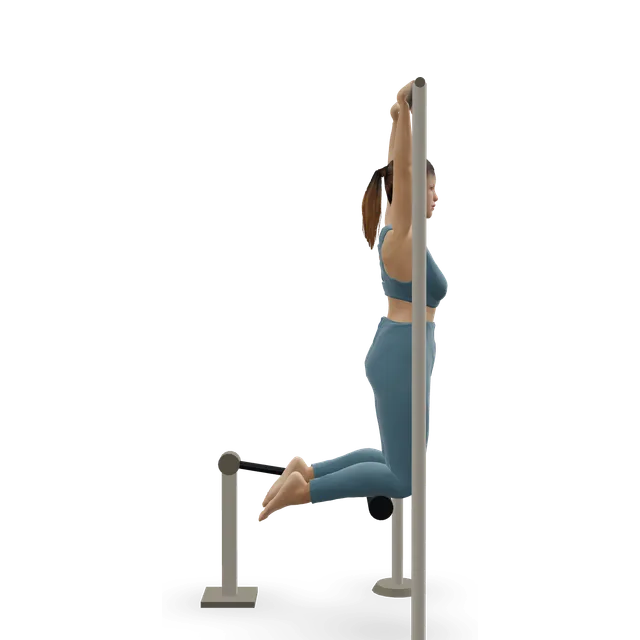
Inverted rows, 3 sets of 6 to 12 (our editorial starting point, as in our first pull-up workout); lower the bar as they get easier.
Source 16
Farmer's carries, 2 walks of 20 to 30 m, and wrist curls, 2 sets of 12 to 15 (our editorial starting points, as in our first pull-up workout).
Source 1
4 or 5 sets of about half to two-thirds of your best set, ending each set while the reps are quick, or 4 sets of 5 to 10 stopping 1 to 3 reps short, as in our pull day workout (our editorial starting points).
Source 3
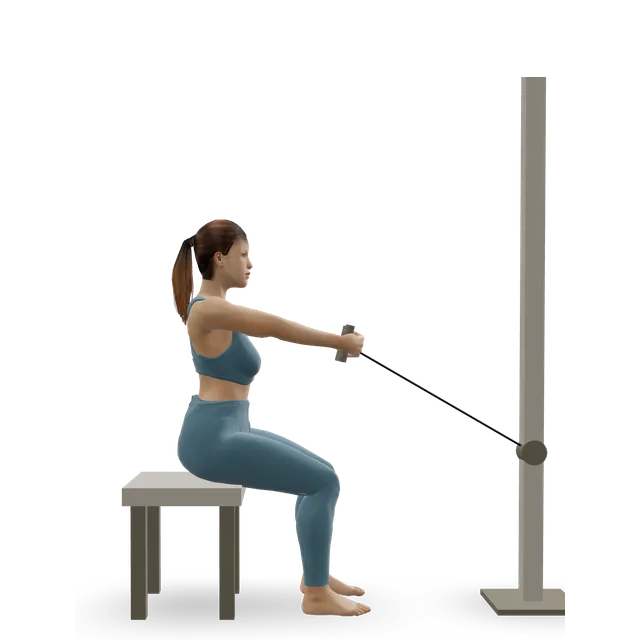
Lat pulldowns, 3 sets of 8 to 12 (our editorial starting point, as in our upper body gym workout), and rows as above.
Ladders and cluster sets are ways to collect more good reps with short breaks. Cluster sets didn't change strength compared with normal sets across 29 studies, so use them for variety (our suggestion).
Source 21
Our move pages ask for about 10 strict pull-ups before you add weight; that threshold is our editorial choice. Start with 2.5 to 5 kg on a belt or a dumbbell held between your feet, for 3 to 5 sets of 3 to 6, stopping 2 reps short (our editorial starting point). That stronger pulling should raise your reps at body weight is our inference: no trial has tested it.
Source 7
The advanced calisthenics workout's 4 sets of 5 to 8 pull-ups, the mixed-grip chin-up, and muscle-ups, which have their own guide.
Grease the groove means doing several easy sets of pull-ups spread through the day on most days, rather than a few hard sessions. The idea is lots of practice without fatigue.
No trial has tested it for pull-ups. Spreading the same squat work through the day matched one session for squat strength in 45 trained men, and short daily practice raised strength and push-ups in small trials of sedentary adults. That suggests it may work, but it isn't shown.
People with sore elbows or shoulders, and anyone already doing 2 or 3 full pull-up sessions a week: adding daily sets on top is a sudden jump in load (our suggestion).
Our editorial method and dose: no trial has tested grease the groove for pull-ups. The one trial of spreading training through the day used 3 short bouts a day on 3 days a week (Zhai 2026).
Loading the 3D figure…
The movement on the figure: Pull-up
The lats work hard with every grip; chin-ups add more biceps, and overhand pull-ups a little more upper back. Rotate grips through the week if you like.
Wide grips used a little more lat in a model, but in 11 regular performers, wide and underhand grips showed shoulder-blade movements linked with shoulder pinching, and the authors suggested shoulder-width overhand pull-ups for weaker lifters. A shoulder-width grip suits most people.
If the front of your elbow is sore, switch from chin-ups to a neutral grip or rings, as our elbow pain from pull-ups guide suggests.
Start with pull-ups and chin-ups, then add the assisted and lowering steps, rows, pulldowns and grip work, and weighted or harder versions once you can do about 10, using each move's guide for its technique.
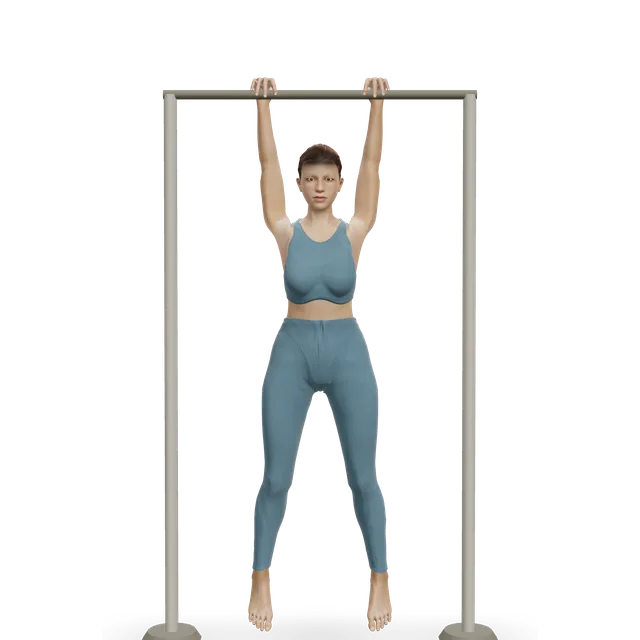 3D demoPull-upAdvanced · Pull-up bar
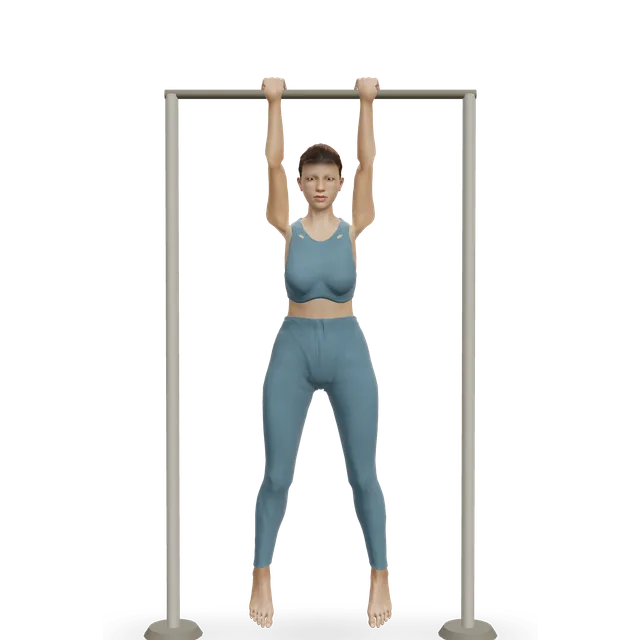 3D demoChin-upAdvanced · Pull-up bar
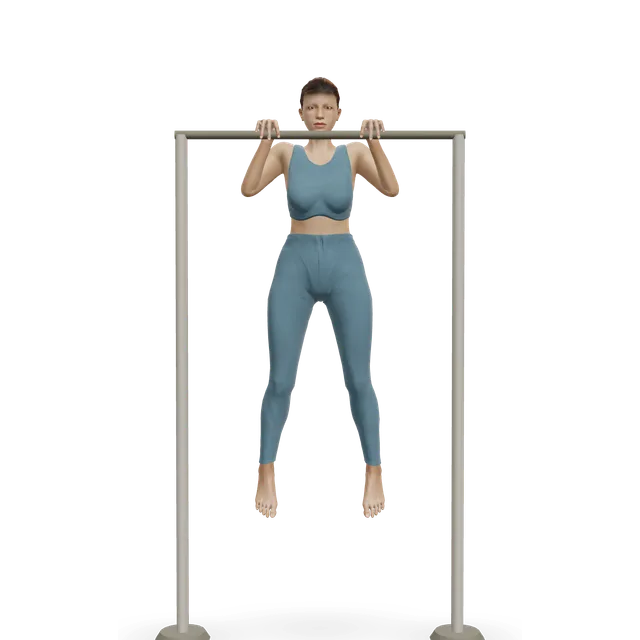 3D demoNegative pull-upIntermediate · Pull-up bar + A step
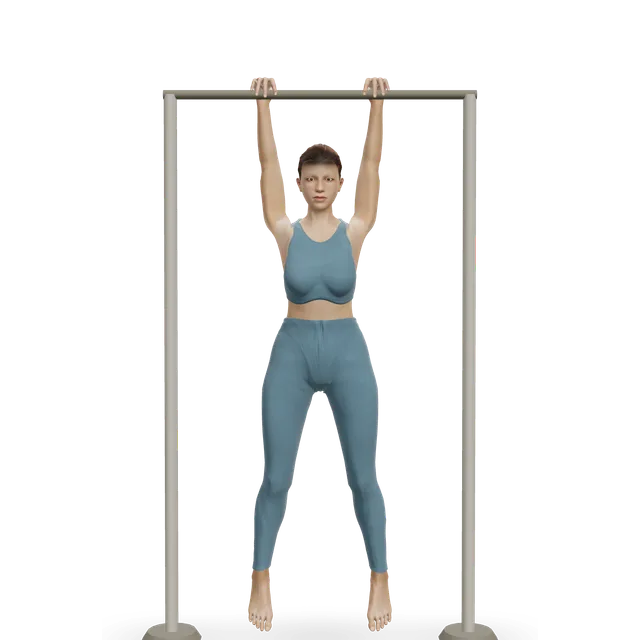 3D demoBand-assisted pull-upIntermediate · A band + Pull-up bar
 3D demoScapular pull-upIntermediate · Pull-up bar
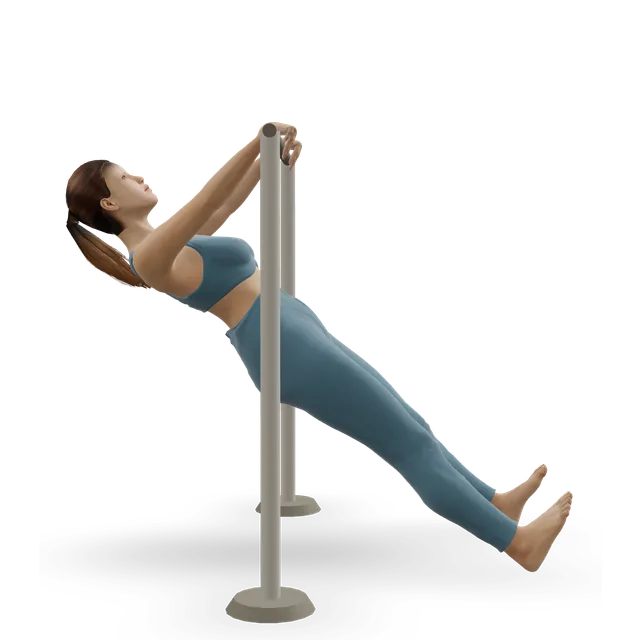 3D demoInverted rowIntermediate · Pull-up bar
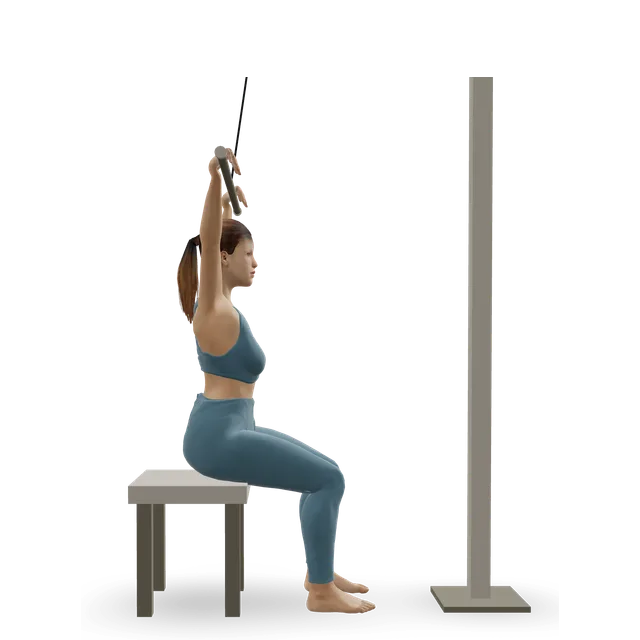 3D demoLat pulldownBeginner · A cable machine
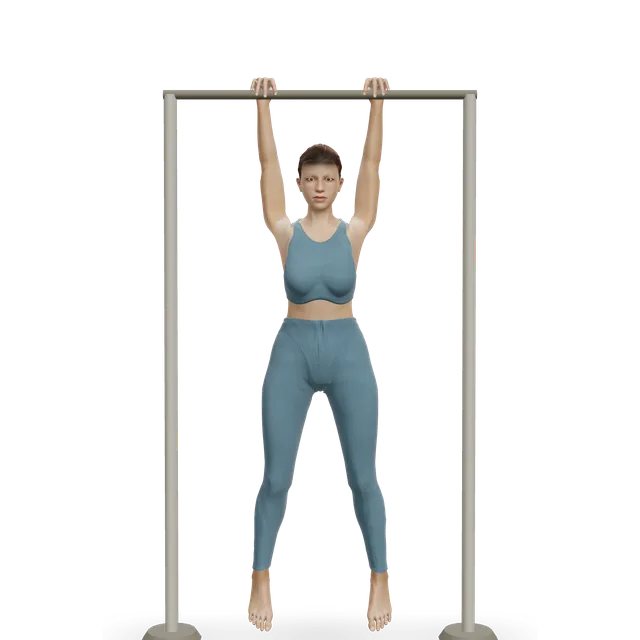 3D demoWeighted pull-upAdvanced · Pull-up bar + Something with weight
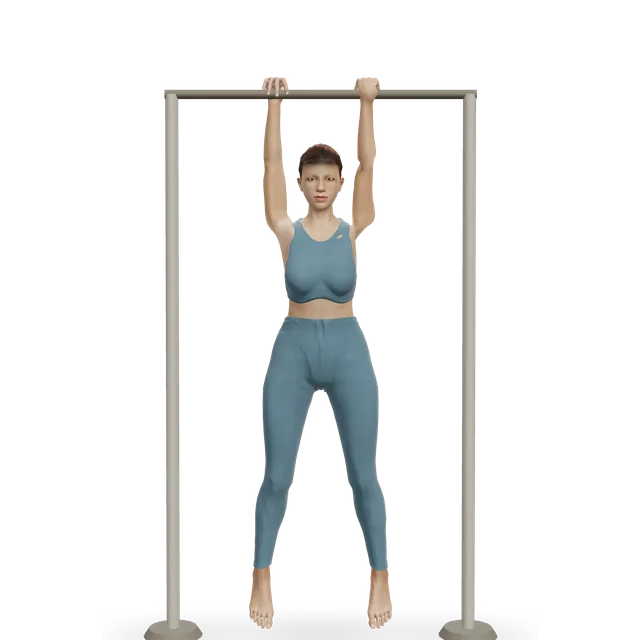 3D demoMixed-grip chin-upAdvanced · Pull-up bar
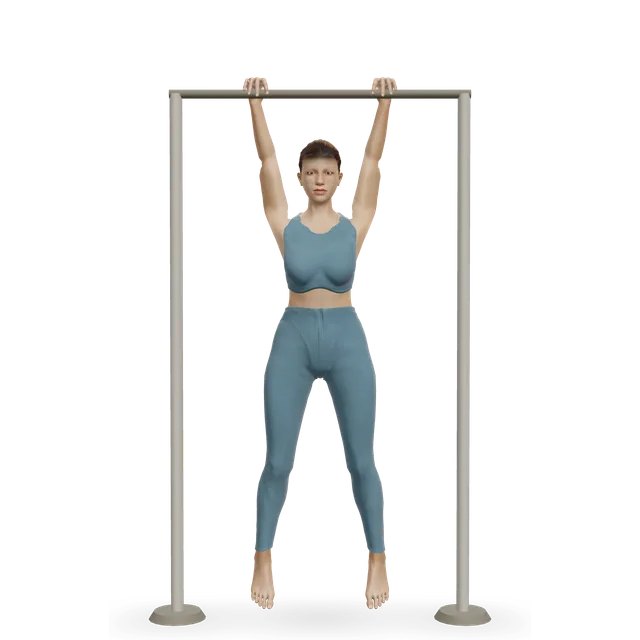 3D demoBar hangIntermediate · Pull-up bar + A step
 3D demoFarmer's carryIntermediate · A dumbbell + A kettlebell
 3D demoWrist curlsBeginner · A dumbbell
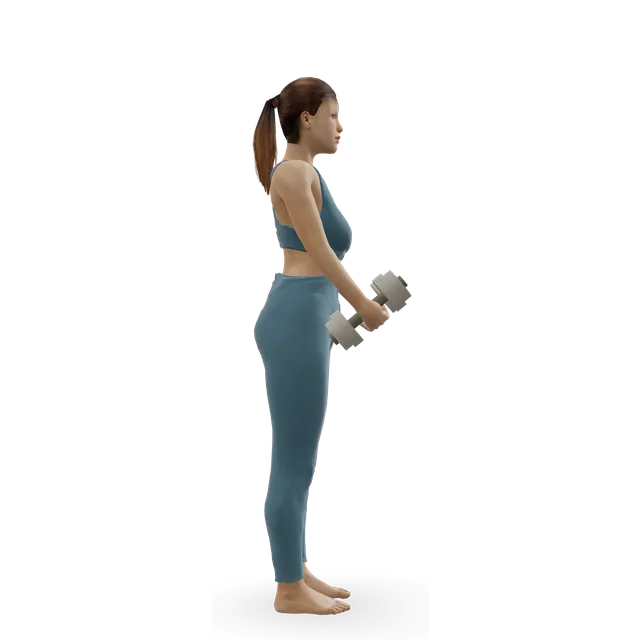 3D demoHammer curlBeginner · A dumbbell
Our more pull-ups workout is for anyone who can do 1 to 10; do it 2 or 3 times a week. Can't do one yet? Start with the first pull-up workout.
For anyone who can do 1 to 10 pull-ups: quick pull-up sets well short of failure, chin-ups, slow negatives, inverted rows and grip work.
40 minIntermediate9 movesPull-up bar, A stepTrain for your first pull-up: hangs, shoulder-blade pulls, rows, band- or machine-assisted pull-ups, slow negatives and grip work in one session.
30 minBeginner8 movesPull-up bar, A stepWork up to your first pull-up: dead hangs, scapular pulls, rows, negatives and assisted pull-ups.
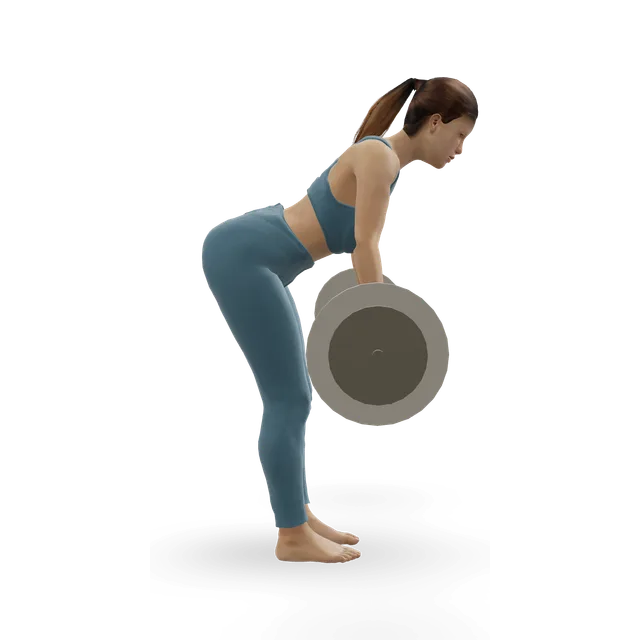
25 minBeginner7 movesPull-up bar, A stepA pull day workout for back and biceps: pull-ups, barbell rows, chest-supported rows, face pulls and curls, with sets, reps and rest.
55 minIntermediate10 movesPull-up bar, A barbellA gym back workout: lat pulldowns, cable rows, dumbbell rows, face pulls, back extensions and shrugs.
45 minBeginner8 movesPull-up bar, A bandAn advanced bodyweight strength session: pull-ups, dips, pistol squats, archer push-ups, L-sits and Nordic curls.
45 minAdvanced9 movesPull-up bar, An anchor pointA 20-minute grip session: warm up the wrists and fingers, train the hand and forearm muscles, then carry and hang to load your grip the way everyday life does.
20 minBeginner10 movesOther / check instructions, A bandA full-body calisthenics workout with a ladder for every move: rows to pull-ups, push-ups, split squats to skater squats, dips, hamstring curls and knee raises.
45 minBeginner11 movesPull-up barThe calisthenics plan builds pulling week by week, and the beginner strength programme has chin-ups in workout B.
A 12-week calisthenics plan for beginners: three bodyweight sessions a week with push-up, pull-up, squat and dip ladders, and a bar if you have one.
3 training days40 minBeginner3 days a weekA 12-week beginner barbell program: squat every session, alternate bench and row with press and deadlift, and add weight each time until it stalls.
3 training days50 minBeginnerMen who could do 3 or 4 pull-ups doubled or tripled their reps in 8 weeks in one trial; in 39 men retested after 12 weeks of training, maximum reps rose 15%; and advanced climbers gained 2 to 5% in maximum strength in 5 weeks. The better you get, the slower it goes.
These are small trials, mostly in men. Pages that promise a number of pull-ups in a set number of weeks go beyond the evidence.
Elbow pain of 3 or 4 out of 10 that settles within an hour and isn't worse the next morning is usually fine, as our elbow pain from pull-ups guide explains. Pain beyond that means cutting back.
Front-of-elbow pain: swap chin-ups for a neutral grip or rings. Shoulder pinching: use a shoulder-width grip.
Source 11
A challenge, a new class or a first week of grease the groove can double your pulling overnight. Build up over weeks instead (our suggestion).
Source 20
After a big or unusual session, such as hundreds of pull-ups, a challenge or a new class: muscle pain, swelling or weakness far worse than the session explains, and dark pee (red, brown, tea or cola coloured), sometimes starting hours or days later. It can be rhabdomyolysis, a breakdown of muscle that can harm the kidneys.
Source 22
Call 999 for sudden, severe pain in a swollen, tight muscle. Call 999 or go to A&E if your shoulder looks out of place or has changed shape after a fall from the bar, or you can't move your arm. Don't drive yourself, and don't try to put a shoulder back in yourself.
For chest pain that feels tight or like squeezing, spreads to your arms, neck or jaw, or comes with feeling sweaty, sick, light-headed or short of breath; severe difficulty breathing; or if someone faints while exercising. Don't drive yourself to A&E.
A sudden, extremely painful headache while lifting or straining, especially with a stiff neck, being sick, sensitivity to light, fainting, confusion, or drooping, weakness or slurred speech.
Lowering a heavy load, then bruising, a bulge in the upper arm or weakness turning the palm up: a possible torn biceps tendon. Don't wait for it to settle: a torn biceps tendon is best repaired within the first 2 to 3 weeks.
For sudden or very bad shoulder pain, an arm you can't move, a shoulder that's changed shape or is badly swollen, pins and needles that don't go away, or no feeling in the arm. In the US, contact your doctor or urgent care.
Source 28
If elbow or arm pain hasn't gone after a few weeks of looking after it yourself, shoulder pain hasn't improved after 2 weeks, or pins and needles or numbness in your ring and little fingers keep coming back.
Source 28
If your blood pressure is uncontrolled, or you have heart disease or chest pain when you're active, a pacemaker or defibrillator, or you're pregnant. Breathe out as you pull rather than holding your breath.
Source 29
No trial has tested it for pull-ups. Spreading training through the day matched one session for squat strength in one trial, so it may suit people who can reach a bar often and keep the sets easy. It may not suit sore elbows or shoulders, or anyone already doing 2 or 3 full pull-up sessions a week (our suggestion).
In 29 strength-trained men, sets ended once the reps slowed by a quarter improved pull-ups, while sets taken much closer to failure didn't.
Source 3
Lowering-only training mainly builds lowering strength; the trials that raised pull-up reps combined full pull-ups, rows and grip work.
You lift your own body weight, so more mass means more to pull, but strength training raised pull-up reps in trials that didn't ask anyone to change their weight. Getting stronger is what you train.
Women's heaviest pull-up relative to body weight was lower on average than men's, but they did more reps at the same percentage of their maximum, and women trained towards a first pull-up in one trial. The same plan works.
Muscle activity was similar across grips in 19 strength-trained men, a model suggested a little more lat with a wide grip, and wide grips showed shoulder-blade movements linked with shoulder pinching in 11 regular performers. A shoulder-width grip suits most people.
Practise pull-ups 2 or 3 times a week, first in your session, ending each set while the reps are still quick. Add rows, pulldowns and grip work, which raised pull-up reps in small trials.
Start with our pull-up guide and first pull-up workout: hangs, rows, assisted pull-ups and slow negatives. In one trial of a combined programme, men who could do only a few pull-ups at the start raised their reps within 8 weeks. Come back to this guide once you can do one strict rep.
Do more total pull-ups without grinding: 4 or 5 quick sets of about half your best, or 4 sets of 5 to 10 that stop 1 to 3 reps short, 2 or 3 times a week. Add chin-ups, rows and pulldowns, and retest every 2 to 4 weeks.
No trial has tested it for pull-ups. Spreading the same training through the day matched one session for squat strength in one trial, so it may work if you keep every set easy and take days off. Stop if your elbows or shoulders ache.
No. In 29 strength-trained men, sets ended once the reps slowed by a quarter improved pull-ups, while sets taken much closer to failure didn't.
They're a useful top-up while you build towards your first few reps. Lowering-only training mainly builds lowering strength, so pair negatives with full pull-ups, rows and assisted pulls.
Yes: 8 weeks of lat pulldowns raised pull-up reps in 34 men, and pulldown strength was closely linked to pull-up strength in college men. The link was weaker in women swimmers, so keep practising pull-ups too.
Our move pages suggest waiting until you can do about 10 strict pull-ups, which is our editorial threshold. Start with 2.5 to 5 kg for 3 to 5 sets of 3 to 6, stopping 2 reps short. No trial has tested whether weighted pull-ups raise your reps at body weight.
The lats work hard with every grip; chin-ups add more biceps, and overhand pull-ups a little more upper back. Wide and underhand grips showed shoulder-blade movements linked with shoulder pinching in one small study, so a shoulder-width grip suits most people.
You lift your own weight, so your strength for your size decides your reps. That doesn't mean you need to change your weight: in trials, strength training alone raised pull-up reps.
There's no fixed timeline. In one trial, men who could do 3 or 4 doubled or tripled their reps in 8 weeks, and in another, men's maximum reps rose 15% over 12 weeks of training. Progress slows as you get better.
Usually because the pulling has got ahead of what your elbow tendons are ready for. Cut back, switch to a neutral grip or rings, and follow our elbow pain from pull-ups guide; dark urine with severe muscle pain after a big session needs a same-day check.
Exercise education, not a personal prescription, and clinical review of these guides is pending. Check with a GP before starting hard training if you have a heart condition, chest pain, dizziness or breathlessness when active, and stop for sharp or increasing pain. Health disclaimer.