Sport

Triathlon training: strength, bricks and the injuries triathletes get, and how to stay safe in the open-water swim

Triathlon strings together a swim, a bike ride and a run, from a 750 m swim in a sprint to a full Ironman. Most injuries are running overuse injuries, built up across three sports' worth of training, and bone stress injuries cost elite triathletes the most time. The swim needs particular respect: check with a GP first if you have heart symptoms or a family history of sudden death, swim within your ability, and stop and signal for help if you feel unwell in the water. In US races, most deaths and cardiac arrests happened in the swim, mostly in middle-aged and older men.

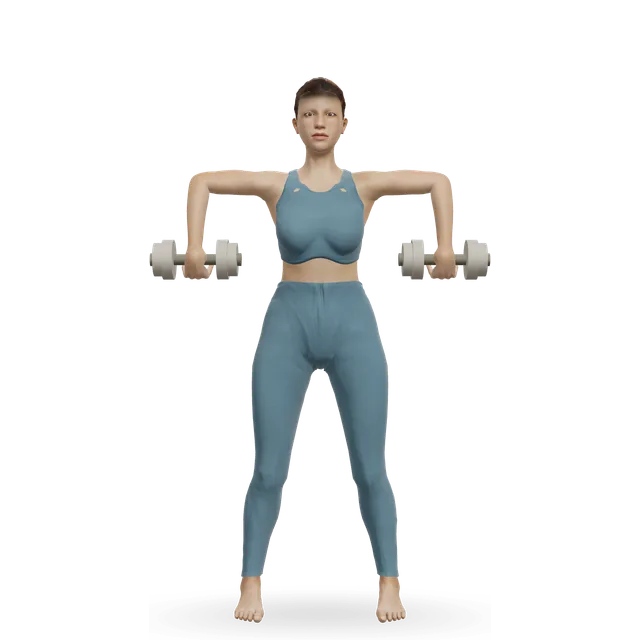
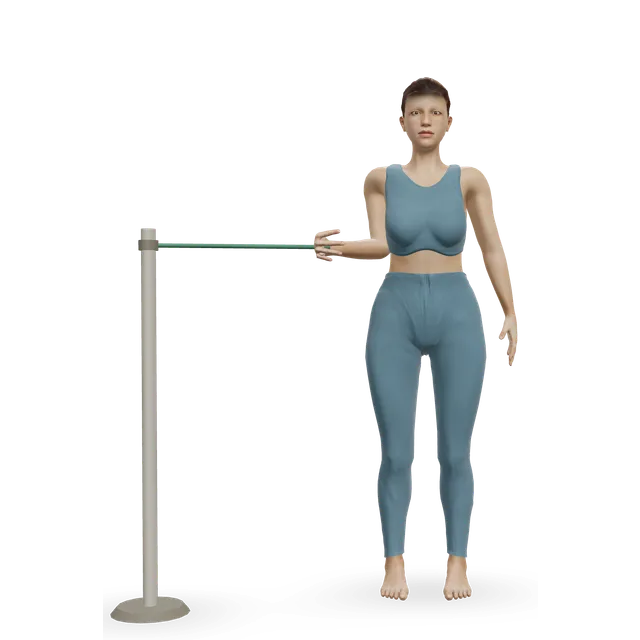
This guide covers what triathlon asks of your body, the common injuries, open-water safety and wetsuit rules, the heart and swimming-induced pulmonary oedema, drinking, heat and cold, the strength training that made triathletes more economical in trials, bricks, and who should check with a GP before a first race. It includes a strength workout for triathletes and a beginner brick session, with a 3D demo of every move. We're not connected with British Triathlon, World Triathlon or any race organiser.

The short version

Respect the swim

Check first if you have heart symptoms, a heart condition or a family history of sudden death, swim within your ability, and stop and signal for help if you feel unwell in the water. In US races, most deaths and cardiac arrests happened in the swim.

Sources 1, 2

Know the signs of swimming-induced pulmonary oedema

Sudden breathlessness and coughing in the water, sometimes with frothy or pink spit, can be fluid in the lungs (swimming-induced pulmonary oedema, SIPE). Get out of the water and get help: it can happen again.

Sources 3, 4

Most injuries come from running

45% to 92% of short-course triathletes' injuries happened running, and knees, lower legs and lower backs led in long-distance triathletes.

Sources 5, 6

Bone stress injuries cost the most

Over 4 years, 40% of 50 elite Australian triathletes had a bone stress injury, and women had about 3 times the rate of men.

Source 7

Strength training helps

Heavy strength training made triathletes more economical, using less energy at the same speed, in two trials, and body weight didn't change in the longer one.

Sources 8, 9

Drink to thirst

In a New Zealand Ironman, most severe cases of low blood sodium came from drinking too much.

Source 10

What triathlon asks of your body

The distances

Standard (Olympic) distance is a 1.5 km swim, 40 km bike and 10 km run, and sprint is half that: 750 m, 20 km and 5 km. A full Ironman is a 3.8 km swim, 180 km bike and 42.2 km run. An Olympic-distance race takes most people 2 to 4 hours. Under World Triathlon's rules, age-groupers can't draft on the bike in standard, middle and long-distance races; sprint races can go either way.

Sources 11, 10, 12, 13

Mostly aerobic, in a set order

The Compendium of Physical Activities gives swimming in a lake, sea or river about 6.0 metabolic equivalents (METs), an estimated value, a 5 km open-water swim 10.5, and cycling at 16 to 19 mph without drafting 12.0. Swimmers often leave the water cool and somewhat dehydrated and go straight onto the bike, and the run comes last, often in the heat of the day. Running straight after cycling costs 1.6% to 11.6% more energy than running fresh, with a more forward-leaning trunk.

Sources 14, 15, 12, 16

Where the load falls

The sites the studies point to:

  • Shoulders: freestyle's overhead stroke, though swimming has the lowest injury rate of the three.
  • On the bike: knees, lower back, neck and hands, as our cycling page explains.
  • On the run: knees, Achilles, shins and feet, where most overuse injuries happen.
  • Bone: bone stress injuries cost elite triathletes the most time.

Sources 17, 5, 6, 7

Hours across three sports

Long-distance age-groupers in one survey trained 14.9 hours a week on average, and every hour adds to the load on the same legs.

Source 18

What goes with more injuriesEmerging evidence

In British squad triathletes, Ironman athletes' overuse injuries tracked the amount of fast running and cycling, and the authors suggest cycling and running add up. Elite women had about 3 times the rate of bone stress injuries, and in female triathletes, spells without periods are a sign of not eating enough for your training. These are associations.

Sources 19, 7, 20

What to train (our reading)

Aerobic fitness in all three sports, built gradually and mostly easy; open-water skills such as sighting, starting in a crowd and calm breathing; heavy strength work for the legs and calves; pulling and shoulder work for the swim; and running off the bike.

Common injuries

Each study counted injuries its own way, so the figures in different lines aren't comparable.

How often triathletes get hurtEmerging evidence

The numbers, by group:

  • Iron-distance triathletes (174), over 26 weeks before a race: on average 56% had an overuse problem at any one time, and 20% a substantial one.
  • Short-course triathletes, 42 studies: 15.7 to 24.3 injuries per 1,000 athlete-exposures (one triathlete at one session or race), and 45% to 92% of injuries while running.
  • Long-distance triathletes, 6 studies: 37% to 91% had an overuse injury.
  • Elite Australian short-course triathletes (50), over 4 seasons: 1.87 injuries per athlete per year.
  • A 2022 survey: 58.5% of injuries were overuse injuries, 73.8% were in the legs, and 87% of injured triathletes missed or changed training.

Sources 6, 5, 21, 7, 22

Running injuriesEmerging evidence

Most triathlon injuries happen running. In iron-distance triathletes, the knee (25% of overuse problems), the lower leg (23%) and the lower back (23%) led. Our runner's knee, Achilles tendinopathy, shin splints and plantar fasciitis guides cover the commonest.

Sources 6, 5

Bone stress injuriesEmerging evidence

The costliest injury in elite triathletes: 40% of 50 had one over 4 years, and women had about 3 times the rate. Not eating enough for your training harms bone, and in 30 female triathletes, 23% had gone more than 90 days without a period. Our stress fracture guide covers treatment.

Sources 7, 20, 23

Bike crashes and the lower backEmerging evidence

Acute injuries in iron-distance triathletes were mostly bruises, fractures and sprains, often at the knee, shoulder, collarbone and ribs, and 15 of 135 deaths in US races were from trauma on the bike. A helmet and bike handling matter, and our cycling page covers bike fit for the lower back.

Sources 6, 1

ShouldersMixed evidence

Swimming has the lowest injury rate of the three, but freestyle's overhead stroke loads the shoulder. Our swimming page covers shoulder care.

Source 17

Race medical problemsEmerging evidence

At the Ironman World Championship over 30 years, there were 222 medical encounters per 1,000 starters, most often for dehydration and nausea, and more in women, under-35s and over-70s. At Ironman Italy, 3.3% of starters needed care, mostly for exhaustion, hypothermia and dehydration, and long races had more than twice the rate of Olympic and middle-distance ones.

Sources 24, 25

Deaths and cardiac arrests in US racesEmerging evidence

First, what to do: check with a GP before you race if you have heart symptoms, a heart condition or a family history of sudden death young; swim within your ability; and stop and signal for help if you feel unwell in the water.

A US registry found 135 deaths and cardiac arrests in triathlons from 1985 to 2016, and 90 of the sudden deaths and arrests happened in the swim. From 2006 to 2016, the rate in US races was 1.74 per 100,000 participants: 2.40 in men, 0.74 in women, and 18.6 in men aged 60 and over. In those examined after death, 27 of 61 (44%) had heart disease that mattered, most often narrowed coronary arteries or heart muscle disease. We read the study's abstract only, and UK figures aren't known.

Sources 1, 2

Low blood sodiumEmerging evidence

In 330 New Zealand Ironman finishers, 18% had low blood sodium (hyponatraemia), and most severe cases came from drinking too much. In a later race, anti-inflammatory painkillers raised the risk. See drinking, heat and cold below.

Sources 10, 26

What prevents injuries

No triathlon injury prevention programme has been tested in a trial. The notes below use evidence from other sports, safety guidance and race rules, and say so.

No tested programmeMixed evidence

We found no randomised or controlled trial of an injury prevention programme in triathletes. A programme of load monitoring, strength training, cycling skills and recovery in 28 elite triathletes ran at 0.65 injuries per 1,000 hours over 3 seasons, with nothing to compare it with. Reviewers recommend planned training, load monitoring and strength work.

Sources 27, 28

Strength training, borrowed from other sportsStrong evidence

Across 25 trials in many sports, strength training cut injuries to about a third, and stretching made no difference. It hasn't been tested on triathletes' injuries, but it's the best-supported option.

Source 29

Manage the load across three sportsEmerging evidence

In British squad triathletes, Ironman athletes' overuse injuries tracked their fast running and cycling, and keeping training going by adding load in another sport when injured may raise the chance of the injury coming back. Our suggestion: build one sport at a time, count your total weekly hours across all three, and when injured rest the injured part rather than piling hours into the others.

Source 19

Build your running carefully

Most triathlon injuries come from running, so our running page's advice applies: single runs much longer than your longest of the past month went with more injuries, and runs build best a little at a time.

Eat enough for your trainingStrong evidence

When you eat too little for the training you do, your body saves energy by turning down other jobs. The International Olympic Committee (IOC) calls this REDs (relative energy deficiency in sport, also written RED-S), and it harms bone in women and men. Missed periods or bone stress injuries mean seeing a GP: our women's guide explains.

Sources 23, 20

Safety in the waterStrong evidence

Open-water safety guidance and race wetsuit rules lower the risks of the swim: see open-water swimming safety below.

Sources 30, 31, 13

What isn't shownMixed evidence

Stretching doesn't prevent injuries, though in one survey 64.9% of uninjured triathletes believed stretching or foam rolling helped them. Whether brick sessions improve the cycle-to-run transition hasn't been tested.

Sources 29, 22, 16

Training for performance

Heavy strength training improves economyEmerging evidence

In 15 triathletes, two heavy weight sessions a week added to endurance training for 14 weeks improved maximal strength and running economy. In 25 long-distance triathletes, 26 weeks of strength training, building from sets of 8 to 12 at up to 75% of the one-rep maximum to sets of 1 to 6 at 85% or more, made cycling and running more economical in a simulated race, without changing body weight; endurance training alone didn't.

Sources 8, 9

Stiffer tendonsEmerging evidence

In well-trained triathletes, 12 weeks of maximal strength training 3 times a week raised squat strength by 20% and the stiffness of the Achilles and kneecap tendons by 39% and 16%.

Source 32

Most triathletes don't liftEmerging evidence

In a survey of 390 long-distance triathletes, 54.6% did strength training; those who didn't mostly blamed time and not knowing how to progress or lift well.

Source 18

How hard to trainMixed evidence

In 18 recreational triathletes, both mostly-easy patterns of training led to half-Ironman races, and more time in zone 2 went with faster times, an association. Our zone 2 guide finds no clear winner between training patterns, and most training should be easy.

Source 33

Running off the bikeMixed evidence

Running after cycling costs 1.6% to 11.6% more energy than running fresh, depending on ability. Practising it in a brick session makes sense for familiarity, but whether it improves the transition hasn't been tested.

Source 16

Fitting it in

Our suggestion: two strength sessions a week in the base and build phases and one in the race season; progress from sets of 8 to 12 to heavier sets of 3 to 6 over months, as the long-distance trial did; keep heavy leg work at least 48 hours before a key bike or run session or a race; leave at least 3 hours between strength and hard endurance sessions on the same day, as our cardio and weights guide suggests; and do one brick a week or fortnight in the last 6 to 8 weeks before a race.

Source 9

Open-water swimming safety

Cold water shockStrong evidence

Getting into water at 15°C or colder can make you gasp and breathe up to 10 times faster, and your heart rate and blood pressure jump, which RoSPA (the Royal Society for the Prevention of Accidents) says can cause a heart attack even if you're in good health. The sea around the UK and Ireland averages just 12°C. Float to Live, in the five steps of the RNLI (Royal National Lifeboat Institution): tilt your head back with your ears under the water; relax and control your breathing; move your hands and legs to help you stay afloat; your legs may sink, and that's OK; and find your float by practising at a supervised place. A wetsuit keeps you warmer and lowers the risk of shock.

Sources 31, 47

Swim safelyStrong evidence

The Royal Life Saving Society UK (RLSS UK) advises: don't swim alone; swim at a lifeguarded venue, beach or accredited open-water venue; wear a brightly coloured hat and use a tow float, though it isn't a lifesaving device; swim parallel to the shore; and plan your exits. It doesn't recommend beginners swim in water below 12°C, and says a wetsuit is generally safer, especially at 18°C or lower, though you can still get cold water shock and hypothermia in one. If you're new to exercise or returning after a long break, it suggests a medical check-up and telling your GP you plan to swim in cold open water.

Source 30

If you get into troubleStrong evidence

Fight your instinct to thrash around: turn on your back, lean back, get your breathing under control, then think about getting out. In a race, raise an arm for the safety crew. To help someone else, tell them to float on their back and call 999 (the Fire Service inland, the Coastguard at the coast); don't go in yourself.

Source 30

Rip currents in sea swimsStrong evidence

Rip currents are strong currents running out to sea, and most incidents that RNLI lifeguards deal with in the UK and Ireland involve them. If one takes you, don't swim against it: Float to Live, wade if you can stand, swim parallel to the shore until you're free, and raise a hand and shout for help. Our surfing page has the full advice.

Source 48

Too coldStrong evidence

Get out and warm up if you're shivering, numb or tingling, slowing down and becoming upright, stiff, confused, blue around the lips, unusually tired, breathing fast or struggling to speak. The UK's National Health Service (NHS) says go to A&E (accident and emergency) or call 999 if you think someone has hypothermia.

Sources 30, 34

Wetsuit rules in racesStrong evidence

World Triathlon's rules for age-group athletes:

  • Wetsuits are compulsory at 15.9°C or colder, and must then cover at least the torso.
  • They're banned at 22°C or warmer for swims up to 1,500 m (age-groupers under 60), and at 24.6°C or warmer for longer swims and for athletes 60 and over.
  • The official water temperature is announced an hour before the start, and the swim can be shortened or cancelled because of the air temperature.
  • We couldn't check British Triathlon's own rules, so check your race's rules too.

Source 13

Practise before race day (our suggestion)

Practise in open water with others before your race; start at the side or back if you're nervous; warm up and get your face wet where it's allowed; and swim the first minutes at an effort you can breathe comfortably at.

Source 30

The heart and lungs in the swim

What to do first

Check with a GP before your first race if you have heart symptoms such as chest pain, palpitations or fainting with exercise, a heart condition, high blood pressure, or a family history of sudden death at a young age. The Physical Activity Readiness Questionnaire for Everyone (PAR-Q+) also asks anyone over 45 who isn't used to hard exercise to talk to a qualified exercise professional first. In the water, swim within your ability, and stop and signal for help if you feel unwell.

Sources 2, 35

Deaths and cardiac arrestsEmerging evidence

In US races, most deaths and cardiac arrests happened in the swim, mostly in middle-aged and older men, at 1.74 per 100,000 participants from 2006 to 2016, similar across race distances. In those examined after death, 27 of 61 (44%) had heart disease that mattered. In another series of deaths, a thickened heart muscle was commoner than expected, and the authors suggest some swim deaths were fluid in the lungs. A review of triathlon medicine calls the sport relatively safe for people of all ages, provided high-risk adults are screened. We read these as abstracts, and UK figures aren't known.

Sources 1, 36, 12

Swimming-induced pulmonary oedema (SIPE)Emerging evidence

During hard swimming, usually in cold open water, fluid can leak into the lungs. The signs are sudden breathlessness out of proportion to your effort, coughing, and sometimes frothy or pink spit; it can also cause seizures or loss of consciousness, which is dangerous in water. Get out of the water at once and get help. It usually settles within 24 hours, but about 30% have it again, and an episode should prompt checks of your heart and lungs before you swim again. The evidence comes from surveys and small case series.

Sources 3, 37, 4, 38

Who gets SIPEEmerging evidence

In a US survey, 1.4% of triathletes had had symptoms, more often with high blood pressure, races of half-Ironman distance or longer, female sex and fish oil supplements. Most reported cases are women aged 30 to 60 in long races, and a tight wetsuit and cold water are suspected contributors. In one series, 72% of people with it had another relevant condition, such as high blood pressure or a heart problem.

Sources 39, 40, 38

Atrial fibrillationEmerging evidence

Across observational studies, athletes had about two and a half times the odds of atrial fibrillation, an irregular heart rhythm, compared with non-athletes. Palpitations or an irregular pulse need a GP, and our heart disease guide has more.

Source 41

Drinking, heat and cold

Drink to thirstEmerging evidence

In 330 New Zealand Ironman finishers, 18% had low blood sodium, and 8 of the 11 severe cases had kept their weight or gained it during the race, a sign of drinking too much. In a later race, 1.8% were affected, and anti-inflammatory painkillers such as ibuprofen, taken by 30%, raised the risk. Our reading: drink to thirst and the conditions rather than a set amount, and avoid those painkillers in long races.

Sources 10, 26

HeatStrong evidence

The NHS lists tiredness, dizziness, a headache, feeling sick, heavy sweating, cramps, a high temperature and thirst as signs of heat exhaustion: move somewhere cool, remove unnecessary clothing, drink, and cool the skin. Call 999 for heatstroke signs, including still being unwell after 30 minutes of cooling, hot skin that isn't sweating, confusion, a seizure or loss of consciousness.

Source 42

Cold after the swimStrong evidence

Swimmers can leave the water colder than they realise. The NHS says hypothermia (shivering, pale, cold skin, slurred speech, slow breathing, tiredness or confusion) needs A&E or a 999 call: move the person somewhere sheltered, remove wet clothing and wrap them up.

Sources 12, 34

A warm-up for triathlon: race day and open water

Built on RoSPA's and RLSS UK's open-water advice and the site's warm-up guide (editorial). No triathlon warm-up has been tested on injuries or safety.

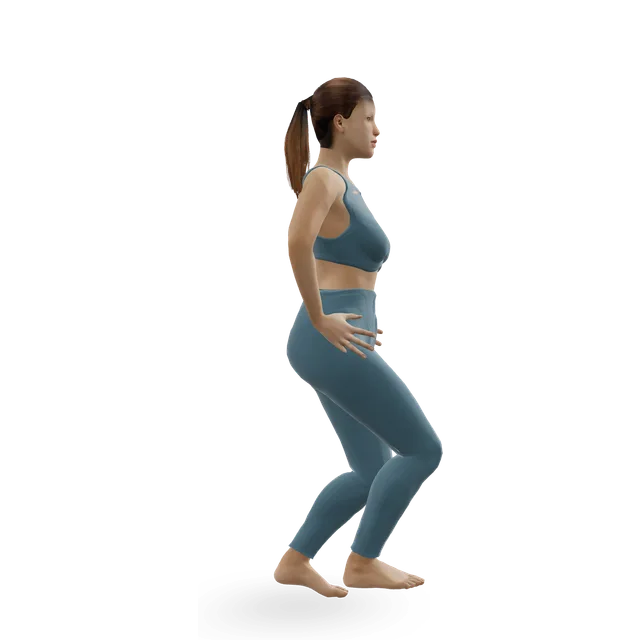
  1. On land, for about 5 minutes: brisk walking or an easy jog, then marching on the spot.
  2. Shoulders: 10 arm circles each way, 15 band pull-aparts and 12 band external rotations on each arm.
  3. Hips, calves and ankles: 3 slow hip circles on each leg, 6 walking lunges on each leg and 2 sets of 20 small bounces.
  4. Wetsuit on, then into the water if it's allowed: walk in gradually, splash your face, then put your face in and breathe out slowly until your breathing settles. If the cold makes you gasp, float on your back, relax and breathe.
  5. Swim easily for about 5 minutes, building to a few 20-stroke efforts with sighting. If you can't swim before the start, do the shoulder work on land.
  6. Plan your start: choose your position, at the side or back if you're nervous, and know where the exits and the safety crew are. If you get into trouble, roll onto your back and raise an arm.
  7. Off the bike, run the first kilometre easily: running off the bike costs more energy than it feels like.

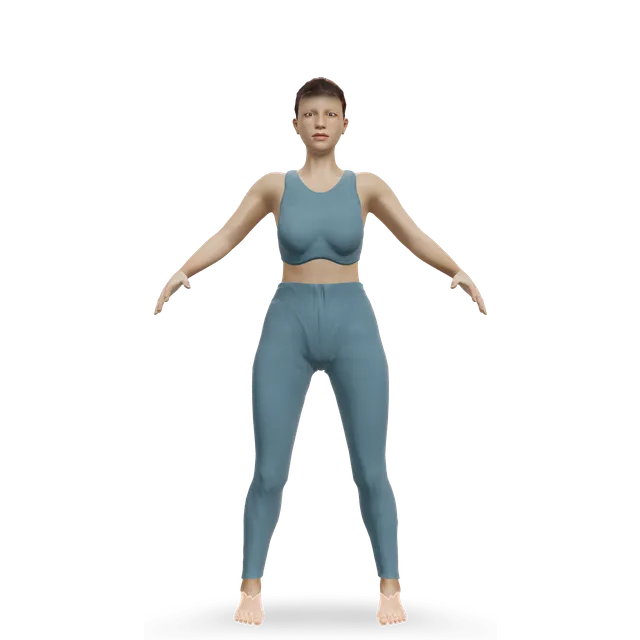
Loading the 3D figure…

Gets into position, then repeats the movement. Technical checks passed; qualified exercise review is pending.

The movement on the figure: Arm circles

Moves for triathlon

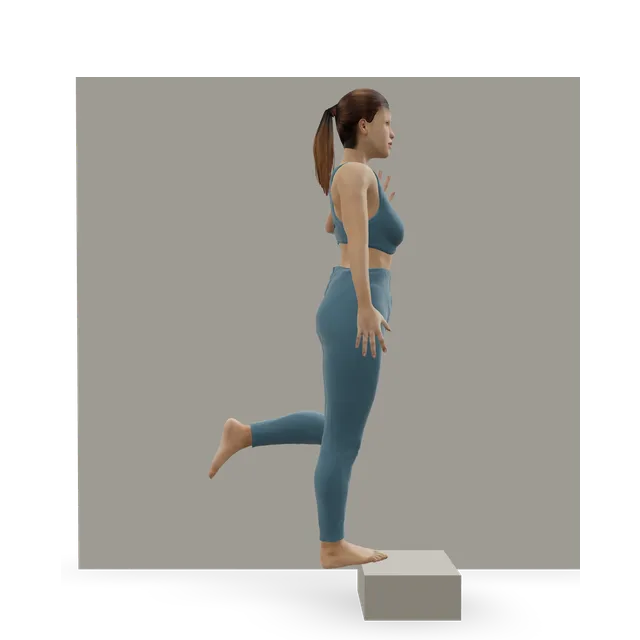
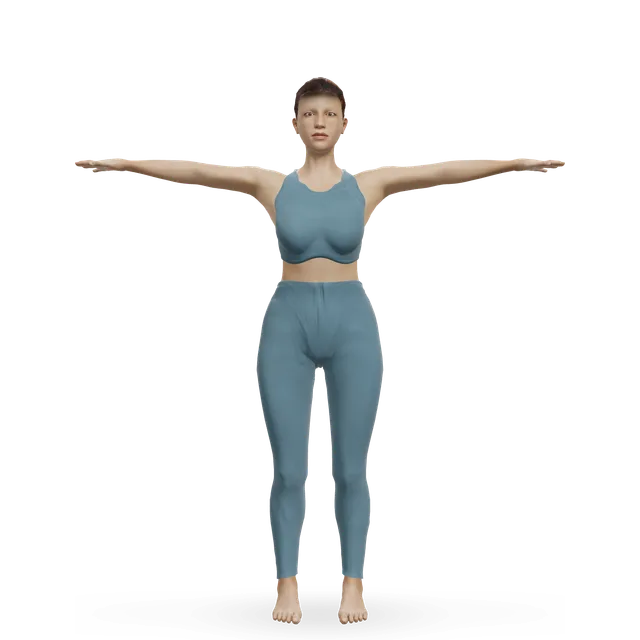
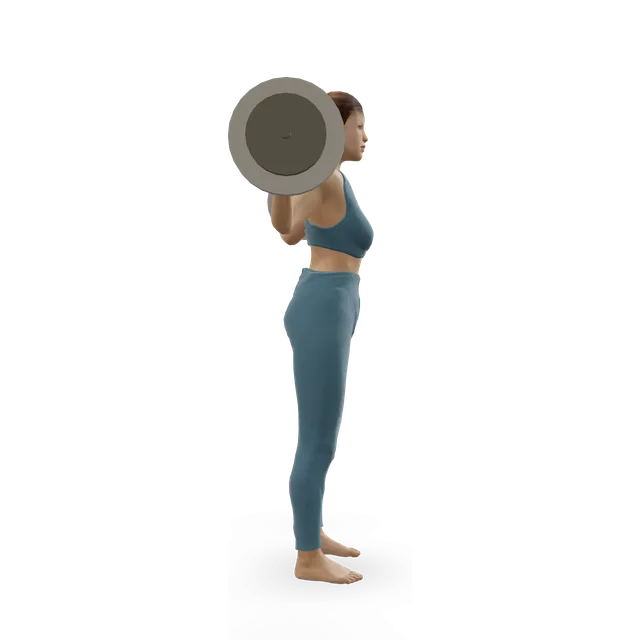
The strength workout's lifts and the warm-up's key moves. Each has a 3D demo.

Workouts

The first two are new: a strength workout for triathletes and a beginner brick session. The others build each leg: cycling and running strength, mobility and warm-ups, swimmers' dryland and shoulder work, easy and long runs, intervals, and post-run stretches.

Strength workout for triathletes: heavy legs, calves, pulling and trunk

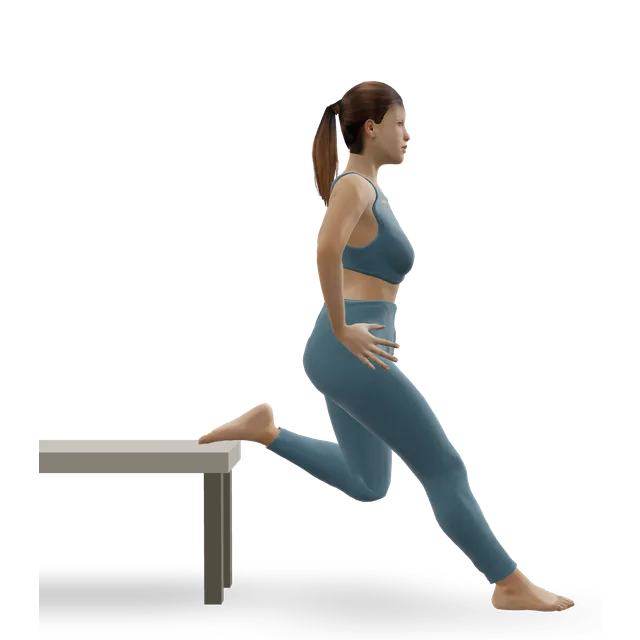
A strength session for triathletes: squats, Romanian deadlifts, split squats, heavy calf raises, pulldowns, rows and trunk work, building to heavier sets.

50 minIntermediate13 movesCardio machine, A band

Brick workout for beginners: easy bike, then an easy run

A beginner brick: an easy then a steady ride, a calm change of shoes, 10 to 15 minutes of easy running, then a walk and calf and hip stretches.

50 minBeginner5 movesCardio machine, A wall

Strength workout for cyclists (gym)

A 50-minute gym session for cyclists: heavy squats, one-leg presses, hip flexion and calf raises as in the cycling trials, plus jumps for bone.

50 minIntermediate13 movesCardio machine, A barbell

Mobility routine for cyclists

A 15-minute routine for cyclists: hips, upper back, chest, neck and wrists through the ranges riding doesn't use, plus back and neck endurance.

15 minBeginner12 movesA foam roller, A wall

Strength workout for runners (gym)

A 45-minute gym strength workout for runners: hops, heavy squats, Bulgarian split squats, calf raises and side planks, with sets, reps and rest.

45 minIntermediate13 movesA wall, A bench or box

Injury prevention exercises for runners

Foot, calf, balance and hop exercises taken from the running trials with positive results, in a 25-minute home routine for 3 or 4 days a week.

25 minBeginner11 movesOther / check instructions, A bench or box

Runner's warm-up

An 8-minute dynamic warm-up for runners: ankle and hip mobility, lunges, skips and pogo hops.

8 minIntermediate8 movesA wall

Dryland workout for swimmers

A 45-minute dryland session for swimmers: jumps for starts and turns, heavy pulls, leg strength and trunk work, twice a week alongside the pool.

45 minIntermediate14 movesA band, A bench or box

Shoulder care routine for swimmers

A 20-minute rotator cuff and shoulder-blade routine for swimmers, from a 12-week trial in competitive swimmers, plus a daily cross-body stretch.

20 minBeginner9 movesA wall, A dumbbell

Easy run (30 minutes)

A 40-minute easy run at a pace where you can talk in full sentences, with a brisk-walk warm-up and an easy cool-down: the base of every running plan.

40 minBeginner6 movesCardio machine, A wall

Long run with walk breaks

Your weekly long run: 50 minutes at an easy, conversational pace with an optional 1-minute walk every 9 minutes, and how to fuel and drink on longer runs.

60 minIntermediate6 movesCardio machine, A wall

Norwegian 4x4 interval workout

The Norwegian 4x4, a well-studied interval session for raising VO2 max: four 4-minute hard efforts with 3 easy minutes between, on a bike, rower or treadmill.

40 minIntermediate3 movesCardio machine, A wall

Post-run stretches

Seven stretches for after a run: calves, soleus, quads, hip flexors, hamstrings and glutes.

10 minBeginner7 movesA wall

Plans

There's no triathlon plan on the site yet. The running plans build the run, and the strength plan for runners fits around swimming and cycling.

Who should check first

Heart symptoms, a heart condition or a family history of sudden death

Chest pain, palpitations, dizziness or fainting with exercise, a heart condition, or a relative who died suddenly when young: see your GP, who may refer you to a cardiologist, before your first race. In those examined after a death in a US race, 44% had heart disease that mattered.

Sources 2, 1, 35

Over 45 and not used to hard exercise

The PAR-Q+ asks you to talk to a qualified exercise professional before vigorous exercise. Start with shorter races and build up.

Source 2

High blood pressure

It went with SIPE in a survey of triathletes, and the PAR-Q+ asks about it: get it treated and checked before open-water racing (our suggestion).

Sources 39, 2

A previous episode of SIPE

About 30% have it again, and an episode should prompt heart and lung checks before you swim again. Swim with a safety crew, and tell the race organiser.

Sources 4, 38

Not a confident open-water swimmer

Don't swim alone, and practise at a lifeguarded or accredited venue first. A pool-swim triathlon is a good first race (our suggestion).

Source 30

New to cold open water, or coming back after a long break

RLSS UK suggests a medical check-up and telling your GP you plan to swim in cold open water.

Source 30

Epilepsy, type 1 diabetes or asthma

Open water needs extra plans: a swim buddy who knows what to do and a word with the safety crew for epilepsy, fast-acting sugar to hand because a hypo in the water must be avoided, and your inhaler and action plan for cold air. Our epilepsy, type 1 diabetes and asthma guides explain.

Pregnant

The NHS says swimming can be good in pregnancy, and advises against activities with a risk of falling. Talk to your midwife: our pregnancy guide prefers an exercise bike to cycling on the road as your balance changes.

Source 43

Missed periods or a bone stress injury

See a GP: both can be signs of not eating enough for your training. Our women's guide explains the checks.

Sources 7, 20

When to stop and get help

Trouble breathing in the water

Sudden breathlessness, a cough, frothy or pink spit, or a tight chest: stop, roll onto your back, raise an arm for the safety crew and get out. If it doesn't settle quickly, call 999 (our suggestion), and don't swim again until a doctor has checked your heart and lungs.

Sources 3, 37, 30

Chest pain: call 999

Call 999 for sudden chest pain or discomfort that doesn't go away, pain that spreads to your arms, neck, jaw, stomach or back, or chest pain with sweating, feeling sick, light-headedness or breathlessness.

Source 35

Fainting: call 999

Call 999 if someone faints while exercising, can't be woken within a minute, or has chest pain or a pounding, fluttering or irregular heartbeat.

Source 44

Too cold

Shivering, numbness, slowing down, stiffness, confusion, blue lips or slurred speech: get out and warm up. Go to A&E or call 999 if you think someone has hypothermia.

Sources 30, 34

Heatstroke: call 999

Call 999 if someone is still unwell after 30 minutes of cooling, or has a very high temperature, hot skin that isn't sweating, a fast heartbeat, fast breathing or shortness of breath, confusion, a seizure or loss of consciousness.

Source 42

Confused or vomiting after a long race

Confusion, a severe headache, repeated vomiting or a seizure after a long race needs emergency help: call 999. Low blood sodium from drinking too much is one cause (our reading).

Source 10

A head injury from a crash

Call 999 if someone has been knocked out, can't stay awake, has a fit, or has new numbness, weakness or problems with vision, speaking or walking. If in doubt, sit them out, and follow the UK's grassroots concussion guidelines and our concussion guide: no competition before day 21.

Sources 45, 46

Bone pain that builds

Pain in one spot of a bone that builds with running, then aches at rest or at night, can be a stress fracture: stop running and get it checked. Our stress fracture guide explains.

Myths

"The run is the dangerous part"Emerging evidence

Most deaths and cardiac arrests in US triathlons happened in the swim.

Source 1

"If you're fit enough for a triathlon, your heart is fine"Emerging evidence

In those examined after a death in a US race, 44% had heart disease that mattered. Fitness doesn't rule it out, so check first if you have symptoms or a family history.

Source 1

"Lifting weights will slow you down or make you heavy"Emerging evidence

Heavy strength training made triathletes more economical in two trials, and in the longer one body weight didn't change.

Sources 8, 9

"Injured? Just swim and bike more instead"Mixed evidence

Shifting extra load into another sport when injured may raise the chance of the injury coming back.

Source 19

"Drink as much as you can in a long race"Emerging evidence

Severe low blood sodium in an Ironman came mostly from drinking too much. Drink to thirst.

Source 10

"A wetsuit makes cold water safe"Strong evidence

It lowers the risk of cold water shock, but you can still get cold water shock and hypothermia in one.

Sources 31, 30

"Coughing after a hard swim is just water down the wrong way"Emerging evidence

Breathlessness with a cough and frothy or blood-stained spit can be swimming-induced pulmonary oedema, which can come back. Get checked.

Sources 4, 3

"Bricks are essential"Mixed evidence

Running off the bike costs more energy, but whether practising it improves the transition hasn't been tested.

Source 16

Questions people ask

How should a beginner train for a triathlon?

Build each sport gradually, mostly at an easy pace you can talk at, add two strength sessions a week, practise open-water swimming somewhere supervised, and try a few easy bricks before race day. Most triathlon injuries come from running, so build your running carefully.

How far is a sprint triathlon?

A 750 m swim, a 20 km bike ride and a 5 km run: half the standard (Olympic) distance of 1.5 km, 40 km and 10 km. A full Ironman is 3.8 km, 180 km and 42.2 km.

Should triathletes do strength training?

Yes: in two trials, adding heavy strength training made triathletes more economical. Two heavy sessions a week for 14 weeks improved running economy, and 26 weeks of progressively heavier lifting improved cycling and running economy without changing body weight. Keep heavy leg sessions away from your key bike and run sessions.

What is a brick workout?

A bike session followed straight away by a run, to get used to running on tired legs, which costs more energy. It's sensible practice, though there's no evidence that it improves the transition itself.

Is triathlon dangerous?

For most people it's a healthy sport, but check with a GP first if you have heart symptoms or a family history of sudden death, swim within your ability, and stop and signal for help if you feel unwell in the water. In US races, deaths and cardiac arrests happened at about 1.7 per 100,000 participants, mostly in the swim and in men over 40, often with heart disease that hadn't been found.

What is swimming-induced pulmonary oedema?

Fluid leaking into the lungs during hard swimming, often in cold open water: you feel suddenly breathless, cough, and may bring up frothy or pink spit. Get out of the water and get help, and see a doctor before swimming again, because it can come back.

When are wetsuits allowed in triathlon?

Under World Triathlon's rules for age-groupers, wetsuits are compulsory at 15.9°C or colder, and banned at 22°C or warmer for swims up to 1,500 m (24.6°C for longer swims and for over-60s). The decision is announced an hour before the start, so check your race's own rules too.

How do I stay safe in an open-water swim?

Never swim alone, start at lifeguarded or accredited venues, wear a bright hat and a tow float in training, and build up slowly in cold water. If you get into trouble, float on your back, calm your breathing and signal for help.

How much should I drink in a long triathlon?

Drink to thirst rather than to a fixed amount. In a New Zealand Ironman, most severe cases of low blood sodium came from drinking too much, and in a later race anti-inflammatory painkillers such as ibuprofen raised the risk, so avoid them during long races.

Should I see a doctor before my first triathlon?

If you have a heart condition, high blood pressure, chest pain, dizziness or fainting, a family history of sudden death young, or you're over 45 and not used to hard exercise, yes: check first. Everyone else can start gently and build up.
Sources

  1. Harris 2017 · Deaths and cardiac arrests in US triathlon participants, 1985 to 2016 (case series, Ann Intern Med)
  2. PAR-Q+ Collaboration 2025 · The Physical Activity Readiness Questionnaire for Everyone (PAR-Q+)
  3. Hohmann 2018 · Swimming-induced pulmonary oedema in athletes (systematic review, BMC Sports Sci Med Rehabil)
  4. Spencer 2018 · Swimming-induced pulmonary oedema: how common, risk factors and recurrence (systematic review, Sports Med Open)
  5. Guevara 2024 · Injury and illness in short-course triathletes (systematic review of 42 studies, J Sport Health Sci)
  6. Andersen 2013 · Overuse injuries in 174 iron-distance triathletes (prospective cohort, BJSM)
  7. Crunkhorn 2024 · Injuries in 50 elite short-course triathletes over 4 years (prospective cohort, BJSM)
  8. Millet 2002 · Heavy weight training and running economy in 15 triathletes (randomised trial, Med Sci Sports Exerc)
  9. Luckin-Baldwin 2021 · Strength training and economy in 25 long-distance triathletes (randomised trial, Int J Sports Physiol Perform)
  10. Speedy 1999 · Low blood sodium in New Zealand Ironman finishers (prospective cohort, Med Sci Sports Exerc)
  11. World Triathlon · Age-group racing: distances
  12. Dallam 2005 · Medical considerations in triathlon competition (review, Sports Med)
  13. World Triathlon · Triathlon FAQs: wetsuit and drafting rules for age-group athletes (Competition Rules)
  14. Compendium of Physical Activities 2024 · Water activities
  15. Compendium of Physical Activities 2024 · Bicycling
  16. Millet 2000 · The cycle-to-run transition in Olympic triathlon (review, BJSM)
  17. Bales 2012 · Swimming overuse injuries in triathlon training (review, Sports Med Arthrosc Rev)
  18. Luckin 2021 · Strength training in 390 long-distance triathletes: habits and barriers (survey, J Strength Cond Res)
  19. Vleck 2010 · Training and injury in British squad Olympic and Ironman-distance triathletes (retrospective survey, J Strength Cond Res)
  20. Witkoś 2023 · Low energy availability and periods in 30 female triathletes (cross-sectional study, Nutrients)
  21. Rhind 2022 · Long-distance triathlon injuries (systematic review, J Hum Kinet)
  22. Parr 2026 · Triathlon injuries and prevention beliefs in the 2022 season (survey, J Sport Rehabil)
  23. Mountjoy 2023 · IOC consensus statement on relative energy deficiency in sport (REDs) (consensus statement, BJSM)
  24. Nilssen 2023 · Medical encounters at the Ironman World Championship, 1989 to 2019 (records of 49,530 starters, Med Sci Sports Exerc)
  25. Feletti 2022 · Medical conditions treated at Ironman Italy (records of 10,653 starters, J Sports Sci Med)
  26. Wharam 2006 · Anti-inflammatory painkillers and low blood sodium in an Ironman (cohort of 330, Med Sci Sports Exerc)
  27. Arévalo-Chico 2024 · A holistic injury prevention approach in 28 elite triathletes (uncontrolled study, Sports)
  28. Etxebarria 2019 · Training and competition readiness in triathlon (review, Sports)
  29. Lauersen 2014 · Exercise programmes to prevent sports injuries: 25 randomised trials (meta-analysis, BJSM)
  30. RLSS UK (Royal Life Saving Society UK) · Top recommendations for safer open water swimming
  31. RoSPA (Royal Society for the Prevention of Accidents) · Cold water shock
  32. Jacobs 2025 · Maximal strength training and tendon stiffness in well-trained triathletes (randomised trial, Sci Rep)
  33. Sellés-Pérez 2019 · Polarised and pyramidal training and half-Ironman times in 18 triathletes (observational study, J Sports Sci Med)
  34. NHS · Hypothermia
  35. NHS · Chest pain
  36. Moon 2016 · Deaths in triathletes: immersion pulmonary oedema as a possible cause (post-mortem review, BMJ Open Sport Exerc Med)
  37. Carter 2011 · Immersion pulmonary oedema in female triathletes (case series of 3, Pulm Med)
  38. Peacher 2015 · Immersion pulmonary oedema and other health conditions (case series of 36, Med Sci Sports Exerc)
  39. Miller 2010 · Swimming-induced pulmonary oedema in triathletes (survey and case-control study, Am J Emerg Med)
  40. Knechtle 2026 · Swimming-induced pulmonary oedema in triathletes (narrative review, Sports Med Health Sci)
  41. Newman 2021 · Atrial fibrillation in athletes (meta-analysis of observational studies, BJSM)
  42. NHS · Heat exhaustion and heatstroke
  43. NHS · Exercise in pregnancy
  44. NHS · Fainting
  45. NHS · Head injury and concussion
  46. UK Government and Sport and Recreation Alliance 2024 · UK concussion guidelines for non-elite (grassroots) sport, November 2024 update
  47. RNLI (Royal National Lifeboat Institution) · Float to Live (captured 4 October 2026)
  48. RNLI (Royal National Lifeboat Institution) · Rip currents (captured 29 August 2026)

Exercise education for people who play sport, not a personal prescription or a diagnosis, and clinical review of these pages is pending. Check with a GP or physiotherapist before hard training if you have a heart condition, chest pain, dizziness or an injury that isn't settling, and stop for sharp or increasing pain. Health disclaimer.