Sports training
Strength workout for triathletes: heavy legs, calves, pulling and trunk
In long-distance triathletes, 26 weeks of strength training, starting with sets of 8 to 12 and moving to heavy sets of 1 to 6, made cycling and running more economical without changing body weight, and heavy lifting twice a week improved running economy in an earlier trial. This session trains the legs and calves for the bike and the run, and the back and shoulders for the swim. Keep it away from your key sessions, and learn the lifts with a light weight first.
Warm-up
- Stationary cycling5 min easyBeginner · Quads, Glutes, Hamstrings · 3D demoEasy spinHarder: Air bike intervals
- Beginner · Quads, Glutes, Hamstrings · 3D demoAs deep as you can controlEasier: Sit squat (partial squat)Harder: Dumbbell goblet squat
- Intermediate · Shoulders, Back · 3D demoShoulders downEasier: Prone Y-T-W raisesHarder: Tuck back lever




Legs
Rest 2 to 3 min
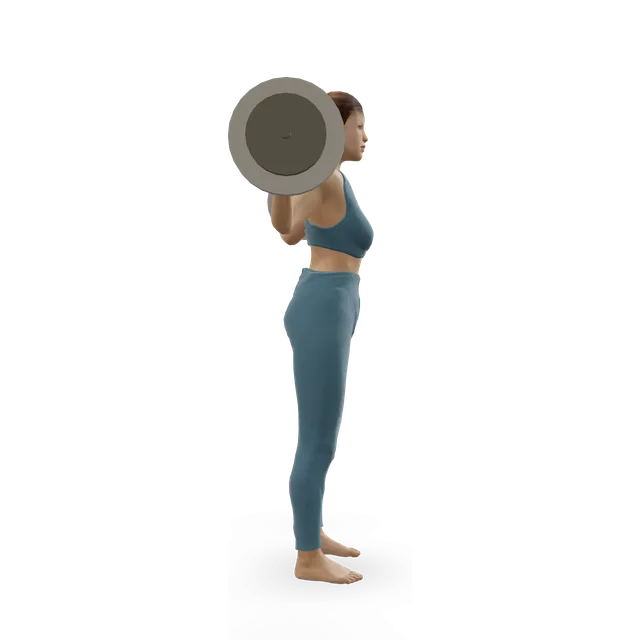
- Barbell back squat3 × 8 to 12 for about 12 weeks, then 3 × 3 to 6Advanced · Quads, Glutes, Hamstrings · 3D demoUp to about 75% of your one-rep max at first, then 85% or more, as the long-distance trial progressed. Or the leg press, 3 × 6 to 10 each leg. Stop each set with 1 to 3 reps in reserveEasier: Bodyweight squatHarder: Overhead squat
- Dumbbell Romanian deadlift3 × 6 to 8Intermediate · Hamstrings, Glutes, Back · 3D demo3 seconds down, back flatEasier: Hip-hinge practiceHarder: Single-leg Romanian deadlift
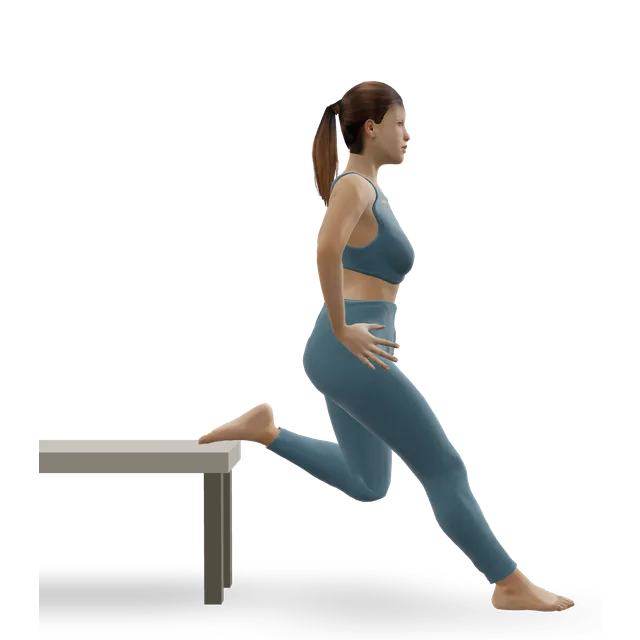
- Rear-foot-elevated split squat (Bulgarian split squat)3 × 6 to 8 each legIntermediate · Quads, Glutes, Hamstrings · 3D demoFront knee over the middle toesEasier: Reverse lungeHarder: Split squat jump
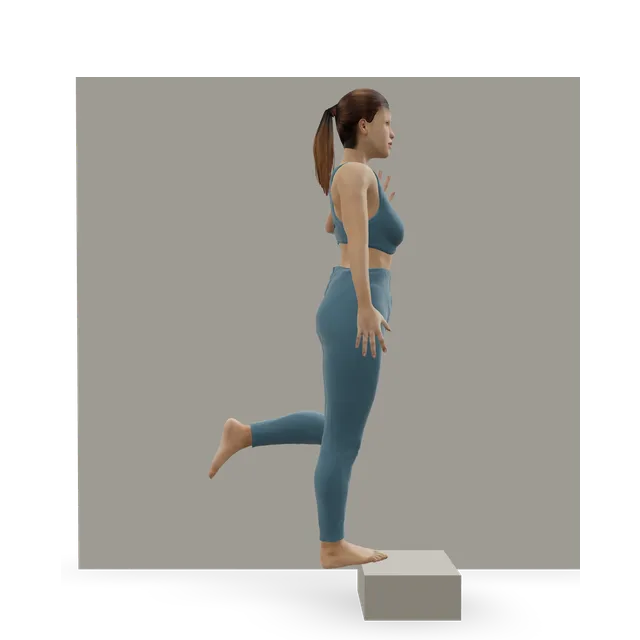
- Single-leg calf raise from a step3 × 6 to 10 each legIntermediate · Calves · 3D demoHold a dumbbell; full range, slow on the way downEasier: Slow calf raiseHarder: Single-leg pogo hops


Pulling and shoulders
Rest 90 s
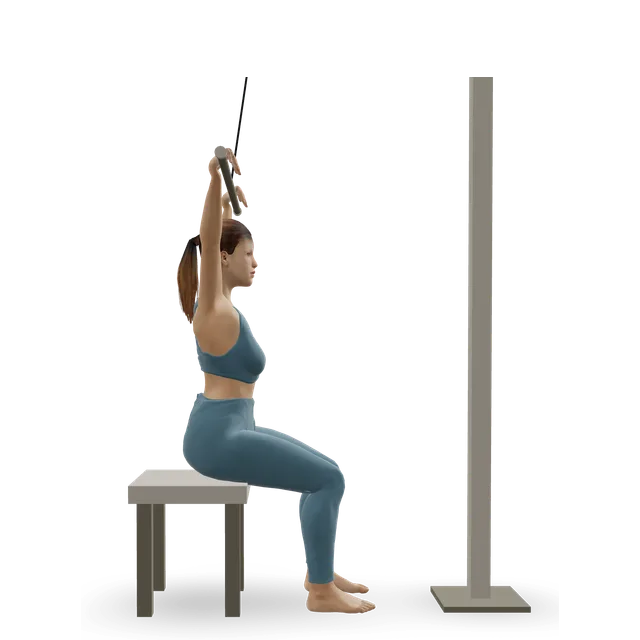
- Lat pulldown3 × 4 to 6Beginner · Back, Biceps, Shoulders · 3D demoOr pull-ups, 3 × 5 to 10. Pull to your upper chestHarder: Pull-up
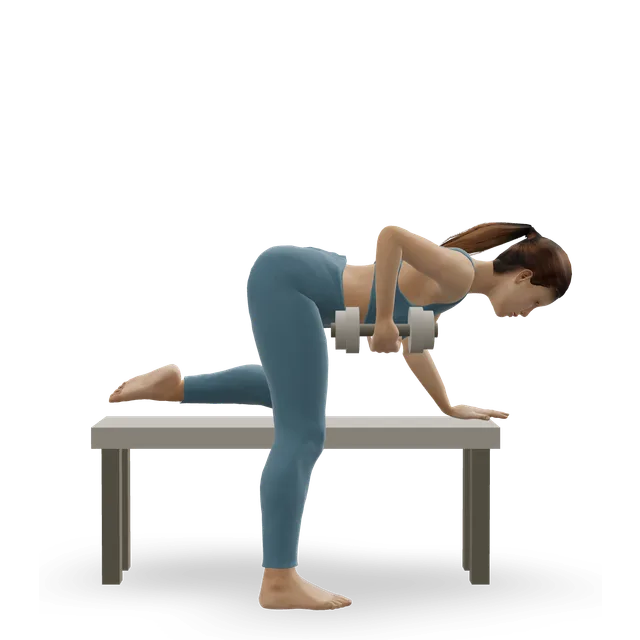
- Supported single-arm dumbbell row3 × 6 to 8 each sideIntermediate · Back, Biceps, Shoulders · 3D demoElbow towards your hipEasier: Incline ring rowHarder: Bent-over barbell row
- Standing band external rotation2 × 12 to 15 each armBeginner · Shoulders, Back · 3D demoLight, for the swim strokeHarder: Side-lying external rotation

Trunk
- Side plank2 × 20 to 40 s each sideIntermediate · Abs, Hip abductors, Shoulders · 3D demoA straight line from head to heelsEasier: Knee side plankHarder: Side plank with leg lift


Tips
- Twice a week in the base and build phases, and once a week in the race season.
- Keep heavy leg work at least 48 hours before a key bike or run session or a race, and at least 3 hours away from hard endurance work on the same day.
- In the trial, body weight didn't change while economy improved, and in another trial heavy strength training stiffened triathletes' Achilles and kneecap tendons.
- New to lifting? Learn the squat and the hip hinge first with our how-to guides.
- Chest pain, unusual breathlessness or feeling faint while training: stop, and call 999 for chest pain that doesn't go away.
The doses are suggested starting points, not a prescription. Choose a range you can control and stop for sharp or increasing pain, numbness or tingling. Get individual advice after an injury or surgery, or if you are pregnant or managing a health condition.
Guides that recommend it
Find more moves like these
More sports training

Injury prevention exercises for runners
Foot, calf, balance and hop exercises taken from the running trials with positive results, in a 25-minute home routine for 3 or 4 days a week.
25 minBeginner11 movesOther / check instructions, A bench or box



Plyometrics for runners
A 20-minute hop and bound session for runners: ankle bounces to pogo hops, one-leg hops and bounding, building foot contacts slowly over 10 weeks.
20 minIntermediate8 movesCardio machine

Strength workout for cyclists (gym)
A 50-minute gym session for cyclists: heavy squats, one-leg presses, hip flexion and calf raises as in the cycling trials, plus jumps for bone.
50 minIntermediate13 movesCardio machine, A barbellQuestions people ask
How long does the strength workout for triathletes: heavy legs, calves, pulling and trunk take?
About 50 minutes, including any warm-up and cool-down listed. Shorten it by doing fewer rounds; lengthen it by adding one.
What equipment do I need?
You need: Cardio machine, A band, A barbell, A dumbbell, A bench or box, A step, A wall, A cable machine, An anchor point. Each move links to its guide, where you can find an alternative if you are missing something.
Is it suitable for me?
It is written at intermediate level. 8 of its 13 moves have an easier option listed beside them; use them freely.
How do I make it easier or harder?
Use the easier or harder option listed under each move, change the number of rounds, or adjust the rest. Progress one change at a time.