Overhead squat
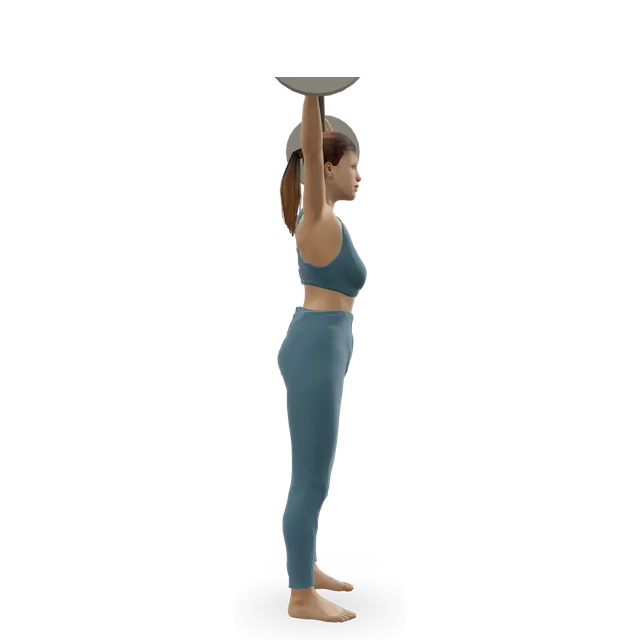
The bar held overhead on straight arms in a wide grip while the body squats beneath it: the least stable of the barbell squats, done with the lightest loads.
Squat family
Overhead squat
Loading the 3D figure…
Source-researched guide.
How to move
- Hold the bar overhead in a wide grip, the arms locked and the bar over the middle of the feet.
- Squat down with the chest up, keeping the bar over the feet, as deep as you control.
- Stand back up, the arms locked throughout.
Form cues
- Practise with a dowel or a broomstick first.
- If the bar drifts forward, stop above that depth.
Practice and cautions
No universal dose is assigned. Choose a manageable amount for your current capacity, leave room for controlled repetitions, and allow recovery. A clinician’s individual plan takes priority.
Learn it with a coach; leave it with shoulder pain overhead. Load is the least important variable here; heavy overhead squats over missing mobility just teach compensations. To bail, throw the bar forward off your hands and step back, or behind you and step forward, and practise this with the empty bar before it ever matters. Keep the space around you clear and use bumper plates once loaded. With epilepsy, use a spotter, safety bars or a machine for heavy lifts if you still have seizures. This is movement education, not an assessment or treatment prescription. Stop for sharp or increasing pain, dizziness, numbness or tingling; seek individual guidance for symptoms, injury or restrictions.
Sources and review status
Sources support the educational description; they do not establish that this exercise is suitable for you.
- Swinton 2012 · Back squat and overhead squat compared: the differences in muscle activity were largely due to the lighter loads lifted overhead (14 rugby players, EMG; ISBS) ↗
- Aspe & Swinton 2014 · Back squat and overhead squat compared (EMG and kinetics, JSCR) ↗
- Free Exercise DB · alias and muscle metadata ↗
Unlicense · Free Exercise DB contributors; derived from wrkout/exercises.json. Text import; no photographs or media. · Revision f00c92c7dcf1216a928a52c3706c7ce8e2f71ed5
No variation is labeled clinically validated.
What it works
Muscles
Main: Quads, Glutes. Also: Shoulders, Back, Abs, Triceps.
Anatomy: Sartorius, Quadriceps, Rectus femoris, Vastus medialis, Vastus lateralis, Gluteus maximus.
Equipment
A barbell
Level
Advanced. See the easier and harder options above.
Workouts that use it
- Weightlifting technique workout: the snatch and the clean and jerk from the top down · 60 min
- Weightlifting strength workout: front squats, clean pulls and push presses · 65 min
- Learn the jerk: dip, drive and split, then the clean and jerk · 45 min
- Overhead squat progression: ankle, hip and shoulder mobility, then the dowel and the bar · 25 min
Guides that use it
Similar moves
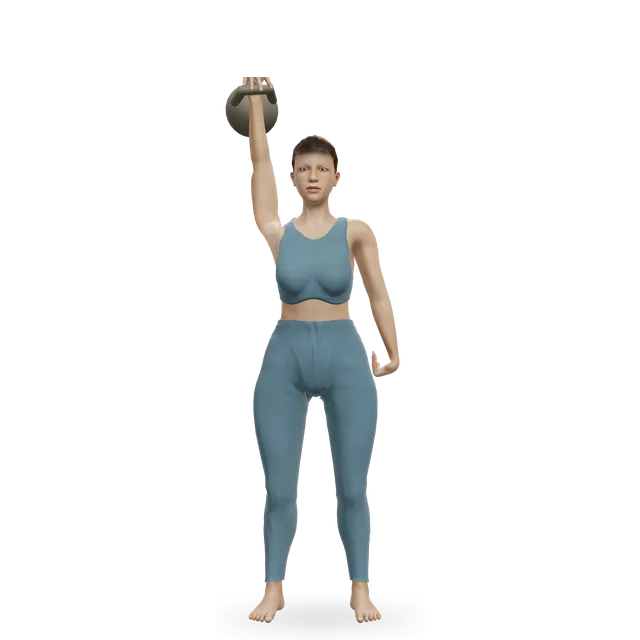 3D demoOne-arm overhead kettlebell squatAdvanced · A kettlebell
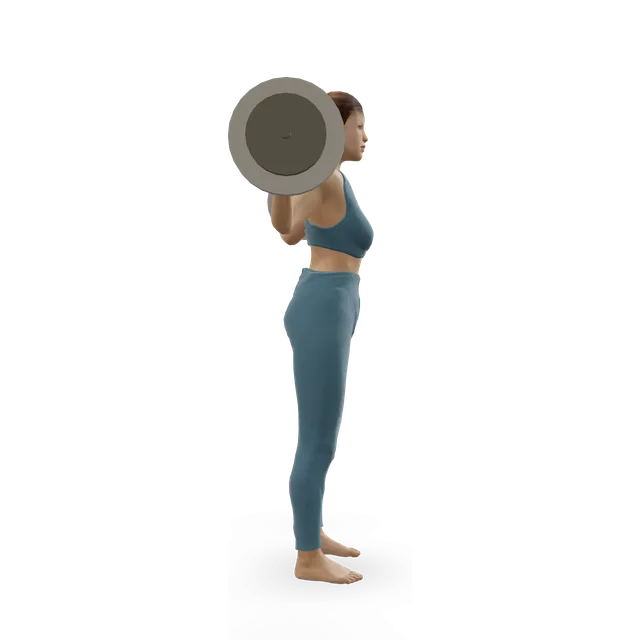 3D demoBarbell back squatAdvanced · A barbell
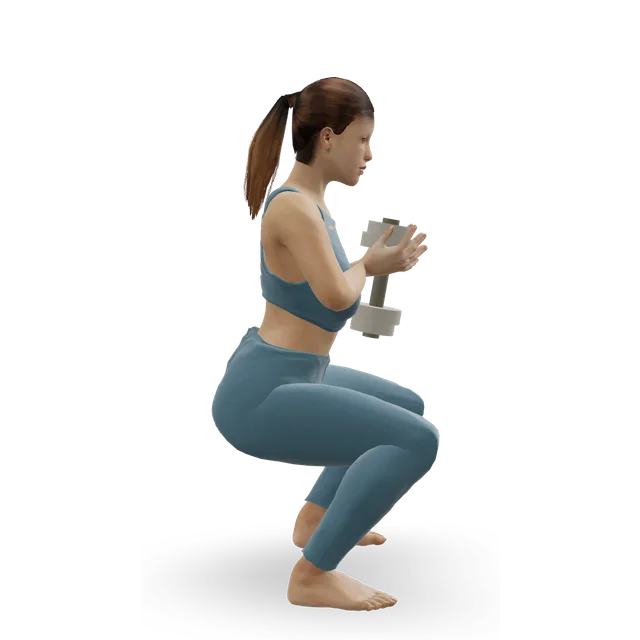 3D demoDumbbell goblet squatIntermediate · A dumbbell
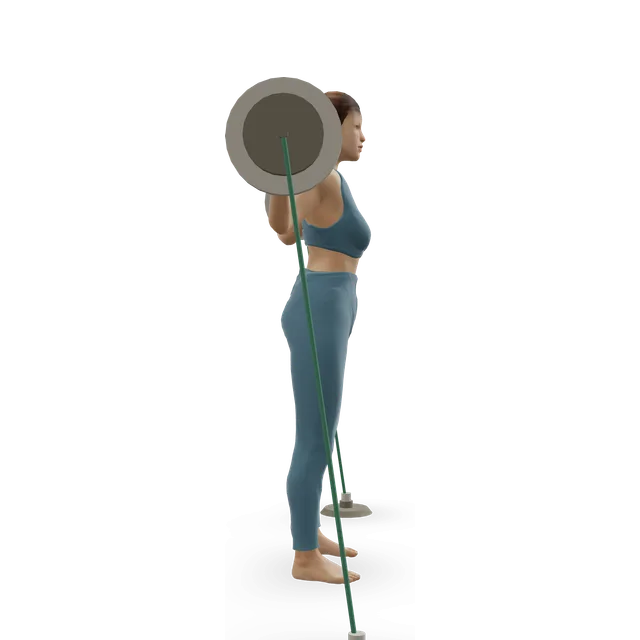 3D demoBack squat with bandsAdvanced · A barbell + A band
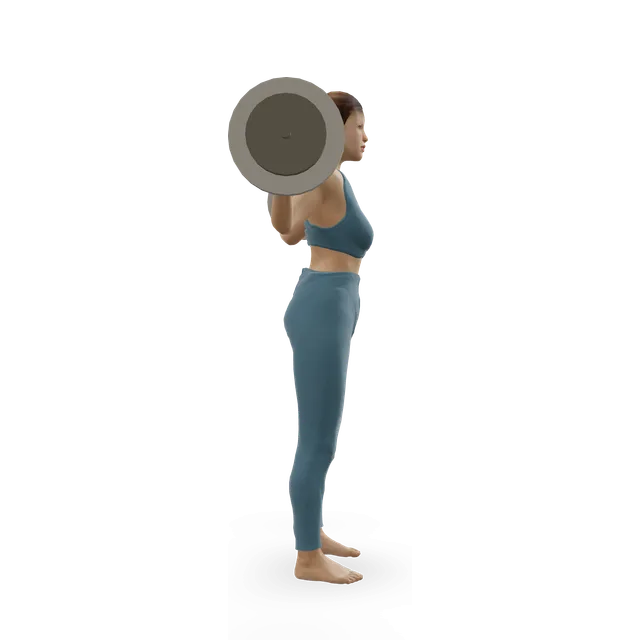 3D demoBack squat with chainsAdvanced · A barbell + Other / check instructions
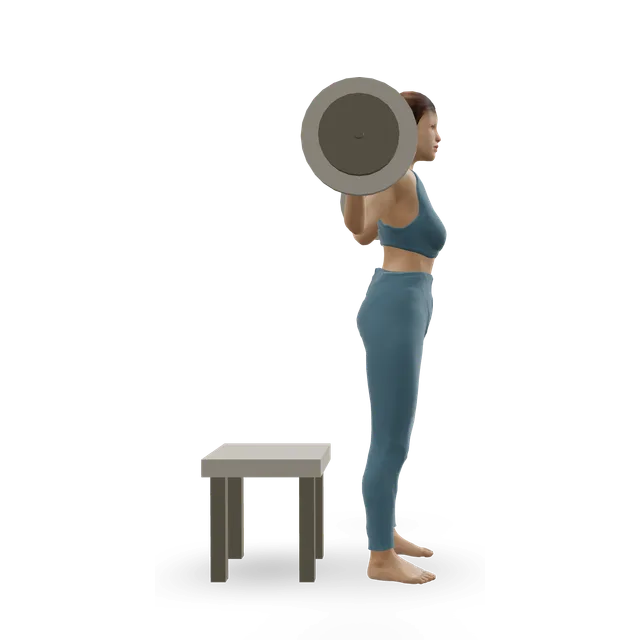 3D demoBarbell box squatIntermediate · A barbell
Browse more
Questions people ask
What muscles does the Overhead squat work?
Mainly the quads and glutes, with help from the shoulders, back, abs and triceps.
What equipment do I need for the Overhead squat?
A barbell.
Is the Overhead squat good for beginners?
It is an advanced move. Build up to it with the Bodyweight squat first.
What is an easier alternative to the Overhead squat?
Try the Bodyweight squat or the Sit squat (partial squat). Both are written steps in the same progression.
How do I make the Overhead squat harder?
Progress to the Squat snatch. Follow that guide’s technique and any stated timing.