Safe for most people, with a few changes
"Generally, Pilates is very safe and won't cause a spinal fracture", the Royal Osteoporosis Society says. In trials and studies of exercise in people with osteoporosis, serious harm was rare.
Pilates guide
Pilates is safe for most people with osteoporosis or osteopenia (bones thinner than normal, but not as thin as in osteoporosis). "Generally, Pilates is very safe and won't cause a spinal fracture", the Royal Osteoporosis Society says. A few moves need changing: mainly those that round your back for a long time, again and again, as far as it will go, or under a load, such as the roll-down, roll-up and curl-up.
Pilates hasn't been shown to build bone, so it doesn't replace strength training with weights and impact exercise, which the guidelines recommend for bones. A UK consensus counts it among the balance and strength exercises to do at least twice a week.
This guide covers which moves to keep and swap, what the trials show for bone density, balance, falls, pain and posture, what changes after a spinal fracture, how to choose a class, and a 25-minute workout with the swaps built in.
"Generally, Pilates is very safe and won't cause a spinal fracture", the Royal Osteoporosis Society says. In trials and studies of exercise in people with osteoporosis, serious harm was rare.
A UK consensus asks you to modify or avoid bending forward for a long time, repeatedly, as far as you can go, or under a load. As a precaution, it suggests alternatives to the Pilates roll-down and curl-up, though people who already do them comfortably and smoothly can carry on. The Royal Osteoporosis Society doesn't recommend rolling like a ball or the roll-over.
Pooled trials found no significant change in bone density. Two small trials reported gains at the spine, but with so few women in each, the size of those gains is hard to trust. For your bones, the Royal Osteoporosis Society says "Strength training can help your bone strength" and "Impact exercise is good for bone strength".
In 39 studies of older adults, Pilates improved balance tests but didn't reduce the number of falls. Exercise programmes that challenge balance do reduce falls, by about a quarter.
The consensus recommends back-strengthening exercises repeated 3 to 5 times and held for 3 to 5 seconds, at least twice a week. Small lifts such as the swan and swimming fit, and in one small study, women who strengthened their backs for 2 years had fewer spinal fractures 8 years later.
See a physiotherapist first if a spinal fracture is still causing pain. The consensus suggests yoga and Pilates to help with posture and pain, ideally with an instructor trained to work with osteoporosis. If your fractures were painless, or have healed and the pain has gone, going back to your usual exercise is your choice, the Royal Osteoporosis Society says.
Osteoporosis means weaker bones that break more easily. It develops slowly and is often only found when a bone breaks, most often the wrist, the hip or a bone in the spine (a vertebra), and some older people develop a stooped posture. A bone density scan gives a T-score: between −1 and −2.5 is osteopenia, and below −2.5 is osteoporosis. Osteopenia doesn't always lead to osteoporosis.
Source 13
In a spinal fracture, part of a vertebra squashes down. The Royal Osteoporosis Society says these fractures usually heal in 6 to 12 weeks but keep their new shape, which can mean height loss and a more curved upper back, and not all of them hurt.
UK guidance advises checking for spinal fractures in people over 50 with height loss of 4 cm or more, a curved upper back, long-term steroid tablets, or sudden back pain with risk factors for osteoporosis. Not every rounded back is a fracture: in older adults with the most curved backs, only about 40% had spinal fractures.
The Royal Osteoporosis Society's Pilates advice is for people with osteoporosis or a higher risk of fracture, and the society says it's useful for anyone over 50. Canada's exercise recommendations cover osteoporosis and spinal fractures. So this guide gives one set of advice for osteopenia and osteoporosis, with stricter options if your fracture risk is high (our approach).
The NHS describes Pilates as exercise that focuses on balance, posture, strength and flexibility. It offers a free 27-minute Pilates-inspired class for people with osteoporosis, which focuses on strength, flexibility and balance to help prevent falls, and suggests speaking to a GP before following it.
A review of 14 observational studies and 57 more trials found serious adverse events were rare and couldn't be put down to the exercise, and concluded that people with osteoporosis or osteopenia can safely take part in structured exercise. In 62 trials designed to raise bone density, 5.8% of people who exercised had a fracture, against 9.6% of those who didn't. The 2024 UK clinical guideline agrees, and our search found no published report of a spinal fracture during Pilates.
Rounding the spine under load puts uneven pressure on the front of the vertebrae, which the Royal Osteoporosis Society says could raise the risk of a fracture. The direct evidence is thin. The main study, from 1984, wasn't randomised: new spinal fractures followed in 16% of 25 women doing back-extension exercises and in 89% of 9 doing forward-bending exercises.
Case reports link fractures with sit-ups and extreme yoga bends, but such events are rare, and the UK consensus says its advice on this is consensus rather than evidence.
"Bending forward is generally safe and won't cause a spinal fracture", the Royal Osteoporosis Society says. The consensus suggests a "how to" rather than "don't do" approach: bend from the hips with a straight upper back, and move smoothly within a comfortable range.
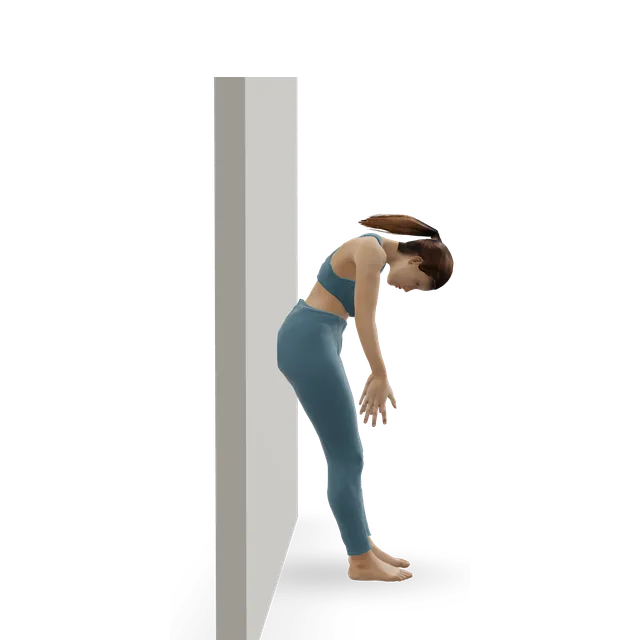
Modify or avoid exercise that bends the spine forward for a long time, repeatedly or to the end of its range, and any exercise that curves the back a lot, especially with a load. "As a precaution, alternatives to exercises such as the 'roll down' and 'curl up' in Pilates should be considered."
People who are experienced and can do the moves comfortably and smoothly can carry on, and twisting "should be safe if performed smoothly and comfortably". The 2024 UK clinical guideline supports this advice.
Canada's 2023 guideline adds that twisting or bending forward that is fast, repeated, held, weighted or taken to the end of the range "may need to be modified, especially in people at high risk of fracture". Osteoporosis Canada's booklet says Pilates often uses forward bending, side bending and twisting, and that you should avoid or change these if your fracture risk is high.
Our approach: follow the UK advice, and add the Canadian limits on twists and side bends if you've had a spinal fracture, several broken bones from minor falls, or your doctor says your risk is high.
These are the Royal Osteoporosis Society's swaps, which it calls general recommendations to be on the safe side. Each move's page has the details.
If you have osteoporosis or a higher risk of fracture, the society suggests:
Source 4
The society names rolling like a ball and the roll-over. The same reasoning covers the other classical moves that roll on a rounded spine, bend it under load or put weight over the neck: the open-leg rocker, seal, crab, jack knife, boomerang, control balance, teaser, neck pull, and the high scissors and bicycle. The site's move pages already say to avoid them with osteoporosis (our reading of the consensus advice on loaded, end-range bending).
Keep twists such as the spine twist small, tall and smooth: the UK consensus says smooth, comfortable twisting should be safe. If your fracture risk is high, follow the Canadian guidance and leave out fast or end-range twists and side bends, such as the mermaid and the side bend, or twist gently lying on your back with your feet down.
Moves with a still spine need no change: the side kick series, leg circles, the knee hover, the leg pull front, and back extensions such as the swan, kicks and swimming, kept small. Add standing balance work and sit-to-stands.
Source 3
None of the expert bodies we read gives separate advice for the reformer, so our suggestion is to use the same principles: no loaded rounding, smooth twists and back extension kept in. The society's own swap for the roll-down is a wall move, and a chair is a way in if getting down to the floor is hard.
Source 4
Pooled, 3 trials in women after the menopause, only 1 of good quality, found no significant change in bone density at the spine, the hip or the top of the thigh bone. A review of 11 studies of Pilates or yoga in 591 women aged 45 to 78 found no clear effect either.
Two small trials, of 51 and 41 women, reported gains at the spine against no exercise, but with so few women, the size of those gains is hard to trust. Once-weekly Pilates for 20 weeks didn't change markers of bone turnover, and in a review of leisure activities, bone held steady with activity and fell without it, but the difference wasn't significant.
Reviews that grouped Pilates with yoga and tai chi found some benefit: pooling 2 Pilates trials with 3 tai chi trials favoured mind-body exercise, and across 74 trials, mind-body exercise did best for the spine and the top of the thigh bone when combined with resistance training. Neither tested Pilates on its own.
The UK consensus recommends muscle strengthening on 2 or 3 days a week, building to the most you can lift 8 to 12 times, up to 3 sets, and about 50 moderate impacts, such as jogging steps or small jumps, on most days. If you've had spinal fractures or several broken bones from minor falls, keep impact to the level of brisk walking. The 2024 UK clinical guideline makes weight-bearing and muscle-strengthening exercise a strong recommendation.
In the Royal Osteoporosis Society's words, "Strength training can help your bone strength" and "Impact exercise is good for bone strength". Canada's guideline asks for yoga and Pilates in addition to, not instead of, balance, functional and resistance training, and the US Bone Health and Osteoporosis Foundation names weight-bearing and muscle-strengthening exercise as the two types that matter for bone density.
In one trial, 101 women with low bone mass, average age 65, did 8 months of closely supervised heavy lifting and impact work, twice a week for 30 minutes. Spine bone density rose 2.9%, against a 1.2% fall with a home programme, with no new spinal fractures and one minor back spasm. That's one trial, and no trial has compared Pilates with this kind of training.
In a review of 39 studies (1,770 older adults), Pilates improved balance tests against no exercise, at very low to moderate certainty, and about as much as other exercise. Another review of 39 trials found better balance, strength and fall-risk scores.
The larger review found no drop in the number of falls or in fear of falling, and in people at higher risk of fracture, the effect of Pilates on falls was uncertain.
Across 108 trials, exercise reduced the rate of falls in older people by about a quarter (high certainty), mostly through balance and functional exercise. Canada's guideline strongly recommends balance and functional training at least twice a week, and for people who are already falling, the UK consensus suggests a falls service and challenging balance and strength training for about 3 hours a week for at least 4 months.
In 70 women aged 45 to 65 with osteoporosis, supervised Pilates twice a week for a year eased pain and improved function and quality of life more than home back exercises. In 40 women, 6 weeks of physiotherapist-led Pilates reduced pain and fear of movement against no exercise. A review of 5 small studies in people at higher fracture risk rated the gains in function and quality of life low certainty.
Across 23 trials of all kinds of exercise in osteoporosis, quality of life and mental health improved (moderate certainty) and pain eased (low certainty). The largest effects came from 2 small physiotherapist-led Pilates trials, one of only 20 people, and a review that ranked Pilates first for pain and balance rested on few small trials.
Pilates did about as well as other exercise in older adults with long-term joint and bone conditions, and in 60 older women it improved hip and trunk strength held still, while resistance training improved moving strength more.
The UK consensus recommends back-strengthening exercise to improve posture and support the spine. In 99 adults over 60 with a rounded upper back, spine strengthening and posture training 3 times a week for 6 months reduced the curve by 3 degrees more than in the comparison group, though everyday function didn't change.
In a small follow-up, women who had done 2 years of back strengthening had fractures in 1.6% of their vertebrae 8 years later, against 4.3% in those who hadn't. Heavy supervised training also reduced the upper-back curve.
After a spinal fracture, the consensus says yoga and Pilates "should be considered to help with posture and pain through teaching form, alignment and muscle strength and relaxation", with breathing and pelvic floor exercises for symptoms of a severe curve. Our Pilates for posture guide covers what Pilates does for posture.
Source 3
Soon after a painful spinal fracture: advice on moving and lifting, a physiotherapy referral, and daily gentle back-strengthening exercises, repeated 3 to 5 times and held for 3 to 5 seconds. Classes should, if possible, be led by an instructor trained to work with older people or osteoporosis, and where physiotherapy is hard to get, a yoga or Pilates class with an instructor who understands spinal fractures may be an alternative.
Source 3
The 2024 UK clinical guideline recommends progressive strengthening, including the back muscles, after a spinal fracture, starting in an unloaded position, such as lying on your back, if it hurts.
Source 15
The Royal Osteoporosis Society says to wait until a broken bone has healed, which can take up to 3 months, before building up strength exercises, and to keep moving meanwhile. If your spinal fractures were painless, or have healed and the pain has gone, going back to your previous exercise routine "is an individual choice".
Canada's guideline suggests advice from exercise professionals trained in osteoporosis, especially after a recent fracture or if your fracture risk is high. The Royal Osteoporosis Society suggests a physiotherapist first if your spinal fractures are causing pain and other symptoms.
Strength training on 2 or 3 days a week, with a day's rest between; balance and strength exercise, which can include Pilates, at least twice a week; back-strengthening exercises at least twice a week; and moderate impact on most days if it suits you. Osteoporosis Canada adds posture exercises for 5 to 10 minutes every day.
Two or three sessions a week, for 6 weeks to a year; one trial used 60-minute sessions.
Two strength sessions with weights, such as our bone-strengthening workout, one or two Pilates sessions like the 25-minute workout below, impact on most days if it suits you (heel drops or jogging, or brisk walking if you've had spinal fractures), and walking on most days. Pilates on its own doesn't cover the strength and impact parts.
The Royal Osteoporosis Society suggests a small class where everyone gets good supervision. The UK consensus suggests an instructor trained to work with older people or osteoporosis, Canada's guideline suggests exercise professionals trained in osteoporosis, and Osteoporosis Canada suggests talking to someone who knows about osteoporosis and exercise before you start yoga or Pilates.
The society suggests explaining that:
Source 4
The NHS osteoporosis Pilates video is a free 27-minute option. It suggests speaking to a GP first if you have osteoporosis.
Source 19
Stand near a wall or worktop. The wall roll-down is the society's swap for the roll-down, with your hands on your thighs and a small range. For the single-leg stand, our editorial starting point is 2 holds of 20 to 30 seconds on each leg.
The knee fold replaces the hundred and curl-ups, the windshield wipers are the hip roll with your feet down, and the pelvic tilt into bridge stops short of a full shoulder bridge. The workout below gives a dose for each.
 3D demoKnee foldBeginner · No equipment
 3D demoDead bug heel tapsBeginner · No equipment
 3D demoHip windshield wipersBeginner · No equipment
 3D demoPelvic tilt into bridgeBeginner · No equipment
 3D demoSingle-leg circle (Pilates one leg circle)Beginner · No equipment
 3D demoSide kick (Pilates side kick series)Beginner · No equipment
 3D demoClamshellBeginner · No equipment
The UK consensus suggests back-strengthening lifts repeated 3 to 5 times and held for 3 to 5 seconds, at least twice a week. Keep the spine twist small and smooth, and leave it and the mermaid out if your fracture risk is high.
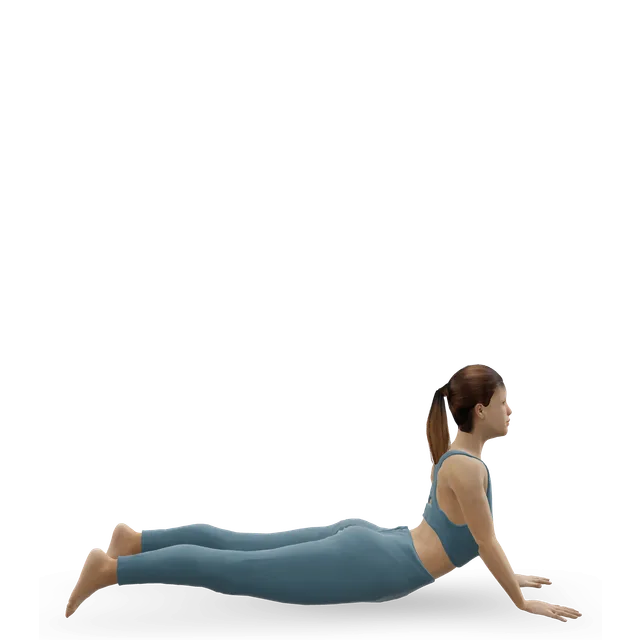 3D demoSwan (Pilates swan dive)Intermediate · No equipment
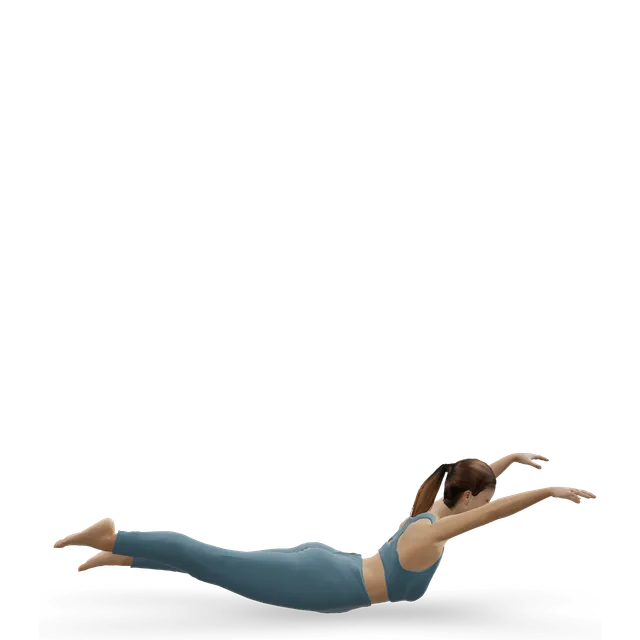 3D demoSwimming (Pilates)Intermediate · No equipment
 3D demoLocust pose (Salabhasana)Beginner · No equipment
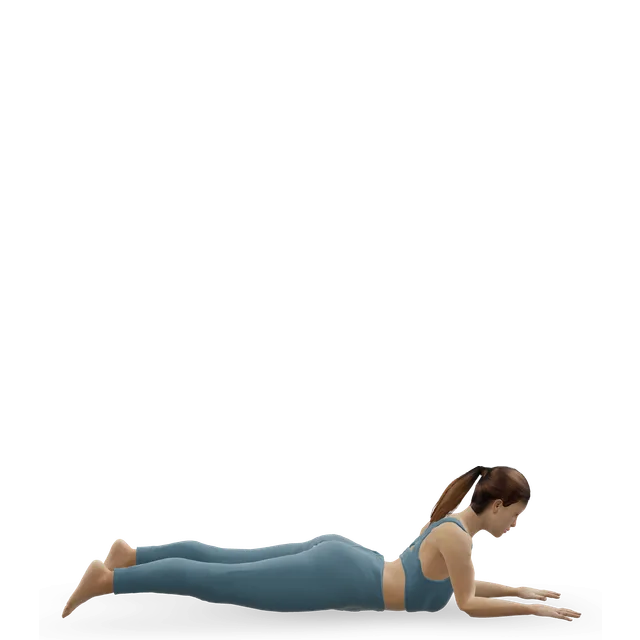 3D demoSingle-leg kick (Pilates one leg kick)Beginner · No equipment
 3D demoCat-cowBeginner · No equipment
 3D demoBird dogBeginner · No equipment
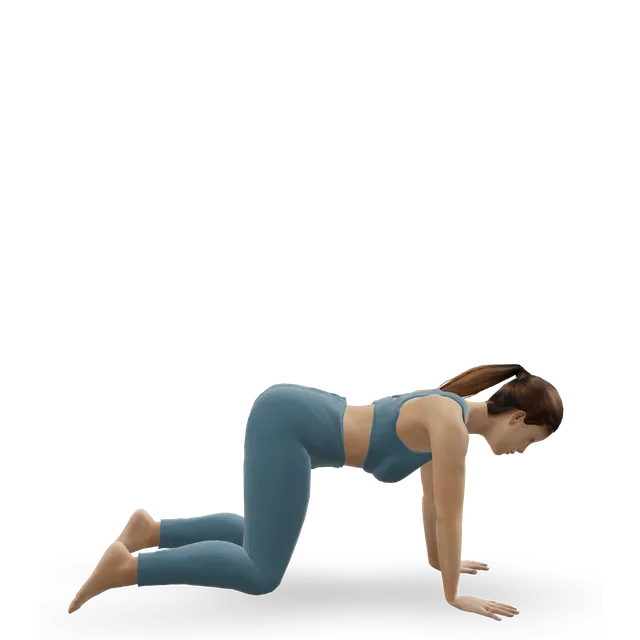 3D demoKnee hover (Pilates tabletop hover)Beginner · No equipment
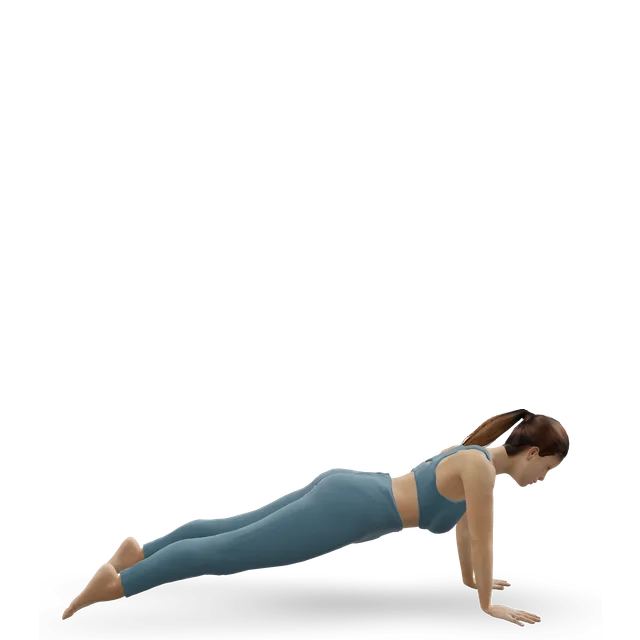 3D demoLeg pull front (Pilates leg pull down)Advanced · No equipment
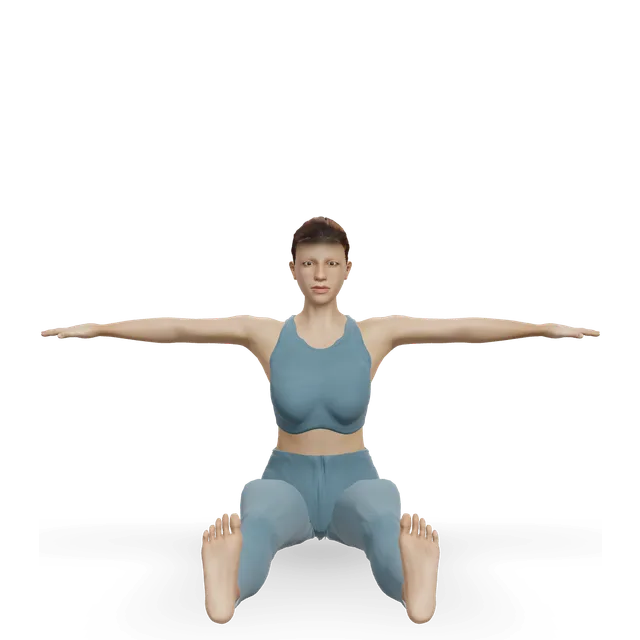 3D demoSpine twist (Pilates)Beginner · No equipment
 3D demoMermaid (Pilates seated side bend)Beginner · No equipment
The Pilates for osteoporosis workout follows the society's swaps in the order of a mat class. The beginner Pilates for over-50s session leaves the rounding moves out. For your bones, add the bone-strengthening workout.
A 25-minute Pilates workout for osteoporosis and osteopenia: the Royal Osteoporosis Society's swaps for rounding moves, plus back strength and balance.
25 minBeginner16 movesA wall, A bench or boxA 20-minute beginner mat Pilates session for over-50s with no deep or repeated rounding of the spine, plus back strengthening and standing balance.
20 minBeginner13 movesA wallA 20-minute chair Pilates workout for beginners and older adults: breathing, sitting tall, gentle spine and leg moves, and a standing finish at the chair.
20 minBeginner14 movesA bench or box, Something with weightImpact, strength and balance for stronger bones, following UK osteoporosis consensus advice, with options for every level.
40 minBeginner14 movesA kettlebell, Other / check instructionsA 30-minute routine for a rounded upper back in later life, built from the SHEAF trial: floor back-strengthening, posture practice and gentle mobility.
30 minBeginner13 movesA bench or box, A wallStrength and balance in one session: squats, Romanian deadlifts, push-ups, rows, step-ups, back extensions, carries and single-leg balance.
45 minBeginner14 movesA wall, A dumbbellBalance practice in 10 minutes: tandem stance, single-leg stands, marches, heel walks, tree pose and floor transfers.
10 minBeginner7 movesA wall, A bench or boxA 20-minute beginner wall Pilates workout: standing and floor moves that use a wall for support and feedback. No equipment.
20 minBeginner9 movesA wallStrength, impact and balance on 3 days a week plus walking, following the UK osteoporosis consensus.
See your doctor about unexplained back pain, especially in the upper back, or a change in body shape such as losing height or a more curved back. These can be signs of a spinal fracture, though not all spinal fractures hurt.
Ask for an urgent GP appointment or call 111 if you have back pain and feel hot, cold, shivery or generally unwell, or the pain is severe and started suddenly or is getting worse quickly. Nerve problems with a spinal fracture need urgent specialist care. Call 999 (911 in the US) if back pain comes with:
Call 999 if someone who has fallen may have hurt their head, back, neck or hip, or can't get up. Call 111 if they may be in pain, injured or unwell, and see a GP if you've had a fall or are worried about your balance.
Source 44
Stop, and call 111, or 999 in an emergency, if you feel:
Source 9
The Royal Osteoporosis Society suggests advice before you start if you:
The NHS suggests speaking to a GP before following its Pilates classes if you have osteoporosis, another health condition or are recovering from an injury. In the US, ask your doctor.
Source 19
Pooled trials found no significant change in bone density, and the gains in two small trials are hard to trust. Strength training and impact exercise are what help bone strength, the Royal Osteoporosis Society says.
"Generally, Pilates is very safe and won't cause a spinal fracture", the Royal Osteoporosis Society says, and the UK consensus names Pilates among the balance and strength activities to do at least twice a week. Change a few moves; don't stop.
"Bending forward is generally safe and won't cause a spinal fracture", the society says, and smooth, comfortable twisting should be safe, says the consensus. Deep, repeated, held or loaded rounding is what to change, and if your fracture risk is high, Canada's guideline adds fast or end-range twists.
The society says people who have done these moves regularly, easily and without pain may decide to carry on. The consensus suggests alternatives as a precaution.
It improves balance tests, but the newest review found no drop in the number of falls. Balance-challenging exercise programmes are what reduce falls.
Guidelines add progressive strength training on 2 or 3 days a week and impact exercise on most days.
Yes, for most people, with a few changes. The Royal Osteoporosis Society says Pilates is generally very safe and won't cause a spinal fracture. Swap moves that round your back for a long time, repeatedly, as far as it goes or under a load, and move smoothly within a comfortable range.
Leave out rolling like a ball and the roll-over. Change the roll-down (do it against a wall with your hands on your thighs), the spine stretch and saw (fold from the hips with a straight back) and the hip roll (keep your feet down). For the hundred, roll-up, leg stretches and curl-ups, use the knee fold or back-strengthening moves unless you already do them easily.
If you have very strong abdominal and back muscles from doing them regularly, easily and without pain, the Royal Osteoporosis Society says you may decide to carry on. If you're unsure, or you've had a spinal fracture, use the knee fold or a head-down version as a precaution.
It hasn't been shown to. Pooled trials found no significant change in bone density, and two small trials reported gains at the spine, but the size of those gains is hard to trust. For your bones, add strength training and impact exercise.
For bone, the guidelines recommend strength training with gradually heavier weights, plus impact: in one trial, 8 months of supervised heavy lifting and impact raised spine bone density by 2.9%. No trial has compared it with Pilates. Do both if you can, using Pilates for balance, control and back strength.
Yes, with the same changes. Osteopenia means bone density lower than normal (a T-score between −1 and −2.5) that doesn't always become osteoporosis, and the Royal Osteoporosis Society's Pilates advice covers anyone at higher risk of fracture.
No. It hasn't been shown to raise bone density, and even heavy strength and impact training changes it by a few per cent. The NHS says osteoporosis can be treated with bone-strengthening medicines, and exercise helps alongside them.
The same rules apply, because none of the expert bodies gives separate reformer advice: avoid loaded rounding, keep twists smooth and keep back-strengthening work in. A small, well-supervised class with a teacher who knows osteoporosis is the safest way to start.
Both can help balance, flexibility and posture, and both need changes: Osteoporosis Canada advises changing deep forward bends, side bends and twists in either if your fracture risk is high. Neither builds bone on its own. Our Pilates vs yoga guide compares them.
Often yes, but see a physiotherapist first if it still hurts. The UK consensus suggests yoga or Pilates to help with posture and pain, with an instructor trained to work with osteoporosis, plus daily gentle back exercises. If your fractures were painless, or have healed and the pain has gone, going back to your usual routine is your choice.
It can help you stand taller and stronger, though the curve changes only a little: spine strengthening reduced it by 3 degrees in a 6-month trial. A new or worsening stoop needs checking for spinal fractures.
At least twice a week fits the UK advice to do balance and strength exercise twice a week. Add strength training on 2 or 3 days and, if it suits you, about 50 impacts on most days.
Exercise education, not a personal prescription, and clinical review of these guides is pending. If you are pregnant, have a health condition or have had recent surgery, check with a doctor, midwife or physiotherapist before starting, and stop for sharp or increasing pain. Health disclaimer.