Pilates guide

Pilates for posture: what it changes, what it doesn't, and a routine

Pilates pays close attention to how your head, ribs, pelvis and shoulder blades line up, so it's often sold as a posture fix. In trials the changes were small: a few degrees in some studies, and none in a 12-week trial of healthy adults.

That's not a reason to skip it. Pilates strengthens your back and the muscles around your shoulder blades, and for back and neck pain it helps about as much as other exercise, even though posture itself explains little pain.

This guide covers what the trials measured, head and shoulder position, a rounded upper back with age, how much posture matters for pain, and a 20-minute routine to follow.

The short version

Small changes, in some people

In active middle-aged adults, 12 weeks of Pilates improved endurance and flexibility but not posture. Six months of classes improved head and shoulder alignment in 74 women. Reviews report improvements, but mostly from small studies of low certainty.

Sources 1, 2, 3

Clearest in teenagers, from few trials

In school physical education (PE), short Pilates sessions twice a week kept pupils' upper-back curve from increasing as it did in their classmates. Most of these trials come from one research group, and we read the review that pooled them as an abstract.

Sources 4, 3

A rounded back with age changes a little

Spine strengthening reduced the upper-back curve by 3 degrees in older adults, and Pilates studies in this group are small. The NHS says physiotherapy exercises won't improve the curve of kyphosis, so aim for strength and comfort, not a new shape.

Sources 5, 6, 7

Posture explains little pain

Reviews find no agreement that posture causes low back pain, and in studies that followed people over time, neck posture didn't predict neck pain.

Sources 8, 9, 10

Move often

The Chartered Society of Physiotherapy says there is no perfect posture, that the key is to keep moving, and that your best posture is your next posture.

Source 11

What to train

Pilates teaches breathing, rib and pelvis position, shoulder-blade control and head position. The trials that changed posture trained the back muscles and the muscles around the shoulder blades, which is what our 20-minute routine does.

Sources 12, 4, 5, 13

What posture is, and how trials measure it

There is no single correct posture

The Chartered Society of Physiotherapy says "There is no perfect posture or right or wrong desk set up", and that the key is to keep moving.

Source 11

How the upper-back curve is measured

On an X-ray as the Cobb angle, the gold standard, or standing with a kyphometer or a flexible ruler. An angle over 40 degrees, beyond the range of 95% of young adults, is called hyperkyphosis. The teenage trials used a hand-held device moved along the skin of the back.

Sources 14, 4

How head position is measured

The craniovertebral angle is the angle between a horizontal line through the bony bump at the base of the neck and a line from there to the ear. A smaller angle means the head sits further forward.

Source 15

The curve grows with age

The upper-back curve averages 20 to 29 degrees through childhood and the twenties and increases after 40, faster in women: from about 43 degrees at 55 to 60 to about 52 degrees at 76 to 80. Roughly 20% to 40% of older adults have hyperkyphosis.

Source 14

What causes a rounded upper back

The NHS says kyphosis "is often caused by bad posture or a problem with the structure of your spine", and can follow a spinal injury or conditions such as arthritis and osteoporosis. Postural kyphosis, the most common type, often affects teenagers. In older adults, worn spinal discs and spinal fractures both play a part.

Sources 7, 14

Why it can matter

A bigger curve goes with more difficulty rising from a chair, poorer balance and slower walking, and in 72 people aged 65 or over followed for a year, a bigger curve went with more falls. These studies show links, not that the curve causes the falls.

Sources 14, 16

What Pilates changes

Healthy adults: little or no changeMixed evidence

In 50 active middle-aged adults, a 12-week mat class twice a week improved abdominal endurance, hamstring flexibility and upper-body endurance, but not posture, against no exercise. In 74 women, 6 months of classes twice a week improved shoulder alignment seen from the front and head and pelvis alignment seen from the side, but not the spine seen from behind.

Smaller studies, of 19 to 36 people, some with no comparison group, report small changes.

Sources 1, 2, 17, 18, 19, 20

Teenagers: emerging, from few trialsEmerging evidence

In 236 pupils aged 12 to 17, 15 minutes of Pilates twice a week in PE lessons for 9 months left the upper-back curve 5.45 degrees smaller than in pupils without the programme, mostly because their classmates' curve increased. A second trial, in 103 teenagers with a more rounded upper back, found a similar difference.

Both trials come from one research group. A 2024 review, which we read as an abstract, rated the evidence in children and teenagers moderate certainty.

Sources 4, 21, 3

What the reviews sayMixed evidence

The 2024 review of 18 studies found very low to low certainty evidence of better alignment in adults, at the shoulders, lower back and head. Two other 2024 reviews, of 9 and 13 studies, reported improvements, but the studies were small and of mixed quality, and the first was mostly in scoliosis.

Sources 3, 22, 23

A rounded upper back with age

Exercise reduces the curve a littleEmerging evidence

In 99 adults aged 60 or over with a curve of 40 degrees or more, group classes of spine strengthening and posture training, 1 hour 3 times a week for 6 months, reduced the curve by 3 degrees more than in the comparison group; everyday function didn't change. Across 24 studies, exercise reduced the curve a little (moderate certainty), with small gains in quality of life and pain.

In 118 older adults, 6 months of yoga improved one measure of the curve by 4.4% but not another.

Sources 5, 6, 27

Pilates studies are smallMixed evidence

In 34 healthy adults over 60, with no comparison group, 10 weeks of Pilates slightly reduced the upper-back curve when standing. In 20 women aged 55 to 65, 12 weeks of water-based Pilates reduced the curve from 42.6 to 40.7 degrees; the trial was registered after it started. Our search found no randomised trial of mat Pilates in older adults with a rounded upper back.

Sources 28, 29, 30

Heavier training tooEmerging evidence

In women with low bone mass, 8 months of supervised heavy lifting and impact work improved standing-tall upper-back posture by 6.7 degrees, against 1.6 degrees with a home programme.

Source 31

What the NHS says

For kyphosis, the NHS says strengthening your core muscles can help, but that physiotherapy exercises "will not improve the curve in your spine or stop it getting worse". The trials agree that the change is a few degrees at most: exercise is for strength, comfort and function.

Source 7

Does posture cause pain?

Back pain: no agreed linkEmerging evidence

A review of 41 reviews found no agreement that spine postures, sitting, standing or bending cause low back pain.

Source 8

Neck pain: a small link in snapshots, none over timeEmerging evidence

In studies done at one point in time, adults with neck pain had slightly more forward head posture than adults without, and teenagers showed no difference.

In 686 young people followed from 17 to 22, sitting neck posture didn't predict persistent neck pain in men, and women who sat upright were more likely to have it than women who slumped. In 396 adults followed for a year, bending the neck to use a phone didn't predict neck pain, but poor sleep and low activity did.

Sources 32, 33, 9, 10

Pain can ease without posture changingEmerging evidence

When Pilates improved head posture more than home exercise, pain didn't improve more. Across 40 trials of exercise for neck pain, strengthening, motor control exercise and mind-body exercise such as Pilates and yoga eased pain about equally, at very low certainty.

Sources 25, 34

Pilates for neck and back painEmerging evidence

For long-lasting neck pain, Pilates eased pain against no treatment, but other exercise did slightly better straight after treatment. For long-lasting low back pain, a Cochrane review of 10 trials found Pilates reduced pain and disability against minimal treatment. Our Pilates for back pain guide covers this.

Sources 35, 36

What the NHS says about neck pain

The NHS lists bad posture, such as sitting at a desk for a long time, among common causes of neck pain, and advises not keeping your neck in the same position for long. The studies that followed people support the second point more than the first (our reading).

Source 37

What Pilates trains, and how much

The method's principles

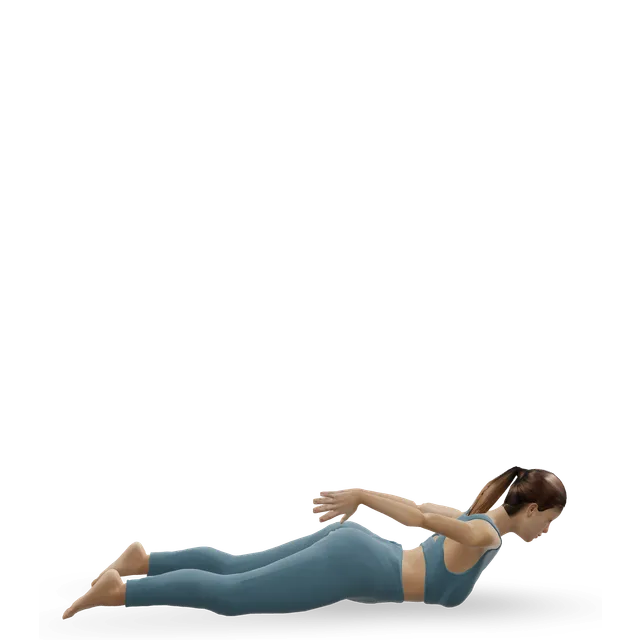
STOTT PILATES, one teacher-training school, teaches five basic principles: breathing, pelvic placement, rib cage placement, shoulder-blade movement and stability, and head and neck placement, with the skull balanced directly above the shoulders in sitting or standing. The Pilates Method Alliance basics used in one trial include a small nod of the head, arm movements with the ribs kept down, a face-down upper-back lift and the cat.

Sources 12, 38

What the positive trials trained

Back-extension and shoulder-blade work plus trunk endurance: the teenage programme included swimming and a front support. The older adults' programme combined spine strengthening with posture training, and neck programmes that combined exercise types did best.

Sources 4, 5, 13

How often and how longEmerging evidence

Trials that found changes used 2 or 3 sessions a week for 10 weeks to 9 months. In one small trial, 30-minute sessions did as well as 60-minute ones.

Sources 2, 4, 24, 13

Our editorial starting point

Our 20-minute routine 2 or 3 times a week for at least 3 months, alongside walking and regular changes of position at a desk. Expect to feel stronger before you look different.

Sources 24, 11

Head, neck and shoulder blades

For the chin tuck, our editorial starting point is 8 slow reps, each held for 3 to 5 seconds, sitting or standing tall. The wall angel and band moves train the muscles around the shoulder blades.

Back muscles and trunk

Keep the lifts small and controlled. The seated upper-back lift's page gives the UK osteoporosis consensus dose: 3 to 5 lifts held for 3 to 5 seconds, at least twice a week.

Upper-back mobility

Move slowly within a comfortable range. With osteoporosis and a high fracture risk, leave out the spine twist and the mermaid.

Workouts to follow

Our Pilates for posture routine puts these moves together in 20 minutes. The upper back routine and the kyphosis exercises are the site's general posture sessions.

Pilates for posture: upper back, shoulders and neck

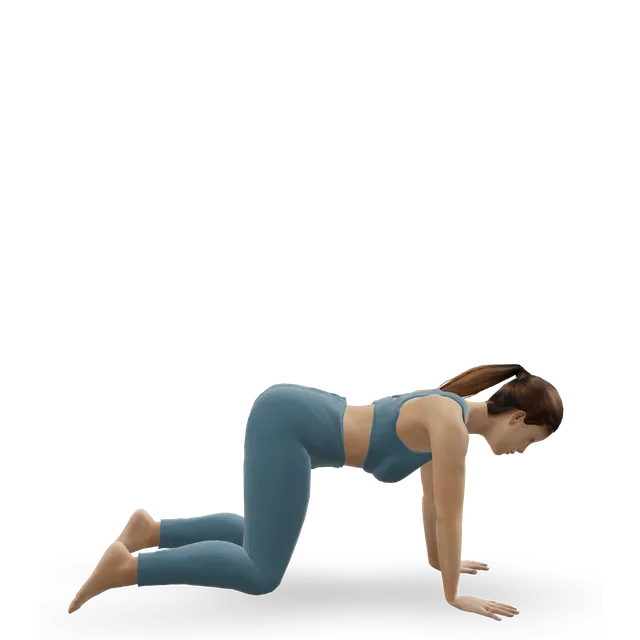
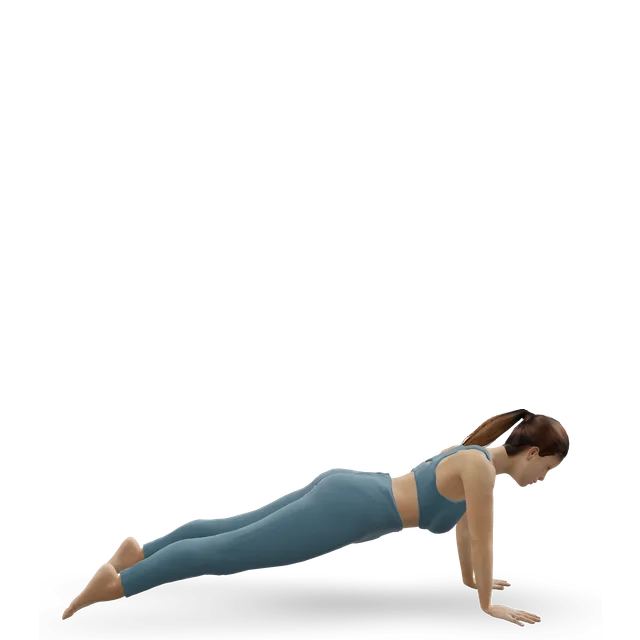
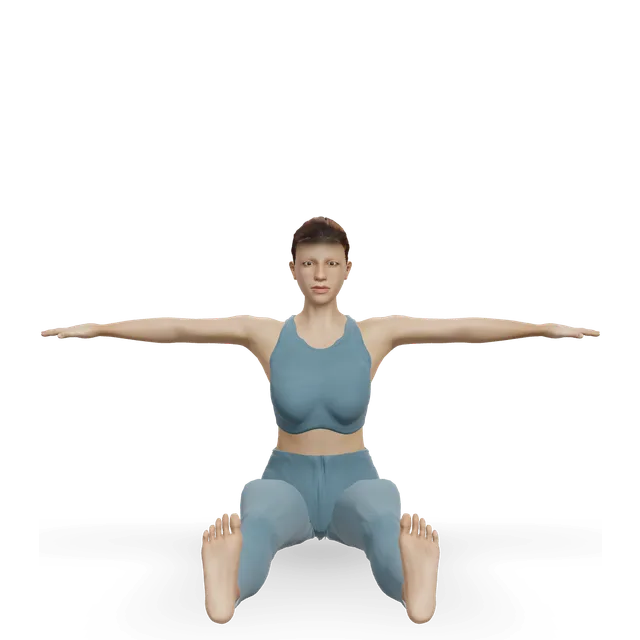
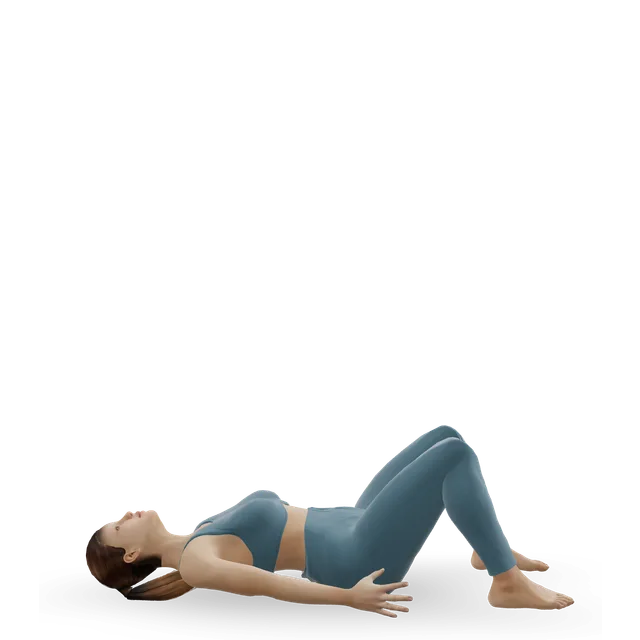
A 20-minute Pilates routine for posture: breathing, head and shoulder-blade control, back strength and upper-back mobility, with no loaded rounding.

20 minBeginner13 movesA wall, A band

Upper back mobility routine

A 12-minute routine for a stiff upper back and rounded shoulders: chin tucks, wall angels, Y-T-W raises and open books.

12 minBeginner8 movesA foam roller, A wall

Kyphosis exercises for seniors: a spine-strengthening routine

A 30-minute routine for a rounded upper back in later life, built from the SHEAF trial: floor back-strengthening, posture practice and gentle mobility.

30 minBeginner13 movesA bench or box, A wall

Neck and shoulder strength routine

Deep neck holds and shoulder-blade strength in under 20 minutes: one of the best-supported kinds of exercise for a stiff, sore neck.

18 minBeginner11 movesA band, An anchor point

3-minute desk movement break

A 3-minute standing break to repeat every 30 to 60 minutes at your desk: sit-to-stands, calf raises, marching, an upper-back turn and chin tucks.

3 minBeginner5 movesA bench or box, A wall

Spine mobility routine: neck to pelvis, every direction

A 15-minute routine that moves your neck, upper back and lower back through bending, arching, side bending and twisting, then holds the spine steady.

15 minBeginner12 movesNo equipment

Anterior pelvic tilt routine: hips and core

A 20-minute routine for anterior pelvic tilt: hip-flexor stretches, pelvic tilts, glute bridges, dead bugs, bird dogs and planks, for hip range and strength.

20 minBeginner10 movesA wall

Beginner Pilates workout

A 20-minute mat Pilates workout for complete beginners. It covers breathing, spine position and the foundation moves, each with an easier option.

20 minBeginner13 movesNo equipment

When to see a GP

A new hunch after 50

Unexplained back pain, losing height or a back that is becoming more curved can be signs of a spinal fracture from osteoporosis, especially after 50. See a GP.

Sources 39, 40

Kyphosis

See a GP if you think you or your child might have kyphosis. A severe curve can cause very bad back pain and difficulty breathing.

Source 7

Back pain

See a GP if back pain doesn't improve after a few weeks, your back has changed shape, or the pain comes from between your shoulders rather than your lower back. Call 999 (911 in the US) if back pain comes with numbness or weakness in both legs, loss of feeling around your genitals or bottom, new bladder or bowel problems, or chest pain.

Source 41

Neck pain

See a GP if neck pain or stiffness doesn't go away after a few weeks, painkillers haven't worked, or you have pins and needles or a cold arm.

Source 37

Who should adapt

With osteoporosis or a curve from spinal fractures, use the swaps in our Pilates for osteoporosis guide. With neck pain, rest your head on the mat in curl-up moves.

Sources 42, 43

Myths

"Pilates fixes your posture for good"Mixed evidence

A 12-week trial in healthy adults found no posture change, and other trials report changes of a few degrees. No trial followed people for long after they stopped.

Sources 1, 2, 5

"Bad posture causes back and neck pain"Emerging evidence

Reviews and studies that followed people over time find little link.

Sources 8, 9, 10

"There's one correct posture to hold all day"Strong evidence

Physiotherapists say there is no perfect posture, and that the key is to keep moving.

Source 11

"Pilates eases pain because it corrects posture"Mixed evidence

When Pilates improved head posture more than home exercise, pain didn't improve more, and different kinds of exercise ease neck pain about equally.

Sources 25, 34

"Pilates can straighten a curve caused by osteoporosis"

No trial shows that. The NHS says exercise won't improve the curve of kyphosis, and a new or worsening curve after 50 needs checking for spinal fractures.

Sources 7, 39

Questions people ask

Does Pilates improve posture?

A little, in some people. In healthy adults, a 12-week trial found no change, while 6 months improved head and shoulder alignment in women. In teenagers, a few trials, mostly from one research group, found Pilates in school physical education lessons kept the upper-back curve from increasing.

How long does Pilates take to improve posture?

The trials that found changes lasted 10 weeks to 9 months, with 2 or 3 sessions a week. Expect a few degrees at most.

Can Pilates fix a hunched upper back?

It can make you stronger and a little straighter, but it won't reverse a fixed curve. Spine strengthening reduced the curve by about 3 degrees in older adults, and the NHS says kyphosis exercises won't improve the curve itself. If a hunch is new or getting worse after 50, see a GP.

Is Pilates good for forward head posture?

Small trials found a more upright head after 10 to 12 weeks, and exercise in general made the head about 3 degrees more upright in people with neck pain. In one trial, pain improved no more than with home exercises. Our forward head posture guide has more.

Does bad posture cause back or neck pain?

Less than most people think. Reviews find no agreement that posture causes low back pain, and studies that followed people found neck posture didn't predict neck pain. Moving often and staying active matter more.

Is Pilates or yoga better for posture?

No trial has compared them. Small Pilates trials report small changes, and in older adults with a rounded back, yoga improved one measure of the curve by about 5% but not another. Our suggestion is to pick the one you'll keep doing; our Pilates vs yoga guide compares them.

What are the best Pilates exercises for posture?

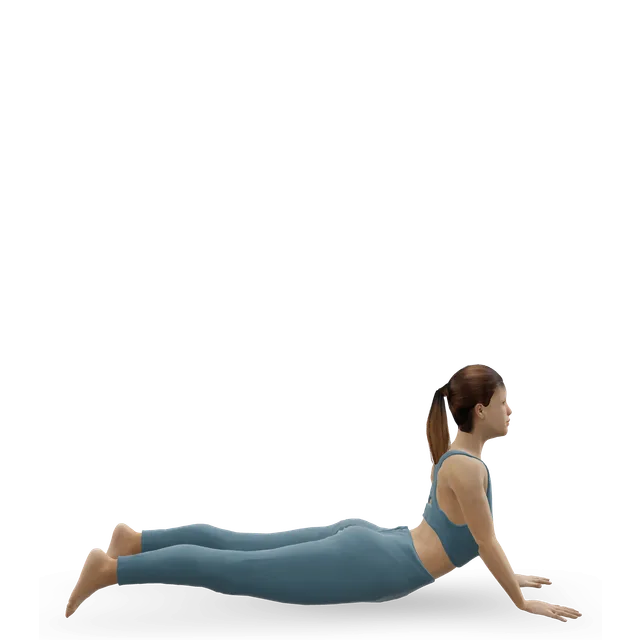
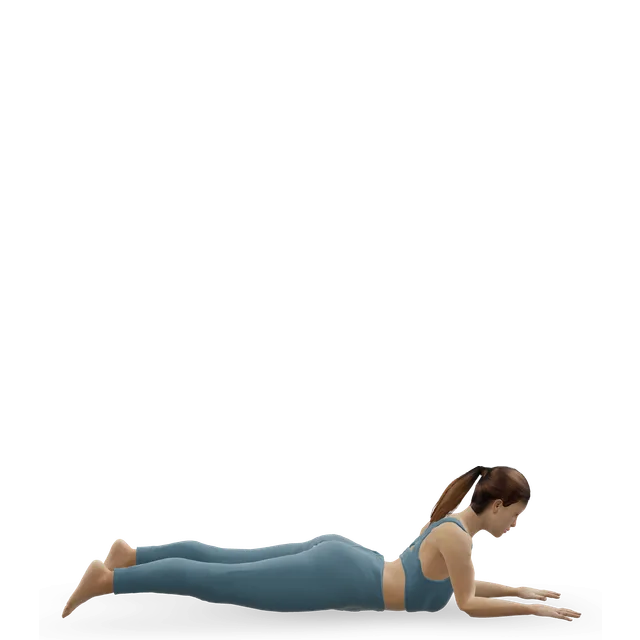
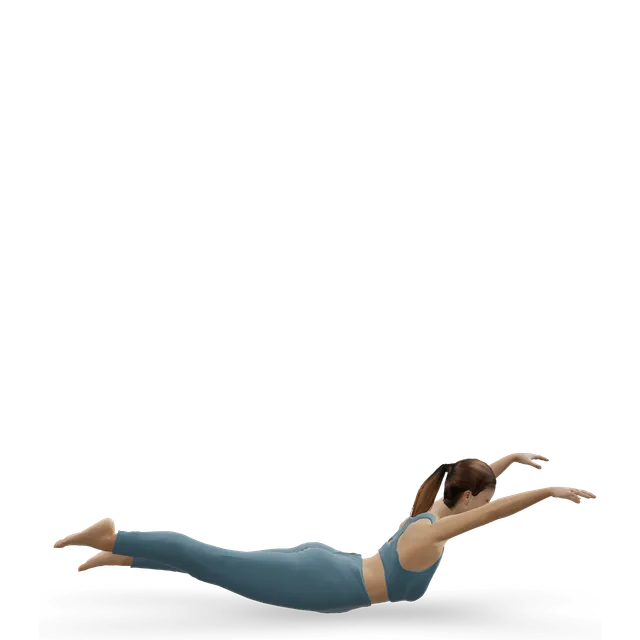
Moves that strengthen your back and the muscles between your shoulder blades, such as the swan, swimming and single-leg kick, plus chin tucks and wall angels for head and shoulder control. Our 20-minute routine puts them together.

Is reformer Pilates better for posture than mat Pilates?

There's no comparison. The only reformer study we found had 22 office workers and no comparison group, and most of the positive trials used mat Pilates.

Can Pilates help rounded shoulders?

Possibly a little: in a 6-month trial, women's shoulder alignment improved, and a review rated the evidence for the shoulders very low to low certainty. Our rounded shoulders guide has the exercises with the most evidence.

Is Pilates good for scoliosis?

The evidence is weak: in a review, a method designed for scoliosis did better than Pilates, at very low certainty. Our scoliosis guide covers the options and when to get a curve checked.

Will Pilates help my posture at a desk?

It builds strength, but no single sitting position is right: physiotherapists say your best posture is your next posture. Break up long spells of sitting, and see our sitting posture guide.

Does Pilates help an arched lower back?

Some trials found small changes: 6 months improved pelvis alignment in women, and in one trial, teenagers' lower-back curve and pelvic tilt fell. Our anterior pelvic tilt guide explains how much tilt is normal and which exercises help.


Sources

  1. Kloubec 2010 · Pilates for muscle endurance, flexibility, balance and posture in 50 adults (RCT, J Strength Cond Res)
  2. Cruz-Ferreira 2013 · Pilates and postural alignment in 74 adult women (RCT, Women Health)
  3. Roque 2024 · Pilates and postural misalignment: 18 studies (systematic review and meta-analysis, Musculoskeletal Care; read as an abstract)
  4. González-Gálvez 2020 · A 9-month Pilates programme and spinal curves in 236 teenagers (RCT, Sci Rep)
  5. Katzman 2017 · Spine strengthening and posture training for a rounded upper back in 99 older adults: the SHEAF trial (RCT, Osteoporos Int)
  6. Ponzano 2021 · Exercise for age-related hyperkyphosis: 24 studies (systematic review and meta-analysis, Arch Osteoporos)
  7. NHS · Kyphosis
  8. Swain 2020 · No consensus that spine postures cause low back pain: 41 reviews (review of reviews, J Biomech)
  9. Richards 2021 · Neck posture at 17 and neck pain at 22 in 686 young people (cohort study, Phys Ther)
  10. Correia 2025 · Neck posture on a phone and new neck pain in 396 adults (cohort study, Braz J Phys Ther)
  11. Chartered Society of Physiotherapy · Desk-based exercises
  12. STOTT PILATES · The five basic principles (instructor exam guide)
  13. Xing 2026 · Exercise for forward head posture in people with neck pain: 10 trials (systematic review and meta-analysis, J Pain Res)
  14. Katzman 2010 · Age-related hyperkyphosis: its causes, consequences and management (review, J Orthop Sports Phys Ther)
  15. Lee 2016 · Pilates for forward head posture in 28 women (RCT, J Phys Ther Sci)
  16. McDaniels-Davidson 2018 · A rounded upper back and falls in 72 older adults (cohort study, Osteoporos Int)
  17. Emery 2010 · A Pilates programme and arm and trunk posture in 19 adults (controlled study, Clin Biomech)
  18. Lee 2016 · Mat Pilates and postural alignment in 36 middle-aged women (controlled study, J Phys Ther Sci)
  19. Taştan 2025 · Reformer Pilates and posture in 22 office workers (uncontrolled study, BMC Sports Sci Med Rehabil)
  20. Kim 2026 · An 8-week Pilates programme and spinal posture in female students (study, J Exerc Rehabil)
  21. González-Gálvez 2023 · Pilates in 103 teenagers with a rounded upper back (RCT, Postgrad Med J)
  22. Li 2024 · Pilates for spine deformities and posture: 9 studies (systematic review, BMC Sports Sci Med Rehabil)
  23. Li 2024 · Pilates and body posture: 13 studies (systematic review, Arch Rehabil Res Clin Transl)
  24. Mun 2024 · 60 or 30 minutes of Pilates for neck and upper-back alignment in 26 students (RCT, J Clin Med)
  25. Hürer 2021 · Clinical Pilates or home exercise for forward head posture in 46 people (RCT, J Comp Eff Res)
  26. El Blasy 2026 · Pilates for forward head posture in 74 breastfeeding women (RCT, Sci Rep; read as an abstract)
  27. Greendale 2009 · Yoga for a rounded upper back in 118 older adults (RCT, J Am Geriatr Soc)
  28. Kuo 2009 · Spinal posture after Pilates-based exercise in 34 healthy older adults (study, Spine)
  29. Passa 2026 · Water-based Pilates in 20 women aged 55 to 65 with a rounded upper back (RCT, J Funct Morphol Kinesiol)
  30. Europe PMC · Our search for Pilates trials on posture, kyphosis and head position (23 October 2026)
  31. Watson 2019 · The LIFTMOR trial: no spinal fractures, and a smaller upper-back curve (RCT, Osteoporos Int)
  32. Mahmoud 2019 · Forward head posture and neck pain: 15 studies (systematic review and meta-analysis, Curr Rev Musculoskelet Med)
  33. Rani 2023 · Head and neck posture and neck pain: 26 studies (systematic review and meta-analysis, Indian J Orthop)
  34. de Zoete 2020 · Exercise for chronic neck pain compared: 40 trials (network meta-analysis, Br J Sports Med)
  35. Lazoura 2025 · Pilates for chronic neck pain: 8 studies (systematic review and meta-analysis, BMC Musculoskelet Disord)
  36. Yamato 2015 · Pilates for low back pain: 10 trials, 510 adults (Cochrane review)
  37. NHS · Neck pain
  38. Finatto 2018 · Pilates training and 5 km running performance in 28 young male runners (RCT, PLoS One)
  39. Royal Osteoporosis Society · Exercise safely with and without osteoporosis (reviewed June 2026)
  40. Gregson 2025 · The 2024 UK clinical guideline for the prevention and treatment of osteoporosis (National Osteoporosis Guideline Group, Arch Osteoporos)
  41. NHS · Back pain
  42. Brooke-Wavell 2022 · Strong, steady and straight: UK consensus statement on physical activity and exercise for osteoporosis (consensus statement, Br J Sports Med)
  43. Royal Osteoporosis Society 2019 · Pilates exercises: modifications with osteoporosis (fact sheet)

Exercise education, not a personal prescription, and clinical review of these guides is pending. If you are pregnant, have a health condition or have had recent surgery, check with a doctor, midwife or physiotherapist before starting, and stop for sharp or increasing pain. Health disclaimer.