Stretching & mobility
Spine mobility routine: neck to pelvis, every direction
Your spine moves differently region by region: the neck turns the most, the upper back twists, and the lower back bends forward and back. This routine visits each region in each direction, slowly and within comfort, and finishes with two moves that train you to hold your spine steady. Lower-back range falls from about 40, so it's worth doing most days. Skip any move that sends pain, pins and needles or numbness down an arm or leg.
Neck
- Chin tuck8 slow repsBeginner · Neck · 3D demoGlide your head straight back, eyes levelEasier: Lying chin tuckHarder: Isometric neck holds (four-way)
- Neck CARs3 slow circles each wayBeginner · 3D demoSore neck? Do small separate turns, tilts and nods instead
- Side neck stretch2 holds of 10 s each sideBeginner · Neck, Shoulders · 3D demoLet the weight of your head do the work rather than pullingHarder: Sleeper stretch



Upper back
- Thoracic rotation6 each sideBeginner · 3D demoHips facing forward; turn from the ribs, moving with the breathHarder: Reverse lunge with rotation
- Side-lying Open Book Rotation6 each side, with a 2 s pauseBeginner · 3D demoA cushion under your head if your neck is stiffHarder: Reverse lunge with rotation
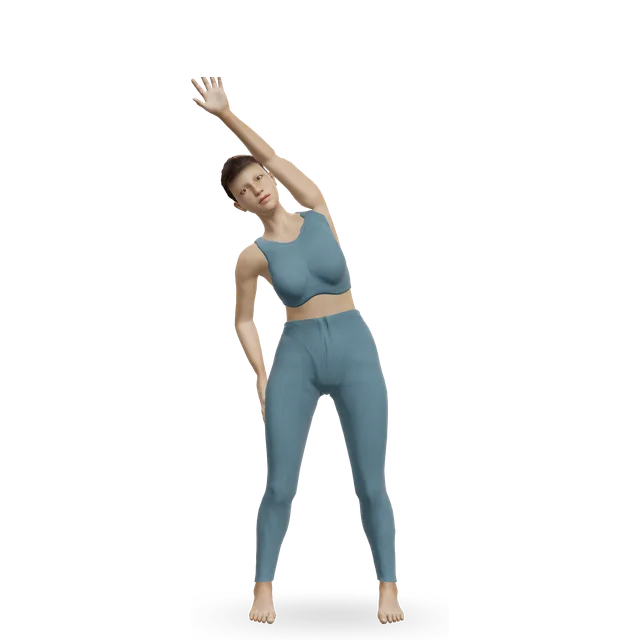
- Overhead side bend3 slow bends each sideBeginner · 3D demoBreathe out into each bendHarder: Overhead lat stretch at a bench


Whole spine
- Cat-cow8 slow wavesBeginner · Back, Abs · 3D demoSlower than feels natural; make fists if your wrists complainHarder: Half lord of the fishes (Ardha Matsyendrasana)
- Sphinx pose (Salamba Bhujangasana)3 holds of 20 sBeginner · Back, Abs, Chest · 3D demoSkip it with spinal stenosis, or if arching sends symptoms down a legHarder: Cobra pose (Bhujangasana)
- Double knee-to-chest stretch2 holds of 20 to 30 sBeginner · Back, Glutes · 3D demoWith osteoporosis, hug one knee at a time and keep it gentleHarder: Half lord of the fishes (Ardha Matsyendrasana)
- Supine spinal twist (Supta Matsyendrasana)30 to 45 s each sideBeginner · Back, Glutes · 3D demoA cushion under the top knee keeps the twist gentleHarder: Seated twist, bottom leg straight




Hold it steady
- Bird dog5 each side, holding each for 3 breathsBeginner · Back, Abs, Glutes · 3D demoOr move one limb at a time until it feels steadyEasier: Bird dog, one limb at a timeHarder: Bear Crawl
- Knee side plank2 holds of 15 to 20 s each sideBeginner · Abs, Hip abductors, Shoulders · 3D demoKnees bent, hips lifted in a straight lineHarder: Side plank


Tips
- Move slowly enough that nothing else moves, and stop just short of any pinch.
- With osteoporosis or a past spinal fracture, avoid deep or repeated rounding: keep the knee hug gentle, one knee at a time, or leave it out. A UK consensus advises avoiding postures with a lot of spinal rounding.
- With spinal stenosis, skip the sphinx, because bending back narrows the space for the nerves. If arching or bending forward sends pain, tingling or numbness down a leg, leave that move out and get it assessed.
- Dizziness, light-headedness or tingling into an arm during the neck moves are stop signs, not sensations to push through.
- Twist gently if you have a disc problem, sacroiliac joint pain or recent spinal surgery, and get assessed first if twisting brings on leg symptoms.
- In pregnancy, swap the sphinx for an extra round of bird dog once lying face down is uncomfortable, and keep the twist gentle and open.
- If bending forward or arching back eases your back pain, favour that direction for now; our back pain guide explains why.
The doses are suggested starting points, not a prescription. Choose a range you can control and stop for sharp or increasing pain, numbness or tingling. Get individual advice after an injury or surgery, or if you are pregnant or managing a health condition.
Guides that recommend it
Find more moves like these
More stretching & mobility


10-minute morning stretch
A gentle, no-equipment stretch routine to wake up the spine, hips and shoulders in ten minutes.
10 minBeginner10 movesNo equipment


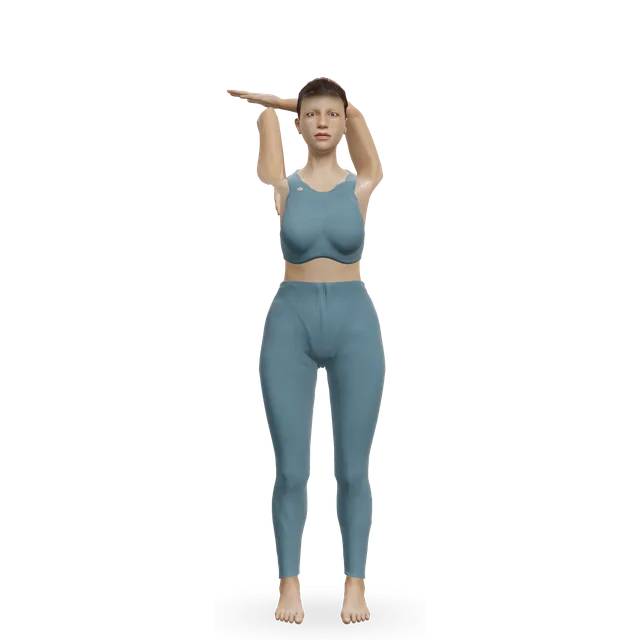
Full-body stretch routine
A 15-minute head-to-toe stretch for the neck, shoulders, back, hips, hamstrings and calves.
15 minBeginner11 movesA wall
Lower back stretch routine
Seven gentle stretches and mobility moves for a stiff lower back, done lying and kneeling.
12 minBeginner7 movesA wallQuestions people ask
How long does the spine mobility routine: neck to pelvis, every direction take?
About 15 minutes, including any warm-up and cool-down listed. Shorten it by doing fewer rounds; lengthen it by adding one.
What equipment do I need?
No equipment: your body and some floor space. A mat makes floor work more comfortable.
Is it suitable for beginners?
It is written for beginners. 2 of its 12 moves have an easier option listed beside them if you need one.
How do I make it easier or harder?
Use the easier or harder option listed under each move, change the number of rounds, or adjust the rest. Progress one change at a time.