How long does it take to do the splits?
No study has measured it. Our estimate, from trials that added roughly 10 to 20 degrees of hamstring range in 4 to 6 weeks: weeks to a few months if you're close, and many months to a year or more from a stiff start. The middle split often takes longer, and indirect evidence suggests some people's hips may not allow a flat one.
Can everyone do the splits?
Most people can get much closer, but not everyone may get flat, especially in the middle split. Even in professional dancers, the thigh bone meets the rim of the hip socket at the end of a split, and hip shape varies a lot between people. That evidence is indirect, and no study has measured how many adults can do either split.
Which is easier, the front split or the middle split?
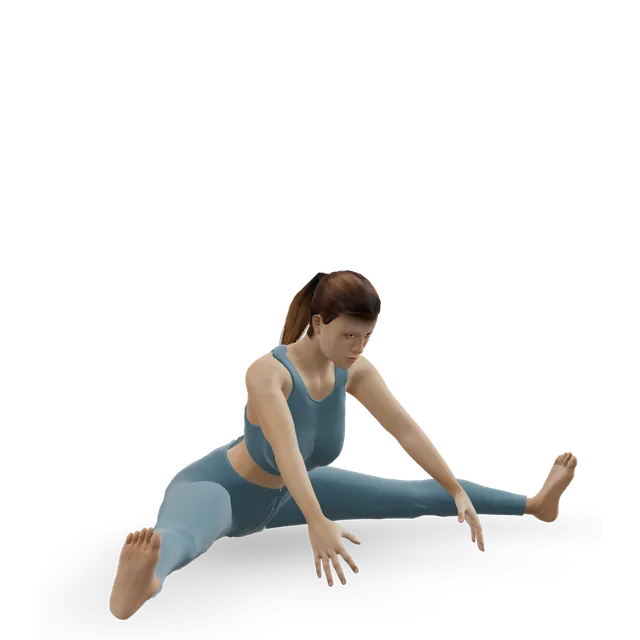
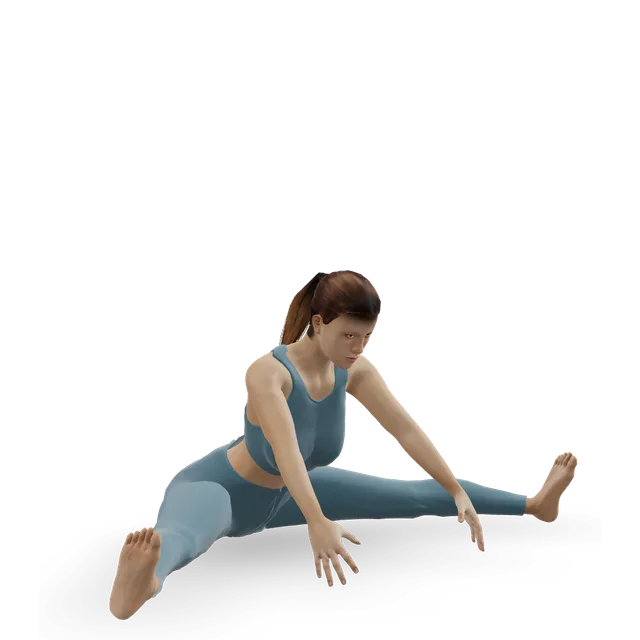
For most adults, probably the front split, because it depends mainly on the hamstrings and hip flexors, which respond well to training. The middle split depends more on the shape of your hip joints. This is a reasonable inference from the evidence rather than a tested comparison.
Can you learn the splits in a week, or in 30 days?
Not usually, unless you're already nearly there. One stretching session adds range for less than half an hour, and lasting change builds over weeks to months of regular practice.
What are the best stretches for the splits?
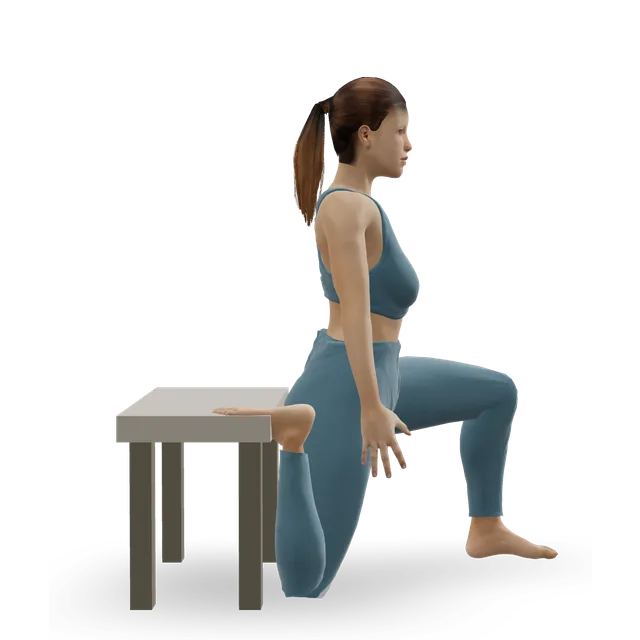
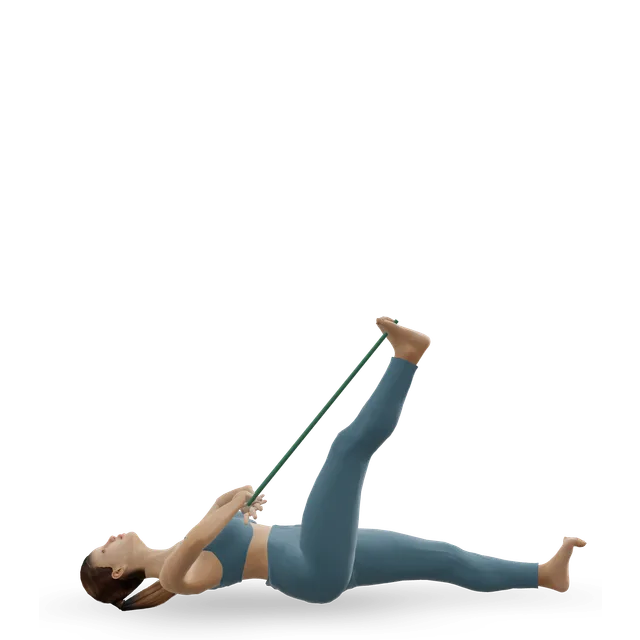
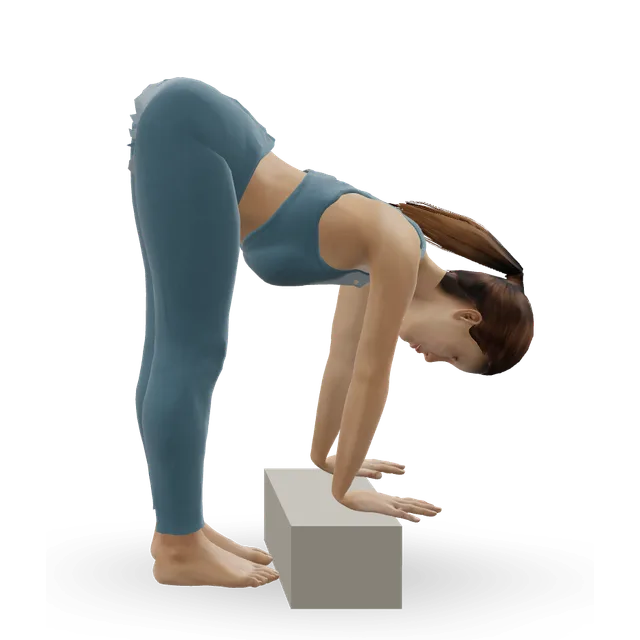
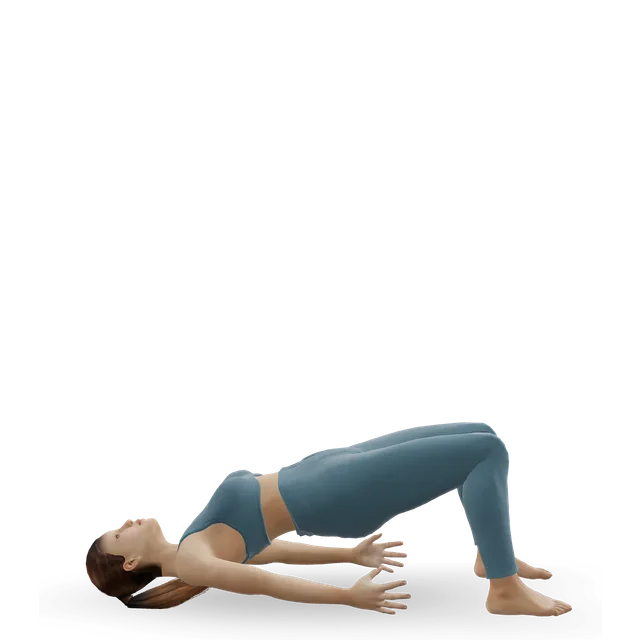
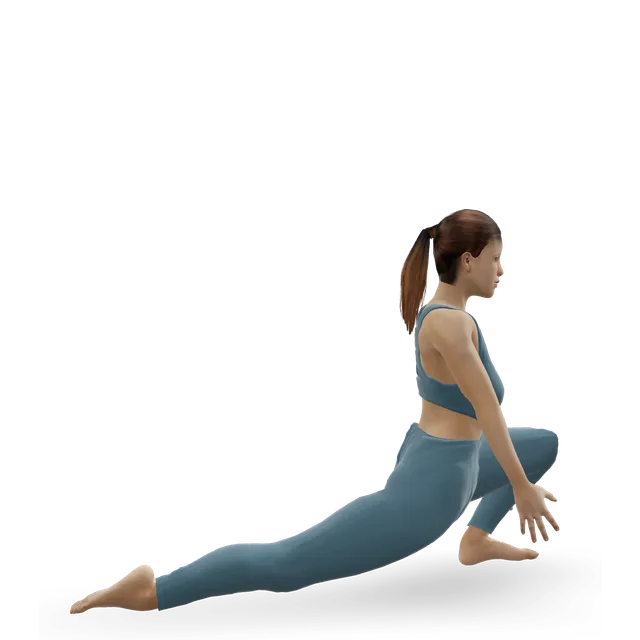
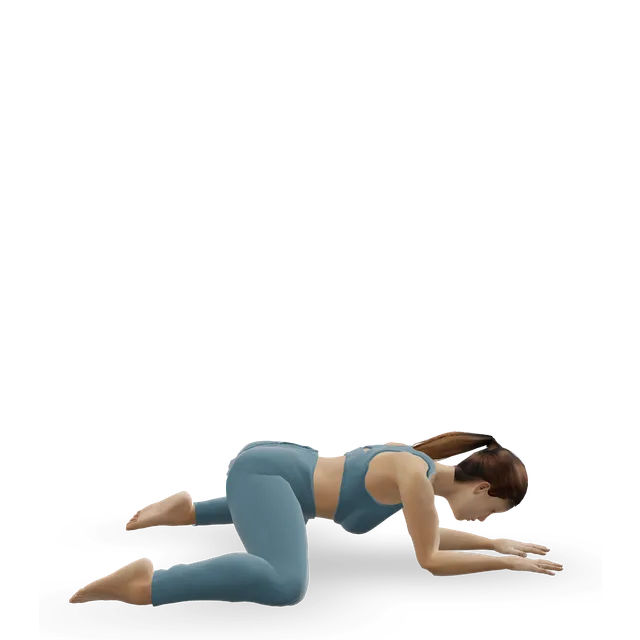
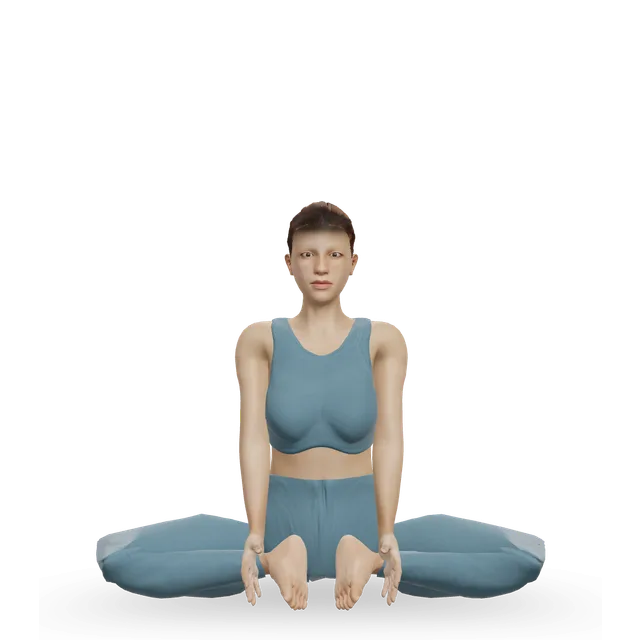
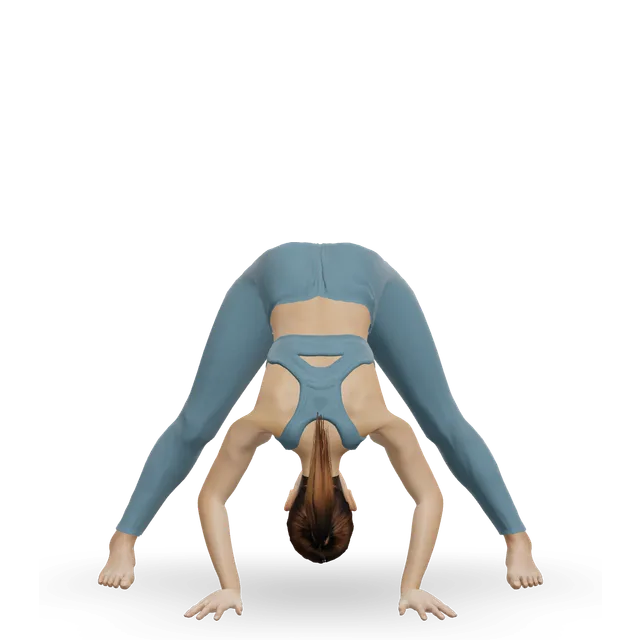
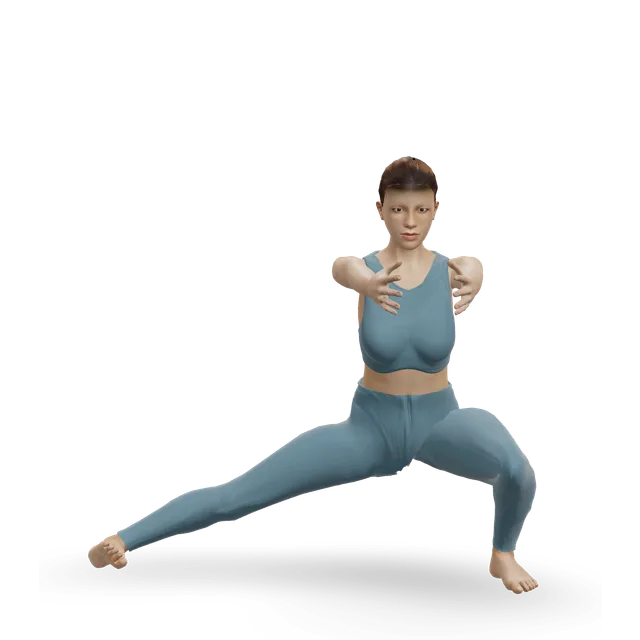
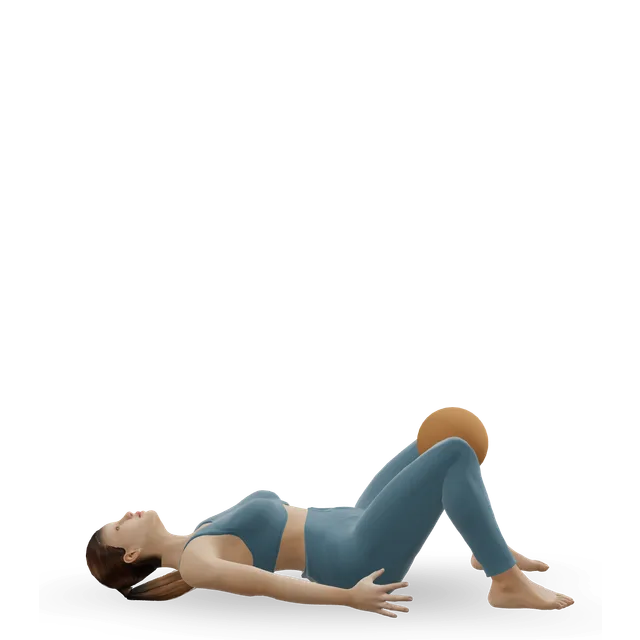
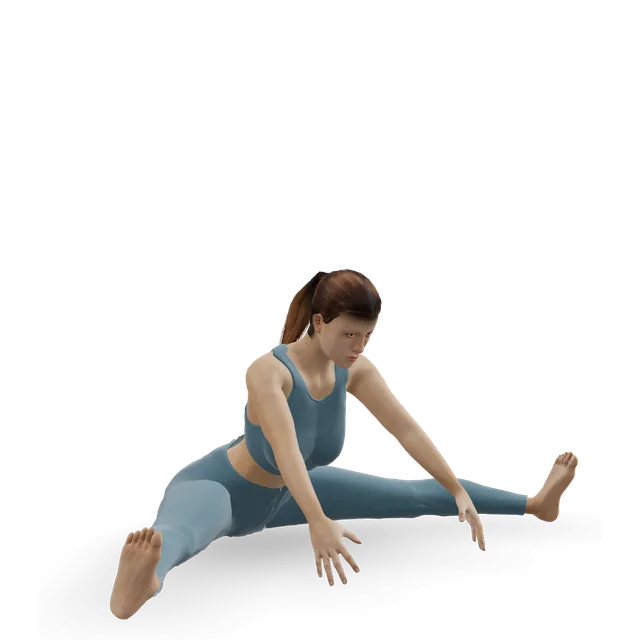
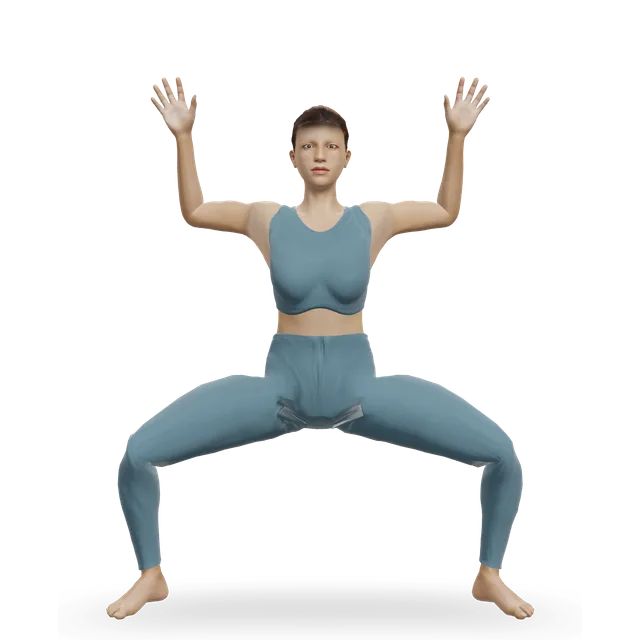
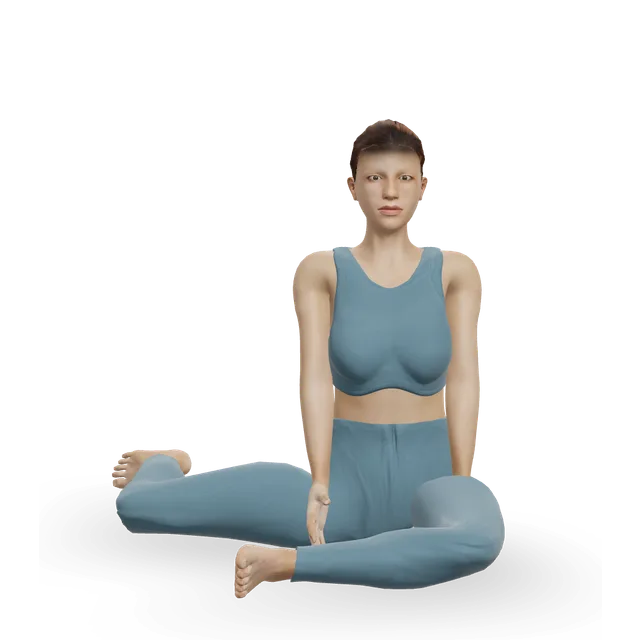
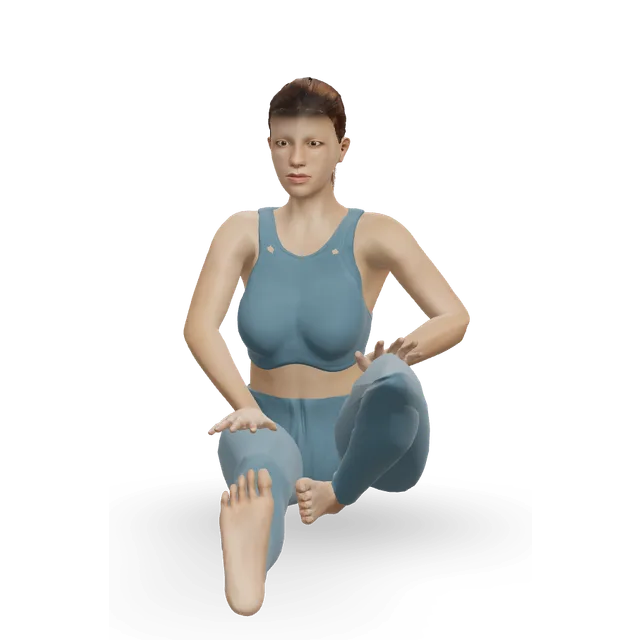
For the front split: a hip flexor stretch, a contract-relax hamstring stretch and pyramid pose. For the middle split: frog rocks, the wide-angle seated fold (the pancake) and pancake good mornings. Add strength in the stretched position, such as Nordic curls, Cossack squats and Copenhagen planks.
Why can't I do the middle splits?
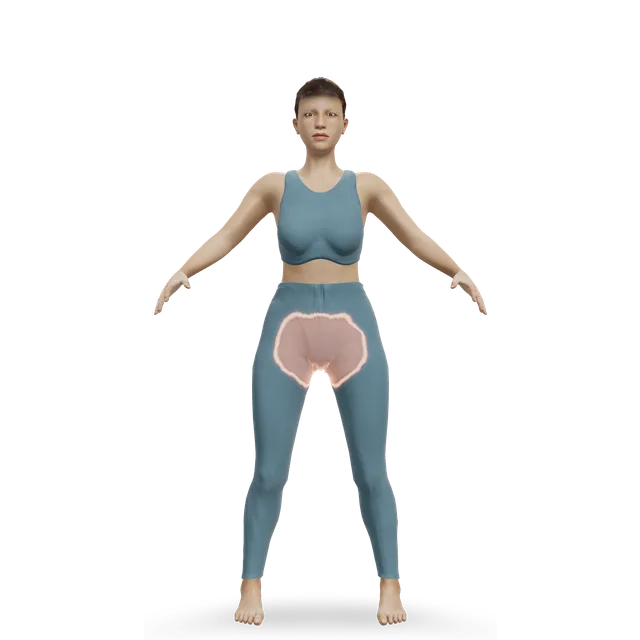
Usually a mix of short inner-thigh muscles, low tolerance to the stretch and, for some people, hip bones that stop the thigh swinging any further out, though that last part rests on indirect evidence. A pinch at the front of the hip means you've reached the joint, so work below it.
How often should I stretch for the splits?
Most days. The expert panel suggests 2 to 3 sets of 30 to 120 seconds per muscle daily for the biggest ranges, plus strength work in the stretched position. Our routine alternates a front-split day and a middle-split day, 3 or 4 times a week, with a few minutes of stretching on the days between.
Is doing the splits bad for your hips?
Not for most people practising sensibly, but the end of a split is a bony limit. Professional dancers, who do extreme splits for a living, show more cartilage wear at the top of the hip socket than non-dancers; there are no data for recreational practice. Never force past a pinch.
Can you learn the splits as an adult?
Yes: in our estimate, many adults can learn the front split and a wide straddle with months of regular practice, and age didn't change how much people gained from stretching in trials. Expect slower progress than a child or a dancer, and know that a flat middle split isn't guaranteed.
I felt a sharp pull high in my hamstring while stretching. What should I do?
Stop stretching it. Stretch-type hamstring strains sit high near the sitting bone and took dancers months to recover from, even though they felt mild at first. Get help from NHS 111 if it's very painful, badly swollen or bruised, or hurts to walk; a pop near the sitting bone needs checking the same day.
Should I warm up before stretching for the splits?
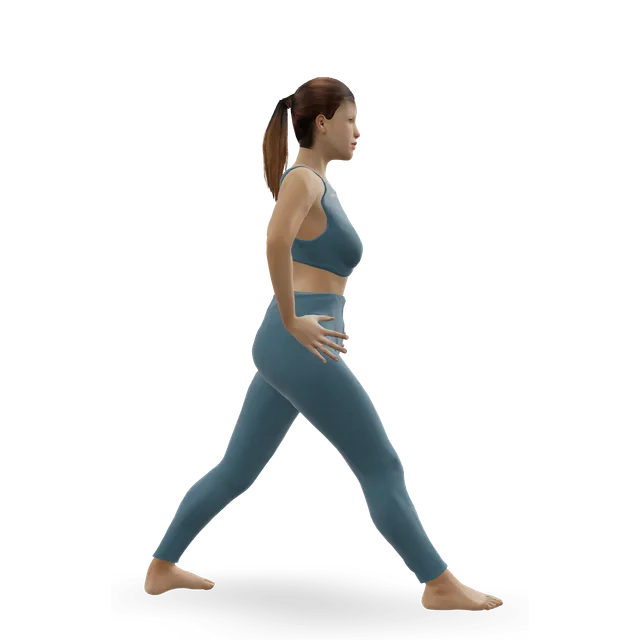
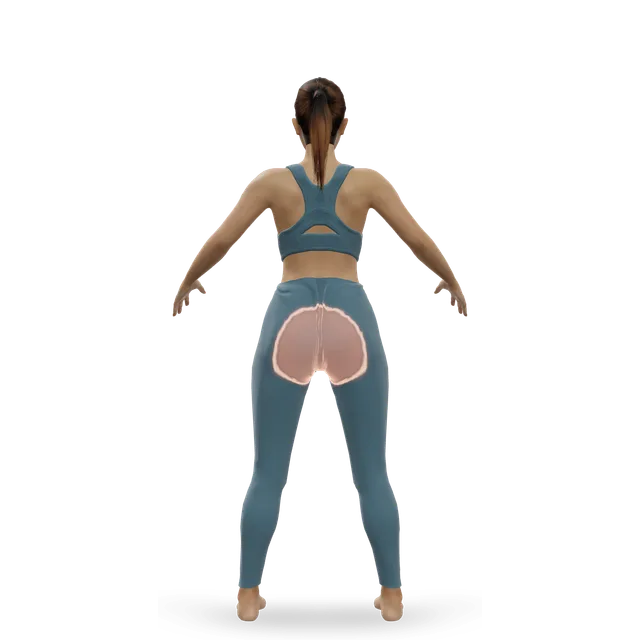
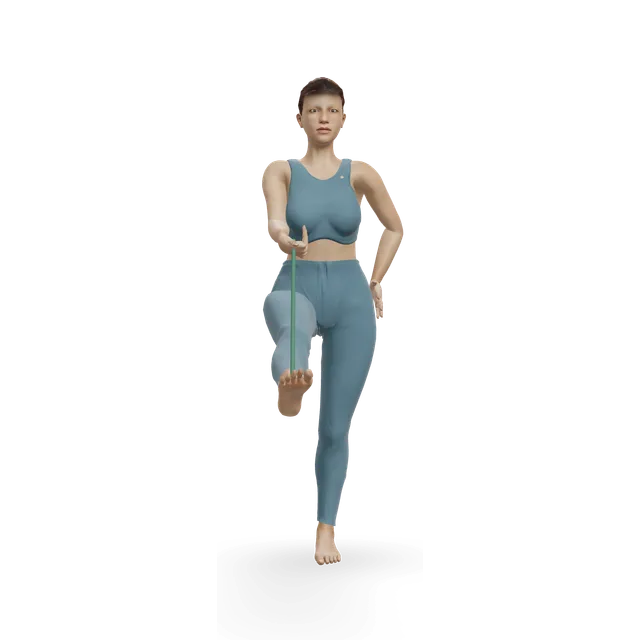
Yes. Stretching works best when your muscles are warm, so do a few minutes of easy movement and leg swings first. Our splits routine starts with a short warm-up.
What is the pancake stretch?
A seated wide straddle with the trunk folding forward between the legs. It stretches the inner thighs and hamstrings together and is a stepping stone to the middle split. Fold from the hips, and sit on a cushion if your back rounds.