Wide-angle seated forward fold (Upavistha Konasana)
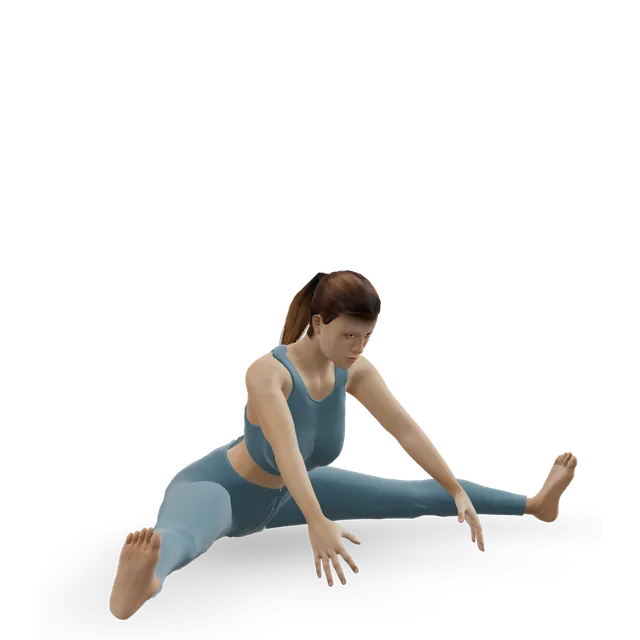
Sitting with the legs wide apart, the hips hinge forward with a long back and the hands reach ahead: a variant of the seated forward fold, which Yoga Journal lists first among its preparations.
Seated forward fold family
Wide-angle seated forward fold (Upavistha Konasana)
Loading the 3D figure…
Source-researched guide.
How to move
- Sit with the legs wide apart, the kneecaps and toes pointing up.
- Hinge forward from the hips with a long back, walking the hands out ahead.
- Hold, then walk the hands back to sit up.
Form cues
- Sit on a blanket if the low back rounds.
- Keep the kneecaps pointing up.
Practice and cautions
No universal dose is assigned. Choose a manageable amount for your current capacity, leave room for controlled repetitions, and allow recovery. A clinician’s individual plan takes priority.
With glaucoma, keep head-down positions brief or use a head-up version: in a small study, eye pressure rose within a minute in head-down yoga poses. Ask your eye team first if your glaucoma is advanced or you've had eye surgery. Groin strains happen when people force the legs wider than they are ready for. Widen over months, not in one session. With osteoporosis, avoid deep or repeated rounding of the spine: fold from the hips with a long back, or leave it out. This is movement education, not an assessment or treatment prescription. Stop for sharp or increasing pain, dizziness, numbness or tingling; seek individual guidance for symptoms, injury or restrictions.
Sources and review status
Sources support the educational description; they do not establish that this exercise is suitable for you.
- Yoga Journal · Wide-angle seated forward bend (the seated forward bend first among its preparations) ↗
- Wikipedia · Paschimottanasana (the wide-angle fold a variant of the seated forward bend) ↗
- Jasien 2015 · Eye pressure in four head-down yoga poses, in 20 people with and without glaucoma (lab study, PLoS One) ↗
No variation is labeled clinically validated.
What it works
Muscles
Main: Hamstrings, Adductors. Also: Back.
Anatomy: Hamstrings, Biceps femoris, Adductors, Gracilis, Pectineus.
Equipment
None: body weight and floor space.
Level
Intermediate. See the easier and harder options above.
Workouts that use it
Guides that use it
Similar moves
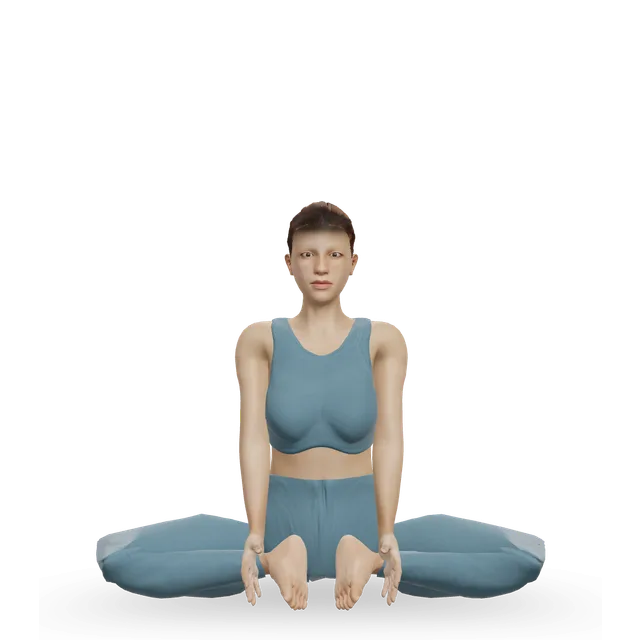 3D demoBound angle pose (Baddha Konasana)Beginner · No equipment
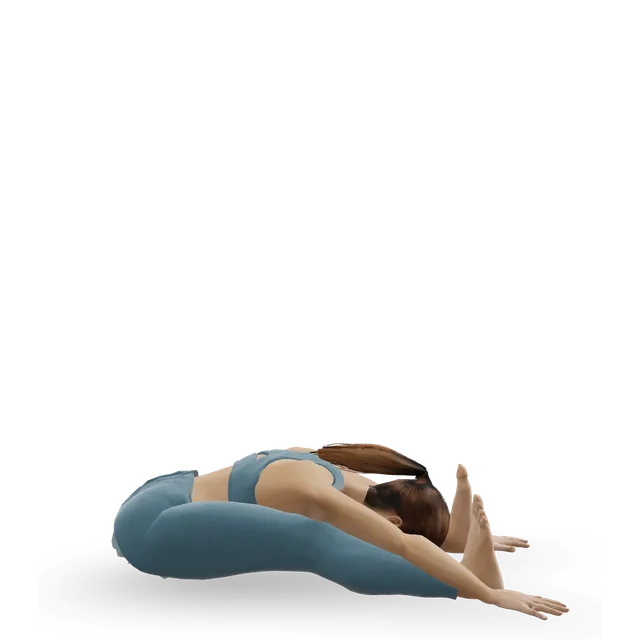 3D demoSeated forward fold (Paschimottanasana)Intermediate · No equipment
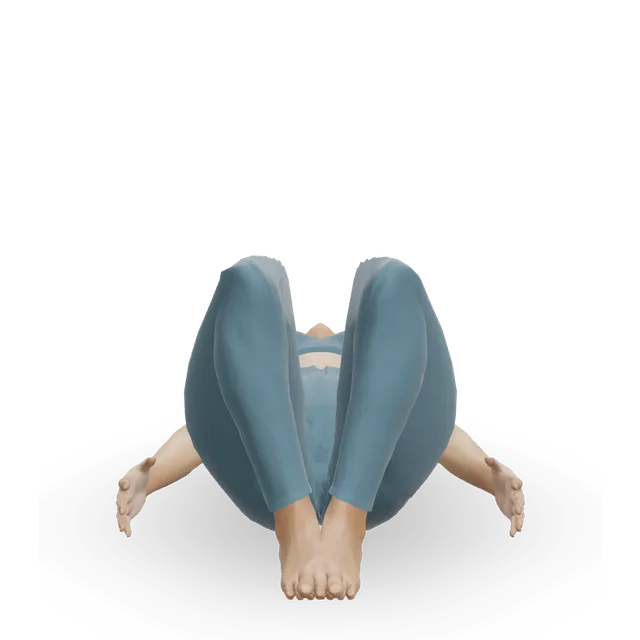 3D demoReclining bound angle pose (Supta Baddha Konasana)Beginner · Firm cushion
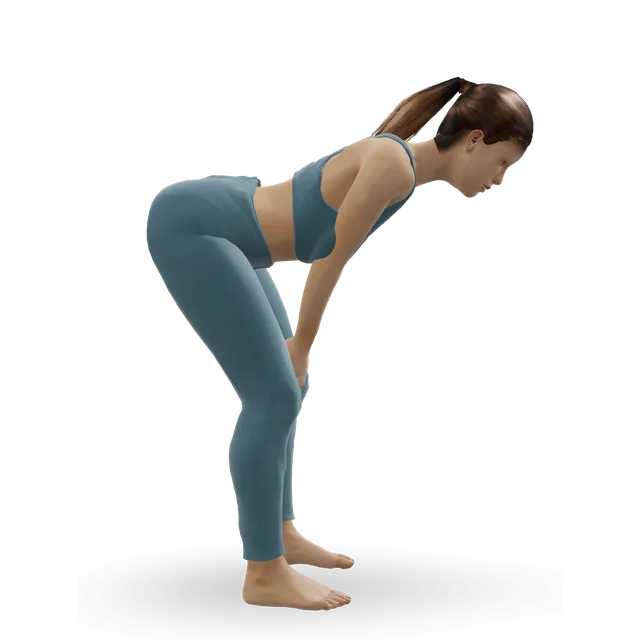 3D demoFlying sword (elastic forward swing)Intermediate · No equipment
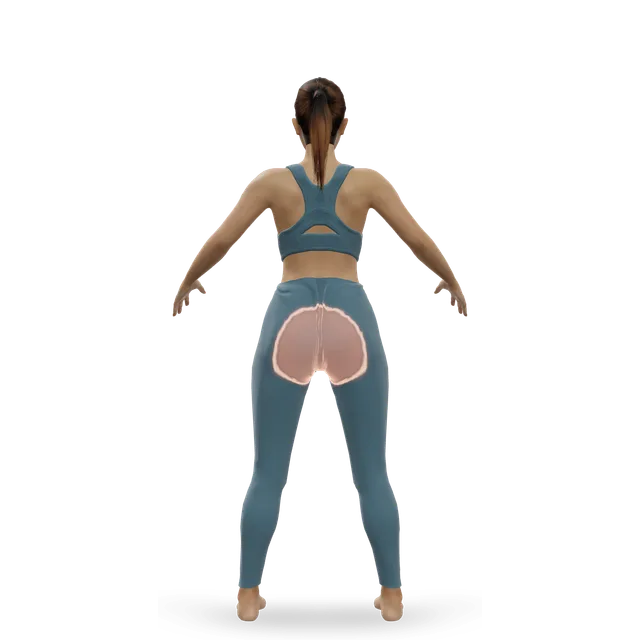 Compass pose (Parivrtta Surya Yantrasana)Advanced · No equipment
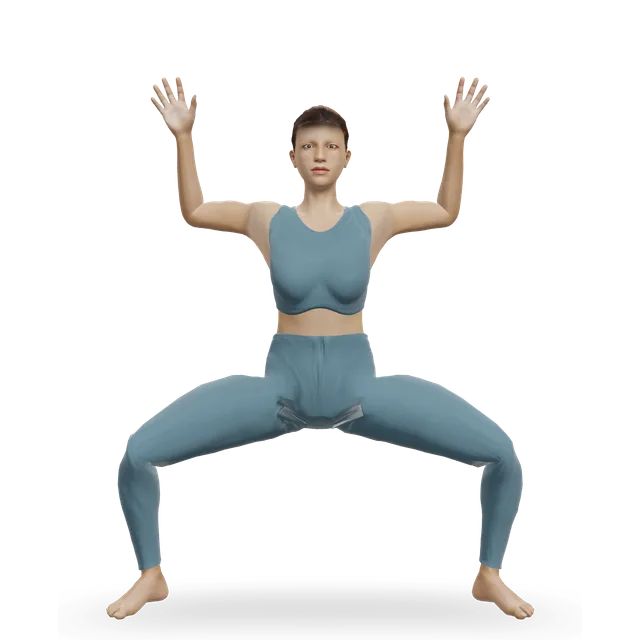 3D demoGoddess pose (Utkata Konasana)Beginner · No equipment
Browse more
Questions people ask
What muscles does the Wide-angle seated forward fold (Upavistha Konasana) work?
Mainly the hamstrings and adductors, with help from the back.
What equipment do I need for the Wide-angle seated forward fold (Upavistha Konasana)?
No equipment: your body weight and a little floor space.
Is the Wide-angle seated forward fold (Upavistha Konasana) good for beginners?
It is graded intermediate. If it is too hard right now, start with the Head-to-knee pose (Janu Sirsasana).
What is an easier alternative to the Wide-angle seated forward fold (Upavistha Konasana)?
Try the Head-to-knee pose (Janu Sirsasana) or the Wide-legged standing forward fold (Prasarita Padottanasana). Both are written steps in the same progression.
How do I make the Wide-angle seated forward fold (Upavistha Konasana) harder?
Progress to the Active pancake lift-off. Follow that guide’s technique and any stated timing.