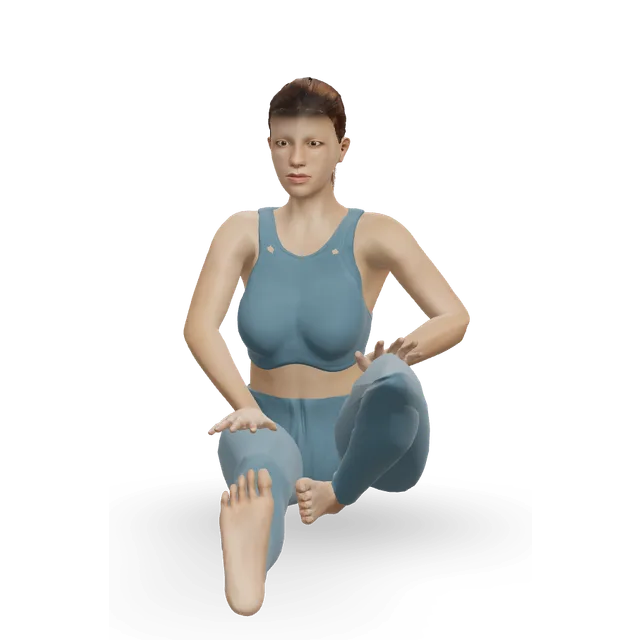
The biceps femoris is the outer hamstring, at the back of your thigh. It has two heads: a long head from the sit bone, which crosses the hip and the knee, and a short head from the back of the thigh bone, which crosses only the knee. Both end in the cord you can feel at the outer back of the knee.
It bends the knee and, through the long head, straightens the hip; when you sprint, it brakes the lower leg at the end of every stride. That is when it is most often torn: it accounts for most hamstring strains in football, and the exercises that build its long head best are seated leg curls and hip extensions rather than Nordic curls alone.
Shaded: the hamstrings area. It marks the region, not the exact outline of the biceps femoris.
What it does
Bends the knee, as in a leg curl.Knee flexion (both heads)
Turns the shin and foot outward when the knee is bent; one source says it also helps turn the hip outward.Tibial external (lateral) rotation with the knee flexed (both heads); hip external rotation in one source
Straightens the hip, as when you rise from a bend or drive the leg back in a sprint.Hip extension (long head only)
Brakes the lower leg at the end of each running stride.Eccentric deceleration of knee extension in late swing
Steadies the outer and back-outer corner of the knee. With the other hamstrings and the anterior cruciate ligament (ACL), it stops the shin sliding forward as the heel lands.Posterolateral knee stabilisation; resisting anterior tibial translation
Nerve supply
Sciatic nerve, from the L4 to S3 nerve roots. Its tibial part supplies the long head, usually with two branches; its common fibular (peroneal) part supplies the short head, usually with one. The sciatic nerve runs deep to the long head (one chapter says behind it), and the common fibular nerve lies close to the tendon near the knee.
In 23 professional football teams followed from 2007 to 2011, 83% of hamstring injuries were in the biceps femoris, against 11% in the semimembranosus and 5% in the semitendinosus, and all 34 re-injuries were in it. StatPearls agrees it is the most often injured hamstring, and that the long head is the part usually hurt in high-speed running.
In computer models of sprinting it is stretched the furthest of the hamstrings at the end of each swing, about 9.5% beyond its standing length against 7.4 to 8.1% for the others, and it reaches the largest peak strain. A review places most sprinting injuries in that late-swing phase, as the muscle lengthens under load. Above about 7 metres a second, runners go faster mainly by swinging the legs faster, driven by the hip muscles including the hamstrings.
Short fibres and weak lowering strengthEmerging evidence
In one cohort of 152 elite footballers, long-head fibres shorter than 10.56 centimetres made a strain about 4 times as likely, and so did weak eccentric (lowering) knee-bending strength.
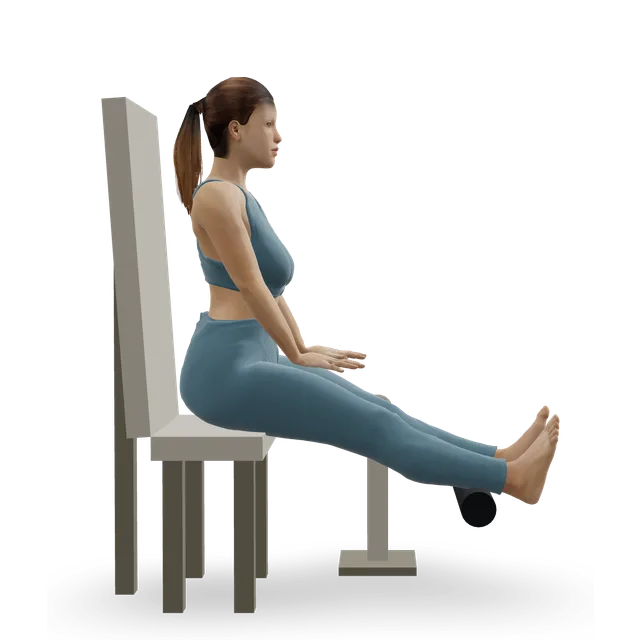
Twelve weeks of seated leg curls, with the hips bent, grew the long head 14.4% against 6.5% for lying curls. In another 12-week trial, seated curls with the hip bent to 120 degrees grew the long head 19% against 5% for Nordic curls, while the Nordic grew the short head 22% against 6%.
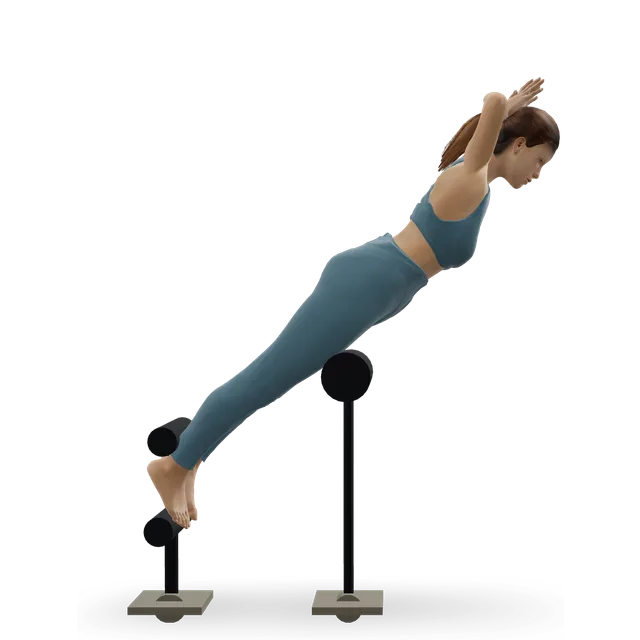
Of 10 exercises, hip extension on a 45-degree bench drew the most outer-hamstring activity relative to the inner hamstrings in the lowering phase, in recordings of muscle activity (electromyography, EMG). On functional magnetic resonance imaging (MRI), it worked the long head more, relative to the semitendinosus, than the Nordic did, and 10 weeks of it grew the long head more than Nordic curls did. Turning the toes out also shifted EMG toward the outer hamstring in 13 people; activity is not growth.
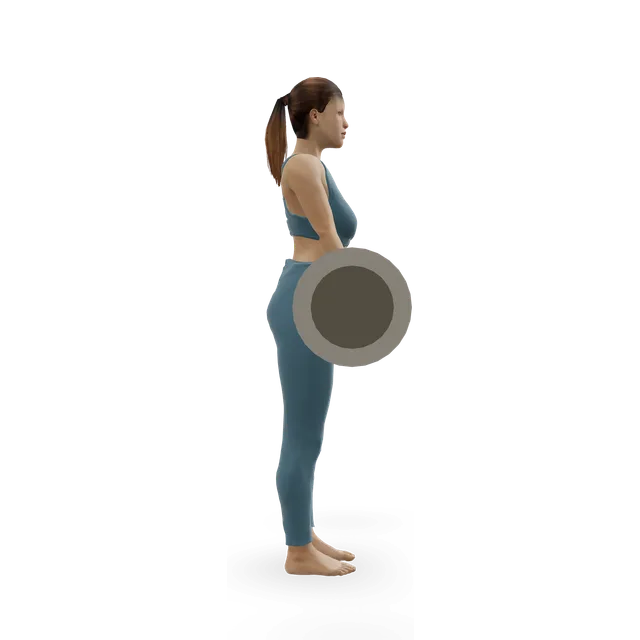
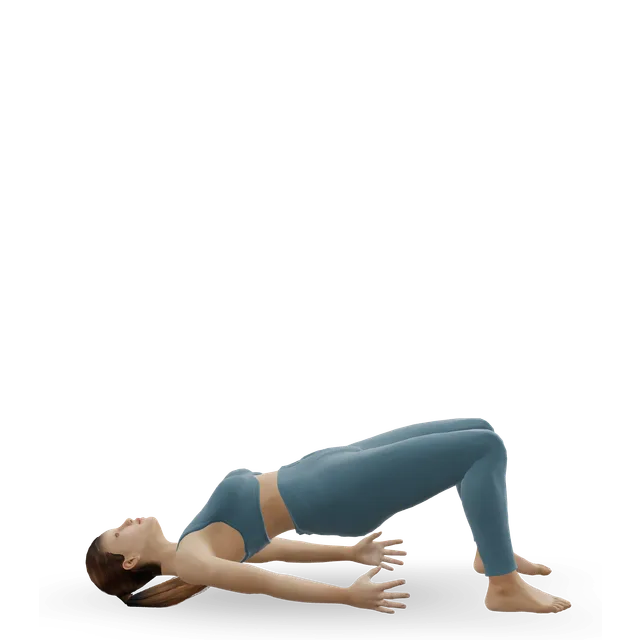
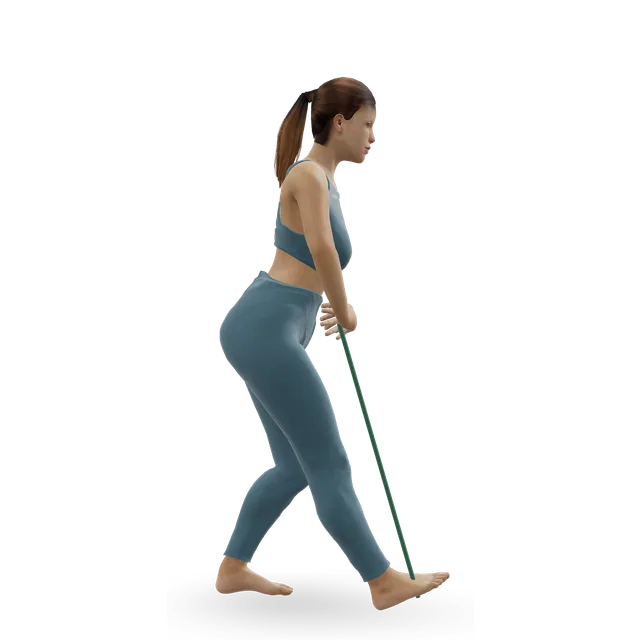
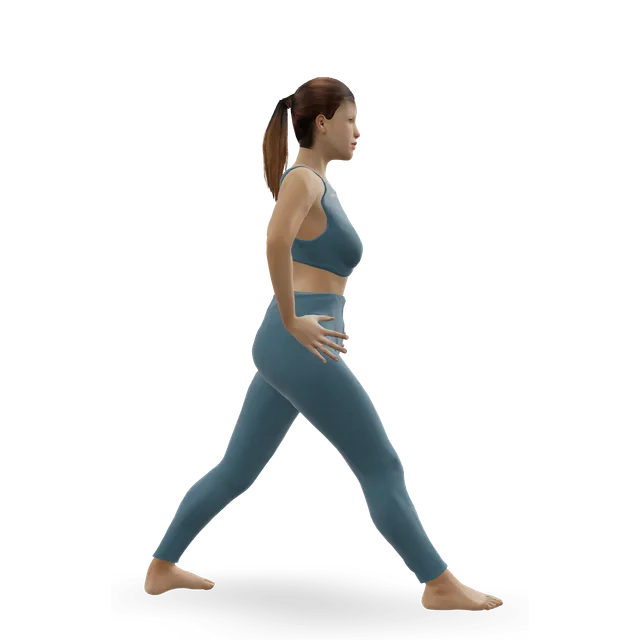
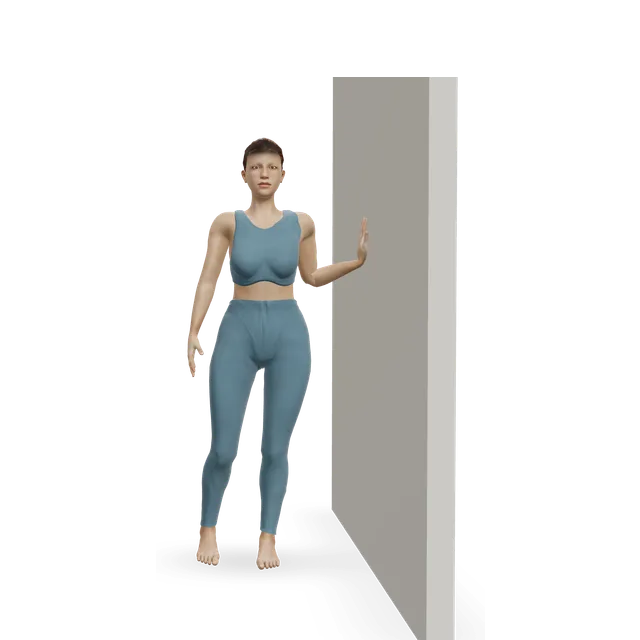
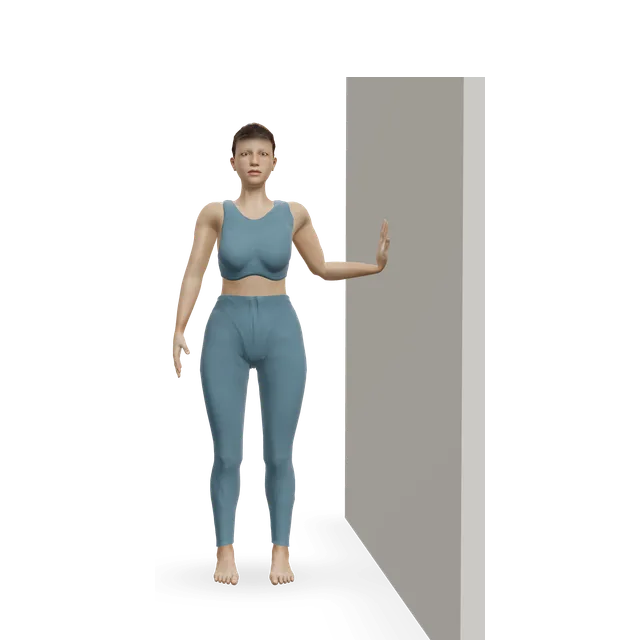
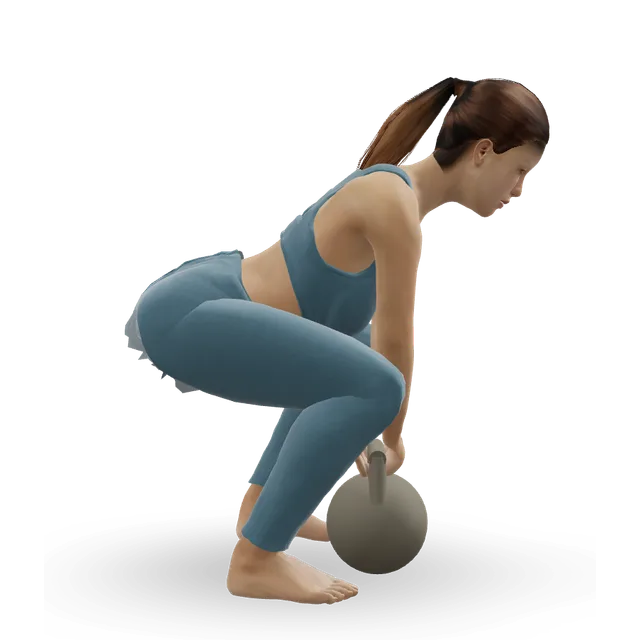
Mix a hip move, a seated curl and the Nordic. The first two rest on growth trials and muscle scans: seated curls with the hips bent and hip extension on a 45-degree bench built the long head more than lying curls or Nordic curls. The Romanian deadlifts follow from its hip-straightening action, and the Nordic curl, which mainly built the short head, is here for the injury-prevention evidence. The standing curl and slider curl follow from its knee-bending action. Turning the toes out shifts activity toward it, which is not the same as growth.
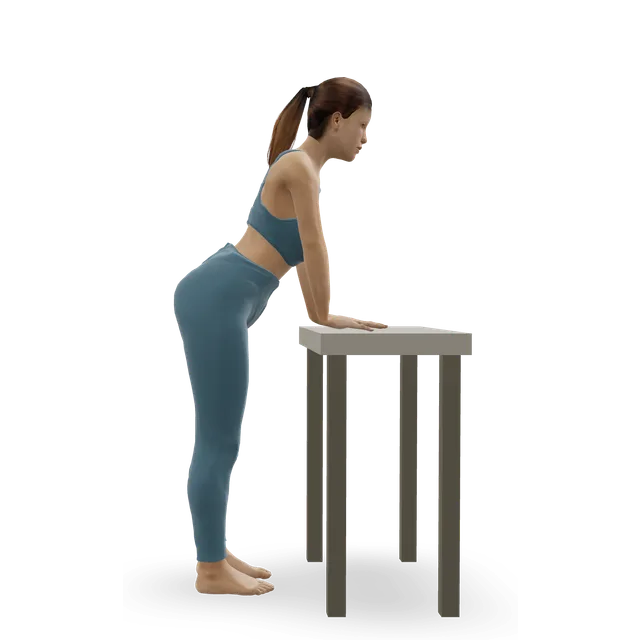
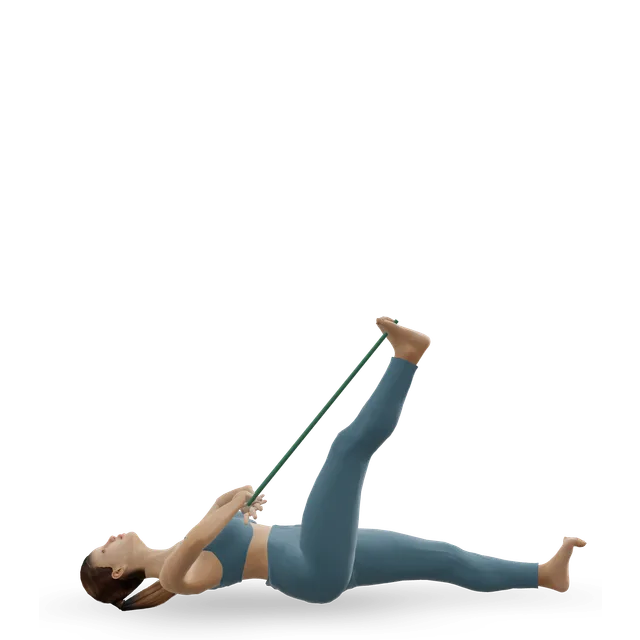
Bending the hip with the knee straight stretches the long head; the short head is stretched only by straightening the knee. These follow from its anatomy. One 30-second hold a day gained as much hamstring range over 6 weeks as longer or more frequent holds in a trial of 93 people. Stretching builds range; it has not been shown to prevent strains or re-injury.
A sharp pain at the back of the thigh, sometimes with a pop, then tenderness, swelling and bruising. Most hamstring strains are in this muscle, and about a third of athletes re-injure within a year. In elite men's football, the hamstrings accounted for 37% of muscle injuries.
In elite Swedish footballers, rehab built on lengthening exercises returned players to full training in 28 days rather than 51. In a trial of 43 men, rehab that allowed tolerable pain took about as long to return players as pain-free rehab (17 against 15 days), but kept more knee-bending strength and more long-head fibre length.
Programmes that include Nordic curls cut hamstring injuries in randomised trials in football: in 942 Danish players acute hamstring injuries fell by about 70%, and in 579 Dutch amateurs from 0.8 to 0.25 per 1,000 hours of training and matches. Across 15 studies of 8,459 athletes, programmes including the exercise roughly halved hamstring injuries.
A 2021 reappraisal limited to true randomised trials found the effect less certain, and compliance matters: in a meta-analysis the benefit was clear in players who kept to the programme, and two years after the Dutch trial, 69% of players said they never did it.
The long head starts on the sit bone through a tendon it shares with the semitendinosus, and that shared tendon is where high hamstring tendinopathy sits: pain at the sit bone that builds gradually rather than starting in a sprint.
Teenagers: a pulled-off bone at the sit boneEmerging evidence
Before the growth plate fuses, a forceful bend at the hip with the knee straight can pull off the bony point the hamstrings start from. It made up 12% of pelvic avulsions in a review of young athletes and 1.4 to 4% of hamstring injuries, and it is less likely to heal if the piece has moved more than 1.5 centimetres.
Injuries where its two heads join, just above the knee, recurred in 54% of 106 cases on scans, most within 3 months. Tears of its tendon off the fibula are rare and can come with damage to the outer knee ligaments or the common fibular nerve, which can cause a foot drop. Rarely, the tendon snaps over the fibula, usually because of an unusual attachment.
Across 25 trials in sport, stretching programmes did not lower injury rates, while strength training cut them to about a third; an earlier review agreed. For hamstrings, flexibility training alone has not been shown to reduce re-injury. The UK's National Health Service (NHS) advises building fitness gradually, warming up, stopping if the hamstrings start to hurt and not exercising when tired.
Stretching does build range: in a trial of 93 people, one 30-second hold a day gained as much as longer or more frequent holds.
Nordic curls alone protect the biceps femorisEmerging evidence
Nordic programmes do cut injuries, but in growth trials the Nordic built mainly the semitendinosus and the short head. The long head, where most strains happen, grew more with seated curls and hip extension, so use both kinds of exercise.
An older StatPearls chapter blames out-of-step firing between its two nerve supplies; the newer biceps femoris chapter says that link has not been established. The stretch it takes at the end of each swing is the better-supported explanation.
A hamstring-to-quad strength ratio predicts strainsEmerging evidence
Across 12 studies of 2,912 athletes, strength testing on isokinetic machines had little power to predict strains; only slow lowering (eccentric) knee-bending strength showed a small link.
It bends the knee and turns the shin outward, and its long head also straightens the hip. When you sprint, it helps brake the lower leg at the end of every stride.
What is the difference between the long head and the short head?
The long head starts on the sit bone and crosses the hip and knee; the short head starts on the back of the thigh bone and crosses only the knee. They have different nerves: the tibial and the common fibular parts of the sciatic nerve.
Why is the biceps femoris the most commonly strained hamstring?
In professional football, 83% of hamstring injuries were in it. In sprinting models it is stretched the furthest at the end of the swing, and in one cohort, players with short long-head fibres were about 4 times as likely to strain it.
What are the best biceps femoris exercises?
Seated leg curls with the hips bent, and hip extension on a 45-degree bench: both grew the long head more than lying curls or Nordic curls in trials. Add the Nordic for the short head.
Do Nordic curls work the biceps femoris?
Mostly its short head: 12 weeks of Nordics grew the short head by 22% but the long head by only 5%. Programmes that include them still cut hamstring injuries in football trials, so keep them alongside hip-extension work.
How long does a biceps femoris strain take to heal?
Mild hamstring injuries often settle in days, while severe ones take weeks to months. In elite footballers, rehab built on lengthening exercises got players back to full training in about 4 weeks, against 7 with standard exercises. Our hamstring strain guide has the stages.
Where do you feel a biceps femoris strain?
At the back and outer side of the thigh, usually high up after a sprint, sometimes with a pop and later bruising. Pain at the outer back of the knee points to the lower tendon instead.
Which nerve supplies the biceps femoris?
The sciatic nerve, from the fourth lumbar to the third sacral nerve roots (L4 to S3): its tibial part supplies the long head and its common fibular part the short head. The common fibular nerve runs close to the tendon near the knee.
How do I stop a biceps femoris strain coming back?
A previous strain is one of the biggest risk factors, so keep strength work going after you return. Programmes that include Nordic curls cut hamstring injuries, and they work best when players keep doing them; seated curls and hip extension build the long head.
Why does the outside back of my knee hurt?
It can be the biceps femoris tendon where it attaches near the fibula; injuries where its two heads join just above the knee often recur. Rarely, the tendon snaps over the bone. Get a knee that gives way, or a foot that drops, checked.
Anatomy and movement education, not a diagnosis or treatment plan. If you have pain that follows an injury, is severe or getting worse, or comes with numbness, weakness or swelling, get it assessed. Health disclaimer.