Also called inner thigh muscle, groin muscle, gracilis tendon
The gracilis is the long, thin strap muscle running down your inner thigh, from the lower edge of the pubic bone to the inside of the shin just below the knee. It is the most superficial of the inner-thigh muscles, and the only adductor that crosses the knee.
It pulls the thigh in, helps bend and turn the knee, and with two neighbouring tendons steadies the inner knee. It is rarely the muscle torn in a groin strain, it grows with leg curls as well as inner-thigh work, and surgeons borrow its tendon to rebuild knee ligaments.
Shaded: the adductors area. It marks the region, not the exact outline of the gracilis.
Starts at (origin)
The lower edge of the pubic bone, near the midline.Medial ischiopubic ramus (other StatPearls chapters give the body and inferior ramus of the pubis)
Attaches to (insertion)
The inside of the shin just below the knee, alongside two other tendons.Superomedial tibia at the pes anserinus, with the sartorius and semitendinosus, about 5 cm below the joint line
What it does
Pulls the thigh in toward the midline, as when you squeeze your knees together.Hip adduction
Helps lift the thigh forward and turn it inward.Assists hip flexion and internal (medial) rotation
Helps bend the knee and turn the shin inward.Knee flexion and tibial internal (medial) rotation
With its two neighbouring tendons, resists the knee being pushed inward or twisted.Medial knee stabilisation against valgus and rotational stress
Nerve supply
The front (anterior) branch of the obturator nerve, from the L2 to L4 nerve roots. The muscle has 5 to 7 compartments, each with its own nerve branches.
Two joints, two kinds of trainingEmerging evidence
Because it bends the knee as well as pulling the thigh in, it grew with knee-bending training: by 24% after 12 weeks of seated leg curls with the hips bent, and by 30% after Nordic curls, measured on scans. It grew with both seated and lying leg curls in another trial, but not after 12 weeks of leg extensions or leg presses.
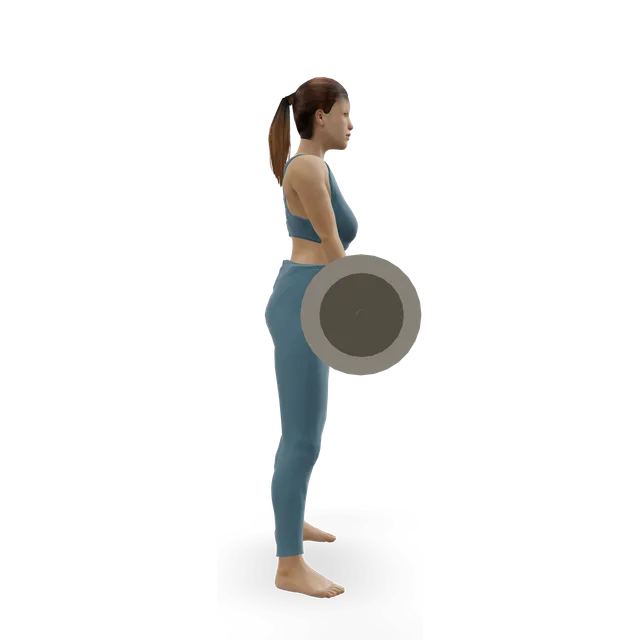
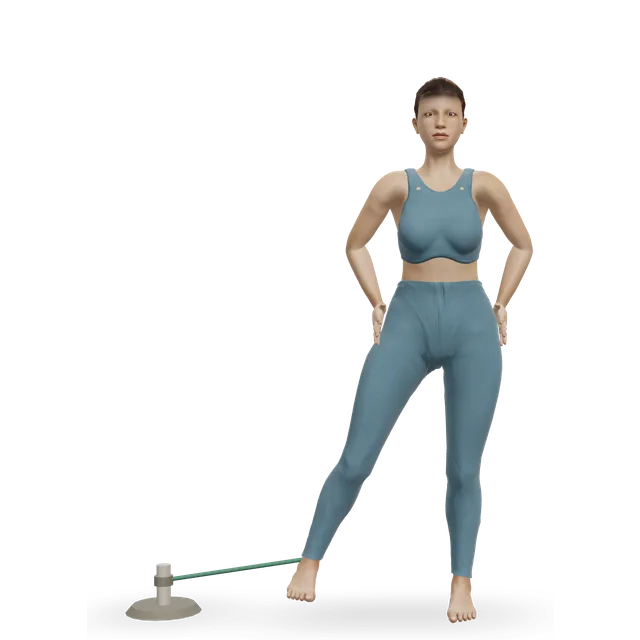
Its exercise rankings come from a computer model. Driven by recordings of muscle activity (electromyography, EMG) in 15 people doing 8 exercises, the model put the long-lever Copenhagen adduction in the top tier for every inner-thigh muscle, the gracilis included. For the gracilis, the deadlift and sumo deadlift were also top tier, the squat and step-up second, and a lying leg lift third. In a separate EMG study of the adductor longus, the Copenhagen adduction and hip adduction against an elastic band were high-intensity exercises. Modelled forces and EMG show load and activity, not growth.
Surgeons use its tendon, with the semitendinosus, to rebuild the anterior cruciate ligament (ACL), and the whole muscle as a flap or a working transfer for facial palsy, arm nerve injuries and pelvic reconstruction; its separate compartments make that possible. Taking its tendon slightly increases how far the knee turns outward.
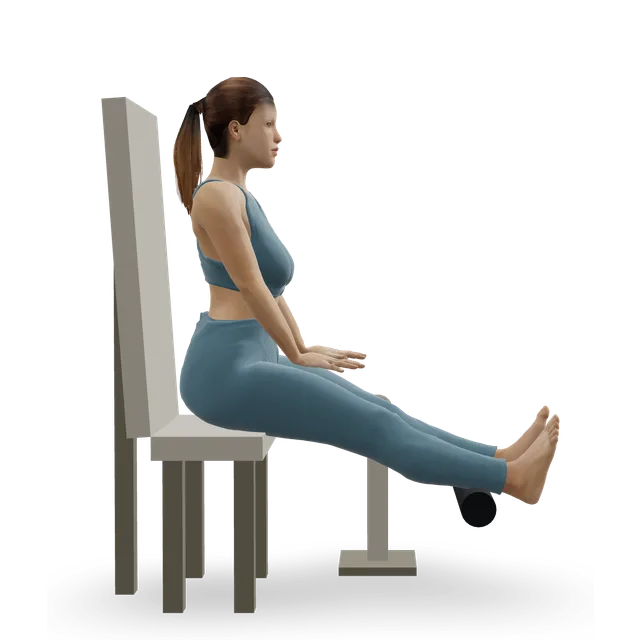
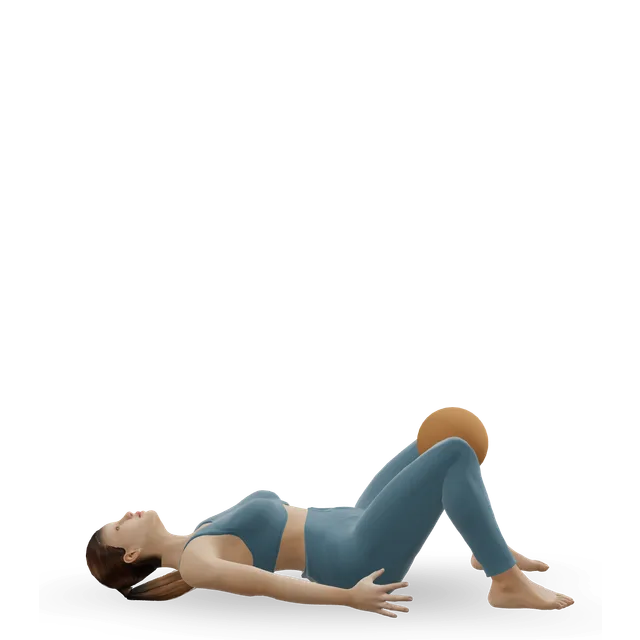
The order rests on two kinds of measurement. Growth trials found it grew 24 to 30% with seated leg curls and Nordic curls. The rankings for the Copenhagen plank and the sumo deadlift come from a computer model, which put both in its top tier for the gracilis, the plank in its long-lever form with the bench at the ankle; modelled forces show load, not growth. Band adduction follows from its action, and was high-intensity for the adductor longus in an EMG study; the ball squeeze is the gentle start in the groin strain plan. Leave the Copenhagen plank out while the groin is sore.
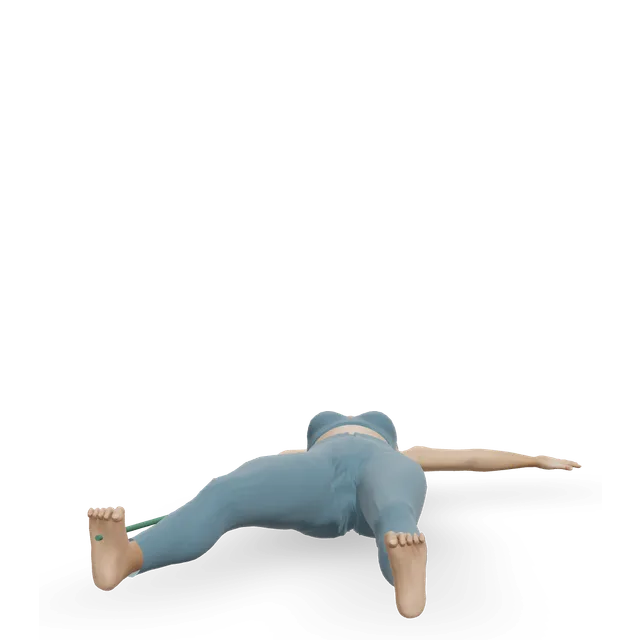
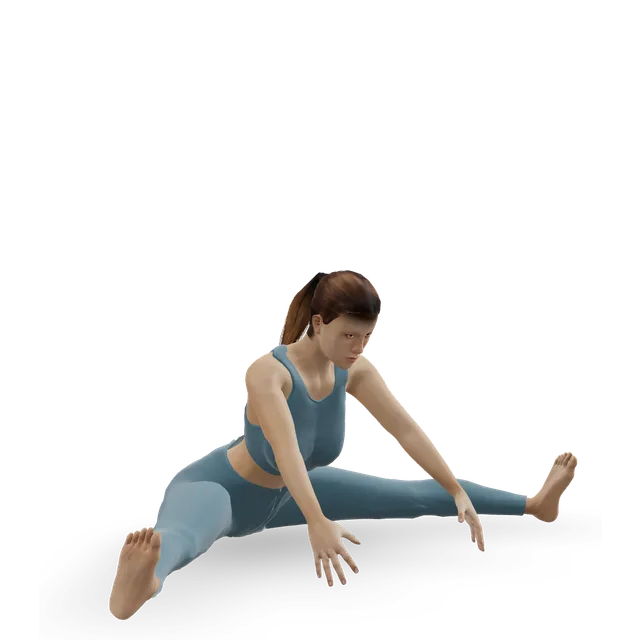
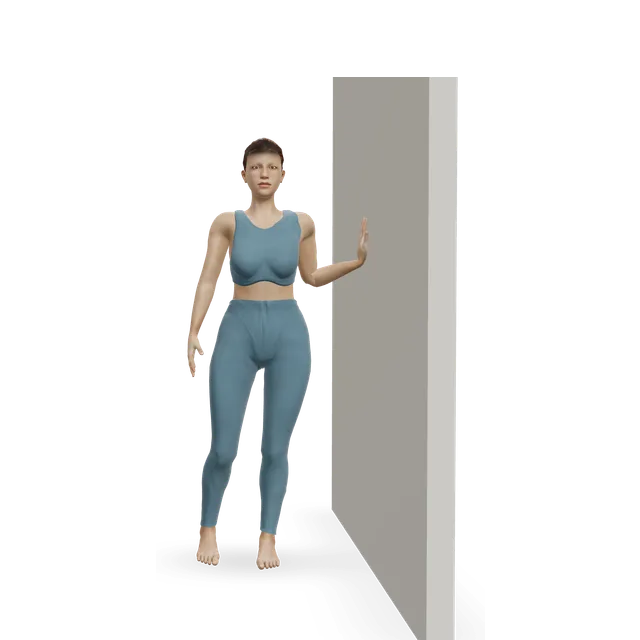
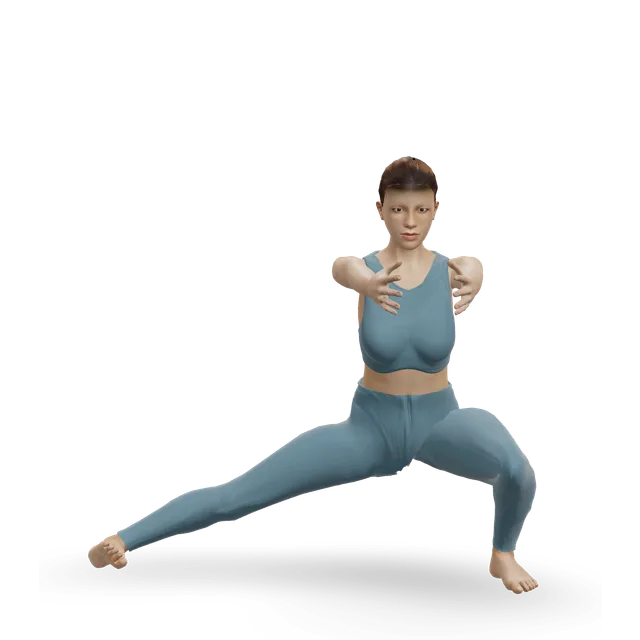
Keep the knees straight and take the legs wide: it crosses the knee, so butterfly and frog stretches, with the knees bent, slacken it and stretch the other inner-thigh muscles instead. No study has measured a gracilis stretch; these follow from its anatomy.
It is rarely the strained muscle: in one magnetic resonance imaging (MRI) series of male athletes it was 4 of 111 acute inner-thigh injuries, against 62 in the adductor longus, and a review puts it at 5 to 10%. Isolated tears high in the muscle are rare. In semi-professional footballers, a programme built on the Copenhagen adduction exercise lowered the risk of groin problems by 41%.
Pain on the inside of the knee below the jointEmerging evidence
It is one of three tendons that attach over a small fluid-filled sac (a bursa) on the inner shin, about 5 centimetres below the joint. Pain there is typically worse on stairs and getting up from a chair, is most common in middle-aged women and alongside knee arthritis, and usually settles with exercise and stretching.
After its tendon is used for an ACL repairEmerging evidence
In 30 knees, regrown tendon could be felt in 83% but seen on MRI in 37%, and regrowth was complete in 11 knees. In 20 patients, the loss of knee-bending and inward-turning strength faded where the tendons regrew; without regrowth an inward-turning deficit of about a quarter remained, though none reported trouble with sport.
Damage to the front branch of the obturator nerve wastes the gracilis along with the adductor longus and brevis, and a trapped nerve causes inner-thigh pain during exercise.
Inner-thigh pain usually means a pulled gracilisEmerging evidence
The adductor longus is the usual strained muscle. In one MRI series the gracilis was 4 of 111 acute injuries; a review puts it at 5 to 10%, still a small share.
Losing your gracilis tendon to a graft ruins your kneeEmerging evidence
Strength losses mostly faded where the tendon regrew, and patients without regrowth still reported no limits in sport. The main measurable change in cadaver studies is slightly more outward turning of the knee.
The programme that cut groin problems in football was a strengthening one, and across 25 trials in sport, stretching programmes did not lower injury rates while strength training did.
It pulls the thigh in toward the midline, helps bend the hip and the knee, and turns the shin inward. With two neighbouring tendons it also steadies the inside of the knee.
Where is the gracilis?
It runs down the inner thigh, from the lower edge of the pubic bone to the inside of the shin just below the knee. It is the most superficial inner-thigh muscle and the only adductor that crosses the knee.
How do you stretch the gracilis?
Keep the knees straight and take the legs wide, as in a seated straddle or lying with one straight leg swung out to the side. Butterfly and frog stretches bend the knees, which slackens it; no study has tested a gracilis-specific stretch.
What exercises strengthen the gracilis?
Inner-thigh work such as the Copenhagen plank, and knee-bending work: it grew 24% with seated leg curls and 30% with Nordic curls in a 12-week trial. Deadlifts also loaded it heavily in a computer model.
Is my groin pain a gracilis strain?
Probably not: in one scan series of male athletes only 4 of 111 acute inner-thigh injuries involved the gracilis, while most involved the adductor longus. A lump in the groin is a different problem; the groin strain guide lists the signs that need a doctor.
Why does the inside of my knee hurt below the joint?
That is often pes anserine pain, where the gracilis and two other tendons attach over a small fluid-filled sac. It is worse on stairs and getting up from a chair, and usually settles with thigh and hip exercise.
Can you live without your gracilis?
Yes. Surgeons often use its tendon to rebuild the knee's anterior cruciate ligament and the muscle in reconstructive surgery; the tendon often partly regrows, and strength losses mostly faded where it did.
Which nerve supplies the gracilis?
The front branch of the obturator nerve, from the second to fourth lumbar nerve roots (L2 to L4). Damage to that branch wastes the gracilis along with two other inner-thigh muscles.
Anatomy and movement education, not a diagnosis or treatment plan. If you have pain that follows an injury, is severe or getting worse, or comes with numbness, weakness or swelling, get it assessed. Health disclaimer.