The pectineus is a small, flat muscle high in your groin, at the very top of the inner thigh. It runs from a ridge on the top of the pubic bone to the back of the thigh bone just below the hip, lying beneath the large blood vessels that pass into the leg.
It bends the hip and pulls the thigh in, so it sits between the hip flexors and the inner-thigh muscles, and it is supplied mainly by the nerve of the front of the thigh. It is a less common but real site of groin strains, and most of what is written about pectineus trigger points rests on opinion.
Shaded: the adductors and hip flexors area. It marks the region, not the exact outline of the pectineus.
Starts at (origin)
A ridge on the top front of the pubic bone.Pectineal line of the pubis, on the superior pubic ramus
Attaches to (insertion)
The back of the upper thigh bone, just below the bump where the main hip flexor tendon attaches.Pectineal line of the femur, just below the lesser trochanter toward the linea aspera
What it does
Lifts the thigh forward.Hip flexion
Pulls the thigh in toward the midline.Hip adduction
Helps steady the hip as it turns; sources differ on whether it turns the thigh inward.Rotational hip stabilisation (medial rotation in one source)
Nerve supply
Mainly the femoral nerve, the nerve of the front of the thigh, given as L2 to L3 in one StatPearls chapter (the femoral nerve as a whole comes from L2 to L4). In 100 cadaver thighs the femoral branch was always present, with an extra branch from the obturator nerve in 10% and from an accessory obturator nerve in 2%, more often than the obturator nerve chapter, which calls it rare, suggests.
It sits between two groups: like the hip flexors and quads it is supplied mainly by the femoral nerve, and like the inner-thigh muscles it pulls the thigh in. In one fine-wire electromyography (EMG) study of 10 people, which we read as an abstract, it was most active lifting the thigh while lying on the back (supine hip flexion), at up to about 63% of its maximum, and moderately active in bridges and in turning exercises in both directions.
It forms the inner part of the floor of the femoral triangle, a hollow at the top of the thigh, with the femoral vein and canal lying over it and the femoral artery beside them. Femoral hernias come through that canal, and they are more likely in older women.
In one magnetic resonance imaging (MRI) series of male athletes with sudden inner-thigh injuries, 17 of 111 were in the pectineus, third after the adductor longus and brevis. In 145 athletes whose adductor longus tendon tore off the pubic bone, 48 also had a partial pectineus tear.
On scans of 17 adults it measured about 43 to 48 cubic centimetres, under a third of the size of the adductor longus (about 161). It did not change after 12 weeks of leg extensions or leg presses, and no study has tested growth from its own exercises.
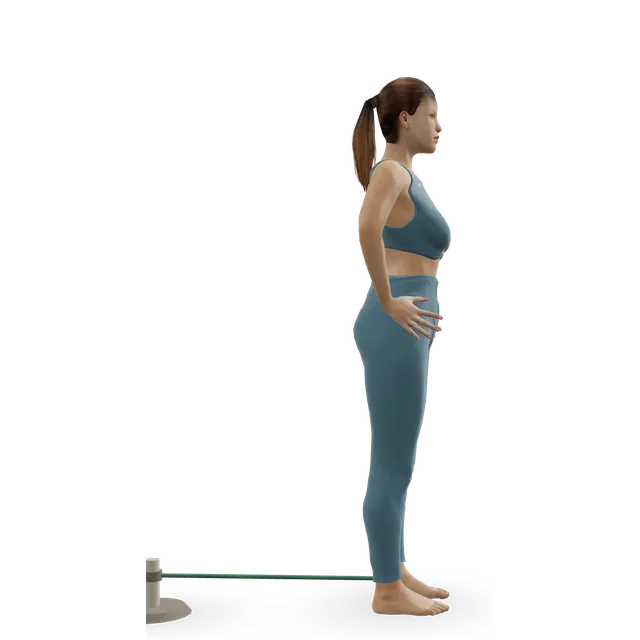
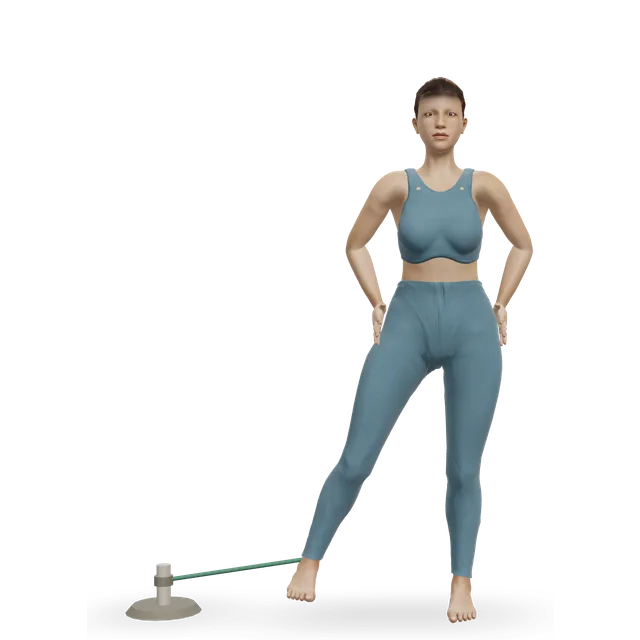
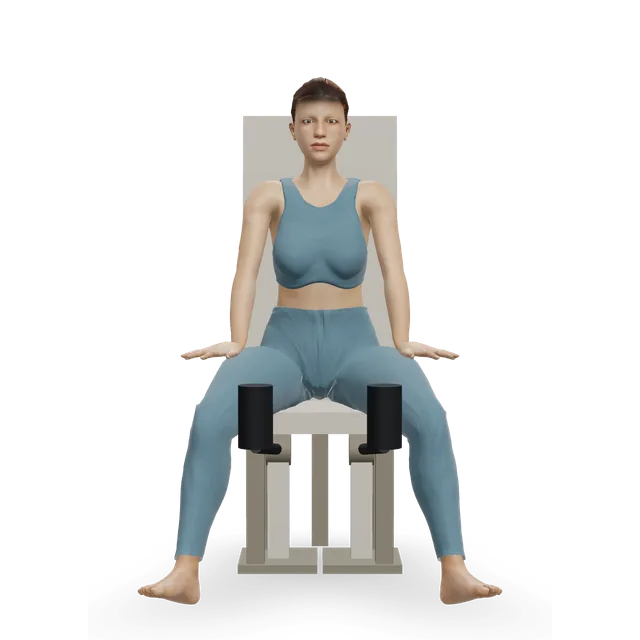
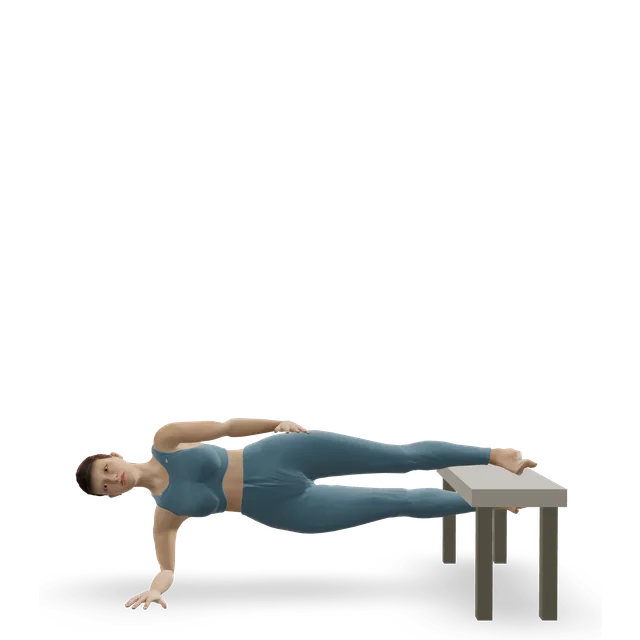
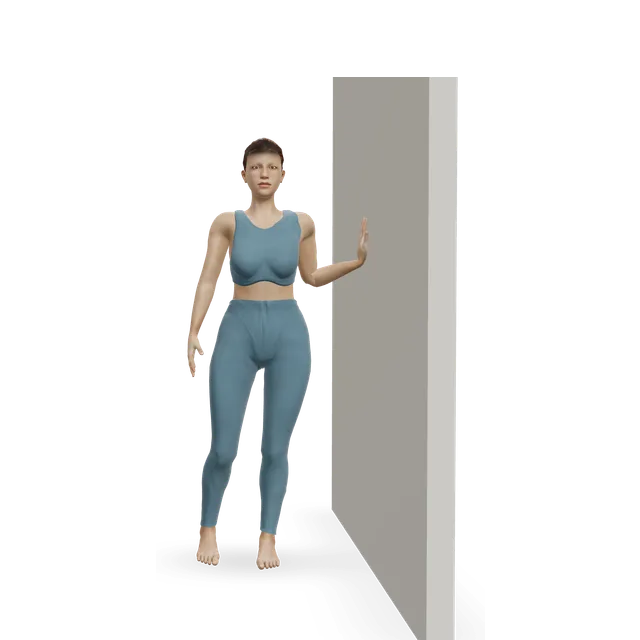
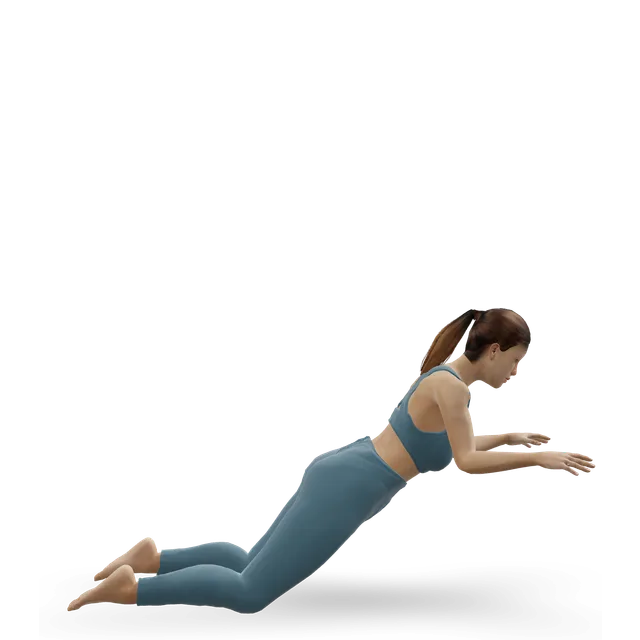
One fine-wire EMG study of 10 people, read as an abstract, sets the order: the straight-leg raise is the closest move on our figure to its supine hip flexion, which worked it hardest, and bridges worked it moderately. The band hip lift and the inner-thigh moves follow from its actions and were not measured for this muscle. EMG shows activity, not growth.
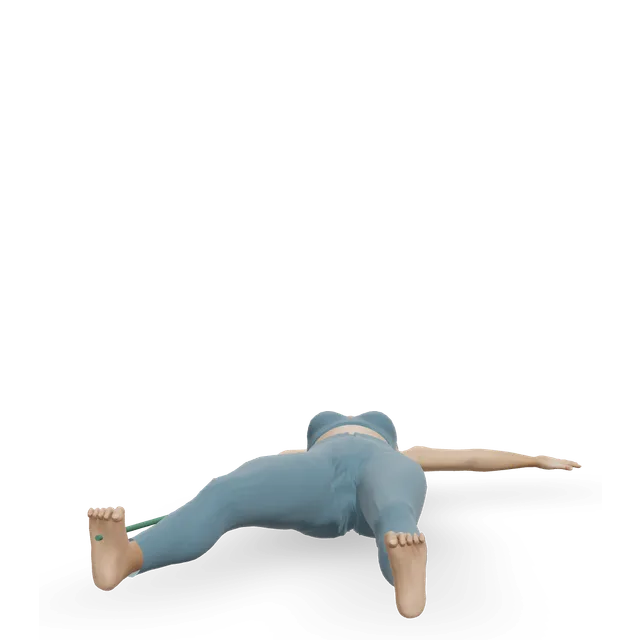
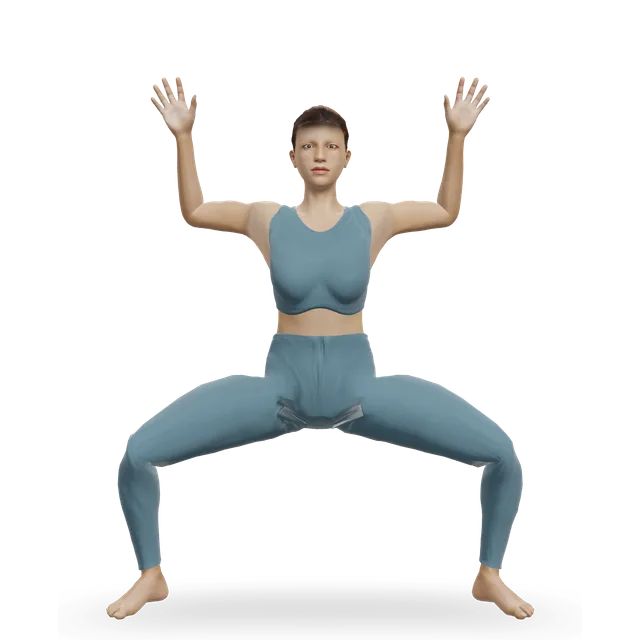
No study has measured a pectineus stretch. These reverse its two main actions, taking the hip back and out to the side. Don't dig into the top of the groin with a ball or thumb: the big blood vessels to the leg lie just in front of it.
It was the third most often injured inner-thigh muscle in an MRI series of male athletes, and it is often torn along with the adductor longus. Adductor strains usually come from a sudden change of direction or a kick, and squeezing the knees together against resistance brings on the pain.
Pain at the front of the groin when lifting the kneeEmerging evidence
It bends the hip, and in the fine-wire study it worked hardest lifting the thigh. When groin pain comes with lifting the knee, the hip flexor guide's staged loading suits it.
A lump at the top of the thigh is not a muscle problem: femoral hernias come through the canal that lies over this muscle, and they are more likely in older women. The sports hernia guide sets out when a lump or groin pain needs a doctor.
Pectineus trigger points are a common, overlooked cause of groin painMixed evidence
The support is expert opinion: a short commentary on ultrasound-guided dry needling. Examination for trigger points has not proved reliable, and a critical review called the theory behind them unsupported.
It lifts the thigh forward and pulls it in toward the midline, and helps steady the hip when it turns. In a study that recorded its activity with fine wires, it worked hardest when lifting the thigh lying down.
Where is the pectineus?
High in the groin at the top of the inner thigh, running from a ridge on the top of the pubic bone to the back of the thigh bone just below the hip. The large blood vessels to the leg run just in front of it.
How do you stretch the pectineus?
Take the hip back and out to the side, for example lying with a straight leg swung out, or the long leg of a cossack squat. No study has tested a pectineus stretch, and pressing hard into the groin is unwise because of the blood vessels there.
What exercises work the pectineus?
Lifting the thigh lying down produced its highest activity in a small fine-wire study, and bridges moderate activity. Inner-thigh exercises also use it, though they weren't measured for this muscle.
What does a pectineus strain feel like?
Pain high in the groin at the top of the inner thigh, usually after a sprint, kick or change of direction, worse when you squeeze your legs together or lift the knee. It was the third most often injured inner-thigh muscle in a scan series; our groin strain guide covers rehab.
Is pectineus pain a trigger point?
That idea rests on expert opinion. Finding trigger points by examination hasn't proved reliable, and the theory behind them is disputed, so treat dry-needling claims with caution.
Which nerve supplies the pectineus?
Mainly the femoral nerve, the nerve of the front of the thigh, which is unusual for an inner-thigh muscle. About 1 in 10 people also have a branch from the obturator nerve.
Could a lump in my groin be the pectineus?
Unlikely: femoral hernias come through a canal right beside this muscle, so a lump at the top of the thigh needs checking for a hernia rather than stretching. Our sports hernia guide lists the signs that need urgent help.
Anatomy and movement education, not a diagnosis or treatment plan. If you have pain that follows an injury, is severe or getting worse, or comes with numbness, weakness or swelling, get it assessed. Health disclaimer.