Pilates guide

Pilates for beginners: how to start, what you need and what to expect

Pilates is low-impact exercise for strength, trunk control, posture and breathing, done on a mat or on spring-loaded equipment. All you need to start is a mat, comfortable clothes and 20 to 45 minutes, two or three times a week. In trials, that built better control of the pelvis within 4 to 8 weeks and abdominal endurance within 5 to 12, but a new body shape in a few weeks isn't a fair promise.

Start with the basics: breathing into the sides of your ribs, finding a neutral pelvis and keeping your neck relaxed, with the easiest version of every move. If you're pregnant, have a health condition or have had recent surgery, check with a doctor, midwife or physiotherapist first.

This guide covers whether to start in a class or at home, what you need, the first 12 moves with 3D demos and easier versions, how often to practise, when you'll notice changes, soreness and common mistakes, how to choose a qualified teacher, and how to start safely over 50.

The short version

Learn the basics with a teacher if you can

In small trials, live online classes taught by a physiotherapist gave about the same gains as face-to-face classes, while a pre-recorded video helped but less than a class; in-person classes did better than remote ones for older adults, and supervised training beat home training in people with multiple sclerosis. Our suggestion: learn the basics in a few taught sessions, then add home sessions.

Sources 1, 2, 3, 4

A mat and comfortable clothes

That's all you need. The NHS says an exercise mat would be useful if you have one, and to wear comfortable, loose clothing. A folded towel under your head stops your chin tipping back when you lie down.

Sources 5, 6

Two or three sessions a week

Most trials used 2 to 3 sessions a week. In a back pain trial, twice a week beat once a week, and three times was not clearly better than twice. Our starting point is 20 to 45 minutes a session, and once a week still helps.

Sources 7, 8

Control first, then endurance

In one trial, most people had better control of their pelvis within 4 to 8 weeks, and across trials abdominal endurance improved over 5 to 12 weeks, by about 10 more curl-ups a minute. Weight change is modest, so don't expect a new body shape in a few weeks.

Sources 9, 7, 10

Sore is normal, sharp pain isn't

Muscle soreness after a new workout starts 12 to 24 hours later, peaks at 1 to 3 days and is gone within about a week. The NHS advises stopping an exercise straight away if it hurts or you feel unwell.

Sources 11, 5

Over 50: start without deep rounding

Pilates counts toward the strength and balance work older adults are advised to do on at least 2 days a week. Osteoporosis often causes no symptoms until a bone breaks, and a UK consensus suggests alternatives to Pilates roll-downs and curl-ups for people who have it, so our over-50 session leaves them out.

Sources 12, 13, 14

What Pilates is, and what a first session looks like

Strength, control and breathing

A systematic review of 119 research papers describes Pilates as mind-body exercise focused on strength, core stability, flexibility, muscle control, posture and breathing. The NHS calls it exercise that focuses on balance, posture, strength and flexibility, suitable for people of all ages and fitness levels. Our Pilates guide covers its history and principles.

Sources 15, 5

What a first session looks like

Expect to start on your back, learning to breathe and find your pelvic position, then move on to short moves on your back, sitting, on your side, face down and on all fours, often with a standing finish (our description, from our beginner workout and the NHS video). The NHS's free beginner video lasts 45 minutes and suits "beginners, improvers or anyone who wants to get back to basics"; our beginner workout takes 20.

Source 5

Class, live online, video or home: what the trials show

Live online classes did about as well as face-to-face onesEmerging evidence

In 58 healthy adults aged 25 to 40, a physiotherapist taught Pilates in groups of 3 or 4, either face to face or live over a video call, for an hour 3 times a week for 8 weeks. Both groups gained core endurance and improved their mood and quality of life compared with a breathing and relaxation group, and the authors found the benefits similar. It is one small trial.

Source 1

A recorded video helped, but less than a classEmerging evidence

In 30 middle-aged women with obesity, a pre-recorded video programme of 60 minutes, 3 times a week for 12 weeks, with monthly check-ins, improved fitness, muscle function and mental health compared with no exercise. Face-to-face classes improved them more. Neither changed body composition.

Source 2

In-person and supervised sessions did better in two groupsEmerging evidence

In adults aged 60 to 70, in-person Pilates improved quality of life more than remote Pilates, although every group improved, including the control group. In 50 people with multiple sclerosis, supervised Pilates-based core training twice a week for 8 weeks beat the same programme done at home.

Sources 3, 4

For back pain, supervision added littleEmerging evidence

In 145 adults with long-lasting low back pain, supervised mat Pilates twice a week for 6 weeks eased pain and disability a little more than a home exercise programme, but the authors judged the difference too small to matter, and there was no difference at 6 months.

Source 16

Our advice

If you can, take a beginners' class or a few one-to-one sessions to learn the basics and be corrected, then add home sessions. Most back pain trials that showed benefits were supervised, in groups of up to about 12. If a class isn't possible, a structured programme such as our beginner workout and 4-week plan, or the NHS's free video, is a reasonable start.

Sources 17, 5

What you need, and what to wear

A mat, and a towel for your head

An exercise mat is useful if you have one, as the NHS puts it. A thicker mat on a firm floor makes the rolling moves comfortable, and a folded towel or small cushion under your head stops your chin tipping back when you lie on your back. Props such as a ring, ball or band are optional extras (our suggestion).

Sources 5, 6

Clothes

Comfortable, loose clothing, the NHS suggests. Many teachers prefer clothes fitted enough to see your spine and hips, and bare feet or grippy socks suit mat work (our suggestions). Check a studio's rules for equipment classes.

Source 5

The five basics to learn first

From a contemporary school's teaching; classical teachers use similar cues. Our Pilates guide covers the six traditional principles.

Breathing

Breathe in through the nose so your lower ribs widen to the sides and into your back, and out through the mouth with pursed lips. As a rule, breathe out on the effort. Holding your breath is the mistake to watch for.

Source 6

Pelvis: neutral or imprint

Neutral keeps the small natural curve in your lower back: lying on your back, your two hip bones and your pubic bone make a flat triangle. It is used for most moves with your feet on the floor. Imprint is a slight tilt that eases your lower back toward the mat, used when both legs are lifted, until your abdominals can hold neutral.

Sources 6, 18

Ribs and shoulder blades

Keep your ribs from popping up as you lift your arms or breathe in. Let your shoulder blades lie flat on your ribcage and glide without winging or shrugging.

Source 6

Head and neck

Keep your neck's natural curve, with a small pad under your head if your chin tips back. To curl up, start with a small nod, without jamming your chin into your chest, and rest your head whenever your neck works harder than your abs.

Source 6

Classical and contemporary cues differ

In classical Pilates, the imprint means pulling the navel toward the spine, with the buttocks squeezed and the pelvis tucked, while Pilates used for back pain often keeps a neutral spine instead. You'll hear "scoop", "navel to spine" and "find neutral": they are teaching cues, not rules, and our Pilates core guide covers what the evidence says about them.

Source 15

Your first 12 moves

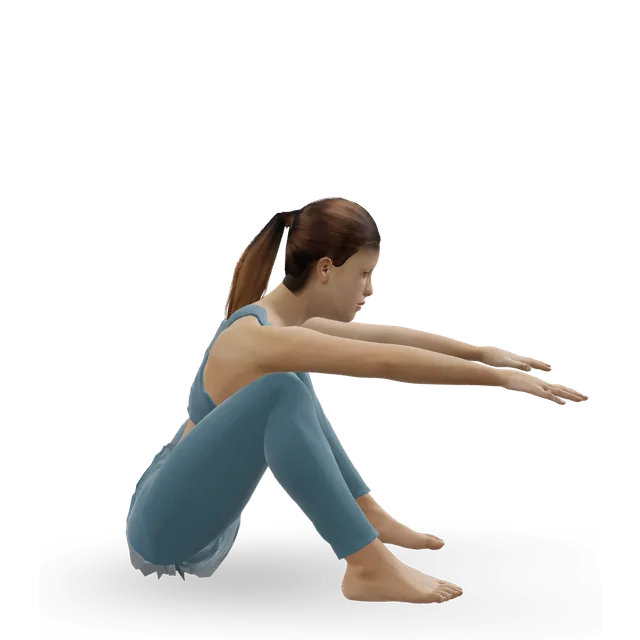
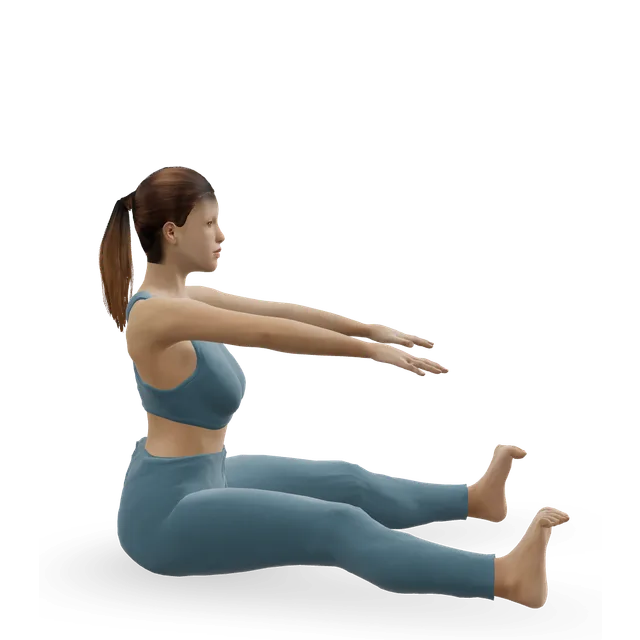
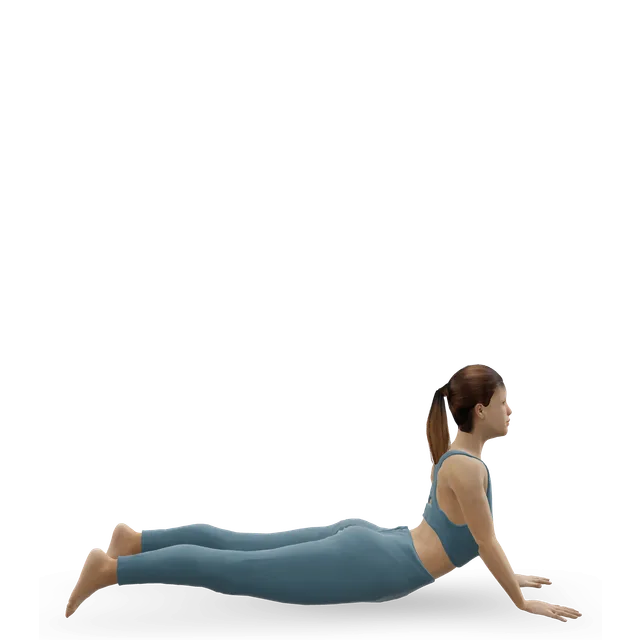
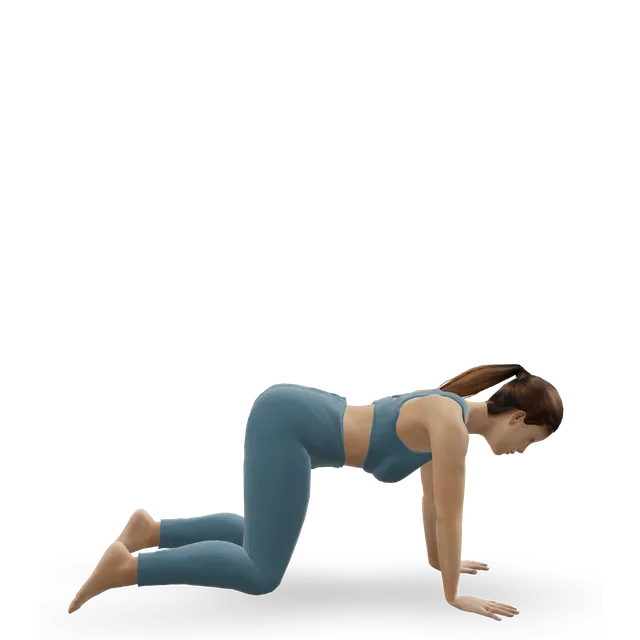
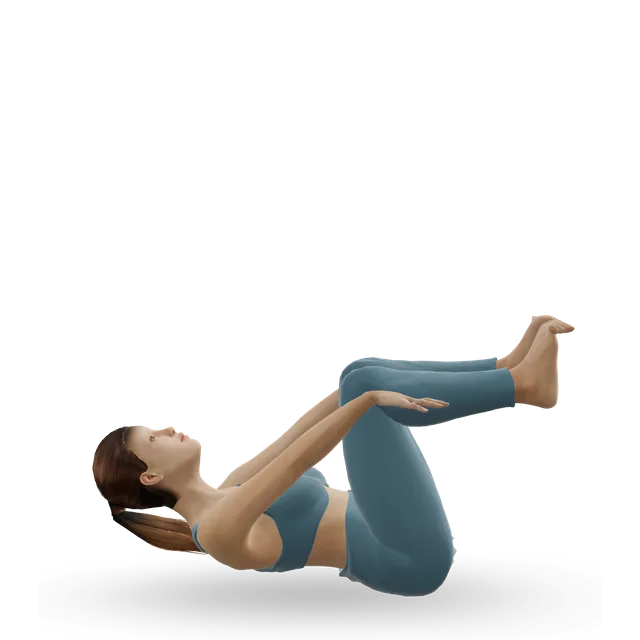
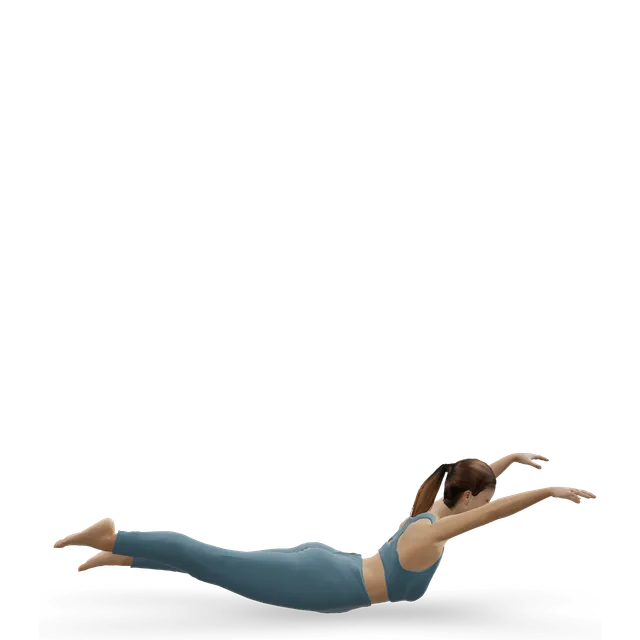
In this order, each in its easiest version first. Our starting doses: 5 to 8 breaths; 6 slow pelvic curls; 8 chest lifts; 6 toe taps each side; 50 beats of the Hundred; 5 leg circles each way, each leg; 6 single leg stretches each side; 5 half roll backs; 3 to 5 spine stretches; 8 side kicks each side; 5 small swans; 5 bird dogs each side (from our beginner workout and each move's page).

Easier versions, if you need them

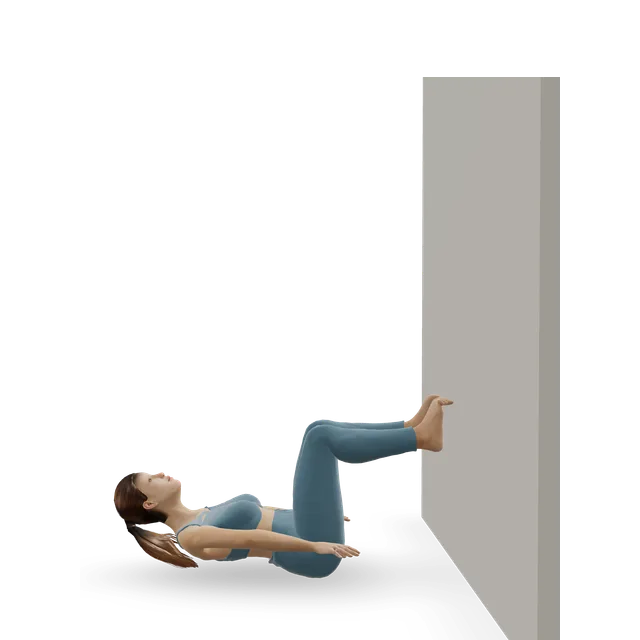
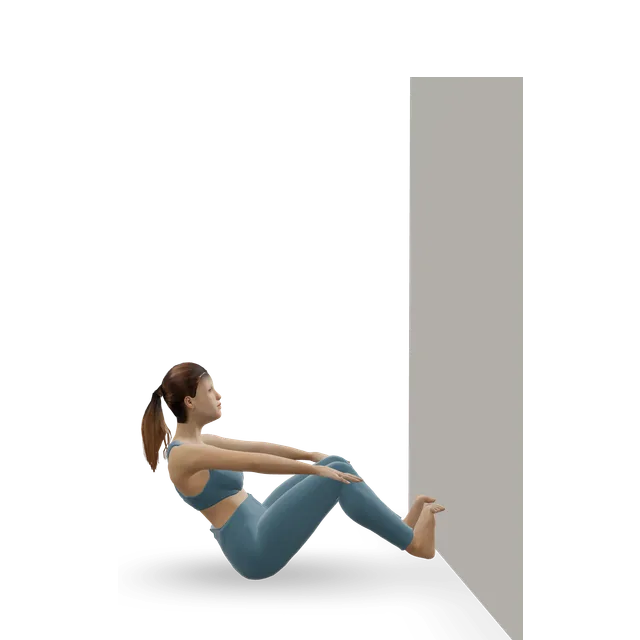
Use these until the first moves feel controlled: crocodile breathing, the glute bridge, the chin tuck with a head lift, the knee fold, the wall hundred, the side-lying leg raise, the clamshell, the sphinx and the bird dog one limb at a time.

Next steps, once these are easy

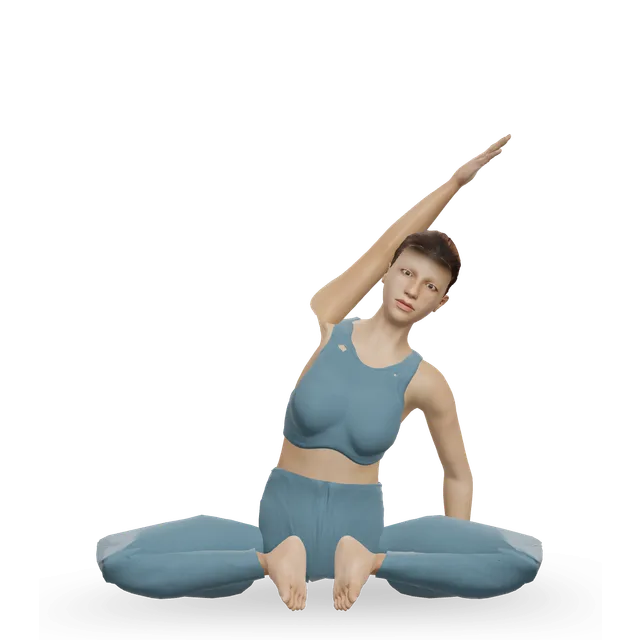
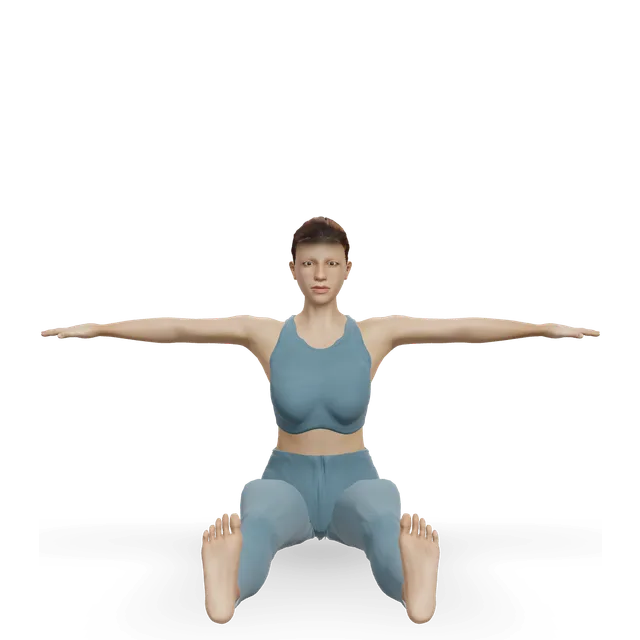
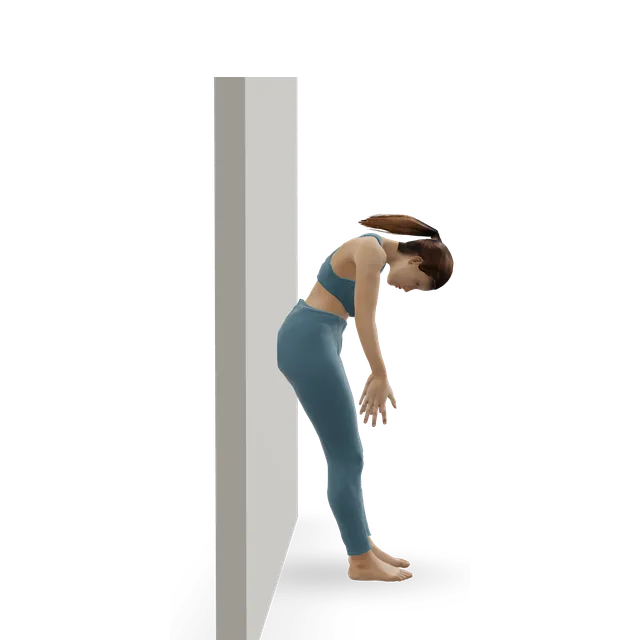
Add one at a time: the mermaid, the spine twist, the knee hover, the double leg stretch and the wall roll-up, then the full roll-up and swimming.

Follow-along sessions

Start with the beginner workout. If you're over 50 and don't know your bone health, use the over-50 session on your mat days. The wall workout is the gentlest start, and the back pain routine is built from neutral-spine moves.

Your first week and first month

Week 1

Do the beginner workout twice and the wall workout once, every move in its easiest version, about 5 to 6 repetitions each, and add two easy walks. Over 50, use the over-50 session instead of the beginner workout until you know your bone health (our editorial plan).

Weeks 2 to 4

Follow the 4-week plan. In week 2, build to 8 to 10 repetitions and 70 beats of the Hundred; in week 3, move any exercise that felt easy for 2 sessions to its harder version; in week 4, check your progress: 100 beats without neck strain, 3 controlled roll-ups or wall roll-ups, and a 30-second knee hover.

A 4-week beginner plan

Two mat days and one wall day a week, with easy walks, and rules for when each move steps up.

How often, and for how long

Two or three sessions a weekEmerging evidence

Most trials used 2 to 3 sessions a week. In 296 adults with back pain, once, twice and three times a week all helped compared with an advice booklet; twice beat once, and three times was not clearly better than twice, though it was the most cost-effective. In a network meta-analysis (a way of comparing many treatments across trials) of 118 back pain trials, the most helpful programmes used Pilates once or twice a week, in sessions under 60 minutes, for 3 to 9 weeks.

Sources 7, 8, 19

Our editorial starting point

Two or three sessions a week of 20 to 45 minutes, as in our Pilates guide. Once a week still helps if it's all you can manage: it beat an advice booklet in the back pain trial.

Source 8

It counts as strength, not cardioStrong evidence

The NHS lists Pilates among muscle-strengthening activities, recommended on at least 2 days a week, alongside at least 150 minutes of moderate activity such as brisk walking. Pilates doesn't replace that aerobic activity, so walk, cycle or swim on other days.

Source 20

The founder's own claim

A teaching site quotes Joseph Pilates' 1945 book promising results from doing the exercises "regularly only four times a week for just three months". It is the founder's promise, not a trial result.

Source 21

When you'll notice changes

Within a session or two

Moves feel less awkward as you learn them, and muscles new to the work may be sore for a day or two.

Source 11

4 to 8 weeks: better controlEmerging evidence

In a trial of 40 adults (20 men and 20 women), two 45-minute sessions a week led 65% of the Pilates group to pass a test of pelvic control at 4 weeks, and 85% at 8 weeks, against none of the comparison group; sit-and-reach flexibility improved too. The test is close to skills practised in class, so read it as learning control rather than proof of a stronger spine.

Source 9

5 to 12 weeks: abdominal enduranceEmerging evidence

Across 9 trials in healthy people, 2 to 3 sessions a week for 5 to 12 weeks improved abdominal endurance compared with no exercise, by about 10 more curl-ups in a minute. A 12-week trial in active middle-aged adults also found better hamstring flexibility and upper-body endurance, but no change in posture or balance.

Sources 7, 22

Months: balance that lastsMixed evidence

In 30 older adults, balance gains after a 5-week Pilates course were still there a year later, more so in those who kept going. It is one small observational study.

Source 23

Not a fair promise

Don't expect a new body shape or big weight loss in a few weeks. Across 11 trials in adults with overweight or obesity, Pilates led to about 2.4 kg more weight loss than doing nothing, and a beginner session is light work for the heart. Our Pilates for weight loss guide has the detail.

Sources 10, 24

Soreness and common mistakes

Soreness after a new workoutStrong evidence

Delayed onset muscle soreness, the ache after unfamiliar exercise, starts 12 to 24 hours later, peaks at 1 to 3 days and is gone within 5 to 7 days. It fades as your body adapts, and gentle movement is fine. Our muscle soreness guide has more.

Source 11

Common beginner mistakes

Most come from rushing. Watch for these:

  • Holding your breath: breathe out on the effort.
  • Letting your neck do the work in curl-ups: nod gently, don't jam your chin down, and rest your head when your neck tires.
  • Using momentum to roll up or lift: move slowly enough to stop at any point.
  • Taking your legs lower than you can control, so your lower back arches: keep them higher.
  • Rocking your pelvis in leg circles: make the circles smaller.
  • Popping your ribs or shrugging: keep your ribs down and your shoulder blades flat.
  • Chasing repetitions. A classical saying puts it this way: "It is not how many, but how."
  • Trying advanced moves such as the roll-over or the teaser before the moves that prepare you for them.
  • Pushing through pain, or ignoring a health condition: see the warning signs below.

Sources 6, 25, 26

How to choose a Pilates teacher

In the UK

Look for a qualification recognised against the Pilates-based matwork instructor standard of CIMSPA (the Chartered Institute for the Management of Sport and Physical Activity), such as a Level 3 diploma in instructing Pilates matwork regulated by Ofqual, the qualifications regulator in England. CIMSPA recognises a wide range of Pilates qualifications and experience mapped to its standard.

Sources 27, 28

In the US

The National Pilates Certification Program says Pilates is "an unregulated industry (it is not a licensed profession)". Its certification is voluntary: the comprehensive exam needs at least 450 hours of training across the mat and equipment, and a separate mat certificate needs at least 100 hours.

Sources 29, 30

What clinical Pilates means

Pilates-based exercise chosen, adapted and supervised by a physiotherapist as part of treatment. An Australian physiotherapy article says the name was coined to set physiotherapists apart as Pilates studios spread. In the UK, "physiotherapist" is a protected title: anyone using it must be registered with the Health and Care Professions Council (HCPC). Most back pain trials of Pilates were supervised by physiotherapists.

Sources 31, 32, 17

Questions to ask

Our suggestions:

  • What training they have: mat only or comprehensive, how many hours, and how it was assessed.
  • Whether they ask about your health before your first class.
  • How many people are in the class.
  • Whether they offer head-down and other easier versions.
  • Whether they have taught people in your situation, such as osteoporosis, pregnancy or back pain.

Starting Pilates over 50

It counts as strength and balance workStrong evidence

The NHS lists Pilates among activities that strengthen muscles and advises adults 65 and over to do activities that improve strength, balance and flexibility on at least 2 days a week. A UK consensus on osteoporosis recommends balance and strength exercise, including Pilates, at least twice a week.

Sources 12, 14

Balance improvesEmerging evidence

In reviews of trials in older adults, Pilates improved balance, and the larger review, of 39 studies, also found better strength and fall-risk scores, at low to moderate certainty. Whether it reliably builds strength or prevents falls is less clear; our Pilates for seniors guide has the detail.

Sources 33, 34

Bone health firstStrong evidence

Osteoporosis "is often only diagnosed when a fall or sudden impact causes a bone to break", and it isn't usually painful until then. For people who have it, a UK consensus advises modifying or avoiding sustained, repeated or deep rounding of the spine and, as a precaution, suggests alternatives to the Pilates roll-down and curl-up. People who are experienced and move comfortably and smoothly can continue.

Sources 13, 14

Pilates doesn't replace bone-building exerciseStrong evidence

For bone strength, the same consensus recommends muscle-strengthening exercise on 2 or 3 days a week, working toward weights you can lift 8 to 12 times, and, if you have no spinal fractures, moderate impact such as stamping or jogging on most days. Pilates is part of the balance and strength picture, not a substitute; our osteoporosis guide covers the rest.

Source 14

Our over-50 starting point

If you're over 50 and haven't had your bone health checked, start without deep or repeated rounding: head-down core work, back strengthening, side-lying and kneeling work, smooth twists, a flat-back hip hinge instead of the roll-down, and standing balance beside a wall. Add curl-ups and roll-downs later if you know your bones are healthy, or once a physiotherapist says they suit you. Our over-50 session follows this approach, which is our own, based on the UK consensus.

Sources 14, 12

Warning signs, and who should check first

Check with a GP first

The NHS advises getting advice from a healthcare professional, such as a GP, before starting if you're not sure the exercises suit your fitness; have a health problem, an injury or any symptoms, or feel unwell; have had a recent heart attack or operation; or are pregnant or have recently given birth. Over 65, speak to a GP first if you haven't exercised for some time. In the US, ask your doctor.

Sources 5, 12

Stop, and call NHS 111 if it doesn't settle

Stop the exercise straight away if you feel pain or become unwell. If you're worried about symptoms, or they don't go away, get advice from NHS 111 online or by calling 111 (in the US, your doctor or urgent care).

Source 5

Call 999 (911 in the US)

For chest pain that feels tight or like squeezing, or spreads to your arms, neck or jaw; severe difficulty breathing; lips or skin that look pale, blue or grey; or if someone passes out and isn't responding normally.

Source 35

Back pain: call 999 or go to A&E

If back pain comes with pain, tingling, weakness or numbness in both legs; loss of feeling around your genitals or anus; changes in your bladder or bowels; changes in how your penis or vagina feels during sex; or chest pain; or if it started after a serious accident.

Source 36

Get urgent medical help

For severe muscle pain or weakness out of proportion to the session, or red, brown or cola-coloured pee. These aren't ordinary soreness: our muscle soreness guide explains why.

Pregnancy

Tell the instructor you're pregnant. In later pregnancy, avoid lying flat on your back for more than a few minutes, and stop if you feel uncomfortable, too hot or unwell. Our Pilates in pregnancy guide has the detail.

Source 37

Myths

"You need a reformer or a studio"

Joseph Pilates' 34 classical exercises are all mat work, and the trials in healthy adults used mat programmes. A reformer is a choice, not a requirement; our reformer guide compares them.

Sources 25, 22, 9

"Pilates is just stretching"Emerging evidence

It builds abdominal endurance in trials, some Pilates moves work the abs harder than crunches in lab tests, and the advanced classical moves are hard enough that teachers set other moves to master first.

Sources 7, 38, 25

"You have to be flexible to start"

Every move has an easier version, so you don't need flexibility first. Trials disagree on how much Pilates improves it.

Sources 7, 22, 9

"If you're not sore, it didn't work"Strong evidence

Soreness peaks 1 to 3 days after unfamiliar exercise and fades as your body adapts. It isn't a measure of progress.

Source 11

"Pilates counts as your cardio"Strong evidence

In a study commissioned by the American Council on Exercise, a beginner mat session averaged 54% of maximum heart rate and an advanced one 62%. The NHS counts Pilates as muscle-strengthening activity, so keep walking, cycling or swimming for your heart.

Sources 24, 20

"In 10 sessions you'll feel the difference"

This line, which goes on to promise a whole new body in 30 sessions, is widely credited to Joseph Pilates, but we found no primary source for it. Treat it as a slogan, not a timeline.

"Pilates isn't safe after 50"Strong evidence

A UK consensus recommends balance and strength exercise, including Pilates, at least twice a week for people with osteoporosis, with changes to deep rounding, and Pilates improved balance in trials of older adults.

Sources 14, 33

Questions people ask

How do I start Pilates as a complete beginner?

Learn the basics first: breathing into the sides of your ribs, finding a neutral pelvis and keeping your neck relaxed. Then do a short beginner session 2 to 3 times a week, every move in its easiest version, and add repetitions before you try harder versions. A few classes with a teacher at the start help you learn faster.

Is it better to start Pilates with a class or at home?

Both work. In small trials, live online classes did about as well as face-to-face ones, and a pre-recorded video helped but less than a class; in-person classes did better than remote ones for older adults. If you can, learn with a teacher, then add home sessions.

What do I need for Pilates at home?

A mat and comfortable, loose clothes are enough. A thicker mat helps with rolling moves, and a folded towel under your head stops your chin tipping back when you lie down. Nothing else is needed to start.

What should I wear to Pilates?

Comfortable clothes you can move in, fitted enough that a teacher can see your spine and hips. Bare feet or grippy socks suit mat work; check a studio's rules for equipment classes.

How often should a beginner do Pilates?

Two or three sessions a week, which is what most trials used. In a back pain trial, twice a week beat once a week, and three times was not clearly better than twice. Sessions of 20 to 45 minutes are a good start.

How long does it take to see results from Pilates?

Control comes first: in one trial, most people passed a test of pelvic control within 4 to 8 weeks. Abdominal endurance improved over 5 to 12 weeks in trials, by about 10 more curl-ups a minute. A visibly different body shape or big weight loss isn't a fair promise from Pilates alone.

Is Pilates hard for beginners?

The beginner versions are gentle, but some classic moves are genuinely hard: one classical school keeps more than half of the 34 original exercises for its advanced level. If your neck aches or your back arches, use the easier version. That is normal, not failure.

Is it normal to be sore after Pilates?

Yes, after a new workout. The soreness starts 12 to 24 hours later, peaks at 1 to 3 days and is gone within about a week. Sharp pain during a move isn't normal, and red, brown or cola-coloured pee needs urgent medical help.

Is once a week of Pilates enough?

Once a week still helped back pain compared with an advice booklet, but twice a week did better. If once a week is all you can manage, it's worth doing, and walking on other days helps your heart.

Can I start Pilates over 50?

Yes. Pilates counts toward the strength and balance work older adults are advised to do on at least 2 days a week, and it improved balance in trials of older adults. Because osteoporosis often has no symptoms until a bone breaks, start without deep or repeated rounding of your back until you know your bones are healthy.

How do I choose a Pilates teacher?

Ask about their training. In the UK, look for a qualification recognised against CIMSPA's Pilates matwork standard, such as an Ofqual-regulated Level 3 diploma; in the US, national certification needs 450 hours of comprehensive training, or 100 hours for mat only. Also ask whether they check your health first and have taught people like you.

What is clinical Pilates?

Pilates-based exercise chosen and supervised by a physiotherapist as part of treatment; the name was coined to set it apart from general classes. In the UK, a physiotherapist must be registered with the Health and Care Professions Council, so you can check. Most back pain trials of Pilates were supervised by physiotherapists.


Sources

  1. Bulguroglu 2023 · Online vs face-to-face Pilates in 58 healthy adults (RCT, BMC Sports Sci Med Rehabil)
  2. Park 2023 · Video-based vs face-to-face Pilates in middle-aged women with obesity (RCT, Healthcare)
  3. Fraga 2024 · Remote vs in-person Pilates and quality of life in older adults (RCT, J Bodyw Mov Ther)
  4. Güngör 2022 · Supervised vs home Pilates-based core training in multiple sclerosis (RCT, Multiple Sclerosis)
  5. NHS · Pilates for beginners (45-minute video, and who should check first)
  6. STOTT PILATES (Merrithew) · Exam FAQs: the five basic principles, neutral and imprinted pelvis, breathing
  7. Campos 2016 · The Pilates method and physical conditioning in healthy people (systematic review and meta-analysis, J Sports Med Phys Fitness)
  8. Miyamoto 2018 · Pilates once, twice or three times a week for chronic low back pain: 296 adults (RCT, BJSM)
  9. Phrompaet 2011 · Pilates training, lumbopelvic stability and flexibility in 40 adults (RCT, Asian J Sports Med)
  10. Wang 2021 · Pilates for overweight or obesity: 11 trials (meta-analysis, Front Physiol)
  11. Hody 2019 · Eccentric muscle contractions: risks and benefits, including delayed onset muscle soreness (review, Front Physiol)
  12. NHS · Physical activity guidelines for older adults
  13. NHS · Osteoporosis
  14. Brooke-Wavell 2022 · Strong, steady and straight: UK consensus on physical activity and exercise for osteoporosis (BJSM)
  15. Wells 2012 · Defining Pilates exercise: a systematic review of 119 papers (Complementary Therapies in Medicine)
  16. Tottoli 2024 · Supervised mat Pilates vs home exercise for chronic low back pain: 145 adults (RCT, Clin Rehabil)
  17. Franks 2023 · Pilates and core muscle activation in chronic low back pain: 8 RCTs (systematic review, Healthcare)
  18. Studio Pilates 2018 · Neutral spine and imprinted spine
  19. Fernández-Rodríguez 2022 · Best exercise options for chronic low back pain: Pilates, strength, core-based and mind-body (network meta-analysis, JOSPT)
  20. NHS · Physical activity guidelines for adults aged 19 to 64
  21. ALO Moves · A guide to the original 34 Pilates exercises
  22. Kloubec 2010 · Pilates for muscle endurance, flexibility, balance and posture (RCT, JSCR)
  23. Bird 2014 · Balance and strength a year after a 5-week Pilates course in 30 older adults (study, J Aging Phys Act)
  24. American Council on Exercise 2006 · ACE study evaluates the benefits of Pilates (heart rate during mat sessions)
  25. Ackler 2024 · The 34 Pilates mat exercises: names, order and precautions (Pilates Anytime)
  26. Muscolino 2004 · Pilates and the "powerhouse", part I (review, J Bodyw Mov Ther)
  27. CIMSPA · Pilates-based matwork instructor: membership and professional standard
  28. Active IQ · Level 3 Diploma in Instructing Pilates Matwork (Ofqual-regulated qualification)
  29. National Pilates Certification Program · Frequently asked questions
  30. National Pilates Certification Program · Comprehensive certification eligibility requirements
  31. Phillips 2021 · Defining Pilates to make it clinical (opinion, Australian Physiotherapy Association InMotion)
  32. Health and Care Professions Council · The professions we regulate (protected titles)
  33. Fernández-Rodríguez 2021 · Pilates, physical performance and risk of falls in older adults: 39 studies (meta-analysis, Physiotherapy)
  34. Sampaio 2023 · Pilates and balance in older adults (meta-analysis of RCTs, Healthcare)
  35. NHS · Heart attack: symptoms
  36. NHS · Back pain
  37. NHS · Exercise in pregnancy
  38. Silva 2015 · Upper abdominal muscle activity in Pilates exercises vs crunches in 17 women (EMG study, J Bodyw Mov Ther)

Exercise education, not a personal prescription, and clinical review of these guides is pending. If you are pregnant, have a health condition or have had recent surgery, check with a doctor, midwife or physiotherapist before starting, and stop for sharp or increasing pain. Health disclaimer.