Pilates guide

Pilates for men: what it does, what the trials show and how to start

Pilates was created by a man: according to the Pilates Method Alliance's history, Joseph Pilates was a circus performer and trainer who helped lead daily exercise for his fellow internees in the First World War. Much of the research has been in women, but trials that included men, and small trials in male runners and footballers, found better trunk endurance and control and some gains in sports tests. Pilates also counts toward the twice-weekly strength guideline.

It complements strength training rather than replacing it. This guide covers what the trials in men show, Pilates for athletes, how to fit it around lifting, Pilates and the pelvic floor after prostate surgery, and how to start; our guide to exercise for men covers the rest.

The short version

Pilates was founded by a man

According to the Pilates Method Alliance's history, Joseph Pilates was a circus performer and trainer who helped lead daily exercise for his fellow internees in the First World War. Men have done it ever since; the idea that it is only for women is a myth.

Source 1

Trials include men

Trials that included men found better abdominal endurance and pelvic control, and a meta-analysis found the endurance gain in both sexes. Much of the research has been in women.

Sources 2, 3, 4

Athletes: promising, not proven

In one small trial of 28 young men, adding two mat classes a week to running cut 5-km times more than running alone, and amateur footballers improved jump, sprint and agility tests. Both trials are small, and no trial has tested Pilates for preventing sports injuries.

Sources 5, 6, 7

A complement to lifting

The NHS counts Pilates as muscle-strengthening activity, but heavier, progressive lifting builds more strength and muscle. One or two Pilates sessions a week fit alongside a lifting or sport week (our suggestion).

Sources 8, 9, 10

After prostate surgery, pelvic floor exercises come first

NICE (the National Institute for Health and Care Excellence) recommends supervised pelvic floor training if you leak after prostate surgery, though trials disagree on how much it speeds recovery. The evidence for Pilates here is thin, so follow your continence team's advice.

Sources 11, 12, 13

Start with the basics

Our beginner workout suits men as well as women. Men over 50 can use our over-50 session, which leaves out deep rounding of the back until you know your bones are healthy.

Source 14

Where Pilates came from

Joseph Pilates, briefly

According to the Pilates Method Alliance's history, Joseph Pilates was born in Germany in 1883, worked in England as a circus performer, and was interned as an enemy alien on the Isle of Man during the First World War, where he helped lead daily exercise for his fellow internees. He later took his method, which he called Contrology, to New York. Our Pilates guide has more of the story.

Sources 1, 15

What the trials in men show

Endurance, control and flexibilityEmerging evidence

In active middle-aged men and women, 12 weeks of Pilates twice a week improved abdominal endurance, hamstring flexibility and upper-body endurance. In 20 men and 20 women, 8 weeks of two sessions a week improved pelvic control and sit-and-reach flexibility. A meta-analysis of 9 trials found the abdominal endurance gain in both sexes.

Sources 2, 3, 4

Who is in the research

Much of the Pilates research has been in women: of the 6 back pain trials in one 2023 review that reported sex, 3 recruited only women and 3 were mixed. Men-only trials exist in runners, footballers, men with sports hernia or back pain, and men after prostate surgery.

Sources 16, 5, 6, 17, 18, 19, 20

Pilates for athletes

Runners: one small trialEmerging evidence

In a trial of 32 young male recreational runners (28 finished), adding two 1-hour mat Pilates sessions a week to running for 12 weeks cut 5-km time from 25.65 to 23.23 minutes, against 25.33 to 24.61 minutes with running alone, and running economy improved more too. It is one small trial in 28 young men and needs repeating. In 34 novice runners, a 12-week home mat programme didn't change how much the knees caved inward while running.

Sources 5, 21

FootballersMixed evidence

Thirty amateur male footballers did 8 weeks of mat or reformer Pilates in place of half their team sessions, and both groups improved on balance, hopping, sprint, agility, dribbling and passing tests, while a comparison group from another team didn't change. In 15 youth players, 5 weeks of mat Pilates increased leg strength. Both studies are small, and the comparison group wasn't randomised.

Sources 6, 22

Injury prevention is untestedMixed evidence

A search of the research found no trial testing whether Pilates prevents sports injuries. It is plausible, but unproven.

Source 7

As part of rehabEmerging evidence

In 88 men with sports hernia, adding Pilates to laser and ultrasound treatment for 6 weeks improved function and hip scores, though the extra pain relief was small. In 51 male college footballers with unstable ankles, Pilates and balance training both improved symptoms and function. Rehab should be guided by your physiotherapist.

Sources 18, 17

Back pain

The same evidence for men and womenStrong evidence

For long-lasting low back pain, a Cochrane review of trials in men and women found Pilates eased pain and disability more than doing little, but not clearly more than other exercise. In 36 men, 6 weeks of Pilates and of McKenzie exercise eased pain equally. Our Pilates for back pain guide has the detail.

Sources 23, 19

Pilates alongside lifting or sport

Lifting builds more strengthEmerging evidence

An American College of Sports Medicine overview of 137 reviews found strength best built by heavier loads, of at least 80% of the most you can lift once, through a full range, with 2 to 3 sets at least twice a week, and muscle size by 10 or more sets per muscle a week. Short trials found Pilates built strength about as well as other exercise, not better, and in older women resistance training built more trunk and hip strength on a machine test.

Sources 9, 10, 24

What Pilates adds

Trunk endurance, control of your pelvis and spine, and hip and hamstring flexibility, which the trials that included men measured. These are different qualities from heavy lifting, not lighter versions of the same thing.

Sources 2, 3

How the trials fitted it in

The runners added 2 sessions a week to their running, and the footballers did 3 sessions a week in place of half their team sessions.

Sources 5, 6

Our suggested week

Keep lifting as your base: 2 to 3 strength days with about 10 hard sets per muscle a week, as our guide to exercise for men suggests. Add 1 or 2 Pilates sessions, or a 10 to 15 minute block after lifting or on a rest day, and keep long curl-up and rolling blocks away from heavy squat or deadlift days; no study has tested timing (our editorial suggestion).

  • Monday: strength, full body.
  • Tuesday: Pilates, 30 minutes (the full-body mat workout), or the beginner workout while you learn.
  • Wednesday: strength.
  • Thursday: cardio (a run, ride or row) or sport.
  • Friday: strength, then the 10-minute Pilates abs if you like.
  • Saturday: sport or a long walk.
  • Sunday: rest.

Source 9

Pilates moves that complement lifting and sport

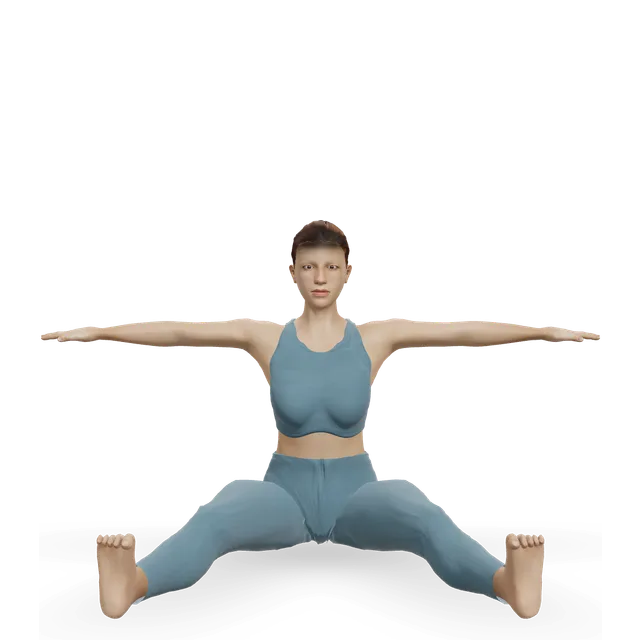
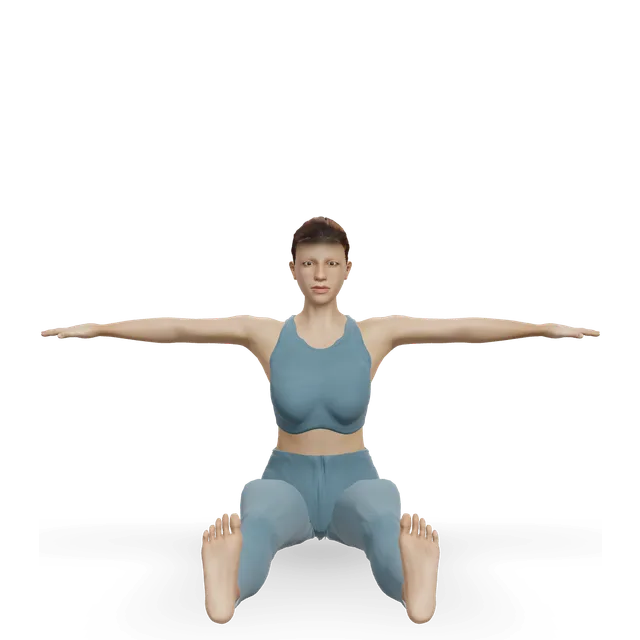
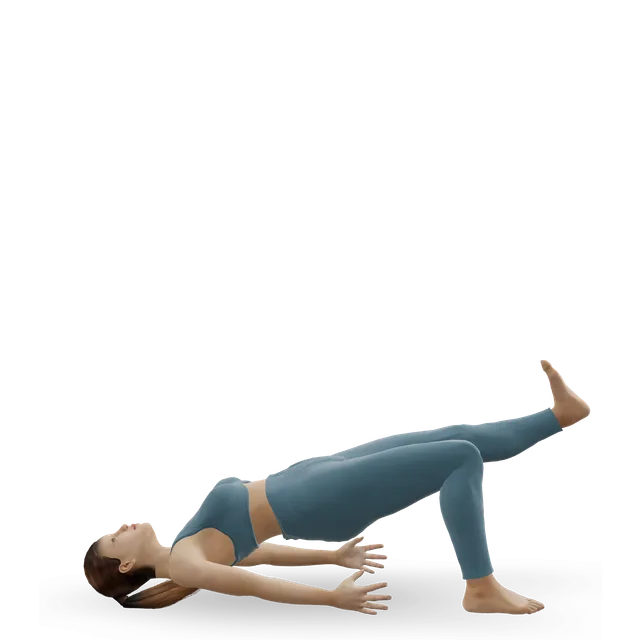
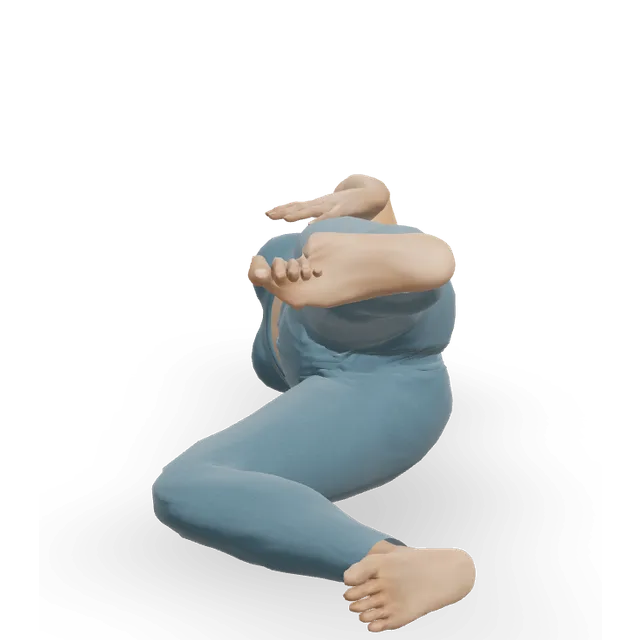
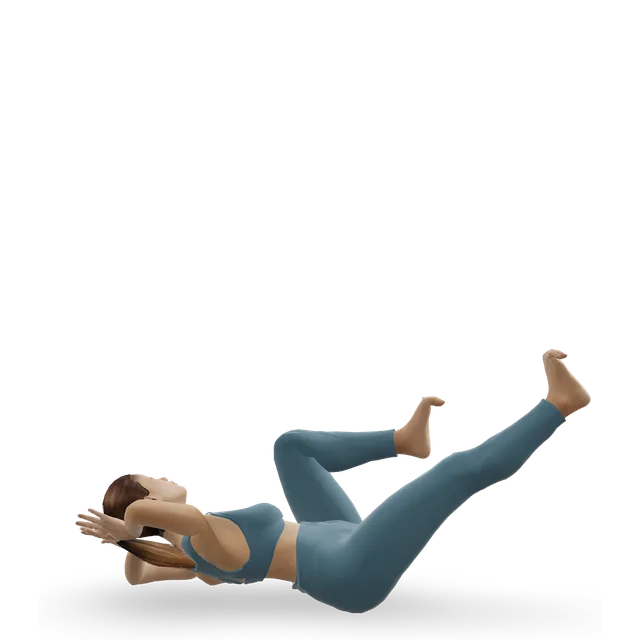
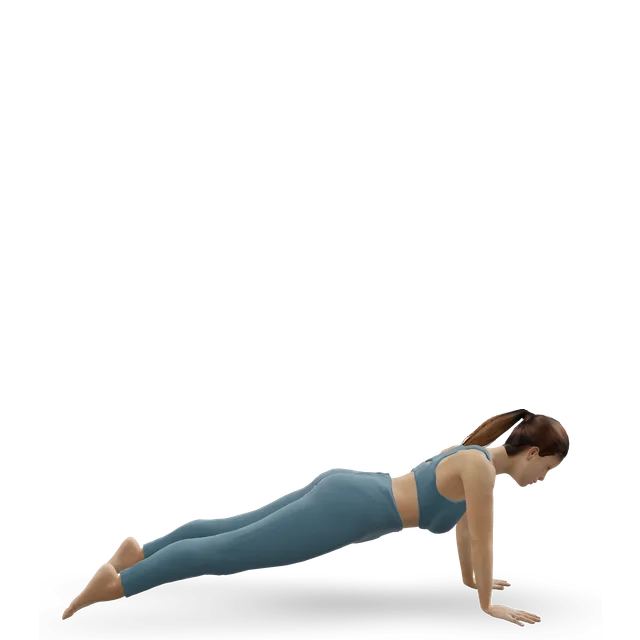
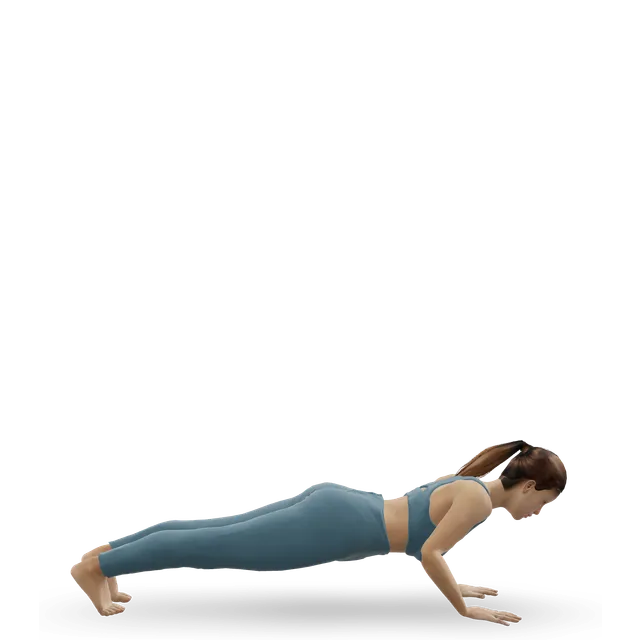
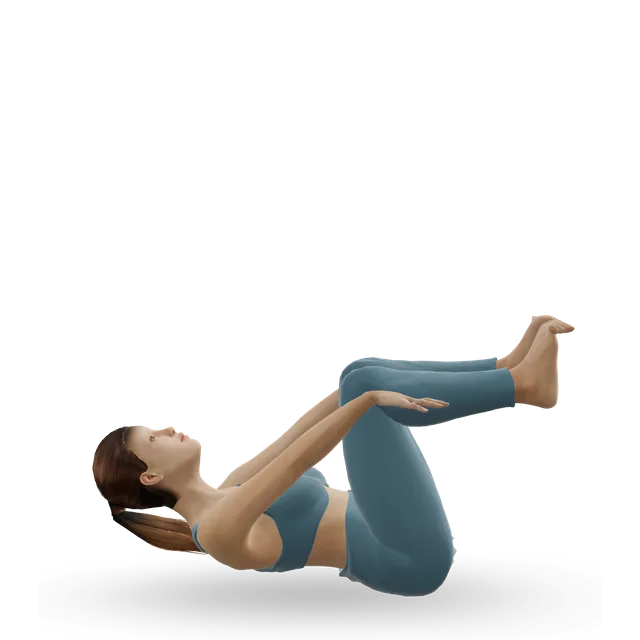
They cover jobs a lifting week often misses: hip control through range, rotation, back-extensor endurance, single-leg hip work and side work, and most appeared in the programmes tested in men. Start with each move's easier version; starting doses are on each move's page.

How to start

Start with the beginner workout; the full-body mat class is close to the programmes tested in men. Over 50, use the over-50 session until you know your bones are healthy. The pelvic floor routine is for before and after prostate surgery.

Plans

Our men's strength plans: add one Pilates session a week from the workouts above, or follow the Pilates plan while you learn.

Pilates and the pelvic floor after prostate surgery

Treatment questions belong with your surgical or continence team. Our pelvic floor guide shows how to do the exercises.

What NICE advisesStrong evidence

NICE recommends supervised pelvic floor muscle training for men who leak after prostate surgery, continued for at least 3 months before other options are considered. Prostate Cancer UK suggests starting the exercises 4 to 6 weeks before surgery, not doing them while a catheter is in, and starting as soon as it has been removed.

Sources 11, 13

How much pelvic floor training helps is uncertainMixed evidence

A Cochrane review of 50 trials with 4,717 men found that, for men still leaking after prostate removal, training didn't clearly beat the comparison groups: 57% against 62% were still leaking at a year. In the UK MAPS (Men After Prostate Surgery) trials, four one-to-one sessions with a therapist did no better than standard care. Men improved over time whatever they did.

Sources 12, 25

Pilates: thin evidenceMixed evidence

One Brazilian research group randomised men after prostate removal to a Pilates programme, pelvic floor exercises with electrical stimulation, or a control group. Four months after surgery, 58% of the Pilates group and 50% of the exercise group no longer needed pads, against 23% of the control group; the group reported the trial twice. A 2025 review that compared rehabilitation methods across trials, which we could read only as a summary, concluded that Pilates "may be associated with worse outcomes", which conflicts with that trial. The evidence is too thin to choose Pilates over the exercises NICE recommends.

Sources 20, 26, 27

What this means for you

Do the pelvic floor exercises, ideally taught by a physiotherapist, and start before surgery if you can. Prostate Cancer UK says Pilates and yoga "may also help to strengthen the pelvic floor muscles": if you enjoy Pilates, it can sit alongside the squeezes once your surgical team says floor exercise is fine, but it doesn't replace them. Avoid heavy exercise for the first 4 to 6 weeks after surgery, and if leaking is still bothering you, ask for a referral to a continence service.

Sources 11, 13, 28

Erection problems

Pelvic floor exercises, not Pilates, have been testedEmerging evidence

No trial has tested Pilates for erection problems. In one trial of 55 men, pelvic floor exercises taught by a physiotherapist, with biofeedback and lifestyle advice, improved erections more than lifestyle advice alone at 3 months. Our pelvic floor guide shows the routine.

Sources 29, 7

See a GP as well

The NHS says erection problems that keep happening "might be a sign of a health condition that can be treated", such as high blood pressure, high cholesterol or diabetes, so see a GP or a sexual health clinic too.

Source 30

Warning signs

Call 999 (911 in the US)

For chest pain that feels tight or like squeezing, or spreads to your arms, neck or jaw; severe difficulty breathing; or if someone passes out and isn't responding normally. If you get chest pain, breathlessness or dizziness when you exert yourself, see a GP before you train again, as our guide to exercise for men advises.

Source 31

Back pain: call 999 or go to A&E

If back pain comes with pain, tingling, weakness or numbness in both legs; loss of feeling around your genitals or anus; changes in your bladder or bowels; changes in how your penis feels during sex, or not being able to get or keep an erection; or chest pain; or if it started after a serious accident.

Source 32

After prostate surgery

Avoid heavy exercise for the first 4 to 6 weeks; short walks are fine if your surgeon suggests them. Start pelvic floor exercises only once the catheter is out, and ask your surgical team before floor-based ab work. If you're having hormone therapy or the cancer has spread to your bones, avoid activities where you could fall.

Sources 28, 13

Call NHS 111 or get an urgent GP appointment

For a bulge in your groin or tummy that is painful, or comes with a swollen tummy, being sick or constipation, as our guide to exercise for men explains. In the US, contact your doctor or urgent care.

Myths

"Pilates is for women"

Its founder was a male circus performer and trainer, and trials that included men, or only men, found gains in endurance, control and sports tests.

Sources 1, 4, 5, 6

"It's too easy if you lift"

Some Pilates moves make the abs work harder than crunches in lab tests, and the advanced mat moves demand strength, control and range that teachers make you earn. It trains different qualities from heavy lifting, not lighter versions of the same.

Sources 33, 34, 35

"Pilates will make you skinny or cost you muscle"Emerging evidence

Across 11 trials, Pilates didn't change lean body mass. It won't add much size either: muscle grows best with progressive loading.

Sources 36, 9

"Pilates can replace the gym"Emerging evidence

For strength and muscle size, heavy progressive lifting is better supported. Pilates is a complement.

Sources 9, 10, 24

"Pilates prevents sports injuries"Mixed evidence

Plausible, but no trial has tested it.

Source 7

"Pilates fixes prostate or erection problems"

No trial supports this. Pelvic floor training has NICE backing for leaking after prostate surgery and small trials for erection problems, and a GP can check for treatable causes.

Sources 7, 11, 29

Questions people ask

Is Pilates good for men?

Yes. Trials that included men found better abdominal endurance, flexibility and pelvic control, and small trials in male runners and footballers found better performance tests. It also counts as muscle-strengthening activity, though heavier lifting builds more strength.

Who invented Pilates?

Joseph Pilates, who was born in Germany in 1883. According to the Pilates Method Alliance's history, he was a circus performer and trainer who helped lead exercise for his fellow internees in the First World War and later taught in New York. He called his method Contrology.

Do men do Pilates?

Yes, and they always have, starting with the founder. Much of the research has been in women, but there are trials in men, from runners and footballers to men with back pain and men after prostate surgery.

Is Pilates good for athletes?

Promising but not proven. Adding two mat sessions a week to running cut 5-km times in one small trial of 28 young men, and amateur footballers improved jump, sprint and agility tests, but both trials were small. No trial has tested Pilates for preventing sports injuries.

Can Pilates replace weightlifting?

Not for strength and muscle size, which grow best with heavier, progressive loads. Pilates builds trunk endurance, control and range, so it works best alongside lifting.

How often should I do Pilates alongside the gym?

One or two sessions a week, or a short block after lifting, is a sensible start. The trials in men used 2 or 3 sessions a week alongside running or football training. Keep long curl-up blocks away from heavy squat or deadlift days.

Does Pilates help after prostate surgery?

The pelvic floor exercises NICE recommends come first, ideally taught by a physiotherapist and started before surgery. One trial found a Pilates programme did about as well as pelvic floor exercises with electrical stimulation, but the evidence is thin and a review disagrees, so follow your continence team's advice. Avoid heavy exercise for the first 4 to 6 weeks.

Can Pilates help erectile dysfunction?

No trial has tested Pilates for this. Pelvic floor exercises taught by a physiotherapist helped in a trial of 55 men. If erection problems keep happening, see a GP, because they can be a sign of a treatable condition such as high blood pressure, high cholesterol or diabetes.

Will Pilates make me lose muscle or look skinny?

No. Across 11 trials, Pilates didn't change lean body mass. It won't add much size either: lifting does that.

Is Pilates good for men over 50?

Yes, as part of the strength and balance work adults are advised to do. Start without deep rounding of your back unless you know your bones are healthy, as our over-50 session does, and keep lifting for strength.

Is Pilates good for back pain in men?

The evidence is the same for men and women: Pilates eases long-lasting low back pain more than doing little, but not clearly more than other exercise. In one trial of 36 men, it eased pain as well as McKenzie exercise.

What should men wear to Pilates?

Shorts or joggers and a T-shirt you can move in, fitted enough that a teacher can see your hips and spine. Bare feet or grippy socks suit mat work; check a studio's rules for equipment classes.


Sources

  1. Pilates Method Alliance · History of Pilates
  2. Kloubec 2010 · Pilates for muscle endurance, flexibility, balance and posture (RCT, JSCR)
  3. Phrompaet 2011 · Pilates training, lumbopelvic stability and flexibility in 40 adults (RCT, Asian J Sports Med)
  4. Campos 2016 · The Pilates method and physical conditioning in healthy people (systematic review and meta-analysis, J Sports Med Phys Fitness)
  5. Finatto 2018 · Pilates training and 5-km running performance in 28 young male runners (RCT, PLoS One)
  6. Yılmaz 2025 · Mat vs reformer Pilates and performance in 30 amateur male footballers (trial, PLoS One)
  7. Europe PMC · Searches for trials of Pilates to prevent sports injuries or treat erection problems: none found (19 October 2026)
  8. NHS · Physical activity guidelines for adults aged 19 to 64
  9. Currier 2026 · Resistance training for strength, muscle size and performance: an overview of 137 reviews (ACSM position stand, MSSE)
  10. Pinto 2022 · Is Pilates better than other exercise at increasing muscle strength? (systematic review, Heliyon)
  11. NICE CG97 · Lower urinary tract symptoms in men: management (recommendations 1.3.1 and 1.3.6)
  12. Anderson 2015 · Conservative management for leaking after prostate surgery: 50 trials (Cochrane review)
  13. Prostate Cancer UK · Pelvic floor muscle exercises
  14. Brooke-Wavell 2022 · Strong, steady and straight: UK consensus on physical activity and exercise for osteoporosis (BJSM)
  15. Wells 2012 · Defining Pilates exercise: a systematic review of 119 papers (Complementary Therapies in Medicine)
  16. Franks 2023 · Pilates and core muscle activation in chronic low back pain: 8 RCTs (systematic review, Healthcare)
  17. Jiang 2022 · Pilates vs balance training in 51 college footballers with chronic ankle instability (RCT, IJERPH)
  18. Elgohary 2026 · Adding Pilates to treatment for sports hernia in 88 men (RCT, J Integr Complement Med)
  19. Hasanpour-Dehkordi 2017 · Pilates vs McKenzie training in 36 men with chronic low back pain (RCT, Indian J Palliat Care)
  20. Pedriali 2016 · Pilates vs pelvic floor exercises for leaking after prostate removal (RCT, Neurourol Urodyn)
  21. González 2023 · Mat Pilates and knee movement during running in 34 novice runners (RCT, J Bodyw Mov Ther)
  22. Parolini 2024 · Mat Pilates and leg strength in 15 youth footballers (pilot study, Sensors)
  23. Yamato 2015 · Pilates for low back pain (Cochrane review)
  24. Carrasco-Poyatos 2019 · Pilates vs resistance training for trunk strength and balance in older women (RCT, PeerJ)
  25. Glazener 2011 · One-to-one pelvic floor training for men leaking after prostate surgery: the MAPS trials (two RCTs, Lancet)
  26. Gomes 2018 · Pilates and pelvic floor strength in men leaking after prostate removal (RCT, Neurourol Urodyn)
  27. Zhao 2025 · Physical therapies for leaking after prostate removal (network meta-analysis, Int J Surg; read as an abstract only)
  28. Prostate Cancer UK · Physical activity and prostate cancer
  29. Dorey 2005 · Pelvic floor exercises for erectile dysfunction in 55 men (RCT, BJU International)
  30. NHS · Erection problems (erectile dysfunction)
  31. NHS · Heart attack: symptoms
  32. NHS · Back pain
  33. Silva 2015 · Upper abdominal muscle activity in Pilates exercises vs crunches in 17 women (EMG study, J Bodyw Mov Ther)
  34. Pilatesology 2024 · Classical mat exercises: the basic, intermediate and advanced orders, and the 1945 order and repetitions
  35. Ackler 2024 · The 34 Pilates mat exercises: names, order and precautions (Pilates Anytime)
  36. Wang 2021 · Pilates for overweight or obesity: 11 trials (meta-analysis, Front Physiol)

Exercise education, not a personal prescription, and clinical review of these guides is pending. If you are pregnant, have a health condition or have had recent surgery, check with a doctor, midwife or physiotherapist before starting, and stop for sharp or increasing pain. Health disclaimer.